Do you ever feel like you are going nowhere with the same dumbbells and machines? There is a training implement that has been creating a buzz in gyms all over the world, and it could be just what your program needs.
It is a crescent-shaped training tool that has been adopted by fighters, athletes, and fitness enthusiasts, and they have all given it their stamp of approval. The bag, as opposed to traditional weights, is not a static one it moves with you, thus, your muscles have to become stronger.
Here, the guide will help you during the workout..t The main factor that makes the Bulgarian bag exercise so potent is the blending of different fitness goals to achieve one goal. Besides just lifting the weight.
What is a Bulgarian Bag?
The Bulgarian bag was created by Olympic wrestler Ivan Ivanov, who wanted a training tool that mimicked the demands of combat sports. He designed it specifically to help wrestlers build the rotational power and endurance they needed on the mat.
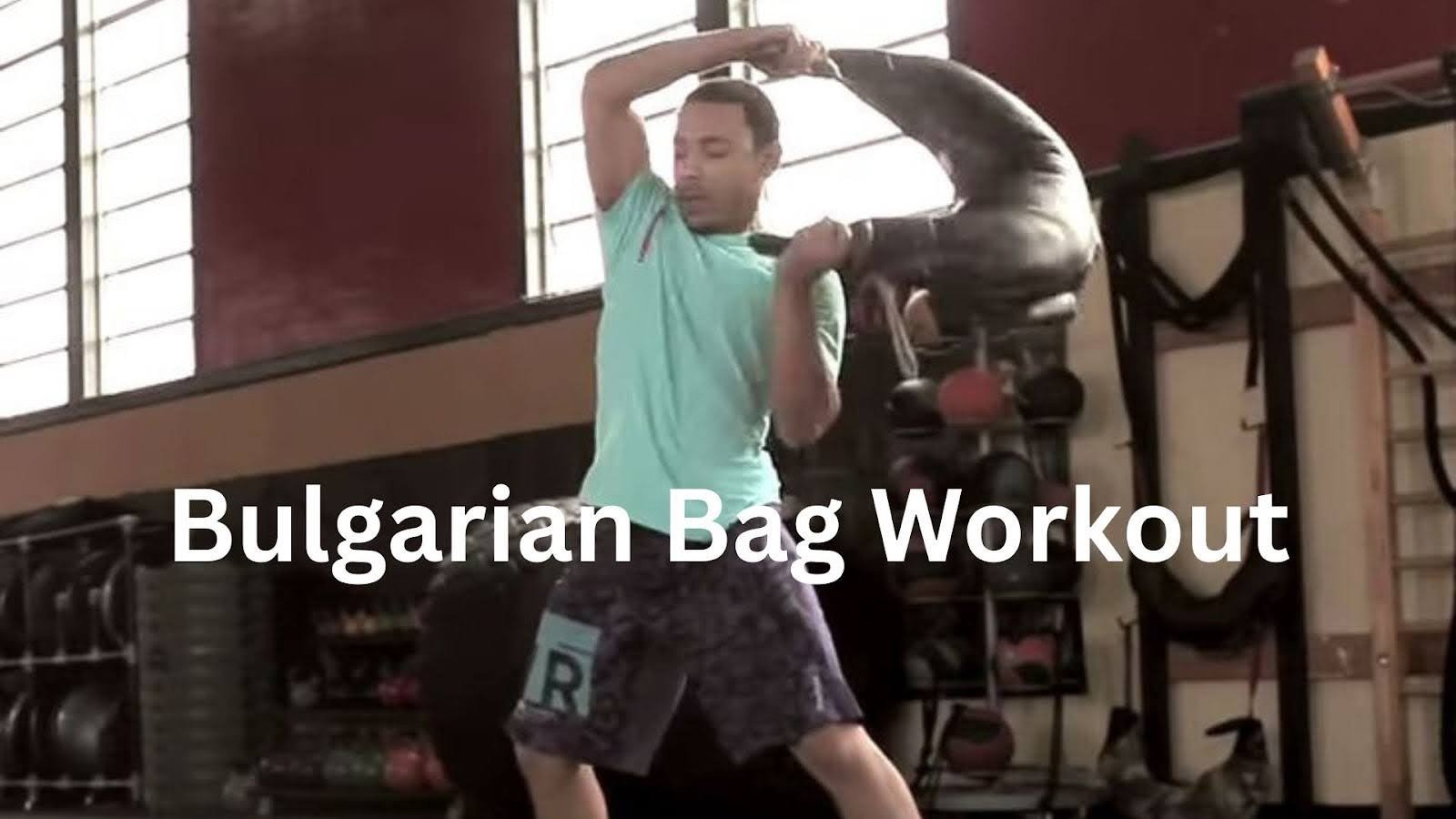
The crescent shape isn’t just for looks. This unique design allows the bag to rest comfortably across your shoulders while enabling smooth rotational movements. You can swing it, spin it, press it, and throw it in ways that would be awkward or impossible with traditional weights.
Each Bulgarian bag workout combines strength training with cardiovascular conditioning and muscular endurance. The sand-filled core shifts as you move, creating an unstable load that demands constant engagement from your stabilizer muscles.
Why Choose a Bulgarian Bag Workout?
Your grip strength will skyrocket from the first session. The various handles and odd shape mean your hands, wrists, and forearms are working overtime to control the bag through every movement.
Safety meets functionality with this tool. Unlike loose sandbags that can burst or dumbbells that might slip, the Bulgarian bag’s durable construction and multiple grip points give you secure control.
The beauty of the Bulgarian bag lies in its adaptability. Martial artists use it to build sport-specific power and endurance. General fitness enthusiasts love how it spices up their routine. Athletes across disciplines find value in its functional movement patterns that mirror real-life demands.
Getting Started with the Bulgarian Bag
Before you grab a bag and start swinging, let’s make sure you have the right equipment and understand the basics that will keep you safe and progressing.
Choosing the Right Weight and Size
Bulgarian bags range from 6 pounds to 84 pounds, and picking the right starting weight matters more than you might think. Most beginners should start between 11-17 pounds to master the technique before adding serious resistance.
Consider how you’ll use the bag when selecting weight. Dynamic movements like spins and throws work best with lighter bags that you can control through full ranges of motion. Heavier bags shine during squats, lunges, and carries, where you want that extra resistance challenge.
As you gain experience, many athletes keep multiple bags on hand. A lighter bag for high-rep conditioning work and a heavier one for strength-focused sessions gives you maximum versatility.
Proper Grip and Handle Use
The Bulgarian bag typically features three types of handles: main handles at each end, side handles along the curve, and sometimes strap handles in the center. Each grip serves specific exercises and movement patterns.
Your hand position changes the difficulty and muscle activation of every movement. Main handles work great for swings and rotational exercises where you need a secure grip. Side handles excel during presses and squats, while center straps help.
Practice switching between grips smoothly before adding intensity. A Bulgari bag workout often requires quick transitions from one handle to another mid-circuit. Getting comfortable with these changes during lighter warm-up sets means you’ll move confidently.
Warm-Up and Setup
Never jump straight into a Bulgarian bag workout cold. Spend 10-15 minutes preparing your body with full-body mobility work and joint activation exercises. Focus especially on your shoulders, hips, and wrists since these joints take the brunt of the rotational forces.
A solid dynamic warm-up includes arm circles, hip rotations, torso twists, and some light cardio to raise your heart rate. Do some bodyweight squats and lunges to prep your lower body. Wrist circles and finger flexion exercises prepare your grip for the challenges ahead.
Once you’re warm, start with the bag itself at low intensity. Do a few practice spins, light swings, and gentle presses with minimal effort. This helps you connect with the equipment and refine your movement patterns before ramping up to working sets.
Understanding Movement Patterns
The Bulgarian bag excels at training three primary movement planes: sagittal (forward and back), frontal (side to side), and transverse (rotational). Most traditional gym equipment only hits one or two planes effectively.
Start by mastering sagittal movements like squats and presses before progressing to frontal plane exercises like lateral lunges. Once those feel solid, add transverse plane work with spins and rotational throws.
Pay attention to how the bag’s weight shifts during different movements. That shifting load is actually a feature, not a bug. It teaches your body to stabilize and adapt in real-time, building functional strength that static weights can’t replicate.
Safety Considerations and Common Mistakes
The most common mistake beginners make is using too much weight too soon. Form breaks down quickly when you’re struggling to control the bag, which can lead to shoulder strains or lower back issues. Leave your ego at the door and focus on clean, controlled movements.
Keep your core engaged throughout every exercise. The unstable nature of the bag means your midsection must work constantly to maintain proper positioning. A weak or disengaged core is a recipe for injury, especially during rotational movements.
Create adequate space around you before starting any Bulgarian bag workout. You need room to swing, spin, and move without hitting walls, equipment, or other people. Clear at least six feet in all directions, and make sure your ceiling height accommodates overhead movements.
Bulgarian Bag Workout Routines
Now that you understand the basics, let’s put that knowledge into action with proven workout routines that deliver results.
Beginner Full-Body Routine

This introductory circuit builds your foundation while teaching proper technique across essential movement patterns. Start with the main handle Suples Spin, performing 10 controlled rotations in each direction.
Move directly into Swing Squats for 10 reps, using the momentum of the swing to challenge your leg drive. Follow with 10 Shoulder Presses using the side handles, focusing on keeping your core tight and avoiding excessive back arch.
Rest 60-90 seconds between rounds and complete three total rounds. This whole circuit takes about 20-25 minutes and hits every major muscle group. As you get stronger, reduce rest time or increase reps before considering a heavier bag.
Intermediate Circuit: 1,000 Rep Bulgarian Bag Challenge

This monster workout tests both your physical and mental toughness. Choose 10 different exercises and perform 10 reps of each, then repeat for 10 total rounds. That’s 1,000 total reps of varied movement patterns that will push your endurance to new levels.
Include a mix of exercises like spins, snatches, squats, lunges, presses, and rows to ensure balanced development. The key is maintaining quality movement even as fatigue sets in. Take minimal rest between exercises, but allow 2-3 minutes between full rounds to maintain technique.
This Bulgariann bag workout typically takes 45-60 minutes, depending on your fitness level. It’s perfect for those days when you want a serious conditioning session that builds both strength and stamina. Track your time and try to beat it in future sessions.
Conditioning Add-Ons and Modifications

Add grip-specific training by incorporating bag catches and handle transitions between standard exercises. Try alternating which handle you use each set, or practice tossing the bag from hand to hand during rest periods. These small additions build serious grip endurance over time.
Combine bodyweight movements with bag exercises for extra intensity. Perform a set of bag swings, drop it, bang out 10 push-ups, then grab the bag again for your next exercise. This style of training keeps your heart rate elevated while adding variety.
Adjust rest periods based on your goals. Shorter rests (30-45 seconds) emphasize cardiovascular conditioning and muscular endurance. Longer rests (90-120 seconds) allow for heavier weights and more strength-focused training.
Time-Based Interval Training

Set a timer for 30-second work intervals with 15-second rest periods. Choose 6-8 exercises and cycle through them for 3-4 rounds total. This format builds explosive power and cardiovascular capacity while keeping workouts time-efficient.
The beauty of interval training with the bag is how quickly you can switch between movements. No need to rerack weights or adjust machines. Just transition to the next exercise and keep moving. This maintains intensity and maximizes calorie burn.
For advanced practitioners, try an EMOM (Every Minute On the Minute) format. Perform a set number of reps at the start of each minute, then rest for whatever time remains. This approach teaches pacing and builds incredible work capacity over time.
Sport-Specific Programming

Fighters and martial artists can structure sessions around combat-specific movements. Focus on rotational power exercises that mimic punching and kicking mechanics. Include explosive movements that develop the fast-twitch muscle fibers critical for striking and takedowns.
Endurance athletes benefit from longer duration circuits with moderate weight. Try 20-30 minute continuous workouts where you cycle through 4-5 exercises with minimal rest. This builds the muscular endurance and mental toughness needed for distance events.
Team sport athletes should emphasize explosive movements and quick direction changes. Include plenty of jumping variations, lateral movements, and rotational exercises that mirror the demands of your sport. The functional carryover to field or court performance is remarkable.
Bulgarian Bag Exercise Library
Here’s your complete reference guide for the most effective exercises, organized by the muscle groups and movement patterns they target.
Upper Body and Core Builders
The Clean and Squat combines two movements into one powerful exercise. Start with the bag on the ground, clean it to your chest in one explosive motion, then drop into a full squat. This develops your quads and glutes while teaching proper bracing through your midsection.
Walk-Over Push-Ups take standard push-ups to another level. Place the bag next to you, perform a push-up, then walk your hands over the bag and do another push-up on the other side.
Russian Twists with the bag create serious core engagement. Sit with knees bent, lean back slightly, and rotate the bag from side to side using your obliques. The shifting weight inside the bag makes each twist more challenging than using a static medicine ball.
Lower Body and Explosive Movements
The Reverse Lunge to Press combines lower-body strength with shoulder power in one smooth motion. Step back into a lunge, then drive through your front leg as you press the bag overhead. This teaches you to transfer force from your legs through your core and into your upper body.
Swing to Squats build posterior chain power and endurance simultaneously. Let the bag swing between your legs, then use that momentum to drive into a squat position. The continuous motion keeps tension on your muscles while challenging your cardiovascular system.
Weighted Frog Hops or Jump Squats serve as perfect plyometric finishers for leg day. Hold the bag at your chest and perform explosive jumps, focusing on soft landings that protect your joints. These movements build the fast-twitch power needed for athletic performance.
Functional and Dynamic Combos
Halos involve circling the bag around your head in controlled rotations. This movement builds shoulder mobility while strengthening your grip and testing your core stability. Start slow and gradually increase speed as your control improves.
Lateral Arm Throws develop the rotational power fighters crave. Stand in an athletic stance and throw the bag from side to side using your core to generate force. This explosive movement mimics punching mechanics and builds serious oblique strength.
The Iron Back combines a clean and press into one fluid motion. This full-body exercise transitions power from your legs through your core and into your shoulders. It’s excellent for building the coordination and strength needed for athletic performance.
Programming Your Bulgarian Bag Training
Smart programming turns individual exercises into cohesive plans that deliver consistent results over time.
Structuring Workouts
Decide between full-body circuits and split sessions based on your schedule and goals. Full-body circuits work great for time-crunched athletes who train 2-3 times per week. Split sessions allow more volume and intensity for those training 4-5 times weekly.
A solid rep and rest scheme for building strength and endurance is 8-12 reps per exercise for 3 total rounds. This range builds muscle while maintaining enough volume for cardiovascular benefits. Adjust based on your goals: lower reps for strength, higher reps for endurance.
Consider alternating between strength-focused days with heavier bags and conditioning days with lighter bags and higher volume. This variation prevents overtraining while addressing multiple fitness qualities. Your body needs different stimuli to continue adapting and improving.
Progression Guidelines
Increase difficulty systematically by adding reps first, then reducing rest time, and finally increasing bag weight. This step-by-step approach ensures you’re always working at an appropriate intensity. Jumping weight too quickly often leads to form breakdown and potential injury.
The Bulgarian bag workout integrates beautifully with other training modalities. Muay Thai fighters can use it on conditioning days between technical sessions. BJJ practitioners find that it builds the grip and core strength crucial for grappling. CrossFit athletes love adding it to their varied programming.
Track your workouts in a simple notebook or app. Write down weights used, reps completed, and how you felt during the session. This data helps you make informed decisions about when to progress and identify patterns in your performance.
Recovery and Injury Prevention
Your shoulders and hips take significant stress during Bulgarian bag workout sessions. Dedicate time to mobility work focusing on these areas. Shoulder dislocations with a light resistance band and hip 90/90 stretches should be regular parts of your routine.
Cool down properly after each session with 5-10 minutes of static stretching. Focus on your shoulders, chest, hips, and hamstrings. This helps reduce soreness and maintains the flexibility needed for optimal movement patterns.
Your grip needs recovery, too. On rest days, perform light finger extensions with rubber bands and gentle wrist stretches. Overtraining your grip leads to elbow tendonitis and decreased performance. Respect the recovery process, and your hands will stay strong.
Advanced Variations and Challenges
Once you’ve mastered the basics, these advanced techniques will push your training to new heights.
Ladder Workouts (Load Progression)
Set up three or four bags of increasing weight in a row. Start with your lightest bag and perform a set of your chosen exercise. Rest briefly, then move to the next heavier bag and repeat. Continue climbing the ladder until you complete the heaviest bag.
This ascending load challenges both your strength and your ability to maintain form under increasing resistance. You can also run the ladder in reverse, starting heavy when you’re fresh and finishing light for high-rep burnout sets.
Ladder workouts teach your nervous system to recruit more muscle fibers as resistance increases. This adaptation carries over to all your other training and builds impressive work capacity. Try running a ladder once per week as a benchmark for measuring progress.
Combat Athlete Applications
Fighters use Bulgarian bag drills to build sport-specific conditioning that translates directly to the cage or ring. Rotational exercises mimic the torso twist needed for powerful strikes. The grip demands mirror the forearm endurance required for prolonged grappling exchanges.
Design circuits that match your sport’s timing. Boxers might work in 3-minute rounds with 1-minute rest. MMA fighters could use 5-minute rounds. This specific energy system training builds the exact type of endurance you need when competing.
Include explosive movements that develop the fast-twitch power crucial for finishing techniques. Bag throws, snatches, and jump variations build the same neural pathways you activate when shooting takedowns or throwing strikes. The functional carryover is remarkable.
Cross-Training Integration
Pair Bulgarian bag routines with kettlebell work for a comprehensive strength and conditioning program. Use kettlebells for pressing and swinging movements, then switch to the bag for rotational work. The combination hits every movement pattern your body needs.
Combine bag training with heavy bag work for fighters. Perform a circuit of Bulgarian bag exercises, then finish with 2-3 rounds on the heavy bag. This pairing builds strength, power, and skill simultaneously while maximizing training time efficiency.
Add calisthenics between bag exercises for bodyweight integration. After a set of bag work, drop down for push-ups, pull-ups, or dips. This approach builds relative strength alongside the absolute strength developed by weighted movements. Your overall athleticism will skyrocket.
Conclusion
The Bulgarian bag workout is a very effective and unique combination of full-body conditioning, the development of excellent grip strength, and rotational control, which hardly any other training tools can match. So you have figured out how to select the right equipment.
Initially, use lighter weights and concentrate on perfecting your form before you increase the intensity. Gradually develop your exercise library, incorporating new movements as your coordination and strength get better.
Keep a record of your progress and achievements, be proud of your small victories, and don’t hesitate to try out different workout formats. Training partners can be a great help if you share your routines with them and also learn from the community of athletes.
Frequently Asked Questions
How heavy should my first Bulgarian bag be?
Most beginners should start with an 11-17-pound bag to master proper technique safely. This weight allows you to complete full ranges of motion without compromising form. You can always increase weight once movement patterns become smooth and controlled.
Can Bulgarian bag training replace my regular gym routine?
A Bulgarian bag workout can serve as your primary training tool if programmed correctly. It builds strength, cardio, and mobility simultaneously. However, some athletes prefer using it alongside traditional weights for maximum development.
How often should I train with the Bulgarian bag each week?
Three to four sessions per week allow adequate recovery while building consistent progress. Space workouts at least one day apart to prevent overtraining your grip and shoulders. On off days, focus on mobility work and lighter activities.
What muscles does a Bulgarian bag workout target most?
The bag targets your entire body with emphasis on shoulders, core, grip, and legs. Rotational movements heavily engage your obliques and stabilizer muscles throughout your trunk. Your forearms and hands get exceptional development from controlling the shifting weight.
Is the Bulgarian bag good for weight loss goals?
Absolutely. The combination of strength training and cardiovascular conditioning burns significant calories during and after your workout. The metabolic demand of controlling the unstable load keeps your heart rate elevated throughout sessions.