
The bear crawl is a great exercise. It builds core strength, improves coordination, and helps your posture. But sometimes you need something different. Maybe your wrists hurt. Maybe you want to work specific muscles harder. Or maybe you just want to mix things up.
I’ve been there. After years of training, I know that one exercise doesn’t fit everyone. That’s why I’m sharing these bear crawl alternative movements with you today.
In this guide, you’ll learn why you might need an alternative, see nine powerful options, and discover how to add them to your workouts.
Let’s get started.
Why Choose a Bear Crawl Alternative?
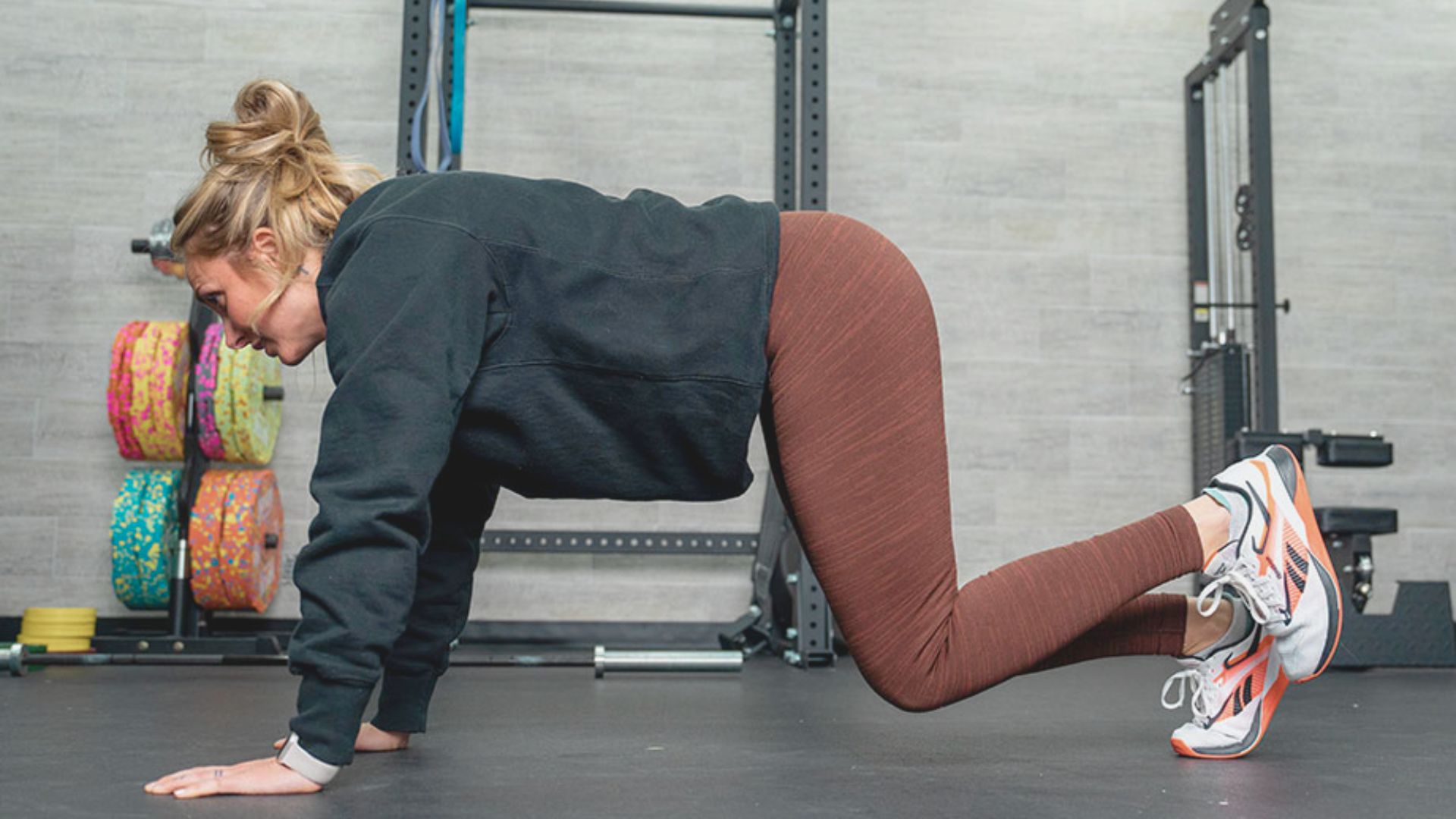
Finding the right movement for your body helps you train smarter and avoid pain.
Your joints matter. If traditional crawling hurts your shoulders or wrists, you need different options. Some people have old injuries. Others just have sensitive joints. Listen to your body. Pain is a signal, not something to push through.
Your body also adapts fast. Do the same move every week and you’ll stop seeing results. Changing up your exercises keeps your muscles challenged. Different movement patterns wake up your nervous system. Variety is key to long-term progress.
The 9 Best Alternatives to Try
These nine movements build strength, stability, and control without traditional bear crawls.
1. Plank Shoulder Taps
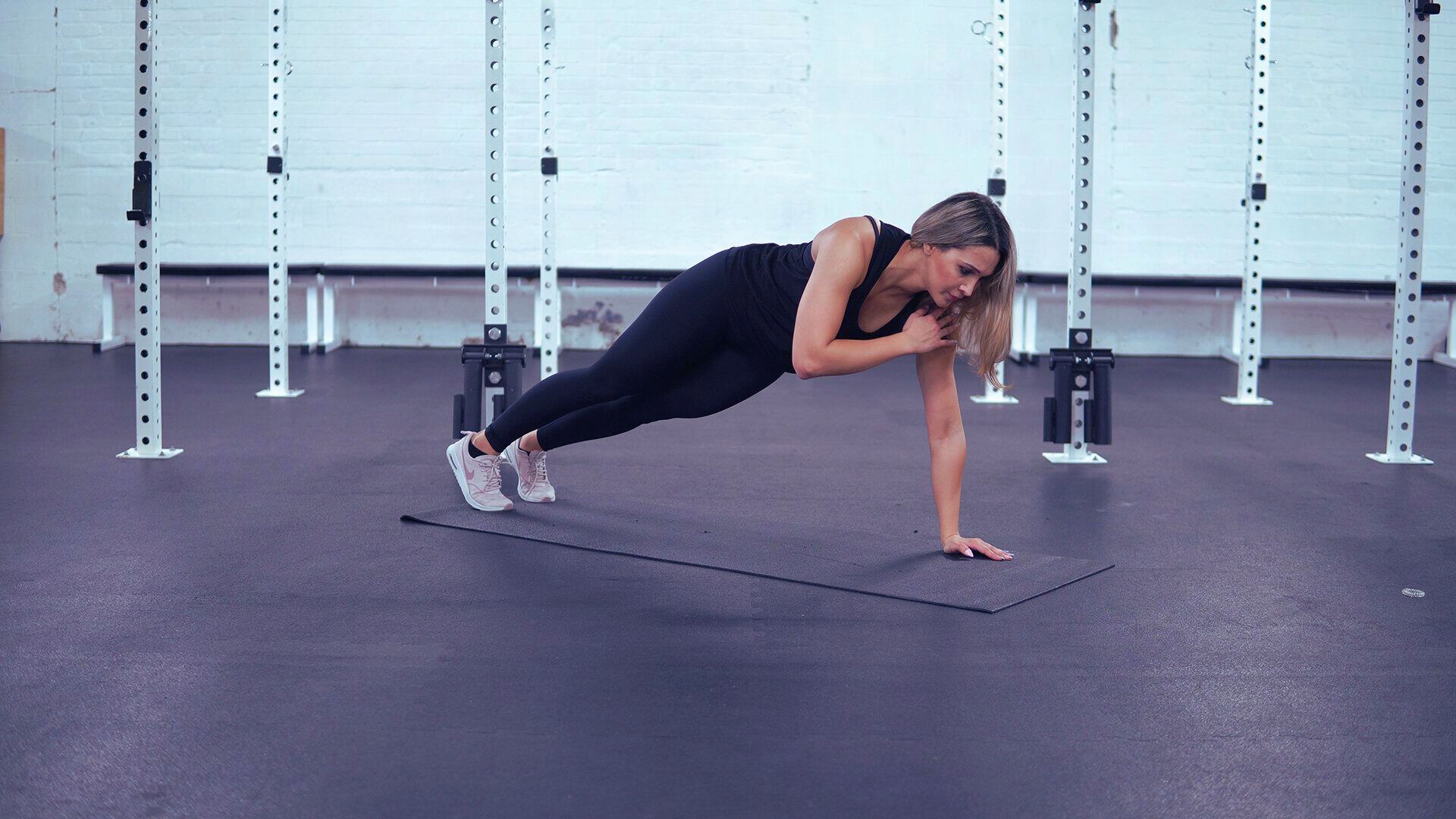
This is an anti-rotation core exercise. You hold a plank and tap each shoulder with the opposite hand.
Your core fights rotation while improving shoulder stability and balance. It’s low-impact and great if you have wrist issues.
How to do it: Get in a plank position. Keep your hips still. Tap your right shoulder with your left hand. Return to plank. Tap your left shoulder with your right hand.
2. Mountain Climbers
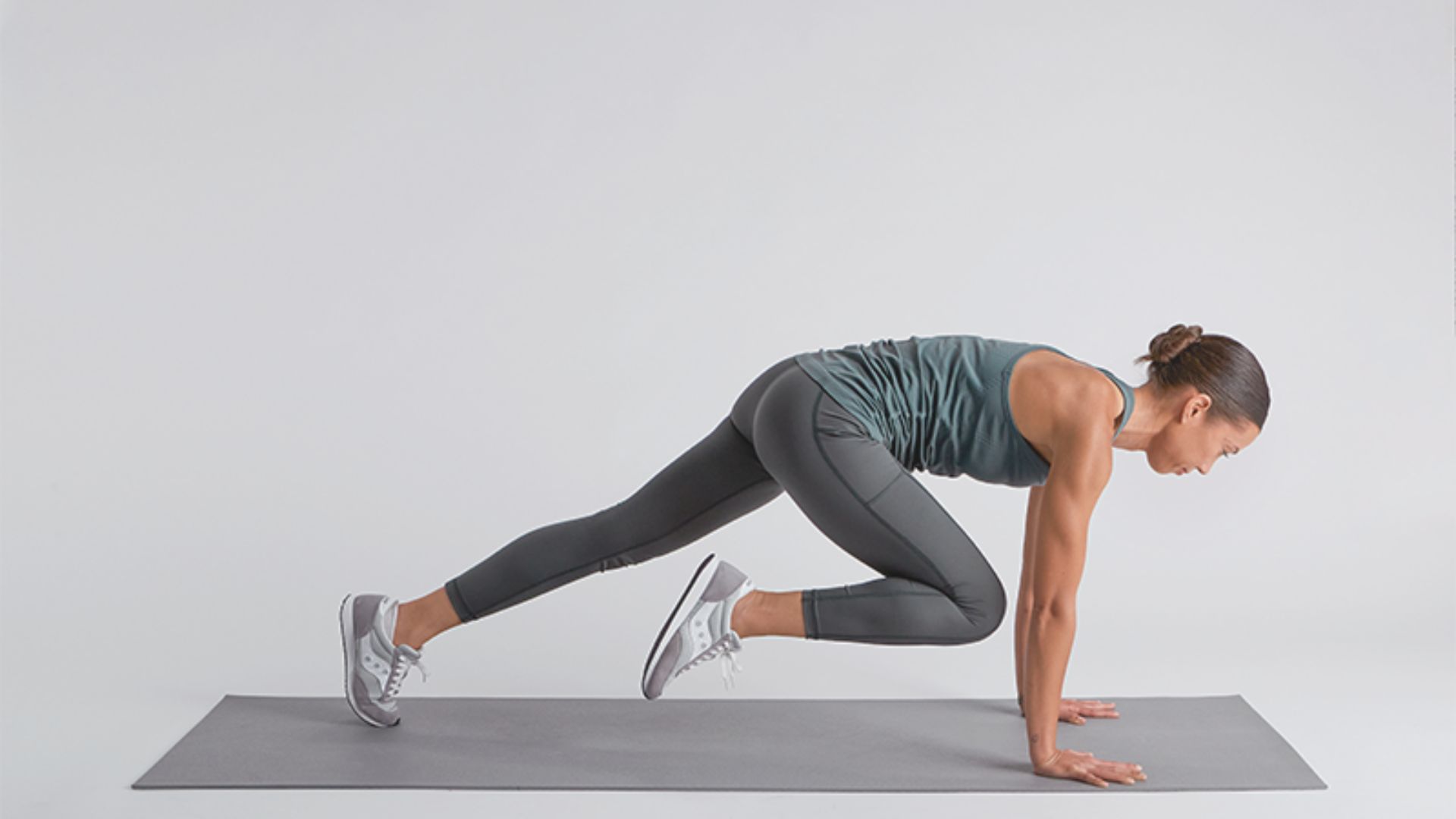
Mountain climbers combine core strength with cardio. They get your heart rate up while working your abs.
This move targets hip flexors and shoulders while burning calories fast. Go slow for control or fast for conditioning.
How to do it: Start on a plank. Drive one knee toward your chest. Return it back. Bring the other knee forward. Keep alternating in a running motion.
3. Gorilla Walk

The gorilla walk builds lower-body power and coordination. You squat low and walk forward with your hands touching the ground.
This strengthens your legs and improves hip mobility. Your core stays engaged while your legs do most of the work.
How to do it: Squat down low. Touch your hands to the ground between your feet. Take small steps forward while staying in the squat. Keep your chest up.
4. Army Crawl
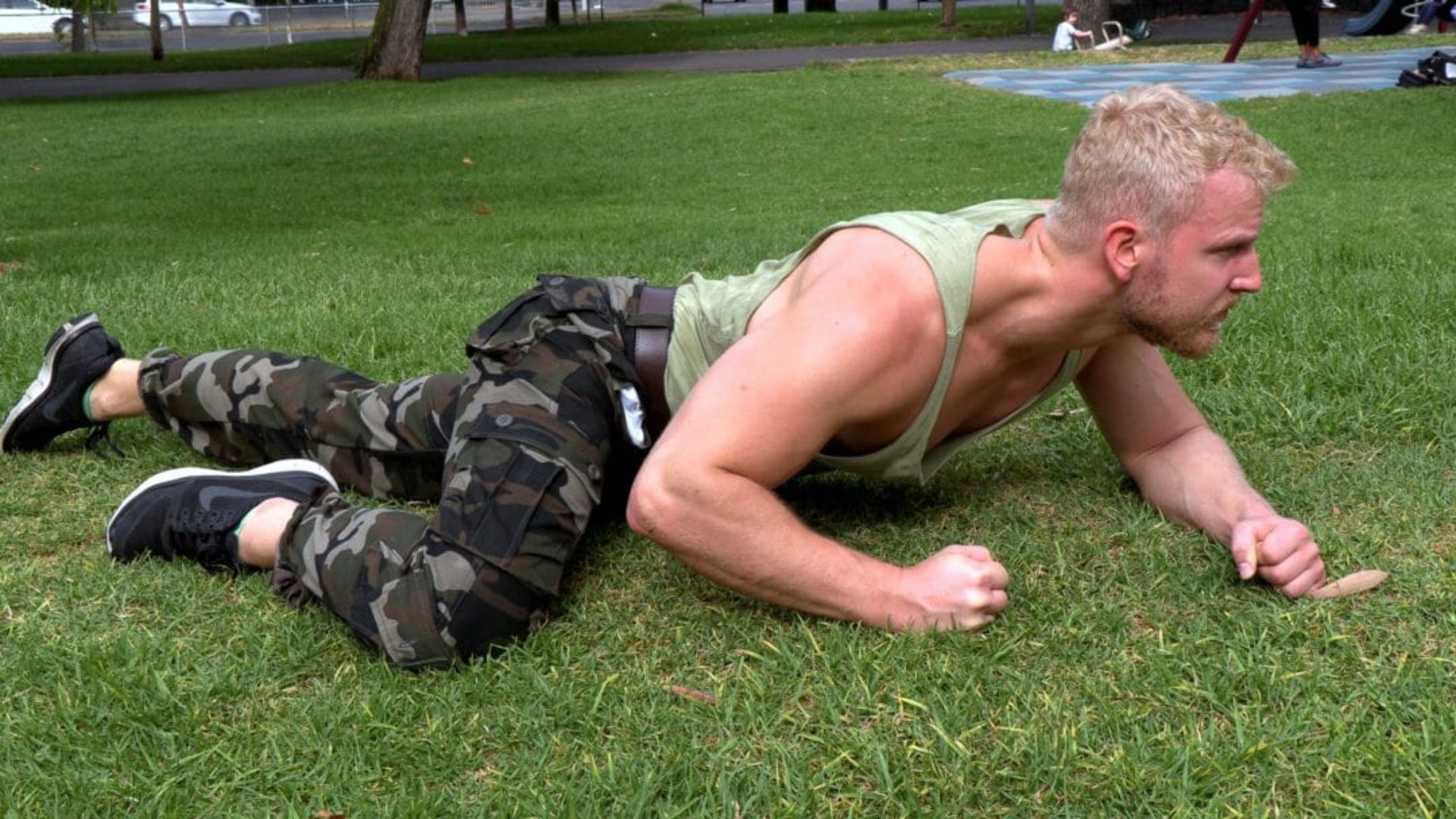
The army crawl strengthens your upper body and core. You pull yourself forward on your stomach using your elbows and legs.
This improves coordination and endurance. It’s beginner-friendly and works your abs, arms, and back.
How to do it: Lie on your stomach. Use your elbows and legs to pull yourself forward. Keep your hips low. Move slowly and controlled.
5. Duck Walk
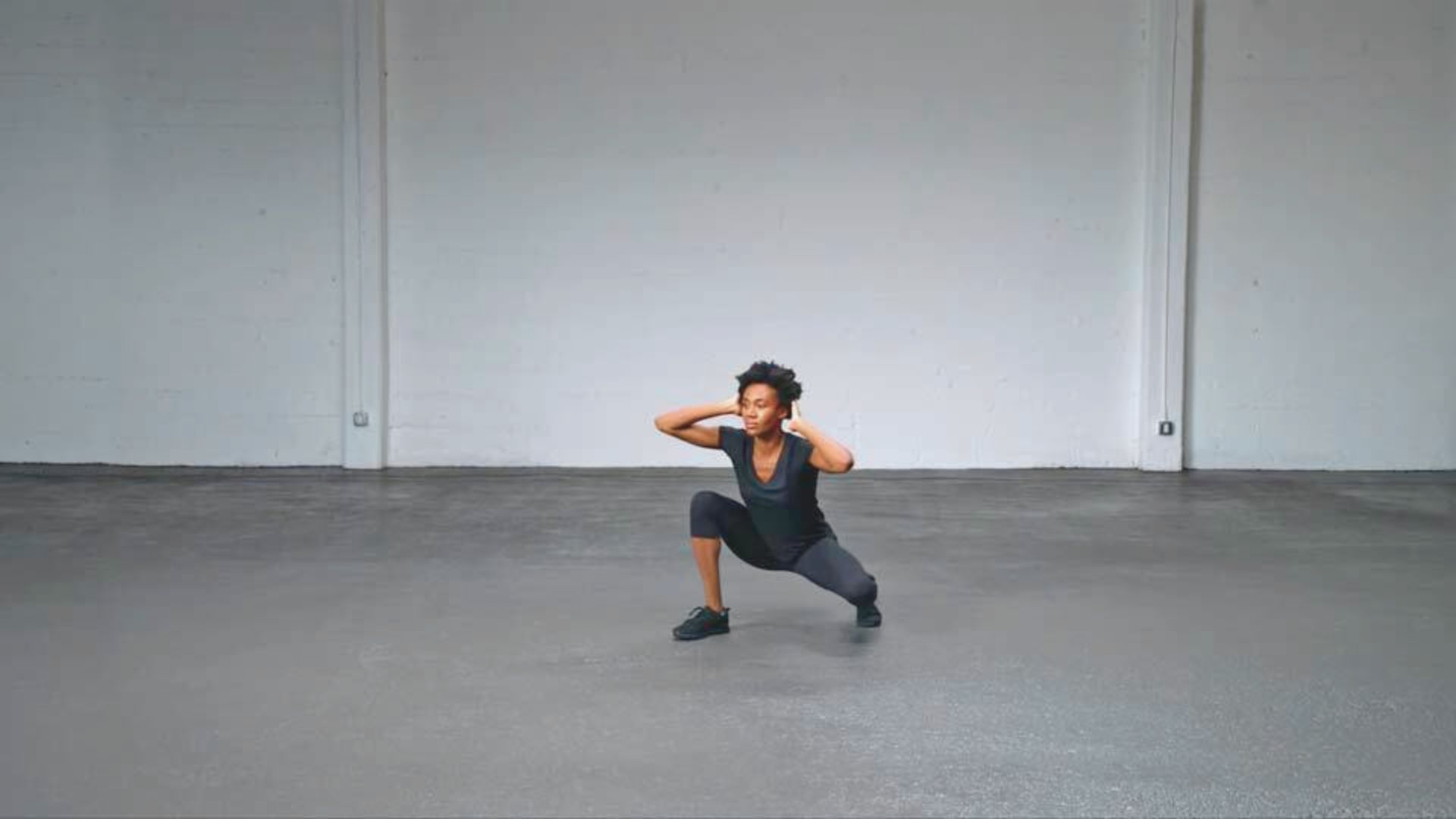
Duck walks target your quads and glutes hard. You stay in a deep squat and walk forward.
This improves ankle and hip mobility while building leg strength without weights.
How to do it: Squat down as low as you can. Keep your chest up. Take small steps forward while staying in the squat position. Don’t stand up between steps.
6. Crab Walk
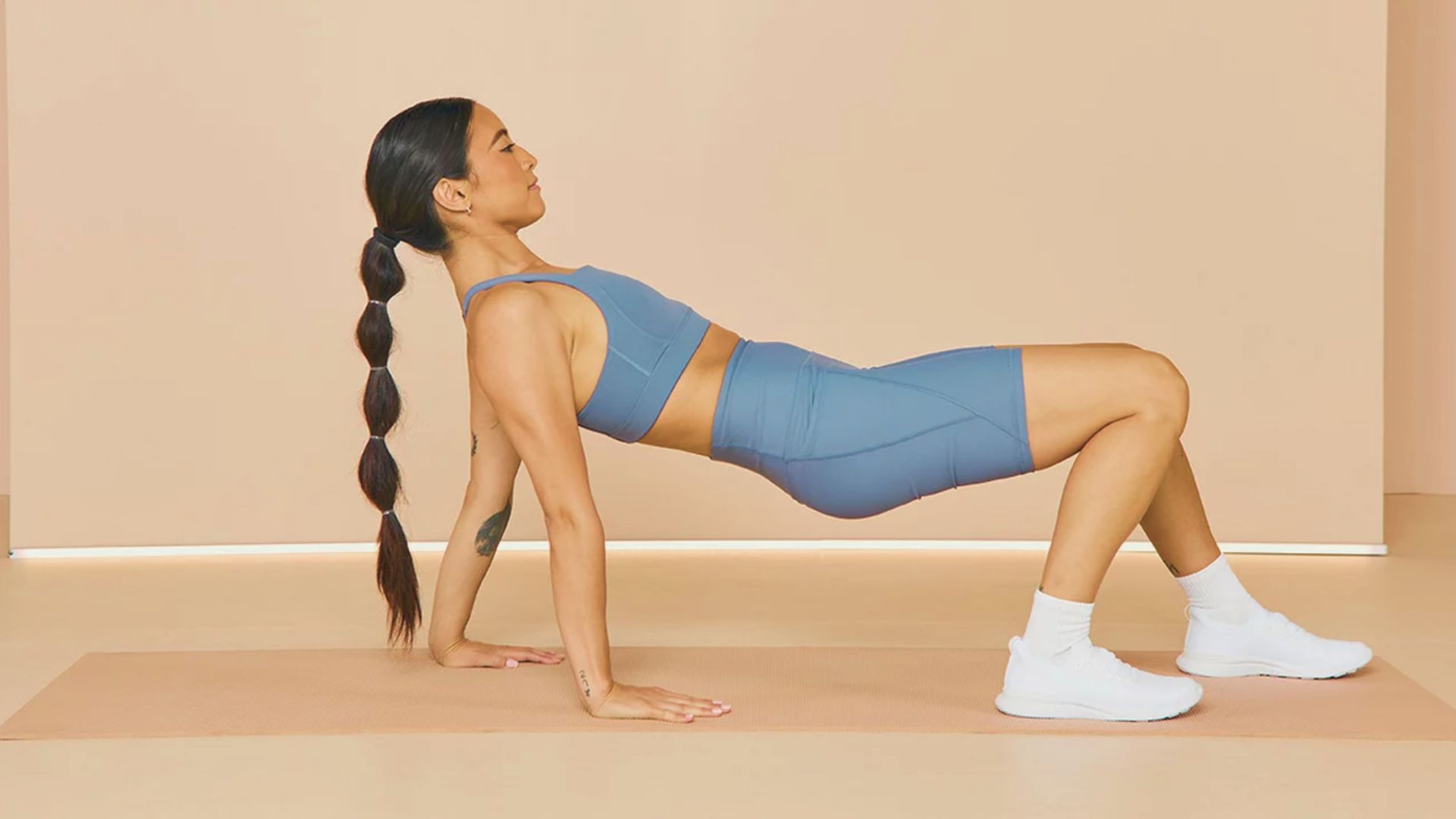
The crab walk activates your posterior chain muscles. You move backward on your hands and feet with your hips lifted.
This improves shoulder stability and coordination. Your glutes, hamstrings, and shoulders all fire together.
How to do it: Sit on the ground. Place your hands behind you. Lift your hips up. Walk backward using your hands and feet. Keep your hips high.
7. Dead Bug
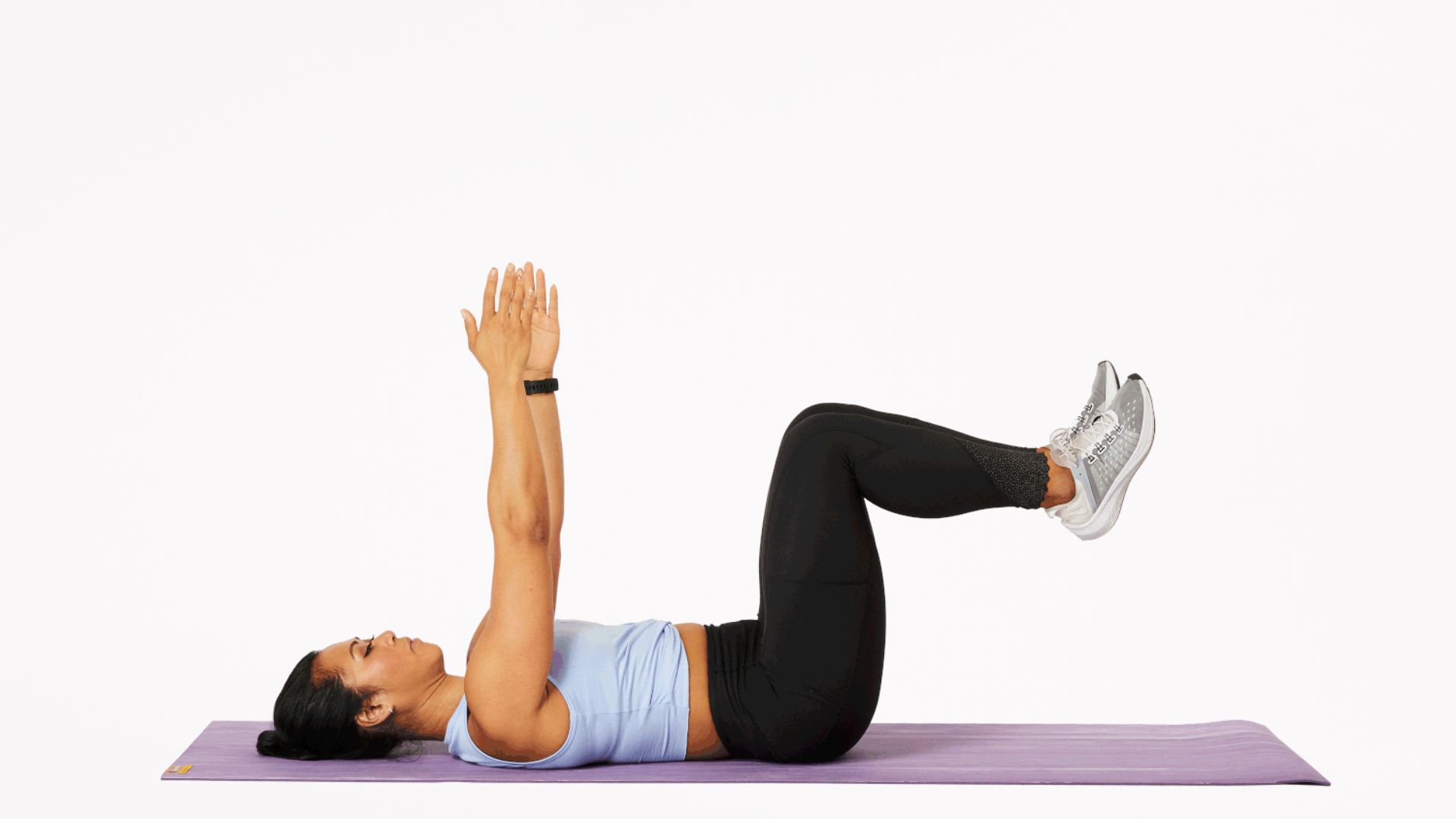
The dead bug focuses on deep core stabilization. You lie on your back and move opposite arms and legs.
This supports lower back health and is ideal for beginners or recovery. It teaches you to keep your core tight while moving.
How to do it: Lie on your back. Raise your arms straight up. Lift your knees to 90 degrees. Lower your right arm overhead while extending your left leg. Return to start. Repeat on the other side.
8. Plank with Opposite Arm/Leg Lift
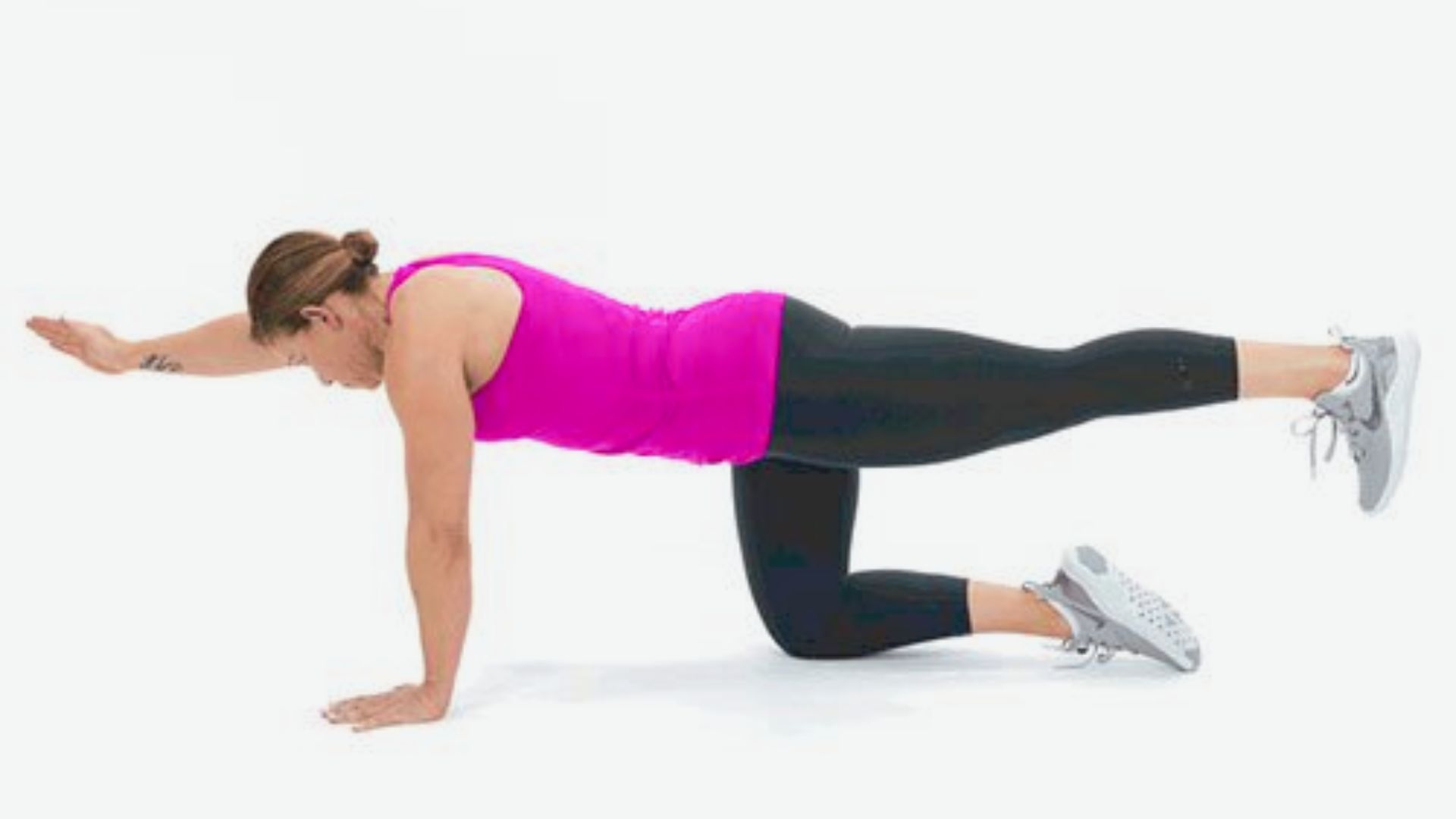
This move develops cross-body coordination. You hold a plank and lift opposite limbs at the same time.
It strengthens your core and glutes together while improving balance and spinal stability.
How to do it: Get in a plank position. Lift your right arm and left leg at the same time. Hold for a second. Lower down. Lift your left arm and right leg. Keep alternating.
9. Lateral Band Walks

Lateral band walks strengthen your glute medius. This is the side muscle of your glutes that often gets ignored.
This improves hip stability and supports injury prevention, especially for your knees.
How to do it: Put a resistance band around your legs just above your knees. Bend slightly at the knees. Step to the side, keeping tension on the band. Take 10 steps one way, then 10 steps back.
How to Program Bear Crawl Alternative Exercises?
Add these movements to your routine through warm-ups, circuits, or finishers for better strength and conditioning results.
Warm-Up Integration

Use these moves at the start of your workout. Pick controlled variations that wake up your core and shoulders.
I like to do 2-3 sets of plank shoulder taps or dead bugs before lifting. It gets my core ready to work. Your muscles fire better when they’re activated first.
Start with 30 seconds per move. Focus on form, not speed.
Conditioning Circuits

Combine 2-3 movements in timed intervals. This builds both strength and endurance.
Here’s a simple circuit I use Mountain climbers for 40 seconds. Rest 20 seconds. Crab walks for 40 seconds. Rest 20 seconds. Plank shoulder taps for 40 seconds. Rest 20 seconds. Repeat 3-4 rounds.
Your heart rate stays up. Your muscles get stronger. You finish in under 15 minutes.
Strength Training Finishers

Add these as burnout sets at the end of workouts. After your main lifts, pick one or two alternatives.
Do them until fatigue sets in. This adds extra volume without overloading your joints. I often finish leg day with duck walks. My quads are already tired, so this really pushes them.
Go for 3 sets of 30-60 seconds each.
Tips for Maximizing Results
Follow these guidelines to get better results and avoid injury.
- Keep your spine neutral and brace your core. Pull your belly button toward your spine to protect your back and make every rep count.
- Quality beats speed. Move with control and feel each rep. Your body responds better to controlled movement than rushing.
- Start with easier variations first. Master those, then add time, reps, or difficulty. Small improvements add up.
- If your lower back hurts, you’re not bracing enough. Reset and focus on form.
- Be patient and progress step-by-step. Rushing leads to injury or burnout.
Conclusion
You now have nine solid options to replace bear crawls in your training. Pick the ones that match your goals and fitness level. I rotate through these myself because variety keeps things interesting and my body keeps adapting.
Start with one or two this week. See how they feel. Then add more as you get comfortable. Your body will thank you for the change.
Try one of these bear crawl alternative moves in your next workout. Drop a comment below and tell me which one you picked. I’d love to hear how it goes.
Frequently Asked Questions
Can I do these bear crawl alternative exercises every day?
You can do some daily, like dead bugs or plank variations. But give your body rest between intense sessions. Listen to how your muscles feel and adjust accordingly.
Which bear crawl alternative is best for beginners?
Dead bugs and plank shoulder taps work great for beginners. They’re low-impact and easy to learn. Start there and build up to more challenging moves like mountain climbers or duck walks.
Do I need equipment for these exercises?
Most need no equipment at all. Only lateral band walks require a resistance band. Everything else uses just your body weight, making them perfect for home workouts.
How long should I hold or perform each exercise?
Start with 20-30 seconds per move. As you get stronger, work up to 45-60 seconds. Focus on good form over duration, especially when you’re learning.
Can these alternatives replace bear crawls completely?
Yes, they can. These moves provide similar benefits for core strength, coordination, and full-body conditioning. Pick the ones that feel best for your body and goals.