
A man in a red shirt and black shorts performs a bench press, focusing on his workout in a gym setting.
I remember being 14, walking into the gym and immediately looking at what everyone else was lifting. If you’re doing the same thing right now, I get it completely.
But here’s what most teens don’t realize: the average bench press for a 14 year old boy is very different from the average bench press for a 14 year old girl, and both depend heavily on body weight and training experience, not just age.
So before you compare yourself to anyone, let’s figure out where you actually stand.
The numbers might surprise you.
What Is the Average Bench Press for a 14 Year Old?
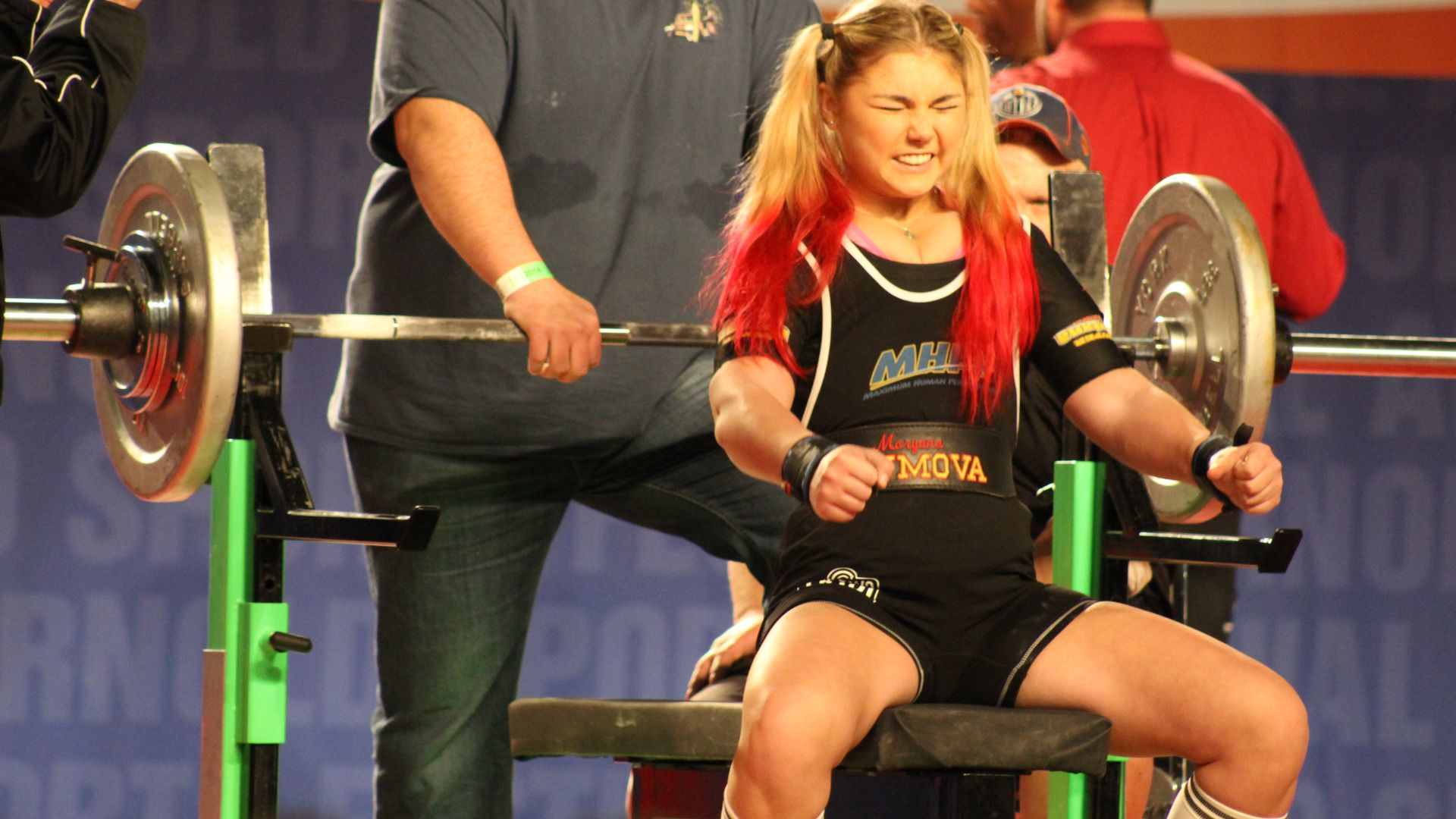
A woman with red hair squats on a bench, demonstrating a fitness pose in a bright outdoor setting.
For most 14 year olds with little to no training experience, a beginner benchmark sits around 50 to 70 pounds.
Intermediates who have trained consistently for several months can typically press 80 to 110 pounds or more.
These numbers shift significantly based on body weight. A lighter teen pressing 60 pounds may actually be stronger relative to their size than a heavier teen pressing 90 pounds.
Puberty also plays a huge role. Some 14 year olds are early developers with more muscle mass. Others are still in earlier stages of growth.
Both are completely normal and both affect strength output.
Don’t treat these numbers as a pass or fail. They’re starting points, not finish lines.
Average Bench Press by Body Weight (With Easy Chart)
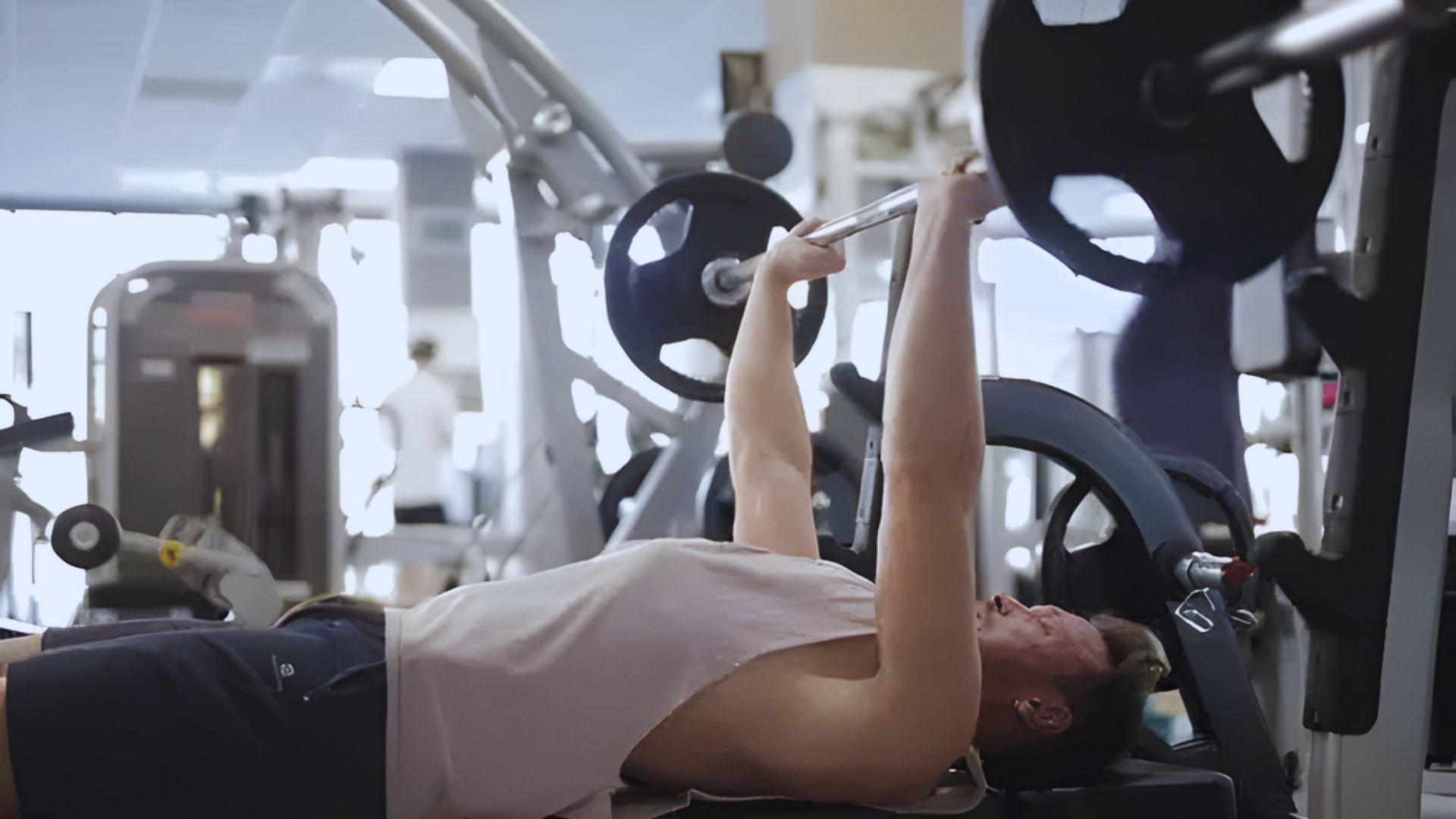
A woman performs a bench press exercise in a gym, focusing on her strength training routine.
Body weight is a much better reference point than age alone.
A 14 year old weighing 100 pounds and one weighing 160 pounds are in completely different categories, even if they’re the same age.
Strength is most accurately measured relative to how much you weigh. That’s why coaches and sports scientists use body weight ratios to assess strength levels.
Here’s a simple breakdown:
| Body Weight | Beginner | Intermediate | Advanced |
| 90-100 lbs | 40-55 lbs | 60-75 lbs | 80-95 lbs |
| 100-120 lbs | 50-65 lbs | 70-90 lbs | 95-115 lbs |
| 120-140 lbs | 60-80 lbs | 85-105 lbs | 110-130 lbs |
| 140-160 lbs | 70-90 lbs | 95-120 lbs | 125-150 lbs |
| 160+ lbs | 80-100 lbs | 110-135 lbs | 140-170 lbs |
Factors That Affect a 14-Year-Old’s Bench Press Strength
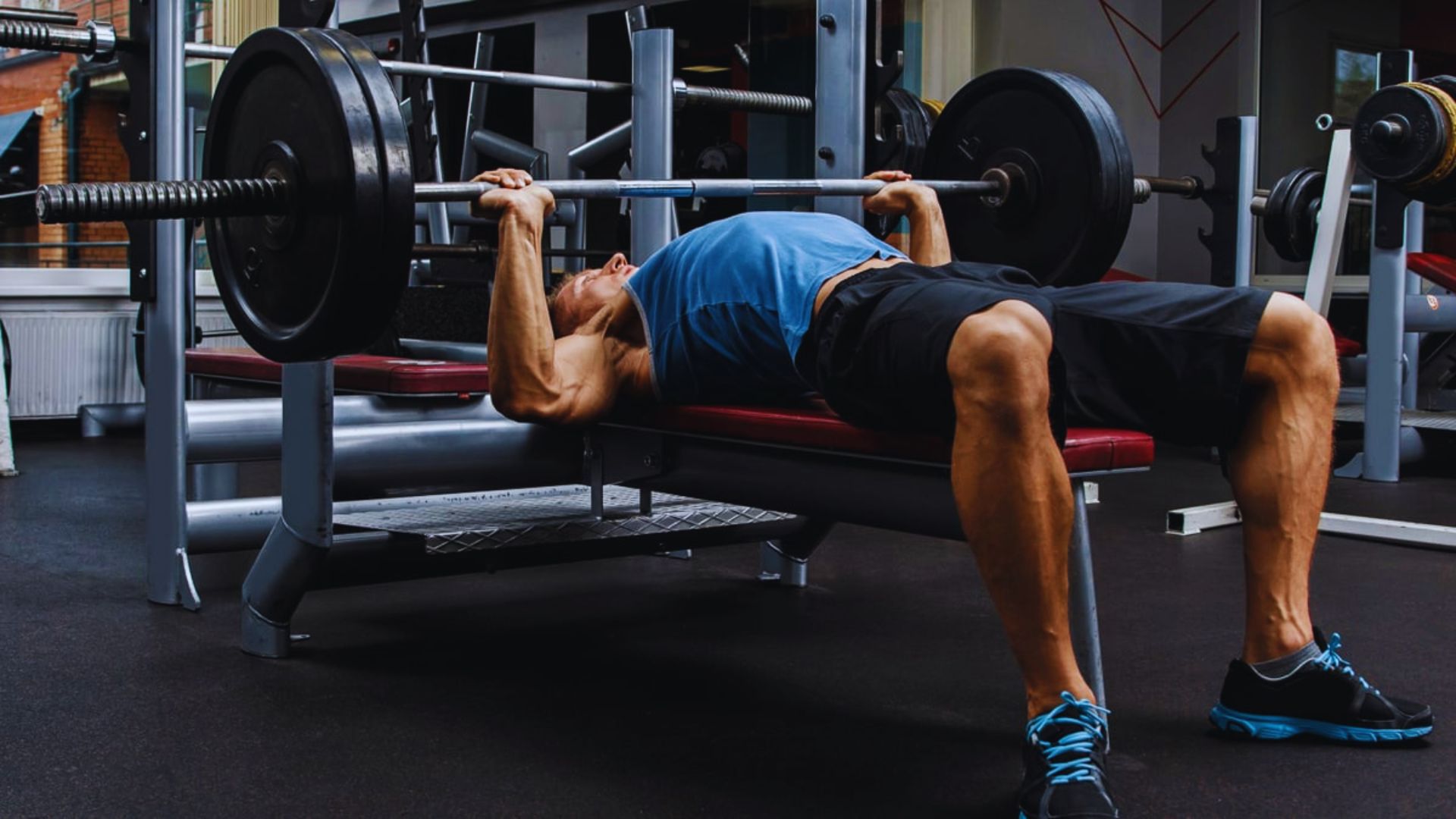
A man performs a bench press exercise in a gym, focusing on lifting a barbell above his chest.
Strength at 14 isn’t just about how hard you train. Several factors work together, and understanding them helps you set smarter expectations.
Here’s what actually drives your bench press numbers at this age:
- Training experience: Teens who have been lifting consistently for 6 to 12 months will always press more than someone just starting out. Time under the bar matters.
- Puberty and muscle development: Hormonal changes during puberty directly affect how much muscle your body can build. Early developers often have a natural strength advantage that evens out later.
- Body weight and nutrition: More muscle mass means more pressing power. Eating enough protein and total calories supports muscle development and recovery.
- Technique and form: A teen with good form will always out-press a teen with poor form at the same strength level. Proper technique maximizes every pound you lift.
- Consistency: Showing up regularly beats training hard once in a while. Steady, consistent sessions build more strength than sporadic intense workouts.
No single factor decides your strength. It’s the combination of all of these working together over time.
Is Your Bench Press Good for Your Age?

A woman gives a thumbs up to a man, expressing approval and encouragement in a positive interaction.
Here’s a simple way to check where you stand without overcomplicating it.
Beginner benchmark: If you’re pressing close to your own body weight or slightly below, you’re right on track for someone new to training. That’s a solid foundation.
Average benchmark: Pressing roughly 75 to 100 percent of your body weight after several months of training puts you in a healthy, average range for a 14 year old.
Above-average benchmark: Pressing at or above your body weight consistently, with good form, is genuinely strong for your age. That takes real effort and dedication to reach.
What matters most isn’t which category you’re in today. It’s whether you’re improving from where you started.
A teen who went from pressing 50 pounds to 80 pounds over six months is making excellent progress, regardless of what anyone else is lifting.
How to Improve Bench Press Safely at 14
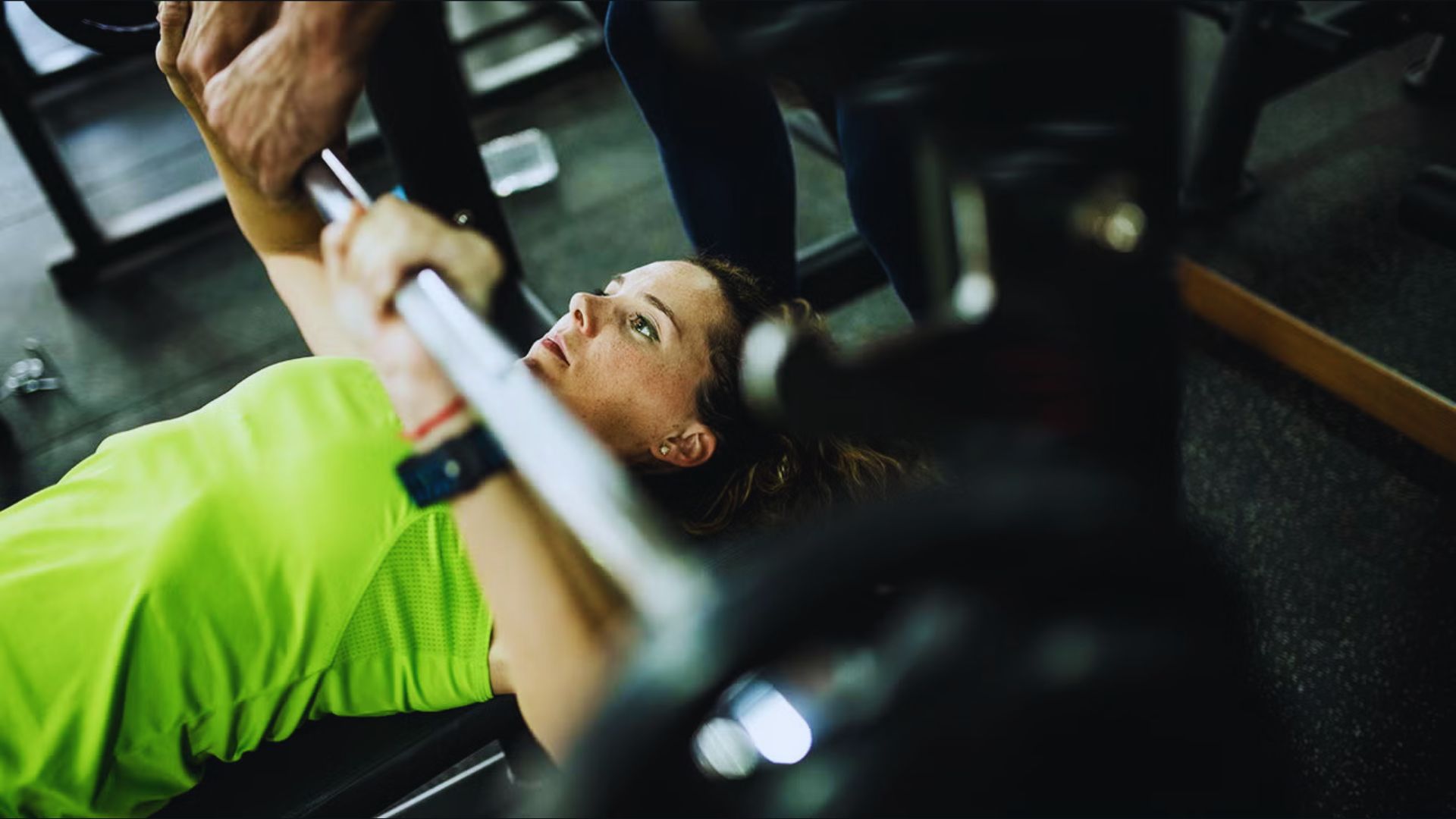
A woman performs a bench press in a gym, focusing on her workout with weights on the barbell.
Getting stronger at 14 is absolutely possible, but how you train matters just as much as how often you train. Safety has to come first at this stage.
Here’s what actually works:
- Always warm up first: Spend 5 to 10 minutes doing light cardio and dynamic stretches before touching the bar. Cold muscles under load is how injuries happen.
- Master your form before adding weight: Keep your feet flat, back slightly arched, grip just wider than shoulder-width, and lower the bar to your mid-chest. Get this right before going heavier.
- Apply progressive overload gradually: Add small amounts of weight (2.5 to 5 pounds) only when you can complete all your reps cleanly. Rushing this process stalls progress and raises injury risk.
- Rest between sessions: Your muscles grow during recovery, not during the workout. Give your chest and shoulders at least 48 hours before training them again.
- Always train with supervision: A parent, coach, or experienced spotter should be present, especially when you’re pushing closer to your limits. This isn’t optional at 14.
Consistency with these basics will build more strength over a year than any complicated program ever could.
Common Mistakes Teens Make When Bench Pressing
Most teens who plateau or get injured are making one of the same few mistakes. Knowing them in advance saves you a lot of frustration.
These are the ones I see most often:
- Lifting too heavy too soon: Ego loading is the fastest route to a shoulder or wrist injury. Start lighter than you think you need to and build from there.
- Ignoring form: Bouncing the bar off your chest, flaring your elbows out wide, or arching your lower back off the bench are all signs form has broken down. Fix this immediately.
- Skipping warm-ups: Jumping straight into working sets without warming up puts unnecessary stress on your joints and connective tissue. It takes only a few minutes and makes a big difference.
- Comparing yourself to adults: A 14 year old comparing their bench to a 25 year old who has been training for years makes no sense. You’re at completely different stages of development.
- Overtraining: More sessions don’t always mean faster gains. Training chest three or four times a week without adequate rest leads to fatigue, not growth.
Avoiding these mistakes puts you ahead of most beginners before you’ve even added weight to the bar.
Conclusion
Every strong bencher you admire started exactly where you are right now.
The average bench press for a 14 year old boy or girl isn’t a ceiling. It’s just a starting point. And starting points are meant to be left behind.
You have the benchmarks. You have the tips. The only thing left is showing up consistently and trusting the process. Now go train.
Drop your current bench press number in the comments below.
Let’s see where you’re starting and cheer each other on.
Frequently Asked Questions
How much should a 14-year-old bench press as a beginner?
Most beginners at 14 can expect to press between 50 and 70 pounds depending on their body weight. The priority at this stage is building good form, not chasing heavy numbers.
Is it safe for a 14-year-old to bench press heavy weights?
Bench pressing is safe at 14 when done with proper form, appropriate weight, and a spotter present. Lifting excessively heavy before your technique is solid increases injury risk significantly.
What is considered strong for a 14-year-old bench press?
Pressing at or above your body weight with clean form is considered strong for a 14 year old. Reaching that level takes consistent training over several months to a year.
How often should a 14-year-old train bench press?
Once or twice per week is enough for most teens. Your muscles need recovery time between sessions to grow stronger, so more frequent training isn’t always better.
Can bench pressing stunt growth in teenagers?
There is no solid scientific evidence that properly performed strength training stunts growth in teenagers. The risk comes from using poor form or excessively heavy loads, not from lifting itself.