Perhaps one of the most powerful exercises that are right in front of your eyes, but you have not recognized is step-ups. Step-ups don’t get the same hype as squats or hip thrusts, but they are an ultimate weapon when it comes to glute development.
Indeed, step-ups work wonders for the glute muscles. The exercise targets all three muscle groups of the glute, the gluteus maximus, medius, and minimus, while at the same time, it is functionally strengthening the body for everyday movements.
This guide will always help you to grow glutes, and Step-ups have different benefits than the traditional glute exercises. Besides the fact that they are less demanding for the spine than squats, they also provide better balancing-training than hip thrusts, and on top of that, they enable progressive overload without any complex.
How Step-Ups Build Stronger Glutes
Understanding how step-ups activate your glutes helps you perform them more effectively and get better results from every rep.
Glute Activation at Its Peak

Step-ups trigger powerful glute contractions during the hip extension phase-the moment when you push through your heel to stand on the platform. This movement pattern directly stimulates glute growth and strength.
Research using EMG (electromyography) shows that step-ups produce glute activation levels comparable to squats and lunges, with some studies indicating even higher activation in the gluteus maximus during certain variations.
The height of your step dramatically affects glute engagement. Higher platforms require greater hip flexion at the bottom position, which means your glutes must work through a longer range of motion.
Functional Strength and Benefits

Step-ups mirror movements you perform daily, from climbing stairs to hiking uphill, making them incredibly practical for real-world strength. This functional carryover means you’re not just building glutes that look good, you’re building glutes that work efficiently.
Regular step-up training improves glute tone while strengthening the supporting muscles around your hips and knees. This creates better posture and pelvic alignment without adding excessive bulk.
Both competitive athletes and fitness beginners benefit from step-ups because they demand balance and stability throughout the movement. This requirement strengthens stabilizer muscles in your hips and core, reducing injury risk and improving performance in other exercises.
Injury Prevention and Joint Health

Step-ups place minimal stress on your lower back compared to heavy squats or deadlifts, making them safer for people with back issues. The movement allows you to load your glutes effectively without compressing your spine.
The controlled nature of step-ups teaches proper knee tracking and hip hinge mechanics. When performed correctly, they strengthen the muscles and connective tissues around your knees, reducing injury risk during more demanding activities.
Your hip stability improves significantly with consistent step-up training. The single-leg stance challenges your hip abductors (including the glute medius) to prevent your pelvis from tilting, building strength in often-neglected muscles.
Unilateral Training Advantages

Training one leg at a time exposes strength imbalances that bilateral exercises can hide. With step-ups, your dominant leg can’t compensate for your weaker side, forcing balanced development across both glutes.
This unilateral approach creates a unique metabolic demand. Each leg works harder since it can’t share the load, leading to greater muscle fiber recruitment and potentially more growth stimulus.
Balance requirements during step-ups activate your core and stabilizer muscles more intensely than bilateral exercises. This additional muscle recruitment burns more calories and creates functional strength that improves athletic performance and everyday movement quality.
Progressive Overload Potential

Step-ups allow for easy progression as you get stronger. You can increase step height, add weight, perform more reps, or slow down the tempo, giving you multiple ways to challenge your glutes without changing exercises.
The scalability of step-ups makes them suitable for all fitness levels. Beginners can start with low steps and body weight, while advanced lifters can use weighted vests, dumbbells, or barbells to create significant loading. This versatility means you’ll never outgrow the exercise.
Progressive resistance is straightforward with step-ups. Adding even 5-10 pounds to each hand creates a noticeable increase in glute activation without requiring complicated equipment or setup.
Metabolic and Conditioning Benefits

Step-ups provide cardiovascular conditioning alongside muscle building, especially when performed for higher reps or in circuit training. The large muscle groups involved create a significant metabolic demand that supports fat loss while maintaining muscle.
The functional movement pattern burns substantial calories because you’re lifting your entire body weight against gravity repeatedly. This makes step-ups excellent for body composition goals, building glutes while reducing body fat for better definition.
Adding explosive or plyometric variations increases the cardiovascular challenge while maintaining glute activation. This combination of strength and conditioning work makes step-ups incredibly time-efficient, giving you multiple training benefits from a single exercise.
Mind-Muscle Connection for Better Glute Focus

One of the most effective ways to make step-ups work harder for your glutes is by building a stronger mind-muscle connection. Instead of just stepping up, consciously focus on feeling your glutes contract with every rep.
When I first started doing step-ups, I treated them like just another leg exercise. But the moment I slowed down, controlled the movement, and concentrated on each contraction, the difference was immediate.
If you find it hard to connect with your glutes, try performing a few slow bodyweight step-ups before adding weight. Move deliberately, keep your chest tall, and hold the squeeze at the top for one second.
Step-Up Variations That Target Glutes
Different step-up variations emphasize different aspects of glute development, letting you customize your training for specific goals.
Basic Step-Ups (Foundation Move)
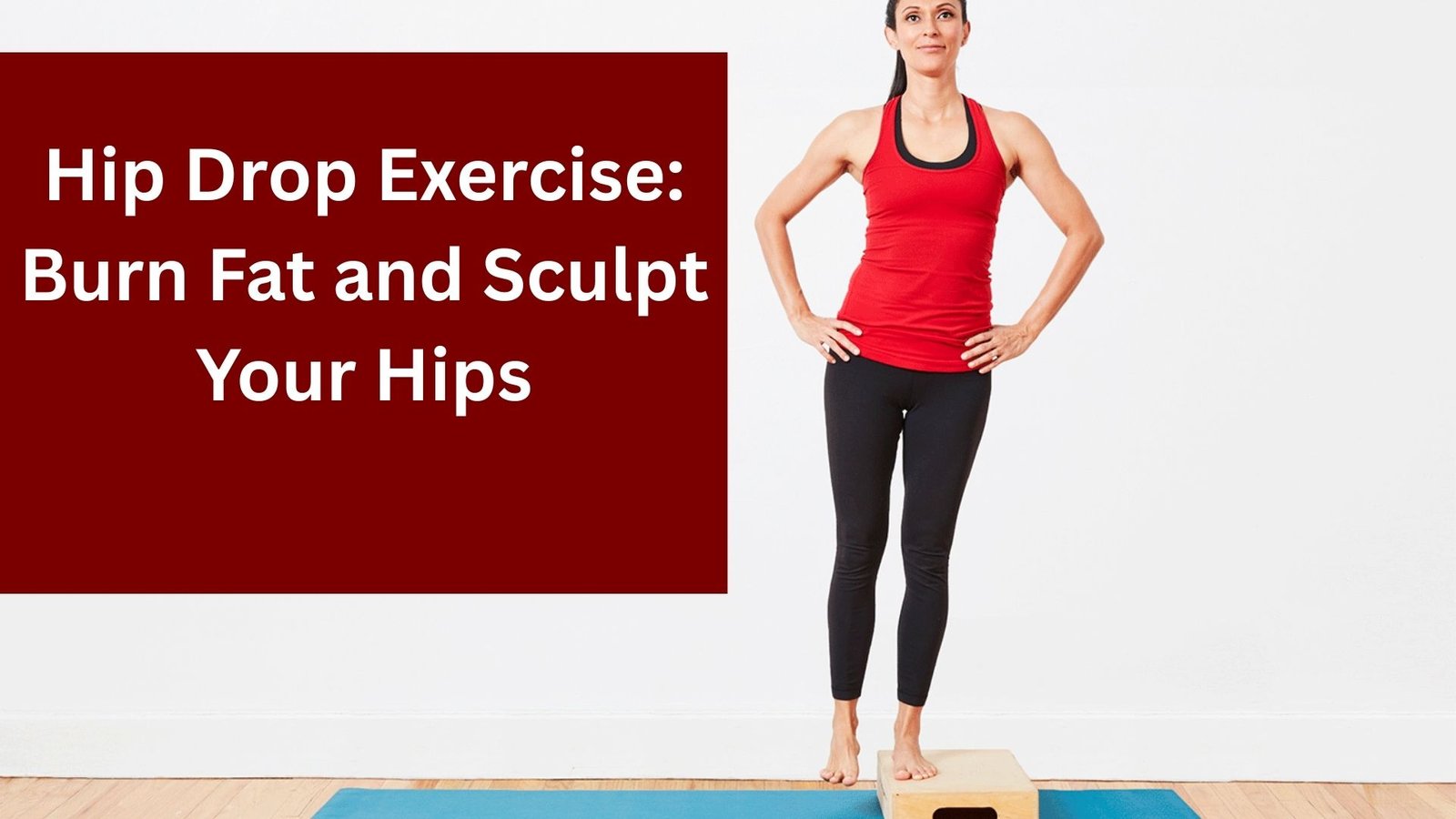
The standard step-up is where everyone should start. Place your entire foot on the platform, drive through your heel, and focus on using your front leg to lift your body, not pushing off with your back foot.
Keep your torso upright and your knee tracking over your toes throughout the movement. The heel drive is critical because it maximizes glute engagement while protecting your knee joint. Think about pressing the platform away from you rather than pulling yourself up.
Control your descent by slowly lowering your back foot to the floor. This eccentric phase builds strength and prevents momentum from taking over the exercise. Master this basic version before progressing to more challenging variations or adding weight.
Weighted Step-Ups
Adding dumbbells or a barbell increases the load on your glutes, promoting muscle growth through progressive overload. Start with a moderate weight that allows you to maintain perfect form for 8-12 reps per leg.
Hold dumbbells at your sides or rest a barbell across your upper back, similar to a squat position. The added resistance forces your glutes to generate more force during hip extension, creating a stronger stimulus for growth and strength development.
Maintain strict form to prevent knee strain when using weights. The temptation to lean forward increases with load, but keeping your chest up and driving through your heel protects your joints while maximizing glute activation.
Lateral and Curtsy Step-Ups
Lateral step-ups target your glute medius and minimus, the outer glute muscles responsible for hip width and rounded appearance. Stand parallel to the platform, step up sideways, and drive through the heel of your elevated leg.
Curtsy step-ups involve stepping up and across your body, creating a unique angle that emphasizes the upper glute fibers. This variation challenges your balance while creating tension in the glutes from a different direction than standard step-ups.
Both variations improve hip stability and address the often-underdeveloped side glutes. Strong glute medius and minimus muscles prevent knee valgus (inward collapse) during movement and create the full, rounded glute shape many people want.
Explosive Step-Ups and Knee-Drive Step-Ups
Explosive step-ups involve driving up forcefully and leaving the platform briefly at the top. This power-focused variation builds fast-twitch muscle fibers while maintaining glute activation, making it excellent for athletes.
Knee-drive step-ups add a high knee lift at the top of the movement. As you step up, drive your back knee upward toward your chest before lowering back down. This addition increases hip flexor strength and adds a coordination challenge.
Both variations combine cardio conditioning with muscle building. The explosive nature raises your heart rate while the glute engagement continues building strength. These are ideal for fat loss goals.
Bulgarian Split Step-Ups (Advanced Version)
This advanced variation elevates your back foot on a bench behind you, creating a deeper range of motion at the hip. The increased stretch at the bottom position maximizes glute activation throughout the movement.
The tension profile differs from regular lunges because the step provides a platform that changes the biomechanics. You get more vertical hip extension compared to the forward-and-back movement of lunges, isolating the glutes more effectively.
Bulgarian split step-ups challenge your balance significantly while allowing for heavy loading. The deep range of motion creates more muscle damage and metabolic stress, two key factors for muscle growth.
Optimization: Making Step-Ups Work Harder for Glutes
Small adjustments to your step-up technique dramatically increase glute activation and results.
Adjusting Step Height
Beginners should start with a 6-12 inch platform to learn proper mechanics without excessive balance challenges. This height allows you to focus on heel drive and controlled movement patterns while building foundational strength.
As you progress, increase the step height to 12-18 inches for intermediate training, and 18-24 inches for advanced glute development. Higher steps require more hip flexion, which means your glutes must contract harder through a longer range of motion during hip extension.
The ideal height challenges you without compromising form. Your knee shouldn’t travel excessively past your toes, and you should maintain an upright torso throughout. If you’re leaning forward significantly or struggling with balance.
Mind-Muscle Connection
Consciously focus on feeling your glute contract as you press through your heel. This mental focus, called the mind-muscle connection, has been shown to increase muscle activation and improve training results over time.
The controlled descent is just as important as the lifting phase. Lower yourself slowly for 2-3 seconds, maintaining tension in your glute throughout. This eccentric control builds strength and prevents bouncing or using momentum to complete reps.
Engage your core throughout the movement to maintain balance and prevent excessive forward lean. A stable core allows your glutes to work optimally while protecting your lower back. Think about keeping your ribcage down and your pelvis neutral throughout each rep.
Adding Load and Volume
For muscle toning and endurance, perform 12-20 reps per leg with moderate weight. This higher rep range with shorter rest periods increases metabolic stress and creates the muscle pump that drives hypertrophy in some individuals.
For building glute size and strength, use heavier weights for 6-10 reps per leg. The increased load provides the mechanical tension necessary for maximum muscle growth. Rest 2-3 minutes between sets to allow full recovery.
Program step-ups 2-3 times weekly within your glute routine, spacing sessions at least 48 hours apart. Combine them with other glute exercises like hip thrusts, deadlifts, or glute bridges for complete development.
Common Mistakes to Avoid
Even small form errors can shift the work away from your glutes and onto other muscles, so proper execution matters.
- Pushing from your toes instead of heels: This shifts the load to your quadriceps and reduces glute activation. Always initiate the movement by pressing your heel into the platform, keeping your weight distributed through your midfoot and heel throughout the rep.
- Allowing your knee to drift inward: Knee valgus places dangerous stress on your knee joint and indicates weak glute medius activation. Actively push your knee outward so it tracks in line with your middle toe throughout the entire movement.
- Leaning forward excessively: Too much forward lean engages your lower back unnecessarily and reduces the vertical hip extension that activates your glutes. Keep your chest up and torso relatively upright.
- Using momentum and bouncing: Rapid, bouncy reps use momentum instead of muscle tension to complete the movement. This reduces time under tension and diminishes results. Control both the lifting and lowering phases with deliberate, smooth motion.
- Pushing off with your bottom foot: The ground leg should only balance you, not contribute to lifting your body. All the pushing force should come from your elevated leg. If you find yourself pushing off with your bottom foot.
Conclusion
Are step-ups effective in working the glute muscles? Yes, they are one of the most functional, joint-friendly, and powerful exercises for building strong, well-defined glutes of the three muscle groups.
By step-ups along with such exercises as hip thrusts, deadlifts, and glute bridges, you will get a complete routine that develops your glutes from every angle. The variety keeps you from hitting a plateau and ensures that the development is balanced throughout your entire lower body.
The best glute program is not about finding one perfect exercise but rather about consistent execution, progressive overload, and multiple movement patterns. Step-ups are a core exercise that builds not only visible but also functional glutes in daily life.
Frequently Asked Questions
Are step-ups better than squats for glutes?
Step-ups aren’t necessarily better than squats, but they offer unique advantages for glute development. The unilateral nature forces each glute to work independently, preventing strength imbalances.
How high should the step be for maximum glute activation?
For maximum glute activation, use a step height between 16-24 inches, depending on your mobility and strength level. Higher steps increase hip flexion at the bottom, requiring your glutes to work through a longer range of motion.
How many step-ups should I do to build glutes?
Perform 3-4 sets of 8-12 reps per leg, 2-3 times weekly for glute building. Use a weight that challenges you within this rep range. For muscular endurance, increase to 15-20 reps with lighter weight.
Can step-ups replace lunges in my workout routine?
Yes, step-ups can effectively replace lunges since both are unilateral exercises targeting similar muscle groups. Step-ups often provide better glute activation due to the increased vertical hip extension component. They also place less stress on the knees for some people.
Do step-ups work the upper or lower glutes more?
Step-ups primarily target the gluteus maximus, which comprises most of your glute mass. Higher steps and forward-leaning variations emphasize the lower and mid-glute fibers. Lateral and curtsy step-up variations better target the upper glute and glute medius.