Are personal trainers worth it? I’ve asked myself that question too.
You want real results, but you’re not sure if spending money on a trainer is the right call. I get it.
This article covers what personal trainers actually do, how much they cost, when they make sense, and when they don’t.
I’ll also share honest alternatives so you can decide what works for you.
I’ve spent years researching fitness training methods and analyzing coaching programs used by certified personal trainers, so I want to give you a grounded answer, not a sales pitch.
By the end, you’ll know exactly what to do next.
Why Many People Consider Hiring a Personal Trainer
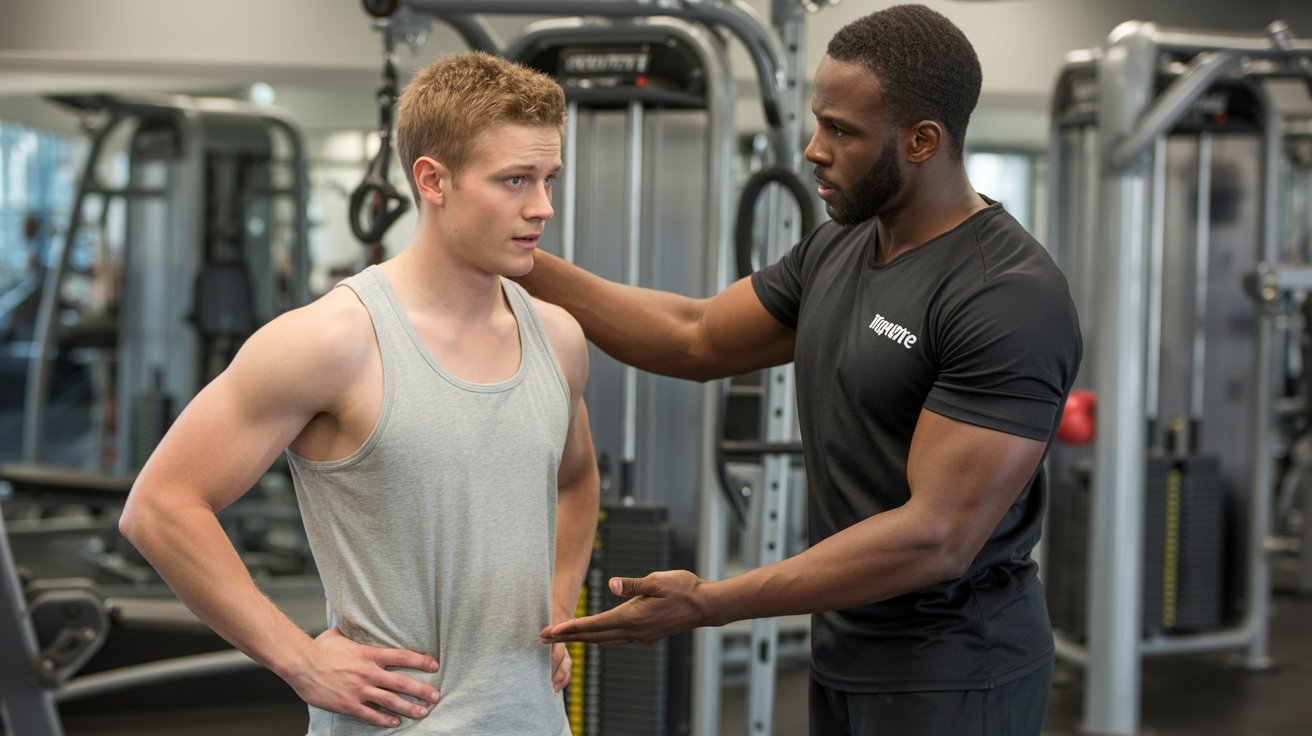
Most people don’t just want to work out. They want to see real changes. But getting there alone is harder than it sounds.
Here’s why so many people turn to a trainer:
Lack of workout knowledge: Walking into a gym without a plan is overwhelming. Most beginners don’t know where to start, what exercises to do, or how to put a program together. A trainer removes that guesswork completely.
Lack of accountability: It’s easy to skip a workout when no one is waiting for you. A scheduled session with a trainer changes that. You show up because you’re paying for it and someone expects you.
Fear of injury: A lot of people hold back in the gym because they’re scared of getting hurt. That fear is reasonable. Poor form on a squat or deadlift can cause real damage. A trainer teaches you to move safely.
Hitting a plateau: If you’ve been training for a while and nothing is changing, your program probably needs a fresh look. Trainers spot what you’re missing and adjust accordingly.
Wanting faster results: A structured plan beats random effort every time. When someone who knows what they’re doing designs your program, you stop wasting sessions and start making real progress.
These reasons push people from thinking about a trainer to actually booking one.
What a Personal Trainer Actually Does

A trainer does far more than count your reps.
Customized Workout Programming
They build a plan around your body, goals, and schedule. A program made for you is always going to work better than a random one you found online.
Form Correction and Injury Prevention
Bad form leads to injury, especially during compound lifts like squats, deadlifts, and bench presses. A trainer watches how you move and fixes problems before they cost you weeks of recovery.
Accountability and Motivation
Having someone waiting for you makes it harder to skip. That simple fact helps more people stay consistent than any motivational video ever will.
Progress Tracking and Goal Setting
Trainers keep track of what you’re doing and adjust your plan based on what’s working. That feedback loop speeds up results.
How Much Personal Trainers Cost
Before you commit, it helps to know what you’re actually paying for.
| Training Type | Typical Cost | Session Format | Best For |
|---|---|---|---|
|
In-Person (1-on-1) |
$50 – $150/session |
Face-to-face, gym setting |
Beginners, injury recovery |
|
Online Coaching |
$100 – $300/month |
Remote, app or email check-ins |
Busy schedules, lower budgets |
|
Semi-Private Training |
$30 – $70/session |
Small group, 2–4 people |
Those wanting guidance at lower cost |
|
Gym Package (10 sessions) |
$400 – $1,200 |
Bundled in-person sessions |
Committed short-term programs |
|
Premium/Specialist Trainer |
$150 – $300+/session |
Niche expertise, elite coaching |
Athletes, medical needs |
Costs shift based on your city, the trainer’s experience, and how often you train each week.
Most trainers also offer package deals that bring the per-session cost down. Always ask before you commit to a single session rate.
Benefits of Hiring a Personal Trainer
Here are some of the best parts of having your very own personal trainer:
Faster Fitness Results
When someone designs your program and holds you accountable, progress comes quicker. You stop wasting time on exercises that don’t serve your goals.
Safer Workouts
A good trainer reduces your risk of injury by keeping your form and intensity in check. This matters most for beginners and anyone returning after time off.
Better Workout Consistency
Accountability is underrated. It keeps people showing up even on the hard days. Paid sessions and a set schedule make it much harder to cancel.
Personalized Nutrition Advice
Many trainers offer basic food guidance that supports your fitness goals without needing a full nutritionist. Small diet changes can speed up what you’re already doing in the gym.
Confidence in the Gym
Feeling like you know what you’re doing changes everything about how you train. A few sessions with a trainer can take you from anxious to fully comfortable on the gym floor.
When Are Personal Trainers Worth It?
- Beginners who don’t know where to start
- People struggling with motivation
- Those recovering from injury
- Athletes training for specific goals
- People with limited workout time
If you fall into any of these groups, the investment tends to pay off. A trainer gives you structure when you need it most.
When Personal Trainers May NOT Be Worth It
- Experienced lifters who already program their own training well
- People comfortable following self-guided workouts
- Anyone on a tight budget with limited room for non-essentials
- Those with short-term or low-stakes fitness goals
There’s no shame in any of these. Knowing where you stand saves you money and time.
Personal Trainer vs Online Programs
To understand whether personal trainers are worth it, it helps to compare them with other popular fitness options.
| Option | Cost | Personalization | Accountability | Best For |
|---|---|---|---|---|
|
Personal Trainer |
$50–$150/session |
High |
High |
Beginners, injury recovery |
|
Online Coaching |
$100–$300/month |
Medium |
Medium |
Busy schedules, lower budgets |
|
Fitness App |
$10–$30/month |
Low |
Low |
Self-motivated people |
|
Group Classes |
$20–$40/class |
None |
Low |
Social learners |
|
YouTube Workouts |
Free |
None |
None |
Budget-conscious beginners |
Personal Trainers vs Fitness Apps
Apps are affordable and easy to access. But they don’t fix your form, adjust to your progress, or check in when you fall off track.
Personal Trainers vs Group Classes
Group classes are fun. But the instructor is focused on the group, not on you. You follow along and that’s it.
Personal Trainers vs YouTube Workouts
YouTube is free and full of solid content. The downside is figuring out what suits your level takes time, and nobody is guiding you specifically.
How to Decide If Personal Trainers Are Worth It for You
Ask yourself a few honest questions.
Are you making progress on your own?
Are your workouts safe?
Are you consistent?
If the answer is mostly no, a trainer could be the right move. If things are going well, you may not need one right now.
How to Choose the Right Personal Trainer If You Decide They’re Worth It
Cross-check all these things and then decide if your personal trainer is worth it or not:
Check Certifications: Look for credentials from the National Academy of Sports Medicine (NASM), American Council on Exercise (ACE), or the National Strength and Conditioning Association (NSCA). These are the most recognized names in the fitness industry.
Look for Experience With Your Goal: Match the trainer’s background to what you’re trying to do. A powerlifting coach isn’t the right fit for marathon training.
Ask About Training Style: Some trainers are intense. Others are calm and methodical. Pick one whose style suits how you work best.
Read Reviews or Testimonials: What past clients say tells you more than a trainer’s marketing ever will.
Request a Trial Session: Most trainers offer a first session at a lower cost. Take it. You’ll know fast if it’s a good fit.
Alternatives to Hiring a Personal Trainer
Fitness Apps: Apps like Nike Training Club or MyFitnessPal offer guided programs at a low monthly cost.
Online Coaching: A remote coach builds your program and checks in regularly. It costs less than in-person and still gives you real guidance.
Small Group Training: Split the cost with two or three people. You still get some individual attention without the full price.
Gym Orientation Programs: Many gyms offer free or low-cost orientations that teach you the basics. A good starting point before committing to anything more.
Real Results: What People Actually Gain From Personal Training
People who train consistently with a good coach report real, measurable improvements. Better strength numbers. Lower body fat.
More confidence walking into the gym. These aren’t small wins. They add up fast when someone is guiding the process.
Research published in the Journal of Strength and Conditioning Research shows that supervised training programs lead to greater strength gains compared to unsupervised workouts. That gap comes down to one thing: consistency.
When you have accountability built into your routine, you show up more. When you show up more, you get better results. It really is that straightforward.
Clients who work with trainers also tend to develop better movement habits early on. That means fewer injuries down the line and a longer, more sustainable fitness routine overall.
I’ve seen people start with basic bodyweight work and build up to confidently handling compound lifts within a few months, simply because someone kept them on track and corrected their form before bad habits could set in.
The results aren’t magic. They come from effort. But having the right support makes that effort count for more.
Conclusion
So, are personal trainers worth it? For most people starting out, coming back from injury, or feeling stuck, the answer is yes.
I’ve seen people go from lost and frustrated to focused and consistent simply because they had the right support behind them.
But a trainer isn’t the only path forward. If you’re already moving in the right direction, affordable alternatives can keep you there.
The goal is to find what keeps you showing up. A trainer, an app, a class, it doesn’t matter as long as you stay consistent.
Think honestly about where you are right now, and what has held you back before.
What’s the one thing that has kept you from sticking to a routine so far?
Frequently Asked Questions
How many sessions do you need with a personal trainer to see results?
Most people begin to notice changes within 4 to 8 weeks of consistent training. The timeline depends on how often you train, your diet, and how closely you follow the plan.
Can a personal trainer help with weight loss?
Yes, a trainer can build a program focused on fat loss while helping you hold onto muscle. Many also offer basic food guidance that supports your goals.
Is online personal training as effective as in-person training?
For many people, yes. Online training works well if you’re self-motivated and already know basic gym safety. The trade-off is that no one is there in real time to correct your form.
How do I know if my personal trainer is qualified?
Check for certifications from NASM, ACE, or NSCA. Also ask about their experience working with people who have goals similar to yours.
What should I do if I cannot afford a personal trainer?
Start with fitness apps, YouTube programs, or small group classes. Many gyms also offer free orientation sessions. You can still make strong progress without a full-time trainer if you stay consistent and follow a solid plan.