I never paid much attention to my chest muscles until I started strength training, and that changed everything.
Woman chest muscles support nearly every upper body movement you make. They help you push, lift, carry, and even breathe. Yet most people know very little about them.
In this article, I'll cover the full anatomy of women's chest muscles, what they do, how they differ from breast tissue, and how to train them safely.
I have spent time studying this topic closely, and I want to make it genuinely useful for you. By the end, you will have a clear picture of how these muscles work and why they matter.
Understanding Woman Chest Muscles (Pectoral Anatomy Overview)
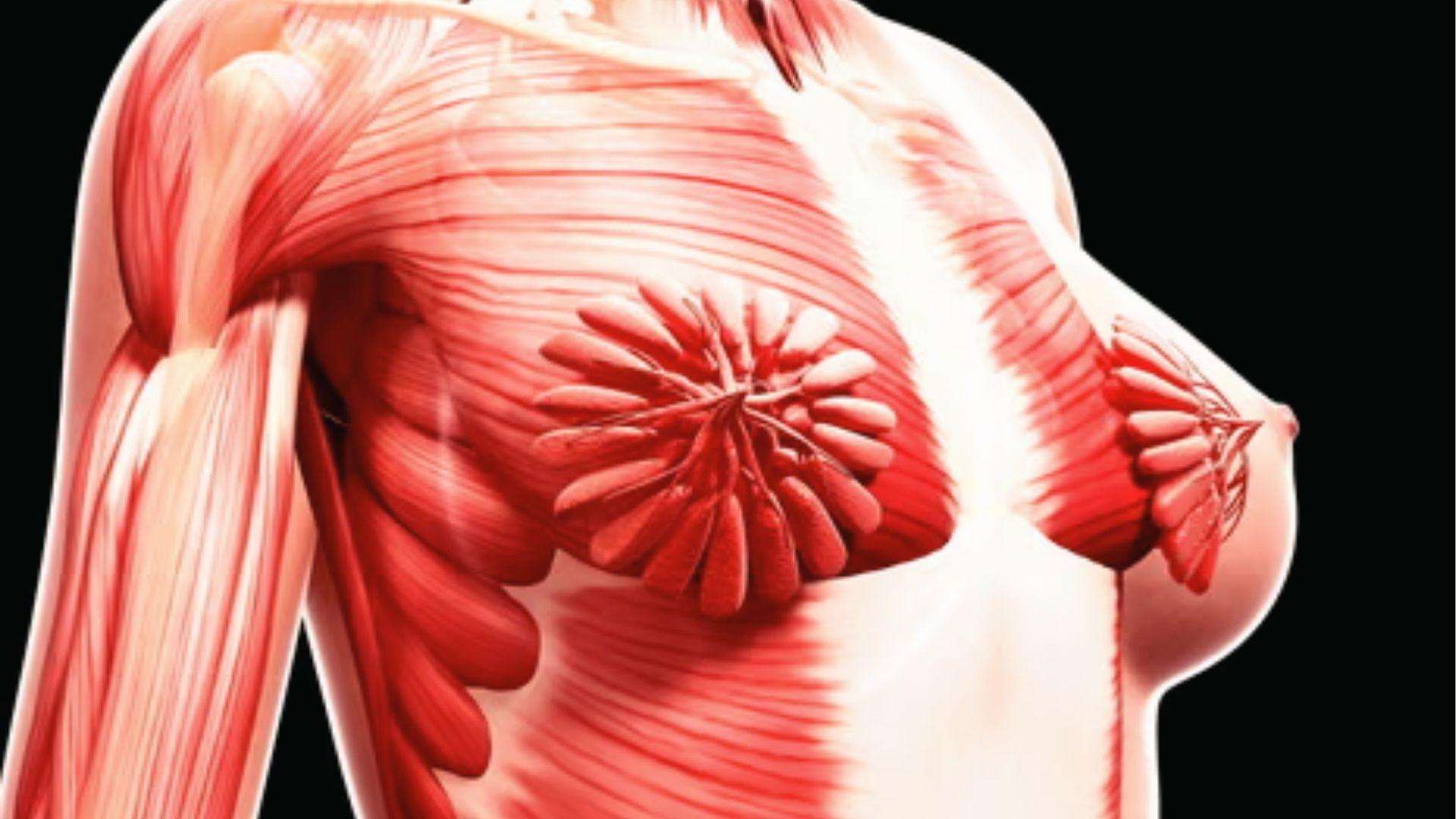
Woman chest muscles sit beneath the breast tissue, covering the front of the rib cage.
They are made up of two main muscles: the pectoralis major and pectoralis minor.
The pectoralis major is fan-shaped, running from the collarbone and sternum to the upper arm bone, controlling pushing, pressing, and inward arm rotation.
Beneath it sits the pectoralis minor, a smaller muscle that attaches to the ribs and shoulder blade to keep the shoulder stable and moving correctly.
These two muscles connect directly to the shoulder joint and upper arm, forming a key link between your torso and arms for nearly every upper-body movement.
Woman Chest Muscles Function: What They Actually Do
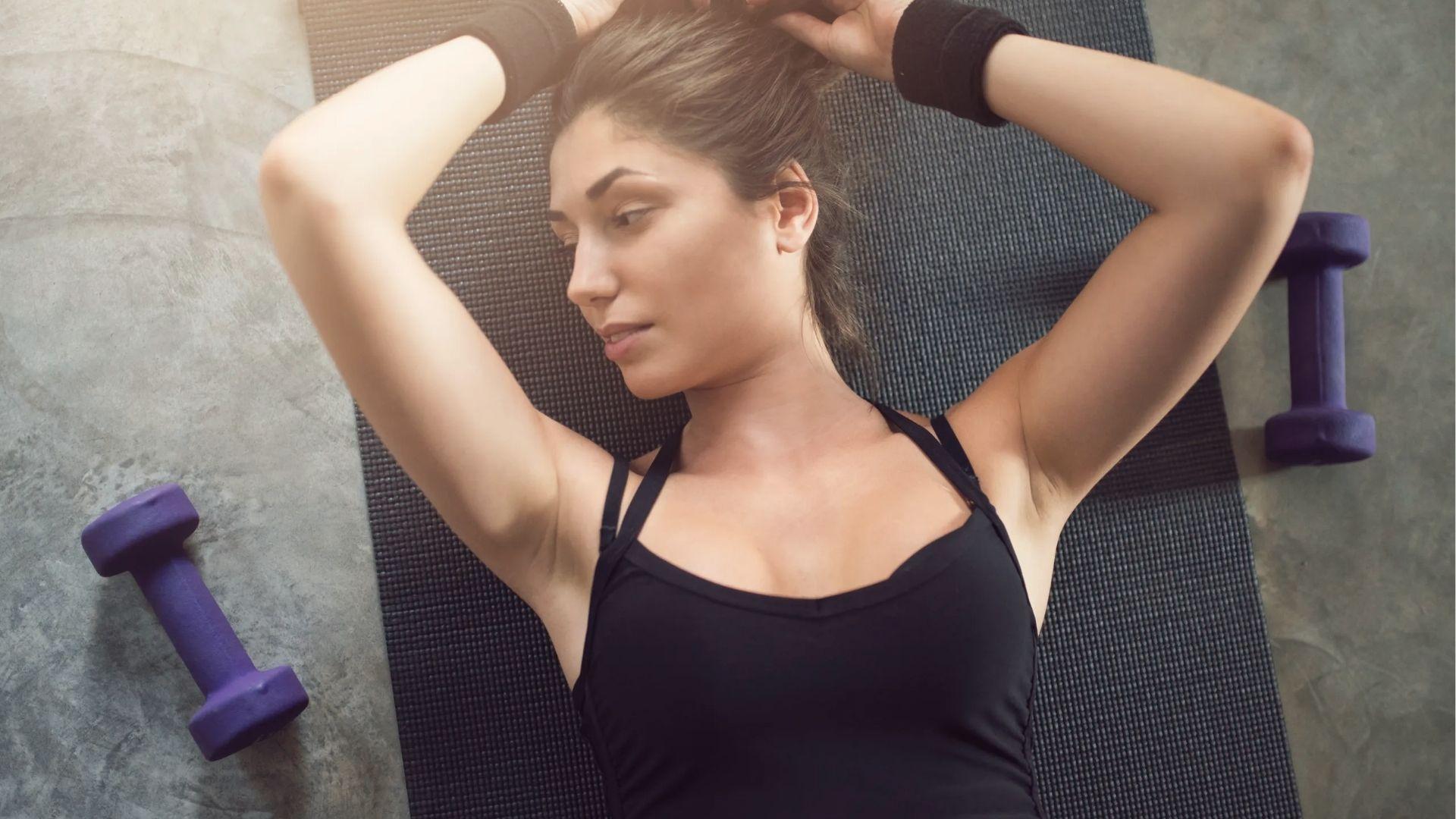
Your chest muscles do far more than you might think, from moving your arms to keeping your posture upright.
Role in Arm Movement (Push, Lift, Rotate)
The chest muscles drive pushing, pressing, and inward arm rotation in nearly every upper-body movement.
A weak chest puts extra strain on smaller surrounding muscles during simple actions like pushing a door or reaching across your body.
Shoulder Stability and Upper Body Control
Strong chest muscles hold the shoulder joint in the correct position and work alongside the rotator cuff and upper back to keep movement even.
A weak chest causes the shoulders to roll forward, raising the risk of joint pain and injury.
Support for Posture and Spine Alignment
The chest muscles directly affect how you hold your body upright, and when they are too tight or weak, the spine and shoulders fall out of alignment.
Regular chest training helps maintain a neutral upper back and reduces rounded shoulder posture.
Everyday Functional Activities Using Chest Muscles
Pushing a stroller, lifting groceries, carrying a child, and moving furniture all rely on the pectoral muscles to stabilize the shoulder and drive forward motion.
A weak chest quietly affects your comfort and efficiency in tasks you do every single day.
Woman Chest Muscles vs Breast Tissue (Important Differences)
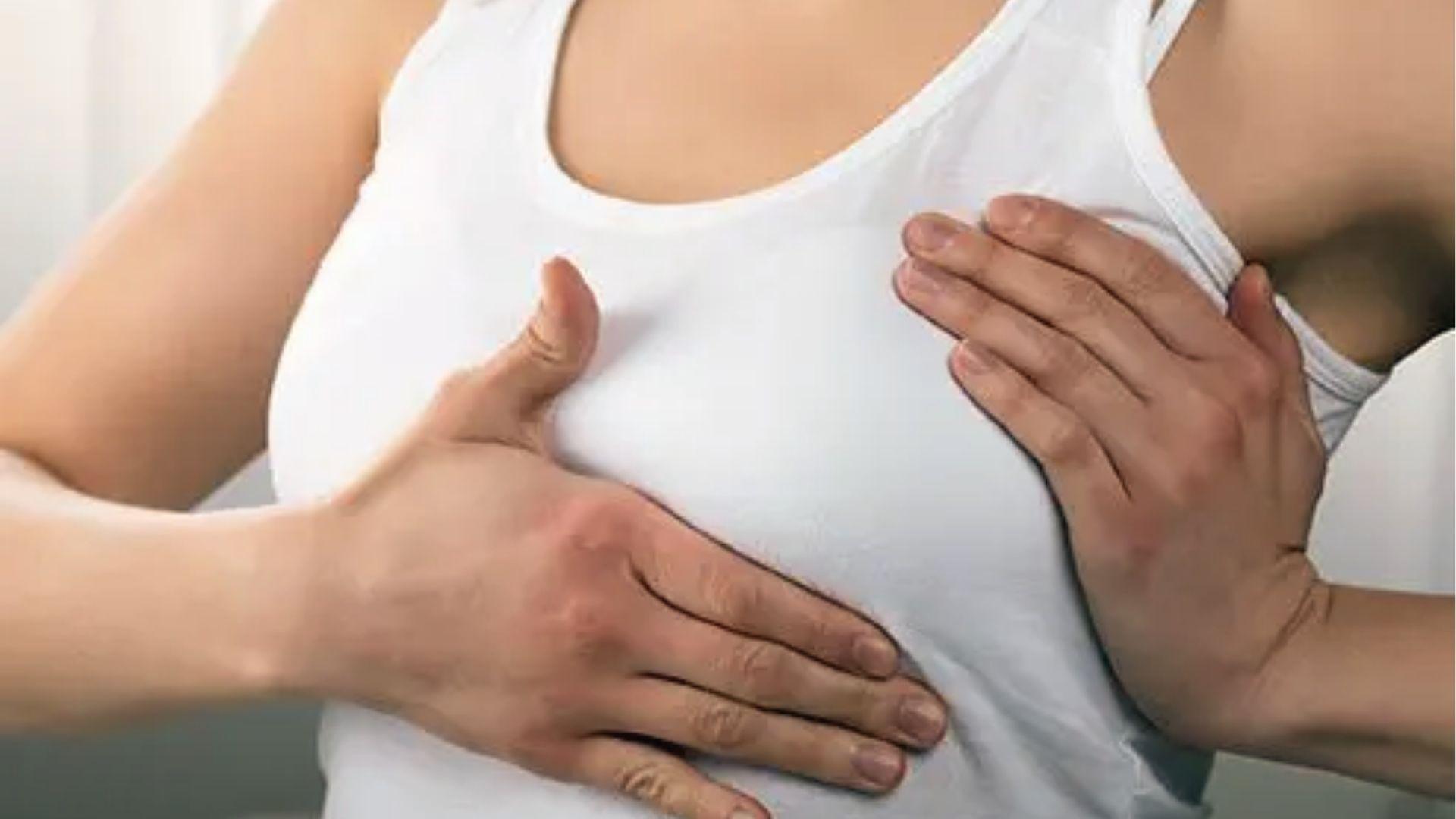
Chest muscles and breast tissue are two completely separate things, and knowing the difference helps clear up many common concerns.
Muscle vs Fat vs Glandular Tissue Explained
Woman chest muscles are made of muscle fiber, while breast tissue is made up of fat and glandular tissue sitting on top.
These are entirely different in structure and function, and muscle responds to strength training in ways that fat and glandular tissue do not.
Confusing the two often leads to incorrect assumptions about how chest training affects the body.
Role of Mammary Glands in Female Anatomy
The mammary glands are specialized structures within the breast that produce milk and sit embedded in fatty tissue.
They are completely separate from the pectoral muscles beneath and are controlled by hormones, not exercise.
This distinction helps explain why chest training affects the muscles but has no impact on the internal structure of the breast.
Why Chest Training Does NOT Affect Breast Size
Training the chest muscles builds muscle beneath the breast tissue and does not directly reduce or increase breast size.
Stronger pectoral muscles can give the chest a slightly lifted appearance because the muscle underneath provides more support.
Breast size is determined by fat content and glandular structure, not by how much you train.
Common Misconceptions About Female Chest Workouts
Many women avoid chest training out of fear that it will shrink their breasts or make them look masculine, but neither is true.
Women do not produce enough testosterone to build large chest muscles from standard strength training.
Avoiding chest workouts means missing real benefits like better posture, stronger shoulders, and improved upper body control.
How to Train Woman Chest Muscles Safely and Effectively
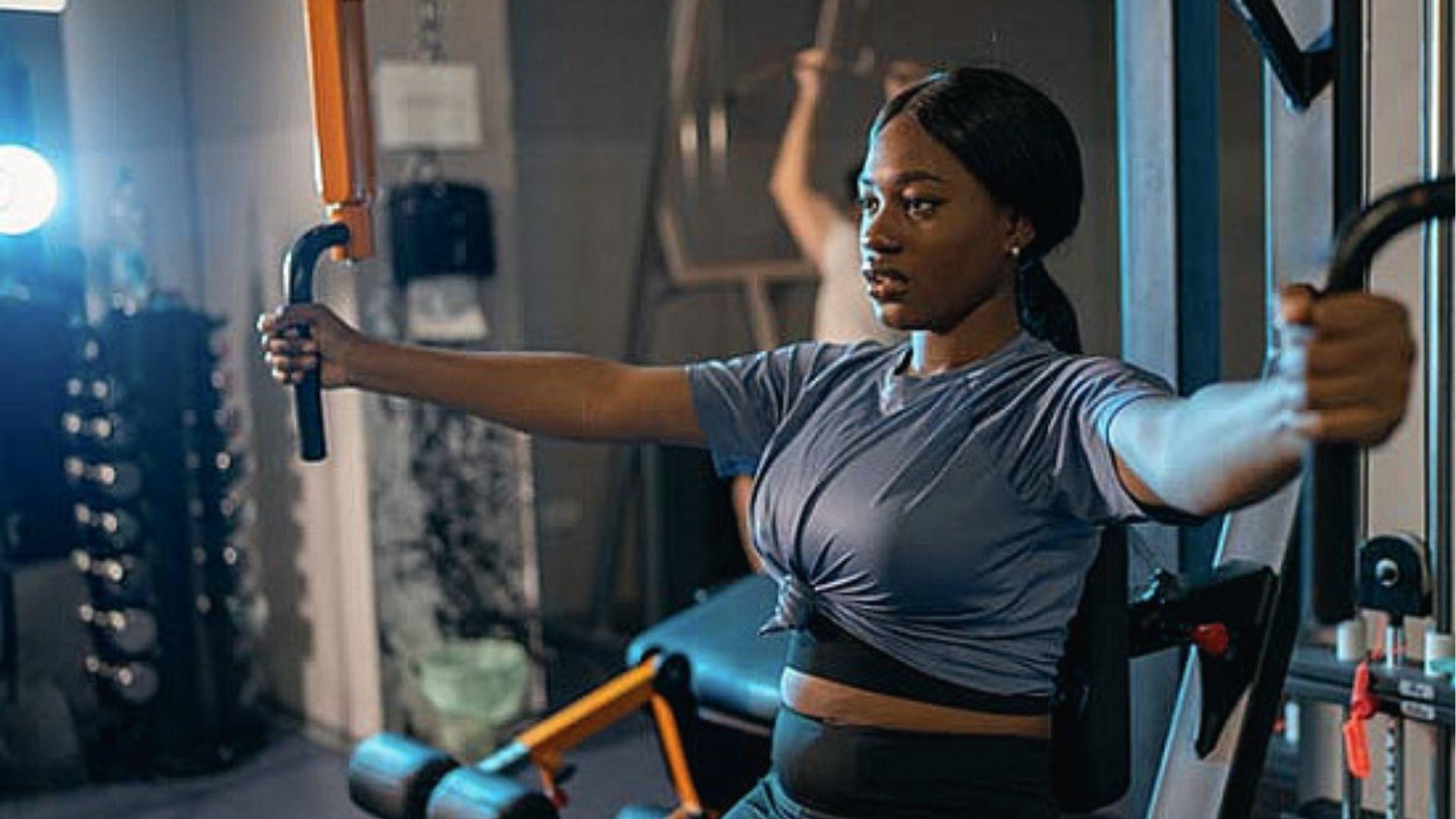
Training smart matters just as much as training hard, especially when it comes to protecting your joints and seeing real results.
Proper Form and Technique for Injury Prevention
Form is everything. Before adding weight or intensity, make sure your movement patterns are correct.
Keep your back from arching excessively during pressing movements. Retract your shoulder blades slightly to protect the joint. If something feels sharp or wrong, stop and reassess.
Training Frequency and Recovery Guidelines
Training the chest muscles two times per week is enough for most women to build strength and see progress.
Allow at least 48 hours between chest sessions so the muscles have time to recover and grow. Overtraining leads to slower results and higher injury risk.
Progressive Overload for Muscle Growth
To keep getting stronger, the training stimulus needs to increase over time.
This can mean adding a small amount of weight, doing an extra repetition, or trying a slightly harder variation of an exercise. Progress does not have to be dramatic to be effective.
Importance of Warm-Up and Stretching
Warming up before chest training reduces injury risk and prepares the muscles for work. Light cardio and dynamic arm circles get blood moving to the area.
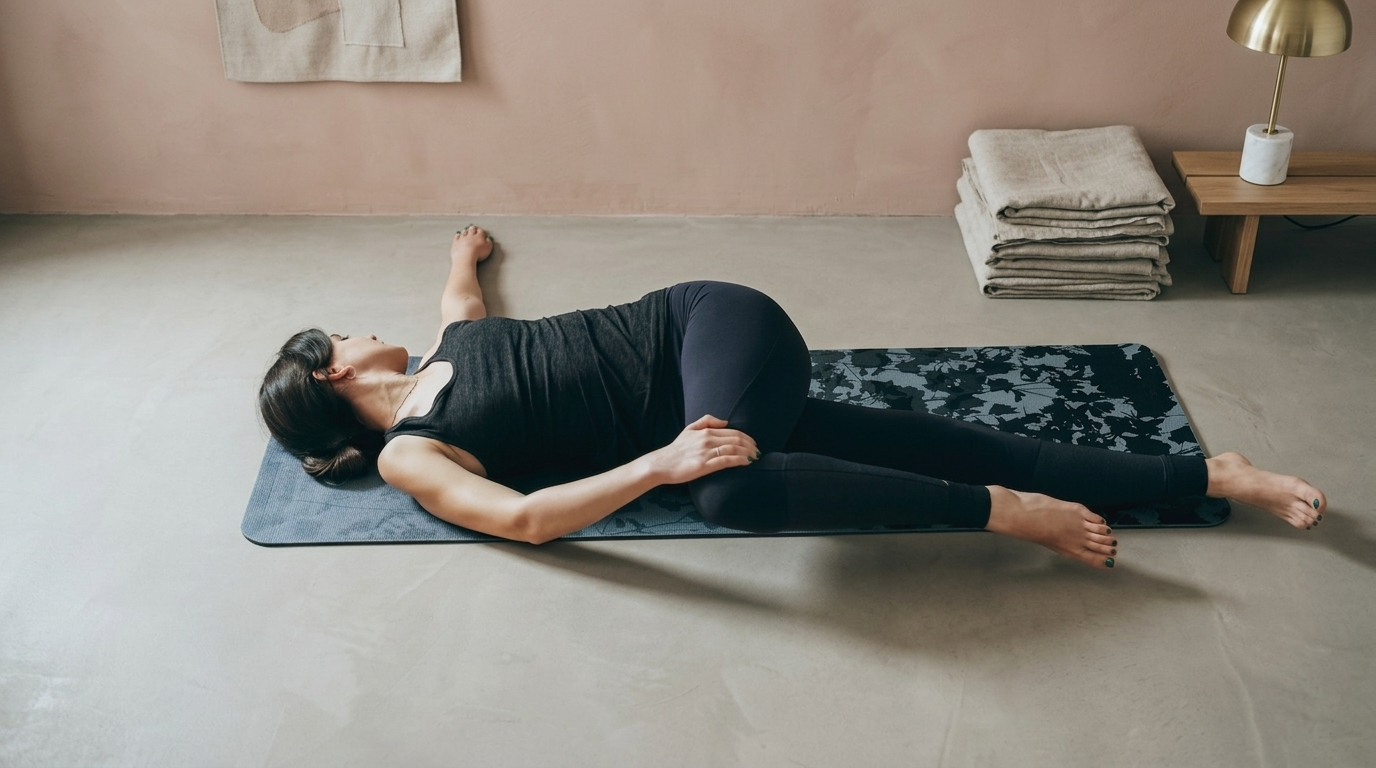
After training, stretch the chest by opening the arms wide or using a doorframe stretch to maintain flexibility.
Tips to Improve Woman Chest Muscle Health and Strength
Small, consistent habits outside of your workout sessions make a big difference in chest muscle health over time.
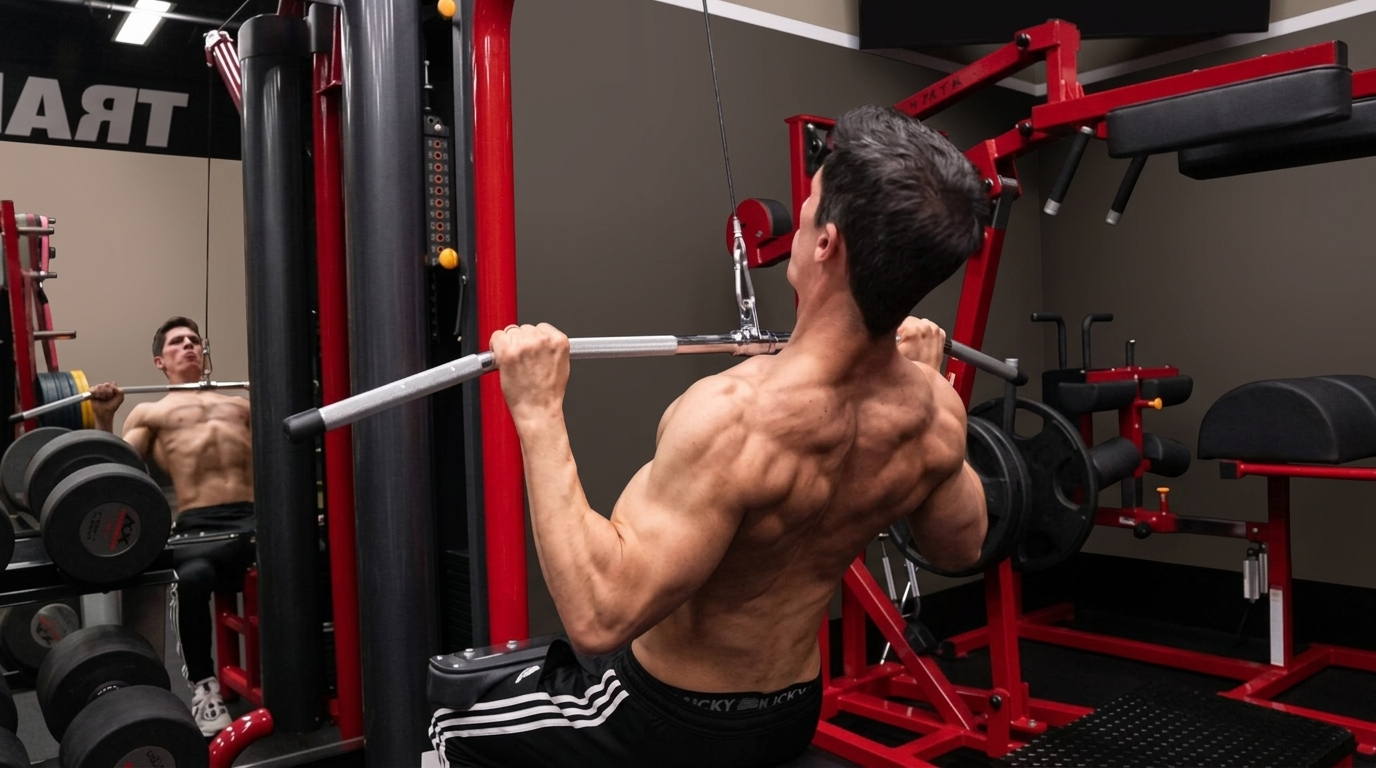
- Pair chest work with rows, pull-downs, and shoulder exercises to keep the upper body balanced and avoid pulling the shoulders forward.
- Train the chest, back, and shoulders together as a unit for better posture and more functional everyday movement.
- Aim for two to three chest sessions per week done consistently over time, as regularity matters far more than intensity.
- Treat sleep, hydration, and nutrition as part of your training plan because muscles repair and grow during rest, not during the workout.
- Include quality protein sources like eggs, legumes, dairy, and lean meats at most meals to support muscle repair and steady progress.
Conclusion
When I started paying attention to my chest muscles, everything about my upper body training clicked into place.
Stronger posture, fewer shoulder aches, and better overall control made a real difference in how I felt day to day.
Woman chest muscles are far more important than most people realize, and once you start training them properly, the results show up everywhere.
If you have been skipping chest day, I hope this gives you a reason to start.
Drop a comment below and let me know where you are in your training, or share this with a friend who could use it.
Frequently Asked Questions
Do women's chest muscles affect breast shape?
Training the chest muscles can give the breasts a slightly lifted appearance by building the supporting muscle beneath. It does not change breast size or internal breast structure in any way.
How often should women train their chest muscles?
Training the chest two times per week with at least 48 hours of rest between sessions is enough to build strength and see steady progress without overloading the muscles.
Can women build large chest muscles from strength training?
Women naturally have lower testosterone levels, which limits how much muscle mass they can build. Chest training will make the muscles stronger and more defined, but not dramatically larger.
Is it safe to train chest muscles during pregnancy?
Light to moderate chest exercises can be safe during pregnancy, but it is important to consult a healthcare provider first. Certain movements may need to be modified as the pregnancy progresses.
Why do my shoulders hurt during chest exercises?
Shoulder pain during chest training often points to poor form, tight chest muscles, or weak rotator cuff muscles. Checking your technique and warming up properly usually resolves the issue. If pain continues, consult a professional.