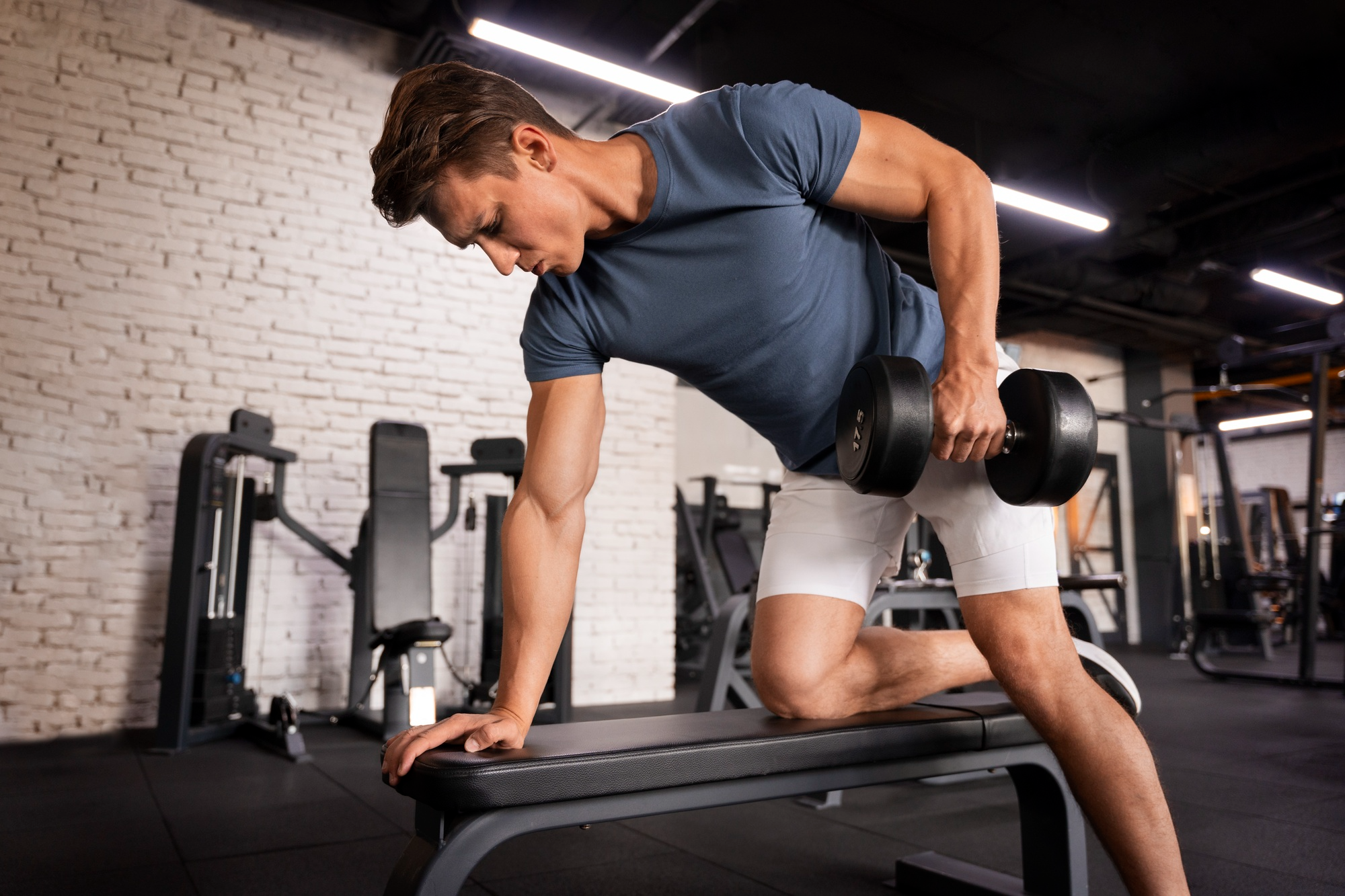

When someone works out, there are clearly a ton of physical and mental health benefits of exercise to consider. One health benefit of exercise that almost everyone overlooks is how exercise helps improve vein health. For millions of people, exercise can help combat the pain of a common health issue that can decrease one’s quality of life, which is called varicose veins. Genetics and aging are two of the main contributors to this common vascular issue, but the health of one’s vascular system and circulation can also be impacted by one’s lifestyle and the exercise one chooses to do.
Most people that make the effort to stay fit make the effort stay and keep a healthy heart too, but a lot of people are surprised to find out that exercising to maintain health is just as important for veins as it is for arteries. Arteries need the heart’s pumping motion to keep the blood moving throughout the body, but veins need to make sure they are contracting healthy muscles to keep the blood going back to the heart. Without exercise and movement, veins can become unhealthy and circulation can be compromised.
Even if exercising can’t totally eliminate the presence of varicose veins, exercising can improve circulation, and probably most important of all, make a major improvement for long-term vascular health. Having a better understanding of how exercise impacts veins and circulation can help people make healthier decisions for better wellness and improved performance.
Most often, this problem affects the legs, since the veins in the lower body must function against gravitational forces. Over the years, the pressure can lead to bulging, discomfort, and swelling along with a feeling of heaviness and fatigue in the legs.
There are many causes of varicose veins and the most notable of them is hereditary factors. Those with a family history of venous disease are much more likely of developing them. Age, pregnancy, and obesity, in addition to standing for long periods of time and hormone replacement therapy, also increase the likelihood of developing varicose veins.
There are unavoidable and avoidable risk factors for this condition. An example of an avoidable risk factor is having a healthy weight and an active lifestyle to help lessen the burden on the venous system.
How Healthy Movement Supports Healthy Circulation
The heart is not the only central organ of the circulatory system. In the legs, the action of muscles helps move blood in an upward direction toward the heart. This is often called the calf muscle pump mechanism.
Movement of the lower body, especially walking, running, and cycling, causes contraction of muscles and compression of veins, making the flow of blood more efficient and reducing the chance of blood pooling in the lower body.
Blood flow, as well as the efficiency of the circulatory system, can be impaired by long standing or sitting. Over time, pressure in the veins increases and puts more burden on the venous system and contributes to the development of symptoms associated with venous insufficiency.
Regular exercise maintains blood flow by utilizing the muscle pump mechanism, resulting in circulation improvement and venous pressure reduction. For this reason, many healthcare professionals recommend exercise as part of their vein care regimen.
The Best Types of Exercise for Vein Health
Not all exercise is created equal. To optimize circulation, muscle contraction, and venous flow, certain exercises are better than others.
Walking is a preferred exercise for vein health. This exercise requires no special equipment, can be performed at various levels of fitness, and is an activity that binds muscle contraction of the calves. Even moderate daily walks are beneficial and can reduce the negative health effects of inactivity.
Cycling is another ideal exercise. Whether performed outside or on a stationary bike, cycling is a good joint-friendly exercise that also binds muscle contraction and venous flow.
Swimming also offers an advantage for vein health. The resistance and support of the water alleviates pressure on the legs and activates contraction of multiple muscle groups.
The use of the elliptical and light jogging are also exercises that offer an advantage for vein health due to their low-impact nature.
Strength Training and Varicose Veins
For many exercise enthusiasts interested in vein health, a common question is whether strength training offers an advantage or disadvantage. The answer is primarily dependent on the way resistance exercises are performed.
Regular strength training also fortifies muscles involved in blood circulation. Improved leg muscle strength can provide a more effective calf muscle pump, thus supporting better venous return.
Heavy lifting can, however, temporarily raise intra-abdominal pressure, and adversely impact circulation, adding more strain to the already pressurized venous system. This is not an argument against the use of resistance training. This issue is best mitigated by employing appropriate lifting techniques, and normal, even, diaphragmatic breathing, as well as implementing balanced training regimens.
The best overall fitness and vascular health is achieved through a combination of strength training integrated with cardiovascular exercises.
Managing Weight and Decreasing the Pressure on the Veins.
Another important way that exercise supports vascular health is through the maintenance of a healthy body weight. Extra body weight adds more pressure on the leg veins, making blood return to the heart more difficult, and worsening the vascular condition.
For those with more body weight to lose, a progressively achieved goal through a combination of exercise and healthy eating, can help ease the pressure on the system of the body’s circulation. Even a small change in body weight can improve circulation and overall body health.
Exercise and the healthy lifestyle that it supports can help improve your appearance and athletic performance.
Can Exercise Help with Varicose Veins?
One of the most common beliefs is that exercise can help reduce or even get rid of varicose veins. Although regular exercise does improve circulation, it does not help with the repair of the already damaged veins and valves.
Once veins have become enlarged and valves dysfunctional, exercise alone is typically insufficient to return them to a preconditioned state. Nevertheless, the incorporation of consistent exercise into daily routine may be helpful to control the symptoms, slow the progression of the disease, and increase overall vascular function.
Many patients with developed varicose veins have claimed that the consistent incorporation of exercise into daily routine has led to a decrease in discomfort and significant improvement in both the energy of the legs and in their function. The addition of exercise into daily routine may even lead to long term maintenance of health.
In the presence of significant venous disease, the presence of a physician is warranted for appropriate recommendations in the case medical treatment is warranted.
Signs of Vascular Disease that should be of Concern to Exercise Enthusiasts
Exercise enthusiastically thinks that the presence of good health and fitness may protect them from vascular diseases. The presence of good health and fitness does bear many benefits, however, there is a strong possibility for even the most active persons to develop venous disease.
Leg symptoms of the presence of venous disease that may include: leg heaviness, leg swelling, leg discomfort or pain, restless leg syndrome, and other skin changes, should deserve medical attention.
Since some diseases of circulation may be insidious in their nature and develop slowly, many may become accustomed to the symptoms and may explain away their significance. The presence of many symptoms will often call for prompt medical evaluation to assess and diagnose venous insufficiency.
The most beneficial approach to the care of venous integrity is a healthy combined active lifestyle and the integration of appropriate medical care. Regular exercise, a healthy balanced diet, attention to proper hydration, and the integration of active care all Play an important role in maintaining healthy circulation.
Simultaneously, progress in vascular medicine has improved the diagnosis and treatment of vein problems. Modern, minimally invasive techniques treat vein function issues, and patients experience less downtime and pain.
If individuals have symptoms or concerns about their varicose veins, they may want to consider seeing a vascular specialist for a full assessment and advice. There are clinics, such as Complete Vein Care, that offer thorough evaluations to help pinpoint problems with circulation and decide the best treatment course, if necessary, for each patient.
When individuals take the initiative, they help improve their long-lasting vascular health as well as their active lifestyles.
Supporting Vein Health with Daily Habits
Daily habits truly support circulation, even more so than the regular prescribed exercise sessions. Highly active individuals spend a large part of their days sitting whether that’s at work, on a trip, or while relaxing at home.
Movement throughout the day can help prevent the problems associated with prolonged inactivity. Things like walking, stretching, elevating the legs, and avoiding sitting for long periods of time can help the body maintain healthy circulation.
Even small, daily, active and wholesome habits and choices, when done consistently, greatly improve health over time.
Conclusion: Exercise Is a Great Asset for Improving Vein Health
All fitness regimens should keep in mind that while exercise cannot eliminate presence varicosities, exercise is a powerful strategy in establishing optimal blood flow in the circulatory system. Regular exercise causes the muscle pump system to reduce body mass and reduce symptoms of venous disease.
Walking, cycling, swimming, and a healthy strength-building regimen are excellent exercises for improved circulation. Exercise is a powerful tool, but like all powerful tools, it has limits. Genetics, age, etc. can all be factors in the health of your veins, even for the most active person.
Combining exercise is the first and best step, but it should be coupled with awareness, and prevention, and the proper medical guidance to help you maintain healthy veins. The health of your veins is one of the areas where medical science is constantly learning and improving. Healthy veins are symptomatic of a healthy body and life.