
I’ve been there stuffing a punching bag with whatever was around, only to end up with a rock-hard bag that hurt my hands. Knowing what to fill a punching bag with makes a real difference.
The wrong filling leads to injuries. The right one gives you solid resistance without the pain. I’ve tested different materials and talked to real users, so you’re getting advice that actually works.
In this article, I’ll cover what affects impact quality, the best filling materials, top combinations, common mistakes to skip, and tips from experienced users to help you train smarter.
Understanding What Affects Punching Bag Impact
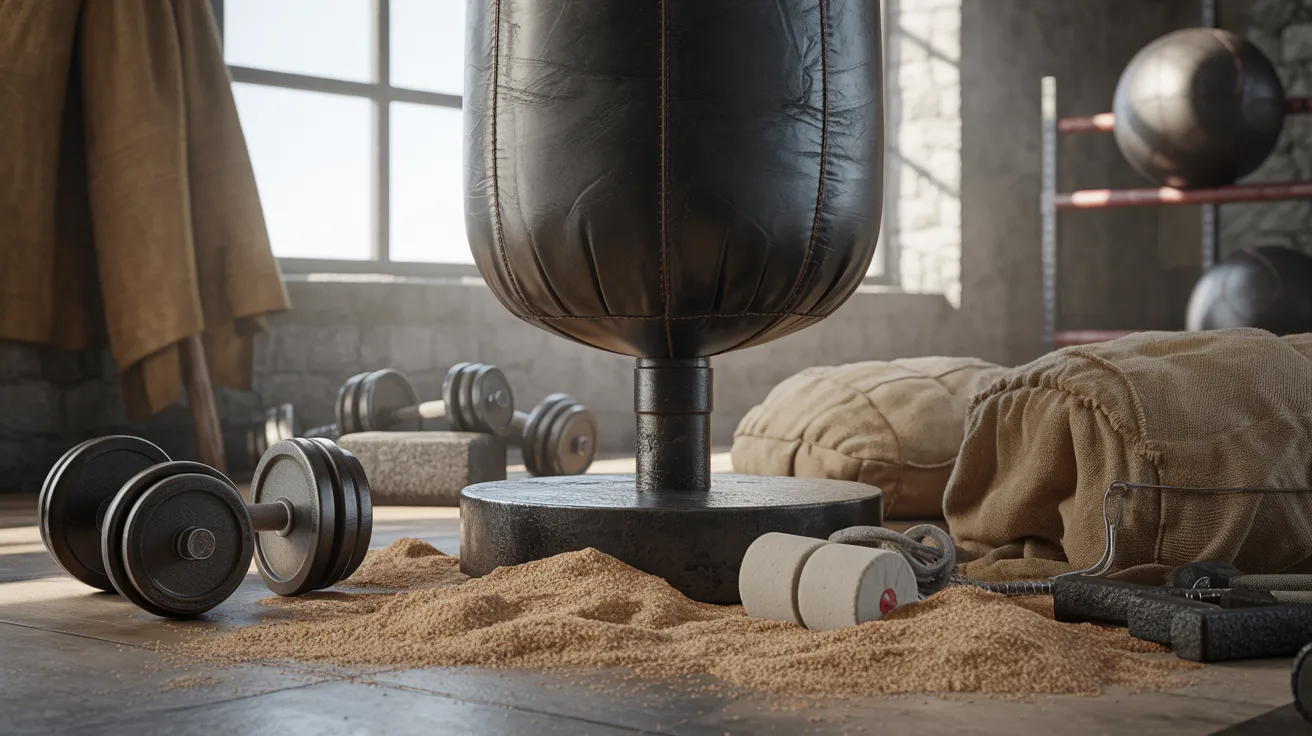
Weight controls how much the bag moves when you hit it. A heavier bag stays in place and gives more resistance, while a lighter one swings too much. Most people aim for a bag that weighs about half their body weight.
The material inside also changes how impact sand hits firm, fabric feels softer, and foam absorbs shock. Getting this balance right protects your hands, wrists, and shoulders.
A badly filled bag creates hard spots that push force back into your joints, causing wrist pain and knuckle bruising over time. Uneven filling also throws off your form during training.
What to Fill a Punching Bag With?
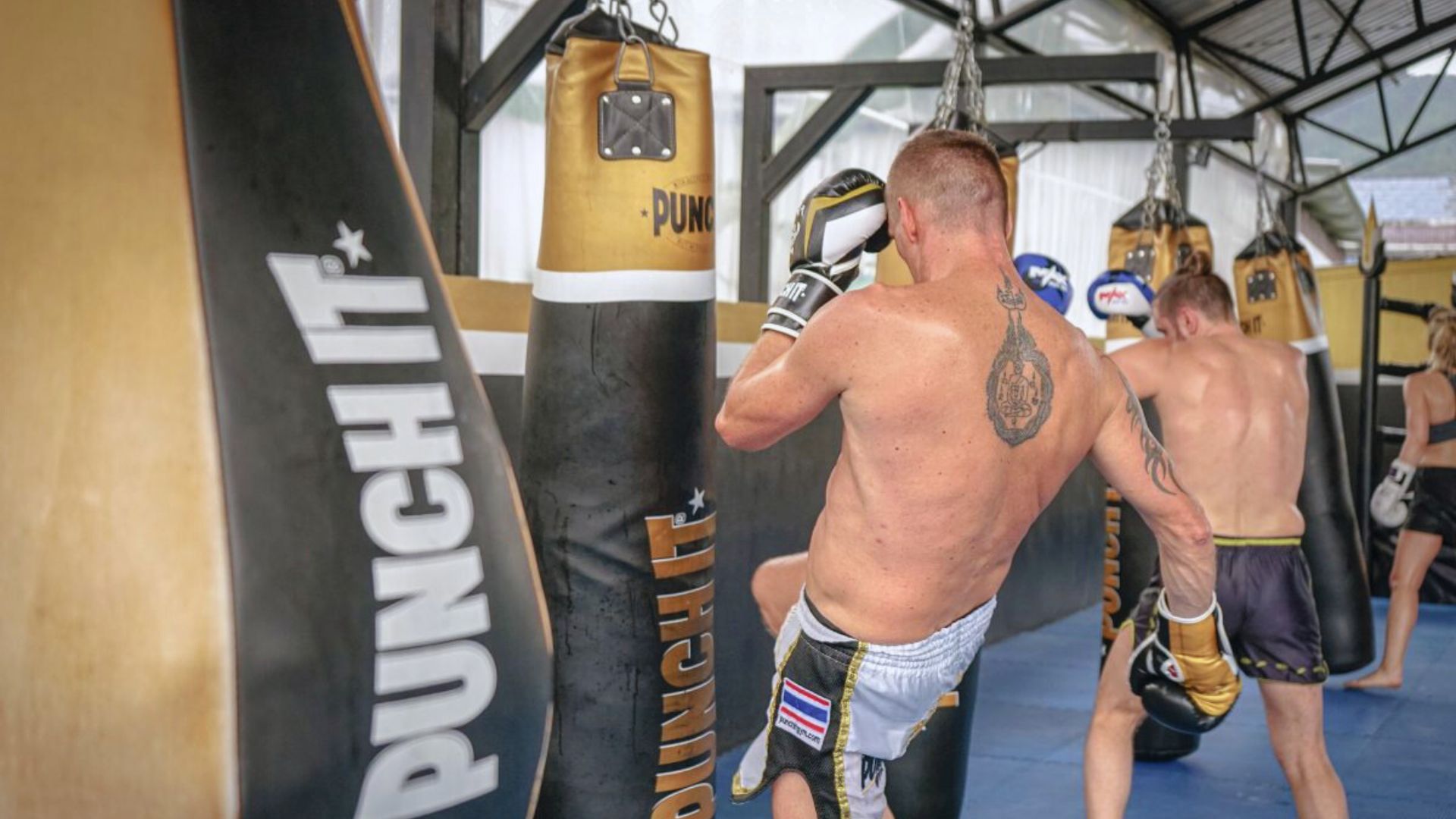
Here are the most trusted materials backed by real people who’ve tested them.
Textile Scraps (Most Recommended by Users)
Old clothes, towels, and fabric scraps are the top choice. They’re easy to find, cheap, and pack well. Fabric compresses over time and creates a firm but forgiving surface.
Cut the fabric into strips or small pieces for easier packing. Many users layer fabric tightly to get even resistance throughout the bag.
Sand or Sandbags (For Added Weight)
Sand adds serious weight. But using loose sand directly inside the bag is risky; it shifts, clumps, and creates hard spots.
The better method is filling small bags with sand and placing them inside. This keeps the sand contained. Use this to add weight at the bottom of the bag for a more stable center of gravity.
Water Filling (Adjustable Option)
Some bags are built for water filling. You can adjust the water level to change the resistance. Water gives a more natural feel on impact, similar to hitting a body.
It’s also easy to change if you want more or less resistance. The downside is that water bags can leak and are heavier to move.
Foam Layers (For Safety and Shape)
Foam works well as a buffer layer. Place it around the outside of your inner filling to soften the bag’s surface.
It also helps the bag hold its round shape over time. Foam alone is too light and bouncy, so it works best when combined with other materials.
Best Filling Combinations for Perfect Impact
These three setups come straight from experienced users who tested them in real training.
Fabric + Sand (Most Popular Setup)
This is the go-to combination for most people. Fill the bag mostly with fabric scraps, then add small sandbags at the center or base.
The fabric provides a consistent, medium-firm feel. The sand adds weight and keeps the bag from swinging too wildly. This setup works for both beginners and experienced fighters.
Fabric + Foam (Softer Feel for Beginners)
If you’re just starting out or training without wraps, this combo is a good pick. Layer foam on the outside and fabric in the middle. The foam cushions hard hits and protects your knuckles.
The bag feels softer but still gives enough resistance for solid training. It’s a forgiving setup that reduces hand fatigue.
Hybrid Fill (Fabric + Sand + Foam for Balance)
This is the most balanced setup. Use fabric as the main fill, add contained sandbags for weight, and wrap a foam layer around the inside walls.
The result is a bag with even resistance, good weight, and a surface that’s easy on your hands. Many gyms use a version of this setup for their heavy bags.
Common Mistakes Users Make When Filling a Punching Bag

Using Only Sand
Pure sand filling sounds solid, but it’s one of the worst choices. Sand shifts over time and packs unevenly.
You end up with hard pockets at the bottom and soft spots at the top. Hitting a sand-heavy bag without padding around it also stresses your wrists fast.
Uneven Filling and Hard Spots
Dumping materials without layering creates uneven density. Some areas become rock solid while others stay too soft.
Hard spots are the main cause of knuckle and wrist injuries. Always pack in small amounts and press down as you go.
Overpacking the Bag
More filling doesn’t mean a better bag. Overpacking makes the bag stiff and unforgiving. There’s no give on impact, which sends all the force back into your hands and arms.
Leave a little room for the filling to compress slightly when you hit it.
Tips from Experienced Users for Perfect Impact
Small habits during filling make a big difference in how your bag feels and lasts over time.
- Add filling in small amounts and press each layer down before adding more
- Never dump all materials in at once it creates uneven weight and pockets
- Shake the bag firmly after partial filling to settle materials into gaps
- Repeat the shake-and-fill process until the bag reaches the right density
- Check the bag every few weeks for soft or uneven spots
- Open it up and add more material whenever it feels too loose
- Treat filling as an ongoing task, not a one-time job
Conclusion
Filling a punching bag the right way changed my training completely. Fewer sore wrists, better sessions, and a bag that actually holds up.
The fabric and sand combo is my personal pick because it is affordable, easy to set up, and works for most training styles. Start with what you have at home.
Old clothes and a few sandbags go a long way. Test it, adjust it, and refine it over time.
Found this helpful? Drop a comment below and let me know what filling worked best for you. Share this with a training partner who needs it too.
Frequently Asked Questions
What is the best material to fill a punching bag with?
Fabric scraps are the most recommended option. They’re affordable, easy to source, and give a firm but forgiving feel that protects your hands and wrists during training.
Can I use sand alone to fill a punching bag?
Sand alone is not a good idea. It shifts and clumps over time, creating hard spots that can hurt your hands. Use sand in small sealed bags and combine it with fabric for best results.
How tight should a punching bag be filled?
The bag should feel firm but not rock solid. There should be a slight give when you press hard on the surface. Overpacking removes that give and puts more stress on your joints.
How often should I check and refill my punching bag?
Check the bag every 2 to 4 weeks if you train regularly. Filling compresses over time, so topping it off keeps the resistance consistent and prevents soft spots from forming.
Is water a good option for filling a punching bag?
Water works well in bags designed for it. It gives a natural feel and easy resistance adjustment. However, it’s only a good choice if your bag is built to hold water.