Time is valuable when you work out. You want every minute at the gym to count. That’s why smart athletes use special training methods to get better results faster.
Two popular techniques stand out: supersets and compound sets. Both can boost your fitness and build muscle. But they work in different ways.
This guide will explain the superset vs compound set debate clearly. You’ll learn what makes each method unique, when to use them, and how to add them to your routine. If you want to make your workouts more effective, keep reading.
Understanding the Core Difference Between Supersets and Compound Sets

The main difference between these methods is simple. It’s all about which muscles you target and in what order.
What Is a Superset?
A superset pairs two exercises that you do back-to-back with no rest between them. The key point is that these exercises work opposite muscle groups. For example, you might do push-ups for your chest, then immediately do pull-ups for your back.
This approach lets one muscle group rest while the other works. Your chest recovers during pull-ups, and your back rests during push-ups. This smart setup keeps your workout moving without wearing out any single muscle too quickly.
What Is a Compound Set?
A compound set also uses two exercises done one after another without rest. But here’s the difference: both exercises target the same muscle group. If you’re working your lats, you might do lat pulldowns followed immediately by pull-ups.
This method hits the same muscles twice in a row. Your lats get no break between exercises. The goal is to fully tire out that specific muscle group through continuous work.
The Critical Distinction
Understanding the superset vs compound set difference comes down to muscle selection. Supersets alternate between opposing muscles like chest and back or biceps and triceps. One muscle works while its opposite rests.
Compound sets keep hammering the same muscle. Your quads work during leg extensions and then again during squats. No rest, no switching. Just focused effort on one area.
Quick Comparison
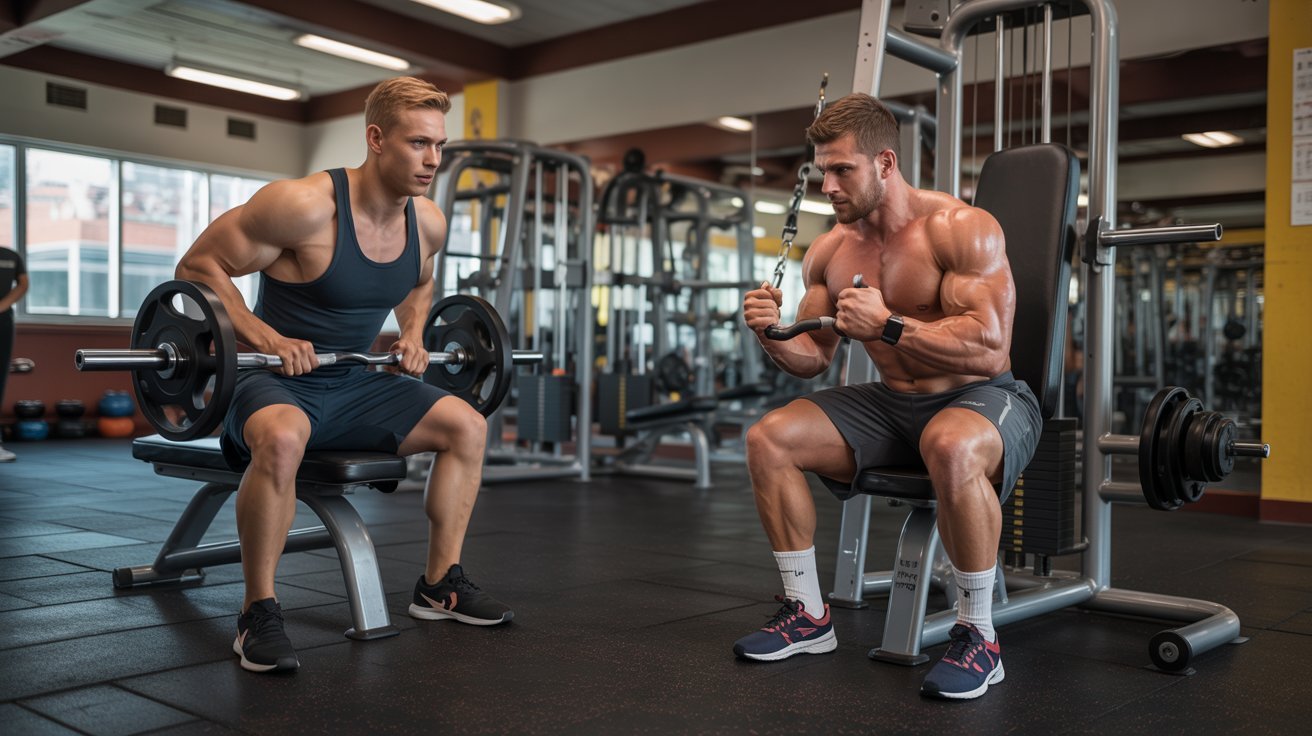
Both methods push your muscles hard, but in different ways. Choose supersets when you want faster workouts and full-body balance. Pick compound sets when you need to build up a specific weak area or want maximum muscle growth in one spot.
|
Feature |
Superset |
Compound Set |
|
Muscle Focus |
Opposing groups |
Same group |
|
Rest Pattern |
Alternating recovery |
Continuous load |
|
Best For |
Full body efficiency |
Targeted growth |
Benefits of Supersets in Your Workout Routine

Supersets offer unique advantages that make them popular with athletes. They’re especially good for people who want results without spending hours at the gym.
Time Efficiency for Busy Athletes
You can cut your workout time nearly in half with supersets. Instead of resting between sets, you switch to another exercise. This keeps you moving and working the whole time.
A typical workout might take 60 minutes with regular sets. The same exercises done as supersets could take just 35 to 40 minutes. You get the same work done in less time, which is perfect for busy schedules.
Enhanced Cardiovascular Benefits
Your heart rate stays up throughout the entire workout. Moving from exercise to exercise without breaks gives you cardio benefits along with strength training.
This constant activity burns more calories during your session. You’re basically doing two types of training at once. Your muscles get stronger while your heart and lungs work harder, too.
Improved Muscular Recovery
One muscle rests while its opposite works. This built-in recovery time is smart and efficient. Your chest muscles catch their breath during back exercises.
Because of this alternating pattern, you can handle more total work. Your muscles stay fresher longer. You might do four or five rounds, where you could only manage three with regular sets.
Greater Workout Flexibility
You can adjust supersets to match any fitness level. Beginners can use lighter weights and simpler moves. Advanced athletes can pick harder exercises and heavier loads.
The combinations are almost limitless. Upper body pairs work great. Lower body pain, too. You can even mix upper and lower body exercises if that fits your goals.
Benefits of Compound Sets for Targeted Muscle Growth

When you want to build specific muscles, compound sets are a powerful tool. They create the kind of fatigue that leads to growth.
Intense Muscle Overload
Compound sets blast the same muscle group twice without rest. This creates serious fatigue in that area. Your muscles have no choice but to adapt and grow stronger.
The continuous work pushes your muscles past their normal limits. This level of stress is exactly what triggers muscle growth. The burn you feel is your muscles responding to the challenge.
Focused Strength Development
If you have a weak muscle group, compound sets can fix it. You zero in on that specific area and work it hard. Nothing else gets in the way.
This focused approach works great for breaking through plateaus. When regular training stops working, compound sets provide a new stimulus. Your stubborn muscles have to respond to this intense demand.
Mental Toughness Building
Compound sets are hard. Really hard. You push through serious muscle fatigue to finish the second exercise. This builds mental strength along with physical strength.
Learning to work through discomfort makes you tougher. This mental edge helps in workouts and in life. You prove to yourself that you can handle more than you thought.
Strategic Muscle Isolation
Bodybuilders love compound sets because they allow precise muscle work. You can target exactly the areas you want to grow. Nothing gets wasted on other muscles.
This precision is perfect for fixing imbalances or building specific body parts. Want bigger shoulders? Compound sets for delts. Need stronger legs? Compound sets for quads. The choice is yours.
When to Use Supersets vs Compound Sets

Knowing when to use each method makes all the difference. The right technique at the right time gets you the best results.
Best Scenarios for Supersets
Use supersets when time is tight, but you still want a complete workout. They’re perfect for maintaining fitness when life gets busy. You can hit your whole body in under an hour.
Supersets work well during fat loss phases. The minimal rest and constant movement burn extra calories. They also help build balanced muscle development across your entire body. No muscle gets neglected.
Best Scenarios for Compound Sets
Pick compound sets when you need to fix a specific weakness. If your shoulders lag behind your chest, hit them with compound sets. This focused work brings up lagging areas fast.
They’re also great during muscle-building phases when you have more time to rest between rounds. Advanced lifters who want serious intensity should try compound sets. They provide a challenge that regular sets can’t match.
Combining Both Techniques
You don’t have to pick just one. Many athletes alternate between both methods for variety. This week, use Superset. Next week, use compound sets. Your muscles respond well to changing stimuli.
Some workouts can even include both techniques. Start with supersets for efficiency, then finish with compound sets on your priority muscle. This mixed approach keeps training interesting and effective.
Tips for Maximizing Superset and Compound Set Effectiveness
Getting the most from these techniques requires smart planning. Here are key tips to make every workout count.
- Plan Your Exercise Pairings Carefully: Choose exercises that work well together. For supersets, pick true opposing muscles. For compound sets, select moves that hit the target from different angles.
- Warm Up Thoroughly: Your muscles need proper preparation before intense work. Spend 5 to 10 minutes getting your body ready. This prevents injury and improves performance.
- Monitor Rest Periods: Supersets need minimal rest between rounds, usually 60 to 90 seconds. Compound sets might need 90 to 120 seconds because you worked the same muscle twice. Adjust based on how you feel.
- Focus on Proper Form: Speed should never cost you good technique. Control each rep even when tired. Bad form leads to injury and poor results.
- Progress Gradually: Start with lighter weights than you’d normally use. These techniques are harder than regular sets. Build up intensity over several weeks.
- Listen to Your Body: Learn the difference between good fatigue and overtraining. Sore muscles are normal. Joint pain, extreme tiredness, or poor sleep mean you need more recovery.
Following these guidelines helps you work hard while staying safe. Smart training beats random effort every time.
Conclusion
The superset vs compound set question doesn’t have one right answer. Both methods offer real benefits when used correctly.
Supersets save time and work opposing muscles efficiently. They’re great for busy people and those cutting fat. Compound sets provide intense, focused work on specific muscles. They’re ideal for building size and strength in target areas.
Try both techniques to see what works for your body and goals. Most athletes find that using both at different times gives the best overall results.
If you’re new to these methods, consider working with a fitness coach. They can make sure your form stays good, and your program matches your needs. Start adding these techniques to your workouts today. Your future self will thank you.
Frequently Asked Questions
Can Beginners Use Supersets and Compound Sets?
Yes, but start simple. New lifters should build basic strength first for 2 to 3 months. Then try supersets with light weights and easy exercises. Wait longer before using compound sets.
How Many Times Per Week Should I Do These Workouts?
Two to three times per week works well for most people. Your muscles need time to recover between intense sessions. Balance these techniques with regular training days and full rest days.
Will Supersets or Compound Sets Help Me Lose Weight?
Both can help by burning more calories during workouts. Supersets burn slightly more due to less rest. But weight loss mainly depends on eating fewer calories than you burn. These techniques support fat loss but can’t replace proper nutrition.
What Equipment Do I Need to Get Started?
You can start with just your bodyweight. Push-ups, squats, lunges, and pull-ups work great. Dumbbells add more options. A full gym gives maximum variety, but basic equipment is enough.
How Long Should Each Superset or Compound Set Last?
Each pair takes about 60 to 90 seconds to complete. Do 8 to 12 reps per exercise. Complete 3 to 4 rounds total. Full workouts using these methods run 30 to 45 minutes.