Want to build a bigger, stronger chest? The secret lies in mastering the right movements. Horizontal push exercises form the foundation of any solid chest training program. These powerful movements target your pectorals, shoulders, and triceps simultaneously.
In this guide, you’ll learn what makes these exercises so effective for muscle growth. We’ll cover the seven best movements for chest development, proper form tips, and common mistakes to avoid. You’ll also get answers to the most asked questions about chest training.
By the end, you’ll know exactly how to build your upper body strength the right way.
What Are Horizontal Push Exercises?
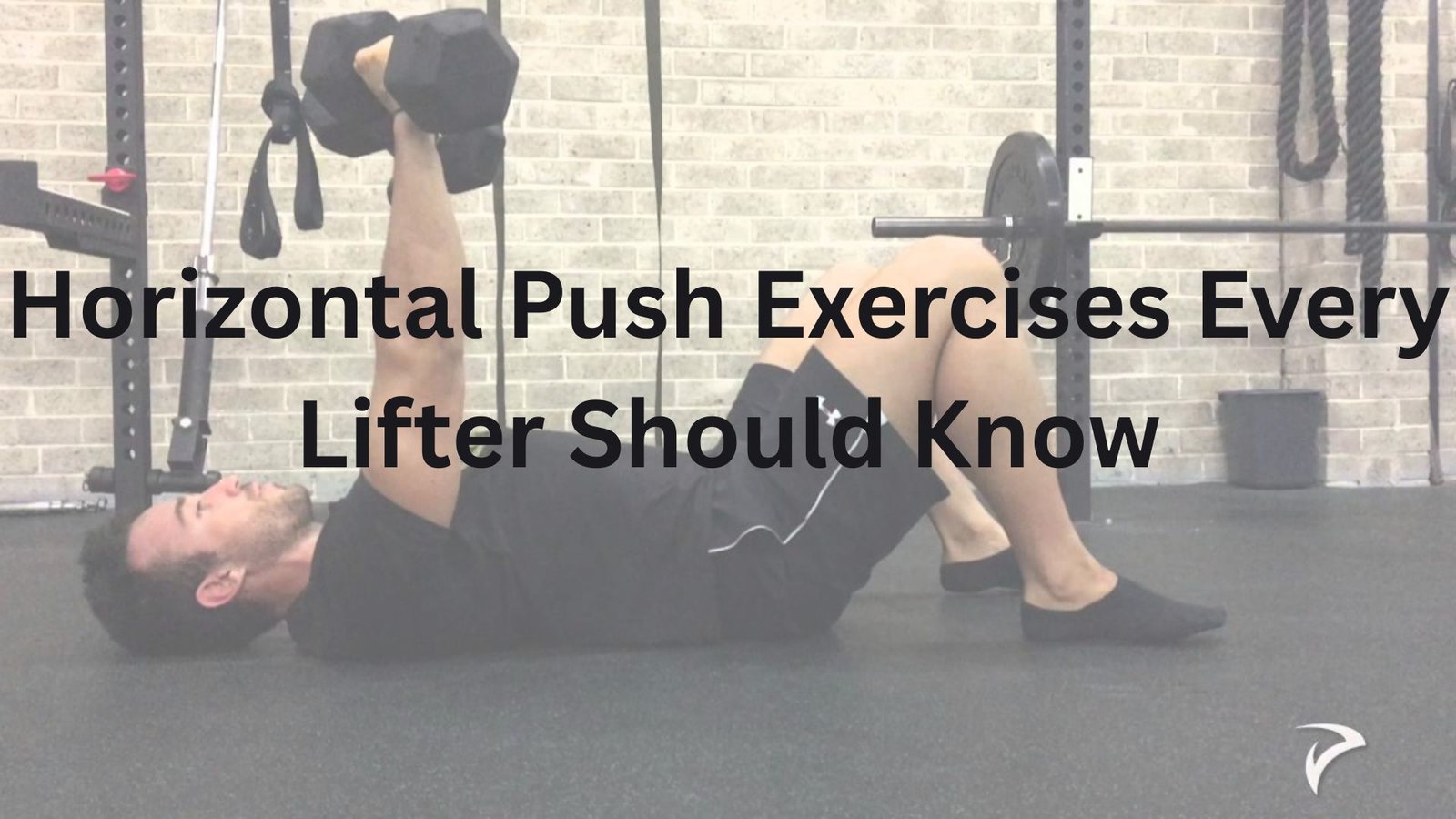
Horizontal push exercises are strength training movements where you press a weight away from your body. The resistance moves perpendicular to your torso, like when you do a bench press or push-up. This angle is what makes them so effective for chest growth.
These movements mainly work three muscle groups. Your pectorals (chest muscles) do most of the work. Your anterior deltoids (front shoulders) and triceps help push the weight. Together, these muscles create the pressing power you need.
Your core and other stabilizer muscles also kick in during these exercises. They keep your body steady while you push. This makes horizontal push exercises great for building overall upper body strength and muscle mass.
Best Horizontal Push Exercises for Building Chest Mass
These seven movements will help you build serious chest size and strength. Each one targets your muscles in a slightly different way.
1. Barbell Bench Press
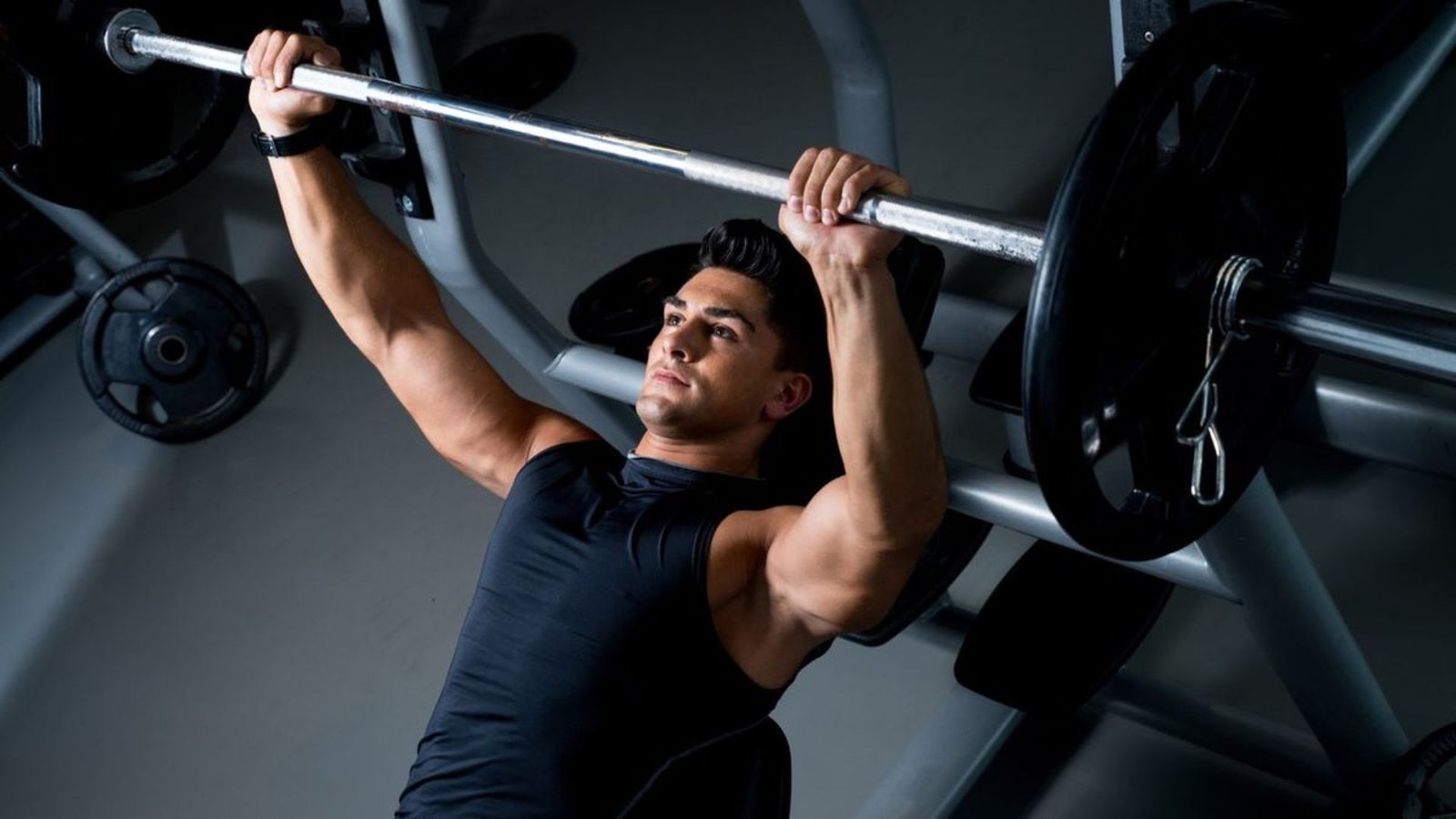
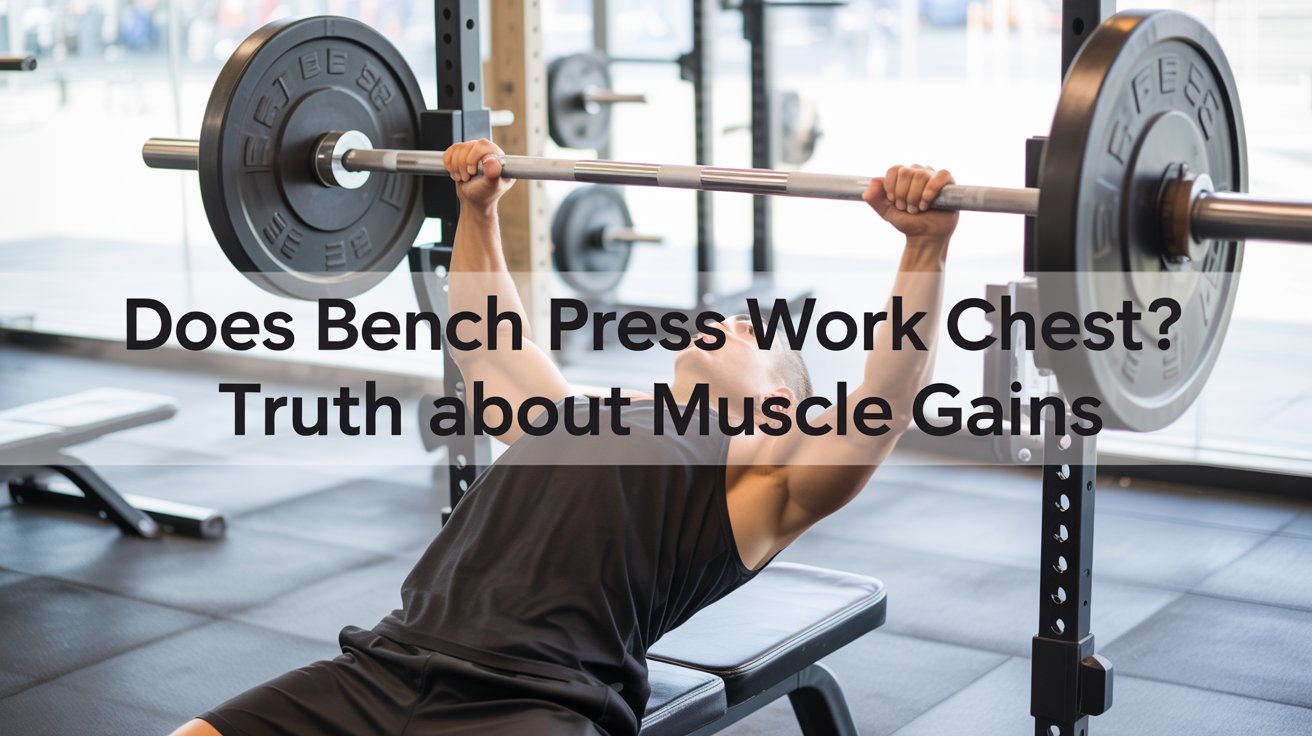
The barbell bench press is the king of chest exercises. It lets you lift heavy weights and overload your muscles for maximum growth. This compound movement recruits your entire chest, shoulders, and triceps at once.
To do it right, keep your elbows at a 45-degree angle from your body. Plant your feet firmly on the floor and create a slight arch in your lower back. Lower the bar to your mid chest, then press it straight up. The bar should move in a slight arc, not perfectly vertical.
2. Push Ups

Push-ups are the most accessible chest builder out there. You can do them anywhere without equipment. They work the same muscles as the bench press while also challenging your core stability.
Start in a plank position with hands slightly wider than shoulder width. Lower your chest to the floor while keeping your body straight. Push back up to the starting position. Make them easier by doing them on your knees. Make them harder by adding a weighted vest or elevating your feet.
3. Incline Bench Press
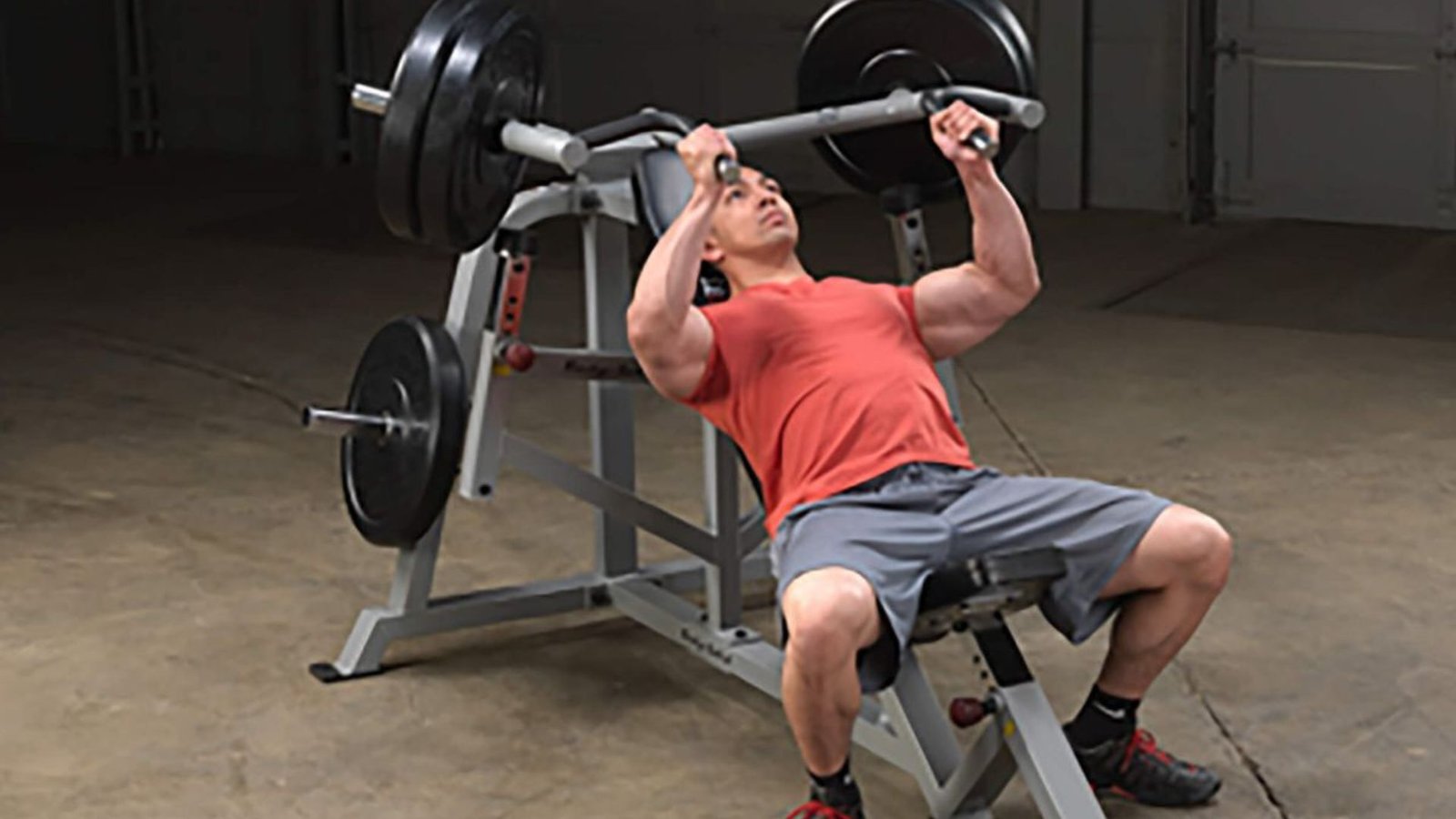
The incline bench press targets your upper chest more than the flat version. This helps create a fuller, more complete chest development. Many people struggle to grow their upper chest, so this exercise fills that gap.
Set your bench to a 15 to 30 degree angle for best results. Going higher than 30 degrees shifts too much work to your shoulders. You can use either a barbell or dumbbells. Dumbbells allow for a greater range of motion and can feel more natural on your shoulders.
4. Dumbbell Bench Press
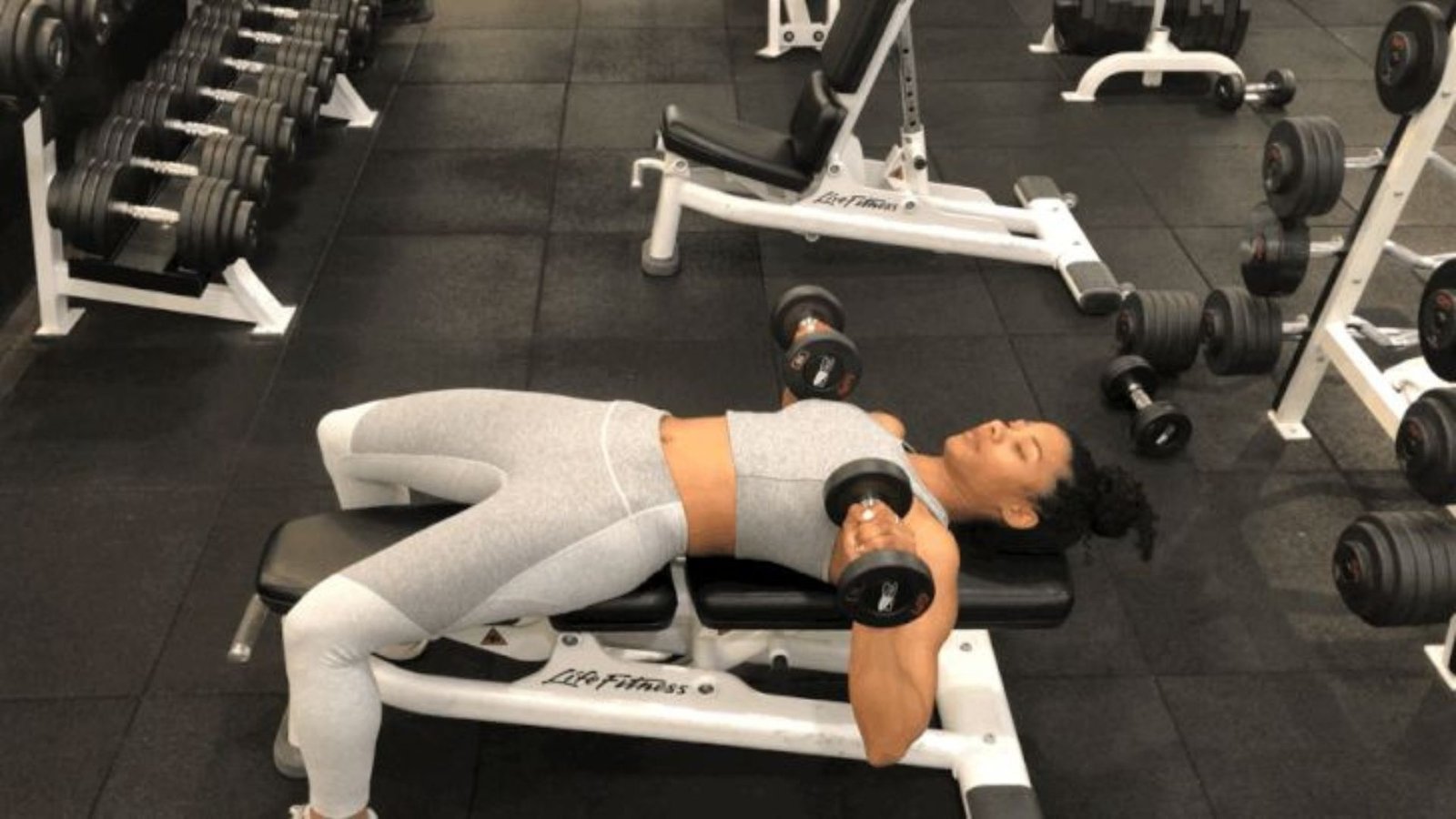
Dumbbell pressing gives you a longer range of motion than barbell work. You can lower the weights deeper, which stretches your chest muscles more. This extra stretch can lead to better muscle growth over time.
Each arm works independently, which helps fix muscle imbalances. If one side is weaker, it has to work harder to keep up. This prevents your stronger side from doing all the work. Focus on controlling the weights throughout the entire movement for the best results.
5. Chest Flies
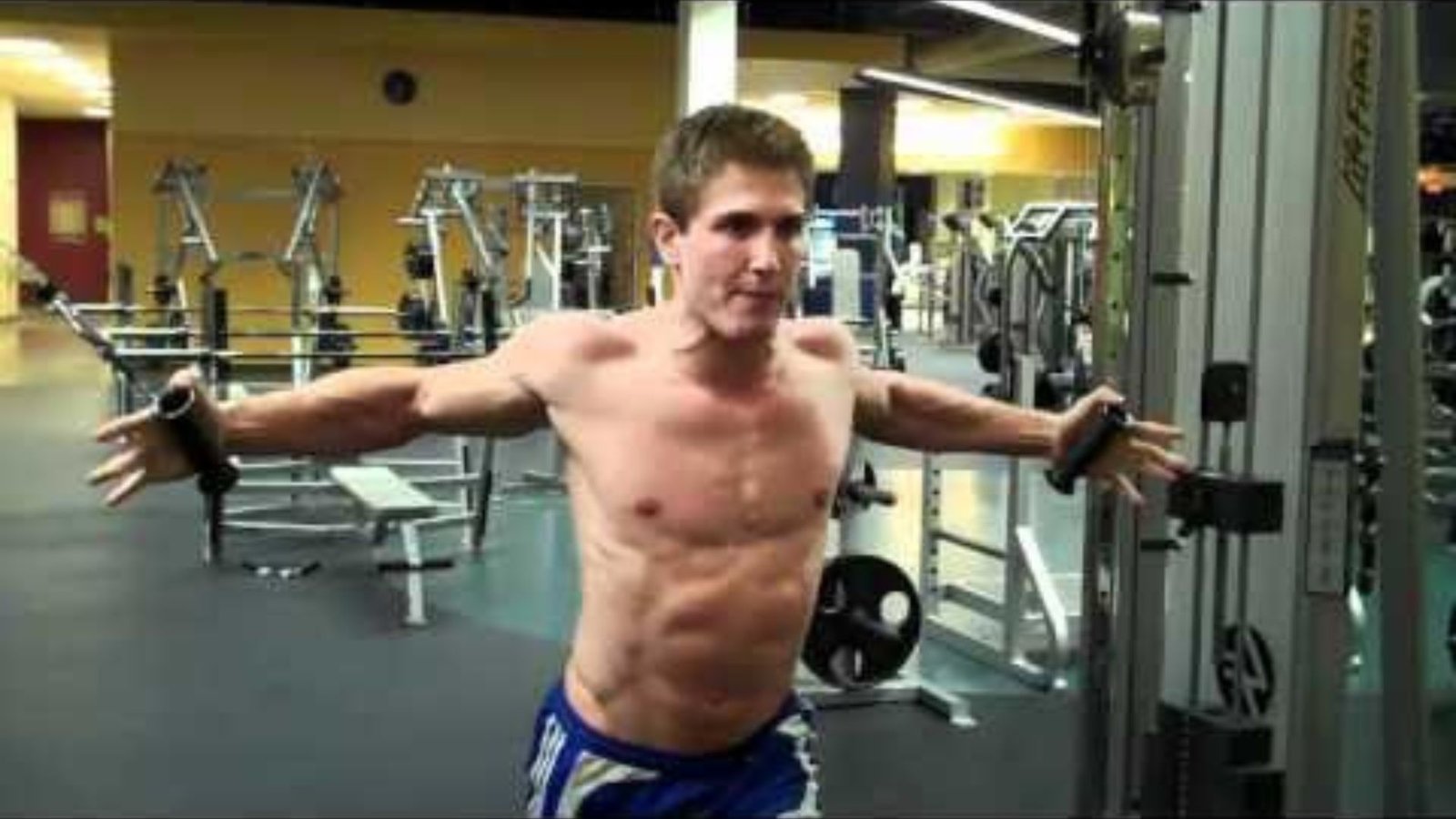
Chest flies create a strong stretch and contraction in your pectoral muscles. Unlike pressing movements, Fliess keeps constant tension on your chest throughout the exercise. This makes them great for muscle building.
You can do flys with dumbbells on a bench or with cables at a gym. Cables maintain tension better because the resistance stays consistent. Keep a slight bend in your elbows and focus on squeezing your chest muscles at the top. Don’t go too heavy, or you’ll turn it into a pressing movement.
6. Dips

Dips are a powerful bodyweight exercise that hammers your lower chest. When you lean forward during dips, you shift more work to your chest muscles. Keep your body upright, and your triceps take over instead.
Lower yourself until your upper arms are parallel to the ground. This gives you a full range of motion and maximum muscle activation. If regular dips are too hard, use a band for assistance. If they’re too easy, add weight with a belt or weighted vest.
7. Close-Grip Bench Press
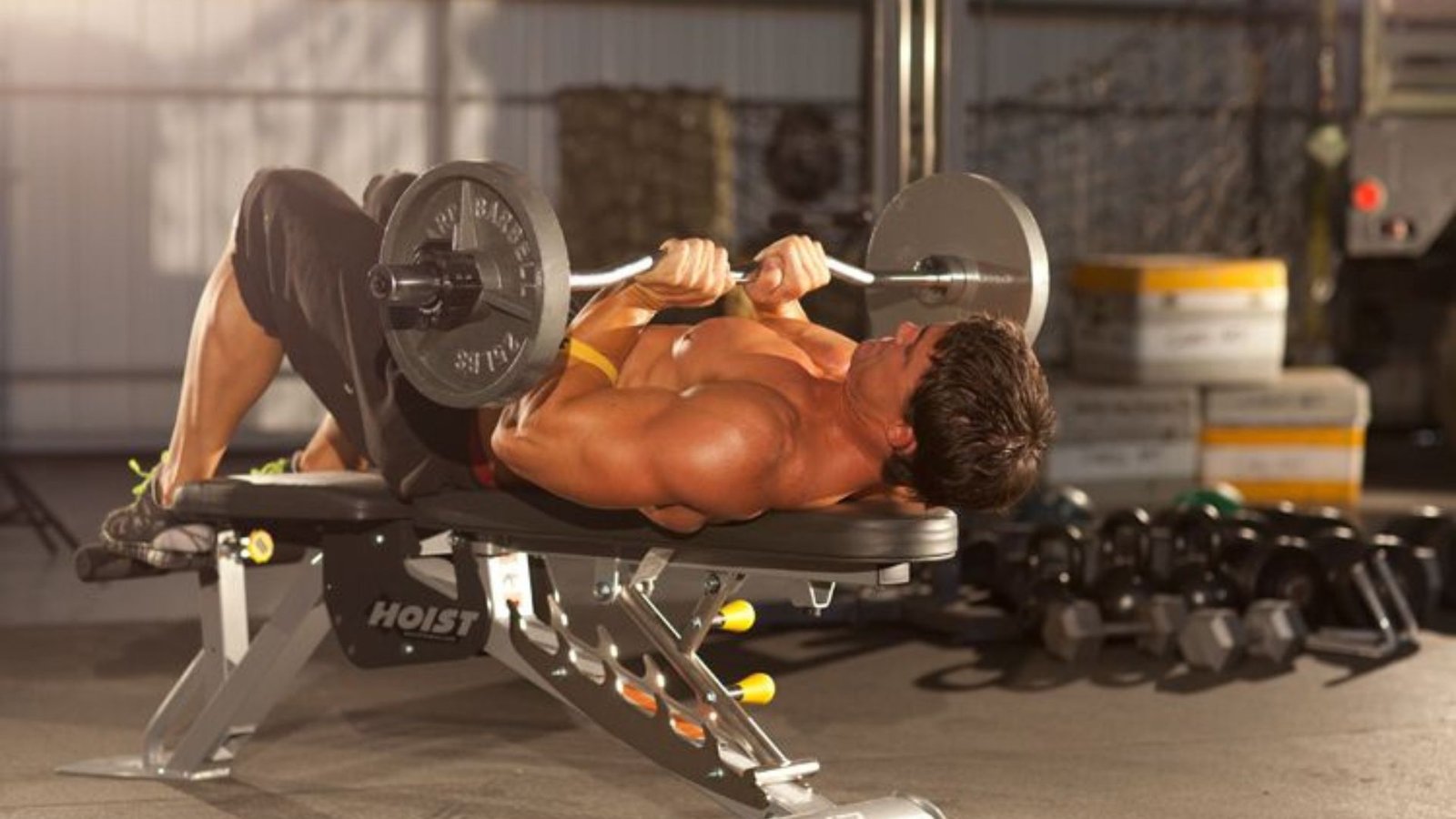
The close-grip bench press emphasizes your triceps while still working your chest. It also hits your upper chest more than the regular grip. Many people find this variation easier on their shoulders, too.
Place your hands about shoulder-width apart on the bar. Keep your elbows tucked closer to your sides compared to a regular bench press. This angle reduces shoulder stress while increasing triceps activation. It’s a smart choice if regular benching bothers your shoulders.
Tips for Maximizing Your Horizontal Push Workouts
Getting the most from your chest training requires more than just showing up. Small adjustments in your technique and programming can make a big difference in your results.
- Keep your elbows at about 45 degrees from your body during pressing movements. This angle protects your shoulders while maximizing chest activation.
- Use progressive overload by adding weight, reps, or sets over time. Your muscles need increasing challenge to keep growing.
- Mix compound movements like bench press with isolation exercises like flies. Compounds build overall mass, while isolation work targets specific areas.
- Train horizontal push exercises two to three times per week. This gives you enough stimulus without overtraining.
- Avoid flaring your elbows out to 90 degrees, which stresses your shoulder joints. Also, to skip bouncing the weight off your chest.
- Pull your shoulder blades back and down before each set. This stable position protects your shoulders and increases your pressing power.
Remember that recovery matters just as much as training. Your muscles grow during rest, not during workouts. Give yourself at least 48 hours between chest sessions.
Conclusion
Horizontal push exercises are essential for anyone who wants to build a strong, muscular chest. These movements work your pectorals, shoulders, and triceps together for maximum efficiency. The seven exercises we covered give you everything you need for complete chest development.
Start with basic compound movements like the bench press and push-ups. These build your foundation of strength and size. Add isolation work and variations as you get more experienced.
The key is consistency and proper form. Use the tips we shared to avoid common mistakes and keep your shoulders healthy.
Ready to build your chest? Pick two or three of these exercises and add them to your next workout. Your upper body will thank you.
Frequently Asked Questions
How Often Should I Train Horizontal Push Exercises?
Train chest two to three times per week for best results. This frequency allows enough recovery time between sessions while providing sufficient stimulus for muscle growth.
Can I Build Chest Muscle With Just Bodyweight Horizontal Pushes?
Yes, push-ups and dips can build muscle, especially for beginners. Add variations like weighted vests or harder angles to keep making progress over time.
What’s the Difference Between Horizontal and Vertical Push Exercises?
Horizontal pushes move weight away from your chest, targeting pectorals mainly. Vertical pushes move weight overhead, focusing more on the shoulders and upper chest.
Should I Do Barbell or Dumbbell Pressing First in My Workout?
Do barbell pressing first when you’re fresh and can lift heavier weights. Save dumbbell work for later when pre-fatigue makes lighter weights effective.
How Do I Prevent Shoulder Pain During Horizontal Pressing?
Keep elbows at 45 degrees, not 90 degrees out. Retract your shoulder blades before pressing. Try different grip widths to find what feels comfortable for you.