
For over 2,000 years, dumbbells have been the most recognizable piece of fitness equipment around the world. These simple yet powerful tools have stood the test of time for good reason. They work for everyone, from people just starting to professional athletes.
In this guide, you’ll learn exactly what dumbbells are, why they’re so effective, and how to use them safely. We’ll cover the different types available, the major benefits they offer, and practical tips for adding them to your workout routine.
By the end, you’ll understand why these weights remain a top choice for building a stronger, healthier body.
What Are Dumbbells?
When you ask, “What are dumbbells?” the answer is simpler than you might think. These are handheld weights that have helped millions of people reach their fitness goals.
The Basic Design and Function
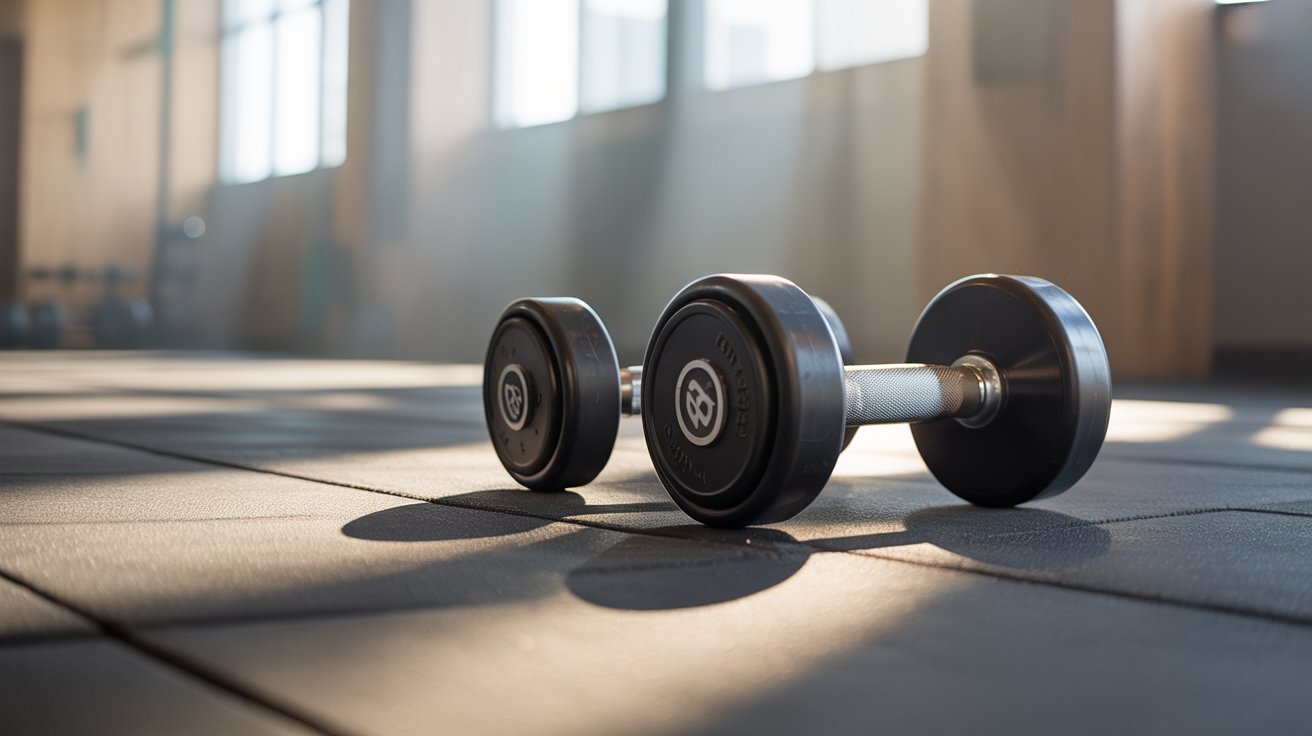
Dumbbells are short bars with equal weights attached to both ends. You can find them in weights ranging from 2 pounds all the way up to over 100 pounds. They work by creating resistance as you lift them against gravity, making your muscles work harder with each rep.
These weights are incredibly versatile. You can use them for isolation exercises that target one specific muscle or compound movements that work multiple muscle groups at once. This flexibility makes them perfect for full-body workouts, whether you’re at the gym or in your living room.
Why Dumbbells Remain a Fitness Staple?
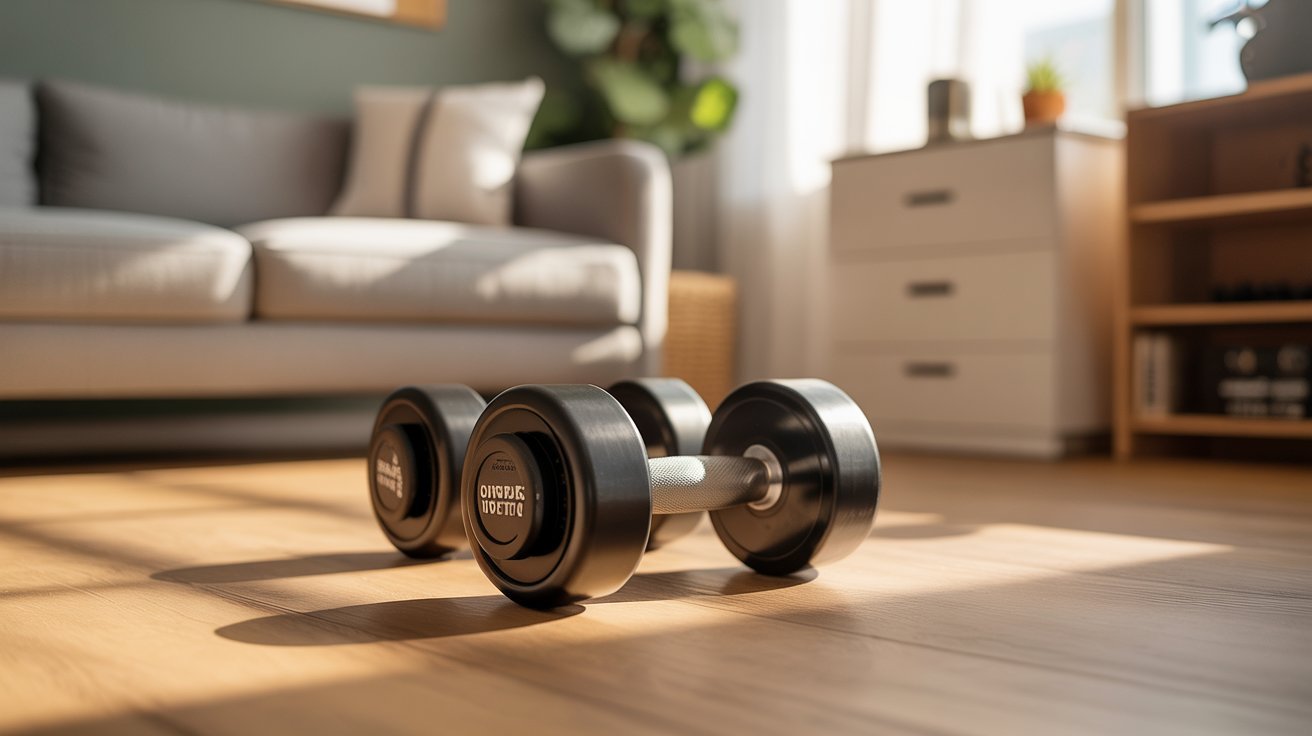
One of the best things about dumbbells is that you can use them anywhere. Bring them to the gym, keep them at home, or even take them outside for fresh air workouts. There’s no complex setup required, no plugging in machines, and no waiting for equipment to become available.
They’re also incredibly practical for any budget or skill level. Beginners can start with light weights and perfect their form, while advanced lifters can go heavy to keep challenging their muscles. Compared to expensive machines that only do one thing, dumbbells give you hundreds of exercise options at a fraction of the cost.
Key Benefits of Using Dumbbells
Understanding what dumbbells are means also knowing why they’re so effective. These weights offer benefits that go far beyond just building bigger muscles.
1. Build Strength and Muscle Mass
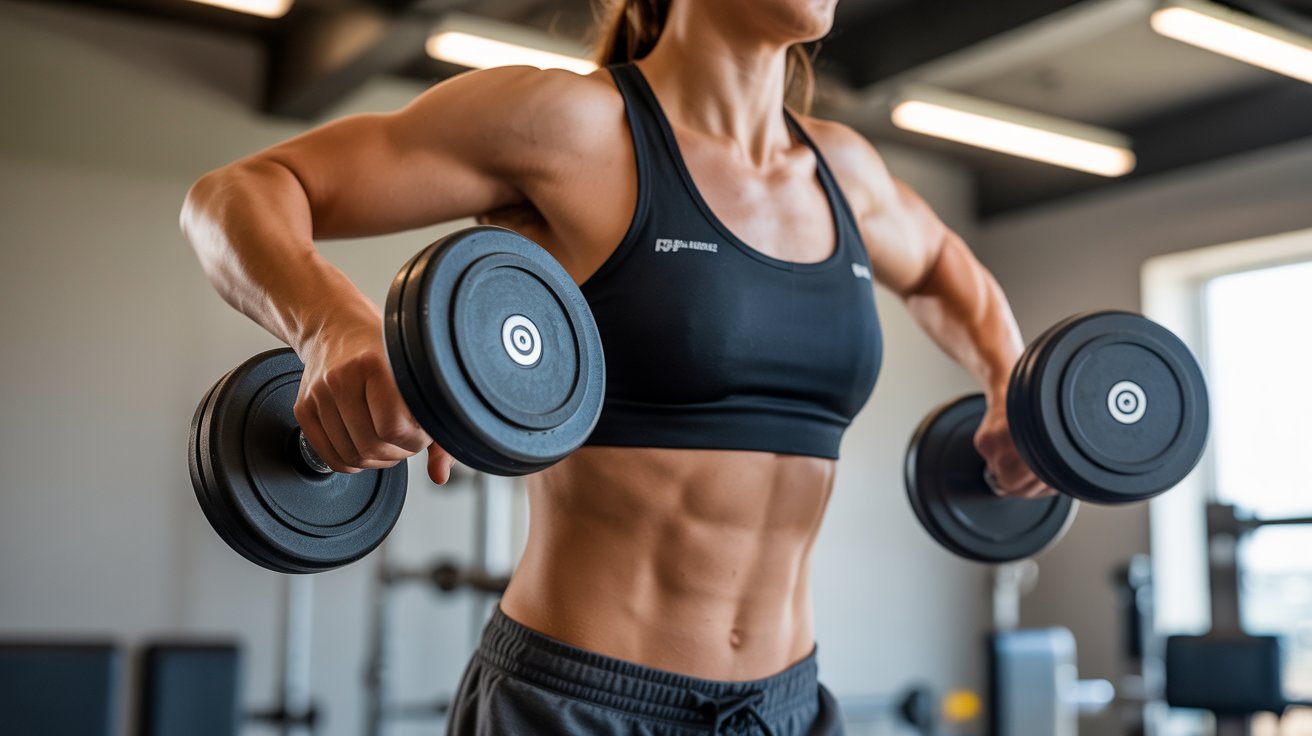
Dumbbells are highly effective for building serious muscle mass and strength. When you lift weights consistently, your muscles grow through a process called hypertrophy. This happens when you challenge your muscles enough that they need to adapt and get stronger.
The beauty of dumbbell training is that you can target every major muscle group in your body. From your chest and back to your legs and shoulders, no muscle gets left behind. By following progressive overload principles, where you gradually increase weight or reps over time, you’ll see steady gains in both size and strength.
2. Improve Balance and Coordination
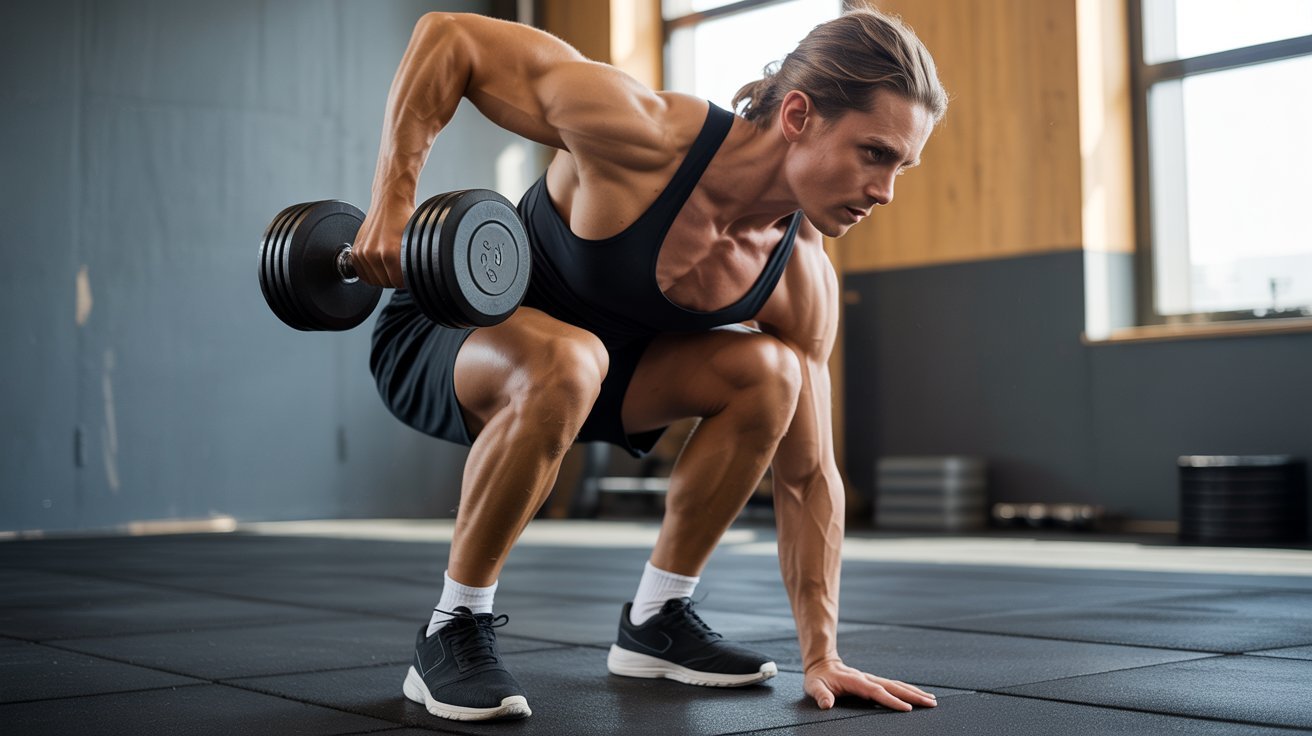
Unlike machines that guide your movement, dumbbells require you to control the weight yourself. This activates stabilizer muscles throughout your body that often get neglected. Your core, small joint muscles, and balance systems all work together to keep the weights steady.
This leads to greater muscle fiber recruitment, meaning more of your muscle gets involved in each exercise. Training one side of your body at a time, called unilateral training, also prevents muscle imbalances. If your right arm is stronger than your left, dumbbells will reveal this quickly and help you fix it.
3. Enhance Cardiovascular Health
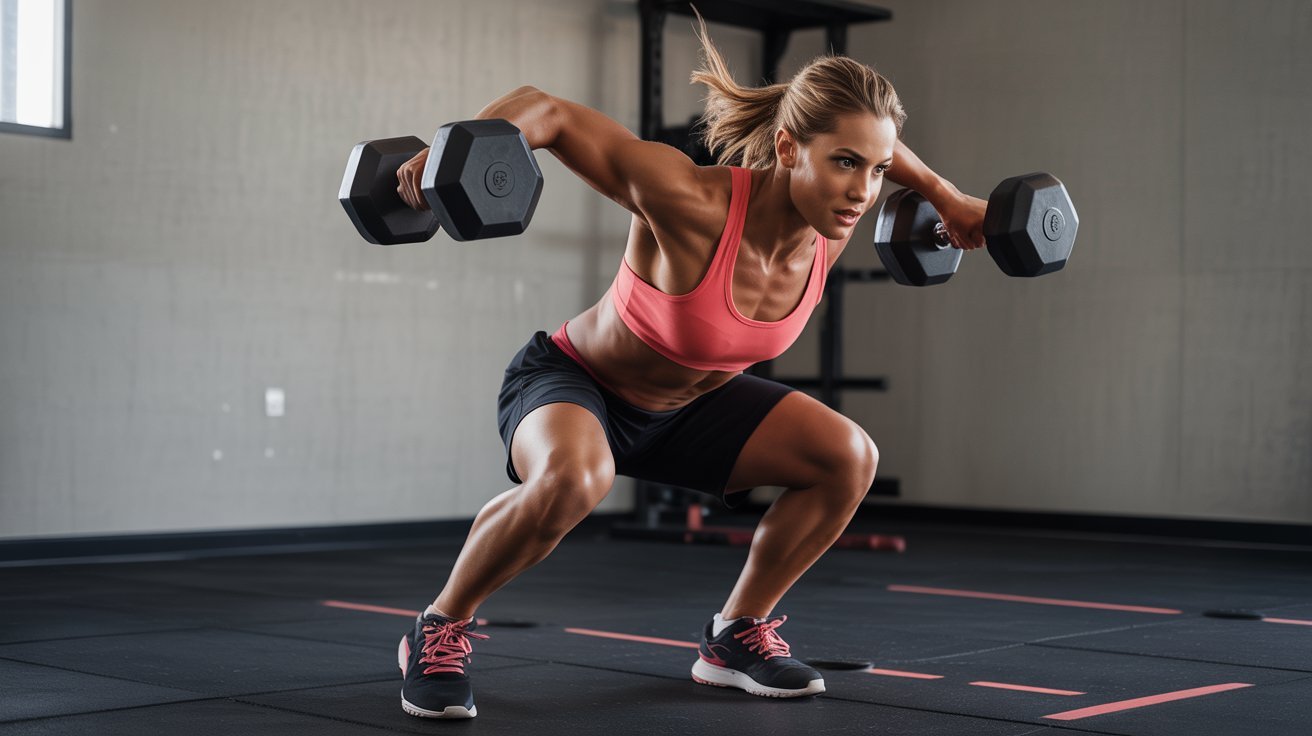
While many people think dumbbells are just for building muscle, they also boost your heart health. Circuit training with dumbbells raises your heart rate significantly, giving you cardio benefits while you strength train. This type of workout improves circulation throughout your body and increases oxygen flow to your tissues.
Regular dumbbell training has been shown to reduce the risk of heart attack and stroke. When you combine resistance training with healthy eating and regular cardio, you create a powerful defense against heart disease. Your cardiovascular system gets stronger with each workout, just like your muscles do.
4. Support Weight Loss Goals
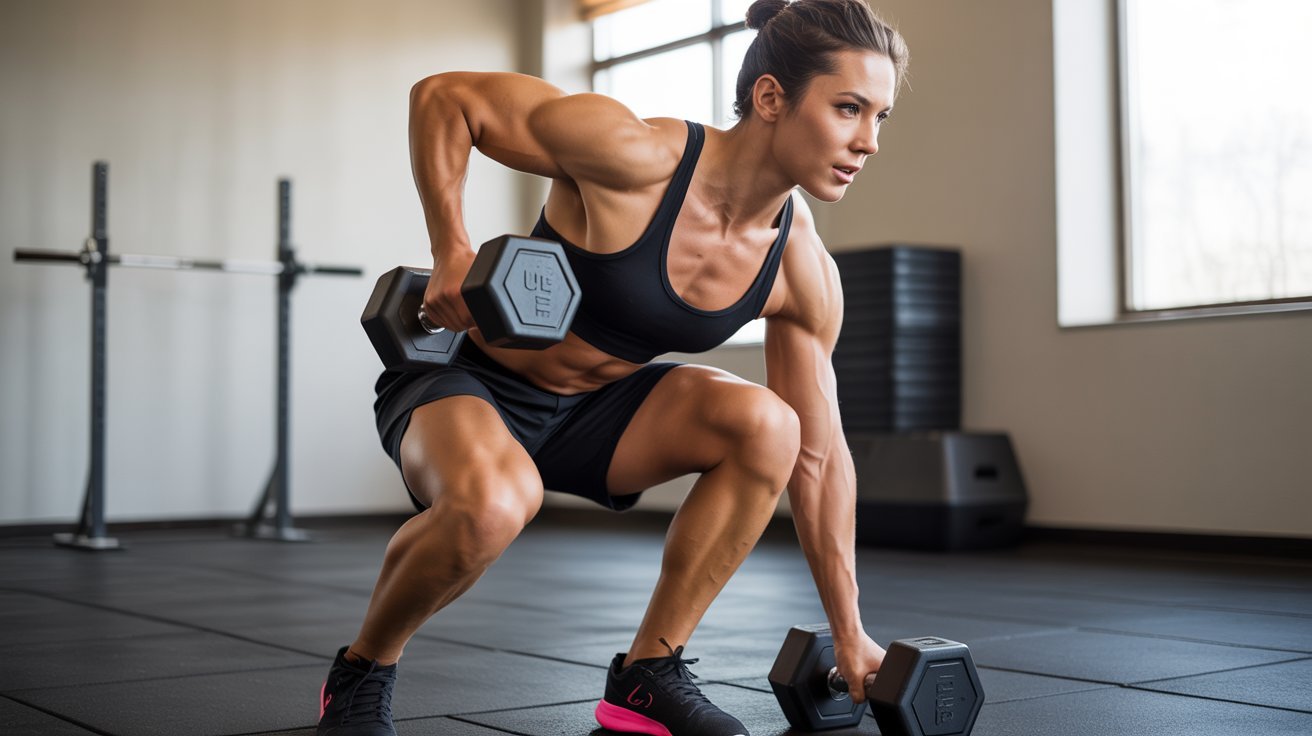
If losing weight is your goal, dumbbells can help you get there faster. Resistance training burns calories during your workout and continues burning them for hours afterward. As you build lean muscle mass, your body requires more energy just to maintain itself, which means you burn more calories even at rest.
This metabolism boost is one reason why strength training is so effective for weight loss. The combination of burning fat while building muscle creates a leaner, more toned appearance. When you pair dumbbell workouts with cardio exercises and a healthy diet, you create the optimal conditions for losing weight and keeping it off.
5. Increase Range of Motion
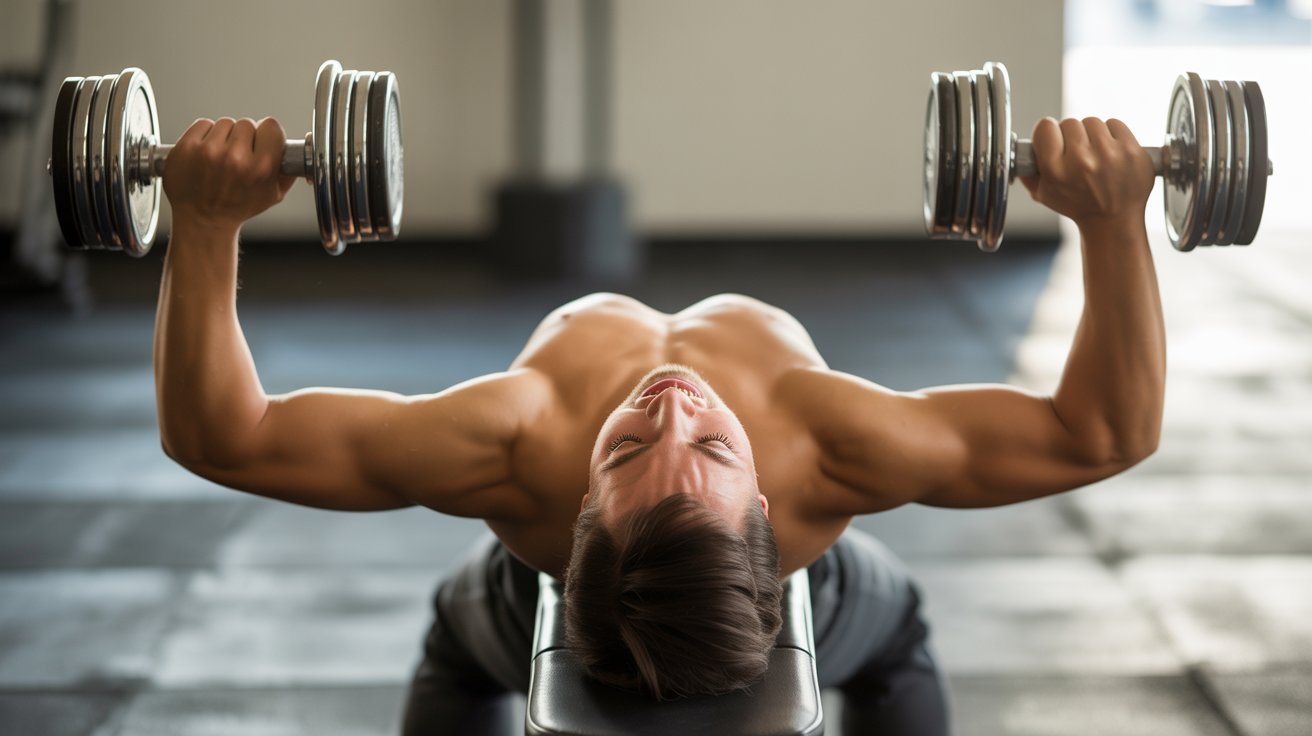
Dumbbells give you much greater freedom of movement compared to barbells or machines. Your joints can move through their natural patterns without being locked into a fixed path.
This is especially helpful for exercises like chest presses, where dumbbells allow your arms to move in a more comfortable arc.
Following natural movement patterns helps reduce stress on your joints when you maintain proper form.
Your shoulders, elbows, and wrists can adjust slightly as needed, which feels more comfortable and reduces injury risk. This increased range of motion also means you’re working your muscles through their full length, leading to better results.
Different Types of Dumbbells for Every Need
Now that you know what dumbbells are and their benefits, let’s look at the different varieties available. Each type has its own advantages depending on your needs and budget.
Fixed Dumbbells
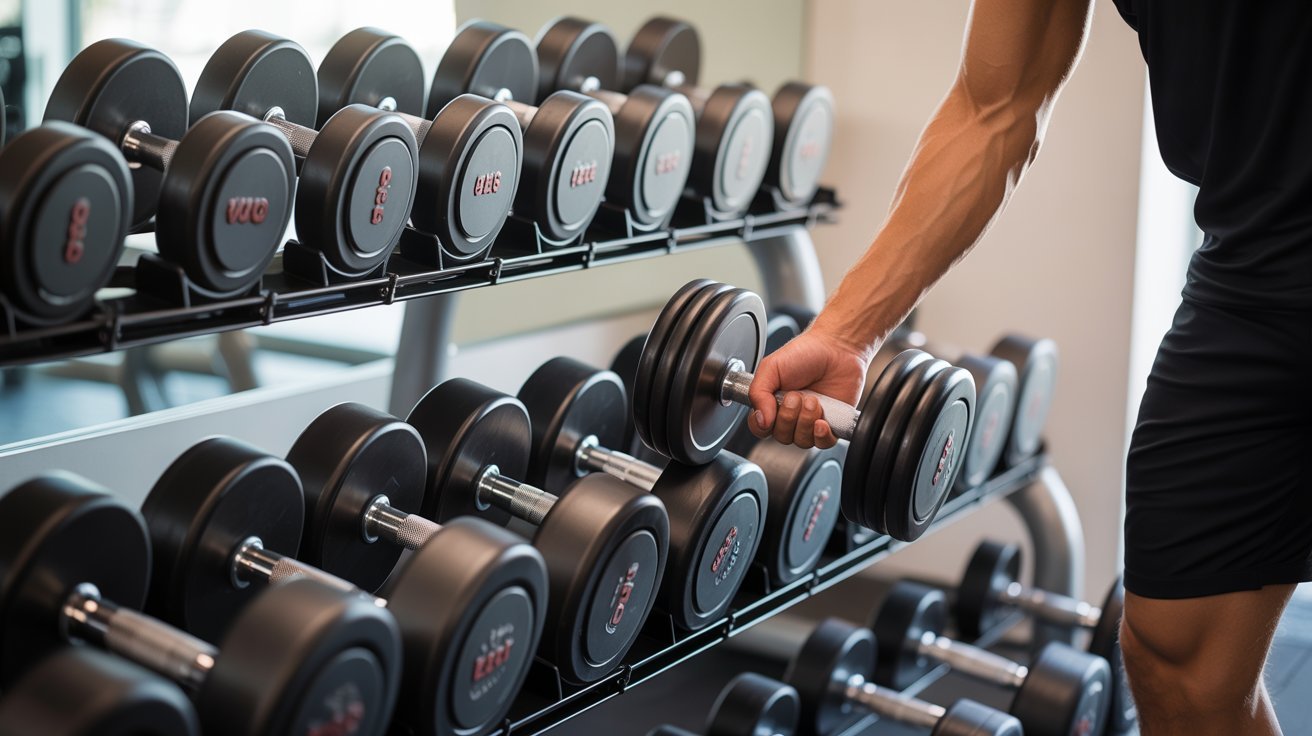
Fixed dumbbells come with preset weights that cannot be adjusted. These are the type you’ll most commonly see at commercial gyms, lined up on racks from lightest to heaviest. They’re perfect for people who want to move quickly between different weights during their workout.
You can find fixed dumbbells in cast iron, rubber-coated, or urethane-coated options. Each material has benefits, but all serve the same basic purpose. While they take up more space than adjustable options, many people prefer the convenience of simply grabbing the weight they need without any setup.
Adjustable Dumbbells
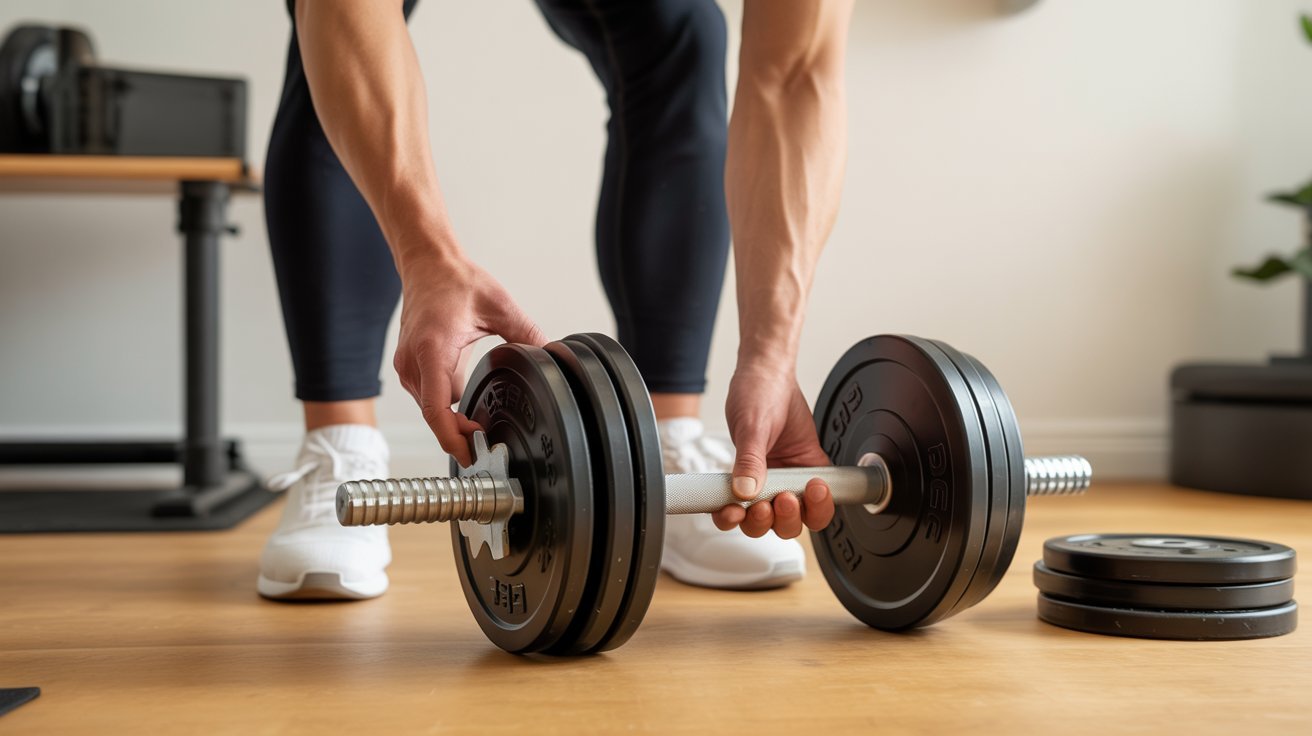
Adjustable dumbbells let you customize the weight by adding or removing plates on each end. You secure the plates with collars that screw tightly, keeping everything in place during your workout. This design is a huge space saver for home gyms since one set of adjustable dumbbells can replace an entire rack of fixed weights.
They’re also cost-effective if you need access to multiple weight ranges. Instead of buying 10 different pairs of dumbbells, you buy one adjustable set and change the plates as needed. The main downside is that it takes time to add or remove plates between exercises, which can slow down your workout if you’re doing circuits.
Selectorized Dumbbells
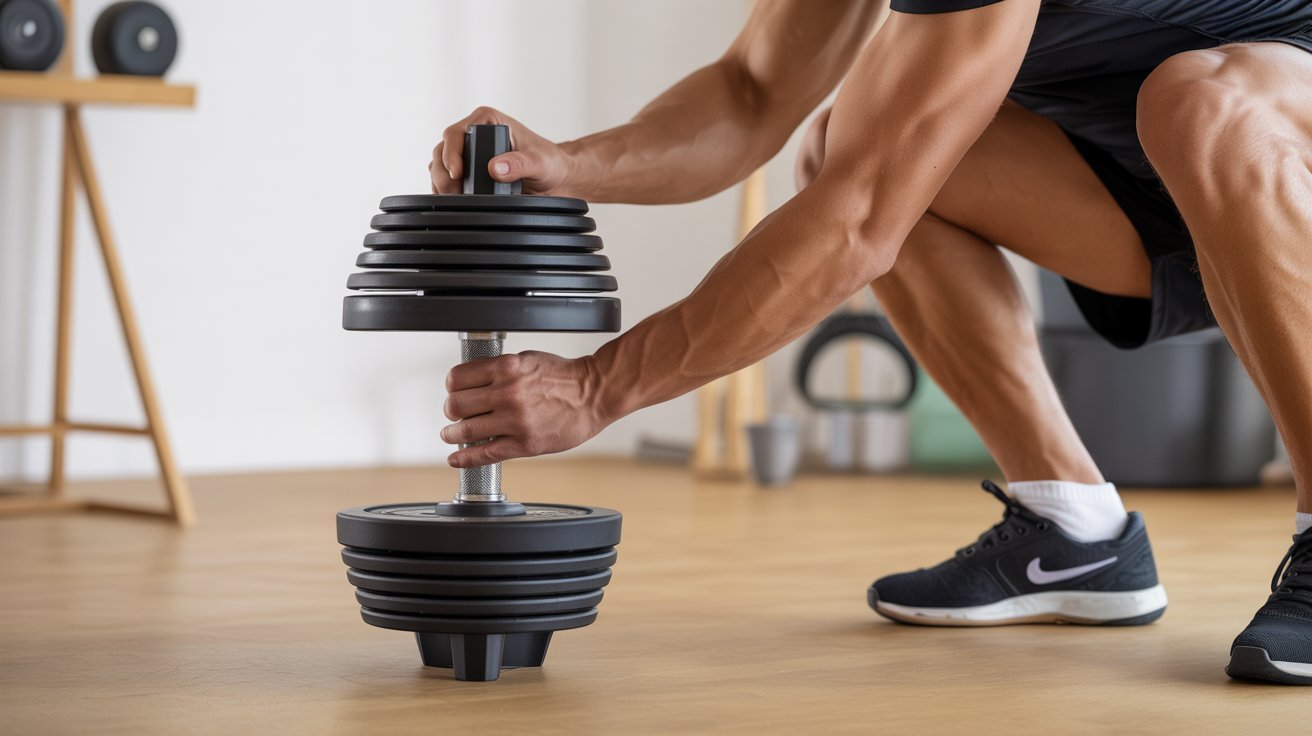
Selectorized dumbbells are a modern take on adjustable weights. Instead of manually adding plates, you use a dial or pin system to select your desired weight.
The dumbbell then automatically locks onto the right amount of weight when you lift it from its base. Weight changes happen in seconds, making these extremely convenient.
This quick adjustment feature makes selectorized dumbbells perfect for varied workout routines where you need different weights for different exercises.
They tend to be more expensive than traditional adjustable dumbbells, but many people find the convenience worth the extra cost. They’re becoming increasingly popular for home gyms where space and efficiency matter.
How to Incorporate Dumbbells Into Your Fitness Routine?
Understanding what dumbbells are is just the first step. Actually using them correctly and consistently is what brings results. Here’s how to get started with a safe and effective routine.
1. Choose the Right Weight for Your Level
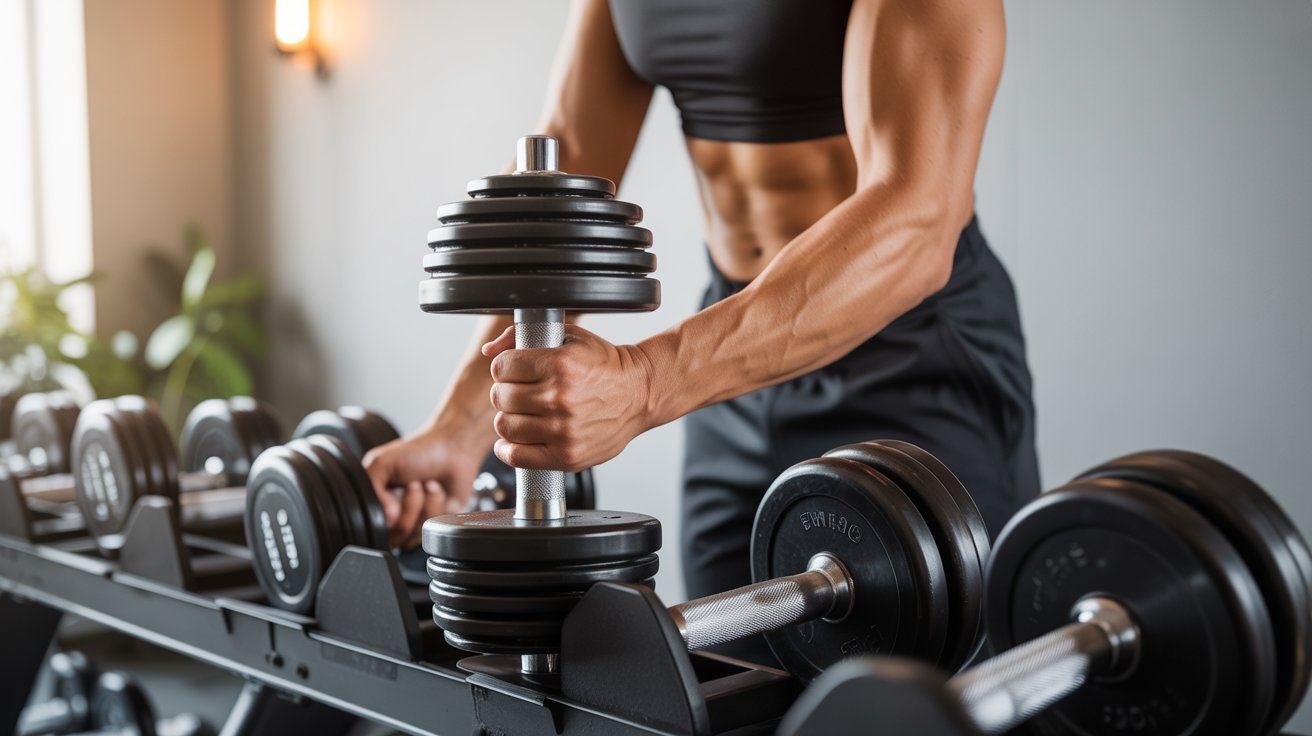
Always start with lighter weights than you think you need. The right weight should make your muscles feel fatigued by the time you reach 12 to 15 repetitions. If you can easily do 20 reps, the weight is too light. If you can’t complete 8 reps with good form, it’s too heavy.
Research shows that even a single set of exercise can provide similar benefits to doing multiple sets, especially for beginners. The key is to really challenge your muscles during that set. Pay attention to what your body tells you. Some muscle burn is normal, but sharp pain or joint discomfort means you should stop and reassess.
2. Master Proper Form and Technique
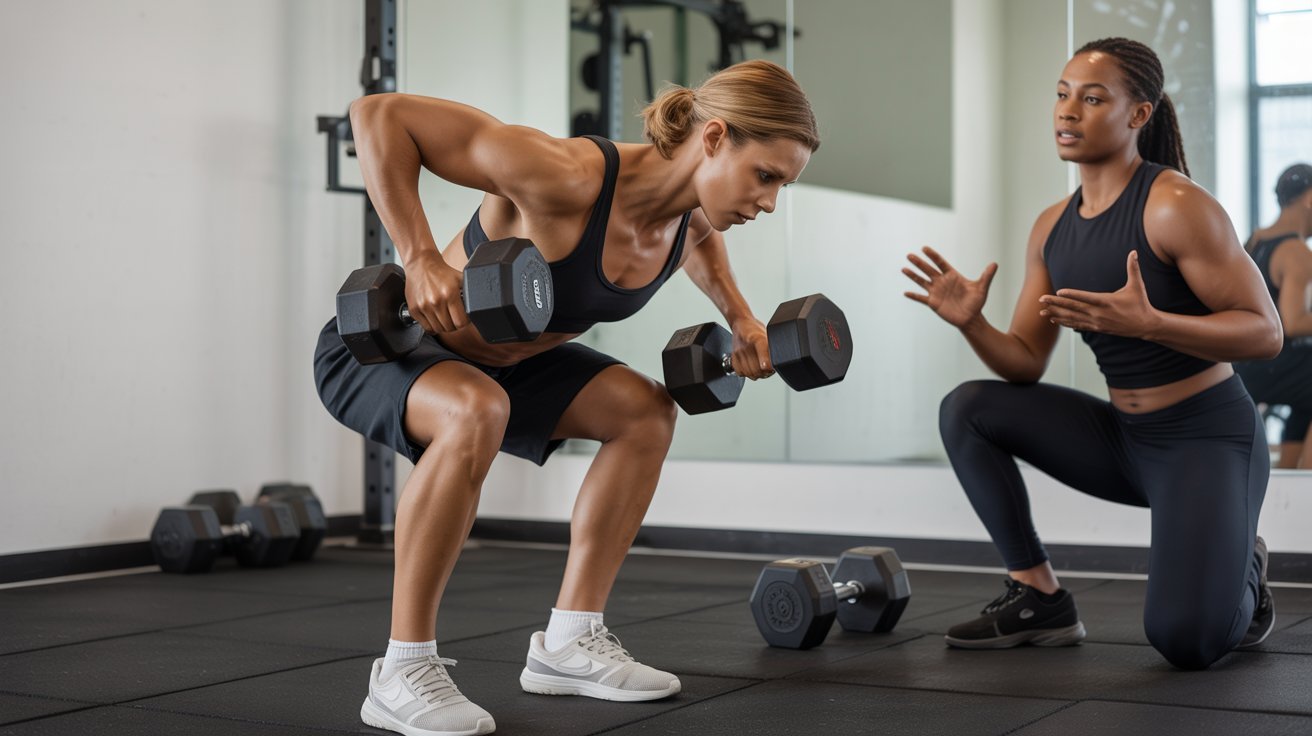
Before you start lifting heavy, consider working with a certified trainer for at least a few sessions. They can teach you the correct form for basic exercises and catch mistakes you might not notice yourself.
Many gyms offer one free training session when you join, so take advantage of this.
Practice new movements without any weight first. Get comfortable with the motion pattern before adding resistance.
Once you start using dumbbells, maintain controlled motion throughout every exercise. Moving too fast or using momentum to swing the weights is a common mistake that leads to injuries and less effective workouts.
3. Design a Balanced Training Program
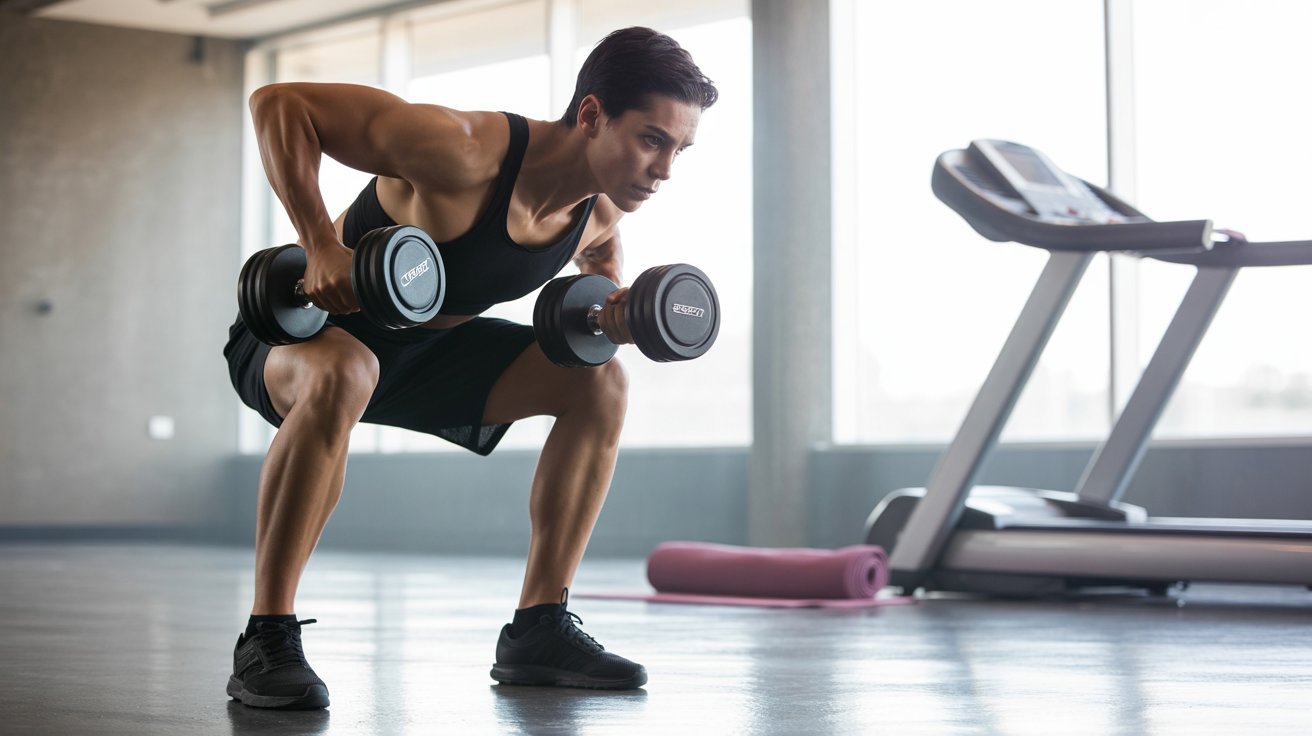
The CDC recommends doing strength training at least 2 days per week for optimal health benefits. When you’re working out, make sure to target all your muscle groups evenly.
Don’t just focus on the muscles you can see in the mirror. Your back, legs, and core need just as much attention as your chest and arms.
Always allow at least 1 full day of rest between strength training sessions for the same muscle groups.
This recovery time is when your muscles actually grow and get stronger. Combine your dumbbell workouts with cardio activities like walking, running, or cycling for comprehensive fitness. This balanced approach gives you the best overall health results.
Important Safety Tips for Dumbbell Training
Safety should always come first when working with weights. Following these guidelines will help you avoid injuries and get the most from your training.
Always warm up for at least 10 minutes before lifting. Light cardio and dynamic stretching prepare your muscles and joints for work.
When picking up dumbbells from the floor or a low rack, lift with your legs instead of bending at your waist. Keep your spine neutral and core tight whenever you’re handling weights.
During your workout, remember these key points:
- Breathe consistently throughout exercises and never hold your breath
- Stop immediately if you feel any sharp or unusual pain
- Use a spotter when attempting heavier weights than usual
- Start lighter with new exercises and increase weight gradually
- Maintain proper posture and alignment at all times
- Keep the weights under control at all speeds
After your workout, spend time stretching the muscles you trained. This aids recovery and helps reduce soreness. Stay hydrated throughout your training session and listen to your body’s signals.
Conclusion
So, what are dumbbells? They’re versatile, effective, and accessible tools that work for people at every fitness level. From beginners taking their first steps into strength training to experienced athletes pushing their limits, these simple weights deliver results.
The benefits speak for themselves. Increased strength and muscle mass, better balance and coordination, improved heart health, support for weight loss, and greater flexibility. When you start with proper form and choose appropriate weights for your level, dumbbells become a safe and powerful tool for change.
The best part? You don’t need a fancy gym or expensive equipment to start. Grab a pair of dumbbells at home or at your local gym, and you’re ready to begin building a stronger, healthier version of yourself.
Frequently Asked Questions
How Long Does It Take to See Results From Dumbbell Training?
Most people notice strength gains within 2 to 4 weeks, but visible muscle changes take 6 to 8 weeks. Your timeline depends on workout consistency, nutrition quality, rest habits, and starting fitness level. Stick with it, and results will come.
Can Dumbbells Replace a Full Gym Membership?
Yes, dumbbells can provide an excellent full-body workout at home. You can perform hundreds of exercises targeting every muscle group. However, gyms offer variety, heavier weight options, specialized equipment, and social motivation that some people prefer.
What’s the Difference Between Dumbbells and Barbells?
Dumbbells allow independent arm movement and better balance training, while barbells let you lift a heavier total weight. Barbells are great for compound lifts like squats and deadlifts. Dumbbells work better for beginners since they’re easier to control and safer to drop.
How Do I Prevent Muscle Soreness After Dumbbell Workouts?
Warm up properly before training and cool down with stretching afterward. Stay hydrated and eat protein within 2 hours of your workout. Some soreness is normal for 24 to 48 hours. Sharp pain or soreness lasting over a week needs medical attention.
Are Dumbbells Effective for Building Muscle Mass?
Absolutely. Dumbbells build muscle through progressive tension, which triggers hypertrophy. Focus on compound exercises like presses, rows, and squats. Gradually increase weight, reps, or sets over time. Combined with proper nutrition and rest, dumbbells build significant muscle mass.


