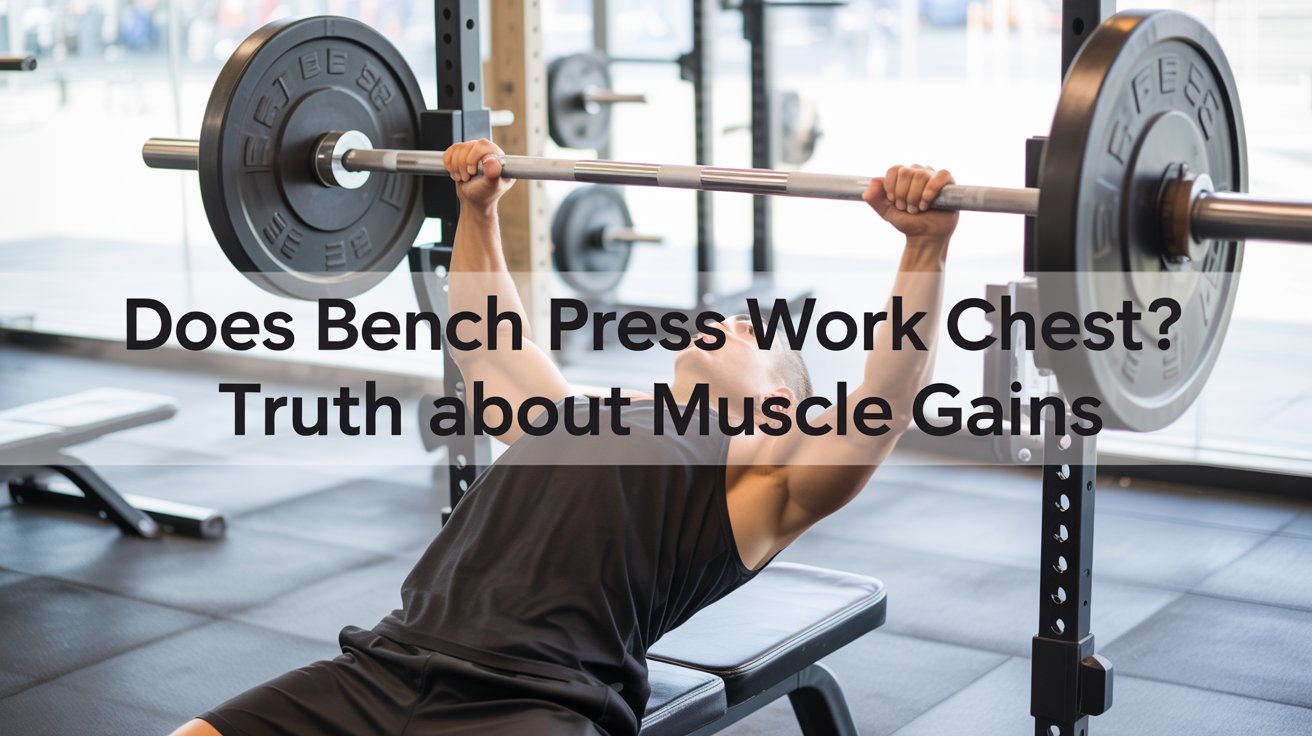
Walk into any gym, and you’ll see people lined up at the bench press station. It’s one of the most popular exercises, and for good reason. But does bench press work chest muscles as well as everyone claims?
Many lifters wonder if they’re wasting their time or if there are better options. Social media is full of mixed opinions, leaving people confused about what really works.
In this guide, we’ll break down exactly how the bench press affects your chest. You’ll learn about the science behind the movement, how it compares to other exercises, and the best ways to use it for muscle growth.
Does Bench Press Actually Work Your Chest?
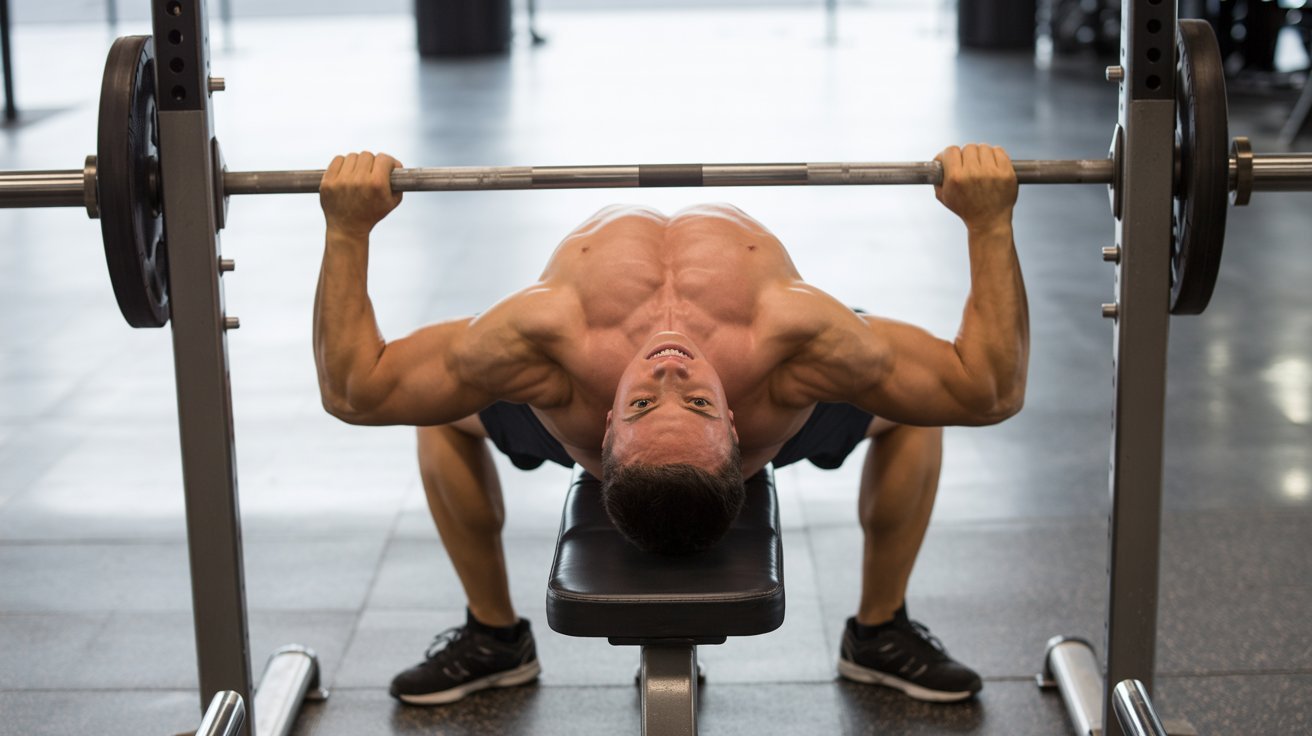
Yes, the bench press is one of the most effective exercises for building chest muscle. Research and decades of practical experience show that it consistently delivers results when done correctly. The movement directly targets your pectoralis major and pectoralis minor, which are the main muscles that make up your chest.
The reason the bench press works so well comes down to its nature as a compound movement. This means it uses multiple joints and muscles at once, letting you lift heavy weights safely.
When you can lift more weight, you create more stimulus for muscle growth. The ability to add small amounts of weight over time, called progressive overload, makes it perfect for long-term gains.
That said, how well the bench press works for your chest depends on your form and body structure. Some people feel it strongly in their chest right away, while others need to adjust their technique. Despite what some fitness influencers claim online, the exercise isn’t broken or outdated. It just requires proper setup and execution to work as intended.
How Bench Press Targets Your Chest Muscles?
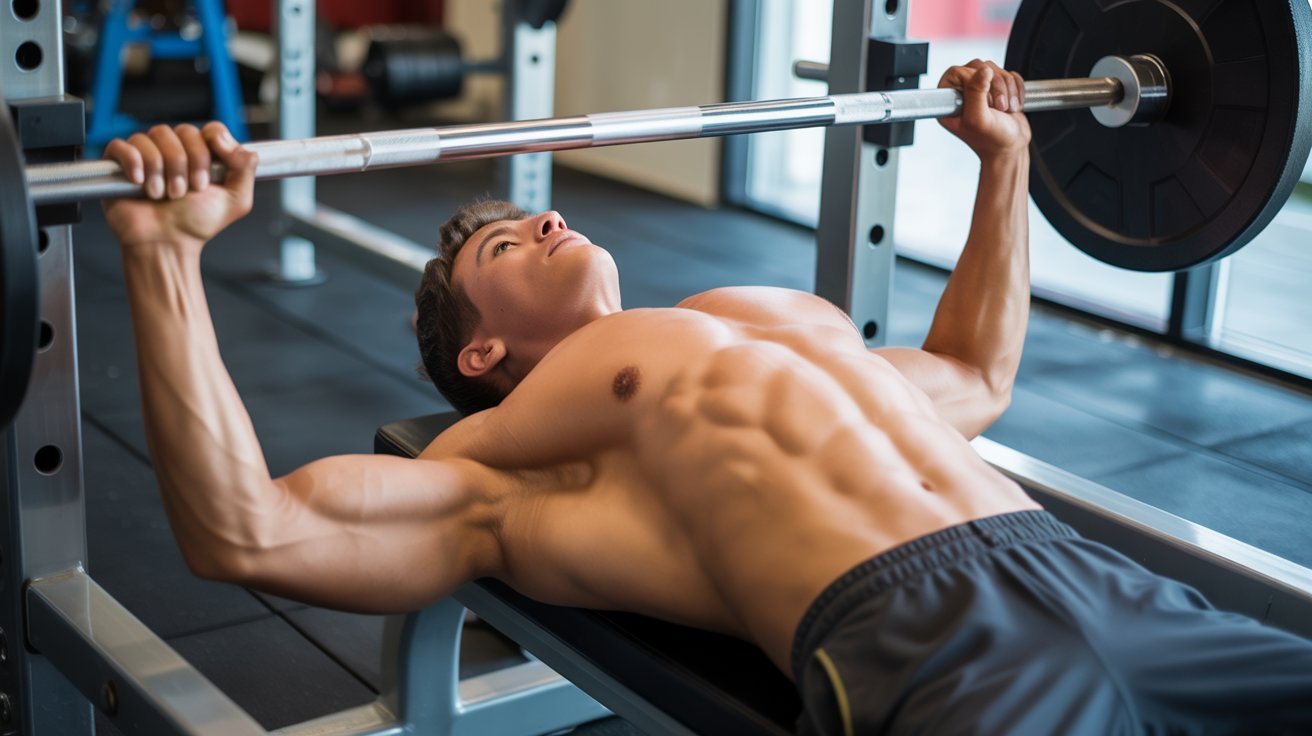
When you perform a bench press, your pectoralis major does most of the work. This large fan-shaped muscle covers the front of your chest wall. The pectoralis minor, a smaller muscle underneath, also gets activated during the pressing motion.
Your anterior deltoid, the front part of your shoulder, helps push the weight up, too.
The movement also works several supporting muscles. Your triceps brachii extend your elbows to complete each rep. The serratus anterior, located on the sides of your ribs, helps stabilize your shoulder blades. These muscles work together to create a smooth, controlled press.
The horizontal pressing motion is what makes this exercise so good for chest development. As you lower the bar to your chest, the muscle fibers stretch under tension.
When you press back up, they contract forcefully. Using a barbell with free weights also forces your stabilizer muscles to work hard, which creates more overall muscle activation than machines provide.
Bench Press vs Other Chest Exercises
When comparing chest exercises, understanding the differences helps you build a better workout plan. Each movement has unique benefits and drawbacks.
Bench Press vs Chest Press Machine
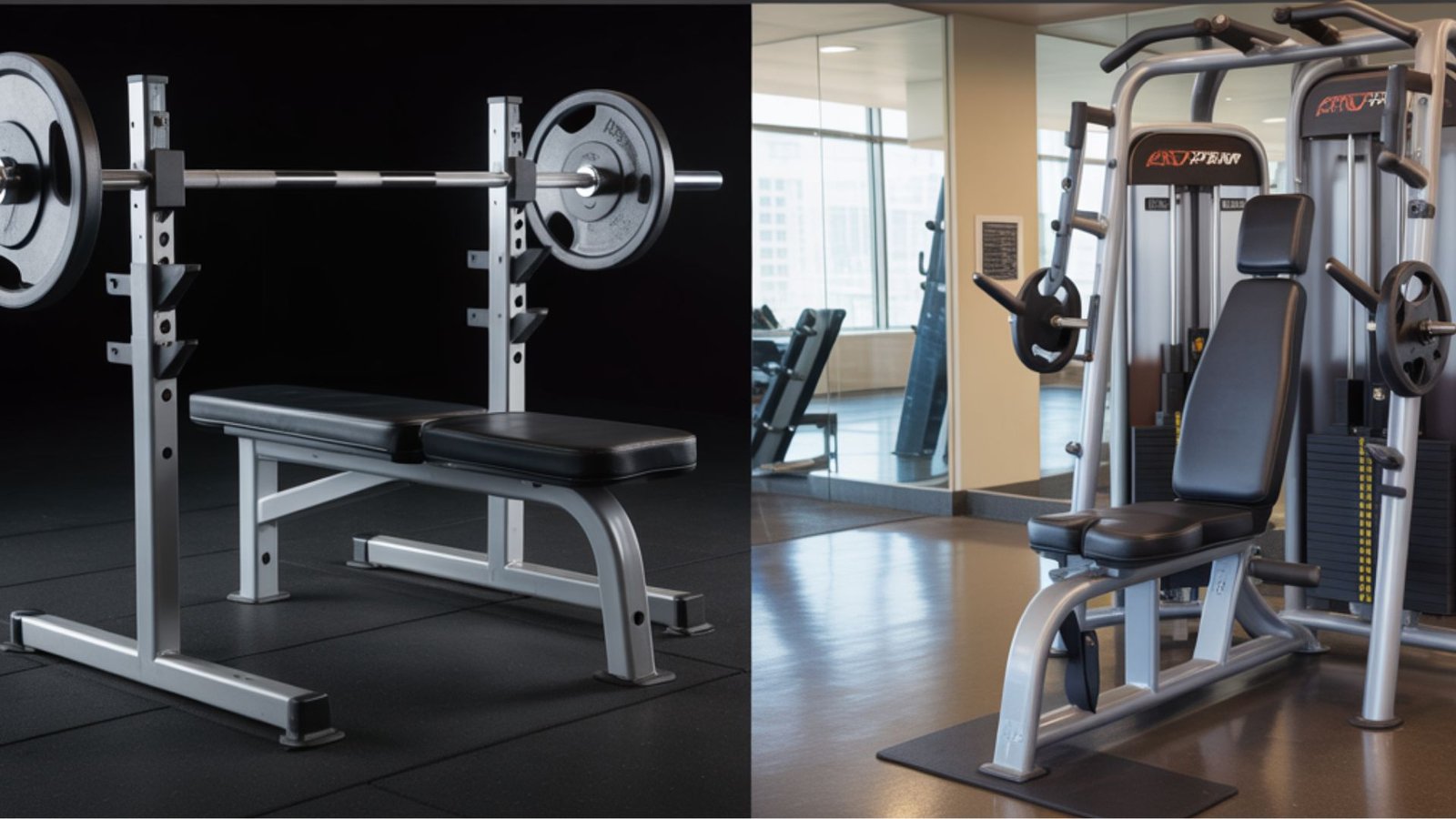
The main difference between these two is freedom of movement. Bench press requires you to control the bar path yourself, while the chest press machine locks you into a fixed track. This means the bench press activates more stabilizer muscles throughout your core and shoulders.
The machine version does have advantages for beginners or those recovering from injury. It provides a safer way to work your chest without worrying about balance. However, you’ll build more functional strength with the barbell version since it requires full-body coordination. Weight progression can also feel different, as machines often let you add weight in smaller jumps.
Bench Press vs Dumbbell Press
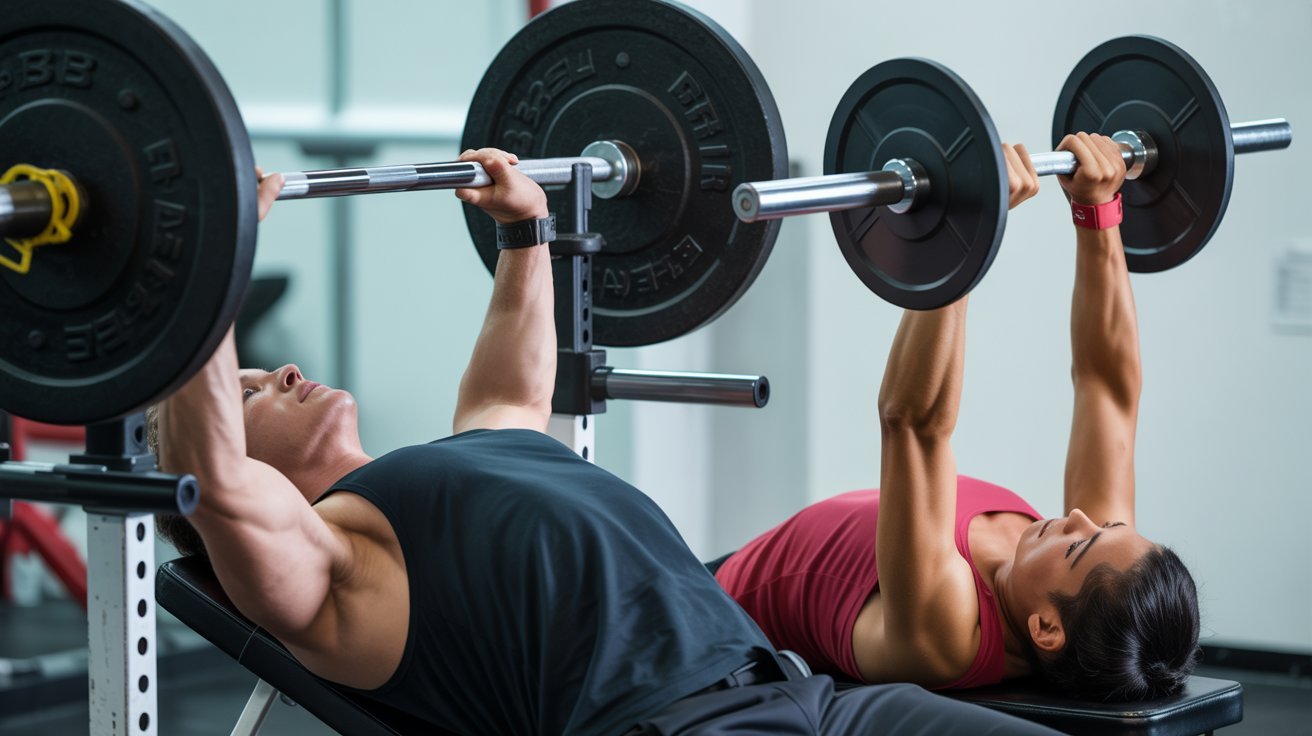
Dumbbells allow a greater range of motion than a barbell. You can lower them deeper and bring them together at the top of the movement. This extra range can create more muscle stretch and contraction. Dumbbell pressing also helps fix strength imbalances between your left and right sides.
The barbell bench press lets you lift a heavier total weight, though. When your hands are connected on one bar, you can typically handle about 20% more load than with two separate dumbbells. For pure strength building, the barbell wins. For addressing weak spots and getting a deeper stretch, dumbbells are better. Many successful programs include both throughout the week.
Bench Press vs Chest Flies
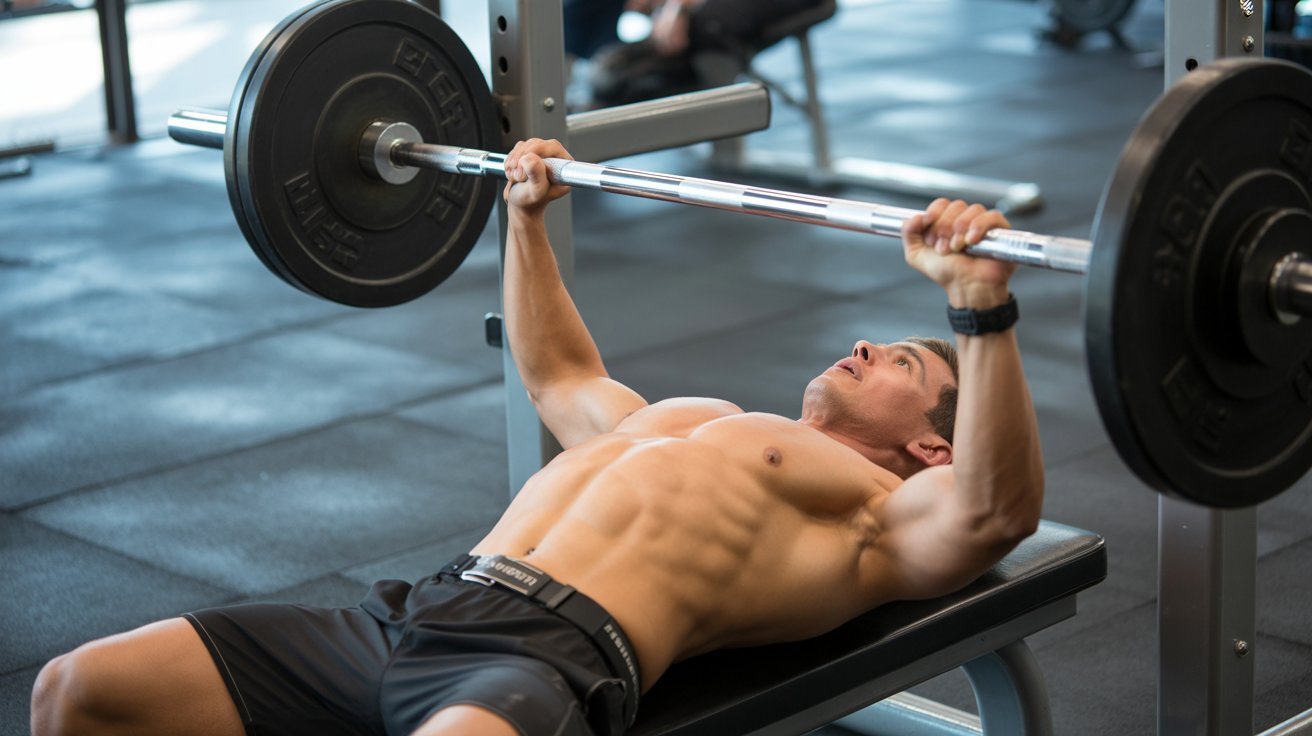
These exercises serve different purposes in your routine. Bench press is a compound movement that builds overall chest size and strength. Flies are an isolation exercise that focuses almost entirely on your chest with minimal tricep help. Neither is better. They’re just different tools.
Flies create a unique stretch at the bottom position that you can’t get from pressing movements. They’re excellent for finishing your chest after heavy pressing work. You can’t load them as heavily without risking injury, so they won’t build as much raw strength.
Does bench press work the chest better than flies? For overall development, yes. But flies have their place in a complete program. Using both types of movements gives you the best results, as they complement each other well.
Bench Press Variations for Complete Chest Development
Different angles hit different parts of your chest. Adding variations to your routine ensures balanced growth across your entire chest area.
Flat Bench Press
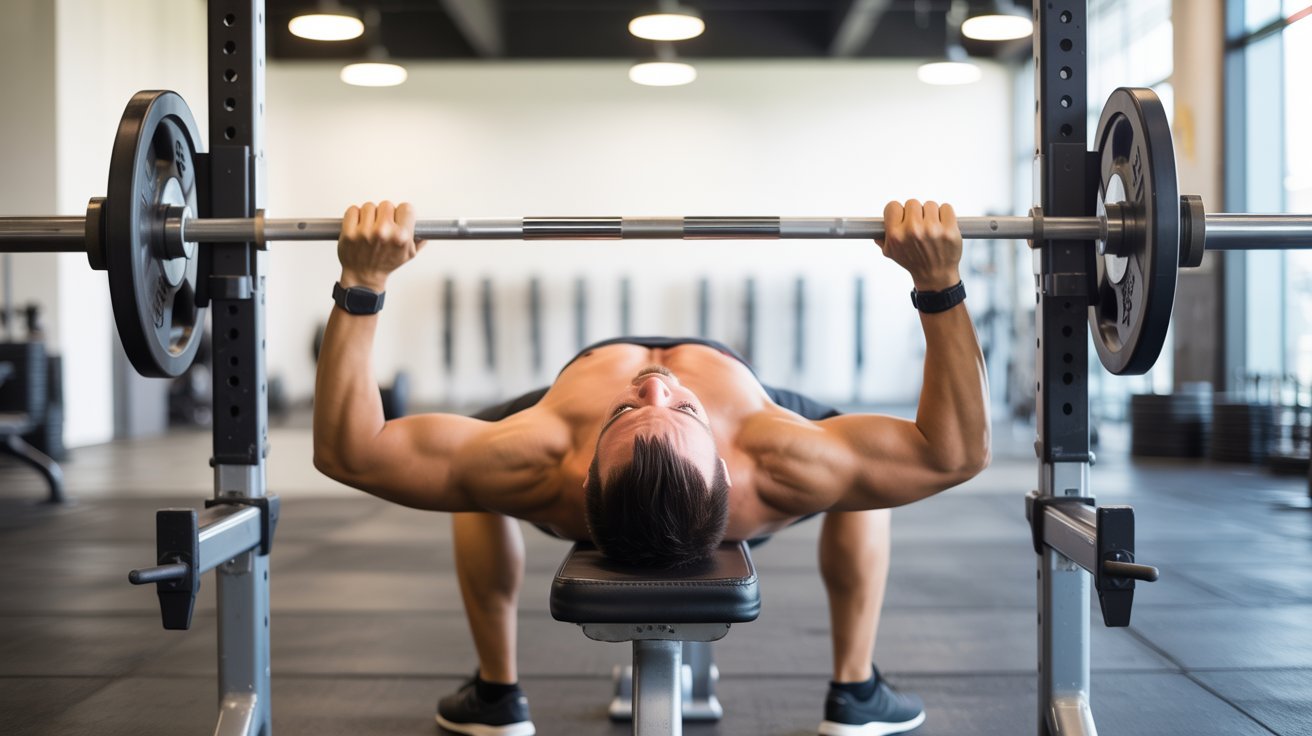
The flat bench press is the foundation of chest training. It works your entire pectoral region fairly evenly, making it the best choice for overall development. Most people can lift their heaviest weight in this position.
Building strength on a flat bench creates a solid base for all other chest work. If you only had time for one chest exercise, this would be the smart choice. Master this movement first before adding more complex variations to your program.
Incline Bench Press
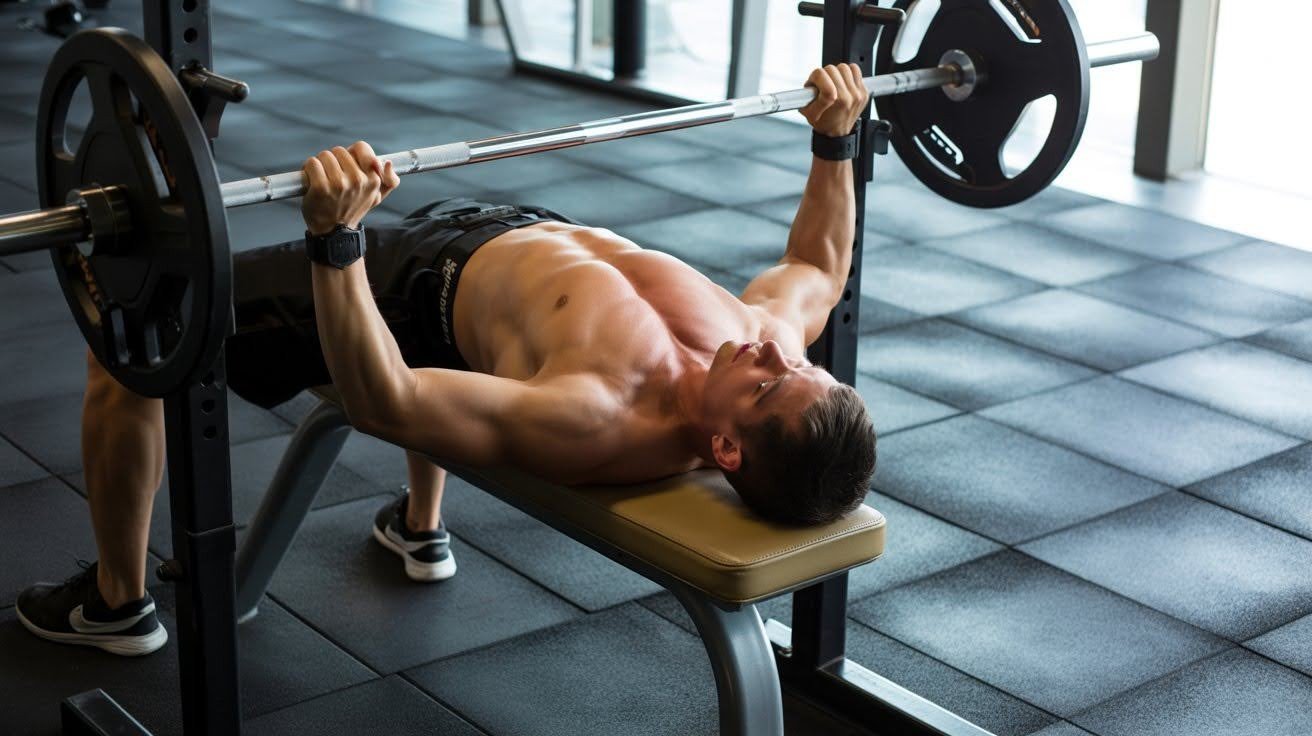
Setting the bench to a 30 to 45 degree angle shifts more work to your upper chest. The clavicular head of your pectoralis major gets emphasized in this position. Studies show that incline pressing creates significantly more upper chest activation than flat pressing.
If your upper chest is underdeveloped compared to your lower chest, incline work should be a priority. Many people see a better chest shape and fullness once they start including regular incline pressing. The angle also reduces shoulder strain for some lifters who feel discomfort during flat pressing.
Decline Bench Press
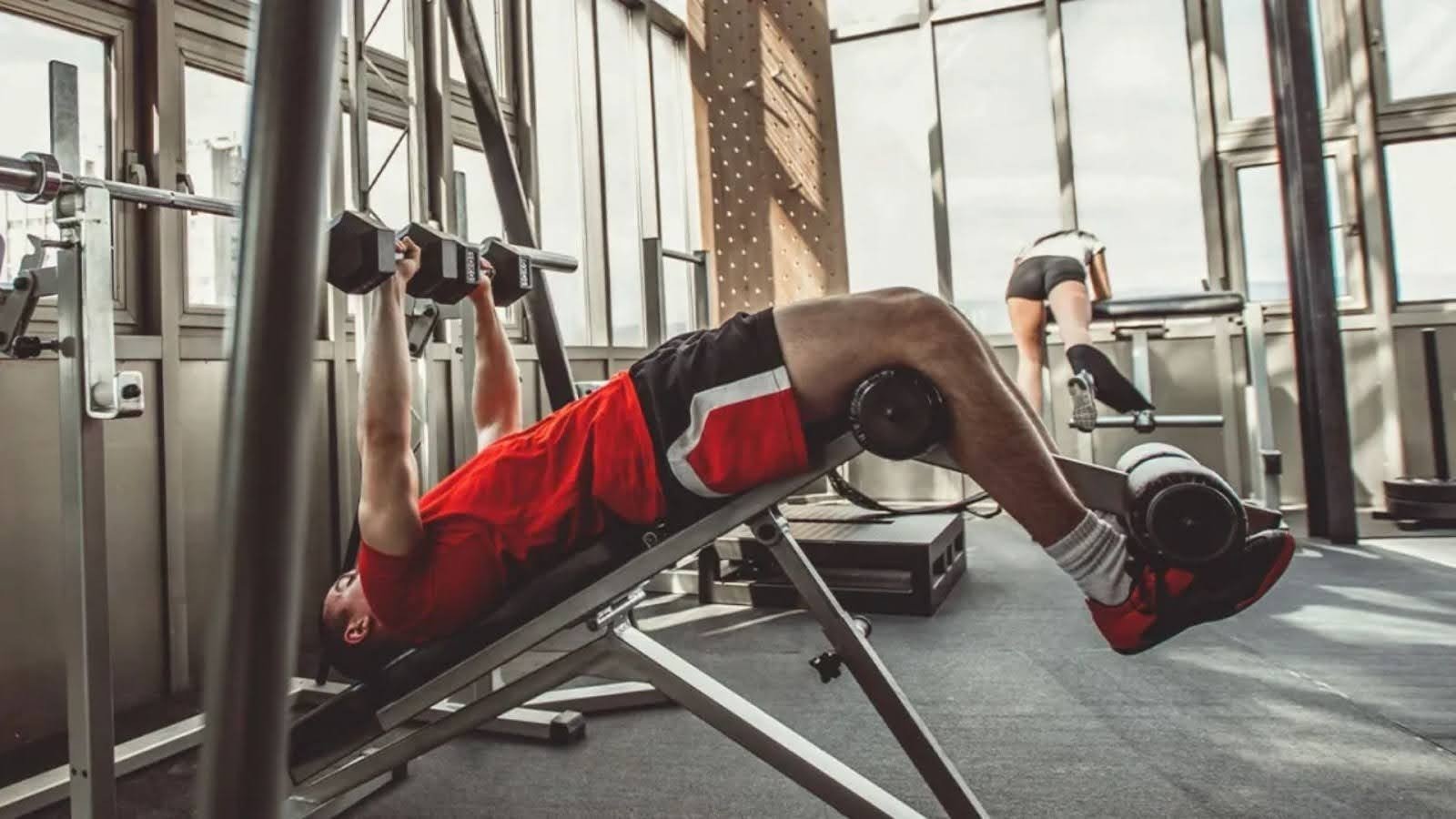
The decline position targets your lower chest fibers more directly. Setting the bench to a downward angle of 15 to 30 degrees changes the resistance curve. Many lifters find this angle feels more natural for their shoulder and chest anatomy.
Some research suggests that the decline angle might actually create the most overall chest activation. The lower chest often responds well to this variation. However, it’s less popular than flat and incline pressing, so many gyms don’t have dedicated decline benches available.
Tips for Maximizing Chest Growth with Bench Press
Getting the most from your bench pressing requires attention to technique and programming. Small adjustments can make a big difference in your results.
Start with proper form as your foundation. Your grip width should be slightly wider than shoulder width, creating a 45-degree angle at your elbows when the bar touches your chest. The bar should travel in a slight arc, touching your chest around nipple level. Keep your shoulder blades pulled back and down throughout the movement.
Key points to remember:
- Focus on feeling your chest muscles contract during each rep
- Add weight or reps gradually over time to keep making progress
- Combine the bench press with other chest exercises like flies or dips
- Aim for 8 to 15 reps per set when training for muscle growth
- Train your chest 2 to 3 times per week with adequate rest between sessions
- Use different angles and equipment to work all areas of your chest
- Don’t make bench press your only chest exercise
Does bench press work the chest by itself? Yes, but limiting yourself to just one exercise holds back your potential. The best programs include variety while keeping the bench press as a main movement. Consistency matters more than any single workout, so stick with your plan long enough to see results. Track your weights and reps to ensure you’re actually getting stronger over time.
Conclusion
So, does bench press work the chest effectively? Absolutely. It remains one of the best exercises for building chest size and strength when you use proper form. The compound nature of the movement lets you lift heavy weights and create real muscle growth.
That said, bench pressing alone won’t give you a complete chest. Include different angles and exercise types in your routine for balanced development. Try incline and decline variations, and mix in some isolation work too.
The key is staying consistent and adding weight over time. Your chest will respond to regular training and smart progression. Focus on technique first, then gradually increase the challenge. With patience and effort, you’ll build the chest you’re working toward.
Frequently Asked Questions
Can You Build a Big Chest Without Bench Press?
Yes, you can build a great chest without ever doing bench press. Dumbbell presses, push-ups, dips, and cable work all build chest muscle effectively. Bench press is helpful but not required. Many successful lifters have built impressive chests using only alternatives.
Why Don’t I Feel Bench Press in My Chest?
Poor form is usually the culprit. Check your grip width, elbow position, and bar path. You might be letting your shoulders or triceps take over. Try a lighter weight and focus on squeezing your chest at the top. Adjusting your back arch can also help target your chest better.
How Often Should I Bench Press for Chest Growth?
Train your chest 2 to 3 times per week for best results. This gives enough stimulus for growth while allowing recovery time. You don’t need to bench press every chest session, though. Mixing in other pressing variations helps prevent overuse and keeps progress coming.
Is Dumbbell Press Better Than Barbell Bench Press for the Chest?
Neither is strictly better. Dumbbells offer a greater range of motion and fix imbalances. Barbells let you lift a heavier total weight for strength gains. Most people benefit from using both in their routine. The best choice depends on your current goals and needs.
Do I Need a Spotter for Bench Press?
A spotter adds safety when lifting heavy weights to failure. Without one, use safety pins or a bench in a power rack. You can also leave a rep or two in reserve to stay safe. For lighter warm-up sets, spotters aren’t necessary for most people.