Getting fit at home has never been easier. You can work out whenever you want, skip the commute, and save money on monthly memberships. But here’s the problem: walk into any fitness store, and you’ll see hundreds of options that can leave you feeling overwhelmed.
Which equipment should you buy first? What actually works? What’s just a waste of money?
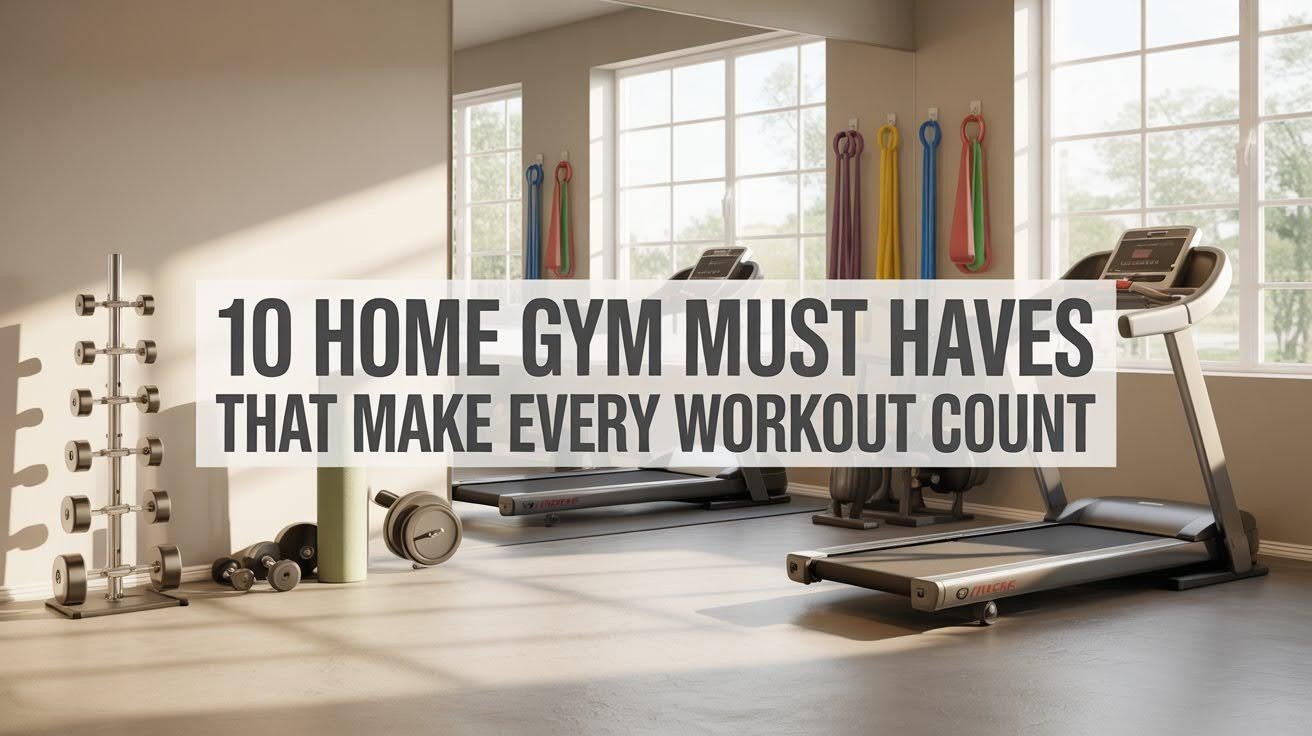
This guide breaks down the 10 home gym must-haves that will give you everything you need for strength training, cardio, and full-body fitness. We’ll cover options for any budget and space, so you can start building your perfect workout spot at home.
The 10 Home Gym Must-Haves for a Complete Setup
Here’s your complete list of equipment that covers all your fitness needs. These items work together to create a balanced training routine.
1. Adjustable Dumbbells

Adjustable dumbbells are one of the smartest purchases you can make. Instead of buying 10 pairs of different weights, you get one set that changes from 5 pounds to 50 pounds or more. They take up minimal space and save you hundreds of dollars compared to buying individual pairs.
You can use dumbbells for chest presses, shoulder raises, bicep curls, lunges, and dozens of other exercises. As you get stronger, you simply adjust the weight higher. This makes them perfect for beginners and experienced lifters alike.
2. Resistance Bands

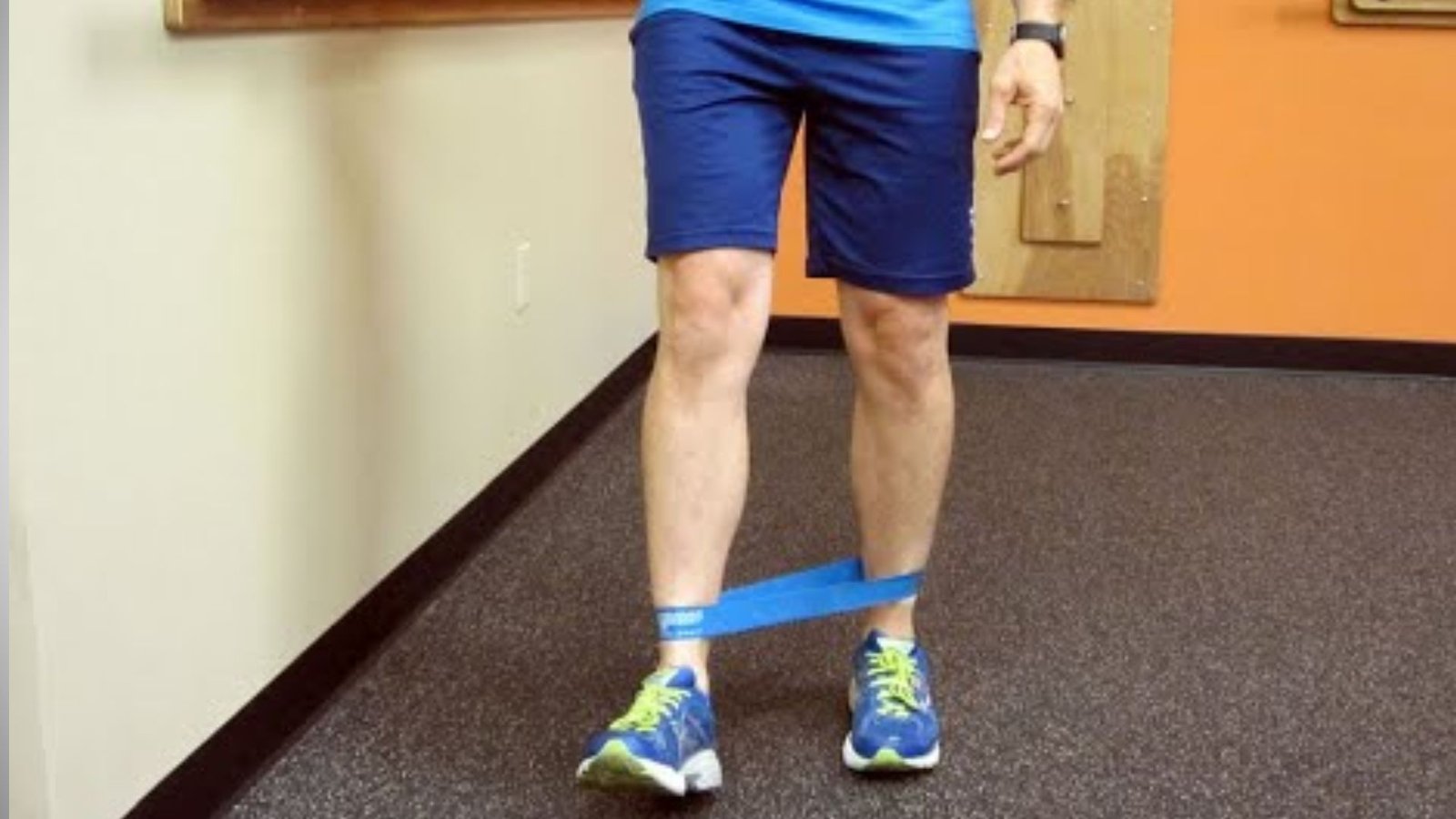
Resistance bands are affordable, lightweight, and incredibly useful. A full set costs less than $30, and you can take them anywhere. They fit in a drawer or suitcase, making them perfect for small spaces or travel.
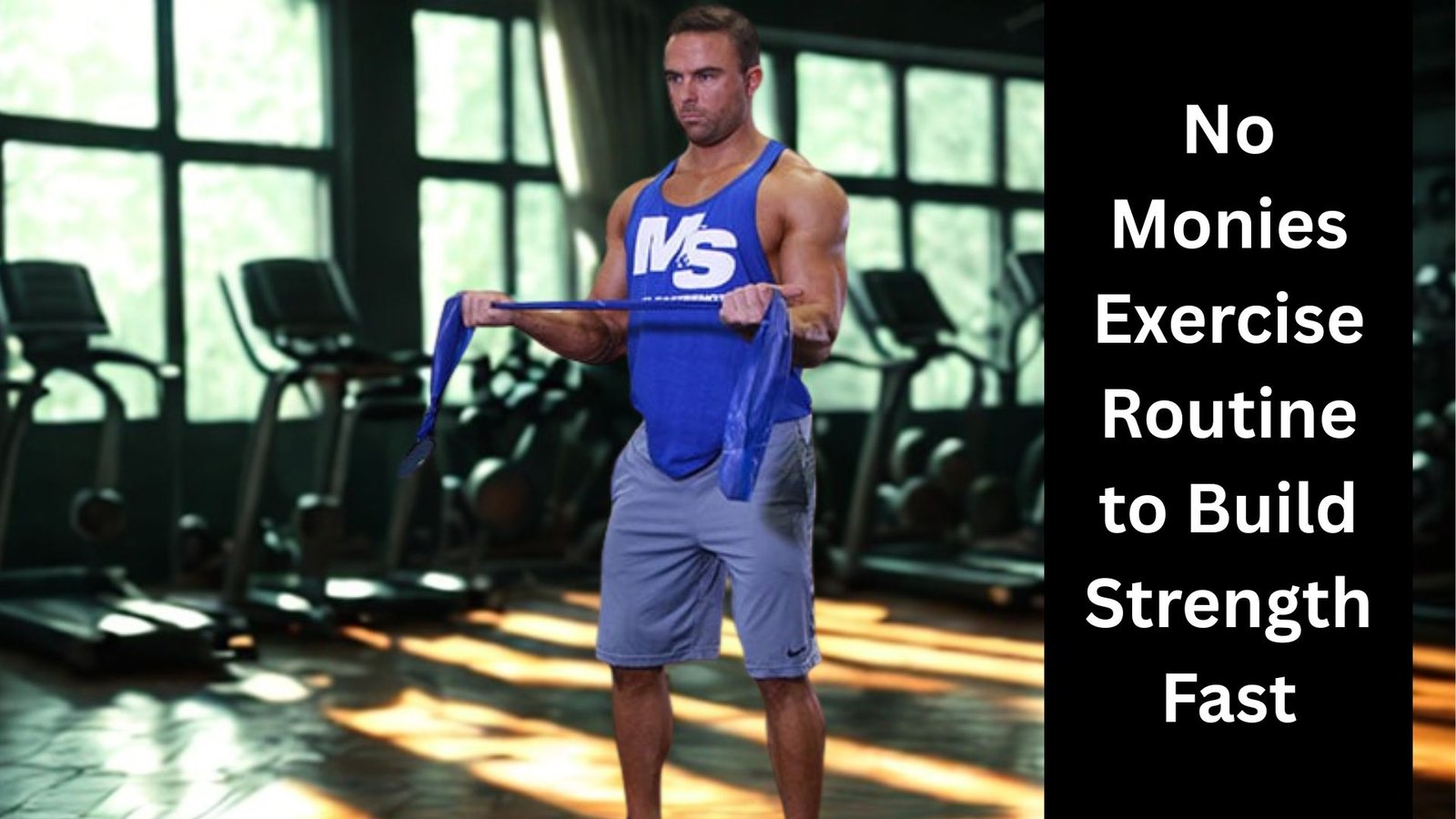
These bands create tension throughout your entire movement, which challenges your muscles differently from weights. Use them for warm-ups before heavy lifting, rehabilitation exercises after injury, or as your main training tool. They come in different resistance levels, so you can make exercises easier or harder.
3. Weight Bench (Adjustable)

An adjustable bench opens up your exercise options significantly. You can set it flat for chest presses, inclined for shoulder work, or declined for lower chest exercises. This single piece of equipment lets you target muscles from multiple angles.
Most quality benches fold up for storage and can handle 500-1000 pounds of weight. Look for one with firm padding and stable legs. A good bench will last for years and support almost every upper-body exercise you’ll do.
4. Kettlebells

Kettlebells build functional strength that carries over to real life. Their unique shape lets you swing them, press them overhead, or use them for squats and rows. One or two kettlebells can give you a full-body workout.
Start with a moderate weight (15-25 pounds for women, 25-35 pounds for men) and add a heavier one as you progress. Kettlebell swings alone work your legs, core, back, and shoulders in one movement. They’re excellent for building power and burning calories quickly.
5. Pull-Up Bar

A pull-up bar is simple but powerful for building upper-body strength. Pull-ups work your back, shoulders, arms, and core all at once. Even if you can’t do a full pull-up yet, you can use bands for assistance or practice hanging.
Doorway bars require no installation, while wall-mounted options offer more stability. Either way, they take up almost no space. You can also use them for hanging leg raises to build core strength.
6. Olympic Barbell and Weight Plates

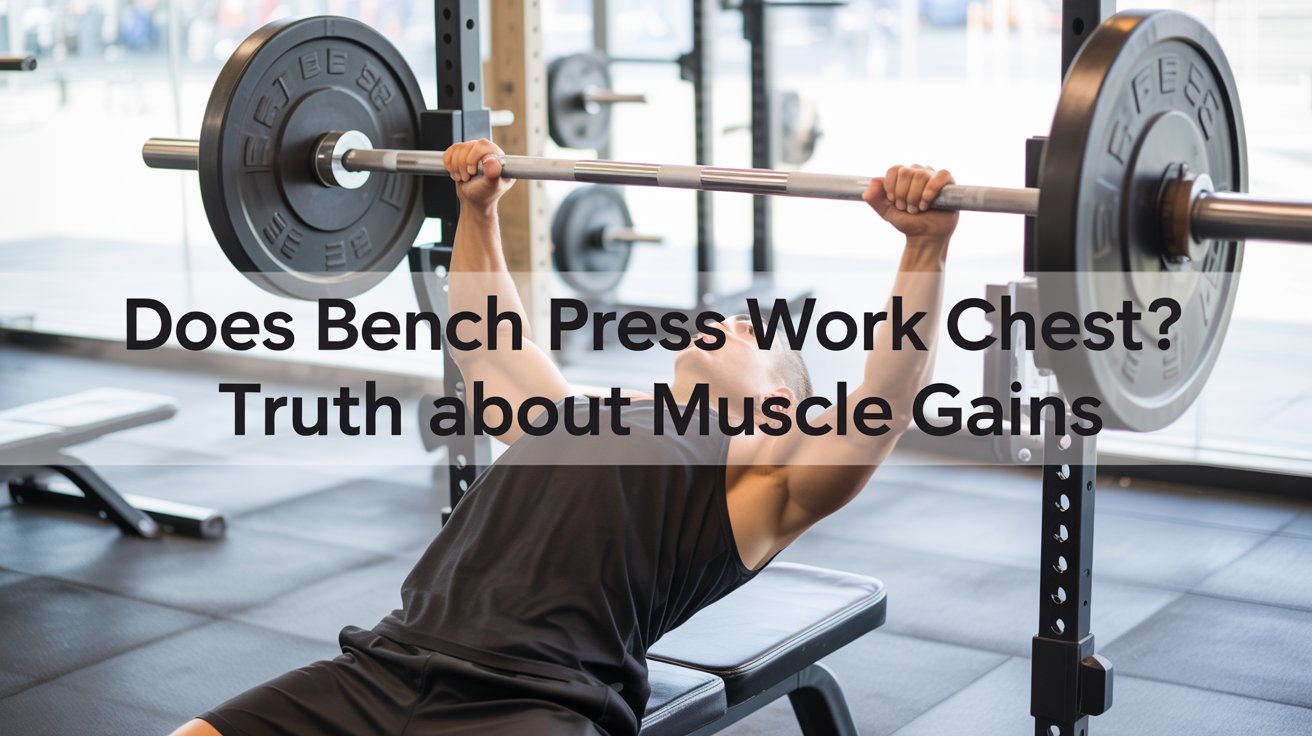
If you want to build serious strength, you need a barbell. Olympic barbells are the standard size used in gyms worldwide. They’re built for compound lifts like squats, deadlifts, bench presses, and overhead presses.
Start with a 45-pound barbell and add weight plates as needed. Bumper plates are rubber-coated and protect your floor if you drop the weight. A basic set with 200-300 pounds total will cover most training needs. This equipment lasts decades if you take care of it.
7. Power Rack or Squat Stand

Safety should never be optional when lifting heavy weights. A power rack or squat stand gives you adjustable safety bars that catch the weight if you can’t complete a lift. This lets you push yourself harder without needing a spotter.
Most racks include a pull-up bar on top, giving you two pieces of equipment in one. You can also add attachments like dip bars or cable systems later. While they’re larger investments, they make your home gym much more functional and safe.
8. Cardio Equipment (Exercise Bike or Rower)

Don’t skip cardio just because you’re focused on strength. An exercise bike or rowing machine keeps your heart healthy and helps you recover between strength sessions. Both options work well in a limited space.
Bikes are low-impact and easy on your joints, making them great for daily use. Rowing machines give you a full-body cardio workout that also builds back and leg strength. Choose based on your preferences and what you’ll actually use consistently.
9. Foam Roller

Recovery is just as important as the workout itself. A foam roller helps release tight muscles, improve flexibility, and reduce soreness. Spend 10 minutes rolling before or after your workout to feel the difference.
Regular foam rolling can prevent injuries and help you move better during exercises. It’s especially helpful for tight hips, sore legs, and stiff backs. At $20-40, it’s one of the cheapest items on this list but provides huge benefits.
10. Gym Mat or Flooring

Protect your floors and reduce noise with proper gym flooring. Rubber mats cushion dropped weights, prevent damage to your home, and give you a stable surface for exercises. They also mark out your dedicated workout zone.
Interlocking foam tiles work well for bodyweight exercises and yoga. Thicker rubber mats (3/4 inch) handle heavy weights better. Either option makes your space feel more like a real gym and protects your investment in both equipment and flooring.
Expert Recommendations for Long-Term Success
Building your home gym is a process, not a one-time purchase. Start with the basics and add equipment as your fitness level grows and your budget allows.
- Invest in quality items that will last years, not cheap equipment that breaks quickly.
- Choose versatile pieces that let you do multiple exercises
- Match your purchases to your training style (strength, cardio, or general fitness)
- Set clear fitness goals before buying anything
- Maintain your equipment with regular cleaning and inspection
- Test equipment in stores when possible before buying online
- Plan your space carefully to ensure everything fits comfortably
Remember, the best equipment is what you’ll actually use. Think about your current fitness level and what types of workouts you enjoy. Starting simple helps you stay consistent without feeling overwhelmed by too much gear.
Conclusion
These 10 home gym must-haves give you everything needed for complete fitness training. You can build strength, improve cardio, and work every muscle group with this setup. The beauty of home training is that it’s always available, and you’re ready to work out.
You don’t need to buy everything at once. Start with two or three essentials like dumbbells and resistance bands. Add pieces over time as you figure out what you use most.
The most expensive gym membership is the one you don’t use. The same goes for home equipment. Focus on consistency rather than having every possible piece of gear. Your results come from regular effort, not from owning the perfect collection of equipment.
Frequently Asked Questions
What Is the Minimum Space Required for a Home Gym?
You can work out effectively in a 6×6-foot corner. A spare bedroom or garage gives you more options for larger equipment. Many people start in small spaces and expand later.
How Do I Maintain My Home Gym Equipment?
Wipe down equipment after each use to prevent rust and wear. Check bolts and connections monthly. Store items properly to avoid damage. Keep weights off the floor when not in use.
Can I Build an Effective Home Gym on a Tight Budget?
Absolutely. Start with resistance bands, a pull-up bar, and bodyweight exercises. Buy used equipment from local sellers. You can get fit with minimal spending if you’re creative and consistent.
Should I Buy New or Used Fitness Equipment?
Weights and bars work well since they rarely break. Buy new items with moving parts, like bikes or benches. Always inspect used equipment for rust, cracks, or unstable parts before purchasing.
How Do I Stay Motivated to Use My Home Gym Regularly?
Schedule workouts like appointments. Set specific, measurable goals. Keep your space clean and organized. Track your progress with photos or a training log. Working out with online videos or friends helps too.