

You want to build a stronger core. You want to move better. And you want real, clear guidance, not confusing fitness jargon.
This article covers everything about the wood chopper exercise. From how to do it correctly, to muscles worked, variations, and common mistakes.
I have used this exercise myself and seen how much it helps with rotational strength and daily movement.
Whether you are a beginner or an athlete, this guide gives you practical steps you can start using today.
What Is a Wood Chopper Exercise?
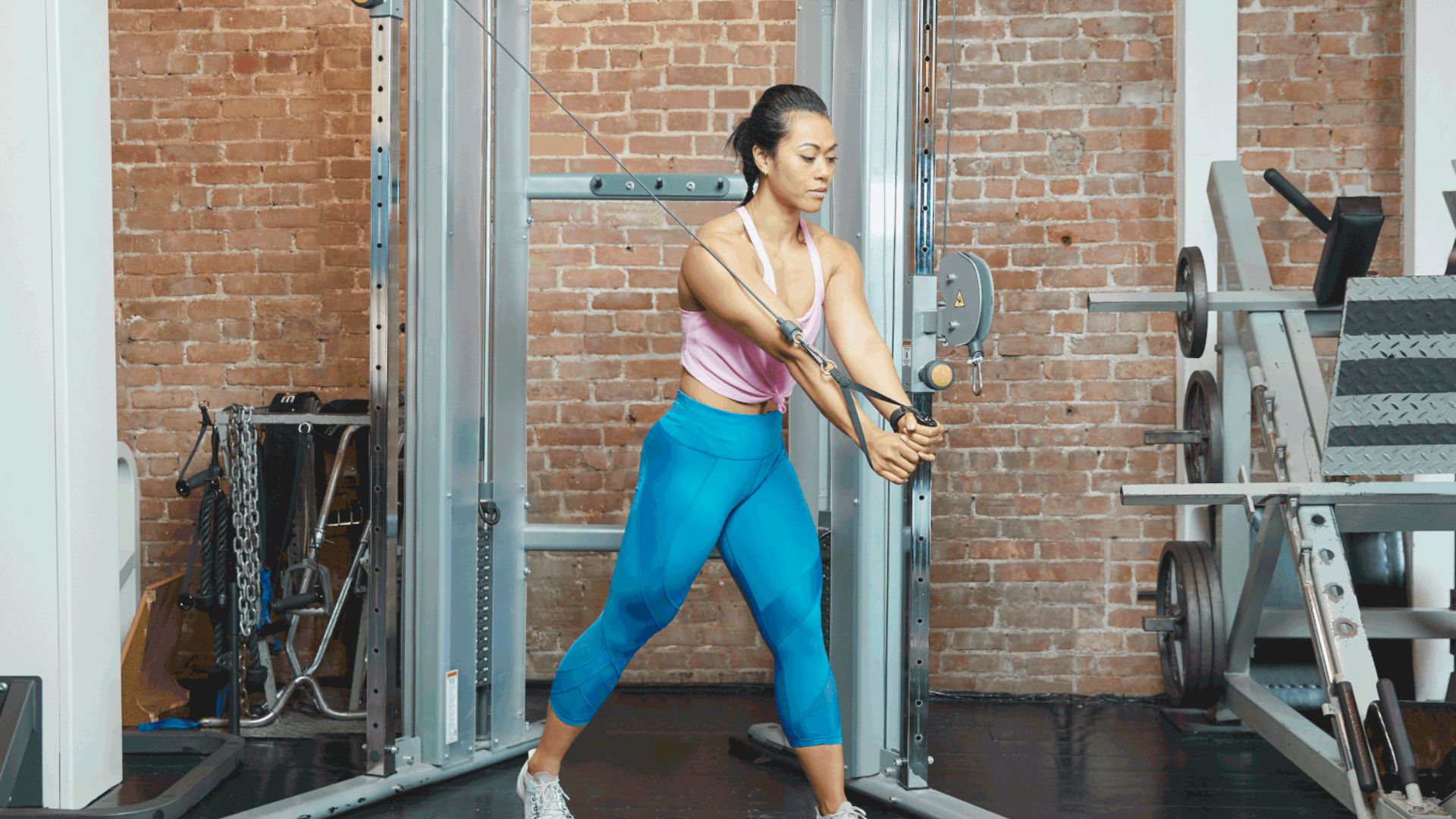
The wood chopper exercise is a rotational movement where you pull a weight diagonally across your body. The motion starts near one hip and finishes near the opposite shoulder, or the other way around.
The name comes from the action of chopping wood with an axe. The movement pattern is almost identical.
You can do it with a cable machine, dumbbell, or resistance band. The choice depends on what you have available and what feels right for your body.
The movement works your entire core. This includes your obliques, deep abdominal muscles, hips, and shoulders.
Unlike a crunch or plank, the wood chopper trains your body to move and stabilize at the same time.
Most core exercises train your muscles to hold still. The wood chopper trains them to control movement under load.
That kind of strength carries over into real life and sport.
It is one of the most practical exercises you can add to your routine.
How to Do the Wood Chopper Exercise (Beginner to Advanced)
Each position below has a different purpose. Start where your fitness level feels comfortable and build from there.
Standing Wood Chopper Exercise (Beginner-Friendly)
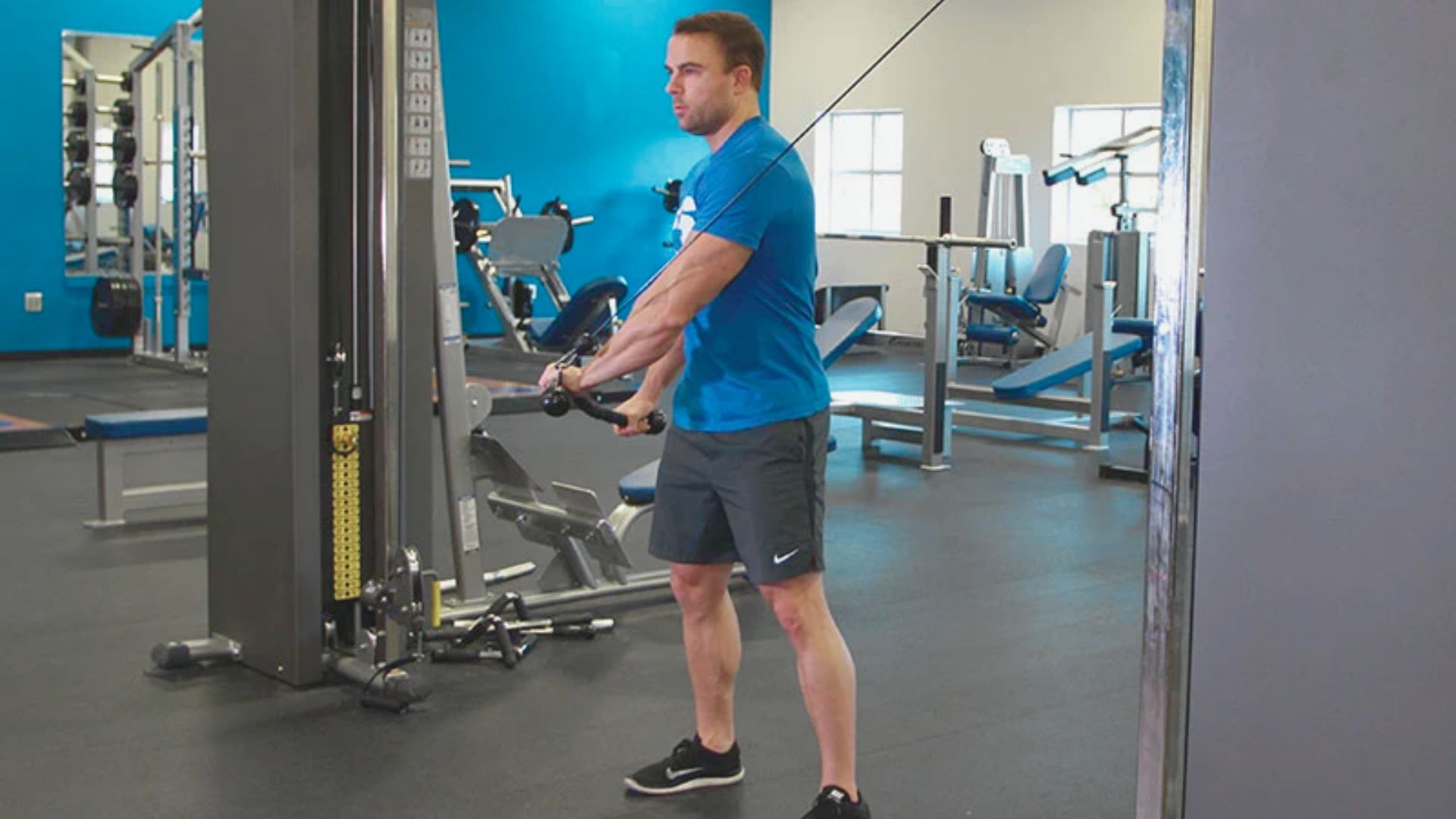
This is the easiest version to learn and the best place to start.
Stand with feet shoulder-width apart and hold a dumbbell or cable handle with both hands. Start with the weight at your left hip, then pull it up and across toward your right shoulder.
Keep your arms slightly bent. Return slowly and repeat, then switch sides.Let your hips and core drive the movement, not your arms.
Kneeling Wood Chopper Exercise Explained
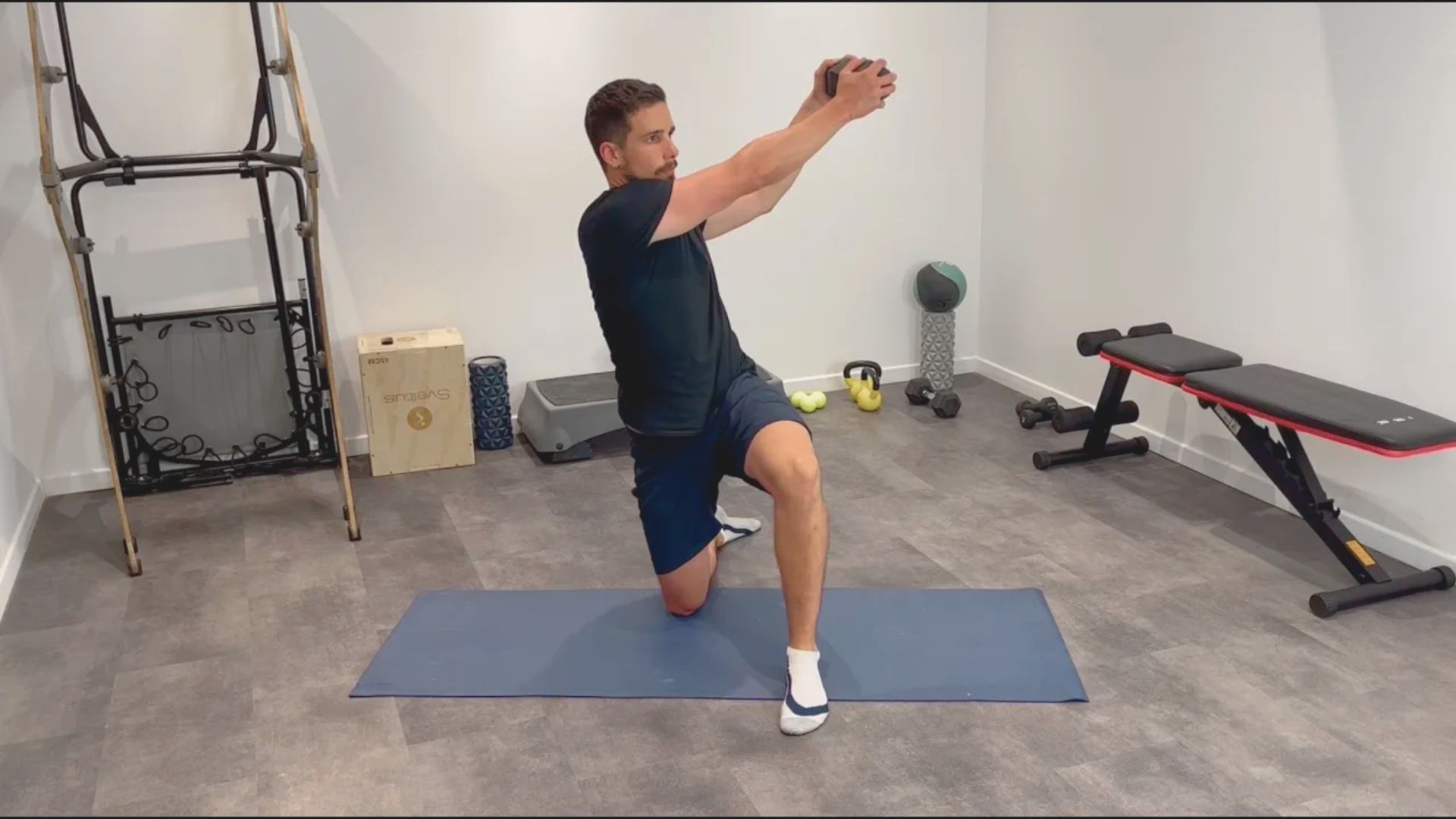
Removing your legs from the movement forces your core to work much harder.
Kneel on both knees in front of a cable machine or anchored band. Hold the handle with both hands and pull diagonally across your body from low to high.
Control the return and keep your hips square throughout.This version is great for isolating the obliques and cutting out hip compensation.
Half Kneeling Wood Chopper Exercise for Core Control

This position adds a balance challenge on top of the core work.
Kneel on one knee with the other foot flat on the floor in front of you. Keep your torso tall and hips square.
Hold the weight outside your back knee, then pull diagonally up toward the opposite shoulder. Return with control.
This version is commonly used in physical therapy because it builds core stability without stressing the spine.
Wood Chopper Exercise Variations
There are several ways to do the wood chopper. The best option depends on your equipment and your goal.
Cable Wood Chopper Exercise
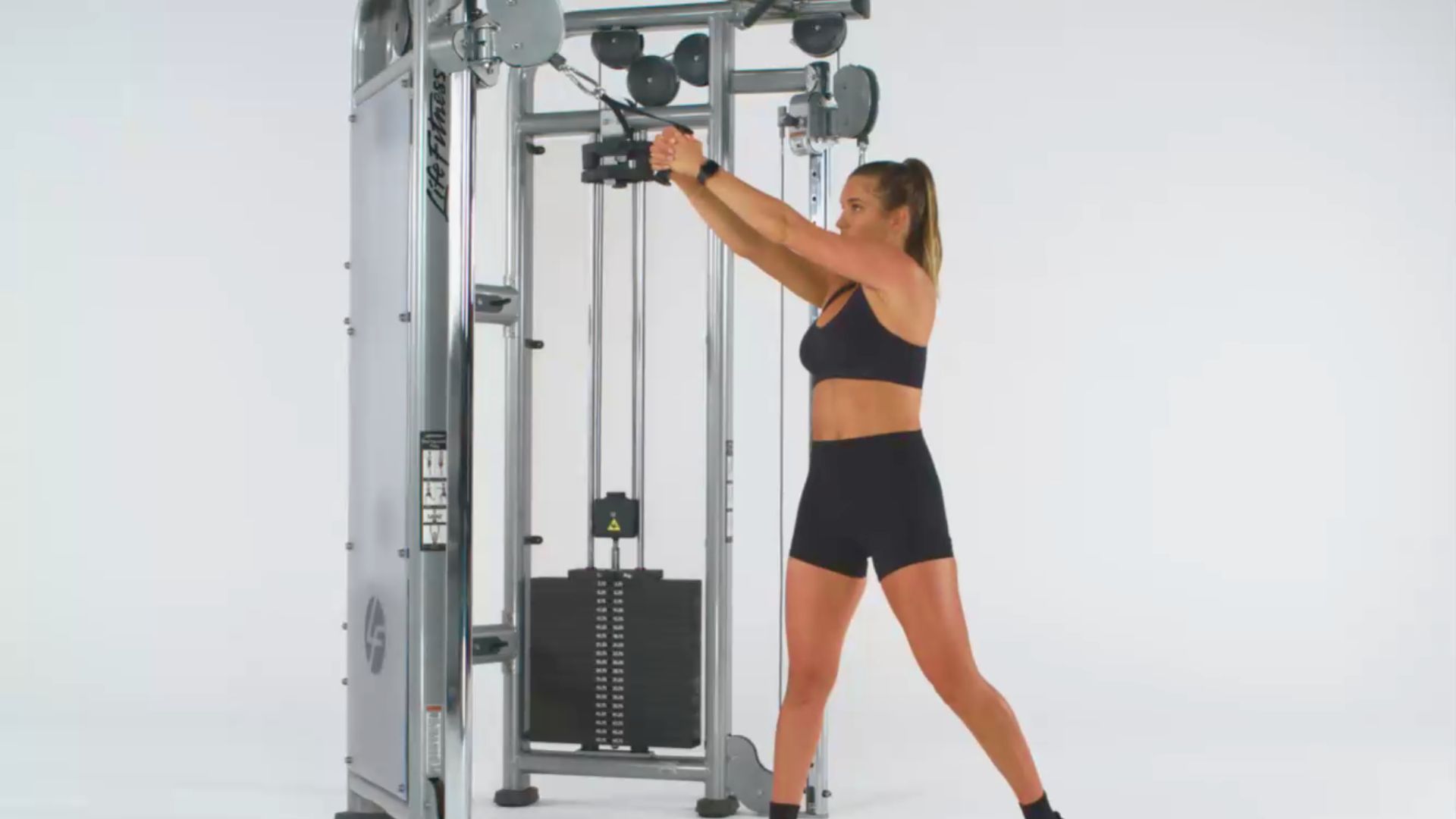
The cable version is the most popular for good reason.
It gives you constant tension throughout the movement, keeping your muscles engaged from start to finish.
Set the pulley low or high depending on your chop direction, grip with both hands, and pull diagonally. It is smooth, adjustable, and easy to control.
Dumbbell Wood Chopper Exercise

A dumbbell works well when no cable machine is available.
Hold one dumbbell with both hands, start at one hip, and swing diagonally up to the opposite shoulder.
Keep your core tight and movements controlled. The muscle activation is nearly the same as the cable version.
Wood Chopper Exercise With Dumbbell at Home
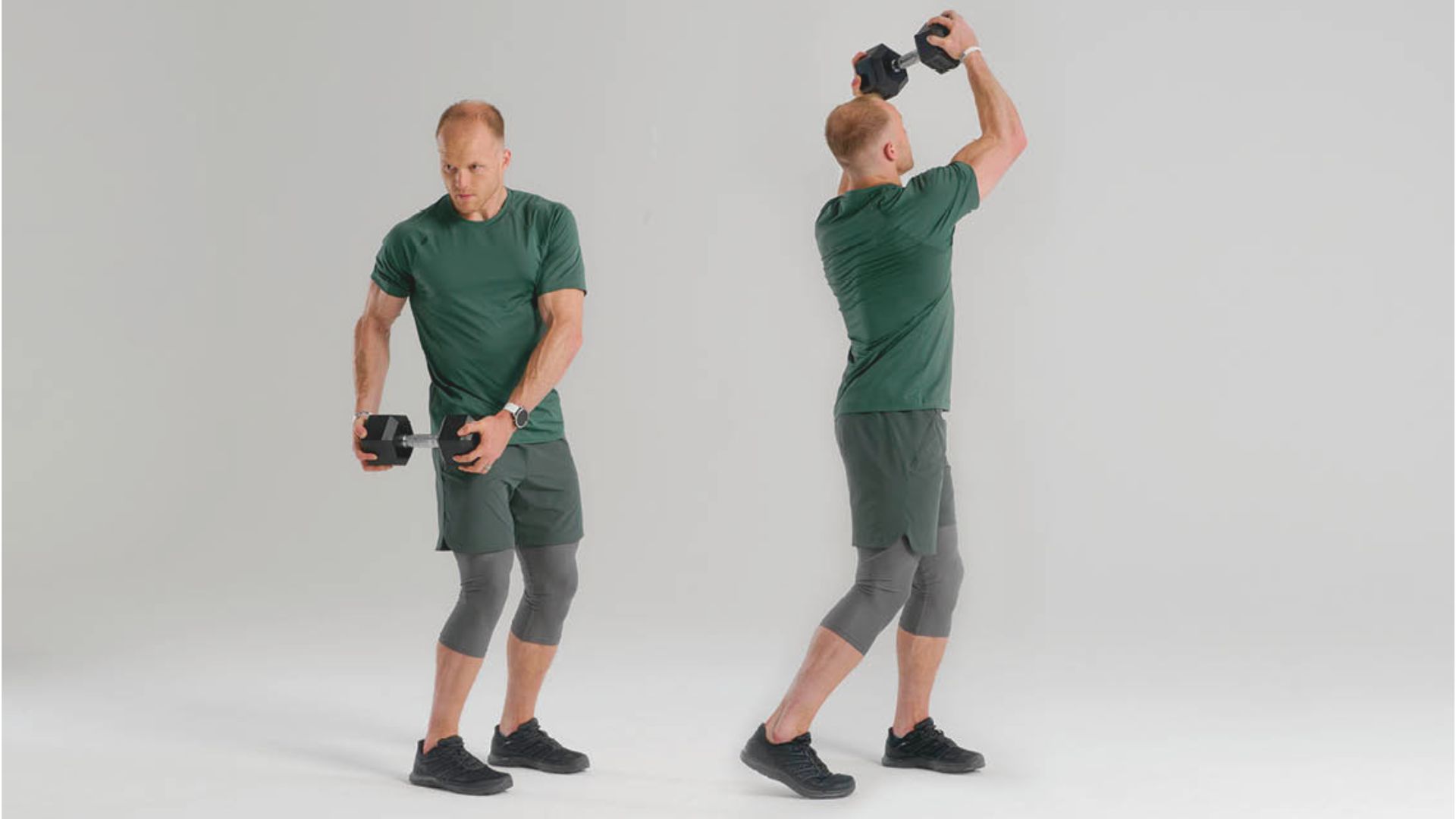
You do not need a gym for this exercise.
Use a light weight, clear enough space to move freely, and go slowly until the pattern feels natural. Good technique matters more than the setting you train in.
Banded Wood Chopper Exercise
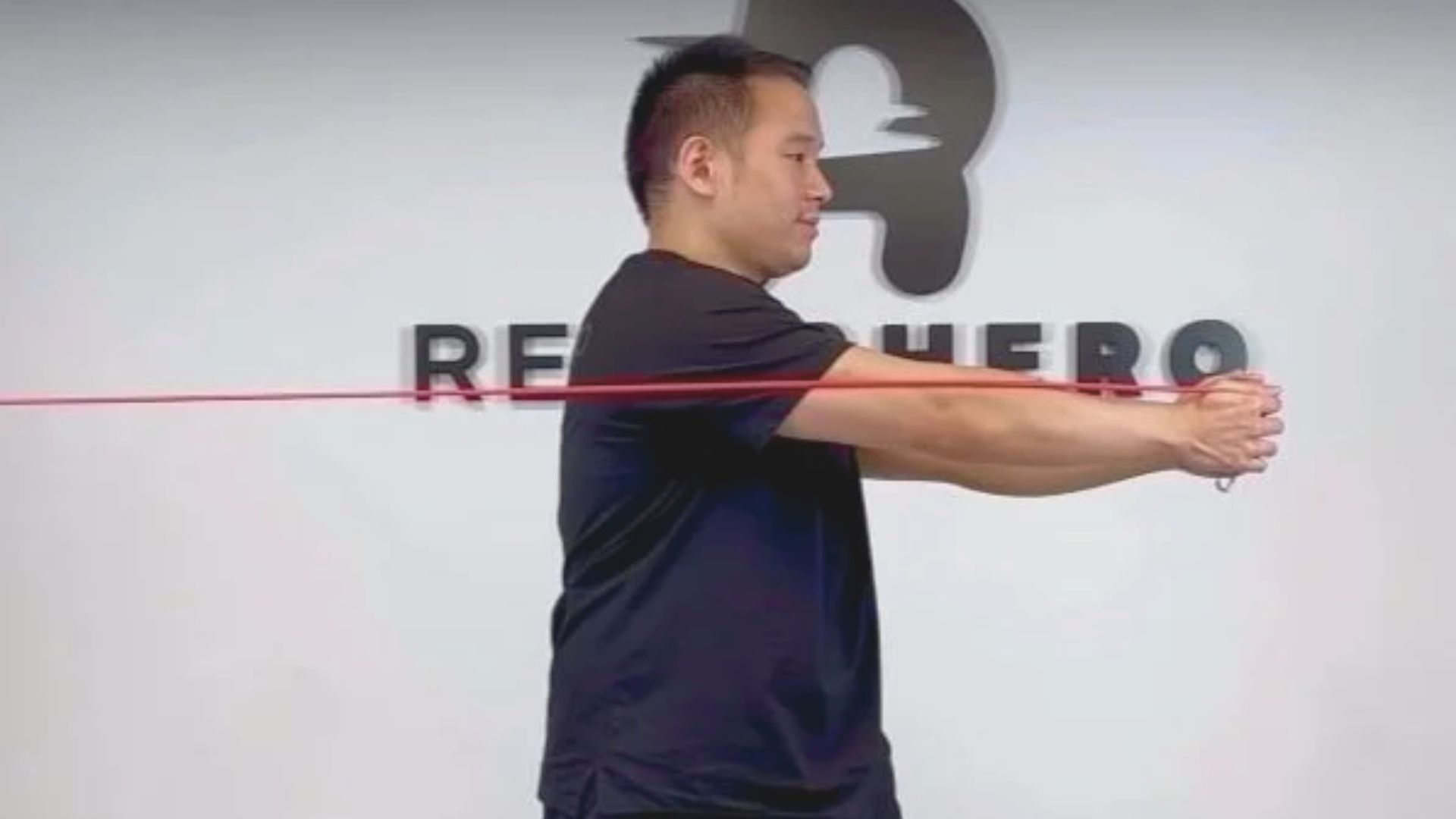
Anchor the band to a door frame or sturdy furniture. The resistance increases as you stretch it, training your muscles through a fuller range of motion. Great for travel or small spaces.
Wood Chopper Exercise Benefits

The wood chopper delivers real results that go well beyond the gym.
Core Strength and Stability
This is not just another ab exercise.
The wood chopper trains your core to move and stabilize under load at the same time. Unlike crunches, it works your muscles through rotation, building more balanced, functional strength.
A strong core protects your spine and supports everything from lifting to sitting at a desk.
Rotational Power for Sports and Daily Activities
If your sport or daily life involves twisting, this exercise directly helps.
Golf swings, tennis forehands, and baseball batting all use the same diagonal pattern the wood chopper trains.
Even everyday tasks like picking something up or carrying groceries involve rotation. This exercise prepares your body for all of it.
Injury Prevention and Postural Control
Weak rotational muscles are a common cause of back injuries.
When your obliques and deep core cannot control movement properly, your spine takes on extra stress.
The wood chopper strengthens those supporting muscles, lowering injury risk over time. It also trains your body to hold good alignment under load, which carries over into better posture.
Tips to Get the Most Out of the Wood Chopper Exercise
A few small adjustments can make a big difference in how effective this exercise is for you.
- Pick a weight you can control for 12 to 15 reps without your form breaking down. If your hips swing or your arms strain, go lighter.
- Beginners can start with 5 to 10 pounds. Intermediate lifters may work up to 20 to 30 pounds over time.
- Breathe out as you pull across your body and breathe in on the return. Brace your core before each rep like you are about to take a punch.
- Do not hold your breath for multiple reps. It raises blood pressure and reduces your endurance during the set.
- For general fitness, do 3 sets of 10 to 15 reps per side, 2 to 3 times per week. For athletic performance, try 4 sets of 8 reps with heavier resistance.
- Add the wood chopper as a core finisher or warm-up in your existing routine. Always give your core at least one rest day between sessions to recover properly.
Conclusion
The wood chopper exercise has genuinely changed how I think about core training. It is not just about flat abs.
It is about real strength that carries over into your sport, your work, and your everyday life.
Start with the standing version, keep the weight light, and build from there.
You will feel the difference faster than you expect.If this guide helped you, leave a comment below and share it with someone who could use it.
Have questions about the wood chopper exercise? Drop them in the comments.
Frequently Asked Questions
What Is a Wood Chopper Exercise?
The wood chopper is a rotational core exercise where you pull a weight diagonally across your body. It works the obliques, hips, shoulders, and deep core muscles.
How Often Should You Do Wood Chopper Exercises?
Two to three times per week is enough for most people. Allow at least one rest day between sessions so your core can recover properly.
Is the Wood Chopper Exercise Safe for Lower Back Pain?
The half kneeling version is commonly used in rehab and is generally safe. If you have an existing back condition, check with a physical therapist before starting.
Can I Do the Wood Chopper Exercise Without Equipment?
Yes. A resistance band, light dumbbell, or even a filled water bottle works fine. The movement pattern matters more than the equipment.
What Is the Best Wood Chopper Variation for Beginners?
The standing dumbbell version with light weight is the best starting point. It is simple to learn and builds the right movement pattern before adding more load.