

I'll be real with you. The first time I walked past a recumbent bike at the gym, I had absolutely no idea what I was looking at. It looked more like a recliner than a fitness machine.
But curiosity got the better of me, and I decided to give it a try. That one session completely changed how I think about cardio. Since then, I've tested dozens of models and helped so many beginners find the right fit.
So if you've been wondering what is a recumbent bike and whether it's actually worth your time, keep reading. What I found might just surprise you.
What Is a Recumbent Bike?

A recumbent bike is a type of exercise bike. Instead of sitting upright like a regular bike, you sit in a reclined position with your legs stretched out in front of you.
The seat is wider and more like a chair. Your back gets full support, and your feet push the pedals forward instead of downward. This makes it feel very different from a traditional upright bike.
Many beginners ask what is a recumbent bike compared to a normal exercise bike. The biggest difference is posture. On an upright bike, your back does a lot of work. On a recumbent bike, the seat handles that.
This design puts less pressure on your spine, hips, and knees. That's why so many people find it easier to use for longer workouts without discomfort.
How Does a Recumbent Bike Work?

You sit back, place your feet on the pedals, and start cycling. The motion is smooth and natural. Your legs push forward in a circular motion, just like pedaling a regular bike.
Most recumbent bikes come with adjustable resistance. You can make the ride easier or harder depending on your fitness level. Beginners usually start low and increase resistance as they get stronger.
The laid-back position keeps your spine in a neutral spot. This means your core doesn't have to strain to hold you up. You can focus entirely on pedaling and breathing.
Calorie burn depends on your speed, resistance, and body weight. But even at a moderate pace, you get a solid cardiovascular workout. Your heart rate goes up, your legs work hard, and you burn real calories.
Benefits of Using a Recumbent Bike

Using a recumbent bike regularly comes with a lot of practical benefits. It's not just comfortable. It actually delivers results when used consistently.
Here's what makes it stand out:
- Low joint impact: your knees, hips, and ankles take on very little stress during each session
- Full back support: the reclined seat keeps your spine supported throughout the workout
- Great for cardiovascular health: regular sessions improve heart health and boost stamina over time
- Easy to use for all ages: the simple design makes it accessible for older adults and beginners
- Longer workout sessions: comfort means you stay on the bike longer without quitting early
- Suitable for injury recovery: many physical therapists recommend it for rehab workouts
- Quiet and home-friendly: most models run quietly, so they're great for home gyms
These benefits make it one of the most practical cardio machines you can own. Whether you're just starting out or getting back into fitness after a break, this bike fits right in.
Muscles Worked on a Recumbent Bike
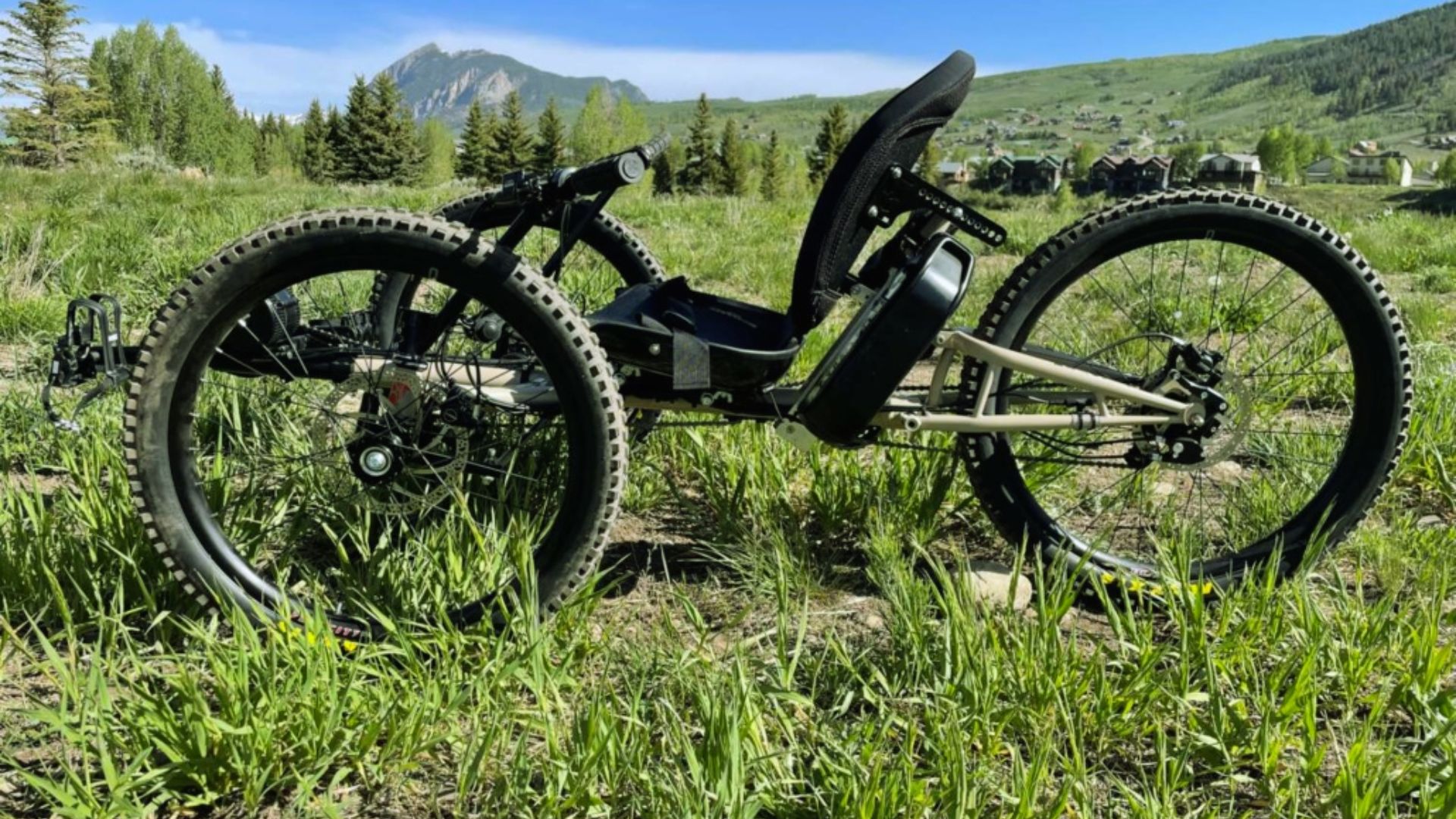
A lot of people think recumbent bikes only give you a light workout. That's not true. Your lower body is doing real work every time you pedal.
Here's what's getting activated:
- Quadriceps: the front of your thighs do most of the pushing during each pedal stroke
- Hamstrings: the back of your thighs pull through the return motion of each cycle
- Glutes: your buttocks engage with every push, especially at higher resistance levels
- Calves: these smaller muscles support the pedaling motion throughout your session
- Core muscles: your abs and lower back work quietly to keep your body stable while you ride
Compared to an upright bike, the recumbent position shifts more focus to the glutes and hamstrings. That's because your legs are pushed forward rather than downward. The result is a thorough lower-body workout without the joint strain.
Recumbent Bike vs Upright Bike
Both are bikes, but they feel very different to ride. Here's a quick comparison to help you decide which one suits you better.
| Feature | Recumbent Bike | Upright Bike |
| Seating position | Reclined, back supported | Upright, no back support |
| Pedal placement | In front of the body | Below the body |
| Joint stress | Very low | Moderate |
| Back comfort | High | Low to moderate |
| Core engagement | Moderate | Higher |
| Best for | Beginners, seniors, rehab | Intense cardio, cyclists |
| Space needed | More floor space | Less floor space |
| Calorie burn | Moderate | Slightly higher |
If comfort and long sessions matter most to you, go with a recumbent bike. If you want a more intense, upright workout, a standard bike might suit you better.
Are Recumbent Bikes Good for Weight Loss?
Alt text: "A woman in workout attire adjusts a stationary bike in a modern living room, creating a focused and motivating fitness atmosphere."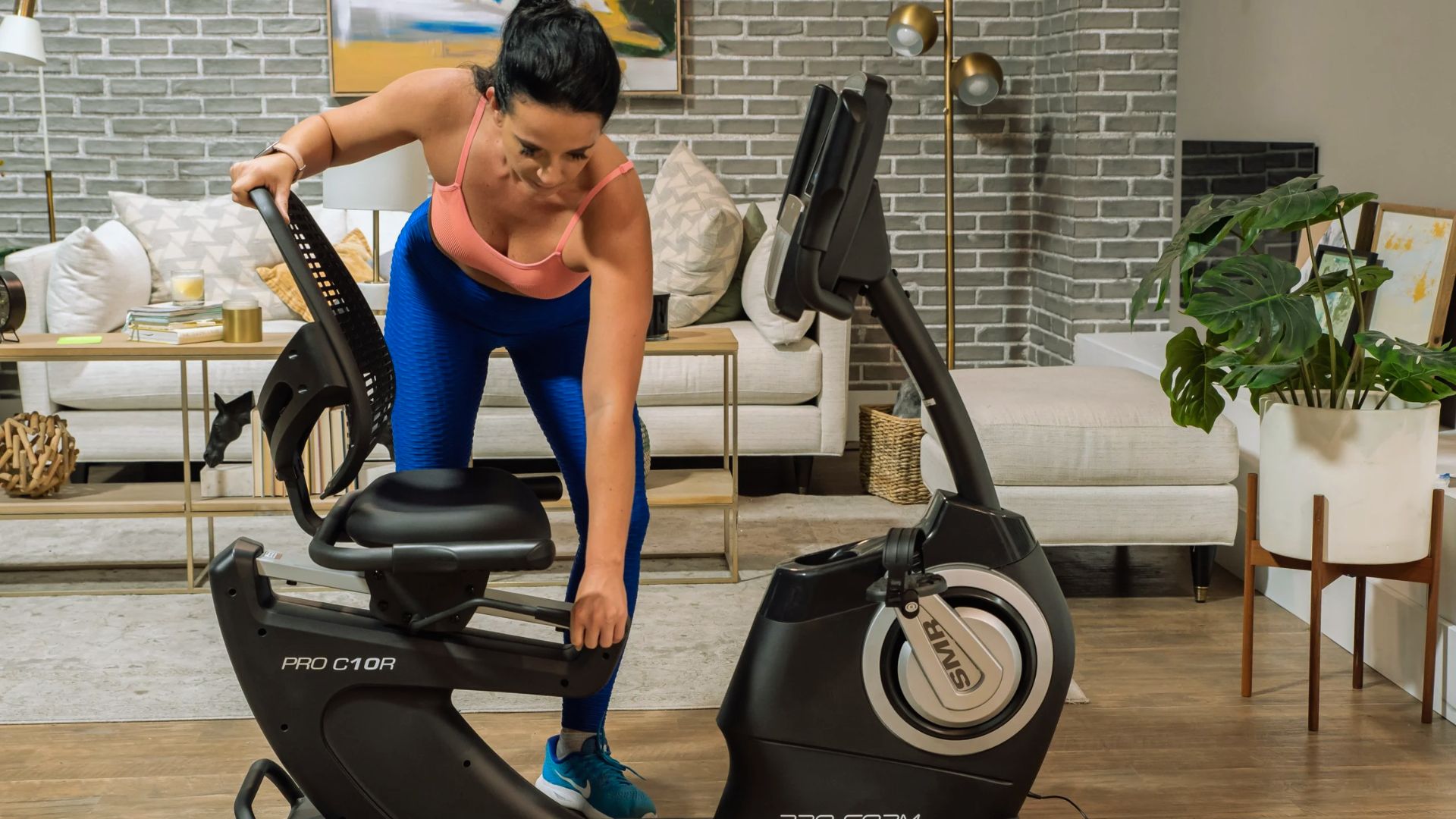
Yes, they can help with weight loss. But let's be honest about what that means. You have to ride consistently and at an effort level that actually raises your heart rate.
A 30-minute moderate session can burn between 200 and 300 calories, depending on your weight and resistance level. Over time, that adds up.
The real advantage here is that the comfort keeps you coming back. A machine you actually enjoy using is far more effective than one you avoid. Consistency is what drives weight loss, not perfection.
Pairing your rides with a healthy diet and some strength training will give you better results than cycling alone. The bike is one part of the plan, not the whole plan.
What Features Should You Look for in a Recumbent Bike?
Not all recumbent bikes are built the same. Before you buy one, it's worth knowing what actually matters.
Here are the features I'd look for:
- Adjustable seat: the seat should slide forward and backward so people of different heights can ride comfortably
- Multiple resistance levels: look for at least 8 levels so you can progress over time
- LCD monitor: a basic screen that tracks time, speed, distance, and calories burned is very helpful
- Heart rate sensors: built-in hand grip sensors let you monitor your intensity without a chest strap
- Pre-set workout programs: these add variety and take the guesswork out of your sessions
- Quiet magnetic resistance: magnetic systems are smoother and quieter than friction-based ones
- Compact footprint: if space is limited, check the bike's dimensions before ordering
A good recumbent bike doesn't have to be expensive. But these features make a real difference in how long you'll actually use it.
Common Mistakes to Avoid When Using a Recumbent Bike
Even with a beginner-friendly machine, there are a few habits that can hold you back. I've seen these come up again and again with new riders.
Knowing what to avoid will save you time and keep you from getting frustrated early on.
- Wrong seat position: if the seat is too far back or too close, your knees will feel it. Set it so your legs have a slight bend at the bottom of each pedal stroke
- Slouching during the workout: even though the seat supports your back, sitting lazily can cause discomfort. Sit up slightly and keep your shoulders relaxed
- Keeping resistance too low: riding at the easiest level every session won't push your heart rate enough. Slowly increase resistance as your fitness grows
- Skipping sessions: one great workout a week won't move the needle. Aim for at least 3 to 4 sessions per week for real progress
- No warm-up or cooldown: jumping straight in and stopping suddenly isn't great for your body. Spend 3 to 5 minutes at low resistance at the start and end of every session
Avoiding these mistakes makes every ride more effective and a lot more comfortable.
Conclusion
So, what is a recumbent bike really? It's the cardio machine that actually lets you show up every day without dread. Most people quit fitness routines because they're uncomfortable or too hard to stick with.
This bike fixes that. It meets you where you are, regardless of your age or fitness level. If you've been sitting on the fence about getting one, now is a good time to take that step.
Have you tried one before? Drop your experience in the comments. And if this helped, share it with someone who needs a gentler way to get moving.
Frequently Asked Questions
Is a Recumbent Bike Good for Beginners?
Yes, it's one of the best options for beginners because the setup is simple and the ride is comfortable from day one. The low-impact movement makes it easy to build a routine without feeling overwhelmed.
Can You Lose Belly Fat Using a Recumbent Bike?
You can't spot-reduce fat from one area, but regular cardio on a recumbent bike helps create the calorie deficit needed for overall fat loss. Pair it with a balanced diet for better results.
Is a Recumbent Bike Better for Knees?
Yes, because the forward pedal position reduces stress on the knee joint compared to many other cardio machines. It's a popular choice for people with existing knee problems or those recovering from injury.
How Long Should You Ride a Recumbent Bike Daily?
Beginners can start with 15 to 20 minutes per session and work up to 30 to 45 minutes over a few weeks. Listen to your body and increase duration gradually rather than all at once.
What Is the Difference Between a Recumbent Bike and a Stationary Bike?
A recumbent bike is actually a type of stationary bike, but with a reclined seat and forward pedal placement instead of the traditional upright position. The main difference is in posture, comfort, and the muscles each style targets.


