I spent months training my back with zero results. Rows, machines, all of it. Nothing clicked until I started taking vertical pull exercises seriously.
Here’s what most people miss. It’s not about training harder. It’s about training the right movements.
Vertical pulls target your lats directly. That’s what builds back width and better posture. And you don’t need a fancy gym to do them.
So what are the best ones? Which actually work? And how do you use them without wasting time? I’ve got the answers.
Let’s get into it.
What Are Vertical Pull Exercises?
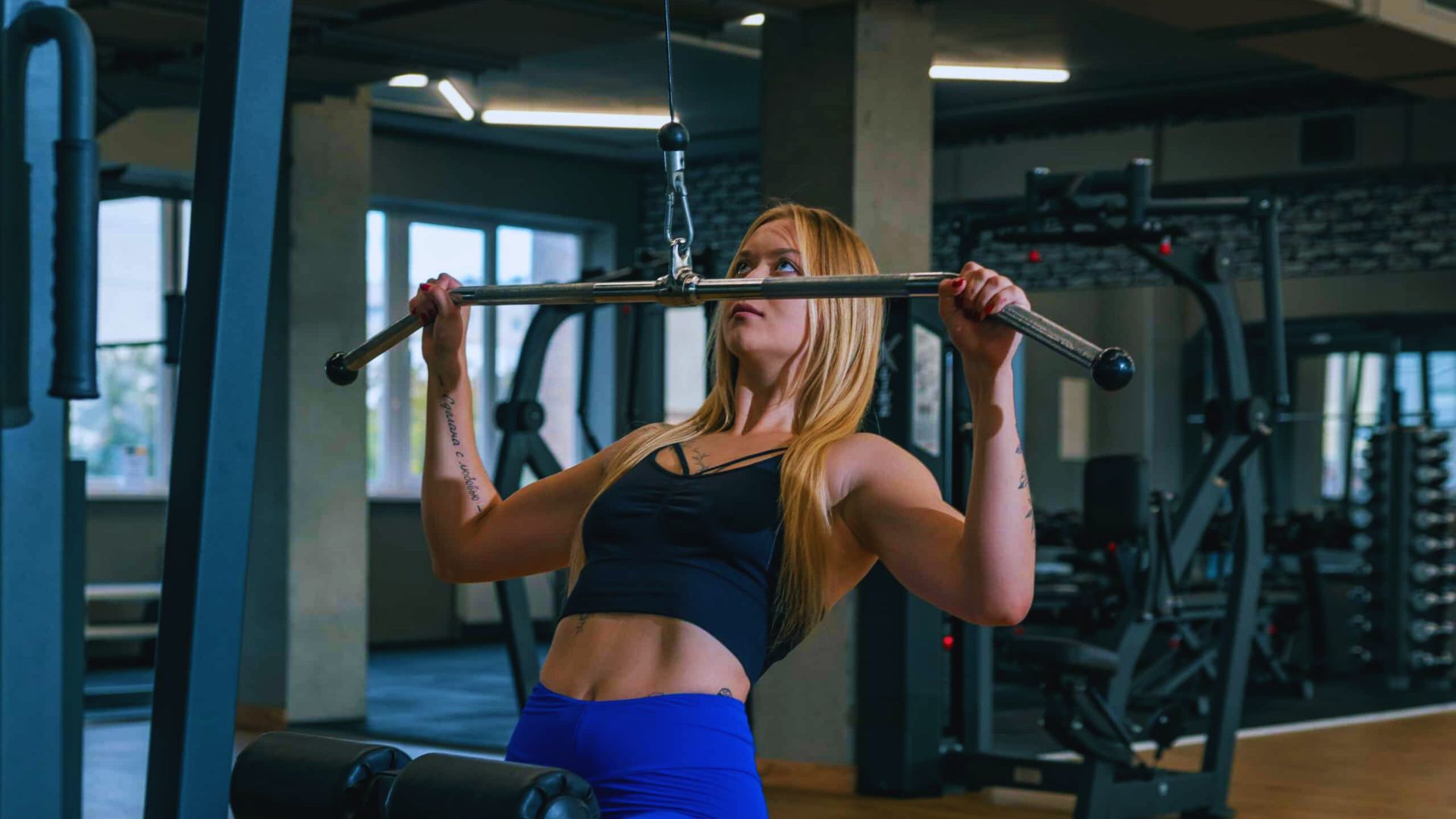
Vertical pull exercises are movements where you pull a weight or your own body downward, along a vertical path. The motion goes from above your head down toward your torso.
The muscles doing most of the work are your lats, traps, rhomboids, and biceps. Your lats are the biggest muscles here, and they’re the ones that create back width.
Horizontal pulls like rows pull resistance toward you from the front. Vertical pulls bring it from overhead. Both matter, but vertical pulls hit the lats in a way rows simply can’t match.
If you want a V-taper physique, with broad shoulders and a narrow waist, vertical pull exercises are non-negotiable. There’s no shortcut around them.
7 Best Vertical Pull Exercises for Back and Lat Growth
Here are my top picks. These cover every level, from beginner to advanced, gym or home.
1. Pull-Ups
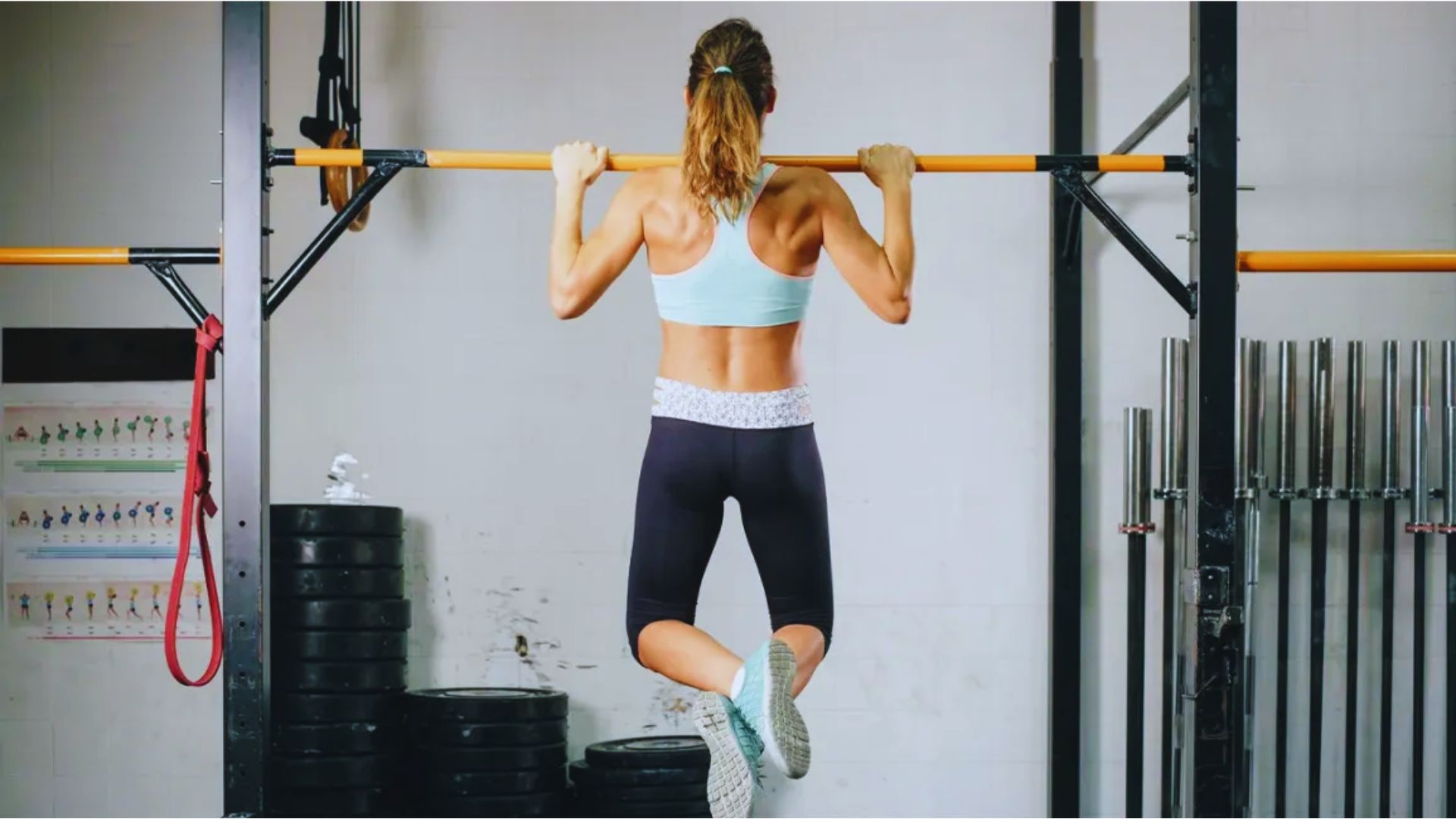
Pull-ups are the gold standard. No machine, no cable, just your bodyweight against gravity. That alone makes them one of the most honest tests of upper body strength you’ll ever do.
You can change the grip to shift the focus. Wide grip hits the outer lats hard. Neutral grip is easier on the wrists. Chin-ups, with palms facing you, bring the biceps in more.
If you’re just starting out, use a resistance band looped over the bar. It takes some of your weight so you can build strength without stalling out on rep one.
2. Lat Pulldown
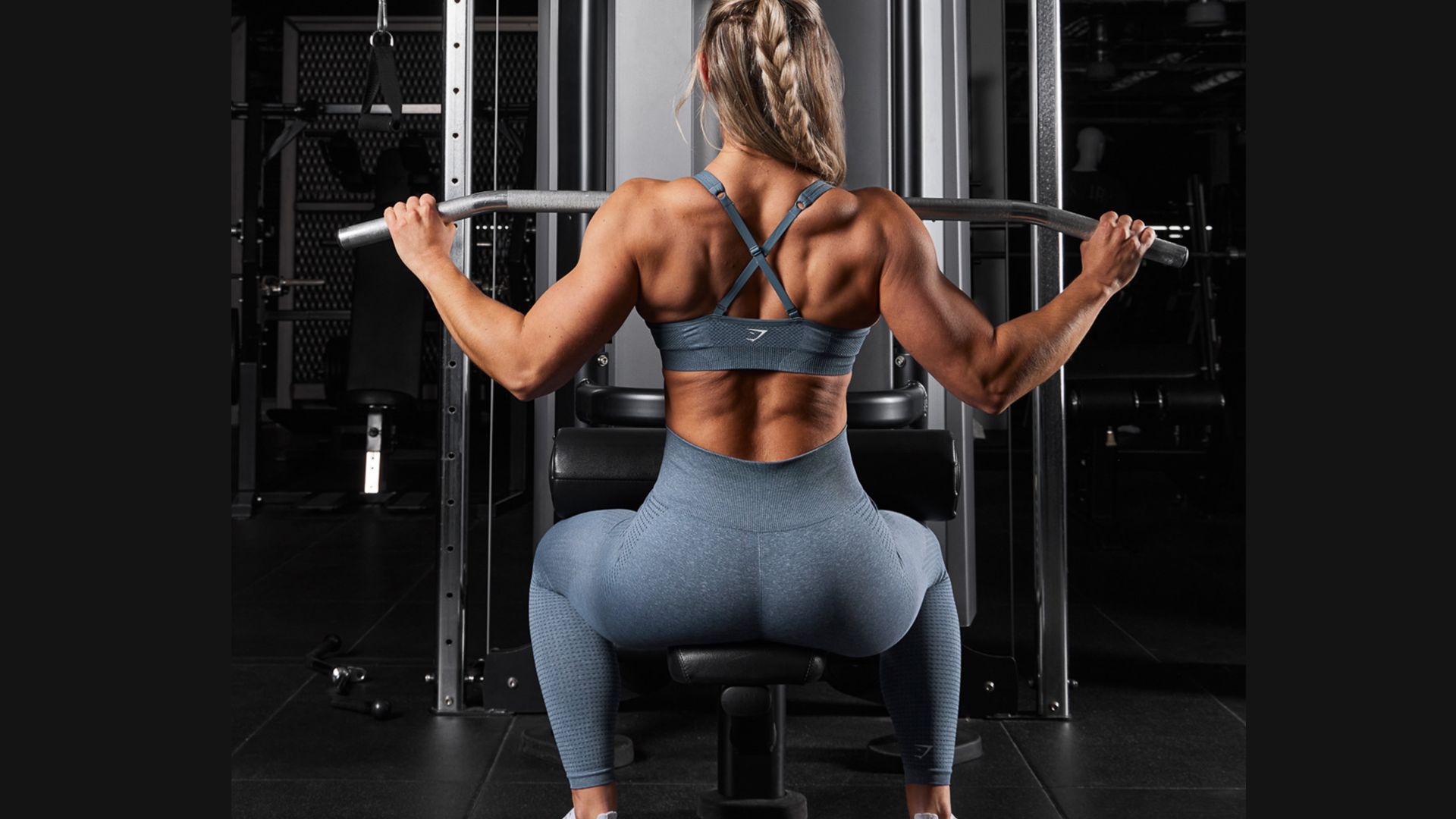
The lat pulldown machine is one of the best tools for building lat width, especially if pull-ups feel out of reach right now. You control the load exactly.
This is what makes it great for beginners. You can start light, focus on your form, and add weight slowly over time. That kind of steady progression builds real strength.
Lean back slightly, pull the bar to your upper chest, and squeeze at the bottom. Don’t rush the movement. Slow and controlled always beats fast and sloppy.
3. Chin-Ups

Chin-ups use an underhand grip, palms facing you. That small change makes a big difference. Your biceps get much more involved compared to a standard pull-up.
Because of that extra bicep help, most people find chin-ups easier than pull-ups. That makes them a great entry point if you’re still working toward your first full pull-up.
They’re still a serious vertical pull exercise. The lats are working hard the whole time. You get a strong back and bigger arms from the same movement.
4. Resistance Band Pulldowns
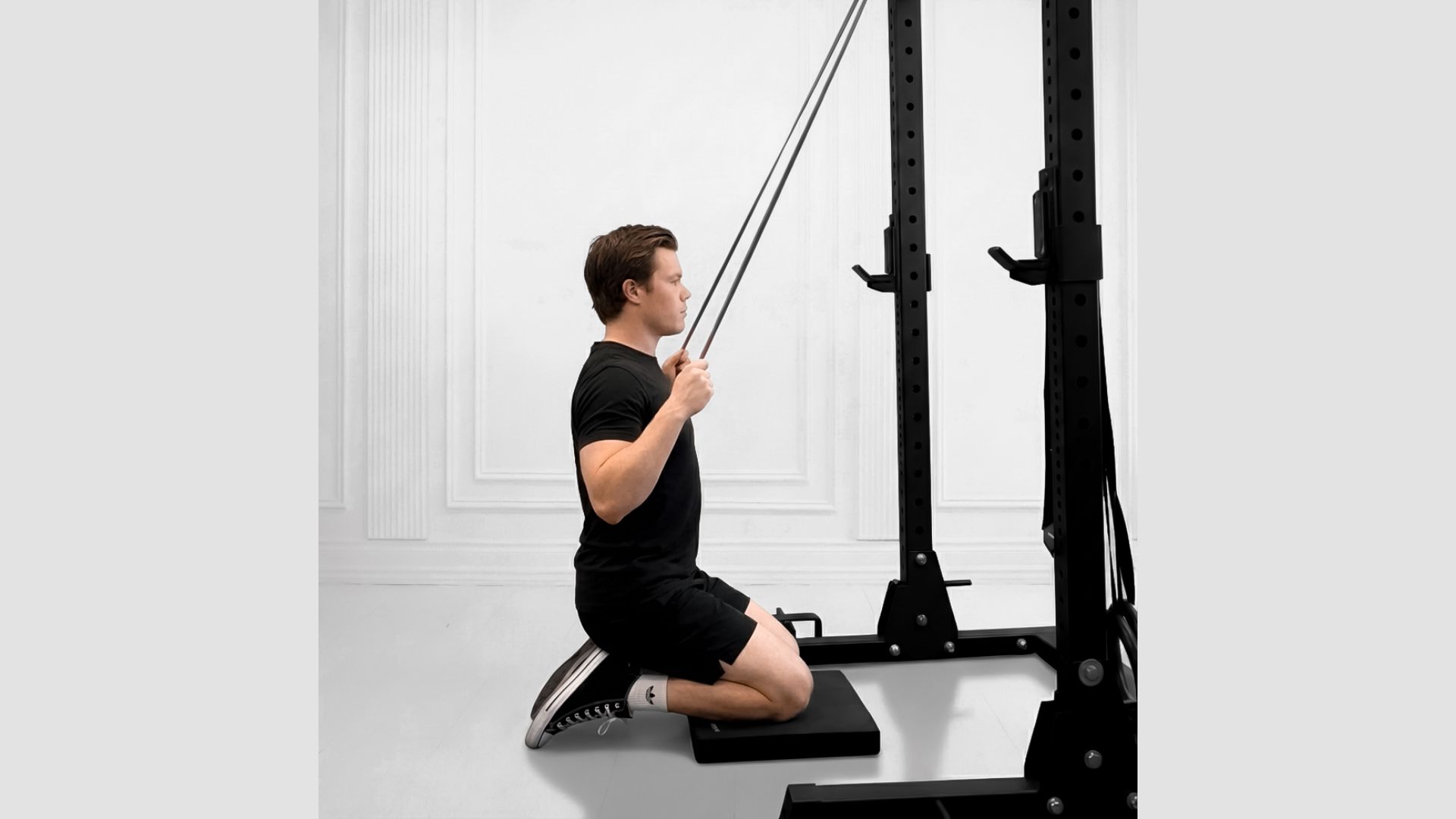
This is one of the best vertical pull exercises at home you can do with minimal setup. All you need is a resistance band and a door anchor.
Loop the band over the top of a door, kneel down, and pull the band toward your thighs with straight or slightly bent arms. Keep your core tight throughout.
It’s gentle on the joints, which also makes it useful for rehab or getting back into training after a break. Don’t let the simplicity fool you. Done right, this lights up the lats.
5. Straight Arm Pulldown
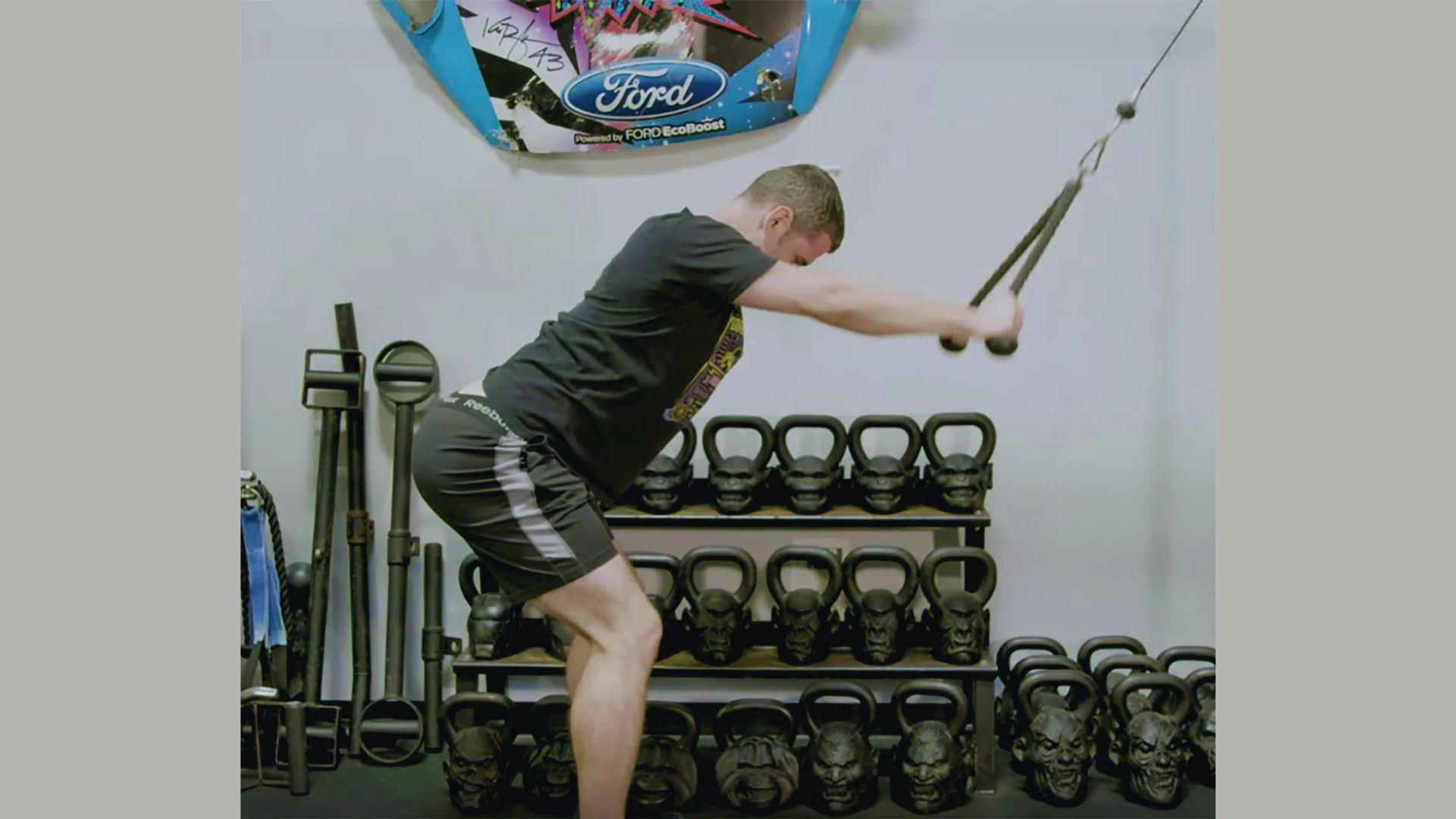
The straight arm pulldown is an isolation exercise. You’re not bending your elbows much here. The focus is almost entirely on the lats doing the pulling.
That makes this one excellent for building the mind-muscle connection. If you’ve ever struggled to actually feel your lats working, this exercise fixes that fast.
Use it as accessory work after your main compound pulls. Two or three sets at the end of your workout is enough to get real benefit from it.
6. Inverted Rows (Vertical Angle Variation)
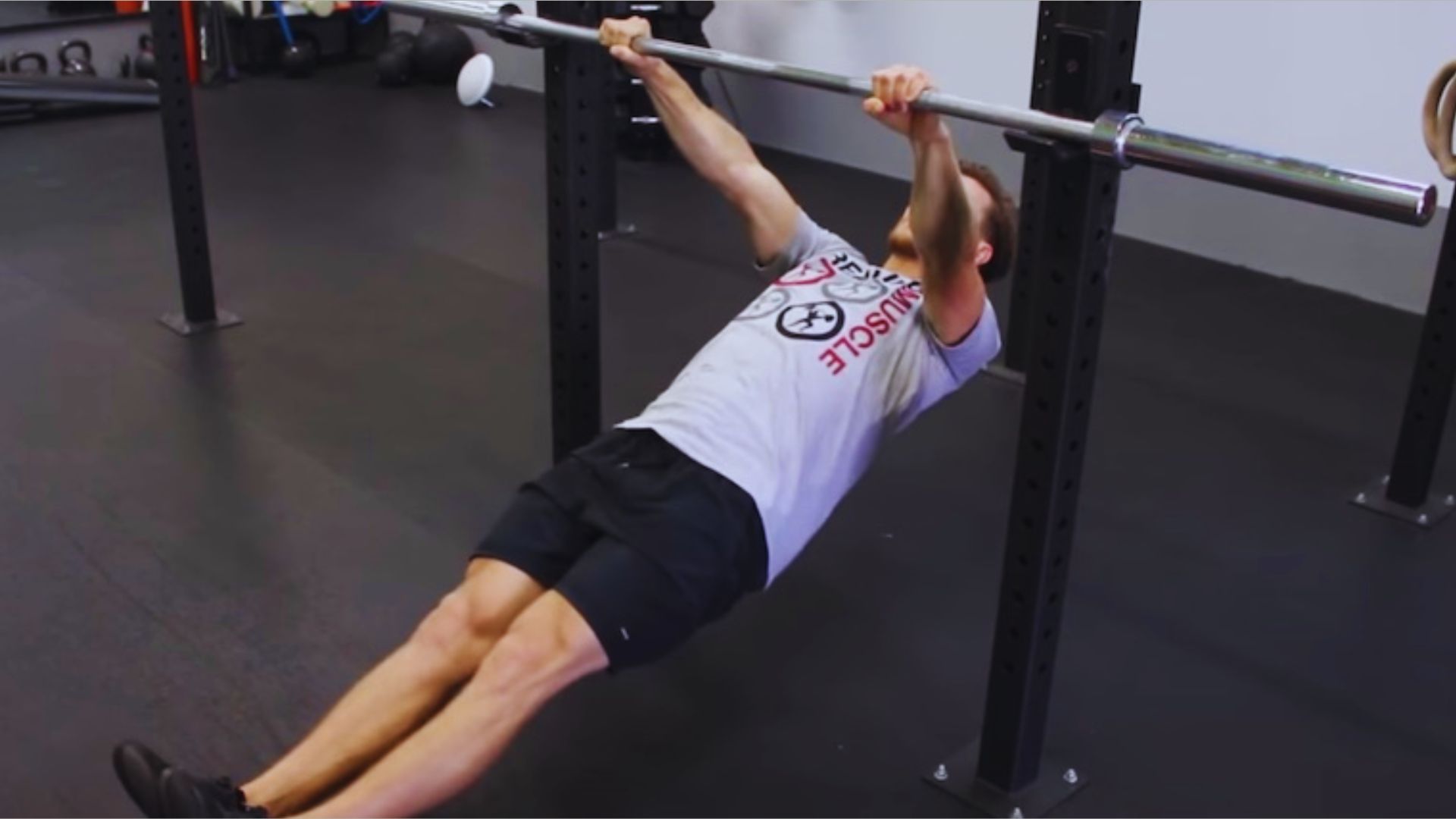
The inverted row is usually called a horizontal pull, but adjusting your body angle changes everything. The more upright you are, the more vertical the pull becomes.
This makes it a solid bodyweight option you can do at home under a sturdy table or on a low bar. Bend your knees to make it easier, or straighten your legs to increase the difficulty.
It builds foundational pulling strength without needing a bar overhead. If you’re working toward pull-ups, this is one of the smartest steps in that progression.
7. Kneeling Cable Pulldown
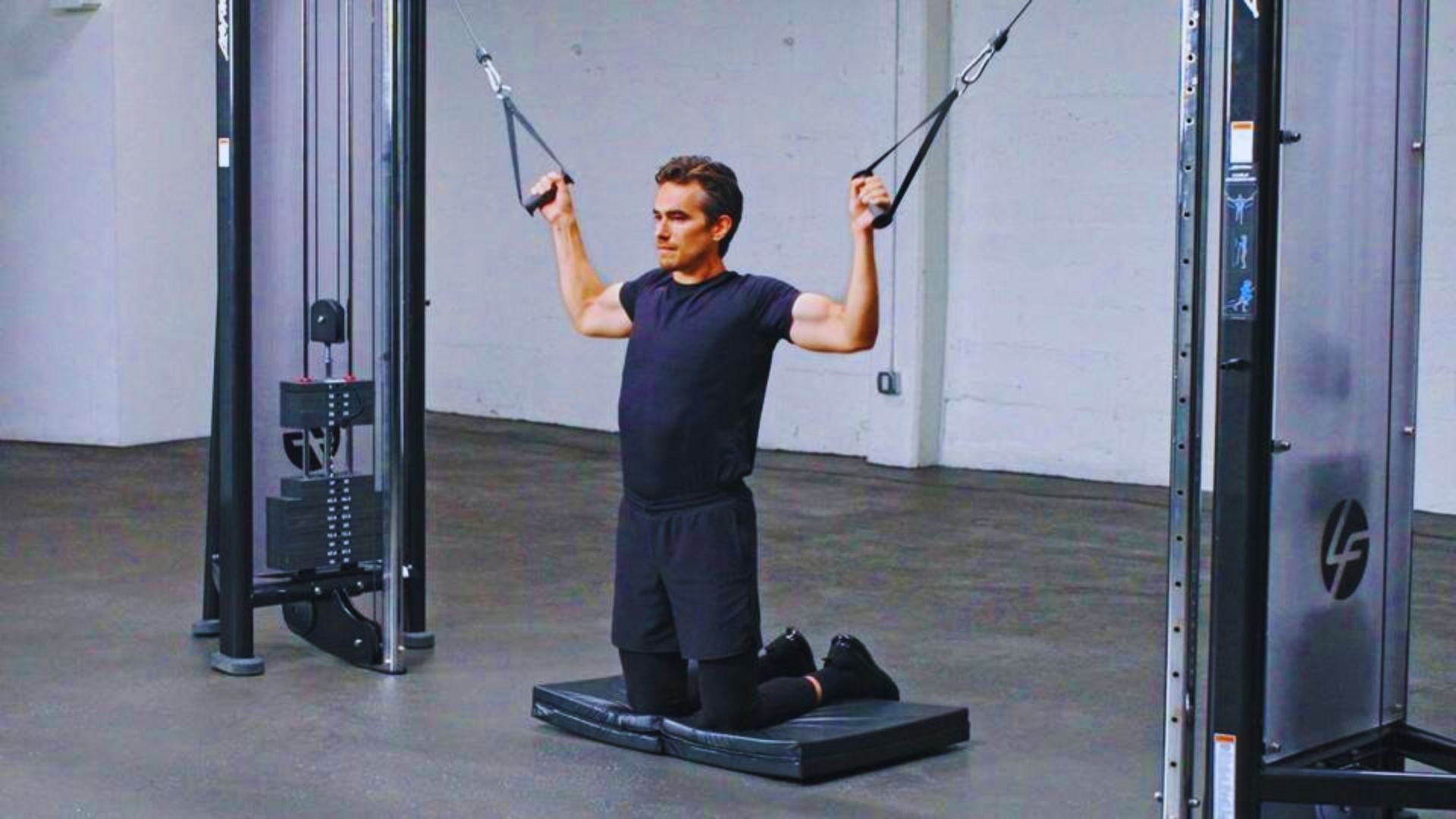
Kneeling on the floor during a cable pulldown removes your legs from the equation. You can’t cheat with momentum or shift your body to get the weight moving. It’s just you and the lats.
That strict position forces better form. You’ll feel the muscle working harder on every single rep.
This is a great option when you want to reinforce proper lat activation before moving to heavier compound work. Use it as a warm-up or accessory movement.
Common Mistakes to Avoid
Most people don’t make progress with vertical pull exercises because of small form errors that add up over time.
Getting these right makes a bigger difference than adding more sets or heavier weight.
Here are the most common ones to watch for:
- Using momentum instead of controlled reps: Swinging your body to get the bar moving means your lats aren’t actually doing the work.
- Not engaging the lats properly: Think about pulling with your elbows, not your hands. That cue alone changes everything.
- Poor grip selection: The wrong grip can limit your range of motion or put strain on your wrists and elbows.
- Incomplete range of motion: Cutting the movement short means you’re skipping the part of the rep that does the most work.
- Over-relying on machines: Machines have their place, but leaning on them too much means you miss out on the stability and control gains from bodyweight and free-weight options.
Fix these first. The results follow.
Conclusion
Your back won’t build itself. But now you have everything you need to get started.
Pick two or three vertical pull exercises from this list and stay consistent with them. That’s really all it takes to start seeing results.
Progress looks different for everyone. Some start with bands. Others jump straight to pull-ups. Either way works.
What matters is that you show up and do the work.
Which exercise are you adding to your next session? Let me know in the comments.
And if this helped, share it with someone who’s been skipping back day.
Frequently Asked Questions
What Are Vertical Pull Exercises?
Vertical pull exercises are pulling movements where you bring resistance downward along a vertical path, from overhead toward your torso. Pull-ups and lat pulldowns are two of the most common examples.
Are Vertical Pull Exercises Enough for Back Growth?
Vertical pulls are great for lat width, but they work best when combined with horizontal pulls like rows. Together, they cover the full range of back muscles more completely.
Can I Do Vertical Pull Exercises at Home?
Yes, resistance bands with a door anchor, a pull-up bar, and bodyweight moves like inverted rows all work well at home. You don’t need a gym to get a solid vertical pull workout in.
Which Is Better: Pull-Ups or Lat Pulldowns?
It depends on where you are with your strength and what your goals look like. Pull-ups are harder but build raw strength fast, while lat pulldowns are better for controlled progression at any level.
How Often Should I Train Vertical Pull Exercises?
Training them two to three times per week gives your muscles enough stimulus to grow while allowing proper recovery. Stick to that range consistently and you’ll see steady results.