

Trap bar deadlift muscles worked to build stronger legs, glutes, and core safely. Learn proper form and tips inside!
I’ve been lifting for years, and the trap bar deadlift muscles worked are some of the best I’ve trained. This exercise hits your legs, back, and core hard. If you want better posture and a safer way to build strength, you’re in the right place.
I’ll show you exactly which muscles get worked, how to do it correctly, and why it’s better for your back than regular deadlifts. We’ll cover the setup, form tips, and common mistakes to avoid.
I’ve helped dozens of people fix their form, and these tips work. You’ll learn everything you need to start lifting safely today.
Why Should You Include Trap Bar Deadlifts in Your Routine?
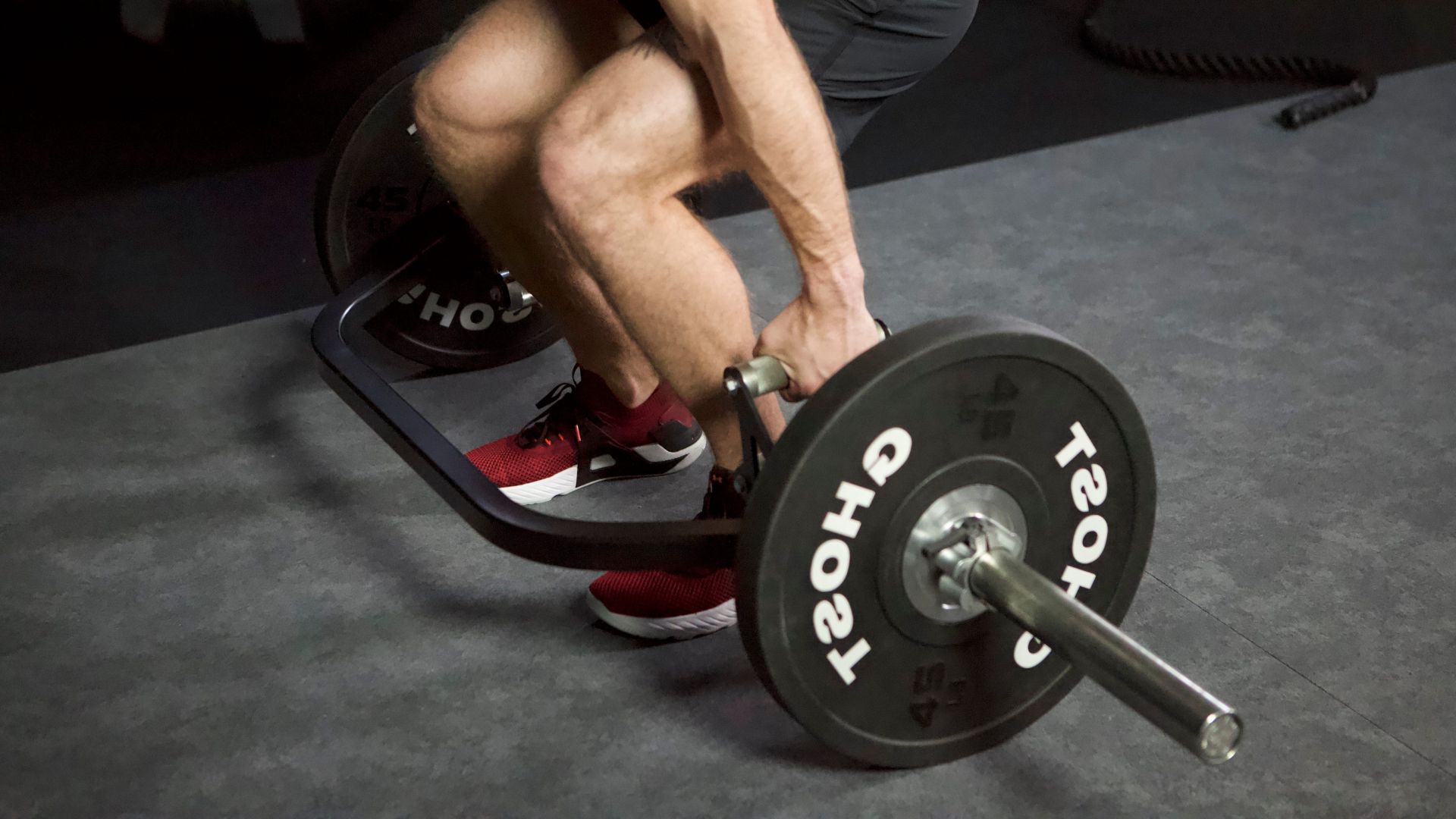
The trap bar deadlift builds total body strength while keeping your back safer than other lifts. It works for both new lifters and experienced athletes.This lift builds muscle fast.
Your quads work harder than in regular deadlifts. Your glutes and hamstrings get strong. Your core stays tight throughout the movement.
Beginners love it because it’s easier to learn. The bar sits around you, not in front. This makes balance simple. You can start with high handles if your mobility is limited.
What Is a Trap Bar Deadlift?
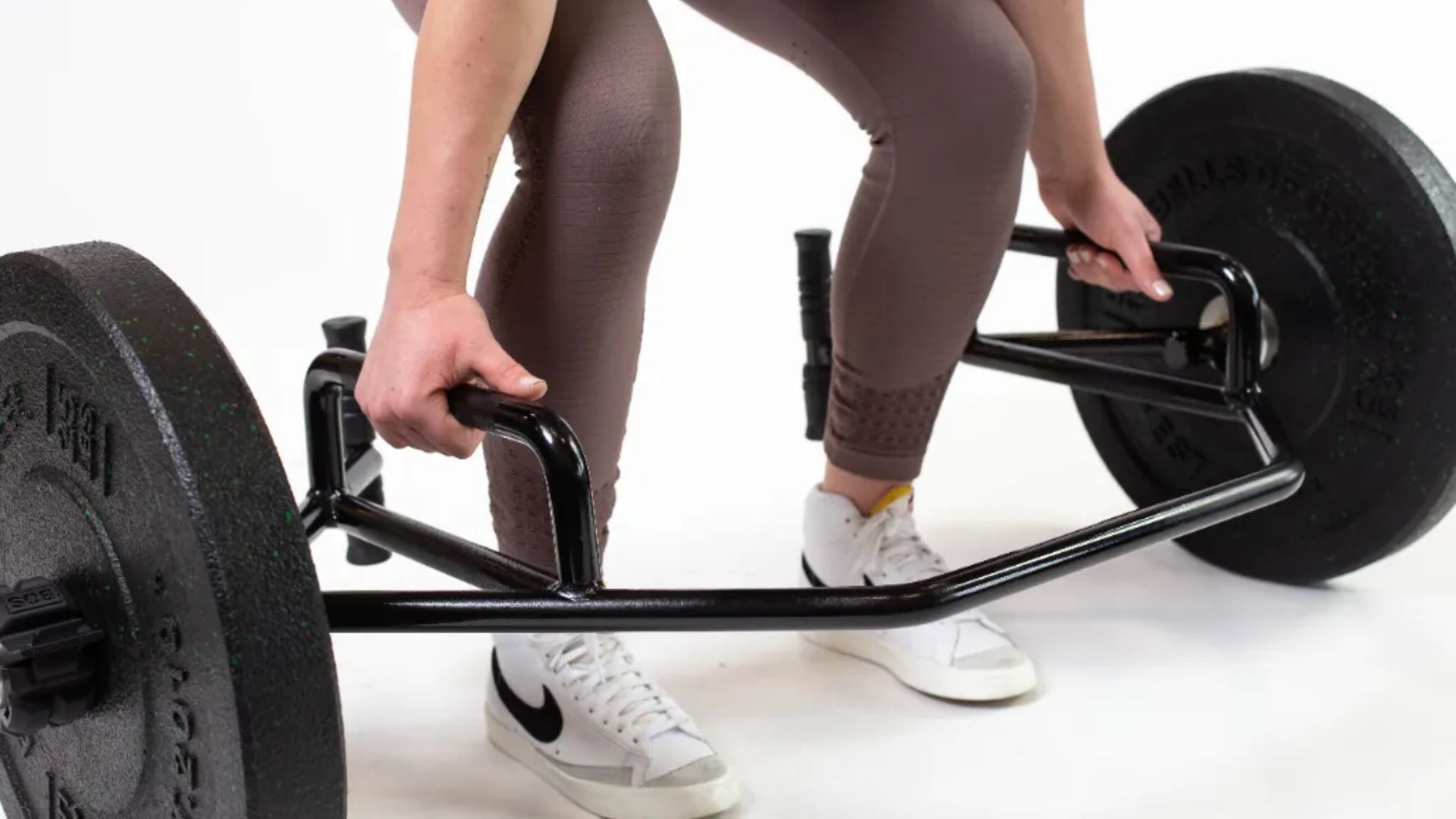
The trap bar deadlift uses a special hexagonal bar instead of a straight barbell. You stand inside the frame and grab handles on each side. The bar looks like a hexagon or diamond from above.
The grip changes everything. Your hands face each other in a neutral position. This feels more natural than the overhand grip on a regular barbell. Your shoulders stay back easier.
The weight sits around your center of gravity. A barbell sits in front of you, pulling you forward slightly. The trap bar keeps you balanced and your back more upright.
This lift mixes a squat and a hip hinge. Your knees bend more than in a regular deadlift. Your hips still drive the movement. The position puts less stress on your spine. You can load heavy weights without rounding your back.
This makes it safer for people with back problems. You can focus on pushing through your heels instead of worrying about balance.
Trap Bar Deadlift Muscles Worked
The trap bar deadlift works your entire body, hitting your legs, back, core, and grip strength all at once.
Quadriceps
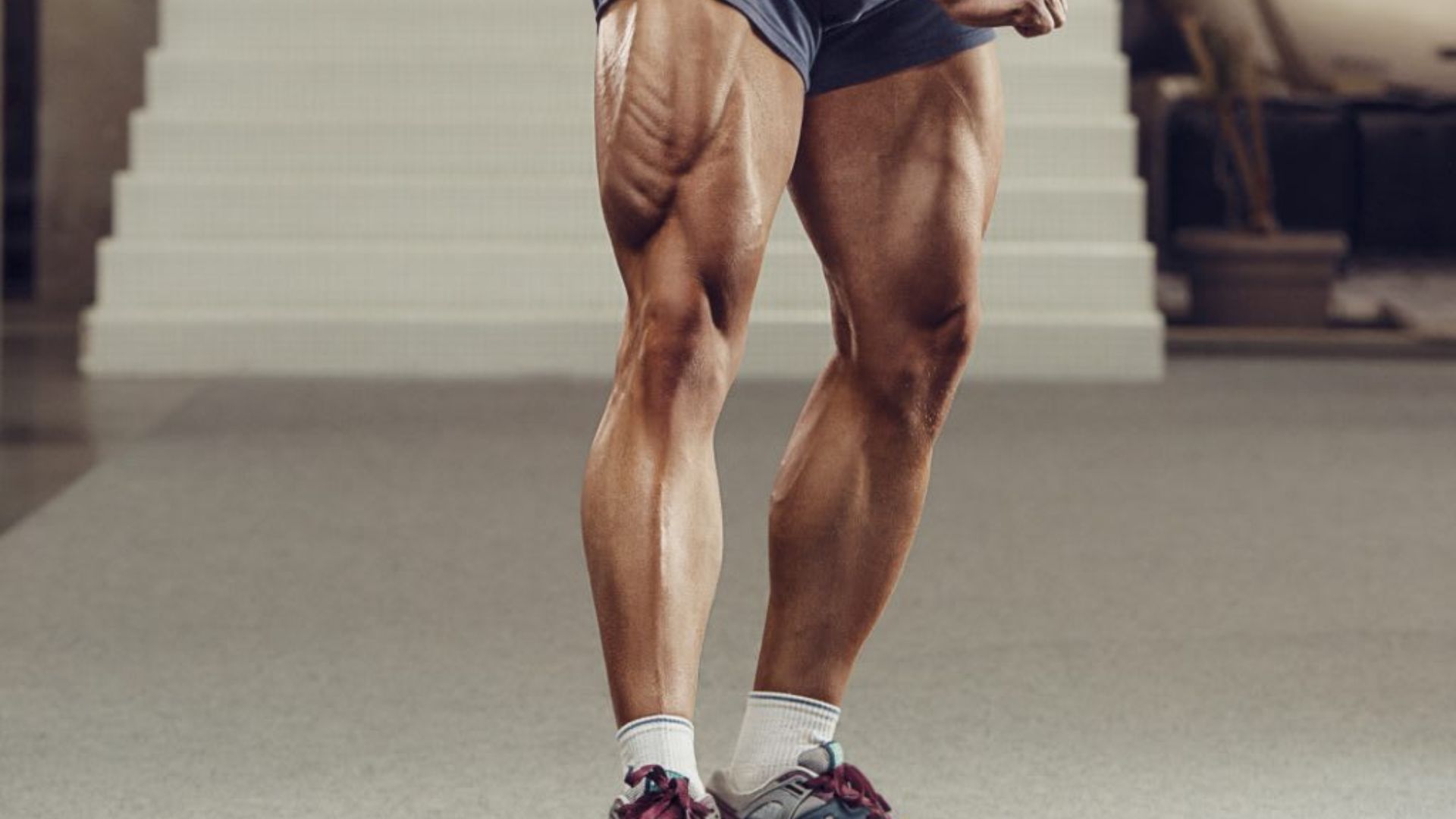
Your quads do the heavy work here. They straighten your knees as you stand up. This happens more than in a regular deadlift.
The trap bar makes your quads work harder. Your knees bend more at the start. This puts your quads in a better position to push. If you want bigger, stronger thighs, this is your lift.
Hamstrings
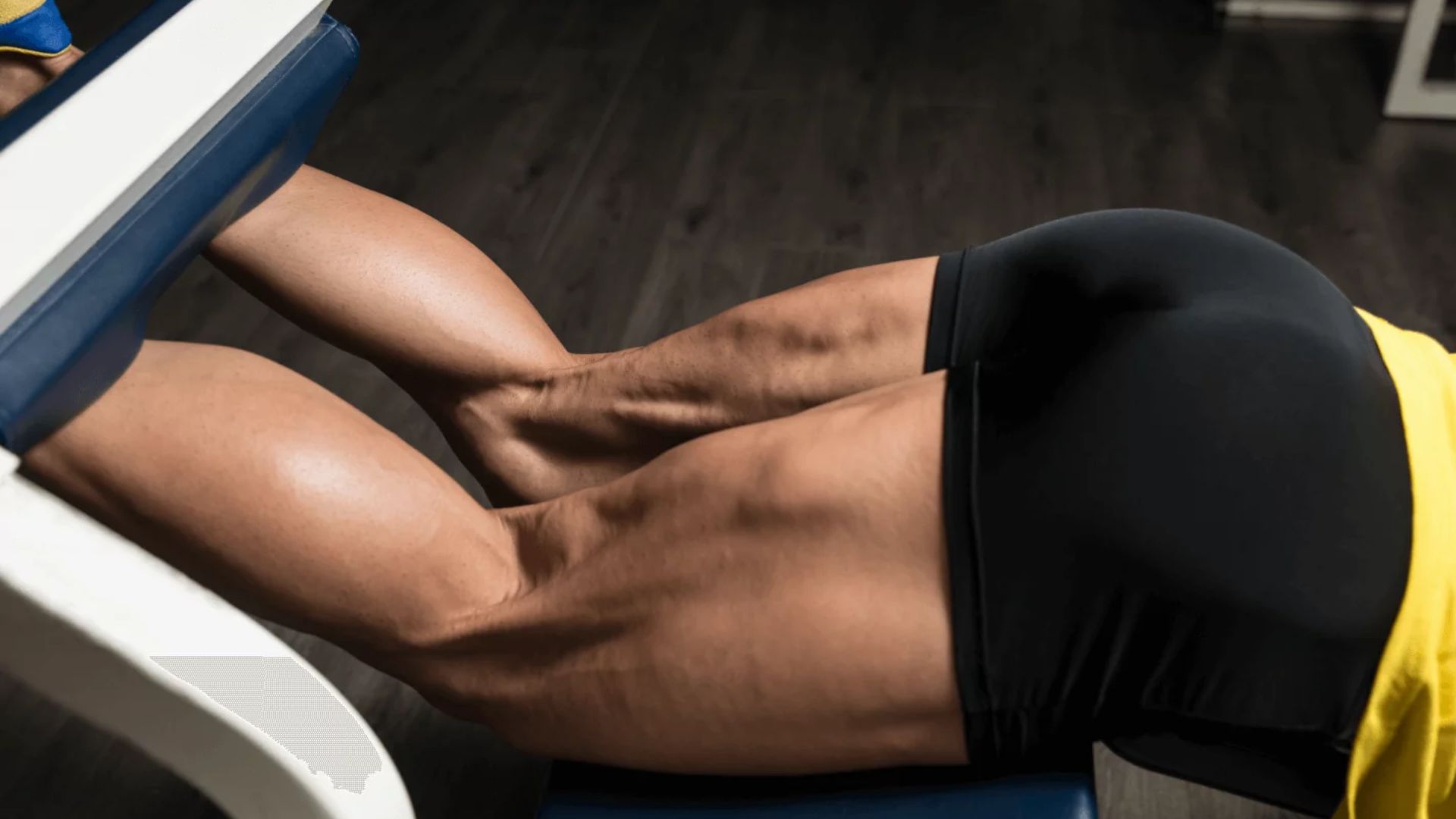
Your hamstrings help extend your hips. They work with your glutes to drive you upward. They also keep your knees stable during the lift.
The hamstrings get slightly less work than in a barbell deadlift. But they still grow strong. They balance out the quad work perfectly.
Glutes
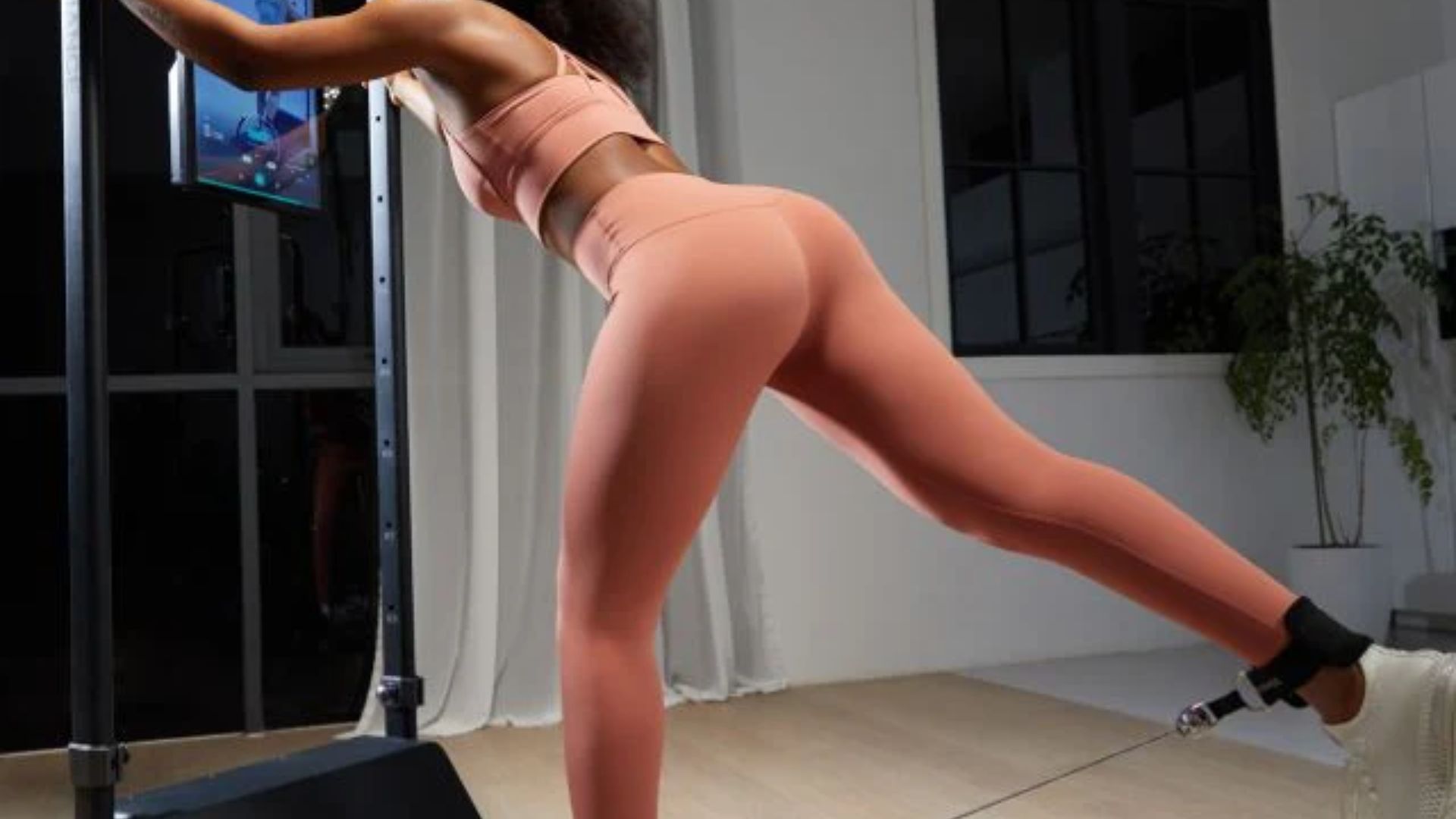
Your glutes are critical for this movement. They fire hard as you push your hips forward. This happens at the top of the lift.
Strong glutes mean a strong body. This exercise builds size and power in your butt muscles. Your athletic performance improves. Your lower back gets support.
Lower Back (Erector Spinae)
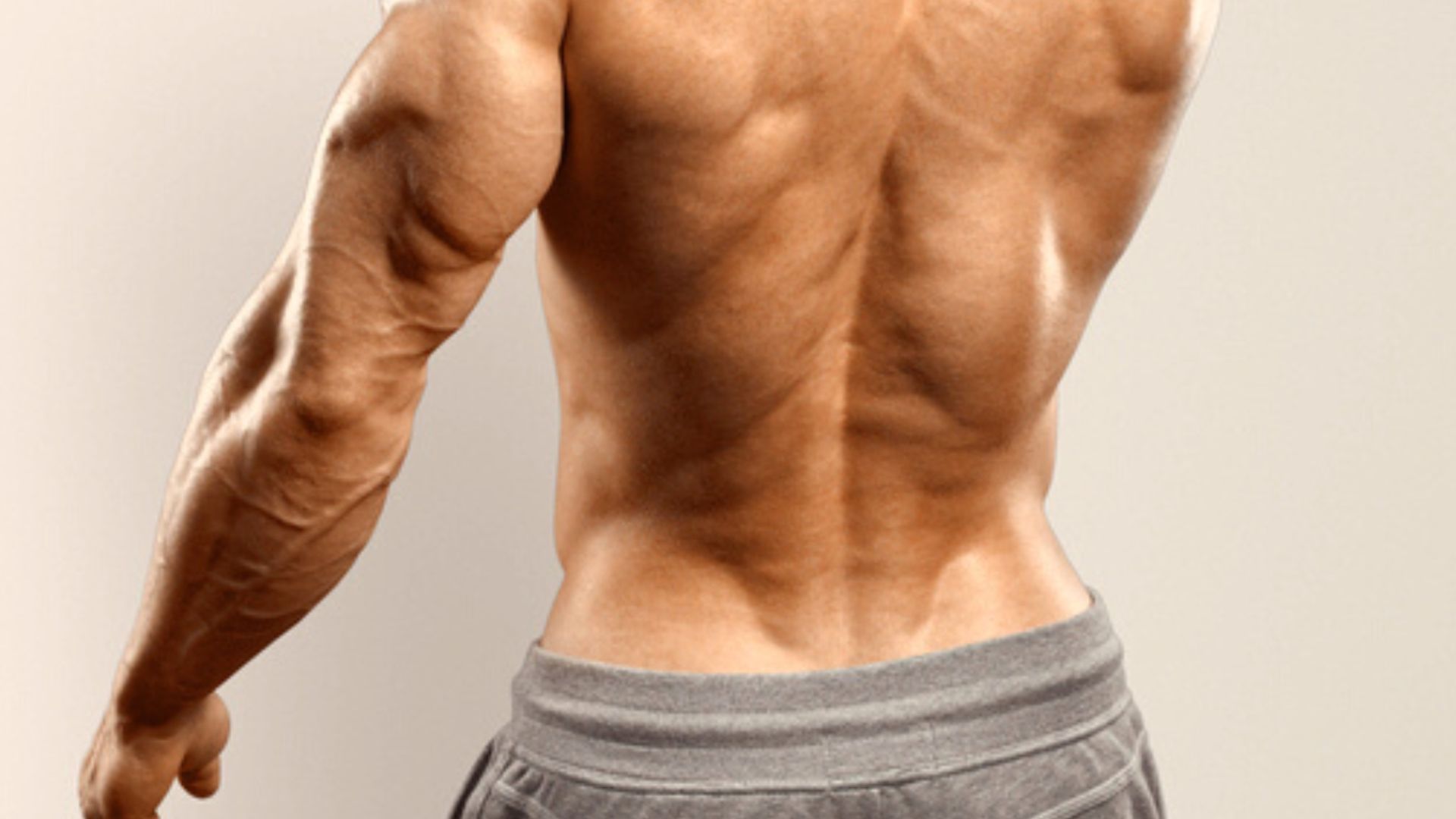
These muscles keep your spine straight. They work throughout the entire lift. But they don’t get strained like in other deadlifts.
The upright position protects your lower back. You still build strength there. But the risk of injury drops significantly. People with back issues can often do trap bar deadlifts when regular deadlifts hurt.
Upper Back (Trapezius)
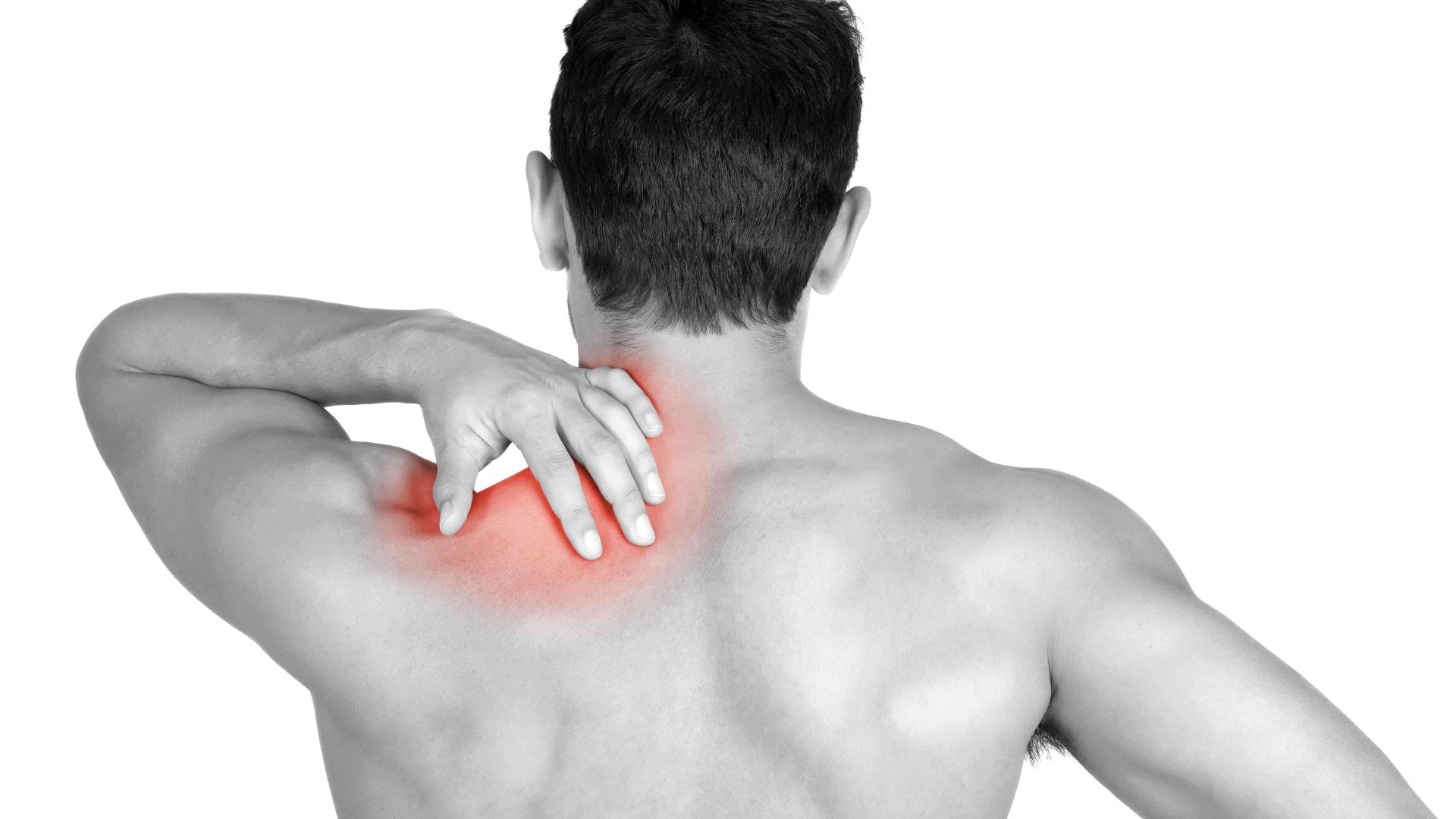
Your traps hold your shoulders back and down. They keep the bar stable as you lift. This builds thick, strong upper back muscles.
The neutral grip lets your traps work naturally. Your shoulders stay in a safe position. You avoid the shoulder strain that sometimes comes with barbell work.
Lats (Latissimus Dorsi)
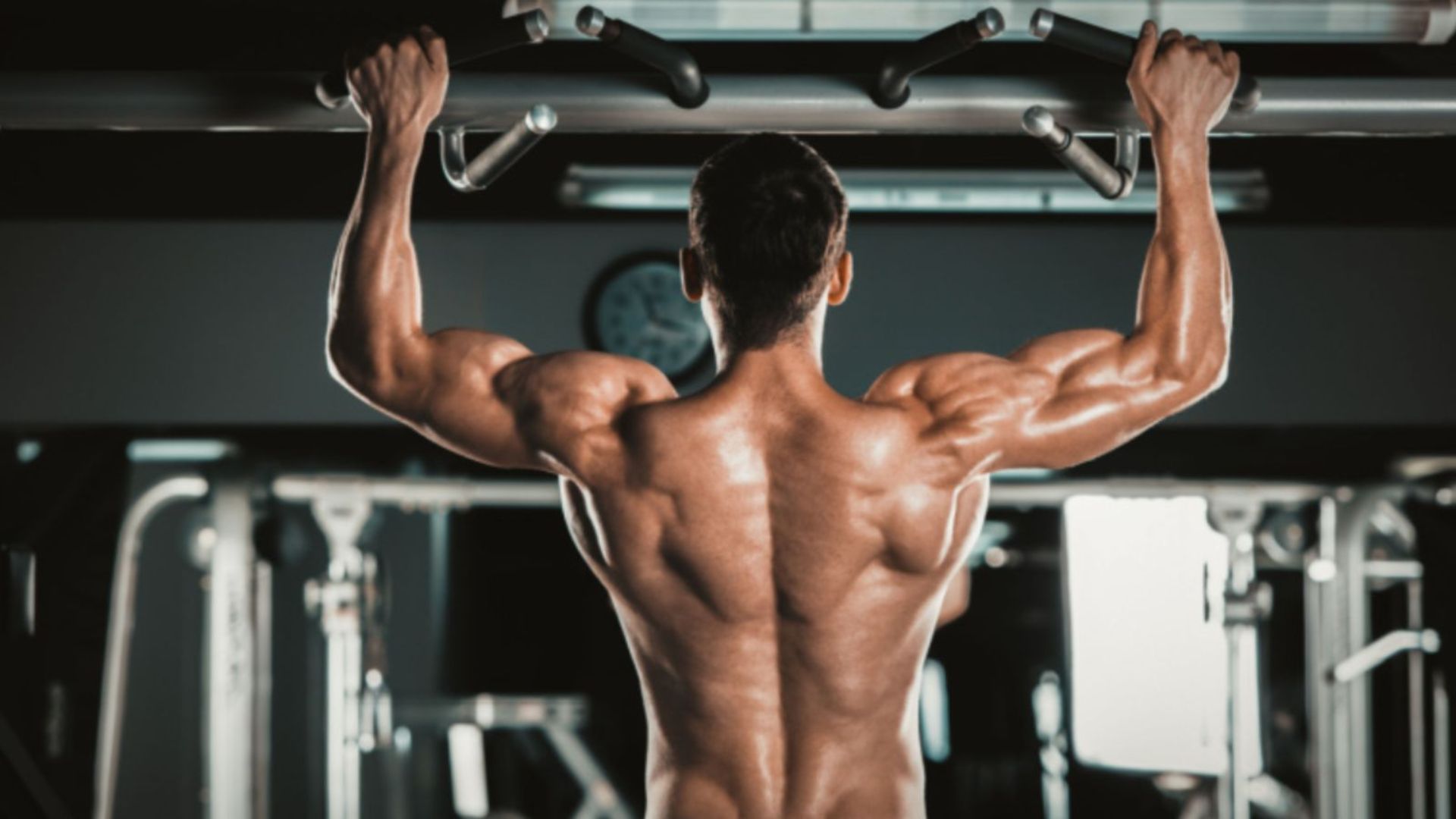
Your lats keep tension in your back. They pull your shoulders down and back. This creates a solid foundation for the lift.
Tight lats mean better form. They help you maintain the right position. They also grow from the constant tension. Your back gets wider and stronger.
Core Muscles

Your abs, obliques, and deep core muscles all fire. They keep your spine from moving. They maintain your posture under heavy weight.
A strong core is built here. Every rep trains your midsection. This strength transfers to other lifts and daily activities.
Forearms & Grip
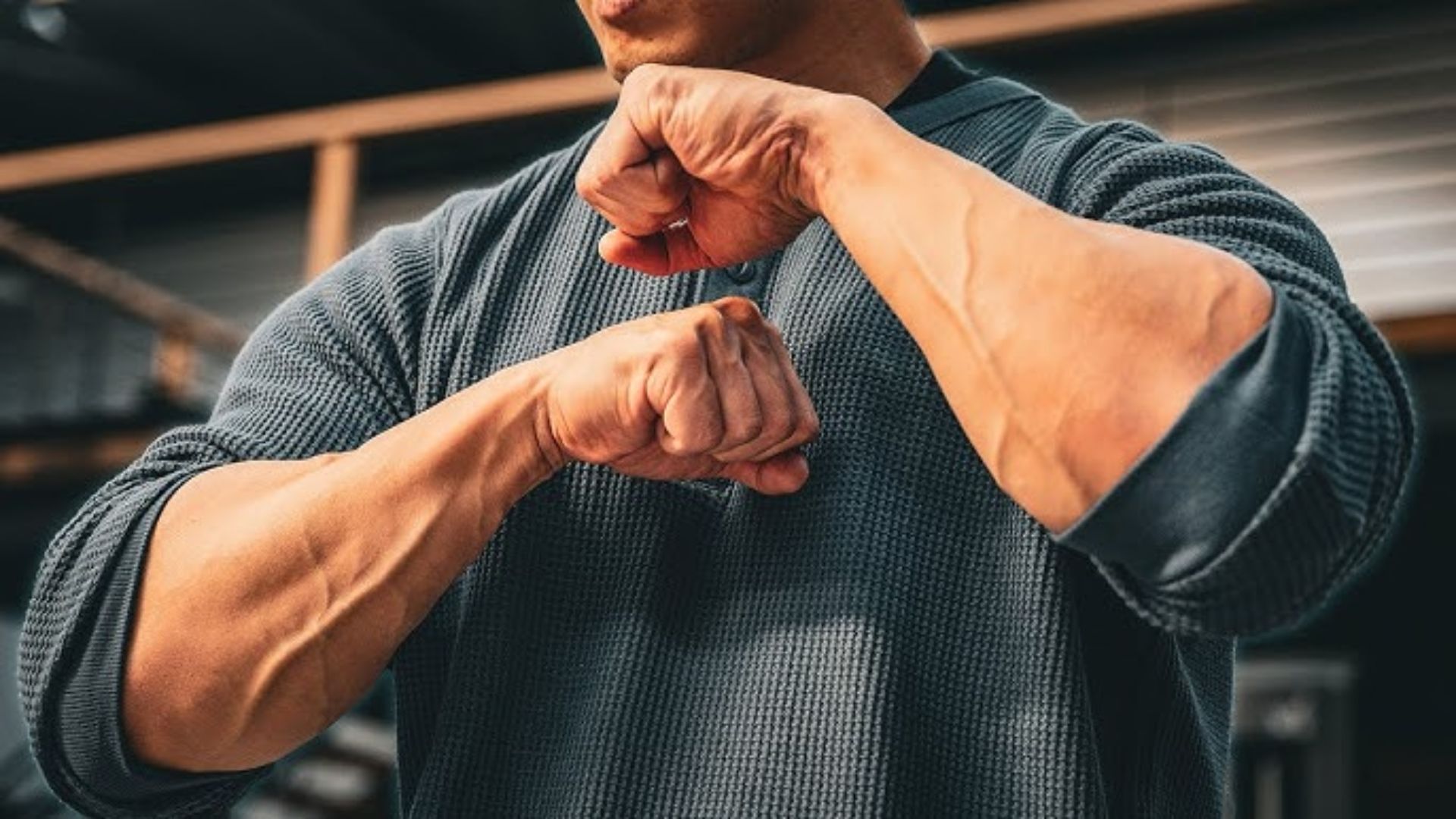
Your forearms squeeze hard to hold the bar. Heavy lifts challenge your grip strength. This improves your ability to hold weight in all exercises.
Your grip often limits other lifts. Training it here helps everywhere. Your hands and forearms get thick and strong.
Benefits of Trap Bar Deadlifts
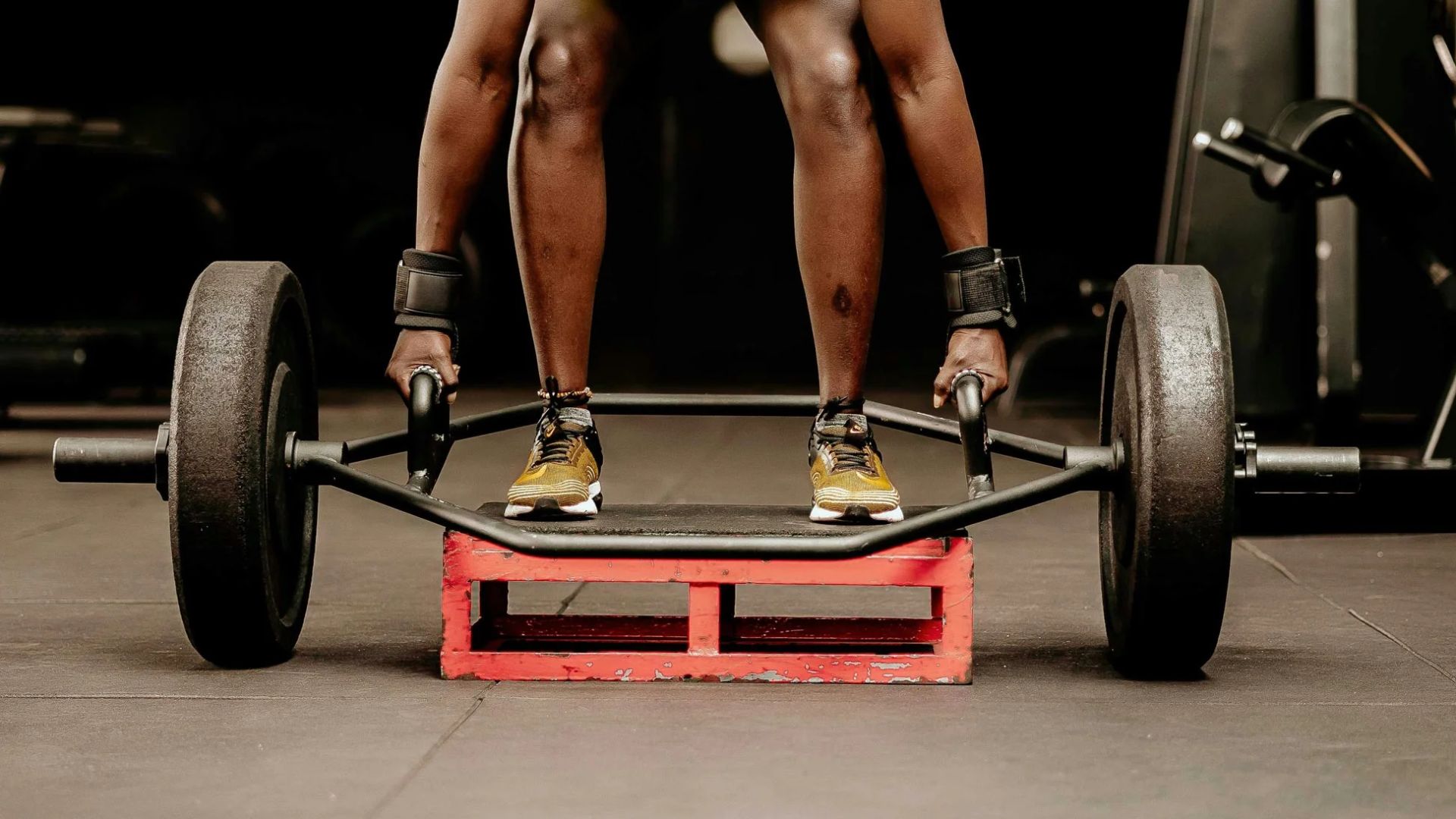
The trap bar deadlift builds strength safely, protects your back, improves posture, and works for both beginners and advanced lifters.
Safer for Your Back
The neutral grip keeps your spine aligned. You don’t bend forward as much. This reduces injury risk dramatically.
I’ve seen people with back pain switch to a trap bar. They can lift heavy again without hurting. The mechanics just work better for most bodies.
Better Quad Engagement
Your quads get hit harder than any other deadlift. This builds leg size and strength fast. If regular squats bother your knees, try this instead.
The movement complements hip-focused exercises perfectly. You get balanced leg development. Your knees and hips both get stronger.
Improved Posture and Stability
Your core and upper back activate together. This trains your body to stay upright. You develop better posture for daily life.
Standing tall becomes automatic. Your spine learns the right position. This prevents slouching and back pain.
How to Do a Trap Bar Deadlift?
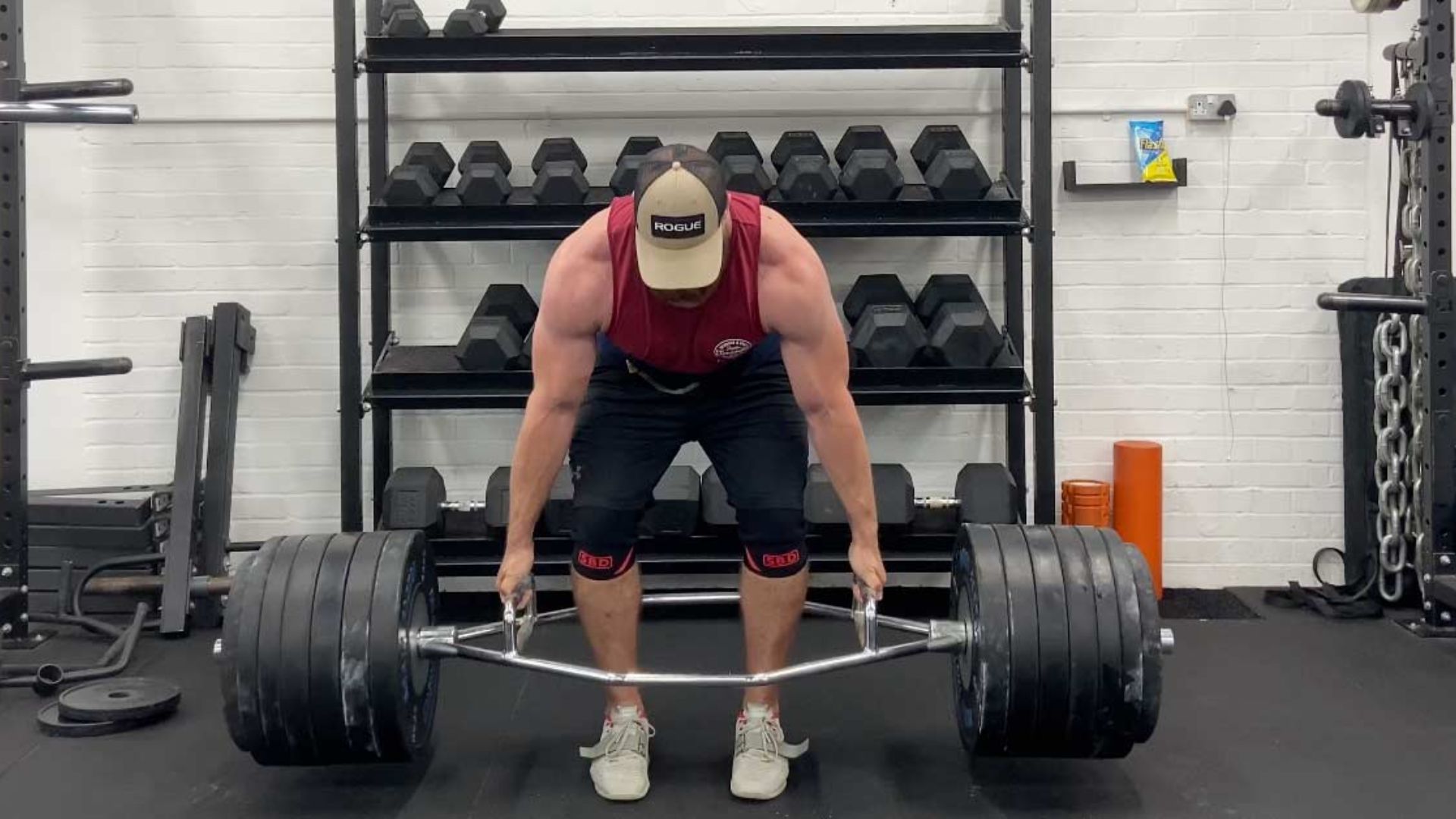
Stand inside the bar, grip the handles, brace your core, and push through your heels to stand up while keeping your back straight.
Step inside the trap bar with your feet hip-width apart. Point your toes slightly out. Bend down and grab both handles. Your shoulders should be directly over the handles. Lift your chest up, pull your shoulders back, and brace your core. Your back should feel tight and straight.
At the top, push your hips forward and squeeze your glutes hard. Stand tall but don’t lean back or arch your lower back.
Control the weight down with the same form you used going up. Keep your back neutral and your core braced. Lower until the weights touch the floor. Reset, take a breath, brace again, and repeat.
Safety Tips and Common Mistakes
Avoid these common errors to stay safe and lift more weight over time.
- Keep the bar close to your body and move it straight up and down. Letting it drift forward puts extra stress on your lower back and wastes energy.
- Stand tall at the top but don’t lean back or arch hard. Hyperextending your spine can cause injury. Just squeeze your glutes and stand straight.
- Adjust your foot position to fit your body. Some people need wider stances, others need narrow. Your knees should track over your toes without pain or pinching.
- Warm up with light weight or just the bar. Do 5-10 reps to practice your form and get your muscles ready before adding heavy loads.
- Add weight slowly and master each level first. Jump 10-20 pounds at a time. This prevents injury and builds steady strength gains.
Conclusion
The trap bar deadlift works your whole body while protecting your back. I use this lift with almost every client now. Your quads, glutes, hamstrings, and core all get stronger together.
The best part? You can lift heavy without the injury risk of regular deadlifts. Start light, focus on form, and add weight slowly. Your posture will improve and your strength will skyrocket.
Try adding trap bar deadlifts to your next workout. Drop a comment below and tell me how it goes. I’d love to hear about your progress.
Frequently Asked Questions
What muscles does the trap bar deadlift work most?
The trap bar deadlift works your quads, glutes, hamstrings, and core most. Your lower back, upper back, and grip also get strong.
Is a trap bar deadlift better than a regular deadlift?
For most people, yes. The trap bar is safer for your back, easier to learn, and builds more quad strength.
How often should I do trap bar deadlifts?
Train trap bar deadlifts 1-2 times per week. If you lift heavy, once per week is enough.
Can beginners do trap bar deadlifts?
Yes, beginners should start with trap bar deadlifts. The movement is easier to learn and safer than regular deadlifts.
How much weight should I use for trap bar deadlifts?
Start with just the bar or 95 pounds total. Add 5-10 pounds per session after practicing for 2-3 weeks.


