Thoracic mobility exercises can change how your back feels every single day. If you wake up stiff, sit at a desk for hours, or feel tightness between your shoulder blades, this guide is for you.
I have worked with people dealing with upper back pain for years, and I know how much a few simple exercises can help.
In this article, you will find out what thoracic mobility is, why it matters for your posture and daily life, and 9 step-by-step exercises to get you moving better.
Let's get into it.
What Are Thoracic Mobility Exercises?
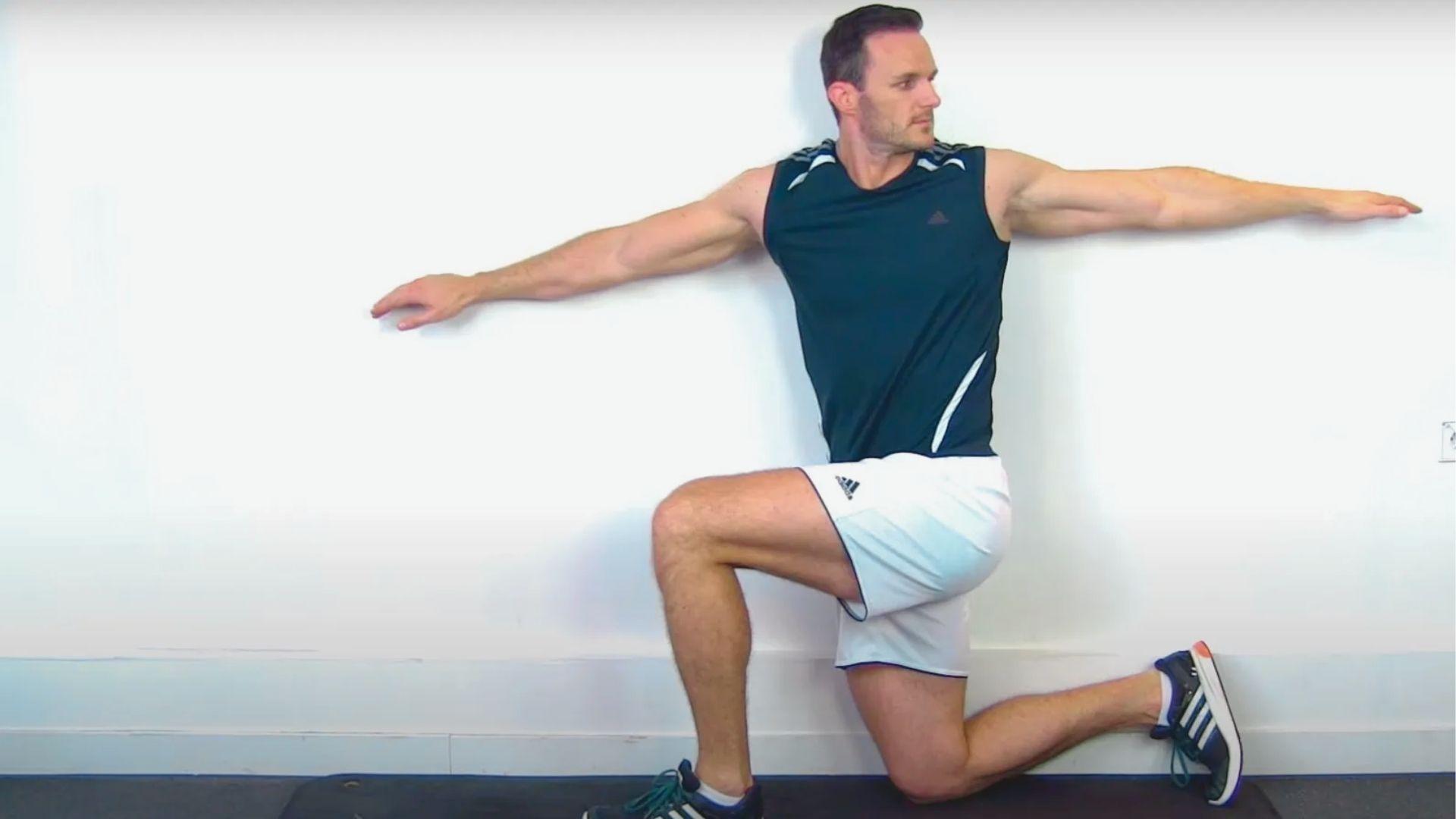
Thoracic mobility exercises help your mid-back move freely, reducing stiffness, improving posture, and supporting better movement in daily life.
Thoracic mobility exercises target the middle section of your spine, from the base of your neck to the bottom of your rib cage. This area is built to rotate, flex, and extend. When it stops moving well, your neck tightens, your lower back strains, and your shoulders round forward.
Poor mobility here affects your posture, breathing, and daily movement. Stiffness builds up slowly from prolonged sitting, screen time, weak back muscles, and lack of movement.
The good news is that consistent mobility work can fix most of this.
Benefits of Thoracic Mobility Exercises
Thoracic mobility exercises do more than just stretch your back. They improve how your whole body moves and feels every day.
Improved Posture and Spinal Alignment
When your thoracic spine moves well, your whole posture improves. Your shoulders sit back naturally. Your head lines up over your body. You stop hunching without even trying.
Poor thoracic mobility forces other parts of your spine to overwork. That leads to tension and pain. Regular movement here keeps everything in its right place.
Better Flexibility and Range of Motion
A stiff mid-back limits how far you can twist, reach, and bend. Thoracic mobility exercises increase how much your upper spine can move.
Over time, everyday tasks like reaching overhead or turning to check traffic become much easier.
Reduced Upper and Middle Back Pain
Stiffness in the thoracic spine often shows up as pain between the shoulder blades. Many people feel it after long hours at a desk.
Targeted mobility work loosens tight joints and muscles. It reduces that nagging ache that builds up through the day.
Easier Breathing and Rib Cage Movement
Your ribs attach to your thoracic spine. When that area is stiff, your rib cage cannot expand fully. This limits how deeply you can breathe.
Improving thoracic mobility gives your lungs more room. You breathe more freely and feel less tight in your chest.
Better Performance During Workouts and Daily Activities
Whether you lift weights, play sports, or just want to move without pain, thoracic mobility matters. It helps you rotate, push, pull, and lift with better form.
Your shoulders and hips work better when your mid-back is doing its job.
Signs You May Need Thoracic Mobility Exercises
Not sure if this is for you? Here are some clear signs your thoracic spine needs more attention.
Stiff Upper Back

If your upper back feels tight when you wake up or after sitting, that is a sign. A healthy thoracic spine should move freely.
Stiffness here means the joints and muscles are not moving as they should.
Rounded Shoulders and Poor Posture

Rounded shoulders are one of the most common signs of thoracic stiffness. When the mid-back cannot extend well, the shoulders fall forward.
This is something you can actually fix with consistent mobility work.
Neck or Shoulder Tension

Tight upper traps and a sore neck are often linked to a stiff thoracic spine. When the mid-back does not rotate or extend, the neck takes on extra work.
This leads to tension headaches and soreness around the shoulders.
Limited Twisting or Reaching Movement

Try turning your upper body to look behind you. If it feels restricted or one side is much tighter than the other, your thoracic mobility needs work.
Limited rotation is a common sign that the joints are stiff.
Pain After Sitting for Long Periods

Sitting for hours compresses the thoracic spine. If you feel pain or stiffness after long desk sessions, your body is telling you it needs movement.
This is one of the most common issues in people who work office jobs.
Before You Start Thoracic Mobility Exercises

A little preparation goes a long way. These tips will help you get better results and avoid injury.
Warm-Up Recommendations
Never go straight into deep stretches cold. Spend 3 to 5 minutes warming up first. Light walking, arm circles, or gentle shoulder rolls work well.
A warm body responds better to mobility work and reduces the risk of straining a muscle.
Breathing and Core Engagement Tips
Breathing is not just something that happens in the background. It is part of the exercise. Inhale to prepare. Exhale as you move into a stretch or rotation. This helps your body relax deeper into the movement.
Lightly engage your core during exercises. This protects your lower back and keeps the movement focused on the thoracic spine.
How Often to Perform These Exercises
Aim for at least 3 to 5 sessions per week. Daily practice gives even better results. You do not need long sessions. Even 10 to 15 minutes done consistently makes a real difference over time.
Safety Tips and Common Mistakes to Avoid
- Do not force a stretch. Move to the edge of comfort, not into pain.
- Keep the lower back relaxed. The movement should come from the mid-back, not the lumbar spine.
- Go slowly. Rushing through exercises reduces their effectiveness.
- Stop if you feel sharp pain. Discomfort is okay. Sharp or sudden pain is not.
9 Thoracic Mobility Exercises Step by Step
Here are 9 exercises that target the thoracic spine directly.
1. Cat-Cow Stretch
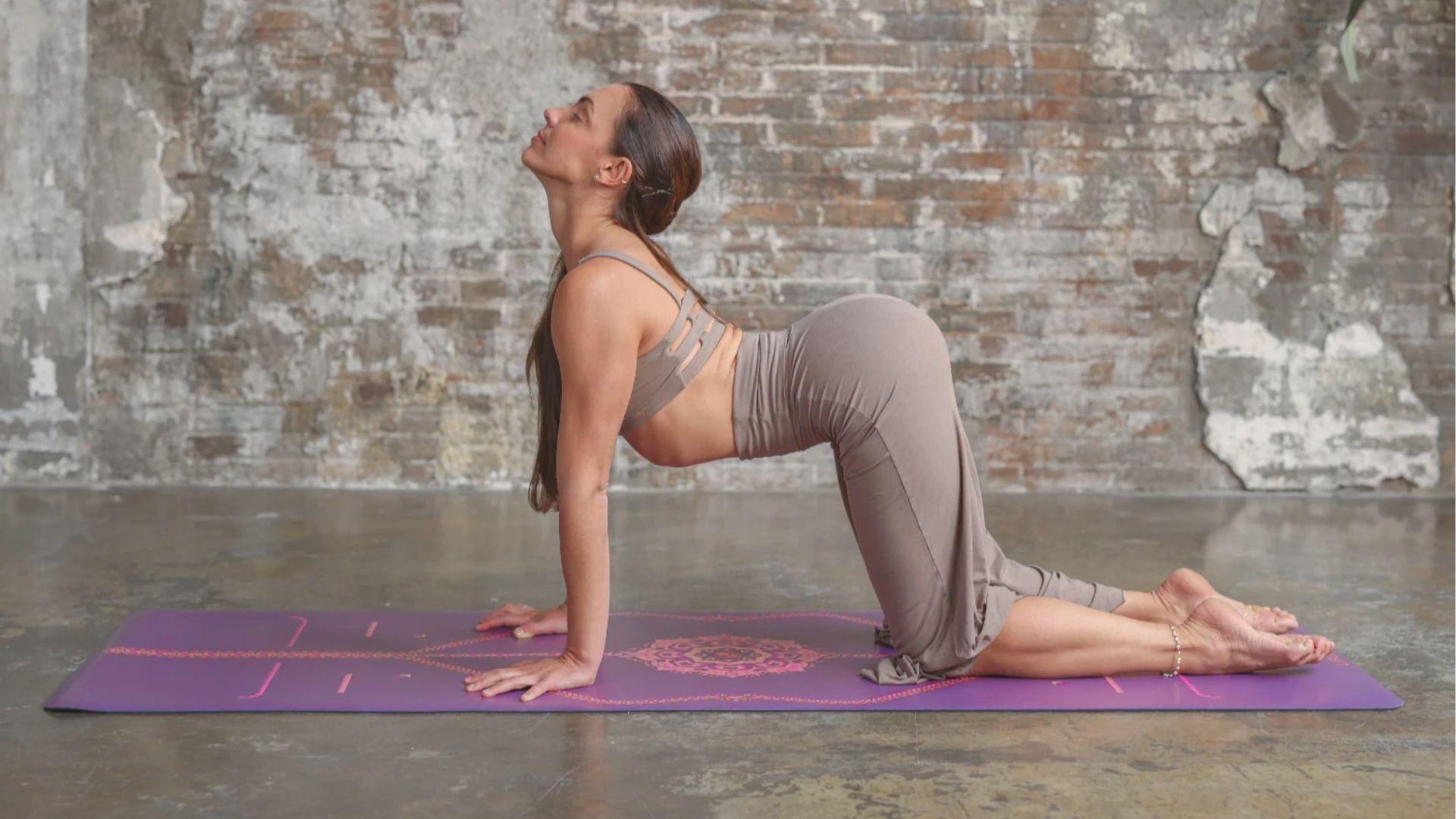
Step-by-step instructions:
- Start on hands and knees, wrists under shoulders.
- Inhale and drop your belly toward the floor. Lift your head and tailbone. This is Cow.
- Exhale and round your spine up. Tuck your chin and pelvis. This is Cat.
- Move slowly between both positions. Do 8 to 10 reps.
Benefits for spinal flexion and extension: Warms up the thoracic joints, reduces stiffness, and improves spinal movement in both directions.
Beginner modification: Do it seated in a chair with hands on your knees if wrists hurt.
2. Thread the Needle

How to perform the movement correctly:
- Start on all fours.
- Slide your right arm under your left arm, palm up.
- Lower your right shoulder and ear toward the floor.
- Hold 20 to 30 seconds. Switch sides.
Tips for improving thoracic rotation: Rotate from your mid-back, not your arm. Keep hips over knees. Breathe into the stretch for a deeper rotation.
Common form mistakes:
- Hips shifting to one side
- Forcing rotation from the shoulder
- Holding your breath
3. Child's Pose

Proper positioning and breathing cues:
- Kneel and sit back toward your heels.
- Extend arms forward, palms down, forehead on the floor.
- Breathe slowly. Hold for 30 to 60 seconds.
How it stretches the thoracic spine: Lengthens and decompresses the upper and mid-back. Great after long periods of sitting.
Modification for tight hips or knees: Place a folded blanket under your knees or widen them for comfort.
4. Downward-Facing Dog

Steps to improve upper back extension:
- From all fours, press palms into the floor and lift your hips up.
- Straighten legs as much as comfortable.
- Press your chest gently toward your thighs. Hold for 5 breaths. Repeat 3 to 5 times.
Shoulder and thoracic mobility benefits: Opens the thoracic spine and shoulders together. Reduces upper body tightness.
Beginner-friendly variation: Keep a slight knee bend. Or place hands on a wall at hip height and hinge forward instead.
5. Seated Thoracic Rotation
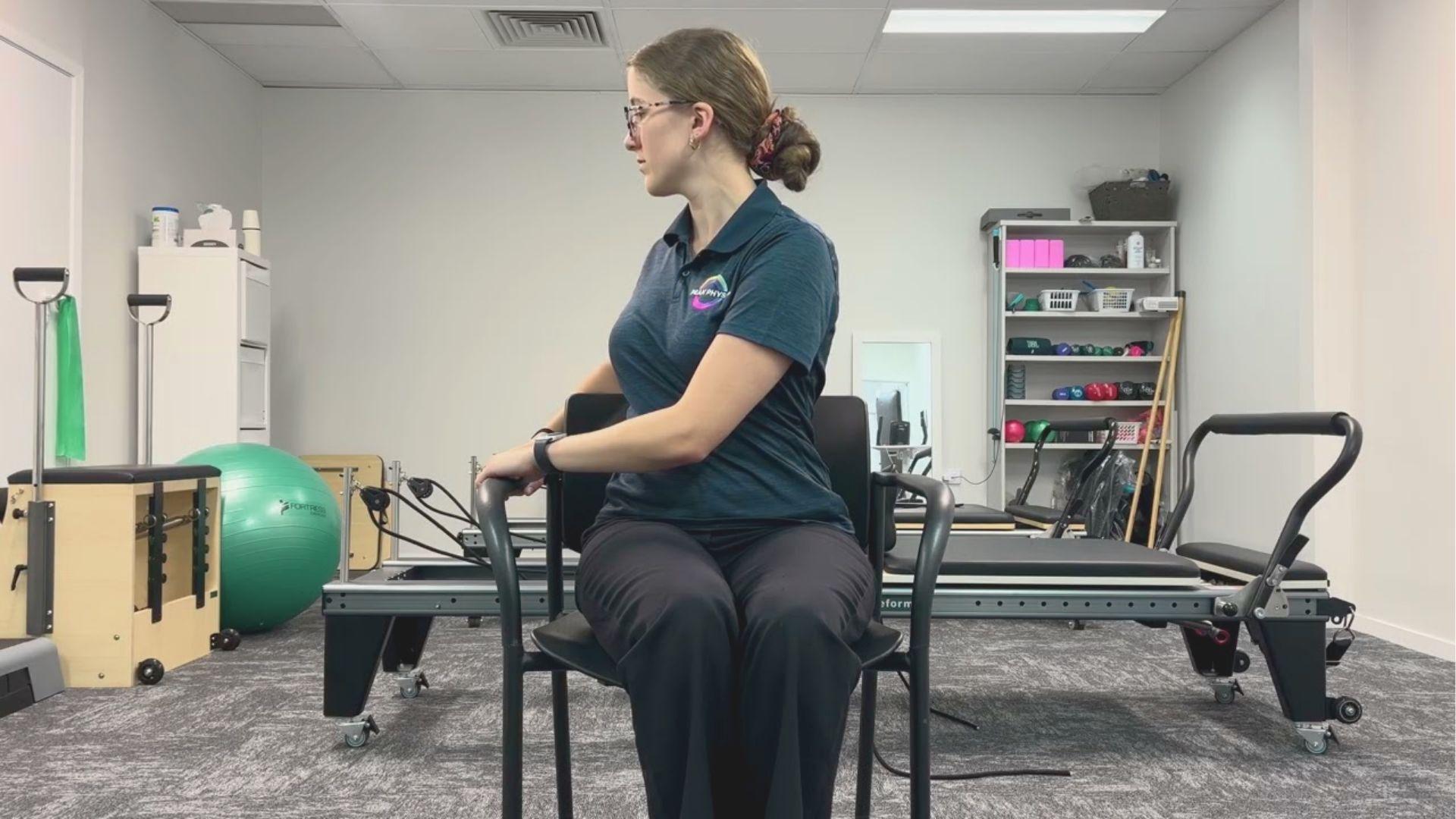
How to rotate safely through the upper spine:
- Sit tall in a chair or cross-legged on the floor.
- Right hand behind your head, left hand on your right knee.
- Rotate your upper body to the right. Keep hips still.
- Hold 2 to 3 seconds. Return to center. Do 8 to 10 reps per side.
Tips for keeping the lower back stable: Engage your core before rotating. Turn from your ribs only, not your hips.
Best times to use this exercise: During desk breaks or as a warm-up before upper body workouts.
6. Foam Roller Thoracic Extension

Correct foam roller placement:
- Place the roller horizontally on the floor.
- Lower your mid-back onto it, hands behind your neck.
- Knees bent, feet flat on the floor.
How to mobilize stiff thoracic segments: Extend your upper back over the roller slowly. Breathe out as you extend. Shift up and down to target tight spots.
Safety precautions: Keep the roller between your shoulder blades and the base of your neck only. Never roll the lower back or neck.
7. Open Book Stretch

Step-by-step rotation movement:
- Lie on your side, knees bent and stacked.
- Arms extended in front at shoulder height, palms together.
- Exhale and rotate your top arm back, opening your chest toward the ceiling.
- Hold 2 to 3 seconds. Return slowly. Repeat 8 to 10 times per side.
Benefits for chest and upper back mobility: Targets thoracic rotation and opens the chest. One of the best moves for reversing the effects of prolonged sitting.
Breathing techniques for deeper stretches: Exhale fully as you rotate. This relaxes the rib cage and allows a little more range each time.
8. Wall Angels
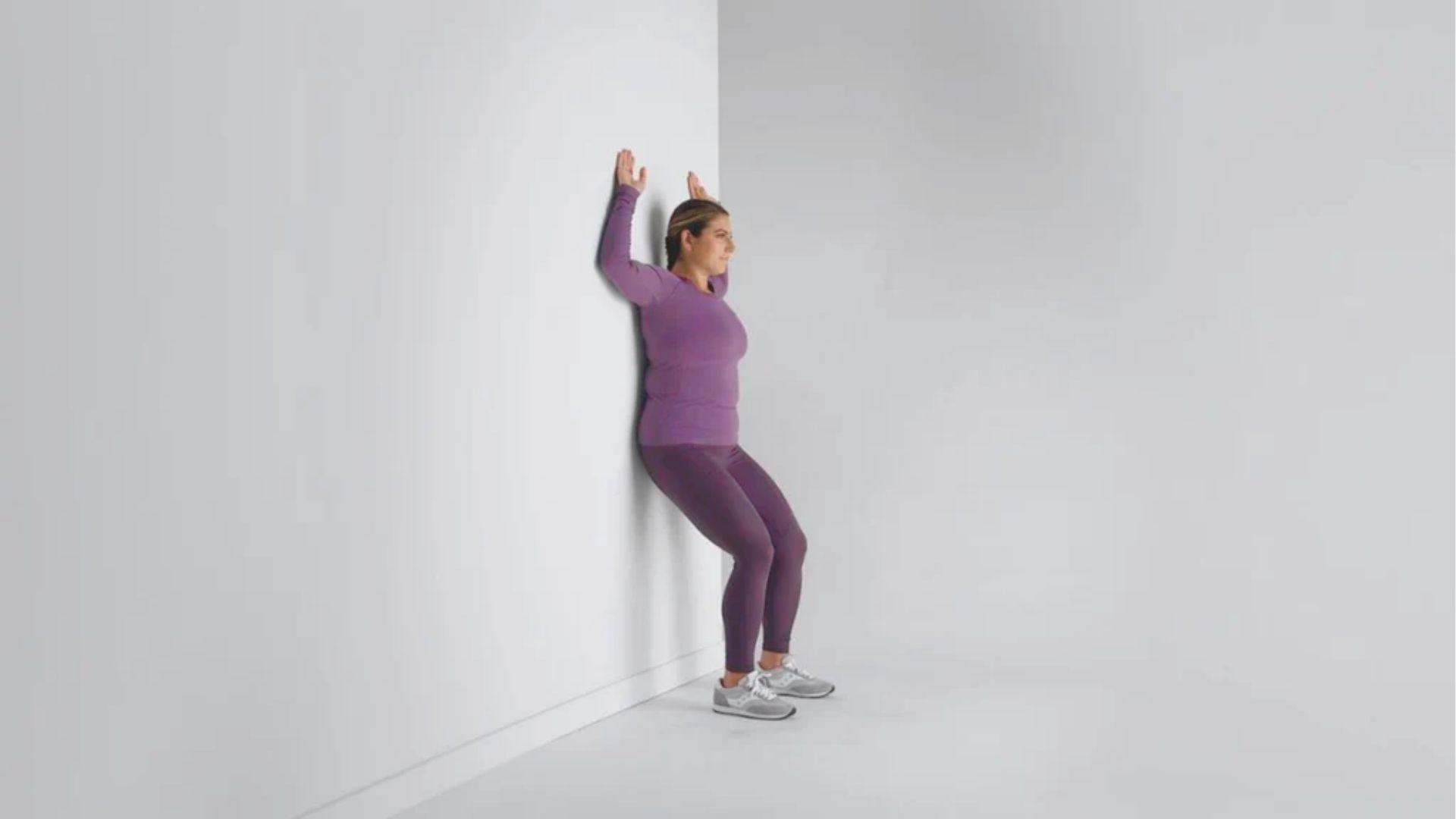
How to improve posture and shoulder mobility:
- Stand with your back flat against a wall, feet a few inches out.
- Press lower back, upper back, and head against the wall.
- Arms at shoulder height, elbows at 90 degrees, backs of hands on the wall.
- Slowly slide arms up and back down. Repeat 10 times.
Key alignment tips: Keep your entire back in contact with the wall. If your lower back lifts, reduce your range of motion.
Common errors to avoid:
- Lower back arching away from the wall
- Elbows or wrists losing contact
- Shoulders shrugging up
9. Scapular Squeeze

Proper shoulder blade engagement:
- Sit or stand tall, shoulders rolled back and down.
- Squeeze your shoulder blades together. Hold 3 to 5 seconds.
- Release slowly. Repeat 10 to 15 times.
How it supports thoracic posture: Activates the muscles between your shoulder blades. Supports upright posture and reduces forward shoulder rounding.
Easy desk-friendly variation: Do this sitting at your desk with no equipment. Aim for 2 to 3 sets throughout your workday.
Common Mistakes During Thoracic Mobility Exercises
Avoiding these mistakes will help you get better results and protect your spine during every session.
- When the thoracic spine is stiff, the lower back often tries to take over the movement. Keep your core lightly engaged to stop excessive arching at the lumbar spine.
- Rushing through mobility exercises reduces how much benefit you actually get from them. Your nervous system needs time to register new ranges of motion, so move slowly and with control.
- Holding your breath creates tension in your muscles and works against the stretch you are trying to achieve. Breathe steadily throughout and exhale during the hardest part of each movement.
- Some mild discomfort during stretching is normal and part of the process. Sharp, shooting, or nerve-like pain is not, so stop immediately and check your form or speak with a health professional.
- Going straight into deep mobility work without warming up puts unnecessary stress on cold joints. Spend at least 3 to 5 minutes doing light movement before you start.
Sample Thoracic Mobility Routine for Beginners

You do not need a long routine to see results. Consistency matters more than duration.
5-Minute Daily Mobility Flow
Here is a simple flow you can do every day:
Cat-Cow Stretch: 1 minute
Thread the Needle:30 seconds per side
Open Book Stretch: 30 seconds per side
Scapular Squeeze:1 minute
Child's Pose: 1 minute
This covers flexion, extension, and rotation in just 5 minutes.
Recommended Sets and Repetitions
For most exercises, 2 to 3 sets of 8 to 10 repetitions works well for beginners. For holds, aim for 20 to 30 seconds per side. As your mobility improves, you can increase reps or hold times gradually.
Morning vs Evening Routine Tips
Morning: Focus on dynamic movements like Cat-Cow and Seated Rotation. These warm up the spine and prepare your body for the day.
Evening: Use slower, held stretches like Child's Pose and Open Book. These help your body wind down and release the tension built up through the day.
Tips to Improve Thoracic Mobility Faster
Small daily habits outside your exercise routine can make a big difference in how quickly your thoracic mobility improves.
- Sitting still for hours undoes the work you put in during your sessions. Set a timer to stand and move every 30 to 45 minutes to keep your spine from stiffening back up.
- Long hours at a desk are one of the biggest contributors to thoracic stiffness over time. If you cannot avoid sitting, invest in a supportive chair and try a standing desk even part-time.
- A foam roller, mobility ball, or thoracic extension device can support your progress between sessions. Use them consistently as maintenance tools, not just when pain shows up.
- Mobility without supporting strength does not hold for long. Pair your stretches with exercises like rows, face pulls, and prone Y-T-W movements to keep the thoracic spine stable and aligned.
- Doing 10 minutes every day will always outperform a one-hour session once a week. Short, regular practice builds lasting mobility far better than sporadic effort.
Conclusion
Taking care of your thoracic spine is one of the best things you can do for your body. I started doing these exercises myself after years of desk work left me with constant upper back tension. A few minutes a day genuinely made a difference.
Start small. Pick two or three exercises from this guide and do them daily this week. You will feel the difference sooner than you think.
If this helped you, leave a comment below and share your experience. Share this post with someone who needs it. You can also check out our related guides on posture and back pain for more support.
Frequently Asked Questions
How long does it take to see results from thoracic mobility exercises?
Most people feel some improvement within 2 to 3 weeks. Consistent daily practice gives the best results over time.
Can I do thoracic mobility exercises every day?
Yes, you can. These exercises are gentle enough for daily use. Just avoid pushing through any sharp pain.
Do thoracic mobility exercises help with neck pain?
They often do. A stiff mid-back puts extra stress on the neck. Improving thoracic mobility can reduce that tension.
Is a foam roller necessary for thoracic mobility?
No. Most exercises in this guide need no equipment. A foam roller helps but is not required to make progress.
Are these exercises safe for people with herniated discs?
Most are gentle and low-risk. Still, check with your doctor or physiotherapist first before starting any new exercise routine.