Your calves always feel tight when you get out of bed in the morning. Your ankles don’t bend like they used to. You stretch before workouts, but the stiffness keeps coming back.
Here’s something that actually helps. A slant board is just a wedge you stand on, but it changes how you stretch. This article shows you exactly how it improves flexibility in your lower body and why physical therapists recommend it. You’ll get practical tips you can use today.
I’ve tested different stretching tools over the years, and this one keeps proving itself. It’s simple, it makes sense, and it works. You’re looking for something real that solves your problem. Let’s talk about how slant boards do exactly that.
What Is a Slant Board and How Does It Work?
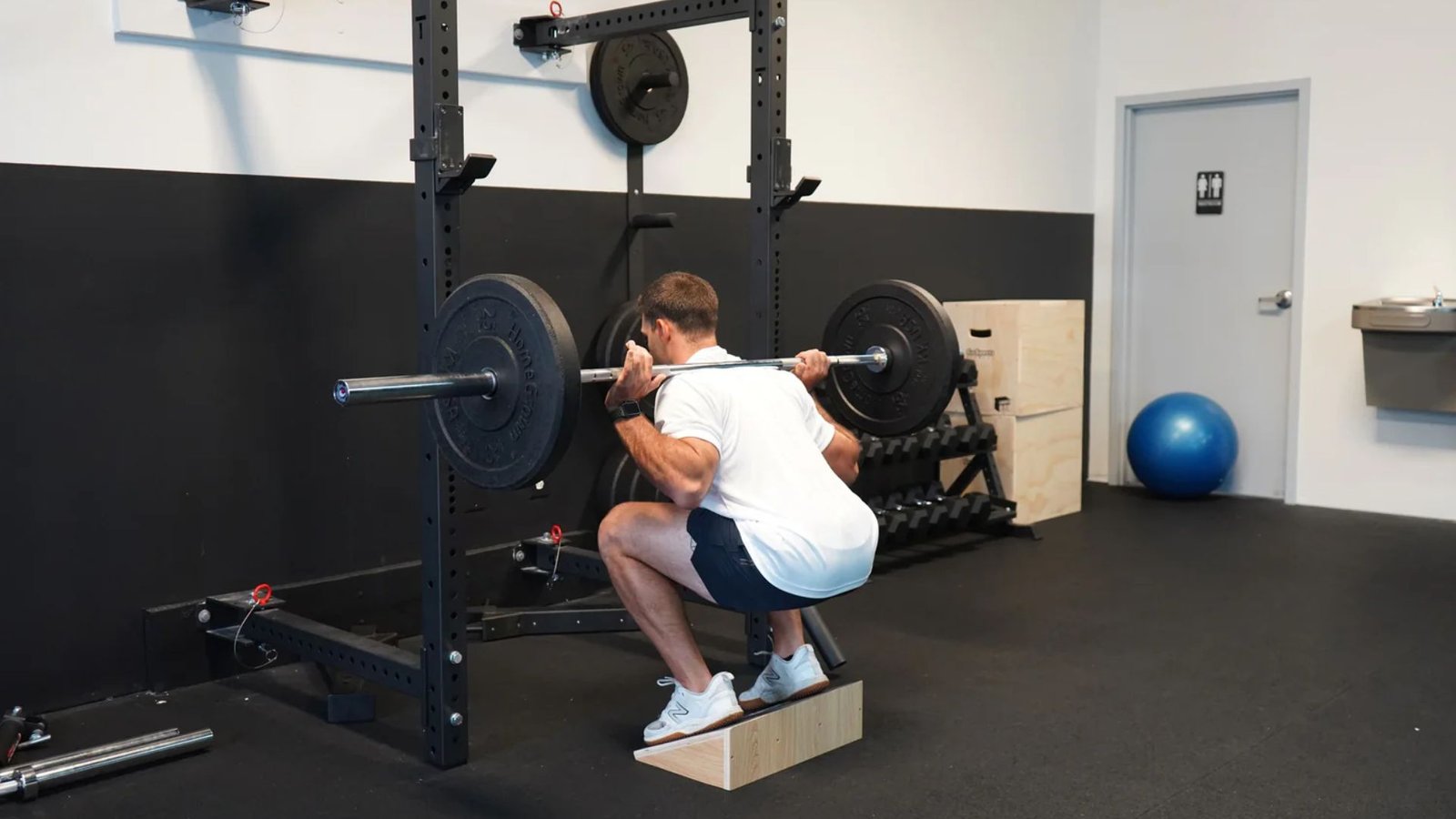
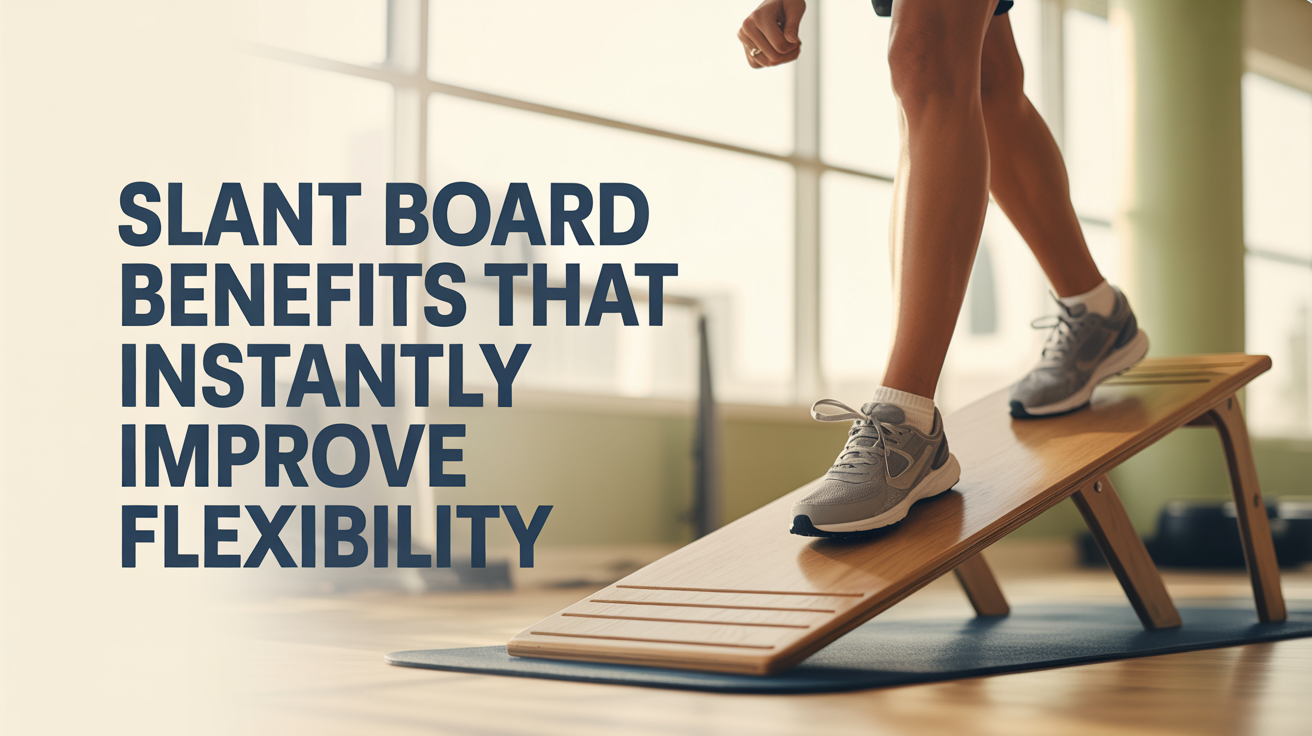
A slant board is simpler than you think. It’s just a wedge-shaped platform that tilts at an angle. You stand on it to stretch or exercise.
Definition and Design
A slant board is a sturdy, angled platform designed for lower-body work. Most boards tilt between 15° and 30°. The angle changes how your body moves and stretches.
You’ll find them made from different materials. Wood boards feel solid and last forever. Metal ones adjust to different angles. Foam versions are lighter and easier to move around. The incline does something important: it shifts your weight forward and makes your muscles work differently than they do on flat ground.
How It Affects Movement
Here’s what happens when you stand on a slant board:
- Your heels sit higher than your toes
- Your ankles don’t need to bend as far forward
- You can squat deeper without losing balance
- Your posture naturally improves
This heel elevation is the key. It reduces the demand on your ankle flexibility. Suddenly, you can drop into positions that felt impossible before.
The biomechanics shift in your favor. Your quads activate more intensely. Your knees track better over your toes. Your calves get a serious stretch they rarely experience. I’ve watched people squat deeper on their first try with a slant board than they ever could flat-footed. The incline gives you controlled movement and a better range of motion without forcing anything.
Top Slant Board Benefits

Using a slant board might seem simple, but the results speak for themselves.
- Improves Flexibility and Range of Motion: Elevating your heels stretches tight calves, hamstrings, and lower back for deeper squats and smoother movement. Regular use enhances long-term joint health and natural flexibility.
- Enhances Knee Health and Stability: Strengthens the VMO and muscles around your knee, making knees-over-toes movements safer. Perfect for rehab, prehab, and reducing knee pain or injury risk.
- Builds Lower Body Strength: The incline creates extra resistance that activates quads, glutes, hamstrings, and calves harder. Athletes use this for explosive power, but anyone can feel the difference in strength.
- Boosts Balance and Postural Alignment: Sharpens your body awareness (proprioception) and keeps your torso upright during squats. Fixes compensations caused by poor ankle or hip mobility.
- Aids in Injury Prevention and Recovery: Distributes load evenly across joints, reducing strain during exercises. Supports controlled rehab and prevents shin splints, plantar fasciitis, and Achilles tendonitis.
- Increases Exercise Efficiency: Allows deeper, more effective squats, lunges, and calf raises that target underused muscles. Works for beginners and advanced athletes looking to progress.
- Delivers Measurable Results Fast: You’ll notice improved form, reduced pain, and better performance within weeks. One simple tool transforms how your lower body moves and feels.
Popular Slant Board Exercises for Flexibility
Ready to put your slant board to work?
Slant Board Squats
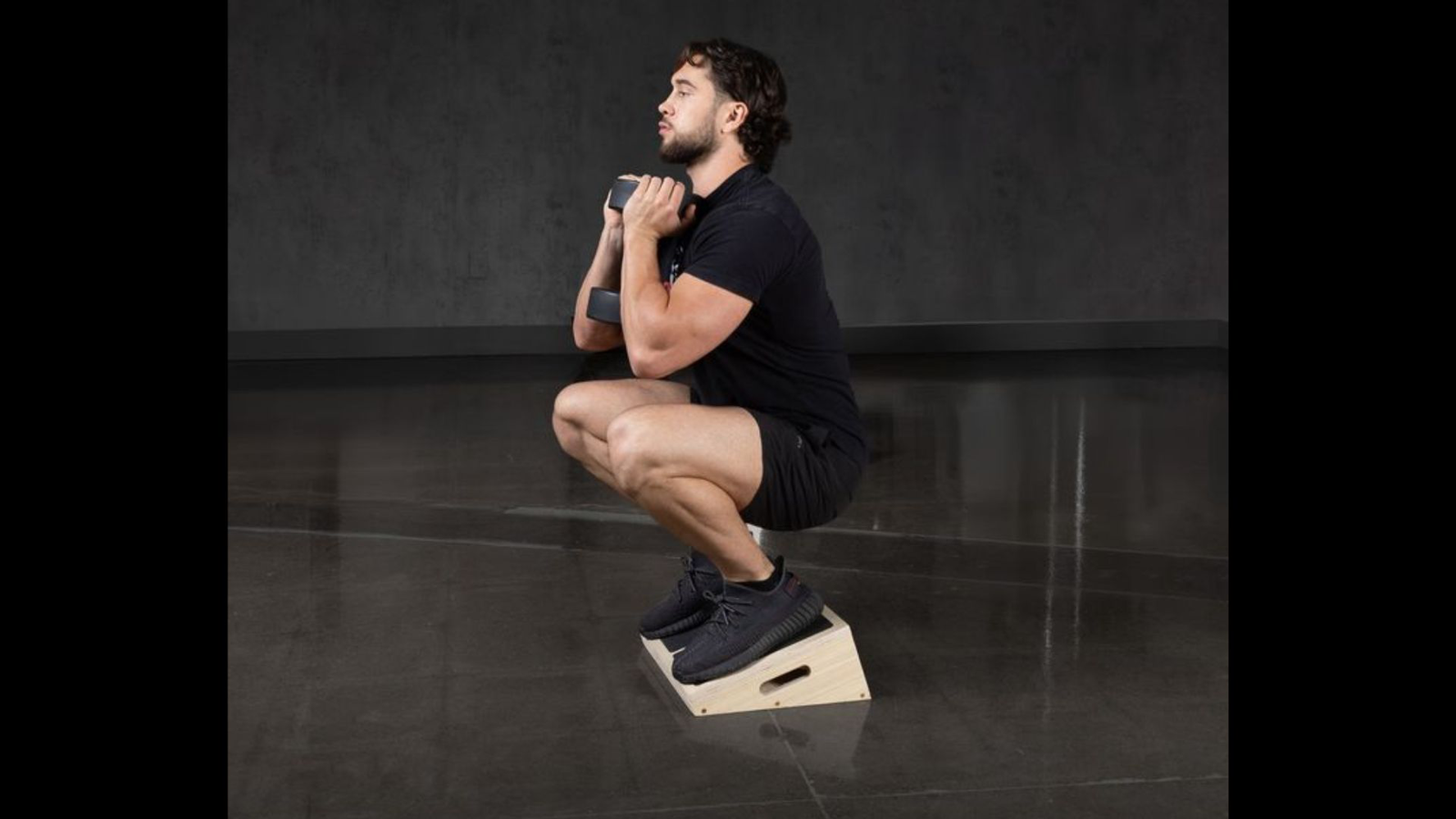
Your quads will fire like never before. The incline lets you squat deeper while keeping your torso upright. Your knees get stronger.
Your mobility improves with every rep. The slant board changes the angle of your ankle. This means you can sit lower without your heels lifting off.
Most people feel it immediately. The burn is different. More focused. More effective. Your knees track forward safely while your muscles do all the work.
ATG Split Squats
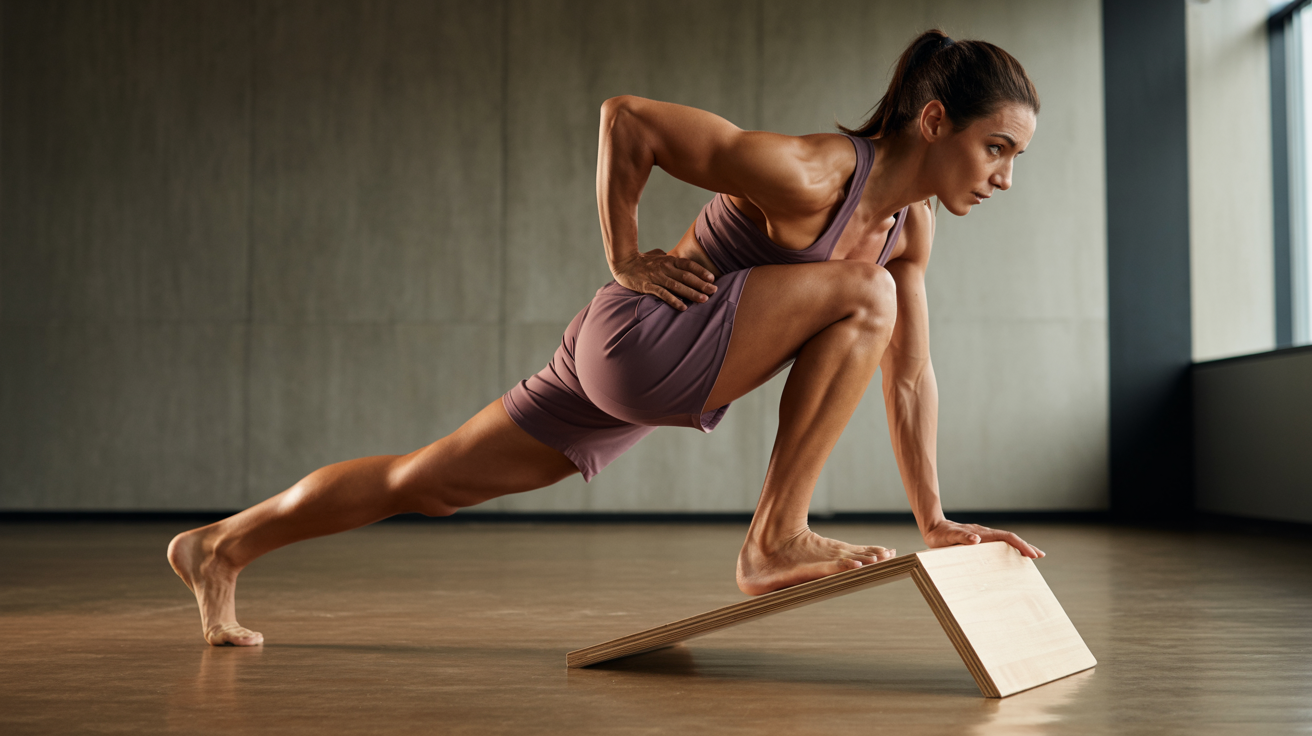
ATG stands for “ass to grass”, and yes, you’ll go deep. This move encourages controlled knee travel while opening up your hips. Your lower body gains flexibility and rock-solid stability.
You’ll lower yourself until your back knee touches the ground. Gently. Controlled. No bouncing or crashing down.
The magic happens in that deep position. Your hip flexors stretch. Your quads strengthen. And your knees? They learn to handle a wide range of motion safely.
Calf Raises
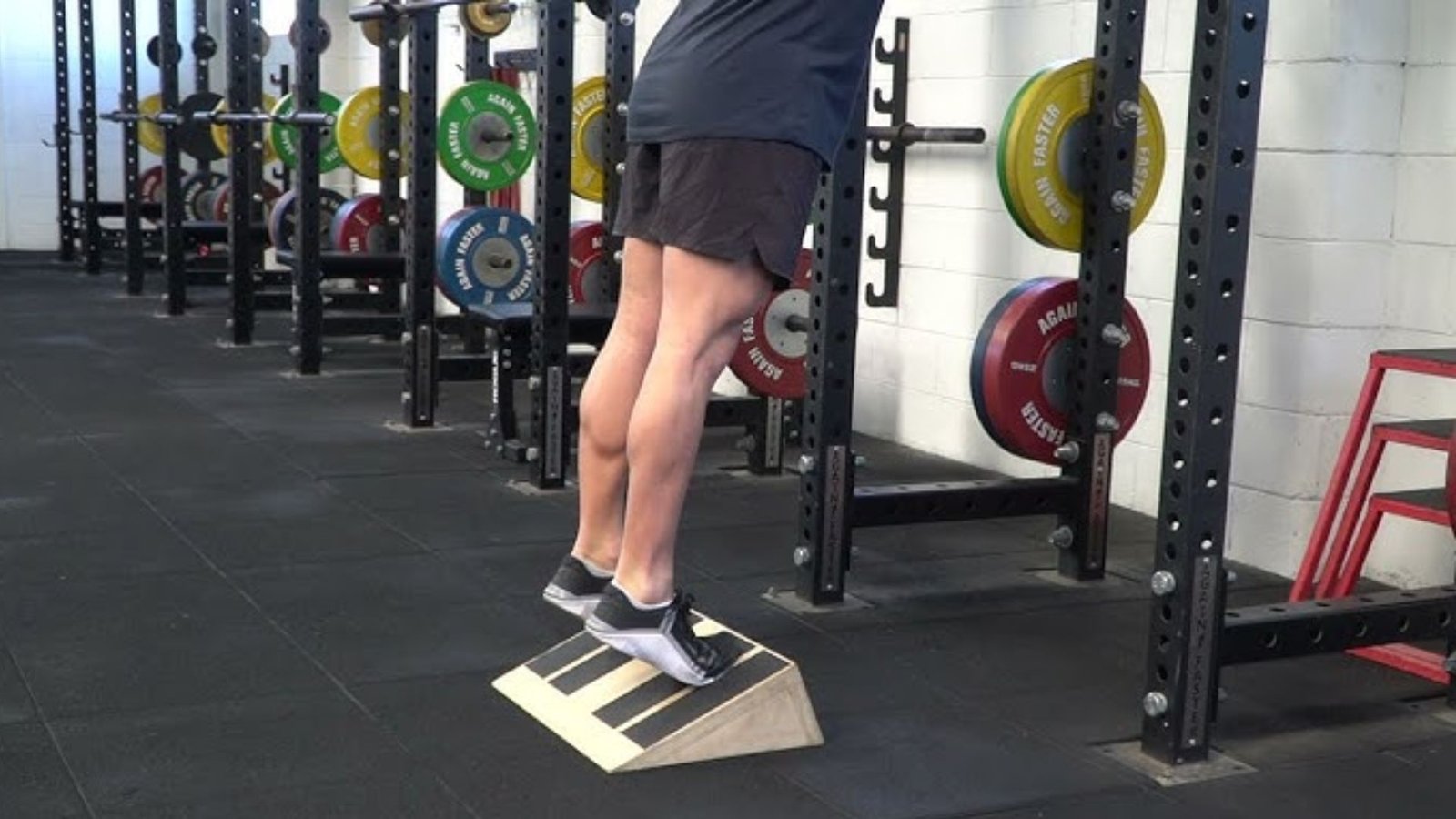
Simple but powerful. You get a deep stretch in your calves and Achilles tendons at the bottom, then strength at the top. Flexibility meets explosiveness in one movement.
The slant board makes this exercise completely different. Regular calf raises are good. Board calf raises are better. The angle gives you a stretch you can’t get on flat ground.
Start slow here. Your Achilles needs time to adapt. But once it does? You’ll jump higher, run faster, and move without that nagging tightness in your lower legs.
Hamstring and Calf Stretches
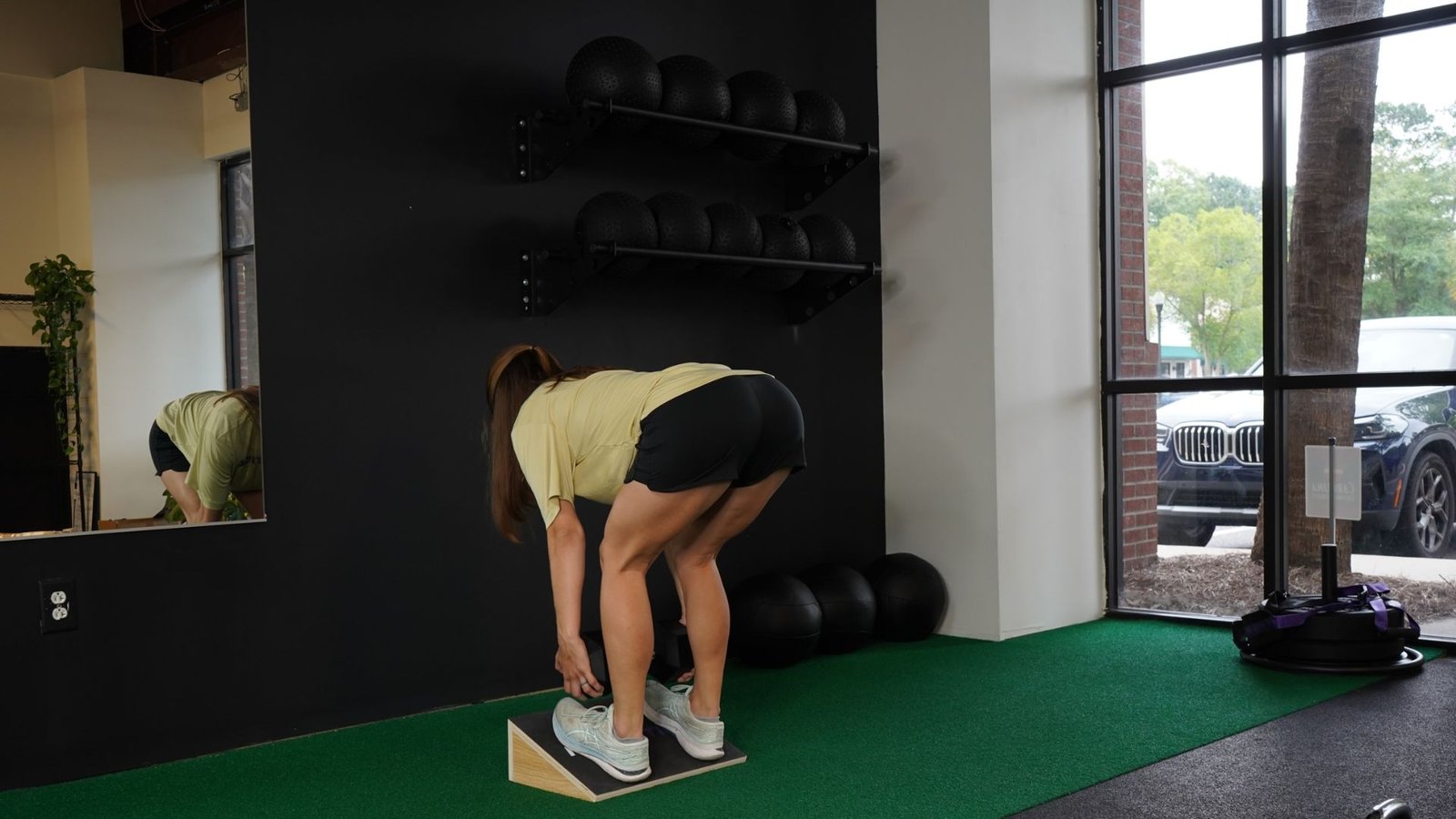
Stand on the board. Lean forward. Hold. Blood flow increases.
Tightness melts away. The slant board puts your body in the perfect position for a deep stretch. You’re not forcing anything. Gravity does the work.
Perfect if you sit at a desk all day or play sports with tight legs. Five minutes on the board beats twenty minutes of regular stretching. Your posterior chain will feel loose and ready to move.
Jefferson Curls
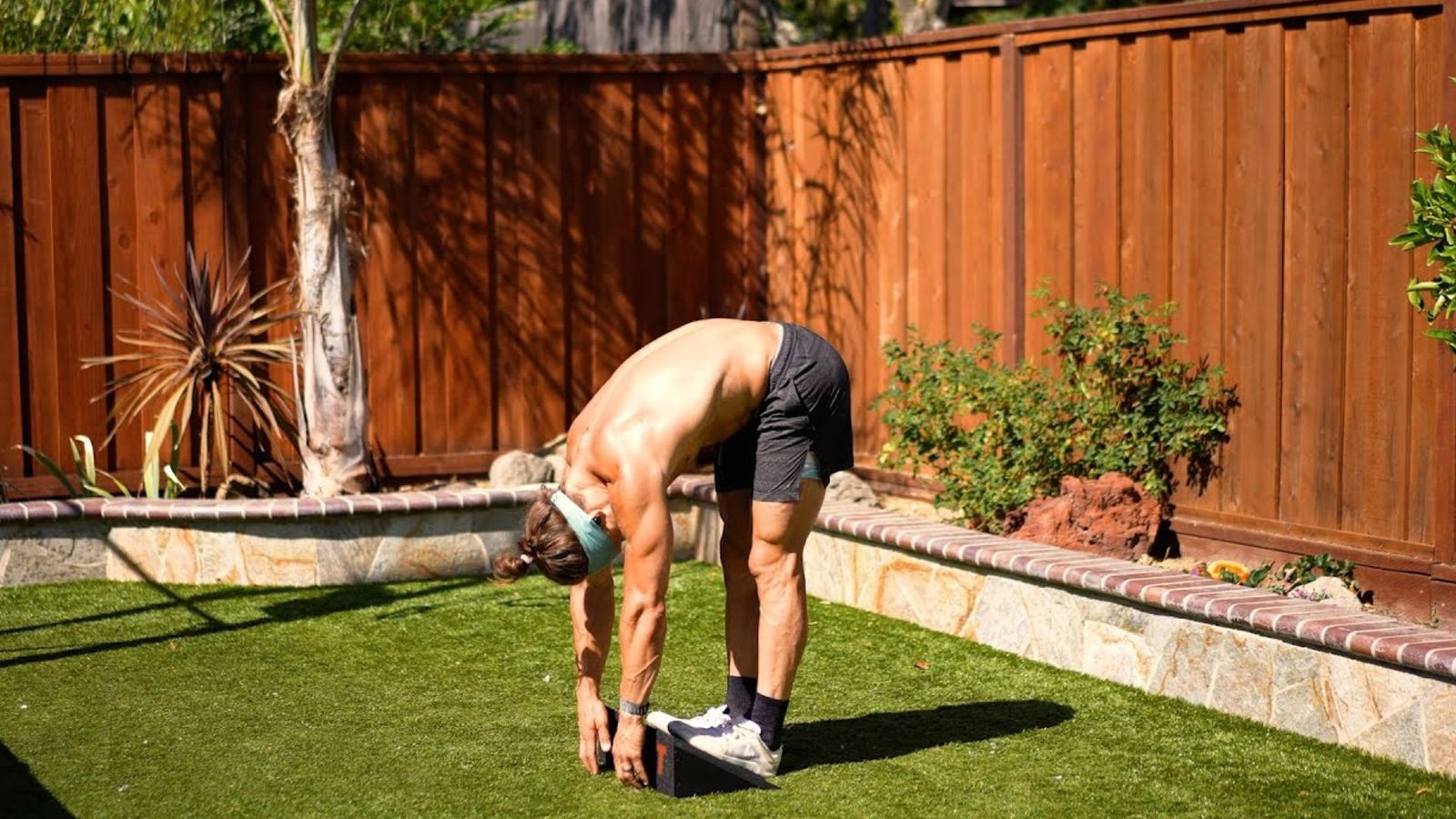
This one looks unusual, but it works. You slowly roll down your spine while holding light weight, stretching your hamstrings, glutes, and building spinal mobility. Go slow and progressive for the best results.
Start with no weight or just a light dumbbell. Roll down one vertebra at a time. Feel each section of your back stretch. Then roll back up the same way.
Your spine learns to move again. Segmentally. Smoothly. Most people’s backs are stiff from sitting and poor posture. This exercise reverses that. Just remember: light weight, slow movement, perfect control.
Who Can Benefit Most from a Slant Board?
You don’t need to be an elite athlete to use a slant board.
- Beginners: Just starting your fitness journey? A slant board gives you a gentle introduction to balance and flexibility training without overwhelming your joints. You build a solid foundation from day one.
- Athletes: Your performance matters, and the slant board enhances knee durability and explosive power. Whether you run, jump, or lift, your lower body becomes more resilient and efficient.
- Rehabilitation Patients: Recovering from an injury requires control, and a slant board is a safe tool for controlled joint recovery. You can rebuild strength without aggravating damaged tissue. Physical therapists recommend it for a reason.
- Older Adults: Balance fades with age, but it doesn’t have to. Slant boards improve posture, mobility, and stability so that daily activities become easier, fall risk decreases, and independence stays intact.
- Fitness Enthusiasts: Tired of the same routine? Add challenge and variety to your lower-body workouts. The slant board targets muscles you’ve been missing, and your progress jumps forward.
Tips for Using a Slant Board Safely
A slant board is effective, but only when used correctly.
- Start with a lower angle and progress gradually: Don’t jump to the steepest incline on day one. Your body needs time to adapt.
- Focus on controlled, slow movement patterns: Rushing through reps defeats the purpose and increases injury risk.
- Don’t rely solely on slant board exercises: Alternate with flat-ground training to maintain balanced strength and mobility.
- Listen to your body and stop if something feels wrong: Pain is a signal, not a challenge to push through.
- Consult a professional if you have pre-existing injuries: A physical therapist or trainer can guide your progression safely.
Conclusion
Slant board benefits go beyond basic stretching. This simple tool helps you target tight calves, stiff ankles, and stubborn knee tension in ways regular stretches just can’t match. You now know how to use it properly and what results to expect.
Your flexibility issues have a solution that doesn’t require complicated routines or expensive equipment. A few minutes on a slant board each day makes a real difference. You’ll notice it in how you move and how you feel.
Start with five minutes tomorrow morning. See what changes after a week. If this helped you understand how slant boards work, share it with someone dealing with the same tightness. Got questions about your specific situation? Drop a comment below.
Frequently asked questions
What are the main slant board benefits for flexibility?
Slant boards improve ankle mobility, stretch tight calves, and reduce knee stiffness. They create a controlled angle that deepens your stretch safely. Regular use helps you move better during workouts and daily activities. Most people notice improvements within one to two weeks of consistent use.
How long should I use a slant board each day?
Start with five minutes per session, once or twice daily. You can gradually increase to ten minutes as your flexibility improves. Consistency matters more than duration. Even three minutes every morning delivers results if you stick with it regularly.
Can a slant board help with ankle pain?
Yes, slant boards gently stretch the muscles and tendons around your ankle. This reduces tightness that often causes pain. They’re commonly recommended by physical therapists for ankle mobility issues. Always start slowly and stop if you feel sharp pain.
Do slant boards work for runners?
Absolutely. Runners benefit from improved calf flexibility and better ankle range of motion. These changes reduce injury risk and improve running form. Many runners use slant boards as part of their warm-up or cool-down routine for consistent lower-body maintenance.
What angle slant board is best for beginners?
A 15 to 20-degree angle works well for most beginners. This provides effective stretching without overwhelming tight muscles. You can progress to steeper angles (25-30 degrees) as your flexibility improves. Start gently and listen to your body’s feedback.