
I started doing reverse nordic curls about a year ago, and my quads have never felt stronger.
If you’ve been looking for a knee-friendly exercise that actually builds quad strength and delivers real results, you’re in the right place.
In this article, I’ll cover what reverse nordic curls are, the muscles they work, how to do them correctly, common mistakes to avoid, beginner progressions, variations, and how to fit them into your routine.
I’ve tested these myself and read the research, so what you’re getting here is practical and reliable.
This guide is simple and built for anyone who wants stronger legs without the confusion.
What Are Reverse Nordic Curls?
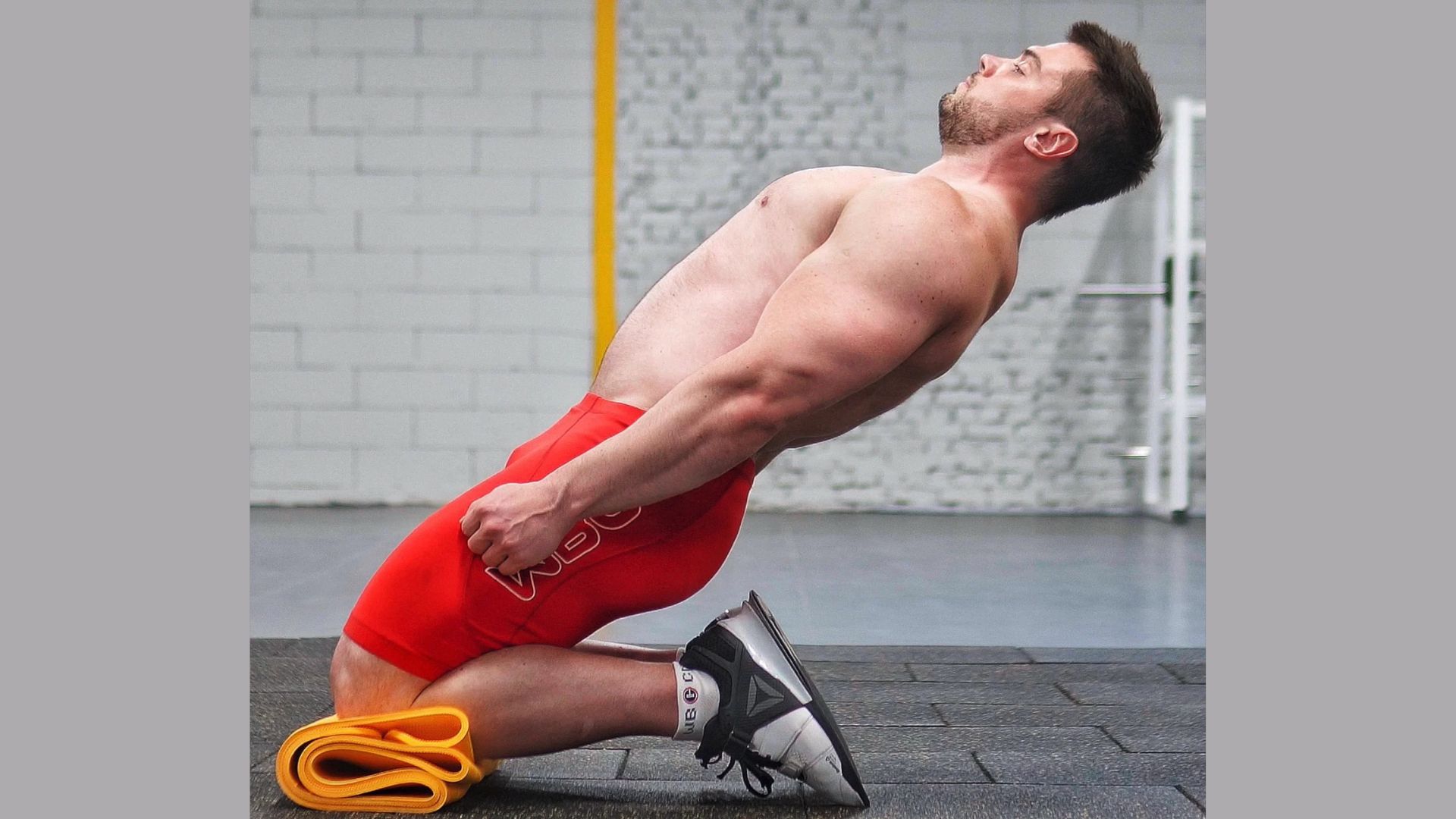
Reverse nordic curls are a bodyweight quadriceps (quads) exercise performed from a kneeling position where you lean back while keeping your hips extended, then return to the starting position using your quads while keeping your hips extended.
It’s the opposite of a Nordic hamstring curl. Instead of training the back of the leg, it loads the front. No equipment needed. Just your body and a padded surface.
Key Benefits of Reverse Nordic Curls
This exercise shows up in many training programs because its benefits go well beyond building bigger legs.
Builds Stronger Quadriceps
Training your quads in a stretched position is one of the most effective ways to build strength and size. Research on lengthened partial training suggests muscles may grow effectively when trained in stretched positions, and this exercise delivers exactly that.
Boosts Athletic Performance
Stronger quads mean better sprinting, jumping, and direction changes. Athletes who add this move often report more power and control during sport-specific movement.
Improves Knee Joint Strength and Stability
Strong quads protect the knee joint. Doing this consistently can reduce knee discomfort and improve long-term stability during everyday movement.
Strengthens Tendons and Ligaments
The slow, controlled movement puts the right stress on connective tissue. Over time, your tendons and ligaments become tougher and more durable.
Helps Prevent Knee Injuries
Weak quads can contribute to knee injuries, especially in athletes. Building quad strength in a lengthened position helps protect your knees during high-impact activity.
Reverse Nordic Curls Muscles Worked (Primary & Secondary)
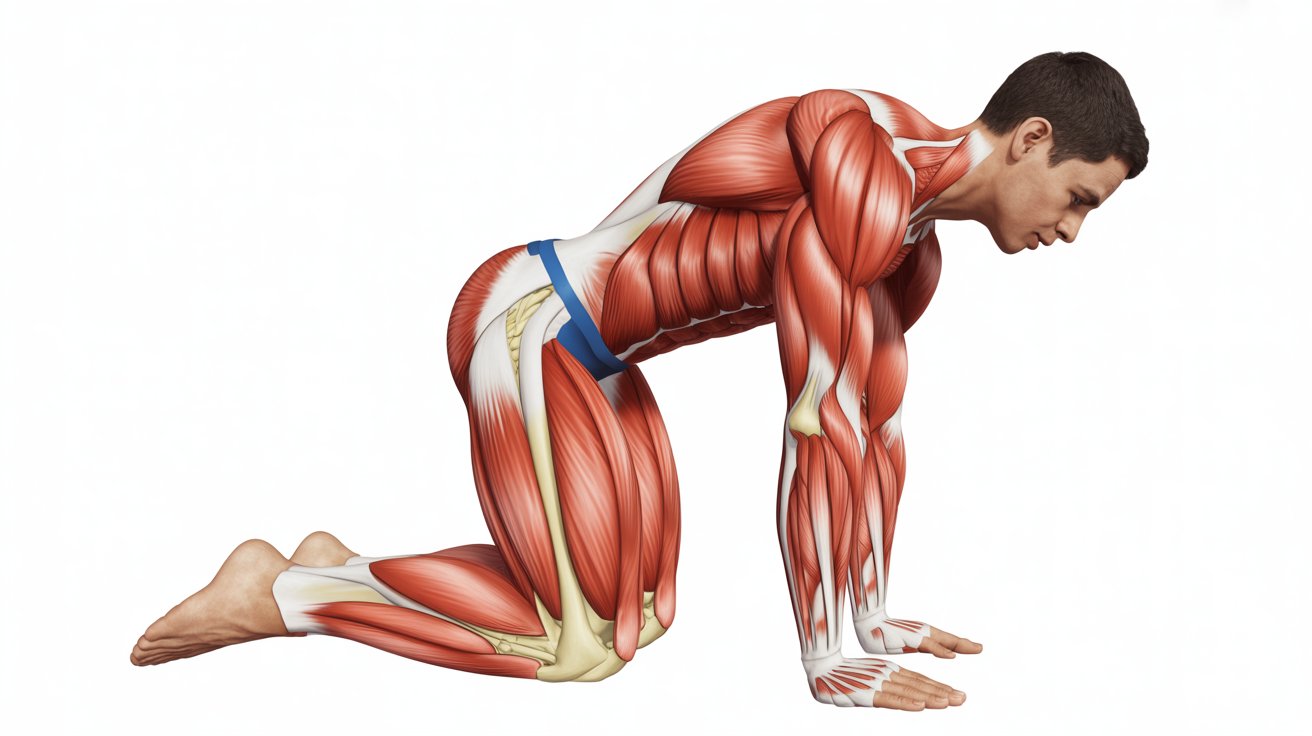
Knowing which muscles this exercise targets helps you train smarter and get more out of every rep.
Primary Muscles
The main target is the rectus femoris. This quad muscle crosses both the hip and knee joint. Most exercises don’t fully train it in a stretched position. This one does.
Secondary Muscles
Your hip flexors, core, and glutes stabilize your body during the movement. They work throughout without being the primary focus.
Why Quad Isolation Matters for Strength Training
Most compound lifts don’t fully train the rectus femoris in a stretched position. This exercise fills that gap. Training through a full range of motion builds more strength and leads to better long-term gains overall.
How to Do Reverse Nordic Curls: Step-by-Step Guide
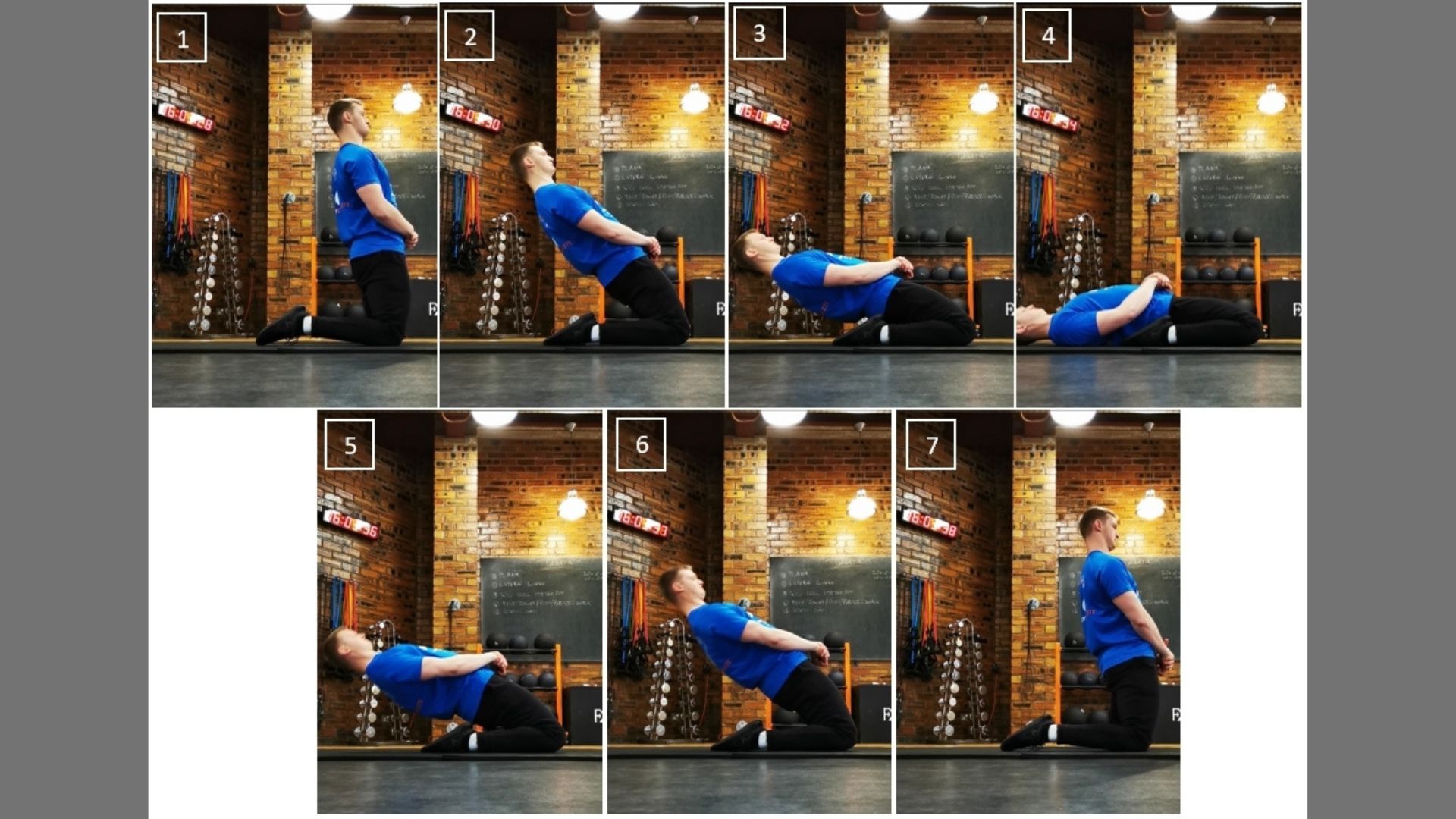
Follow these steps closely and you’ll get the most out of every single set.
Proper Setup
Kneel on a padded surface with your knees hip-width apart. Sit tall. Keep your body straight from knees to shoulders before you begin.
Step-by-Step Execution
Brace your core. Lean back slowly with hips fully extended. Go as far as control allows. Return to the starting position by squeezing your quads. That’s one rep. Start with a short range and build from there.
Breathing Technique
Inhale as you lean back. Exhale as you return. Controlled breathing keeps your core tight and your movement smooth throughout each rep.
Ideal Reps and Sets
Start with 3 sets of 5 to 8 reps. Work up to 3 to 4 sets of 10 to 12 reps as your strength and range improve over time.
Reverse Nordic Curls Form Tips for Maximum Results
Small form tweaks make a big difference in how much quad work you actually get from this exercise.
Keep Hips Fully Extended
Your hips must stay in line with your knees the whole time. Any break at the hip reduces quad engagement and increases lower back strain.
Control the Eccentric Phase
Take 3 to 4 seconds to lean back. That slow descent is where your quads do the most work. Don’t rush this part.
Avoid Bending at the Hips
Your body should move as one straight unit from knees to shoulders. Bending at the hips is the most common mistake and it kills quad tension fast.
Engage the Core
Brace your abs before you lean back. Keep that tension for the whole rep. A tight core keeps your back safe and your form solid.
Common Reverse Nordic Curls Mistakes to Avoid
These errors show up often, and fixing them early will save you time and prevent unnecessary strain.
Bending at the Waist Instead of Knees
This removes tension from your quads and strains your lower back. All movement must come from the knee angle only, not the hips.
Falling Back Too Quickly
Dropping fast removes the training benefit. Slow the movement down. If you’re losing control, shorten your range of motion and rebuild gradually.
Not Using a Soft Surface or Pad
Kneeling on a hard floor puts too much pressure on your knees. Always use a mat or folded towel every single time.
Poor Range of Motion
Half reps give limited results. Work on increasing your lean gradually each week. Steady progress over time is how you keep improving.
Reverse Nordic Curls Progressions for Beginners
If you’re new to this movement, start here and build up gradually before trying the full version.
Partial Range Reverse Nordic Curls
Lean back just a few inches, hold briefly, then return. This builds base quad strength without overwhelming your muscles too soon.
Assisted Reverse Nordic Curls
Use a resistance band in front of you to help with the return. It lets you practice full movement with less load on your quads.
Wall-Supported Reverse Nordic Curls
Lean back until your hands reach a wall behind you. Use it for light support. Reduce wall contact gradually as your strength grows.
Best Reverse Nordic Curls Variations
Once you’ve built a solid base, these variations add challenge and keep your training from going stale.
Weighted Reverse Nordic Curls
Hold a weight plate against your chest to add resistance. Only try this once your bodyweight form is fully consistent and controlled.
Banded Reverse Nordic Curls
A band in front reduces load at the hardest point of the lean. Great for pushing your range further without losing control of the movement.
Slow Tempo Reverse Nordic Curls
Use a 5-second descent and a short hold at the bottom. This is one of the hardest versions and it maximizes time under tension for the quads.
Reverse Nordic Curls vs Other Quad Exercises
Not all quad exercises train the quadriceps the same way. The table below compares reverse nordic curls with other common quad exercises.
| Exercise | Primary Muscle | Equipment Needed | Knee Load | Best For |
|---|---|---|---|---|
|
Reverse Nordic Curls |
Rectus Femoris |
None |
Low to Moderate |
Quad isolation, tendon strength |
|
Sissy Squats |
Rectus Femoris |
None |
Moderate |
Quad stretch, flexibility |
|
Leg Extensions |
All four quads |
Machine |
Moderate |
Quad isolation, volume work |
|
Squats |
Full lower body |
Barbell or bodyweight |
Moderate to High |
Overall leg strength |
Each of these exercises has its place in a leg workout, but reverse nordic curls stand out for training the rectus femoris in a lengthened position without equipment.
Reverse Nordic Curls vs Sissy Squats
Both train quads in a lengthened position. Sissy squats need more ankle flexibility. Reverse nordic curls feel more stable and controlled for most people.
Reverse Nordic Curls vs Leg Extensions
Leg extensions work through a shorter range and don’t load tendons as effectively. Reverse nordic curls add more functional quad strength and connective tissue resilience.
Reverse Nordic Curls vs Squats
Squats build overall leg strength but miss the rectus femoris in a stretched position. Reverse nordic curls work well as a complement to your main compound lifts.
Who Should Do Reverse Nordic Curls?
This exercise works for more people than you might expect, across different fitness goals and experience levels.
Sprinters and field athletes use this to protect their quads. It strengthens the muscles most likely to get strained during high-speed movement.
Want more quad fullness and detail? This hits the rectus femoris in ways squats simply can’t. Add it near the end of your leg session.
This exercise appears in physical therapy programs for patellar tendinopathy. Always check with your physio before adding it to a rehab plan.
Beginners can absolutely do this. Start with the partial range version. It builds body control and a solid quad base from day one.
How to Add Reverse Nordic Curls to Your Workout Routine
A little planning goes a long way when fitting this exercise into your existing training schedule.
Best Time to Perform Them
Do them early in your leg session after warming up. Fresh quads give you better control and overall output during each set.
Sample Quad Workout Including Reverse Nordic Curls
Try this order: Reverse Nordic Curls 3×8, Bulgarian Split Squats 3×10, Leg Press 3×12, Leg Extensions 3×15. Rest 90 seconds between each set.
Weekly Training Frequency
Two sessions per week works well for most people. Give your quads at least 48 hours of recovery between sessions for the best results.
Are Reverse Nordic Curls Safe for Knees?
For most people, yes. This exercise builds the strength that protects knees over time.
Use a padded surface, start with a short range, and be patient with your progress. If you have existing knee pain or a prior injury, check with your doctor or physio first.
When performed correctly, reverse nordic curls are one of the safer quad exercises you can include in your routine.
Conclusion
Reverse nordic curls are one of the best quad exercises I’ve added to my routine. They’re simple, need no equipment, and train the rectus femoris in ways most leg exercises miss.
Adding reverse nordic curls to your leg workouts can improve quad strength, knee stability, and long-term athletic performance.
If you’re an athlete, a lifter, or someone looking to protect your knees, there’s a version of this that fits your level. Start slow. Focus on form. Build your range week by week.
I’ve seen real improvements from this exercise, and I think you will too. Don’t skip the beginner progressions if you’re just starting out. Your quads and knees will both thank you.
Have you tried reverse nordic curls before, and what variation worked best for you?
Frequently Asked Questions
Can beginners do reverse nordic curls?
Yes, beginners can start with the partial range version. Lean back just a few inches and build from there gradually over several weeks.
How often should I do reverse nordic curls?
Twice a week is a solid starting point. Allow at least 48 hours of recovery between sessions so your quads can rebuild properly.
Do reverse nordic curls build muscle?
Yes, they build the rectus femoris by training it in a lengthened position. That leads to solid quad size and strength gains over time.
Are reverse nordic curls good for runners?
Yes, they strengthen the quad muscles runners rely on most. Adding them to your training can lower injury risk and improve overall running output.
Can I do reverse nordic curls without equipment?
Absolutely. All you need is a padded surface to kneel on. No gym or special gear is needed for the standard bodyweight version.