I’ve been doing pendulum squats for three years now, and they changed how I train legs. This guide shows you how to perform pendulum squats with proper form.
You’ll learn the exact setup, foot placement, and movement patterns that work. I’ll break down each step so you can avoid the mistakes I made early on.
We’ll cover machine setup, correct depth, breathing techniques, and how to target quads or glutes.
You’ll also get home alternatives if you don’t have access to the machine. My goal is simple. Help you squat better and safer.
By the end, you’ll know exactly what to do. Let’s get started.
What Are Pendulum Squats?
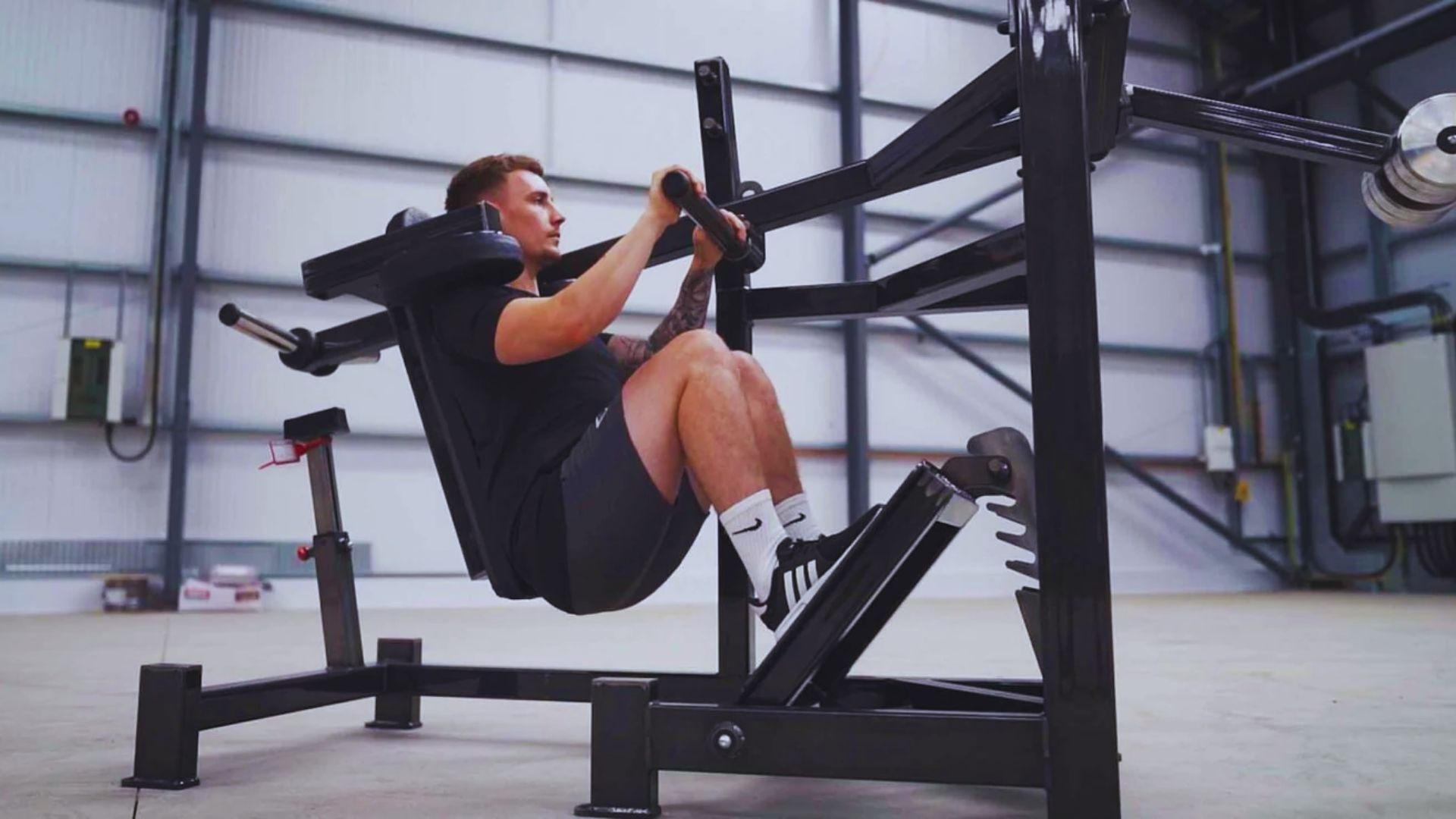
Pendulum squats use a specialized machine with a curved, arc-like motion. You stand on a platform that moves along a fixed path.
This design keeps your torso upright while your knees travel forward. The machine supports your back, reducing spinal load.
It isolates your legs more than traditional squats. You can adjust foot placement to target different muscles.
The fixed movement pattern makes it easier to maintain form throughout your set.
Pendulum Squats Muscles Worked
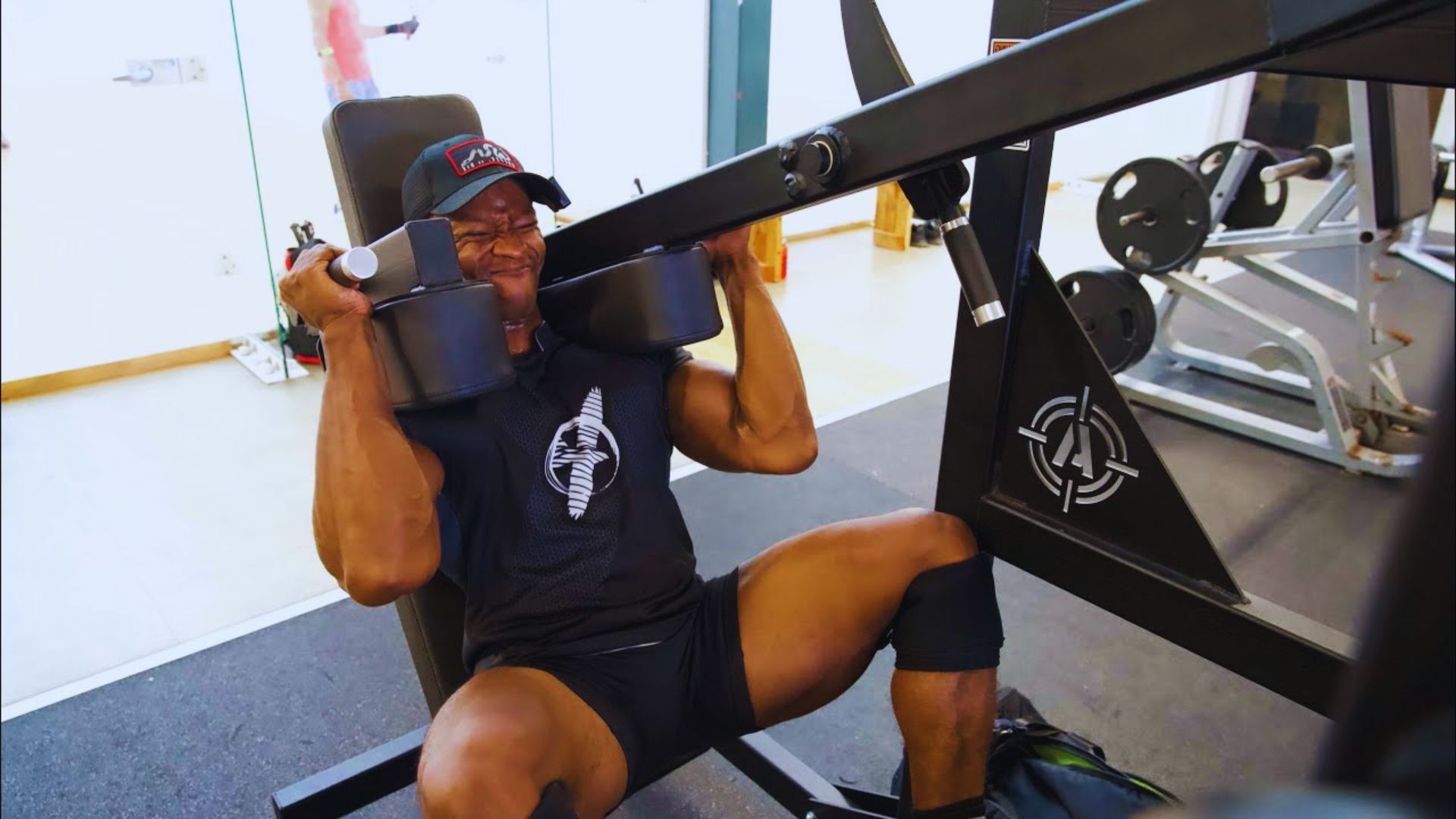
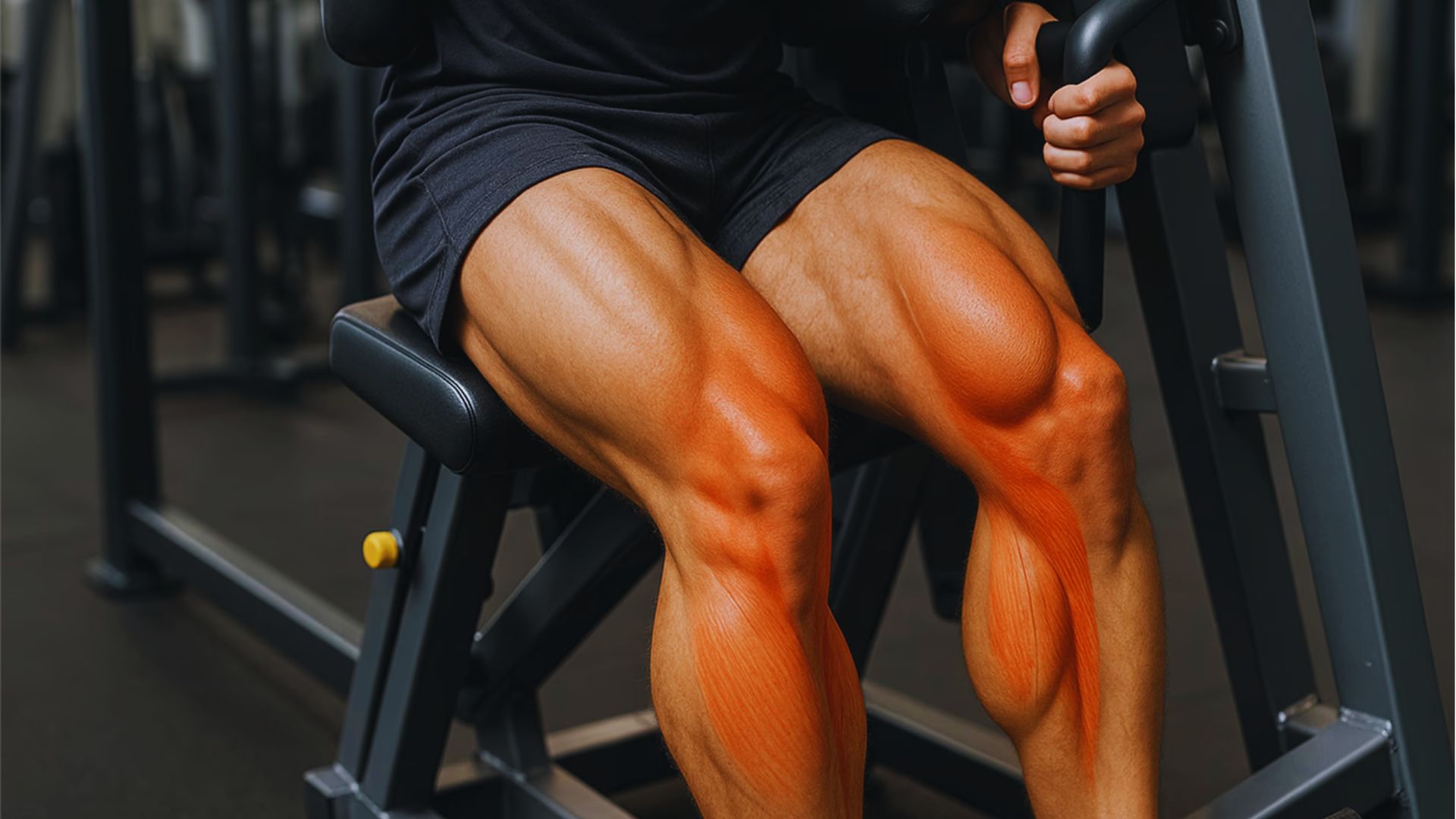
This exercise primarily hits your quadriceps, especially the vastus medialis. Your glutes get significant work depending on foot position.
The hamstrings assist during the lifting phase. Your calves stabilize your feet on the platform. Core muscles engage to maintain an upright posture.
The machine’s design shifts work away from your lower back. You get strong leg activation with minimal spinal stress. It’s a quad-dominant movement overall.
Pendulum Squats Benefits
Here are five reasons why pendulum squats deserve a spot in your leg routine.
- Reduced spinal compression compared to barbell squats. The machine supports your back, making it safer for those with back concerns.
- Enhanced quad development through the extended range of motion. The pendulum path allows deeper knee flexion, maximizing muscle stretch.
- Better mind-muscle connection since balance isn’t a limiting factor. You focus purely on the working muscles without worrying about stability.
- Adjustable targeting of quads or glutes based on foot placement. Higher foot position emphasizes glutes, lower position hits quads harder.
- Safer for beginners learning squat mechanics. The fixed path teaches proper movement patterns before progressing to free weights.
Step-by-Step Pendulum Squat Form Guide
Follow these seven steps to master pendulum squats and build stronger legs safely.
Step 1: Correct Machine Setup
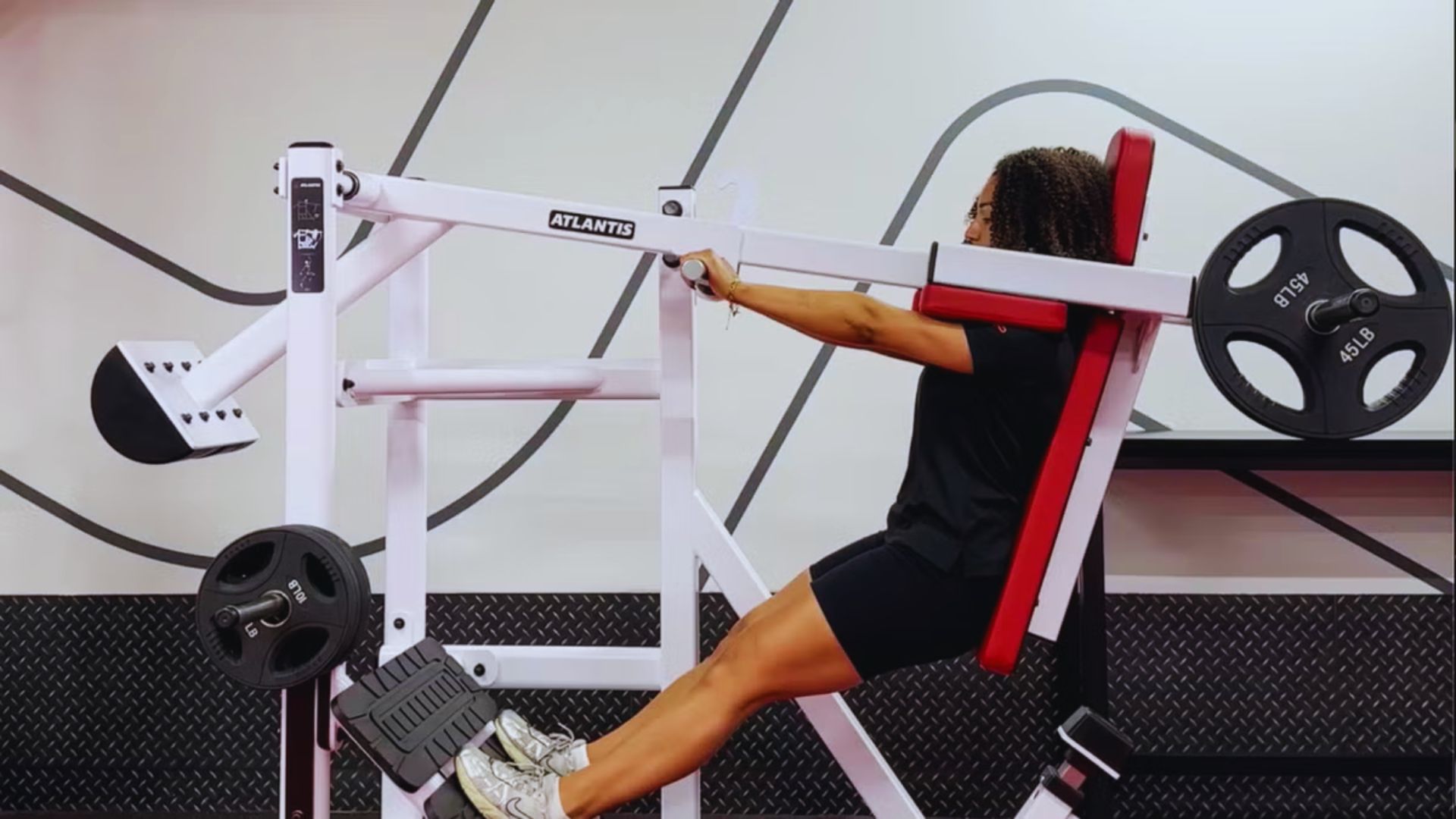
Adjust the back pad to match your height. The pad should sit comfortably against your upper back. Set shoulder pads on your traps without neck pressure.
Clear the platform of debris and load your desired weight. Grip handles firmly. Test the range of motion without weight first.
Step 2: Proper Foot Placement for Glutes or Quads
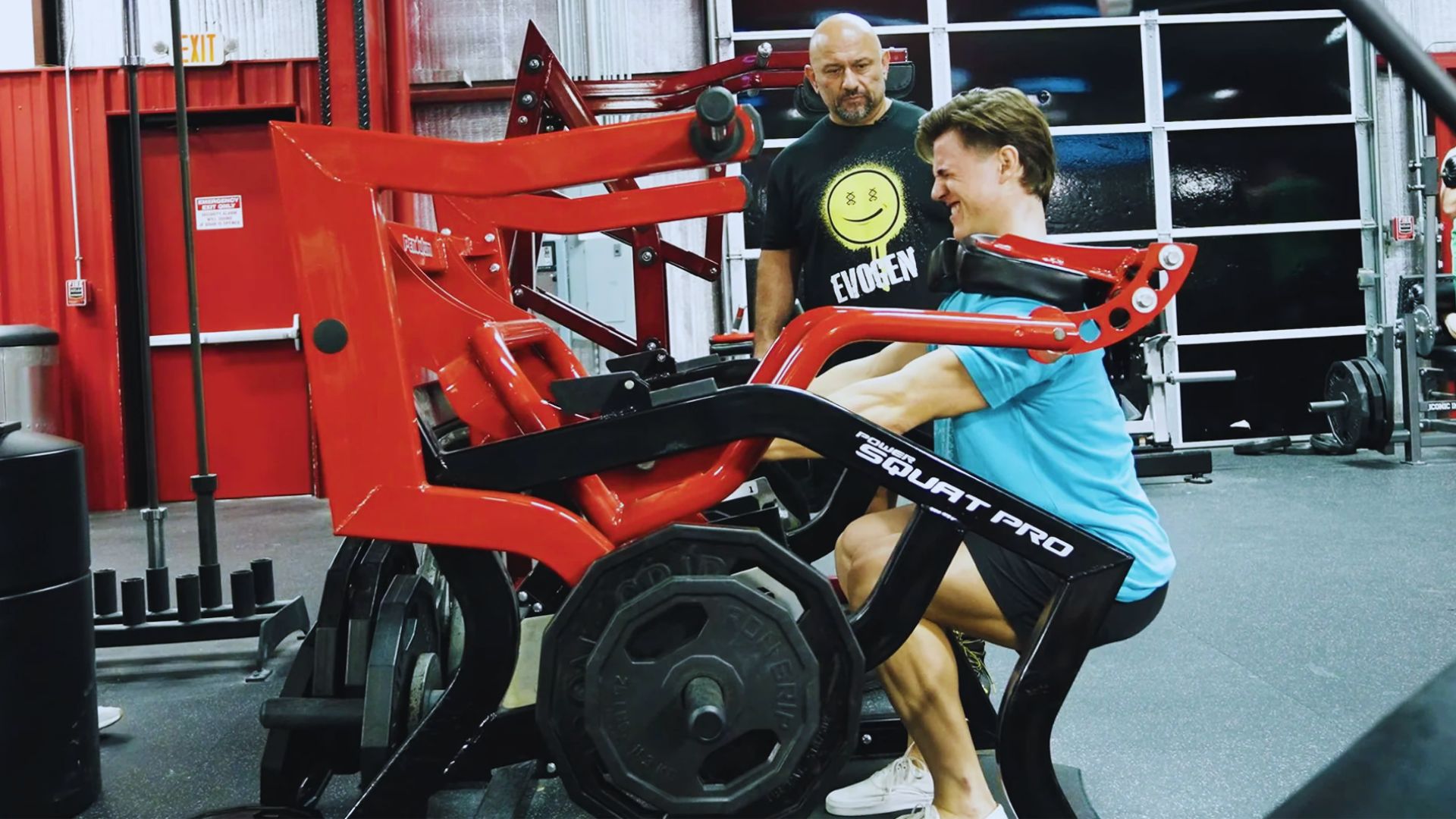
For quad emphasis, place feet low and shoulder-width apart with toes pointing out 15 degrees. For glute emphasis, position feet higher and wider on the platform.
Keep feet flat throughout the movement. Distribute weight evenly across your whole foot for proper balance and activation.
Step 3: How to Lower Safely (Controlled Eccentric)
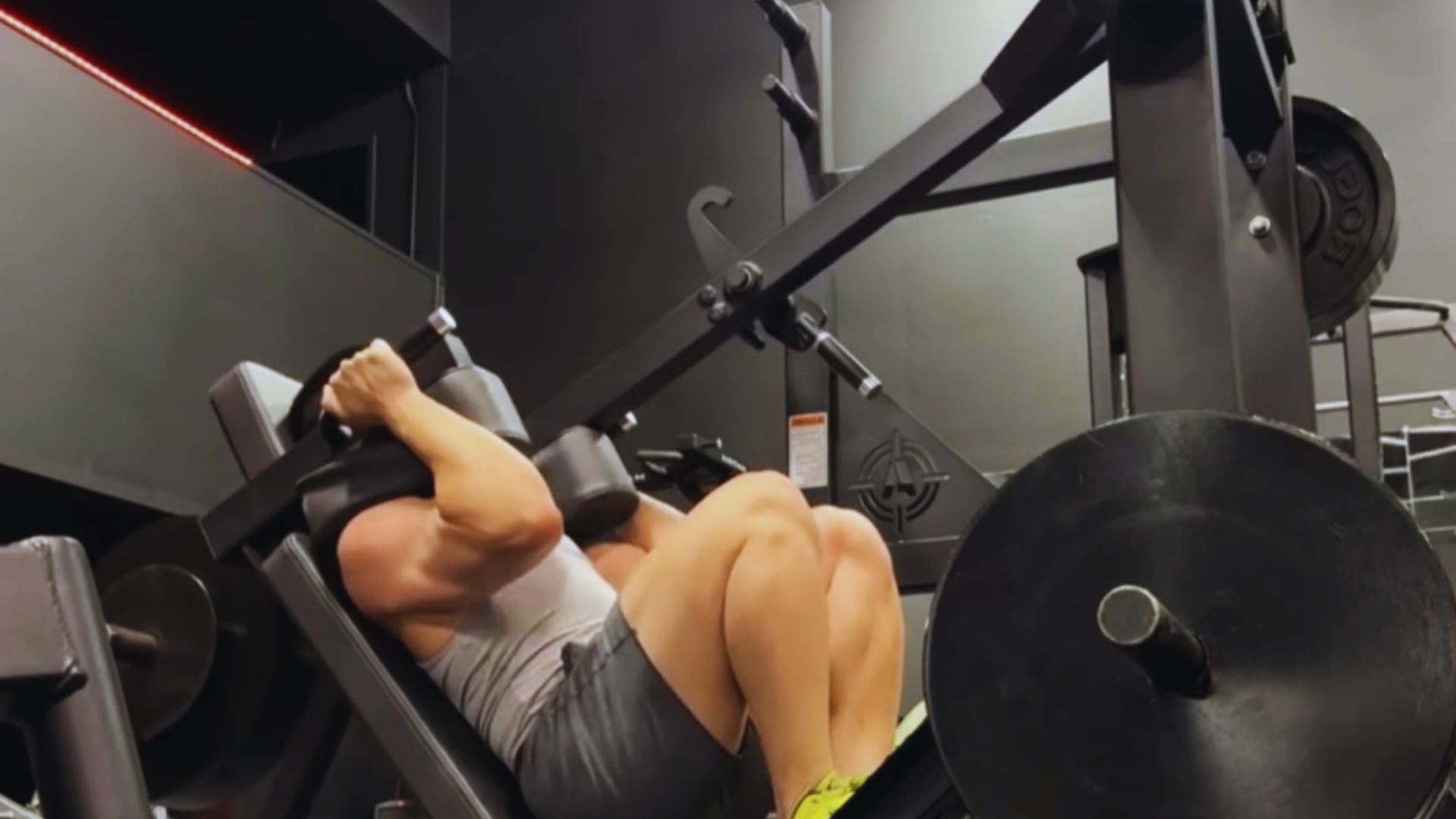
Release the safety lever once properly set up. Lower slowly by bending your knees, counting three seconds down.
The machine’s arc guides your movement naturally. Keep your core tight throughout the descent. Your back stays against the pad. Feel the stretch in your quads as you descend.
Step 4: Proper Depth and Range of Motion
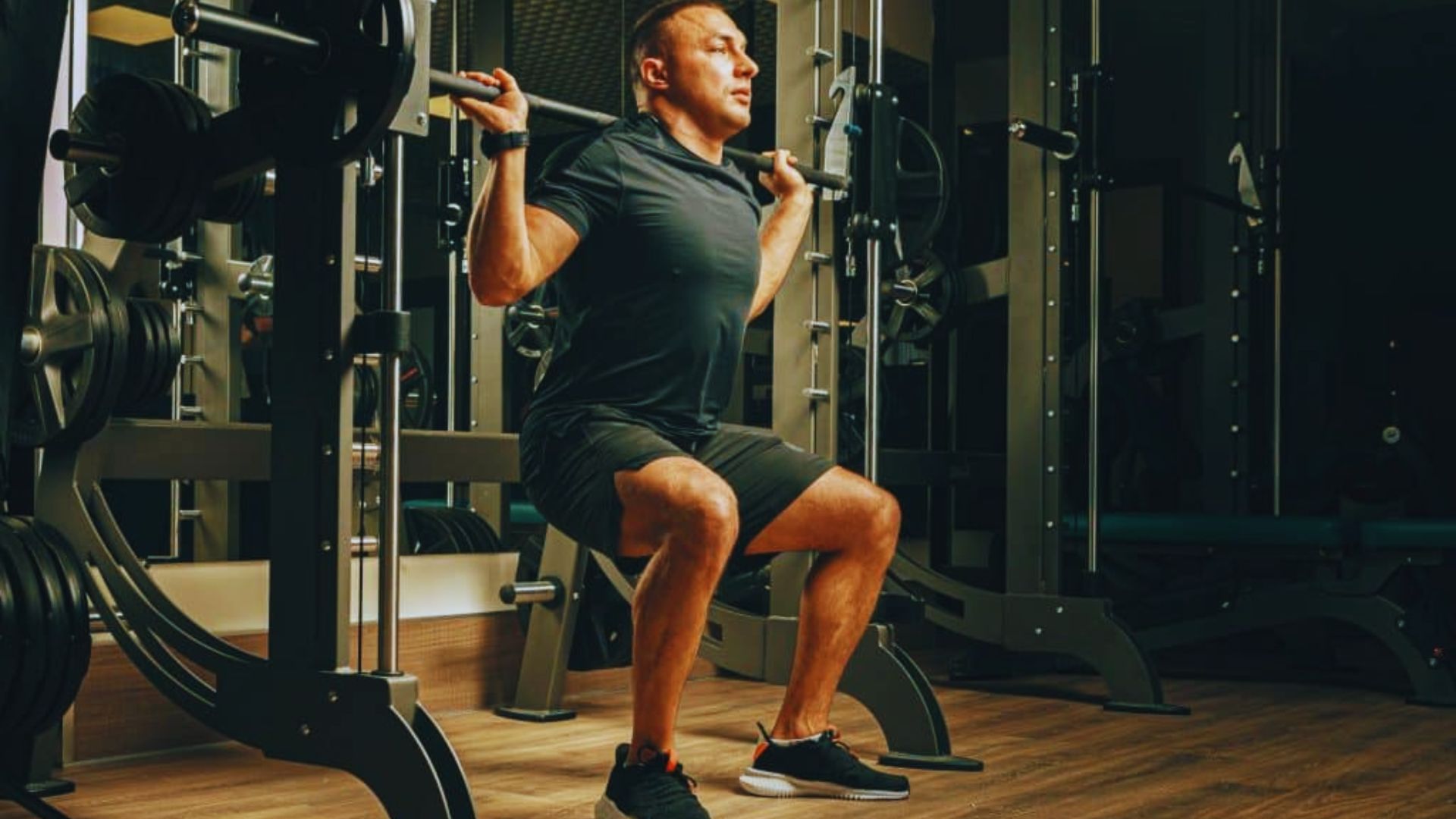
Go as deep as your mobility allows while maintaining form. Aim for 90 degrees of knee flexion at minimum. Advanced lifters can go deeper if knees stay healthy.
Keep heels down at the bottom. Stop if you feel pain or pinching. Use only the range you control.
Step 5: Driving Up with Correct Form
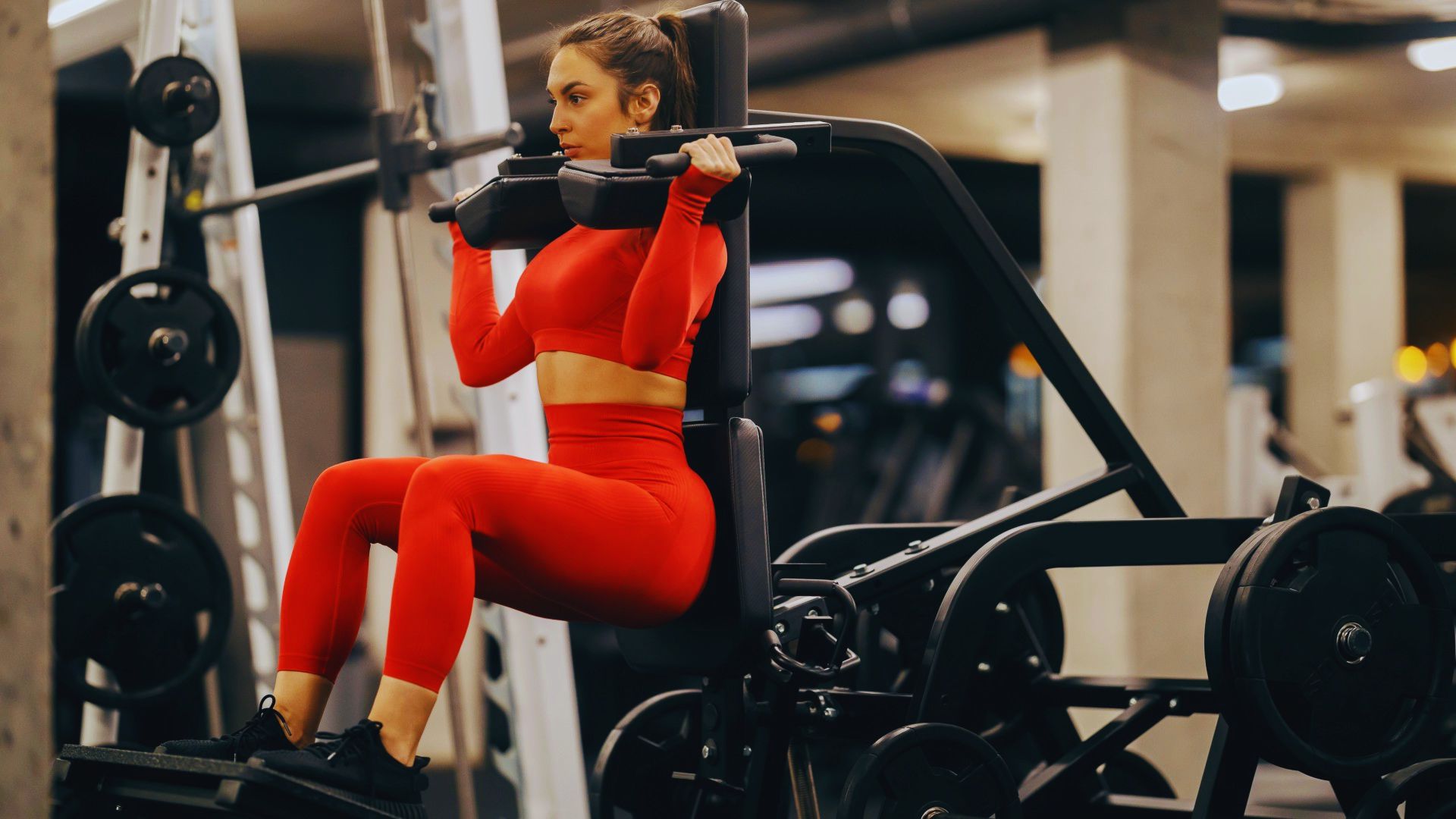
Push through your entire foot to start the ascent. Think about pressing the platform away from you. Drive knees out slightly as you rise.
Keep chest up and back against the pad. Don’t let knees cave inward. Extend fully at the top without locking out hard.
Step 6: Breathing Technique for Stability
Breathe in deeply as you lower into the squat. Fill your lungs and brace your core. Hold breath briefly at the bottom for intra-abdominal pressure.
Exhale forcefully as you push back up. Find what feels natural but always brace your core. Never hold breath for multiple reps.
Step 7: Ideal Reps, Sets, and Tempo for Best Results
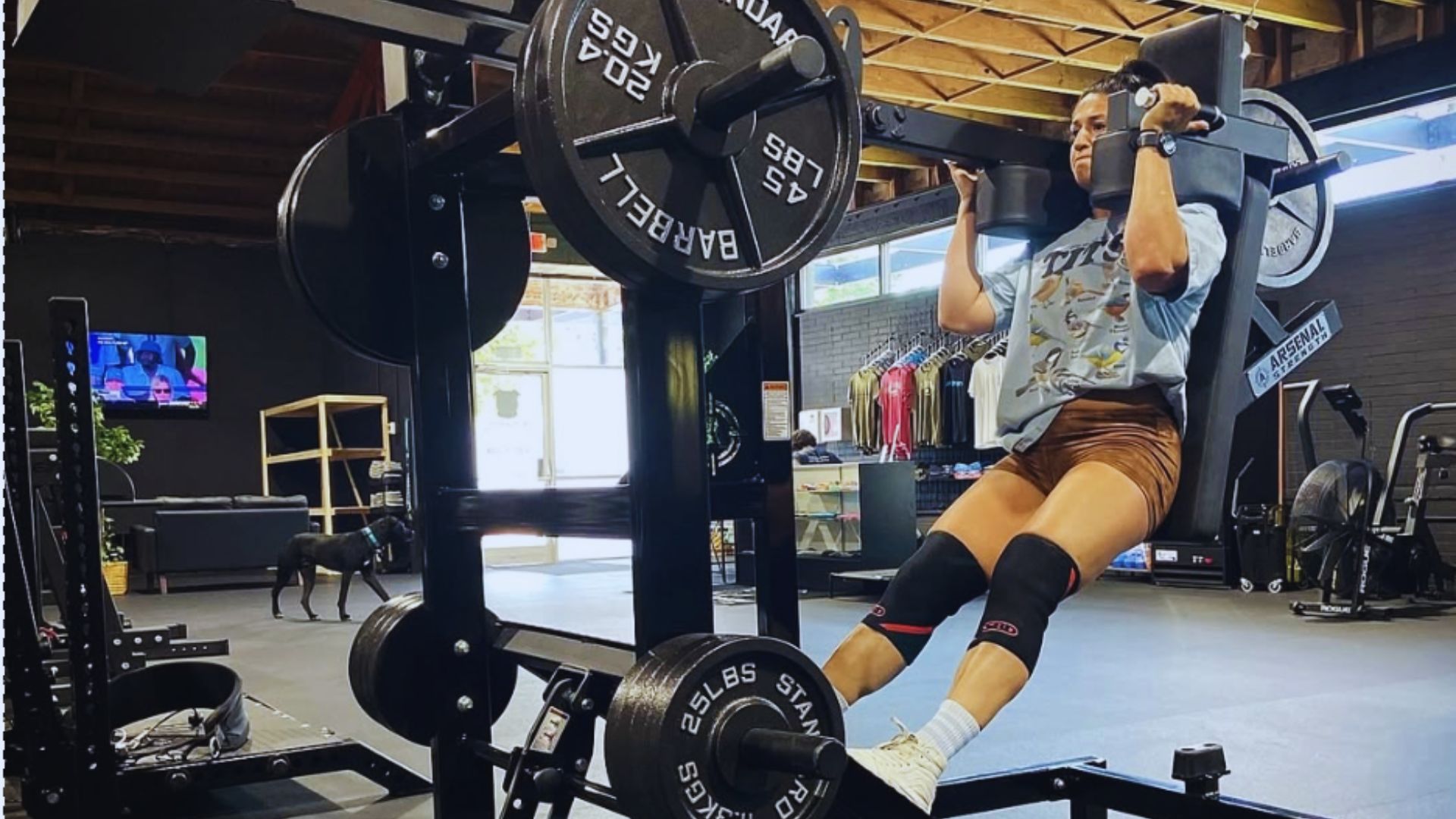
For muscle growth, perform 3-4 sets of 8-12 reps using a 3-1-2-0 tempo. For strength, do 4-5 sets of 4-6 reps with heavier weight and 2-0-1-0 tempo.
For endurance, try 2-3 sets of 15-20 reps with lighter weight. Add weight when you hit the top rep range.
Common Mistakes to Avoid in Pendulum Squats
Watch out for these five form errors that limit your results and increase injury risk.
- Lifting heels off the platform during the descent. This shifts weight forward and strains your knees. Keep your whole foot planted.
- Bouncing at the bottom of the movement. This uses momentum instead of muscle and risks injury. Control the transition smoothly.
- Letting knees cave inward during the ascent. This stresses your knee joints and limits glute activation. Push knees out actively.
- Inadequate depth due to fear or tight mobility. Shallow squats limit muscle development. Work on ankle and hip flexibility.
- Rushing through reps without focusing on form. Speed reduces time under tension and increases injury risk. Use controlled tempos.
Why Are Pendulum Squats So Hard?
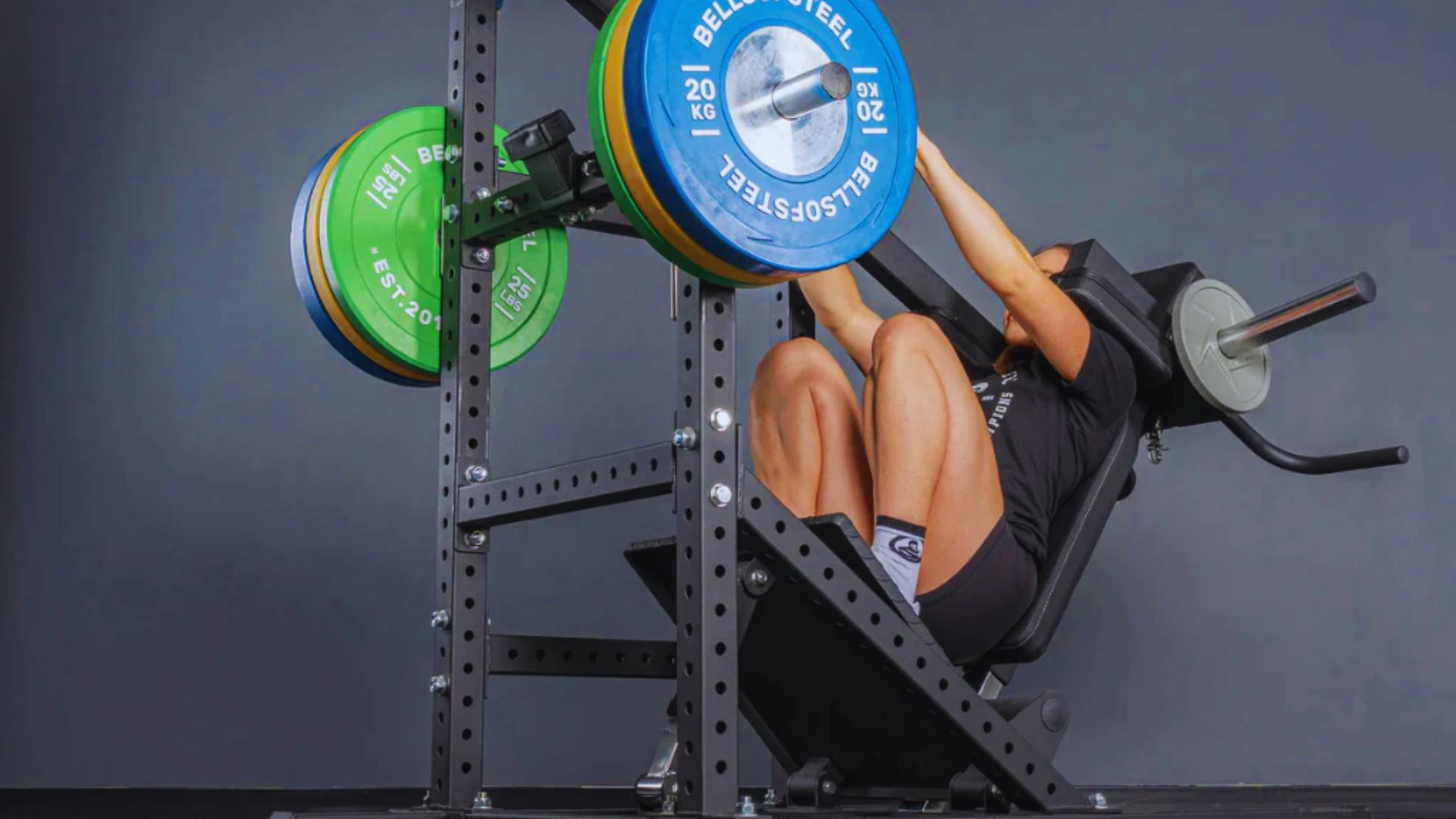
The machine removes stabilizer muscle assistance, forcing your quads to work harder. Your legs can’t recruit help from your back or core as much.
The fixed arc path eliminates any “cheating” through movement compensation. The deep range of motion creates intense muscle stretch at the bottom.
Your quads stay under constant tension throughout the set. The upright torso position puts all stress directly on your legs. There’s nowhere to hide poor conditioning.
How to Do Pendulum Squats at Home (No Machine Options)
Try these two alternatives that mimic the pendulum squat movement without equipment.
Resistance Band Pendulum-Style Squats
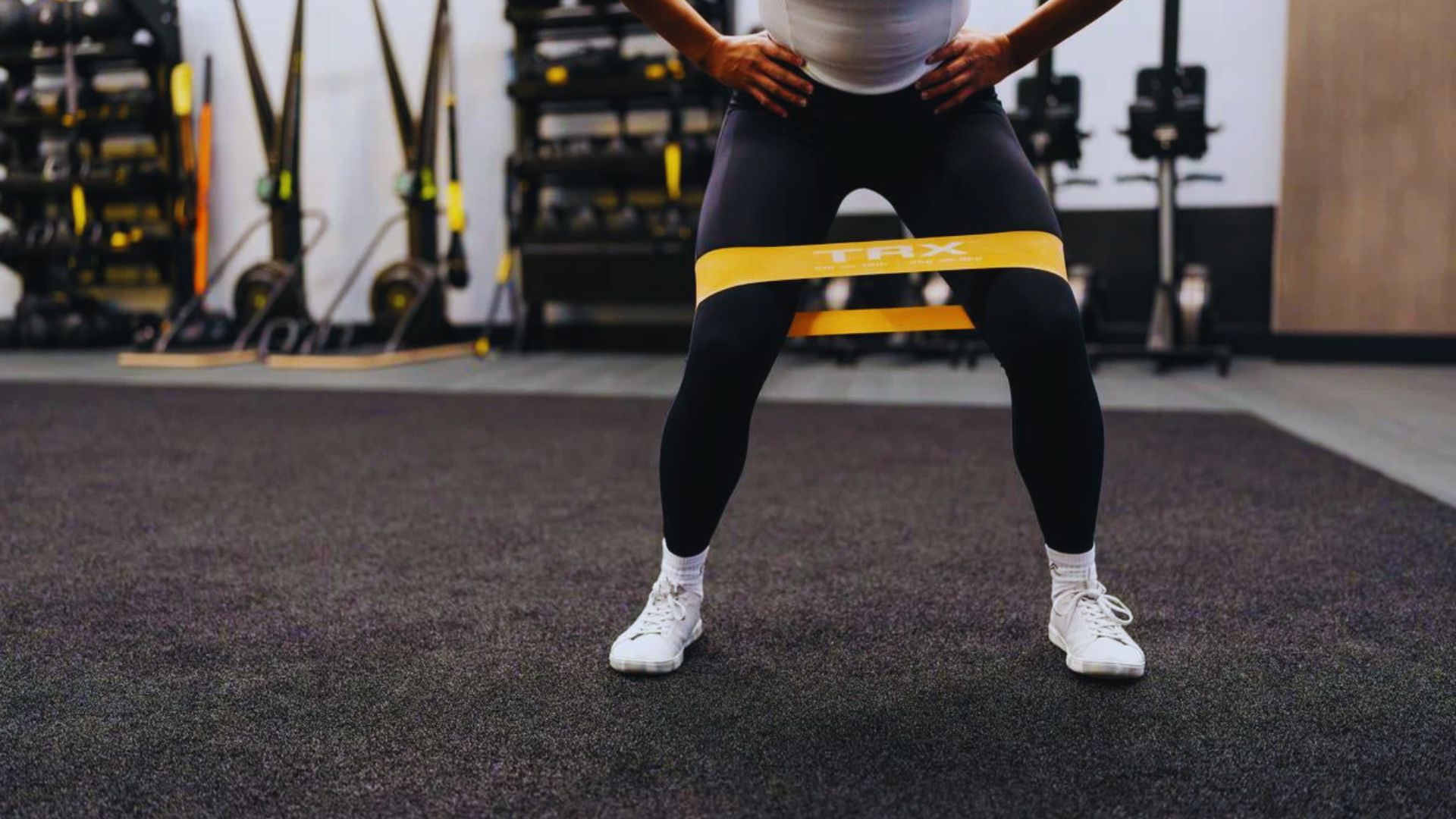
Anchor a heavy resistance band low behind you, around ankle height. Loop the other end across your hips or shoulders. Face away from the anchor point.
The band pulls you backward, mimicking the machine’s resistance curve. Perform squats while fighting the backward pull. This creates a similar arc pattern.
Use a slow tempo to maintain tension. Place your heels on a small platform for increased knee flexion. Start with lighter bands and progress gradually.
Heels-Elevated Squats for Similar Quad Activation
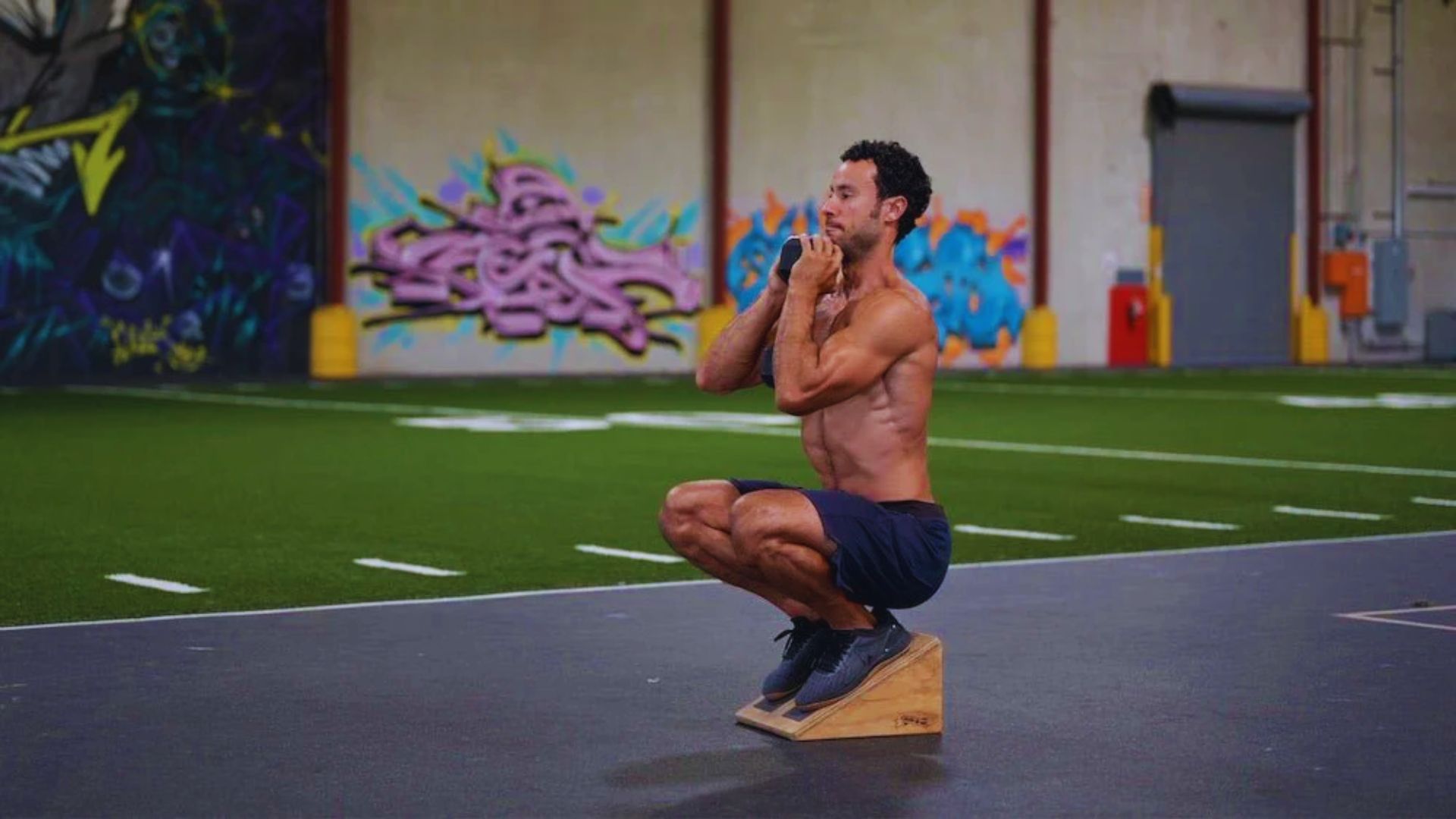
Place weight plates or a wedge under your heels, about 2-3 inches high. This elevation increases ankle dorsiflexion. Your knees can travel further forward, hitting quads harder.
Hold dumbbells at your sides or a barbell on your back. Keep your torso as upright as possible. Descend slowly until your thighs are parallel or below. Push through your whole foot to stand.
The elevated heels replicate the quad-focused position of pendulum squats. Add weight as you get stronger.
Final Thoughts
I remember my first pendulum squat set. My legs shook, and I couldn’t walk right for days. But I kept at it, and now it’s my favorite leg exercise.
Start light and focus on feeling the movement. Don’t worry about the weight others use. Your form matters more than the numbers.
Give these techniques a real shot for four weeks. I think you’ll notice stronger, fuller quads.
Drop a comment below and tell me how your first session goes. I read every single one and often reply with tips.
Frequently Asked Questions
Are pendulum squats better than regular squats?
Not necessarily better, just different. Pendulum squats reduce spinal load and isolate legs more effectively. Regular squats build full-body strength. Both have value in your training program.
Can beginners use the pendulum squat machine?
Yes, beginners can safely use this machine. The fixed movement path teaches proper squat mechanics. Start with light weight and progress gradually as your strength grows.
How often should I do pendulum squats?
I do them once or twice per week. Your legs need 48-72 hours to recover between sessions. Listen to your body and adjust frequency based on soreness.
Do pendulum squats build glutes?
They can, depending on foot placement. Position your feet higher and wider to target glutes more. Lower foot placement emphasizes quads instead.
What weight should I start with?
Begin with just the machine’s weight or 25-50 pounds added. Focus on mastering the form first. Add 5-10 pounds when you can complete 12 clean reps.