

If you want wider shoulders, lateral raises are one of the best moves you can do. But most people don't know which muscles they actually work or how to do them right.
In this guide, I'll break down the muscles lateral raises target, the correct form, common mistakes, and the best variations to try. I'll also cover how often you should train and how to fit them into your routine.
I've been training for years and have tested what works. You can trust this guide to give you real, practical answers.
What Are Lateral Raises?

Lateral raises are a shoulder isolation exercise. You lift weights out to your sides until your arms reach shoulder height. It looks simple, but there's a lot going on when done right.
This move targets the outer part of your shoulder, the side deltoid. Most compound exercises like the overhead press hit the front delt more. The side delt often gets ignored, and that's why lateral raises matter.
When the side delt grows, your shoulders look wider. This builds that V-taper shape most people train for.
Compound exercises like the overhead press work multiple muscles at once. Isolation exercises like lateral raises focus on one muscle. Both have their place, but for direct side delt growth, lateral raises are hard to beat.
Lateral Raises Muscles Worked
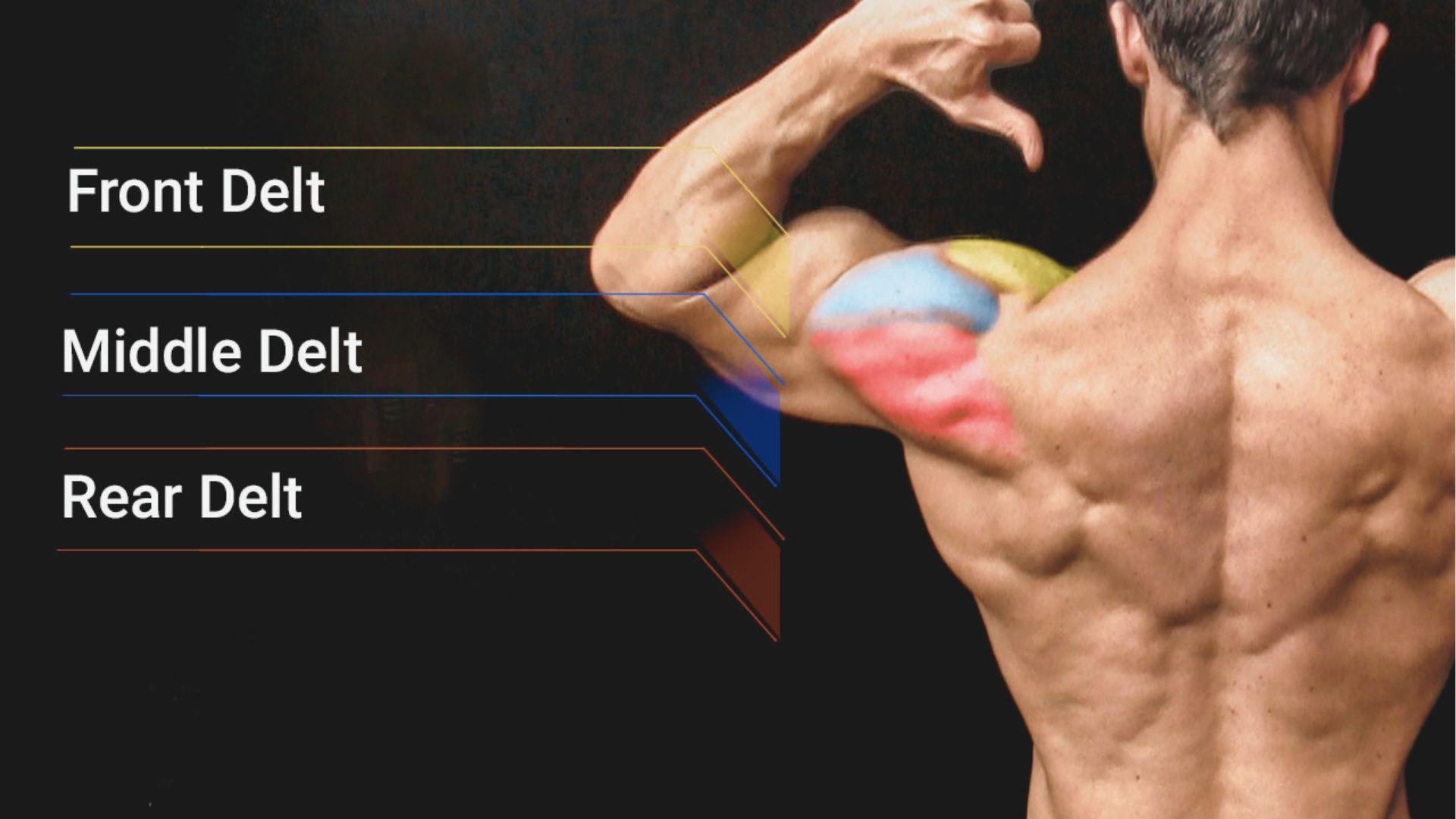
Lateral raises work more than just your shoulders. Here's a clear look at every muscle involved.
Lateral Deltoid as the Primary Muscle
The lateral deltoid is the main muscle in this exercise. It's the middle section of your three-part shoulder muscle.
When you lift the weight out to the side, the lateral deltoid does most of the work. It contracts to raise your arm and controls it on the way back down.
This muscle is responsible for that wide shoulder look. Without direct training, it can stay underdeveloped even if you press heavy every week.
Supporting Muscles Involved
Several other muscles help during lateral raises:
- Supraspinatus: A small rotator cuff muscle that starts the lifting motion
- Upper trapezius: Helps stabilize your shoulder blade during the lift
- Serratus anterior: Keeps your shoulder blade in the right position
- Forearms and grip: Hold the weight throughout the movement
These muscles don't do the heavy lifting. But they support the movement and keep your shoulder stable.
How Lateral Raises Build Wider Shoulders
The side deltoid sits on the outer edge of your shoulder. When it grows, it pushes outward. This makes your shoulders look wider from the front.
Wider shoulders also create the illusion of a smaller waist. This is why bodybuilders train their side delts so seriously.
Lateral raises place constant tension on the lateral deltoid. Over time, with progressive overload and good form, this leads to real muscle growth.
How to Do Lateral Raises Correctly

Good form makes lateral raises more effective and keeps your shoulders safe from injury.
Proper Starting Position
Stand with your feet shoulder-width apart. Hold a dumbbell in each hand at your sides. Keep a slight bend in your elbows. Don't lock them straight.
Your palms should face your body. Your chest should be up and your core tight. Don't lean forward or round your back.
Start light. Getting your form right matters more than the weight.
Step-by-Step Form Guide
Step 1: Stand tall and hold the dumbbells at your sides.
Step 2: Keep a slight bend in your elbows throughout the movement.
Step 3: Lift both arms out to the sides slowly. Breathe out as you lift.
Step 4: Stop when your arms reach shoulder height. Your body should form a T shape.
Step 5: Pause for one second at the top.
Step 6: Lower the weights slowly back to your sides. Take about two to three seconds on the way down.
Step 7: Repeat without using momentum.
The lowering phase matters just as much as the lift. Control the weight on the way down for better results.
Choosing the Right Weight
Most people go too heavy on lateral raises. This leads to bad form and less side delt activation.
Start with a weight that lets you do 12 to 15 clean reps. You should feel a burn in the side of your shoulder, not in your neck or traps.
If you're swinging the weight or shrugging your shoulders, go lighter. Form always comes first.
Common Lateral Raise Mistakes
Small form errors can slow your progress and hurt your shoulders over time.
- Swinging the Weights: Many people use momentum to get the dumbbells up. This removes tension from the side deltoid and makes the exercise far less effective.
- Using Too Much Weight: Heavy weight is the most common mistake with lateral raises. The side delt is a small muscle that responds better to lighter loads and controlled reps.
- Shrugging the Traps: If your shoulders rise toward your ears during the lift, your traps are doing the work. Keep your shoulders down and back to keep the focus on the side delt.
- Lifting Above Shoulder Height: Going higher than shoulder level shifts the work to your traps and upper back. Stop at shoulder height where the lateral deltoid is most active.
- Rushing the Reps: Moving too fast through each rep kills the time under tension your side delt needs. Slow down, especially on the way down, to get more out of every set.
Best Lateral Raise Variations
Different variations keep your training fresh and target the side delt from new angles.
Dumbbell Lateral Raise
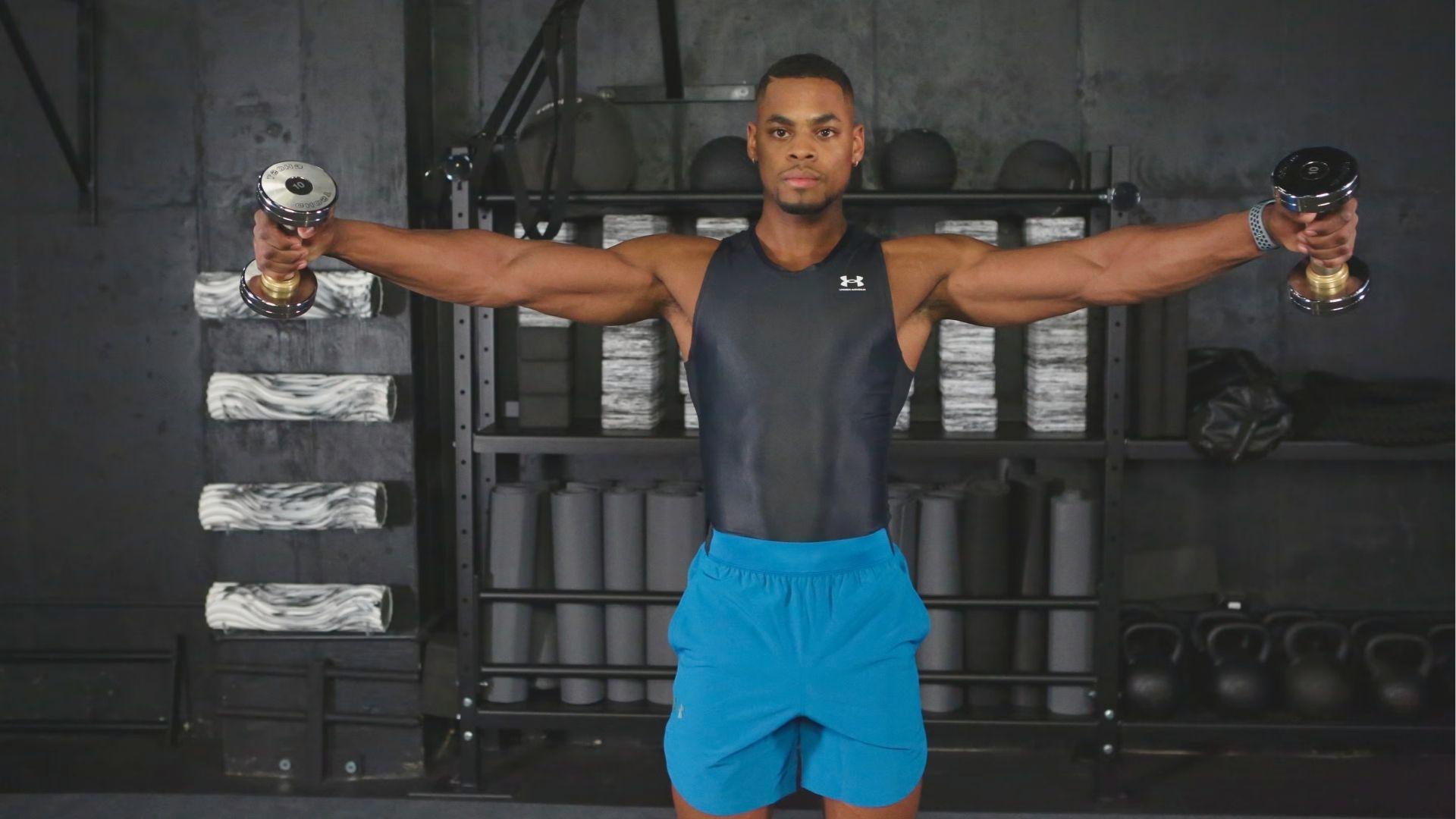
This is the standard version. It's the most common and a great starting point for beginners.
You can do it standing or seated. Standing requires more core stability. Both work well. Use a controlled tempo and avoid swinging.
Cable Lateral Raise
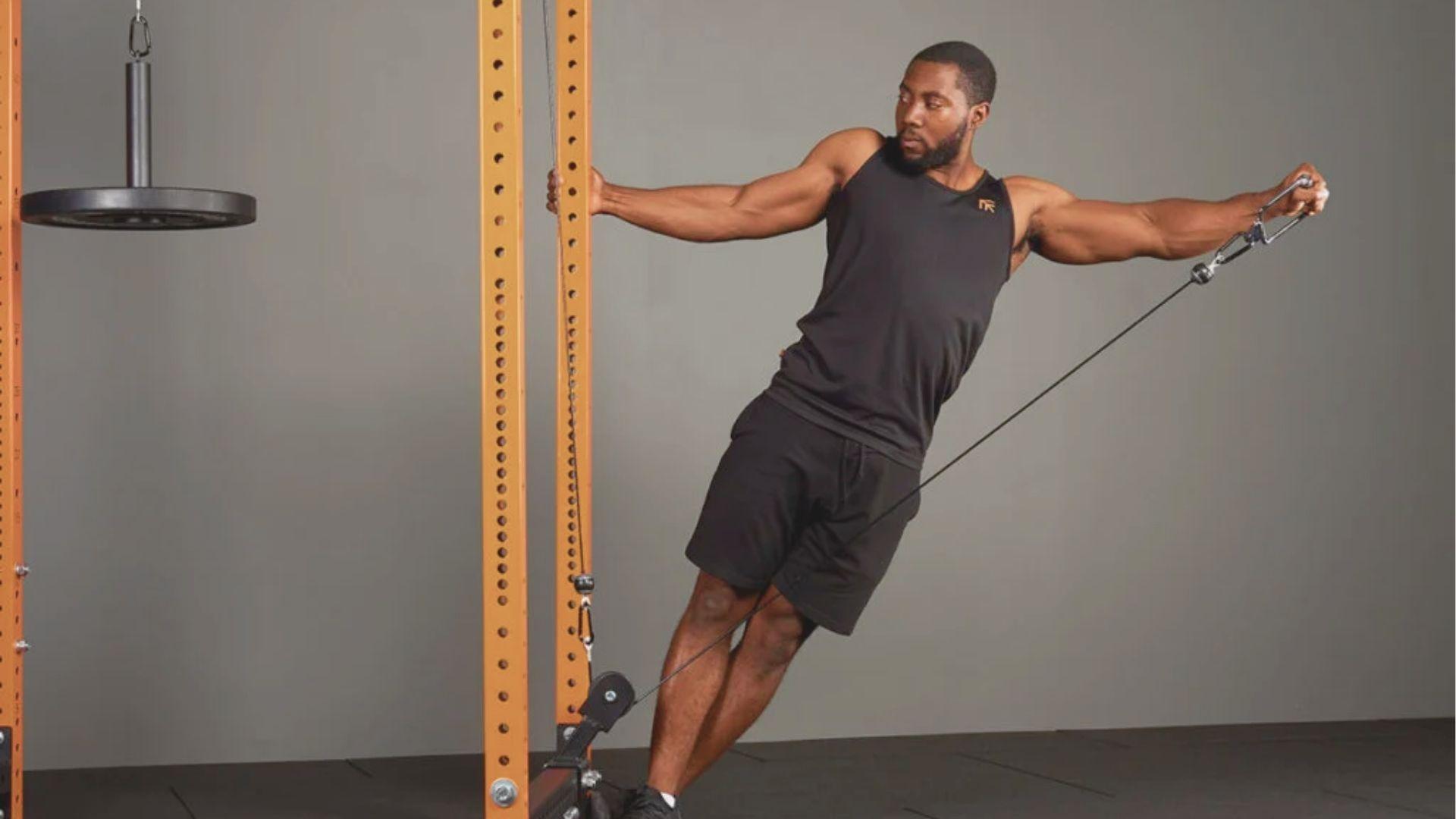
The cable version keeps tension on the side delt throughout the full range of motion. With dumbbells, tension drops near the bottom. With cables, it stays constant.
Stand next to a low cable pulley. Hold the handle with the hand farthest from the machine. Lift your arm out to shoulder height, then lower slowly.
Many lifters prefer cables for a better muscle pump and more consistent tension.
Seated and Lean-Away Variations
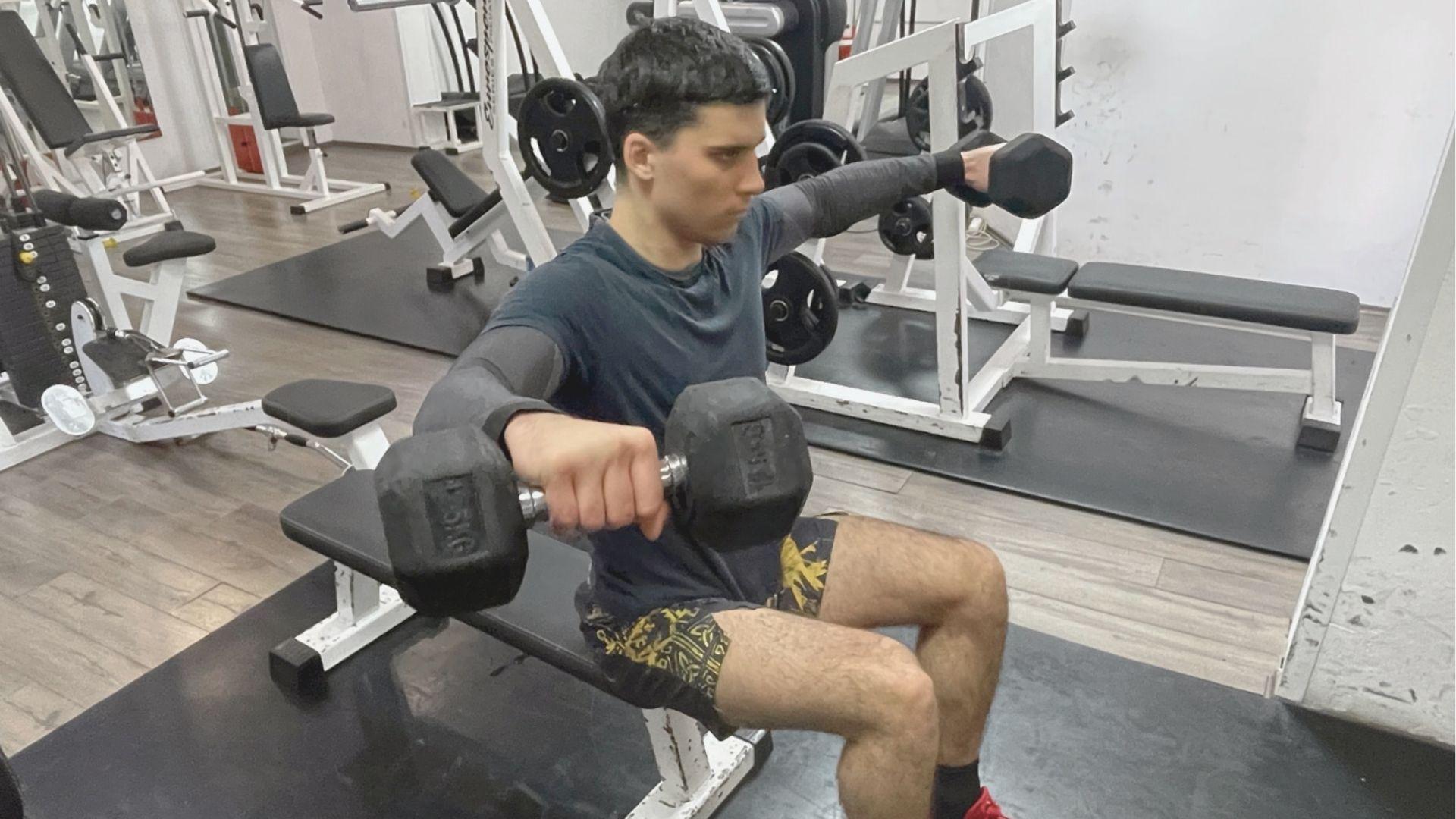
Seated lateral raises limit your ability to use body momentum. This forces better isolation of the side delt.
The lean-away variation involves holding a fixed object and leaning slightly away from it. This changes the angle and lets you get a longer range of motion through the exercise.
Both are great options for more advanced lifters who want to push the side delt harder.
Resistance Band and Machine Variations

Resistance bands are great for home workouts or warm-ups. They're easy on the joints and provide good tension.
Machine lateral raises are excellent for beginners. They guide your movement and reduce the chance of using bad form. Many machines also allow you to isolate one arm at a time.
Mixing in different tools keeps your training from getting stale.
Can You Do Lateral Raises Every Day?
Knowing when to rest is just as important as knowing when to train.
The side deltoid is small. It can handle more frequent training than larger muscles like the chest or legs.
Training it two to four times per week can speed up growth. Low-volume sessions done more often work well. Two to three sets every other day is a solid approach.
That said, the shoulder is a complex joint. Daily high-volume training can leave it sore, stiff, or worn out over time. Daily training only works with low volume and good recovery.
Watch for these signs that you need rest:
- Soreness that doesn't go away between sessions
- Sharp pain during or after the exercise
- Weakness compared to normal
- Stiffness or poor range of motion
If any of these show up, take a few days off. Rest is when your muscles actually grow.
What Bodybuilders Say About Frequent Lateral Raises
Most bodybuilders treat side delts as a stubborn muscle group. They train them three to four times per week, sometimes daily during prep, using low sets but high frequency.
High reps are preferred over heavy weight. Sets of 15 to 30 reps keep tension on the side delt and reduce trap involvement. Progressive overload still matters over time.
Daily lateral raises can work, but only with low volume and good recovery. Start with two to three days per week and adjust based on how your body responds.
Best Way to Program Lateral Raises
Smart programming gets you better results in less time.
Ideal Sets and Reps for Muscle Growth
For side delt growth, aim for 3 to 5 sets of 12 to 20 reps per session.
Lower reps with heavy weight don't work as well here. The side deltoid responds better to moderate weight and higher reps.
Keep rest periods short. About 45 to 60 seconds between sets is enough for isolation work like this.
Weekly Training Frequency
Two to four sessions per week is a good range for most people.
If you train shoulders once a week, include two to four sets of lateral raises in that session. If you train more often, spread the volume across multiple days for better results.
Don't train the same muscles on back-to-back days without reducing volume.
Where to Place Them in Your Workout
Lateral raises work best after compound shoulder exercises. Do your overhead press or upright rows first. Then finish with lateral raises.
Your side delts will already be warmed up. You can then focus fully on the isolation work without fatiguing the muscle too early.
Some lifters also do lateral raises at the very end of an upper body session as a burnout move. This can give a strong pump and finish off the side delts.
Conclusion
Lateral raises are one of the most effective moves for building wider shoulders. I started taking them seriously a few years back, and the change in my shoulder width was noticeable within a few months.
The key is good form, the right weight, and consistent effort over time.
Start with what you learned here. Fix your form, go lighter if needed, and train your side delts regularly.
If this guide helped you, share it with a friend who wants bigger shoulders. And drop a comment below. I'd love to hear how lateral raises are working for you.
Frequently Asked Questions
What muscles do lateral raises work?
Lateral raises mainly work the lateral deltoid, which is the middle part of your shoulder. Supporting muscles include the supraspinatus, upper traps, and serratus anterior.
How many sets of lateral raises should I do per week?
Most people do well with 9 to 15 sets per week spread across two to three sessions. Start on the lower end and increase gradually based on how your shoulders feel.
Should I use dumbbells or cables for lateral raises?
Both work well. Cables provide more constant tension throughout the movement, while dumbbells are more accessible. Mixing both into your routine gives you good variety.
Why do I feel lateral raises in my traps instead of my shoulders?
This usually means the weight is too heavy or you're shrugging your shoulders during the lift. Lower the weight, keep your shoulders down, and focus on lifting through your elbows.
Can lateral raises cause shoulder injury?
Done with good form and appropriate weight, lateral raises are generally safe. Going too heavy, lifting above shoulder height, or training with poor recovery can increase injury risk over time.