
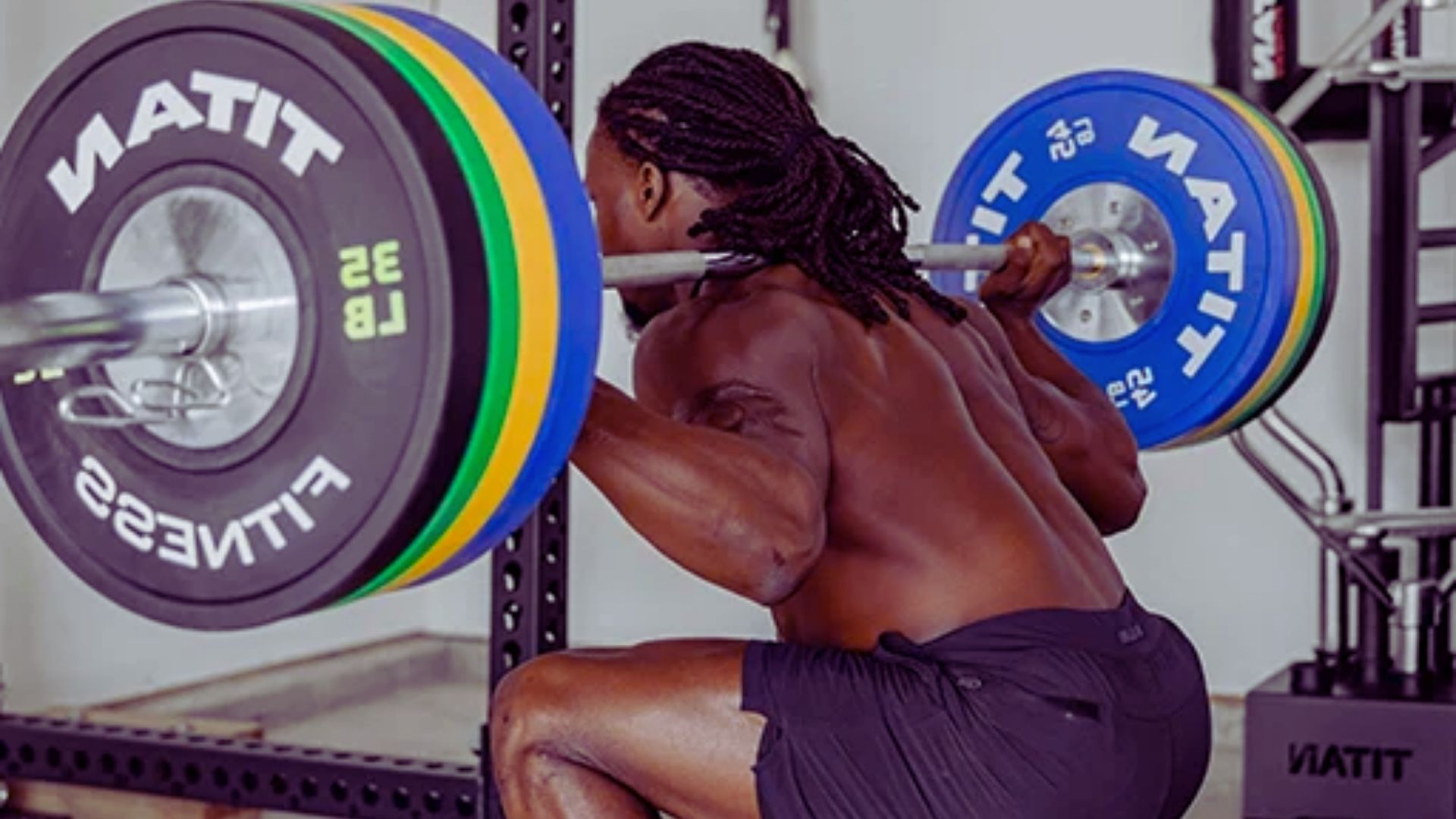
Think you’re ready to crush your next lift? Ever stopped and asked how much is 4 plates on each side, and if you can actually handle it?
If you’ve ever felt the thrill and the pressure staring at a fully loaded barbell, you’re in the right place.
In this guide, I’ll break down exactly what lifting four plates really means, why it’s considered a major strength, and much more.
With years of coaching experience and lifting myself, I’ll share tips that help you lift smarter and avoid mistakes.
By the end, you’ll understand the plates, the bar, and how to approach your lifts with confidence and clarity.
Let’s get started.
What Does “4 Plates” Actually Mean in Gym Terms?
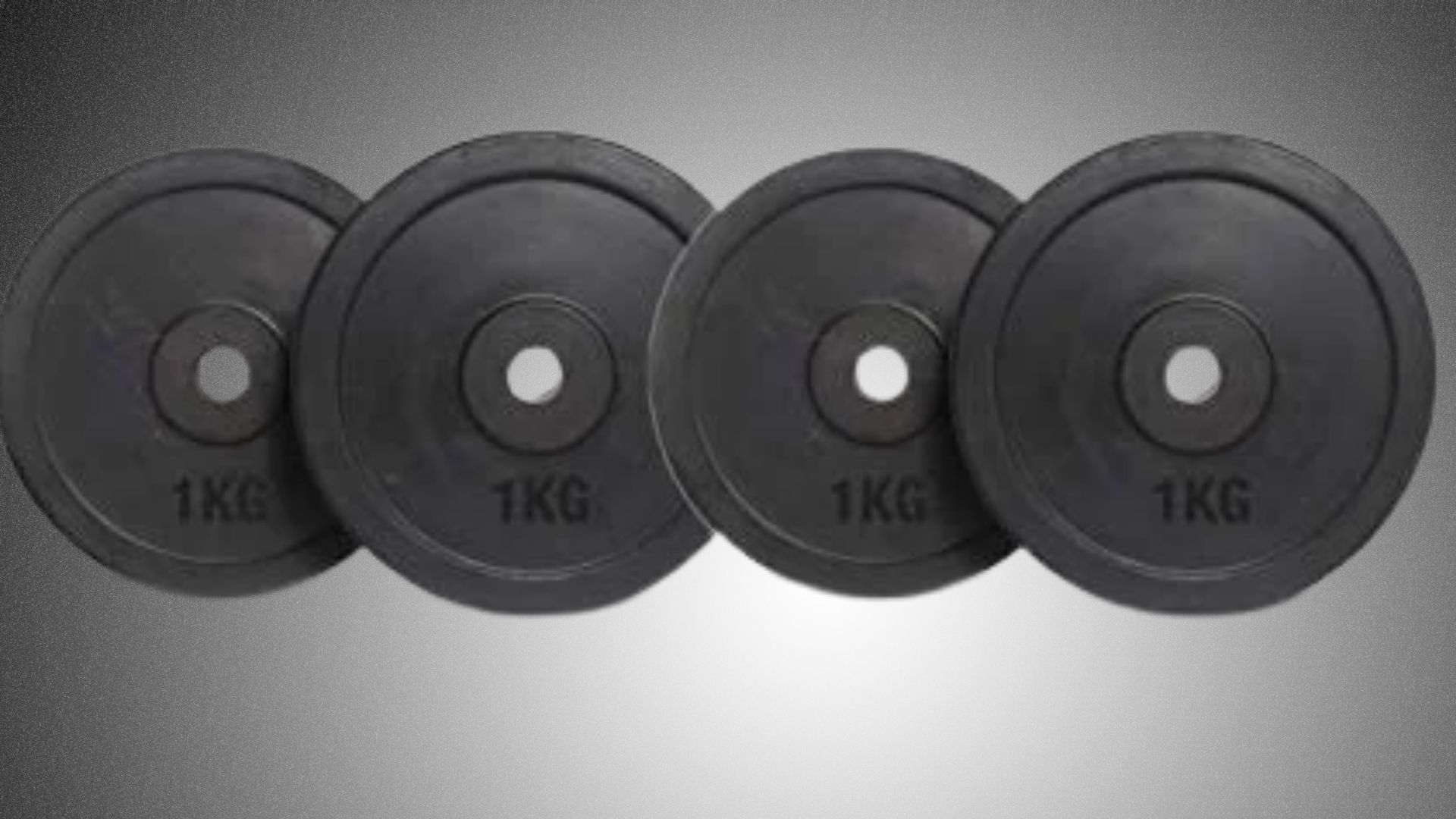
In the gym, a plate usually means a 45-pound (20 kg) weight plate. When someone says they’re lifting “4 plates,” they typically mean four plates on each side of the barbell, not four total.
Including the bar, this adds up to 405 pounds. Beginners often confuse this with 4 plates total, which equals only 180 pounds.
Knowing the difference between plates per side and total plates helps you understand gym talk and avoid overestimating or underestimating someone’s lift.
Exact Weight Breakdown: Step-by-Step Math
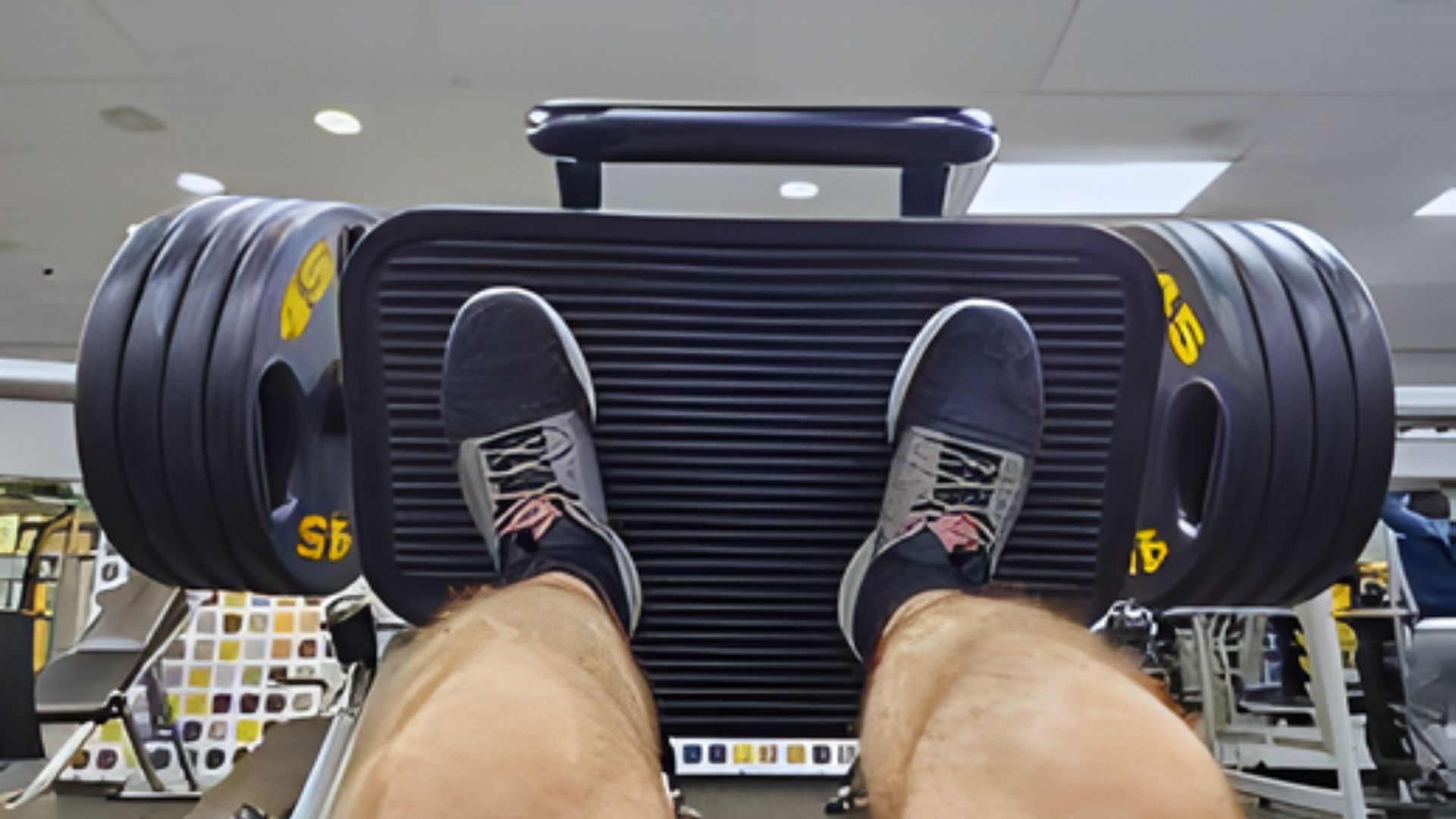
Understanding four plates is easier when you calculate each side and include the bar. This shows the total weight clearly.
In Pounds (Standard Gym Setup)
If you’re training in a U.S. gym, each plate usually weighs 45 pounds. Four plates per side equals 180 pounds.
With two sides, that’s 360 pounds. Adding the 45-pound Olympic bar gives a total of 405 pounds. This is how most gyms calculate “4 plates” in pounds.
In Kilograms (International Gyms)
In most international gyms, standard plates weigh 20 kilograms. Four plates per side equals 80 kilograms.
Two sides add up to 160 kilograms, and with a 20-kilogram Olympic bar, the total is 180 kilograms. This breakdown helps lifters worldwide understand what 4 plates really means.
Breaking down the math makes 4 plates easy to understand. Always include the bar to know the total weight accurately.
Barbell Plate Calculator: Calculate Any “Plate” Weight
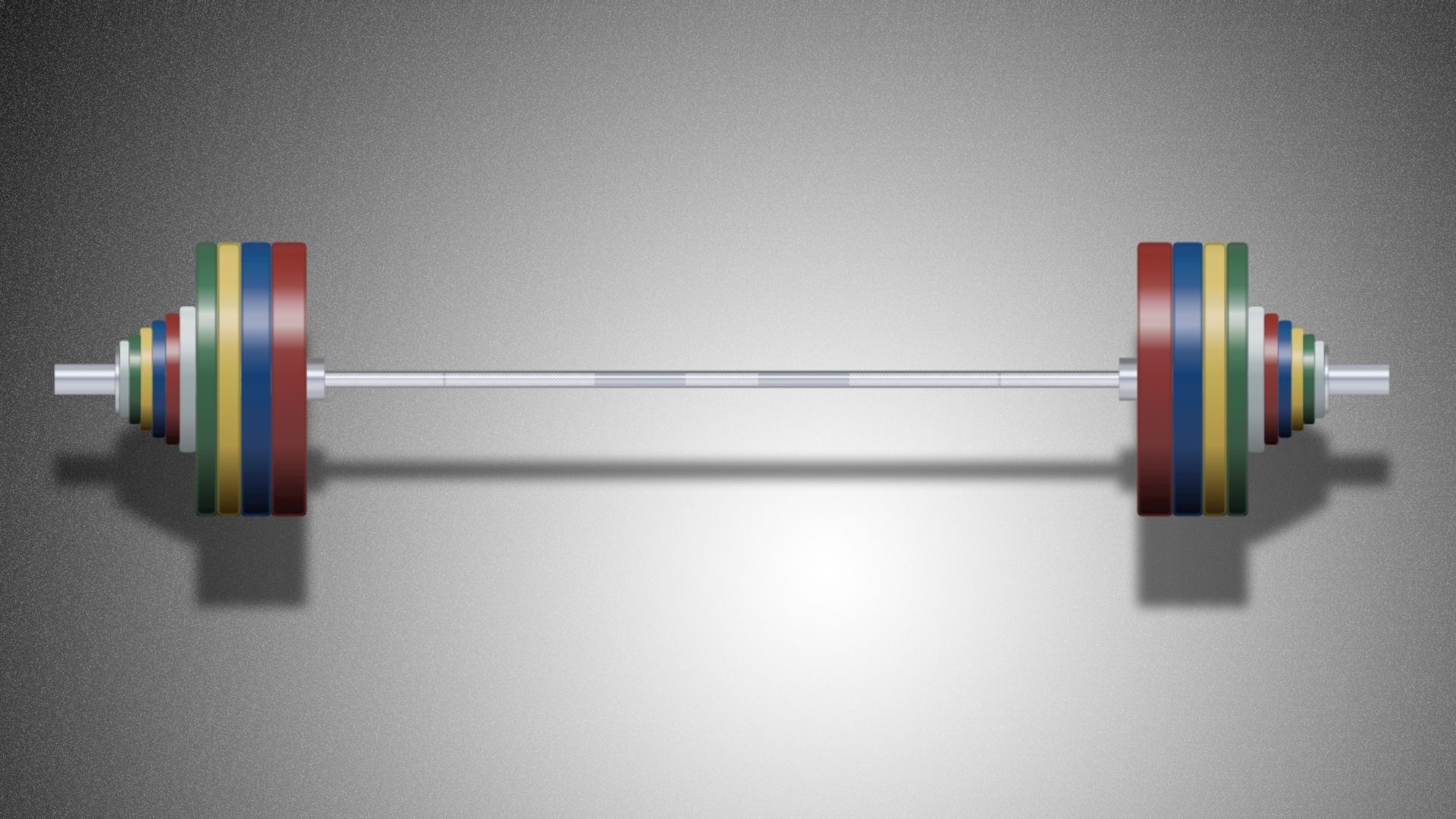
A barbell plate calculator makes it easy to figure out the total weight on the bar.
You just enter the number of plates on each side and the weight of the bar, and it calculates the total load in pounds or kilograms.
This helps beginners avoid confusion about “plates per side” versus total plates.
It also makes planning workouts simpler, ensures accurate tracking of progress, and reduces mistakes when loading heavy lifts.
Using a calculator helps you know exactly what you’re lifting every time.
Does “4 Plates” Always Mean 405 Pounds?
Four plates don’t always equal 405 pounds. Weight depends on the plates and the bar used.
Gym Uses 20 kg Plates: Some gyms use 20-kilogram plates, which makes four plates per side roughly 180 kg total. This is slightly different from 405 pounds, but still a heavy lift.
Smaller Plates (35 lb, 25 lb, etc.): Using smaller plates changes the total weight. Four 35 lb plates per side does not equal 405 pounds.
Different Bar Weights: Standard bars are 45 lb, but women’s bars weigh 35 lb, and specialty bars like trap or safety squat bars vary in weight. Context matters when calculating totals.
Check the plate and bar weight to know the correct total and lift safely.
Weight Chart: Plates Per Side
This quick reference shows the total weight for different numbers of plates per side. It helps you plan lifts and understand the actual load.
|
Plates Per Side |
Total Weight (lbs) |
Total Weight (kg) |
|
1 Plate |
135 lbs |
60 kg |
|
2 Plates |
225 lbs |
100 kg |
|
3 Plates |
315 lbs |
140 kg |
|
4 Plates |
405 lbs |
183–184 kg |
|
5 Plates |
495 lbs |
225 kg |
Use this chart to quickly check totals and load the bar correctly every time.
How Much Is 4 Plates on the Leg Press?
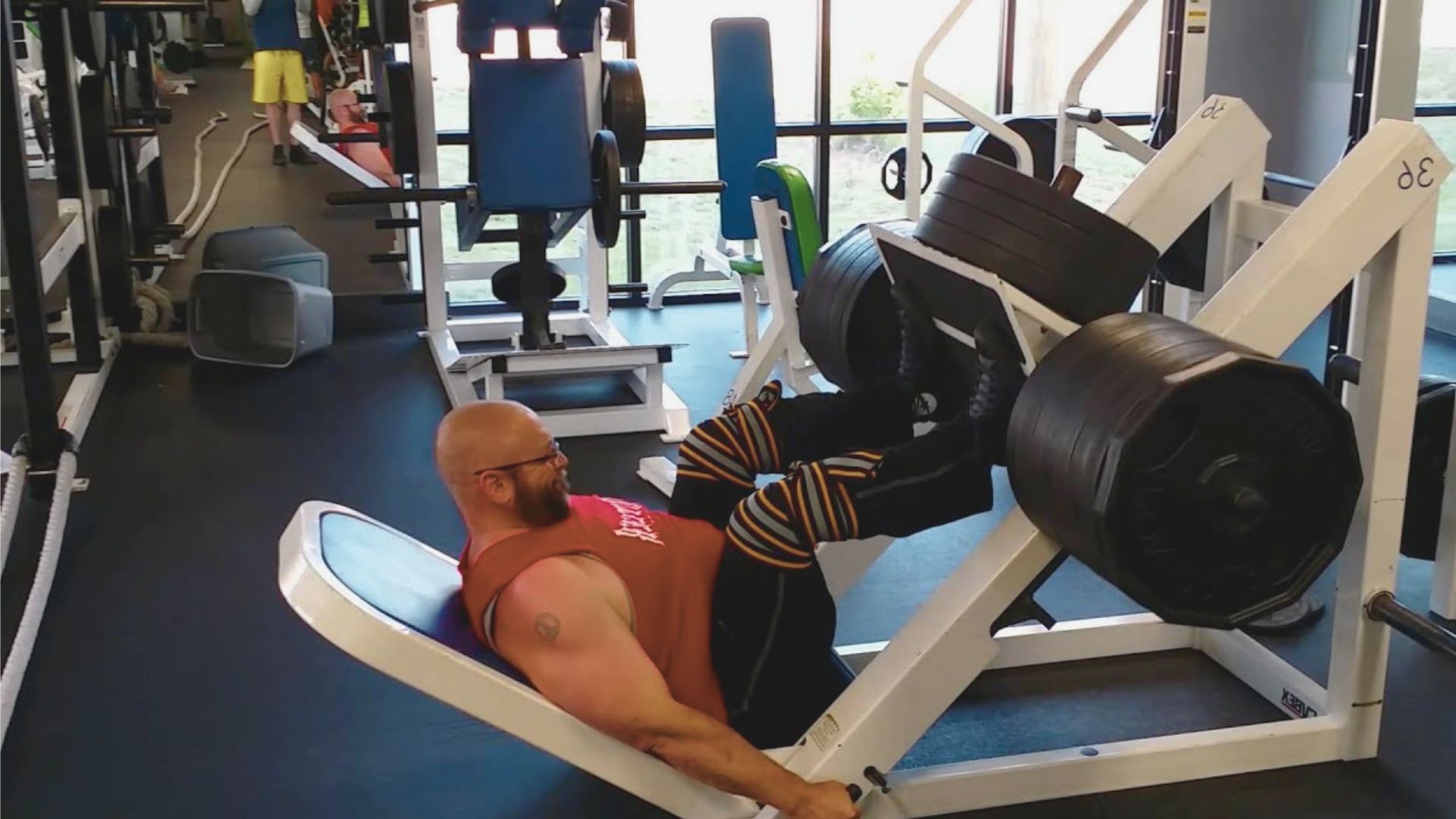
Leg press weight depends on the sled and machine. Knowing how plates add up helps you track your lifts accurately.
Standard Plate-Loaded Leg Press: Four plates per side usually equal 360 lbs, not including the sled. Some sleds add 45–125 lbs, which increases the total. This is why leg press numbers often appear higher than barbell lifts.
Machine Differences: Different leg press machines feel different. Hammer Strength, 45-degree sled, and selectorized machines all have special mechanics and sled weights.
The same number of plates can feel heavier or lighter depending on the machine used.
Always check the sled and machine type to know the true leg press weight.
Why 4 Plates Is a Major Strength Milestone
Lifting 4 plates is a major milestone for many gym-goers. It represents both physical strength and a mental achievement.
|
Lift Type |
4 Plates Weight |
Significance |
|
Bench Press |
405 lbs |
Lifting 405 lbs on the bench is considered elite. |
|
Squat |
405 lbs |
Squatting 405 lbs is a standard for advanced lifters. |
|
Deadlift |
405 lbs |
Deadlifting 405 lbs is a strong goal for intermediate lifters. |
|
Psychological |
N/A |
Hitting 4 plates is seen as a major milestone in gym culture. |
It serves as a recognized benchmark in gym culture.
How Strong Do You Need to Be to Lift 4 Plates?

Lifting 4 plates requires strength and consistent training. Bodyweight and experience affect progress.
Beginner vs. Intermediate vs Advanced Standards:
Lifting 4 plates requires different strength levels depending on experience. Beginners focus on form and building base strength, intermediates aim for 405 lbs as a milestone, and advanced lifters may handle heavier loads confidently.
Bodyweight Comparison:
Your body weight affects how challenging 4 plates are. Heavier lifters may find 405 lbs more manageable, while lighter lifters need more relative strength to reach the same milestone.
Training Timeline Expectations:
Achieving 4 plates takes consistent training. Depending on experience and genetics, it can take months to years of structured lifting to reach this goal safely.
Injury Prevention Considerations:
Proper technique, gradual loading, and recovery are essential. Rushing to lift 4 plates increases the risk of injury, especially in the lower back, knees, and shoulders.
Proper form and gradual loading make reaching this milestone safe.
Final Thoughts
Knowing how much is 4 plates on each side is key to lifting confidently and safely.
When you understand the weight on each side and include the bar, you can track progress, plan workouts better, and avoid mistakes.
Every lift becomes an opportunity to improve technique and build real strength.
Celebrate each milestone, focus on form, and enjoy the process. Strength is as much about consistency as it is about numbers.
Ready to test your progress? Grab your bar, set your plates, and see how strong you really are today!
Frequently Asked Questions
Is 4 Plates 405 Pounds?
Yes, 4 plates per side with a standard 45 lb bar equals 405 pounds. This is the typical weight for barbell lifts like bench, squat, or deadlift.
How Many Plates Is 225 Pounds?
225 pounds usually means 2 plates per side on a standard 45 lb bar. It’s a common benchmark for intermediate lifters to track progress.
Is Lifting 4 Plates Impressive?
Yes, lifting 4 plates is considered a major strength milestone. It shows significant strength and consistent training effort.
How Much Is 5 Plates?
Five plates per side on a 45 lb bar totals 495 pounds. This weight is usually achieved by experienced lifters with advanced strength levels.
Is the Bar Included When Counting Plates?
Yes, the bar weight is included in the total calculations. Most standard bars weigh 45 pounds, though specialty bars may vary.