Face pulls are great but not always possible. Maybe your gym lacks a cable machine. Maybe you train at home. Or maybe your shoulders just do not feel right doing them.
This article covers 9 proven face pull alternatives that target the same muscles: rear delts, traps, rhomboids, and rotator cuff.
You will find options for: I have worked with these movements personally and tested what actually builds muscle without risking shoulder health.
Each option here is practical, effective, and backed by real training experience.
What Are Face Pull Alternatives?
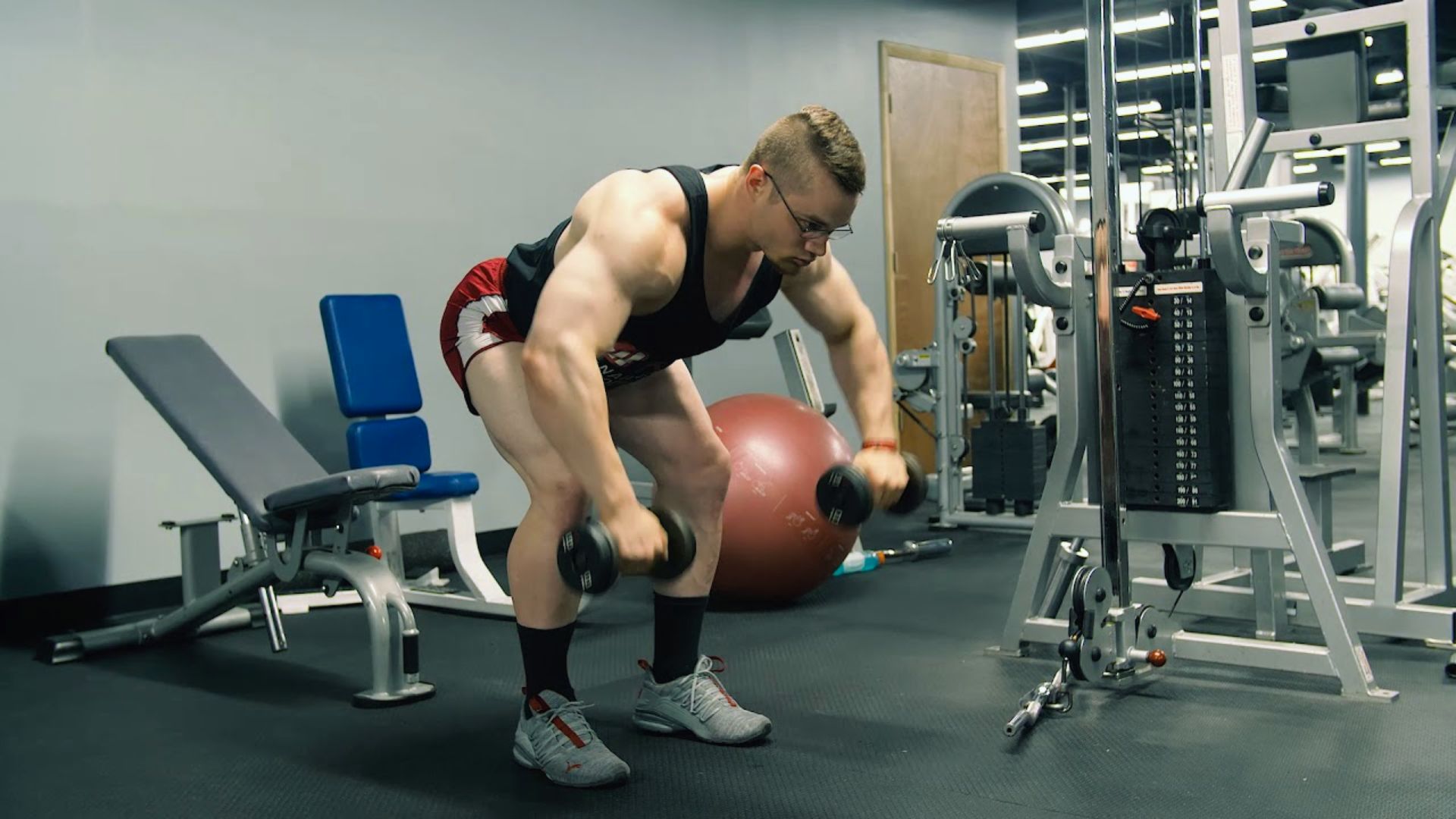
Face pull alternatives are exercises that train the same muscle groups as face pulls, just through different tools or angles.
These movements focus on the rear delts, traps, rhomboids, and rotator cuff. These are the muscles that control shoulder stability and build upper back thickness.
The good news is that muscles do not care what equipment you use. They respond to tension, range of motion, and consistent effort.
So whether you use a resistance band, a pair of dumbbells, or a cable machine, the stimulus can be just as effective.
What matters most is the movement pattern, not the specific exercise you choose to get there.
Why Replace Face Pulls in Your Workout?
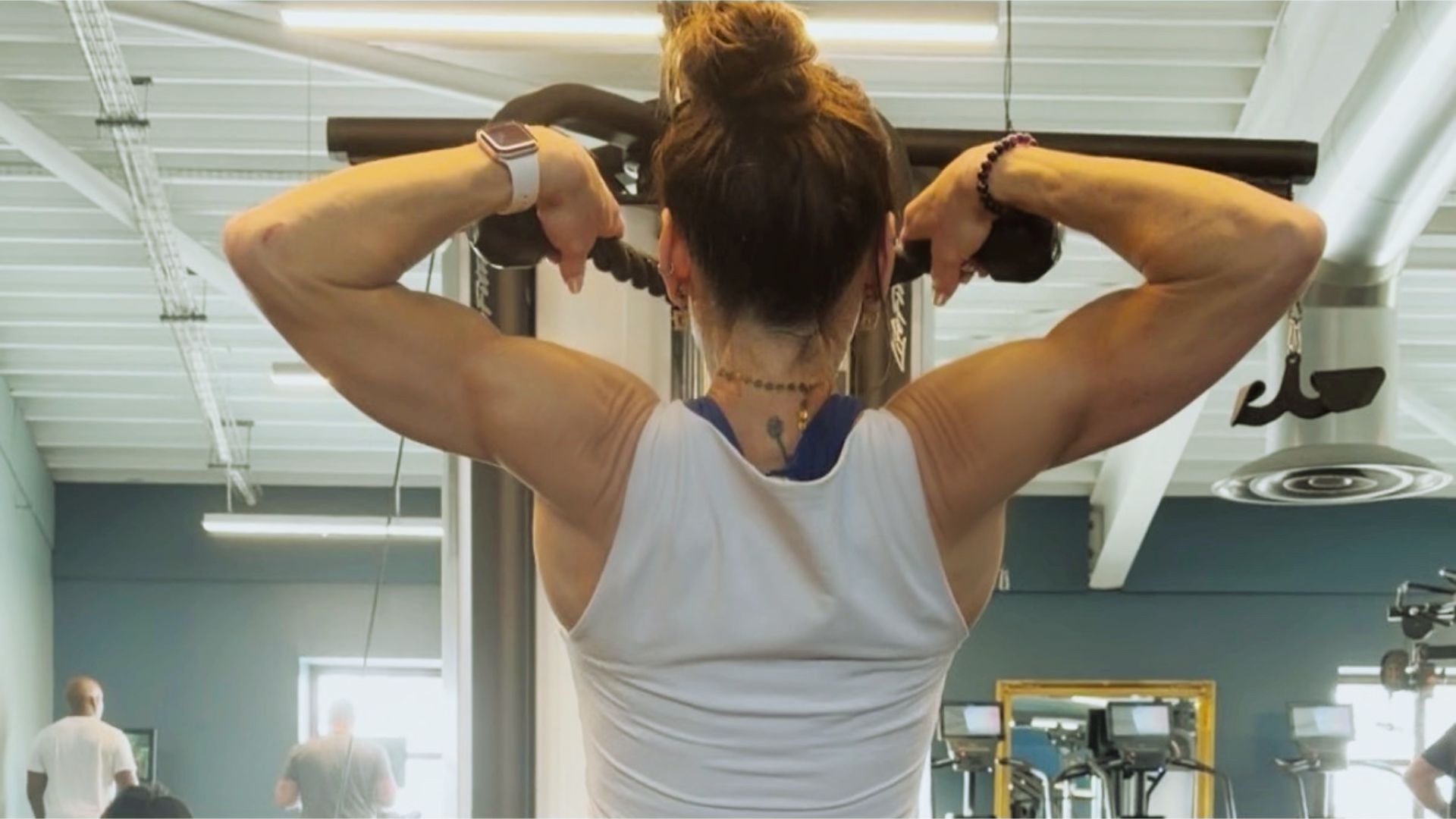
There are several solid reasons to swap face pulls, and none of them mean you are doing something wrong.
No cable machine access is the most common one. Many home gyms and smaller spaces simply do not have one.
Plateaus are another reason. Adding variation keeps muscles adapting and growing.
Shoulder discomfort during face pulls is common with poor form or too much weight. A more controlled movement protects the joint.
Some lifters also need better progressive overload options. Bands and dumbbells make it easier to track and increase load over time.
Best Face Pull Alternatives for Muscle Growth
Each of these movements targets the rear delts, upper back, or rotator cuff the core muscles face pulls are known to train.
1. Dumbbell Rear Delt Row
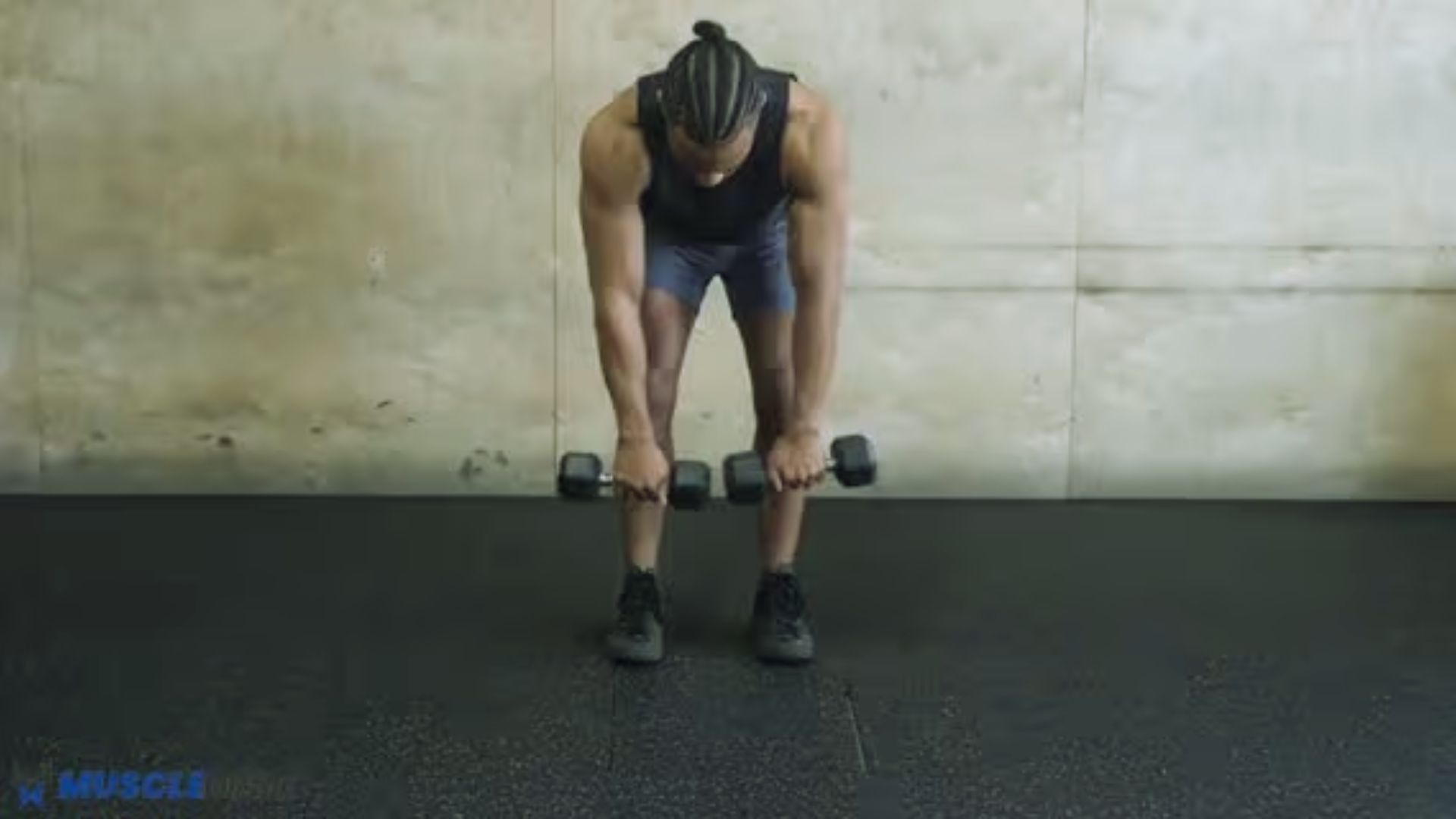
A simple and highly effective option for anyone training with dumbbells at home or in the gym.
Hinge at the hips, keep your chest up, and row the dumbbells out to the sides. Pull your elbows up and out, not toward your hips.
Use a moderate weight and control every rep. This is a precision lift, not a heavy one.
2. Band Pull-Apart
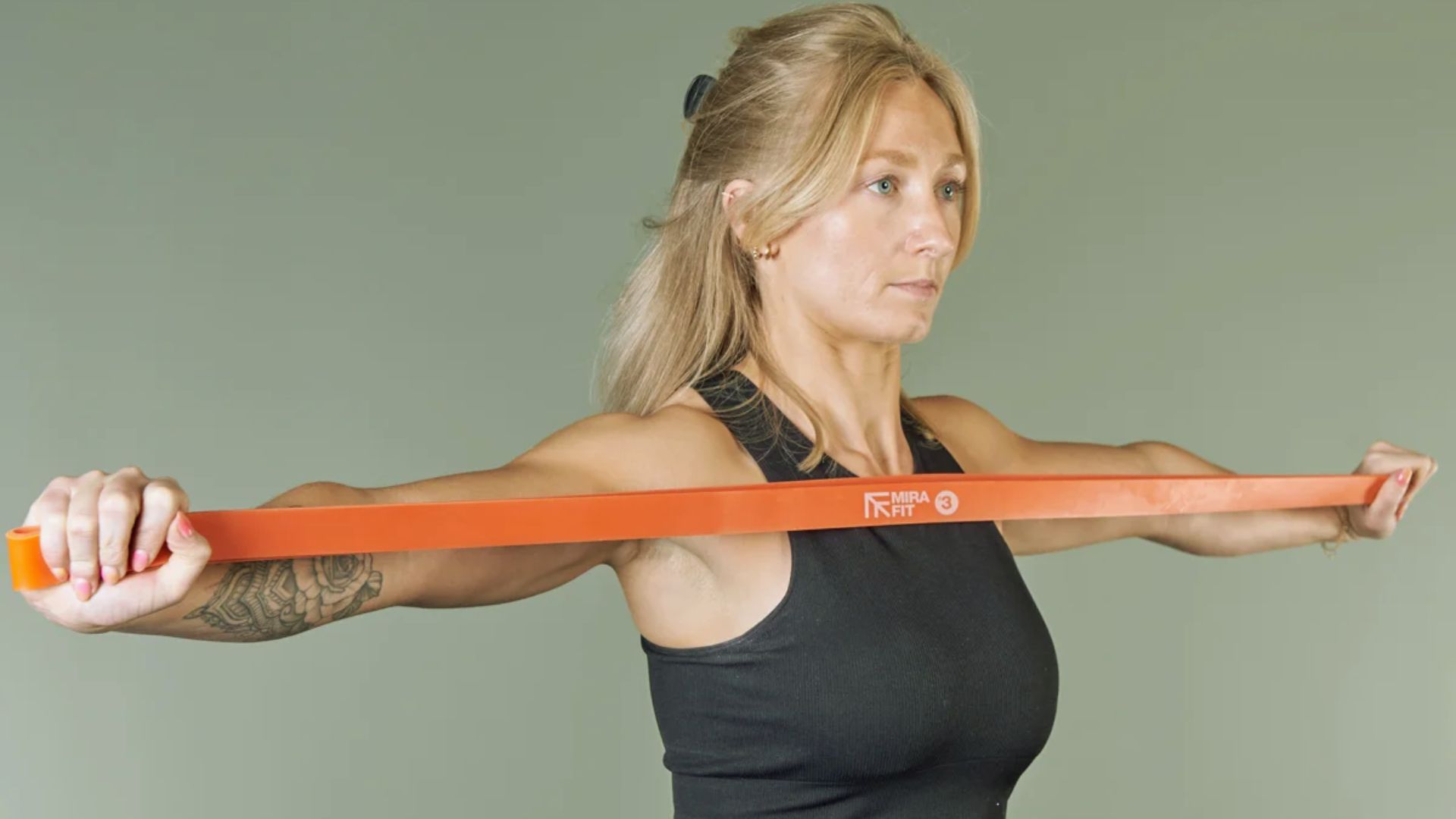
One of the best face pull alternatives for home training, and one most people overlook.
Hold a resistance band at shoulder height and pull it apart until it touches your chest. Works the rear delts and rhomboids well. Use it as a warm-up or finisher. Aim for 20 to 30 reps per set.
3. Band Face Pull
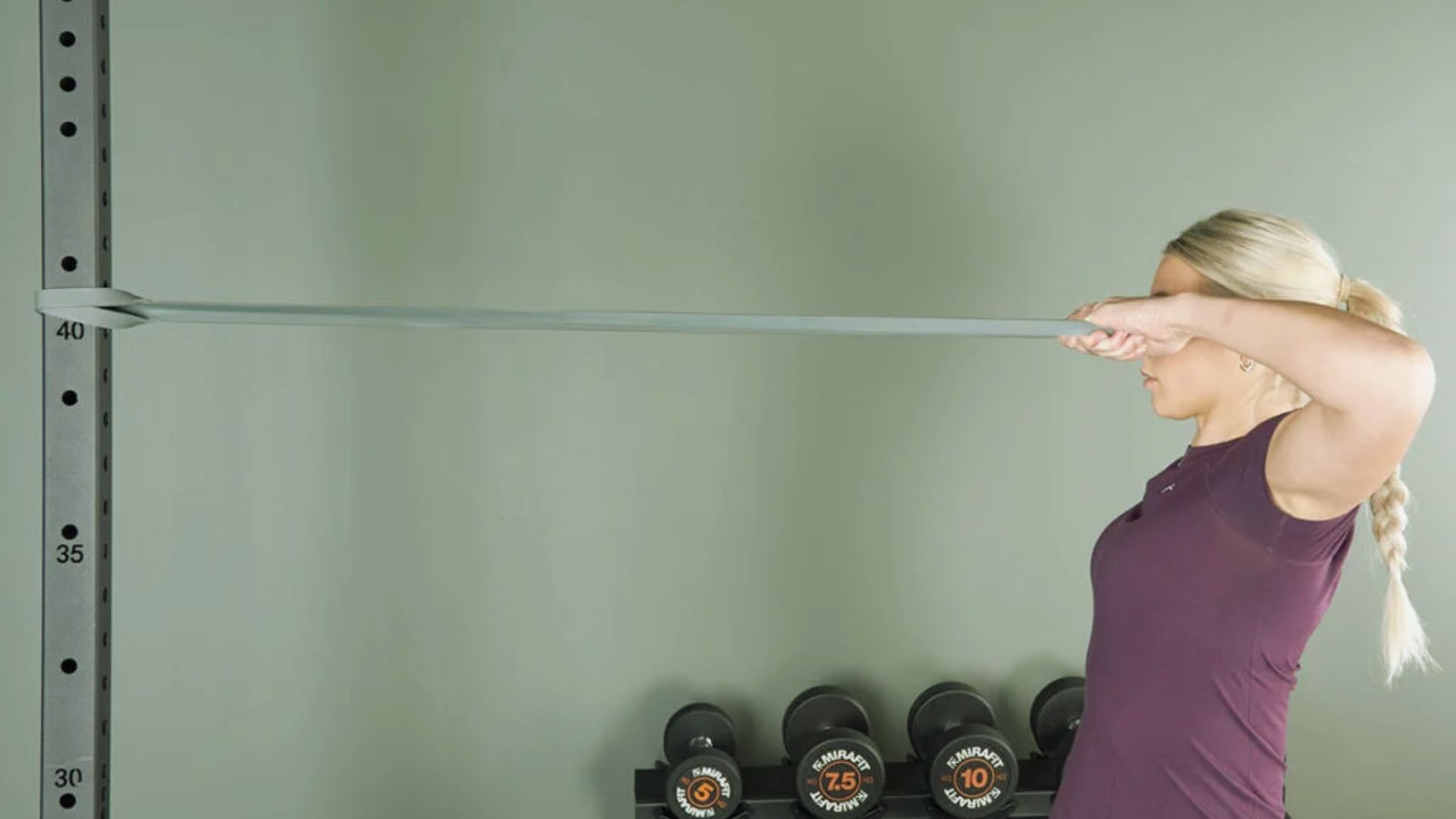
The closest direct replacement for the cable version.
Anchor a resistance band at face height and pull it toward your face with elbows flared out. The movement pattern is nearly identical to the cable face pull.
Aim for 15 to 25 reps and focus on the squeeze at the end of each rep.
4. Machine Reverse Fly
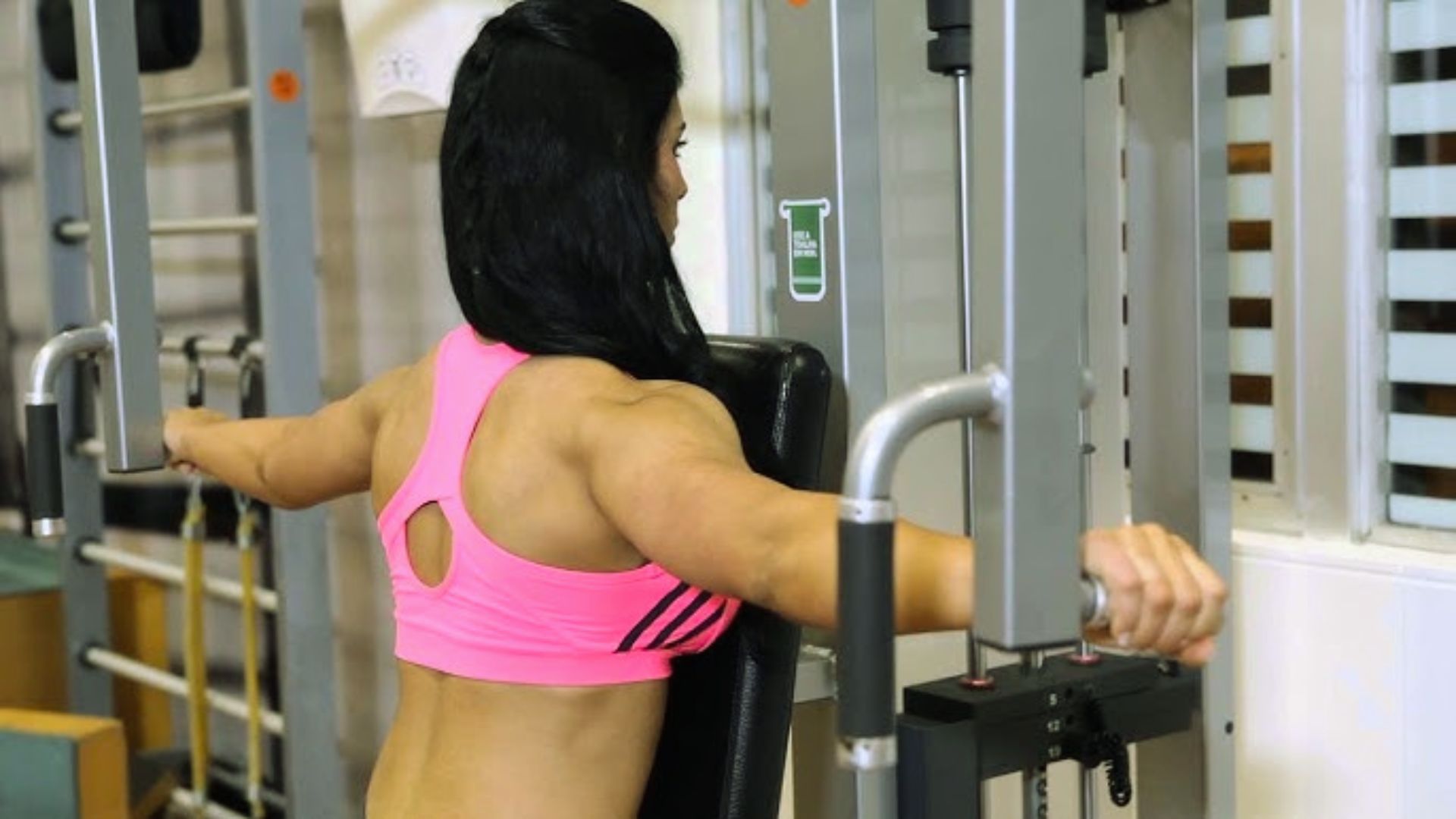
Found in most commercial gyms, this machine offers a controlled path that is easy to learn.
Sit facing the machine, grip the handles, and fly your arms back in a wide arc. You cannot cheat with momentum here, which means more direct stress on the rear delts.
A great option for beginners or anyone recovering from a shoulder issue.
5. Cable Rear Delt Fly
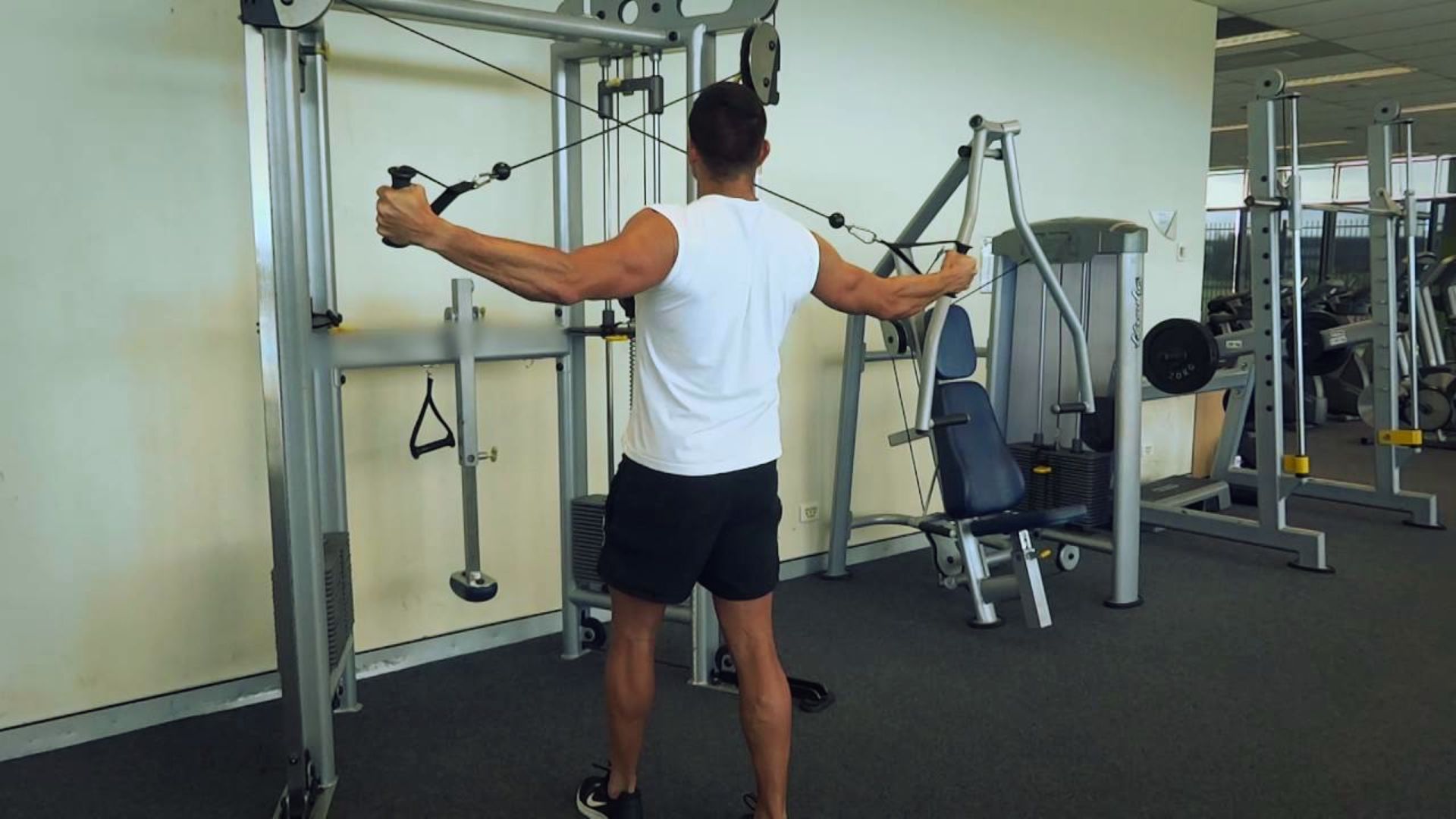
A strong cable face pull alternative that keeps constant tension on the rear delts throughout every rep.
Set the cable at shoulder height and fly one arm back across your body. The cable works the muscle from start to finish. Use light weight and high reps. Quality beats quantity here.
6. Seated Cable Rear Delt Row
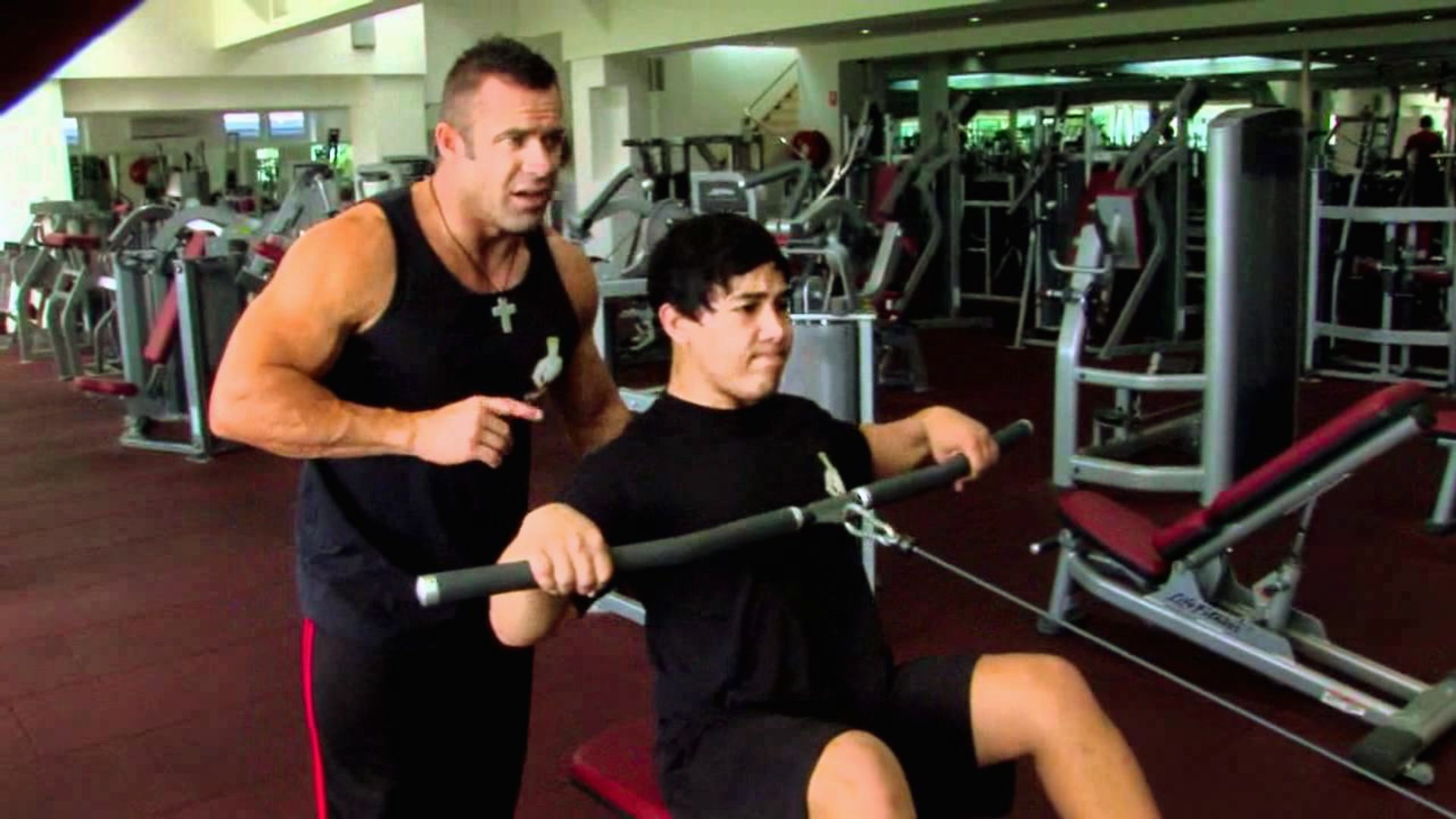
The seated position removes momentum and forces the rear delts to do all the work.
Pull your elbows back and wide, not straight toward your hips. That small adjustment shifts focus from the lats to the upper back and rear delts. Solid choice for strict form training.
7. Wide-Grip Barbell Row
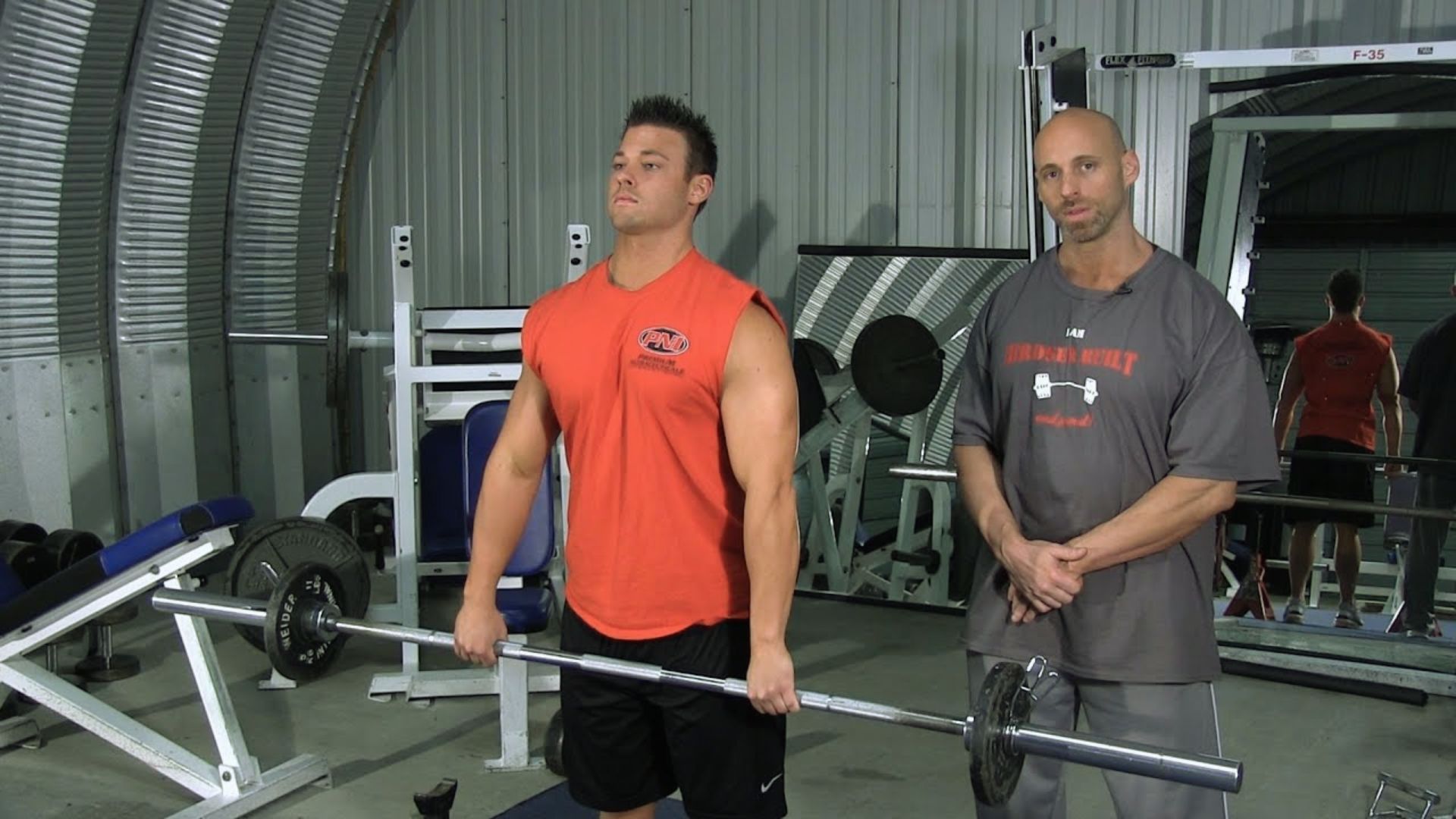
The heavy compound option on this list.
A wider grip brings the bar toward your upper chest instead of your belly. That shift puts more emphasis on the rear delts and upper back.
You can load this heavier than any isolation exercise, making it a strong mass-building choice.
8. Reverse Dumbbell Fly
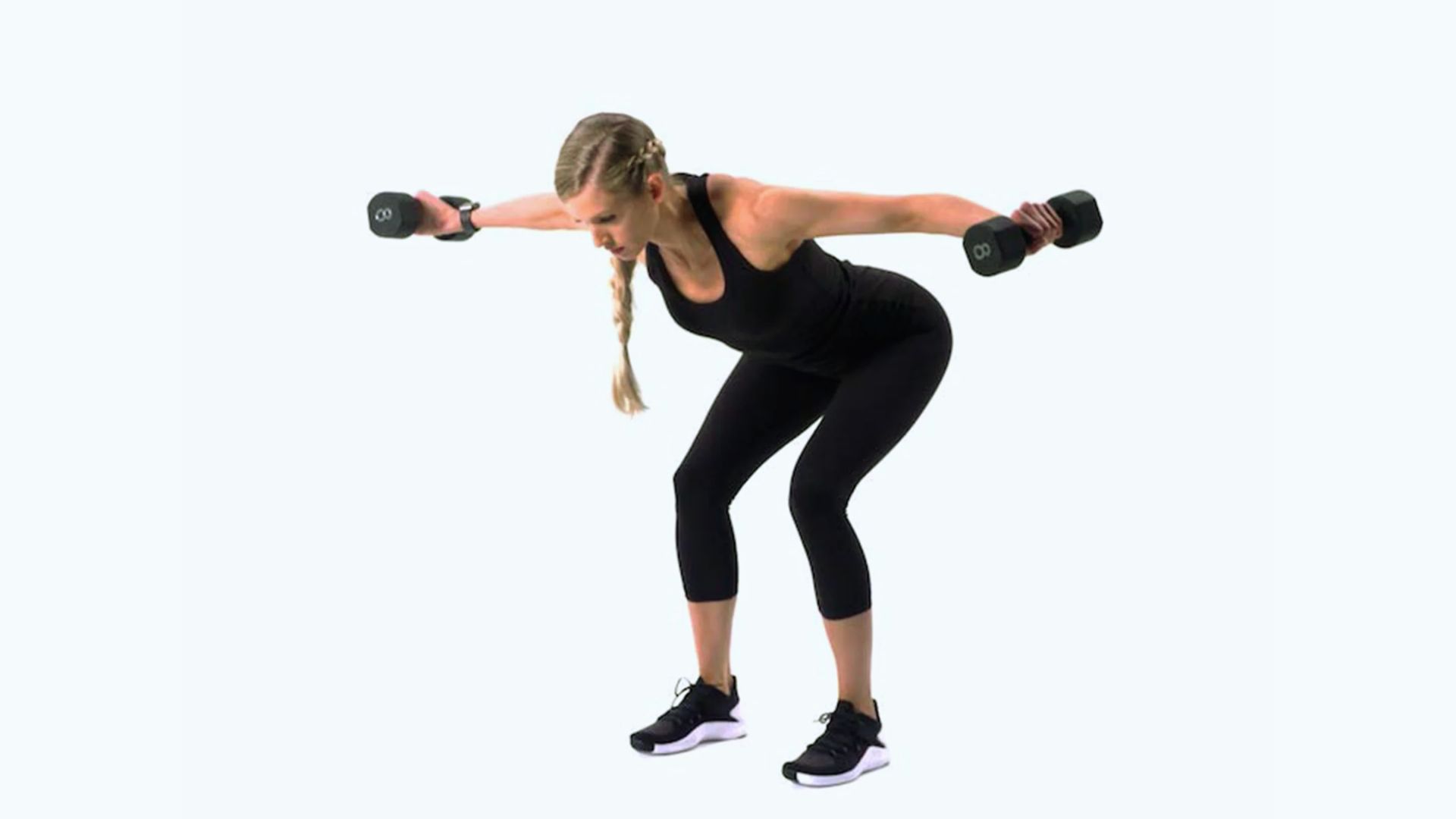
Simple, home-friendly, and requires only two dumbbells.
Do it bent-over or lying face-down on an incline bench. The incline version reduces momentum and keeps the rear delts working throughout. Keep the weight light and the reps controlled.
9. Cable External Rotation
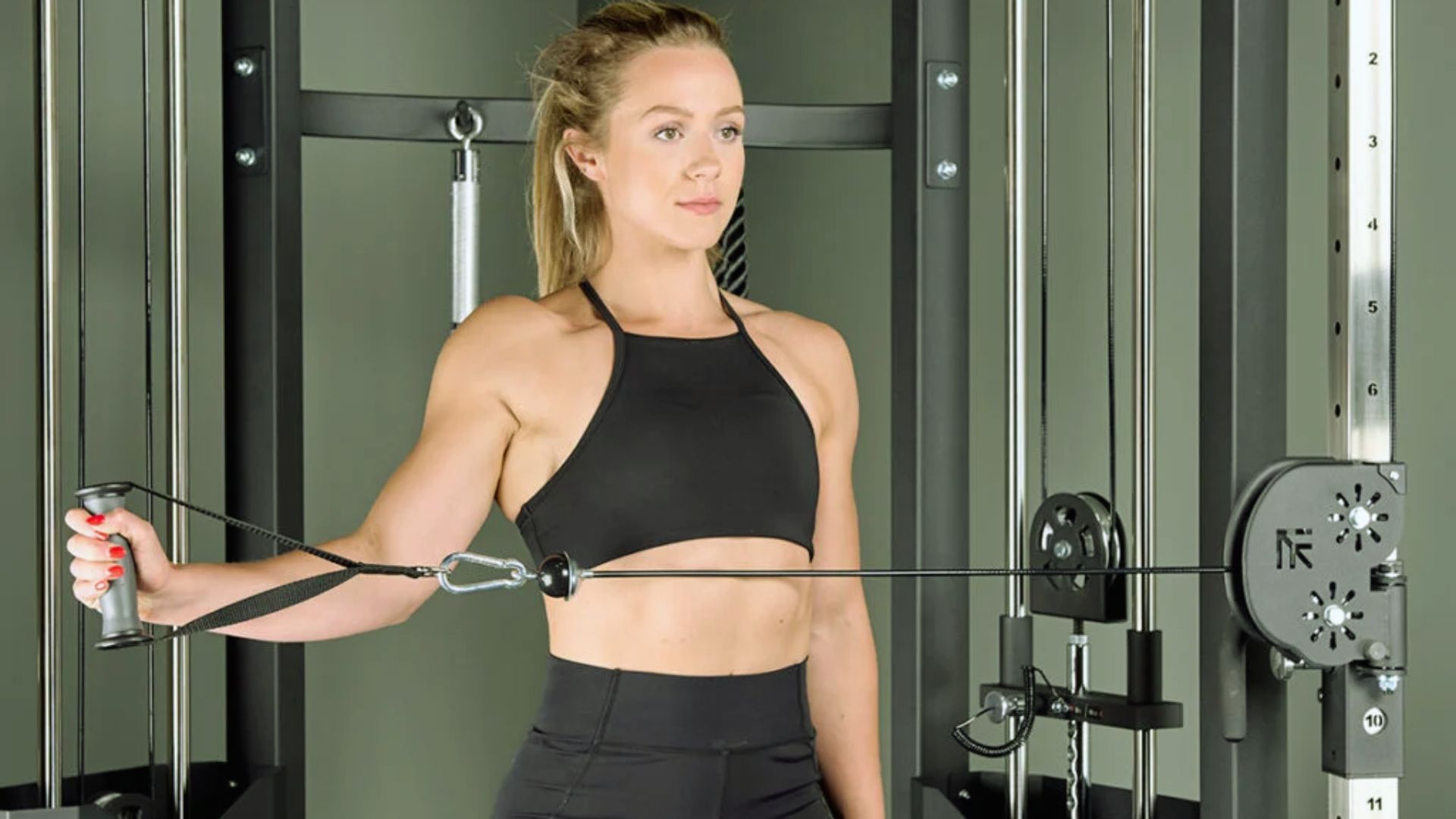
This one targets the rotator cuff directly, not the rear delts.
Set the cable at elbow height and rotate your forearm outward with your elbow pinned to your side.
Rotator cuff weakness is one of the most common causes of shoulder pain in lifters. Use it as a warm-up or at the end of a session.
Common Mistakes to Avoid
Small errors in these movements can quietly reduce your results over time.
- Going too heavy shifts work away from the rear delts. Drop the weight and actually feel the muscle.
- Skipping rotator cuff work is something most lifters regret after getting hurt. Five minutes of cable external rotation goes a long way.
- Using momentum means the target muscle is not doing the job. Slow every rep down.
- Relying on one variation causes adaptation and stalls progress. Rotate between two or three exercises.
- Ignoring the squeeze at the top reduces activation. Pause briefly at peak contraction every rep.
How to Program Face Pull Alternatives
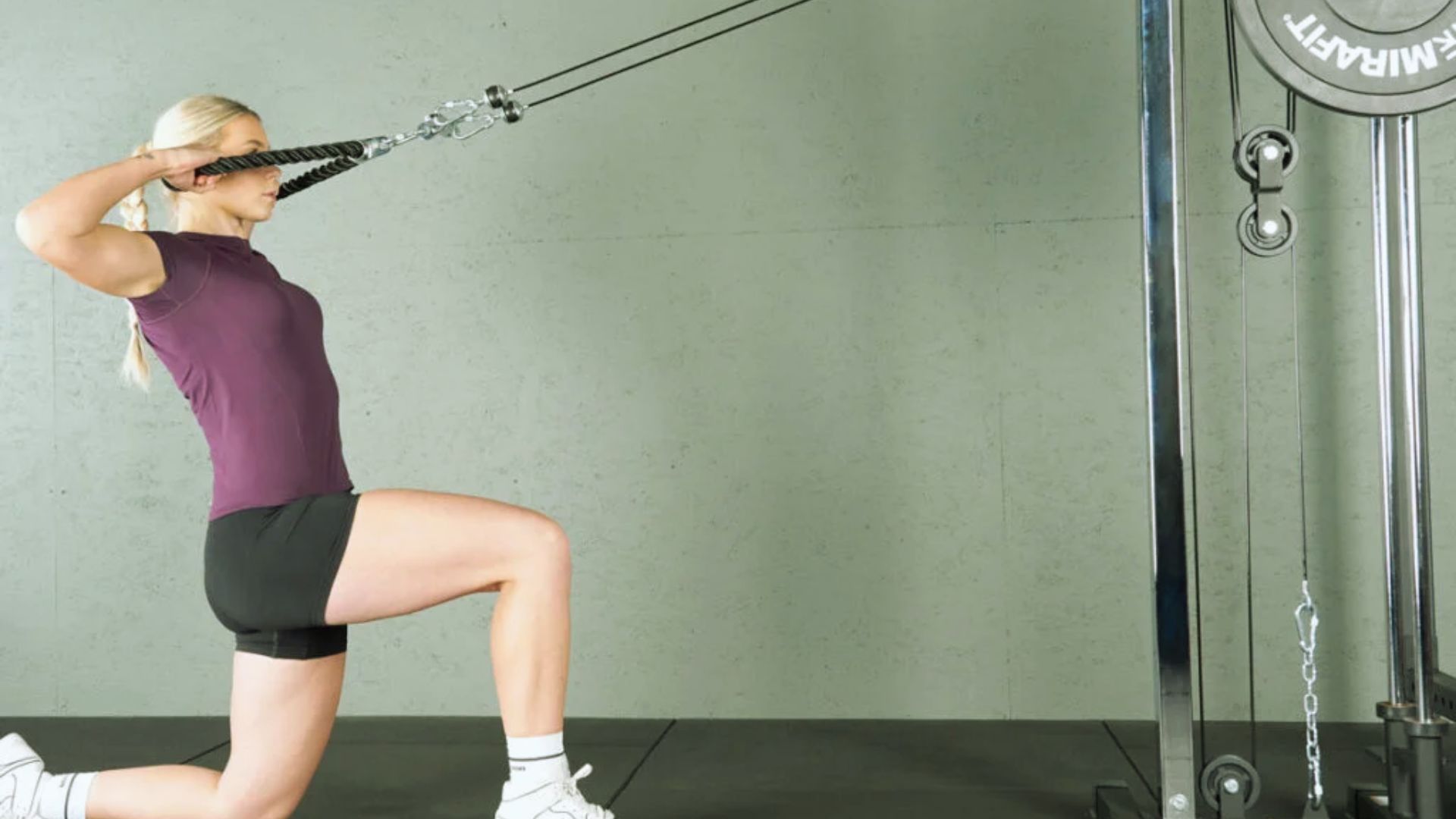
These exercises fit best on pull days or upper body days, placed after your main compound lifts.
Where to place them: After rows or pull-downs. Treat them as accessory work, important but not your main lift.
Sets and reps: 3 to 4 sets of 12 to 20 reps work well for most of these movements. Higher reps tend to work better for rear delt isolation exercises because the muscle responds well to volume and time under tension.
Frequency: Training rear delts 2 times per week is a solid starting point. You can go up to 3 times if recovery allows.
Progression: Add reps first, then weight. When you can hit the top of your rep range with clean form across all sets, increase the load slightly and start again.
Consistency over weeks and months is what builds the rear delts, not any single perfect workout.
Tips for Getting the Most Out of Face Pull Alternatives
Apply these small adjustments and your results will improve faster.
- Warm up with band pull-aparts before heavier sets to switch the rear delts on early.
- Slow down isolation movements and feel the muscle working rather than just moving the weight.
- Train these exercises at least twice per week for steady rear delt growth.
- Use a full range of motion on every rep to maximize the stretch and contraction.
- Add reps before adding weight to keep form clean and progress consistent.
Conclusion
You do not need a cable machine to build strong, healthy rear delts. These alternatives prove that.
When I first started training at home, I thought face pulls were off the table without the right setup.
Band pull-aparts and dumbbell rear delt rows changed that for me. My shoulder health improved, and my upper back finally started responding.
Pick two or three options from this list. Add them to your next pull day and stay consistent.
Found this helpful? Drop a comment below with your go-to face pull alternative, or share this post with someone who trains at home.
Frequently Asked Questions
What is the best face pull alternative for muscle growth?
The dumbbell rear delt row and cable rear delt fly are both strong options for building mass. They provide direct tension on the rear delts and allow for progressive overload over time.
Can I do face pull alternatives at home without equipment?
Yes. Band pull-aparts and band face pulls require only a resistance band. The reverse dumbbell fly works with a basic set of dumbbells and no other equipment needed.
Are cable face pull alternatives as effective as regular face pulls?
When done with proper form and consistent effort, yes. Movements like the cable rear delt fly and seated cable rear delt row match or exceed the muscle activation of standard face pulls.
How often should I train face pull alternatives?
Two times per week is a reliable starting point for most people. If your recovery is strong and volume is managed well, three sessions per week can work too.
Do I need to train the rotator cuff separately?
It is a good idea. Most rear delt exercises do not directly target the rotator cuff. Adding cable external rotation once or twice a week helps protect the shoulder joint and supports long-term training health.