
Squats are the foundation of leg strength and total body muscle development. Dumbbells make these exercises accessible anywhere, from your living room to the gym. In this guide, I’ll walk you through 17 dumbbell squat variations that target your quads, glutes, hamstrings, and core.
You’ll learn proper form for each movement, understand which muscles they work, and discover how to progress safely. I’ve been using these variations for years, and they’ve helped me build serious lower-body strength.
Here’s what we’ll cover: the science behind why dumbbell squats work so well, detailed breakdowns of all 17 variations, and safety tips to keep you training injury-free.
Why Dumbbell Squats Are Essential for Muscle Growth
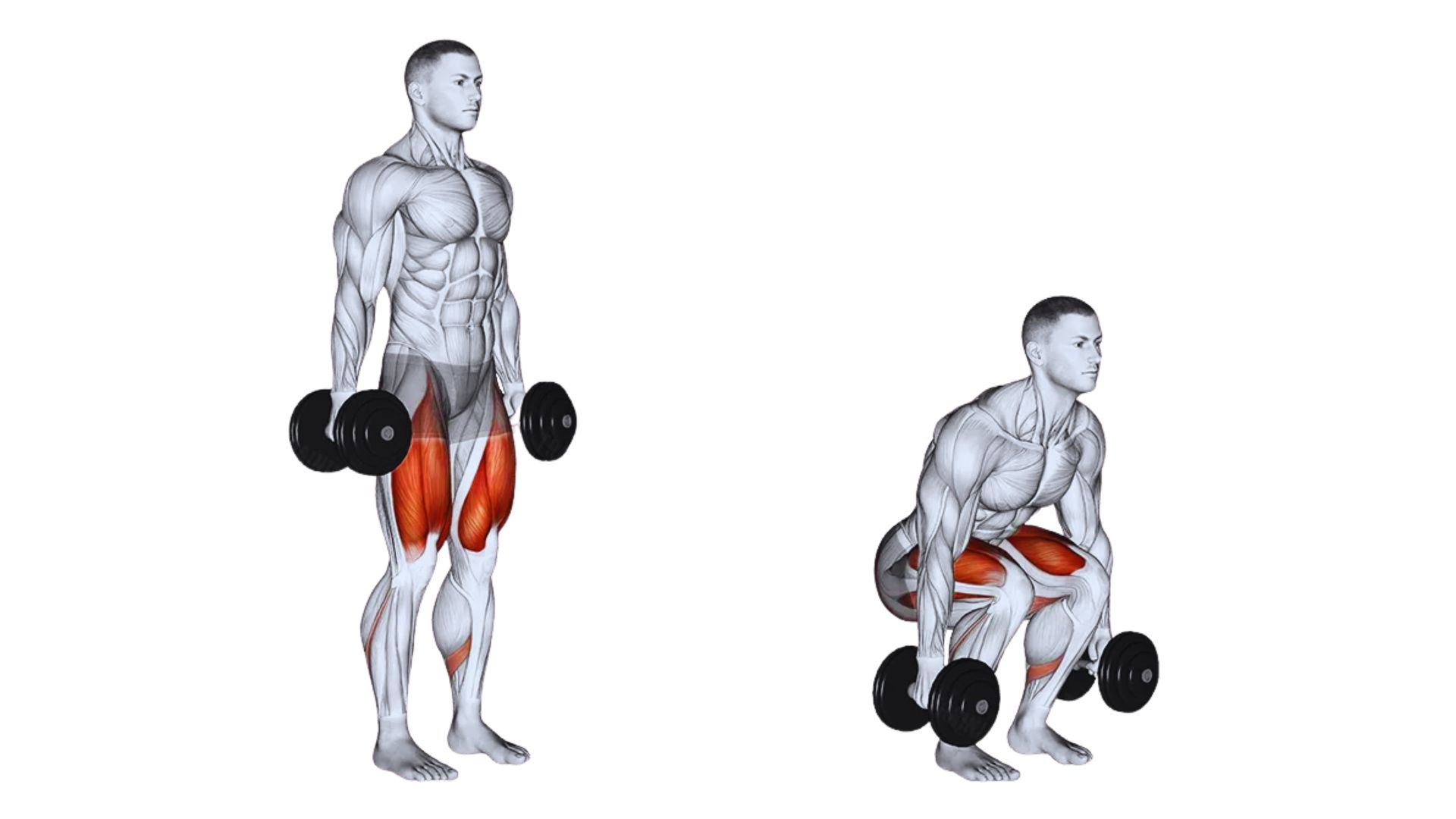
Dumbbell squats work several major muscle groups at once. Your quads handle the lifting. Your glutes and hamstrings power you up. Your core stabilizes everything.
The dumbbells create stability challenges that barbells can’t match. You need to balance two separate weights. This activates smaller stabilizer muscles throughout your body.
Range of motion improves with dumbbells, too. You can squat deeper because the weights don’t hit your body as a barbell does. Deeper squats mean more muscle activation.
These exercises work for everyone. New lifters can start light and focus on form. Advanced athletes can load up heavy dumbbells for serious strength gains.
Benefits of Dumbbell Squats
Dumbbell squats deliver real results for strength, stability, and muscle growth:
- Build Lower Body Strength. Quads, glutes, hamstrings, and calves all get worked hard with every rep.
- Improve Balance and Stability. Each hand holds a separate weight, forcing your core and stabilizers to activate fully.
- Easy to Use Anywhere. Train at home or the gym with just a pair of dumbbells.
- Better Range of Motion. Dumbbells allow deeper squats compared to barbells for more muscle activation.
- Suitable for All Levels. Beginners can start light, while advanced lifters can load up heavy.
17 Dumbbell Squat Variations
From basic movements to advanced challenges, these variations target every muscle in your lower body.
1. Goblet Squat

Muscles Worked: Quads, glutes, core, adductors
Hold one dumbbell vertically at chest height. Grip both ends with your hands. Your elbows point down.
Lower yourself by pushing your hips back and bending your knees. Keep the weight close to your chest. Your elbows should track between your knees at the bottom.
Drive through your heels to stand back up. This variation teaches perfect squat form.
2. Bulgarian Split Squat
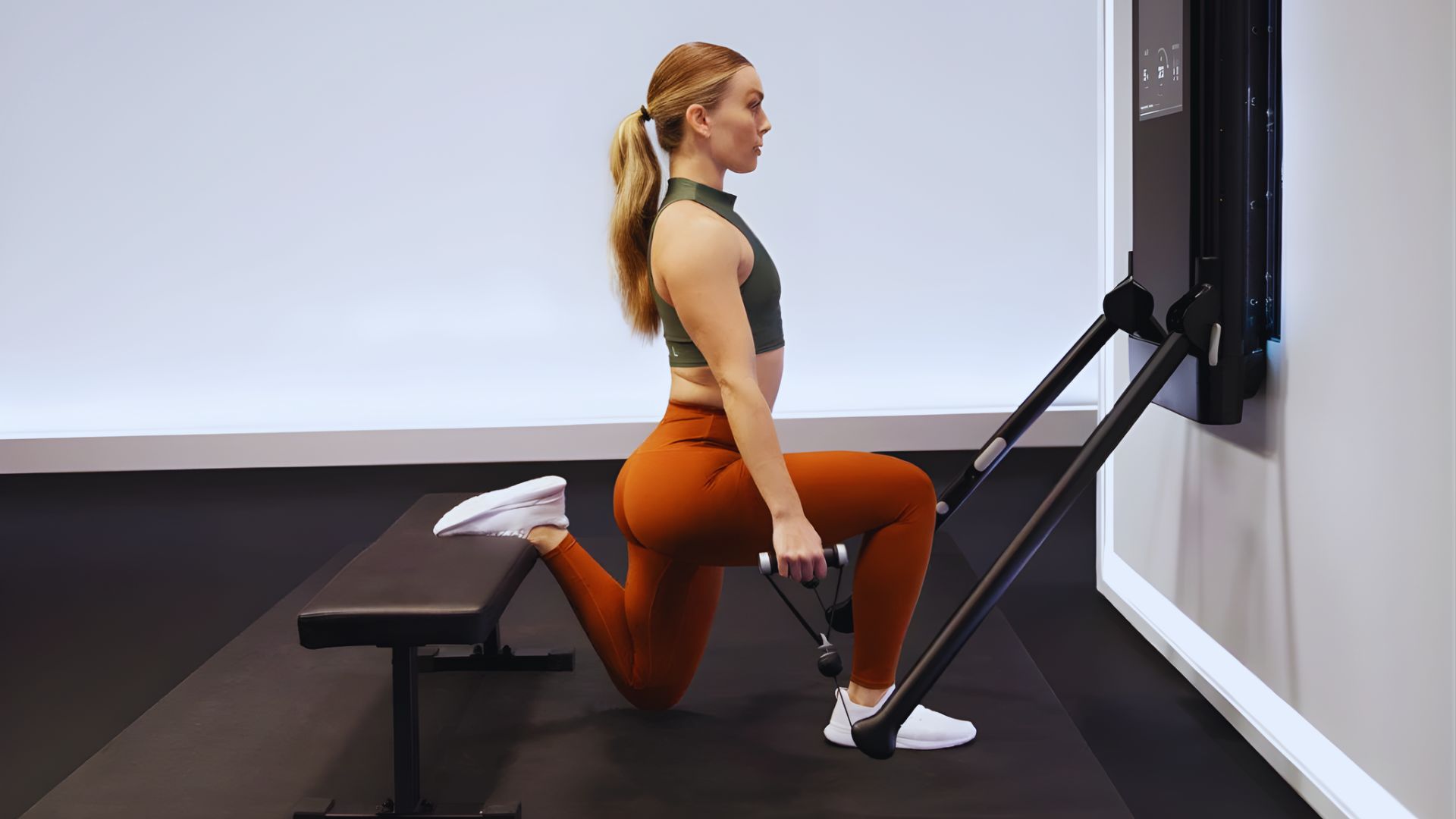
Muscles Worked: Glutes, quads, hamstrings, core
Place your rear foot on a bench behind you. Hold a dumbbell in each hand at your sides.
Lower your back knee toward the ground. Keep your front shin mostly vertical. Your front thigh should reach parallel to the floor.
Push through your front heel to return to the starting position. This exercise builds single-leg strength fast.
3. Front Rack Squat

Muscles Worked: Quads, glutes, hamstrings, core
Rest the dumbbells on your front shoulders. Your palms face each other. Keep your elbows pointed forward and up.
Squat down while maintaining this arm position. The weights should stay on your shoulders throughout the movement.
Stand back up by driving through your whole foot. This variation mimics barbell front squats.
4. Curtsy Squat

Muscles Worked: Glutes, adductors, quads
Hold dumbbells at your sides or at shoulder height. Step one leg behind and across your body.
Lower down into a squat position. Your back knee should move toward the ground behind your front foot.
Push through your front foot to return to standing. Alternate legs or complete all reps on one side first.
5. Jump Squat

Muscles Worked: Quads, glutes, calves
Hold lighter dumbbells at your sides. Lower into a squat position with good form.
Explode upward into a jump. Leave the ground completely. Land softly with bent knees.
Immediately lower into the next squat. This plyometric variation builds explosive power.
6. Plie Squat

Muscles Worked: Quads, glutes, adductors, hamstrings
Stand with your feet wider than shoulder width. Turn your toes out at 45 degrees.
Hold one dumbbell with both hands between your legs. Keep your arms straight.
Lower down by bending your knees over your toes. Keep your torso upright. Your inner thighs do serious work here.
7. Overhead Squat
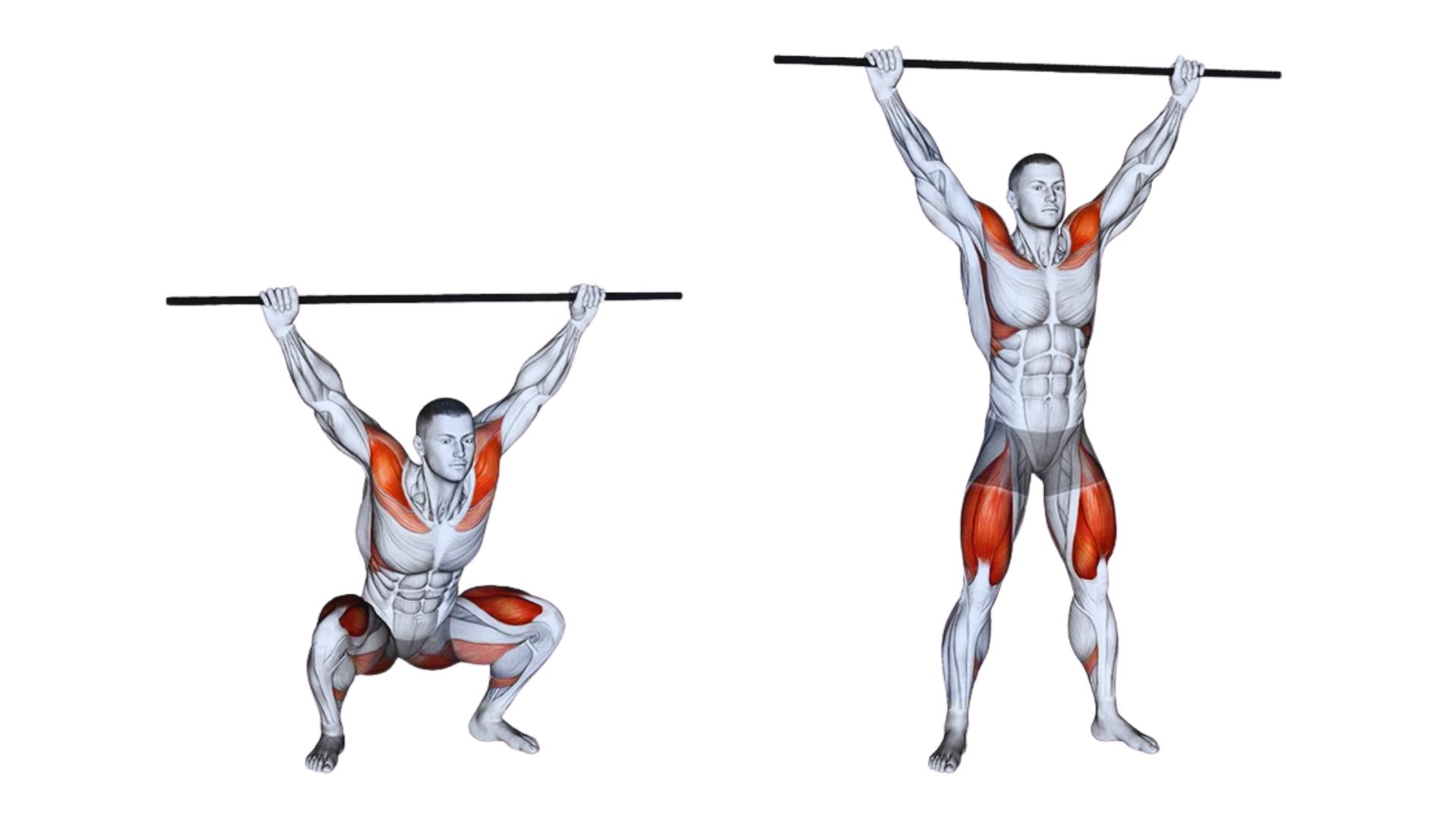
Muscles Worked: Quads, glutes, shoulders, core
Press two dumbbells overhead. Lock out your arms completely. Your biceps should be by your ears.
Squat down while keeping the weights overhead. This requires great shoulder mobility.
Your core works hard to prevent your torso from tipping forward. Stand back up with control.
8. Unilateral Overhead Squat

Muscles Worked: Quads, glutes, shoulders, core
Hold one dumbbell overhead with a locked-out arm. Your other arm can be at your side or extended for balance.
Squat down while fighting to keep the weight directly overhead. Your core must prevent rotation.
Complete all reps on one side before switching. This variation reveals strength imbalances quickly.
9. Split Squat

Muscles Worked: Quads, glutes, hamstrings, hip flexors
Step forward into a lunge stance. Hold dumbbells at your sides.
Lower your back knee toward the ground. Your front thigh should reach parallel or below.
Push through your front foot to rise back up. Keep your torso upright throughout. Stay in the split stance for all reps.
10. Pistol Squat

Muscles Worked: Quads, glutes, hip flexors
Stand on one leg. Hold one dumbbell at chest height for counterbalance.
Extend your non-working leg straight out in front. Lower down on your standing leg as far as you can go.
Drive through your heel to stand back up. This advanced variation demands serious leg strength and balance.
11. Narrow to Wide Squat
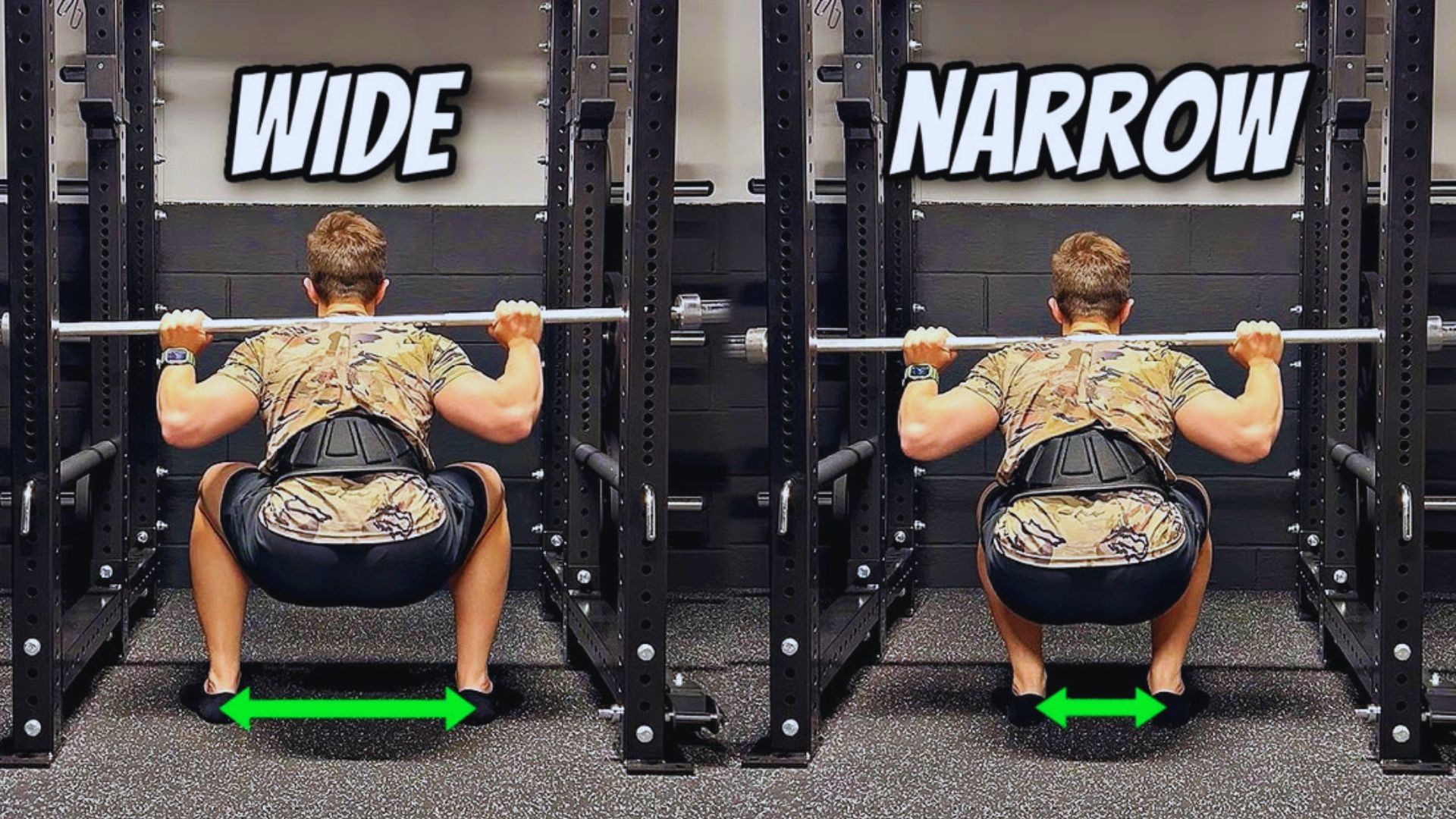
Muscles Worked: Quads, glutes, adductors
Start with feet together. Hold one dumbbell at chest height.
Squat down in the narrow stance. Stand up and step your feet wide apart.
Squat again in the wide stance. Step back to narrow and repeat. This combination hits your legs from different angles.
12. Squat Kick

Muscles Worked: Quads, glutes, core, hip flexors, calves
Hold dumbbells at chest height or at your sides. Perform a full squat.
As you stand up, snap one leg forward into a front kick. Return the foot to the ground.
Squat again and kick with the opposite leg. The kicks add a cardiovascular element to strength training.
13. Pendulum Squat

Muscles Worked: Glutes, hamstrings, shoulders
Hold dumbbells at your sides. As you squat down, swing the weights backward behind your body.
As you stand up, swing the weights forward. Use the momentum to assist the movement.
This dynamic variation combines strength with coordination. Keep control of the weights throughout.
14. Squat with Front Raise

Muscles Worked: Quads, anterior deltoids, core
Hold dumbbells at your thighs with palms facing back. Lower into a squat.
As you stand up, raise the dumbbells straight out in front to shoulder height.
Lower the weights as you squat down again. Your shoulders get worked along with your legs.
15. Squat with Lateral Raise
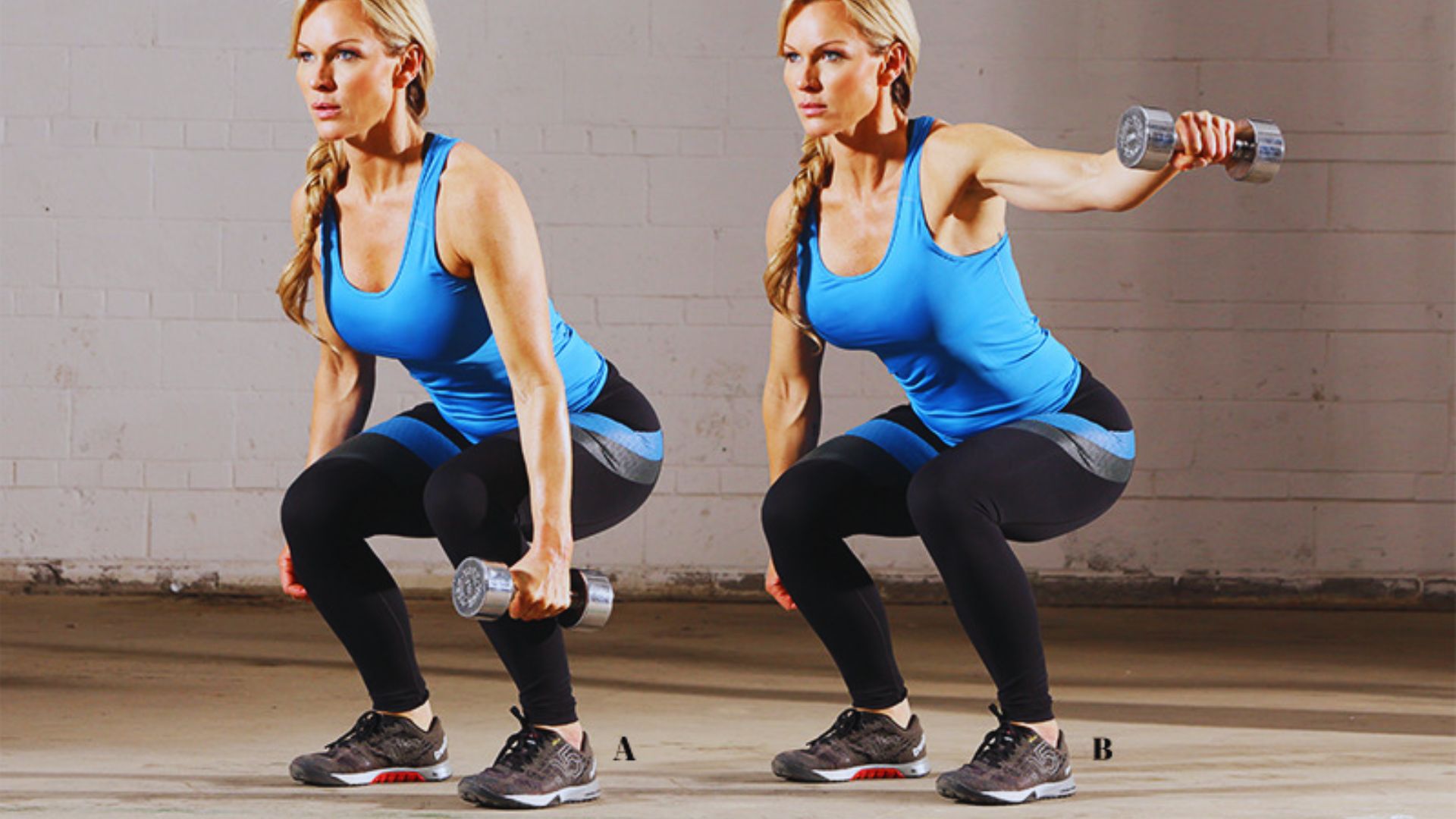
Muscles Worked: Quads, lateral deltoids, core
Hold dumbbells at your sides. Perform a squat.
As you rise, lift both dumbbells out to your sides. Raise them to shoulder height.
Lower the weights as you descend into the next squat. This targets your side delts while fatiguing your legs.
16. Cyclist Squat
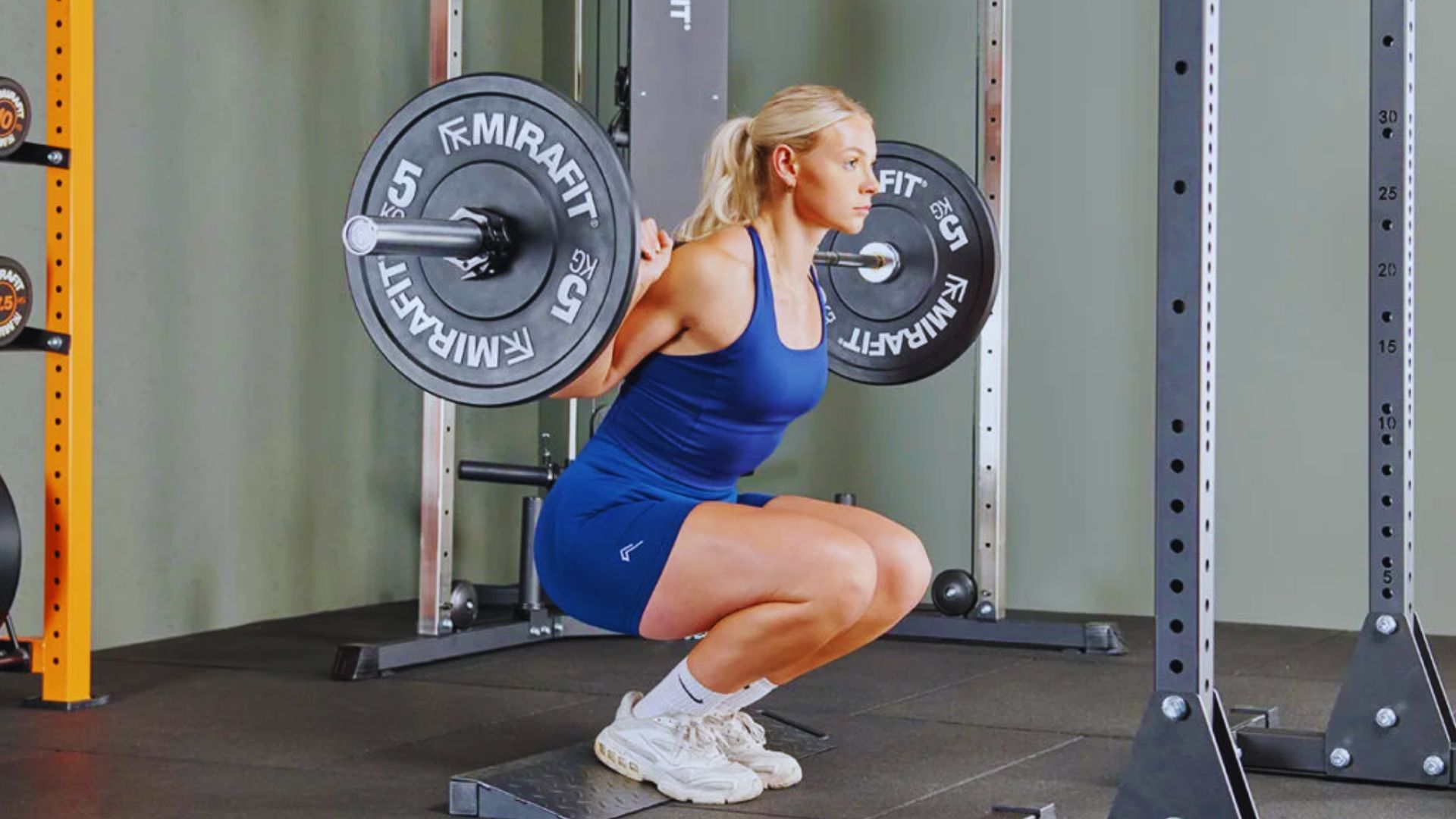
Muscles Worked: Quads, glutes, calves
Place small weight plates or a wedge under your heels. Hold dumbbells at chest height.
The elevated heels shift more load onto your quads. Squat as deep as possible.
This variation is called the cyclist squat because it builds the quad strength cyclists need. Your knees travel forward more than in regular squats.
17. Offset Front Rack Squat

Muscles Worked: Quads, glutes, core
Place one dumbbell on your front shoulder. Your other hand can rest at your side or hold a lighter weight.
Squat down while the uneven loading challenges your core. Your torso wants to rotate toward the weighted side.
Fight to stay upright and balanced. Switch the weight to the other shoulder for the next set.
Tips for Performing Dumbbell Squats Safely
Safety should always come before ego when lifting weights. Follow these tips to train consistently without injury:
- Keep your knees tracking over your toes. Don’t let them cave inward or bow outward during the movement.
- Start lighter than you think you need. Perfect your form first, then gradually increase the weight.
- Warm up for five to ten minutes. Bodyweight squats and dynamic stretches prepare your joints for loaded work.
- Distribute weight across your whole foot. Keep your heels down and maintain a neutral spine throughout.
- Master basics before advanced moves. Build a solid foundation with goblet squats before attempting pistol squats or explosive variations.
Conclusion
I’ve been doing dumbbell squats for over a decade, and they remain a staple in my training. These 17 variations keep my workouts fresh and my legs growing.
Start with three to five variations per leg session. Rotate them every few weeks to challenge your muscles differently. Your quads, glutes, and hamstrings will respond with new strength and size.
Pick two or three from this list and try them in your next workout. Drop a comment below and let me know which variations you’re excited to test out.
Frequently Asked Questions
How many dumbbell squat variations should I do per workout?
Choose three to five variations per leg session. This hits all muscle groups without overdoing it. Rotate movements every two to three weeks for continued progress.
Can beginners do all these dumbbell squat variations?
Beginners should start with goblet squats, split squats, and plie squats. Build strength and form first before trying single-leg and overhead variations.
What weight dumbbells should I use for squats?
Start with weights that allow 10 to 12 clean reps. Most people begin with 10 to 25 pounds per hand and gradually increase from there.
How often should I train legs with dumbbell squats?
Train legs two to three times per week with rest days between sessions. This gives your muscles time to recover and grow stronger.
Do dumbbell squats build as much muscle as barbell squats?
Yes, dumbbell squats build serious muscle with proper intensity. They offer a better range of motion and stability challenges compared to barbells.