
Ever felt sore after a workout and wondered if that pain means your muscles are actually growing? You’re not alone. I’ve spent years training and researching this exact question, and I’m here to clear up the confusion once and for all.
Here’s what we’ll cover: what causes muscle soreness, how muscles really grow, and why soreness isn’t the best way to measure your progress.
You’ll learn when soreness helps and when it hurts your gains. Plus, I’ll show you better ways to track your results.
Trust meI’ve made every mistake in the book chasing soreness. Let me save you the trouble with science-backed answers that actually work.
What Is Muscle Soreness (DOMS)?

Muscle soreness after training has a name. It’s called DOMS, which stands for delayed onset muscle soreness. This pain shows up between 24 and 72 hours after you work out.
DOMS is that stiff, achy feeling in your muscles days after exercise. Your muscles feel tight and tender when you touch them.
Simple movements like walking down stairs or lifting your arms can hurt. The pain peaks around 48 hours post-workout, then slowly fades over the next few days.
DOMS happens when you stress your muscle fibers in new ways. This creates tiny tears in the muscle tissue. Your body responds with inflammation to repair the damage.
Three main triggers cause DOMS: eccentric contractions (when muscles lengthen under tension), training muscles you haven’t worked recently, and increasing workout volume or intensity too quickly.
Many people blame lactic acid for muscle soreness. This is wrong. Lactic acid builds up during exercise, but it clears from your muscles within an hour of finishing your workout.
DOMS shows up a day or two later. That’s long after lactic acid is gone. The real cause is structural damage to muscle fibers and the inflammation that follows.
How Muscle Growth Actually Happens?

Building muscle involves more than just feeling sore. Your body needs specific signals to create new muscle tissue.
The Three Mechanisms of Hypertrophy
Three processes drive muscle growth. They work together to make your muscles bigger and stronger.
Mechanical tension happens when you lift heavy weights or create strong muscle contractions. Your muscles sense this stress and respond by growing.
Metabolic stress builds up during high-rep training. Think of that burning feeling during your last few reps. This supports muscle growth through hormone release and cell swelling.
Muscle damage is the third factor. Small tears in muscle fibers signal your body to repair and rebuild stronger. But damage alone doesn’t guarantee growth.
Role of Muscle Damage in Growth
Muscle damage triggers your body’s repair system. Your body doesn’t just fix the damage overcompensates. It builds the muscle slightly bigger and stronger to handle future stress.
You only need enough damage to trigger adaptation. Too much damage slows recovery and limits your training frequency. Not enough damage still allows growth through mechanical tension and metabolic stress.
Where Soreness Fits in the Muscle-Building Process
Soreness tells you that muscle damage occurred. That’s it. It’s just one piece of feedback about your workout.
You can have muscle damage without soreness. You can also have soreness without enough stimulus for growth. Some muscle groups get sorer than others. Your legs might ache for days while your arms barely hurt, even after equally effective workouts.
Does Muscle Soreness Equal Muscle Growth?

Let’s answer this clearly. Muscle soreness does not mean muscle growth. They are related but not the same.
Soreness shows that muscle damage has happened. Growth also needs progressive overload, enough protein, and proper recovery. You can be very sore and still make no progress if training and nutrition are inconsistent.
Soreness varies with experience, exercise choice, and recovery. Advanced lifters often feel little soreness but still gain muscle. Studies show that muscle can grow without noticeable soreness. Soreness is not a reliable measure of workout quality.
When Muscle Soreness Can Be Helpful?

Soreness isn’t completely useless. It provides valuable information when you know how to read it.
Using Soreness to Assess Muscle Activation
Soreness can confirm you’re actually working the target muscle. If you’re doing bicep curls but only your forearms get sore, something’s wrong with your technique.
The location of soreness tells you which muscles did the work. After squats, you should feel it in your quads and glutes. If only your lower back is sore, your form needs adjustment.
Identifying Poor form Through Soreness Patterns
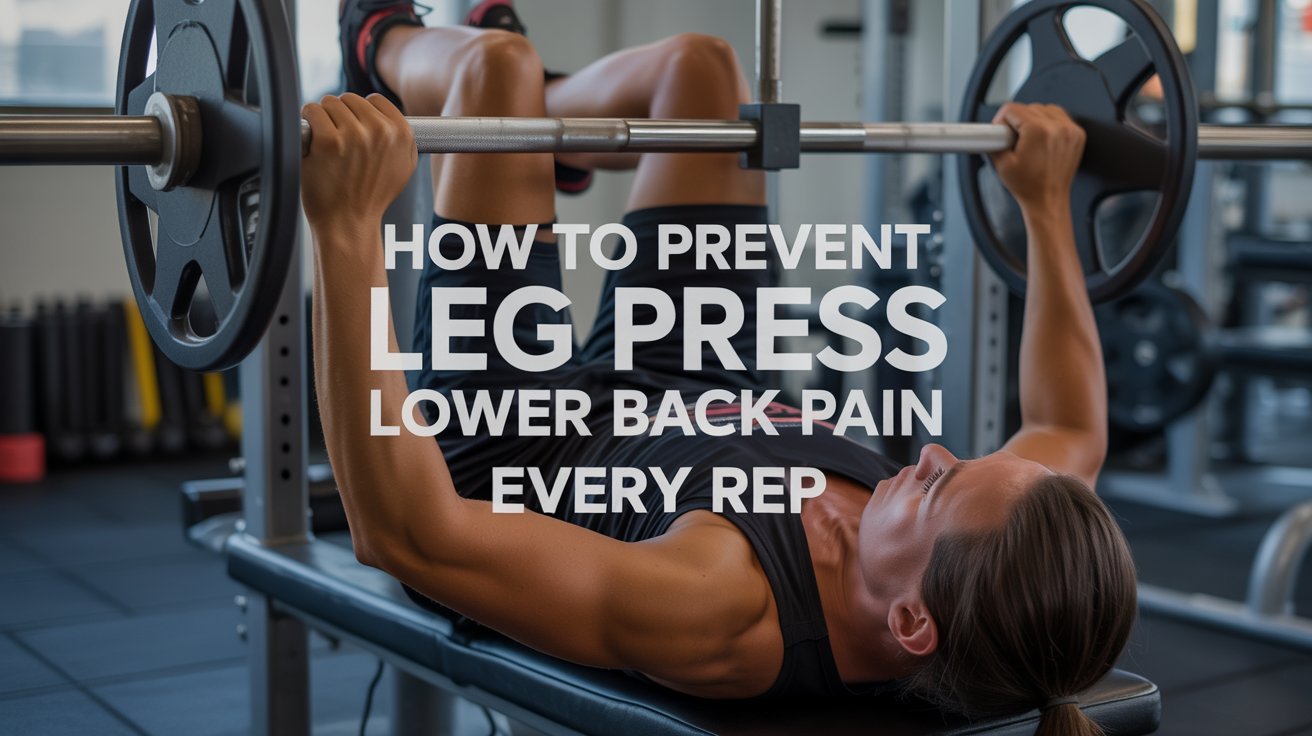
Wrong soreness patterns reveal form problems. Bench pressing should work your chest, shoulders, and triceps. If your lower back is screaming the next day, you’re arching too much or using leg drive incorrectly.
Watch for these warning signs: joint pain instead of muscle soreness, one side much sorer than the other, pain in places that shouldn’t be working, and sharp pain instead of dull muscle ache. These patterns mean you need to fix your technique before continuing.
New Exercises and Novel Training Stimulus
Trying new movements almost always causes soreness. Your muscles aren’t adapted to the new movement pattern yet. This is normal.
When you add Romanian deadlifts to your routine for the first time, your hamstrings will be very sore. After a few weeks, the soreness decreases even as you get stronger. But you don’t need constant soreness to keep making progress.
Tips to Build Muscle Without Chasing Soreness
Stop using soreness as your success metric. Focus on these proven strategies instead.
- Apply progressive overload consistently: Add weight to the bar, do more reps, or add more sets. Track your workouts and try to beat those numbers slightly each session.
- Show up regularly and train consistently: Training three times per week for a year beats six brutal workouts followed by a month off. Your muscles need regular stimulation to grow.
- Slow down the lowering phase: Take 3-4 seconds to lower each rep. This increases time under tension and stimulates growth with lighter weights and less soreness.
- Pick one variable and improve it over time: Even small increases add up to major gains. Consistent improvement builds muscle regardless of soreness levels.
- Aim for a routine you can maintain long-term: Regular training improves recovery capacity, which allows for more frequent training without excessive fatigue.
Better Ways to Measure Workout Effectiveness

Forget about soreness. Use these reliable indicators of progress instead.
- Track your numbers in the gym. If your bench press went from 135 pounds for 8 reps to 155 pounds for 8 reps, you’re building muscle. Keep a training log for at least 8-12 weeks and look back at where you started. The improvements in weight, reps, or endurance tell you if your program is working.
- Take progress photos every 4-6 weeks. Use the same lighting, time of day, and camera angle. Visual changes prove you’re building muscle better than any feeling can. Compare yourself to where you were six months or a year ago.
- Measure your body parts monthly. Track your arms, chest, thighs, and calves. Growing measurements mean growing muscles. A quarter-inch increase might not look dramatic, but it represents real tissue gain.
- Pay attention to how your clothes fit. If your shirts feel tighter in the shoulders and arms, you’re growing. If your pants fit tighter in the thighs, your leg training is working. This is progress you can feel every day.
- Evaluate long-term trends over months. Some weeks you’ll feel great and others you won’t. But if you’re consistently stronger and bigger over months, you’re doing everything right. Long-term progression matters more than daily fluctuations.
Conclusion
Muscle soreness doesn’t equal muscle growth. I learned this the hard way after years of chasing that post-workout pain. Focus on what really matters: lifting heavier weights, staying consistent, and eating enough protein.
If you’re getting stronger and seeing physical changes, you’re doing it right. Soreness is just noise. Track your lifts, take progress photos, and trust the process.
Stop obsessing over how sore you feel tomorrow. Start tracking real progress today. What’s your biggest question about building muscle? Drop a comment below and let’s talk. Share this post with someone who needs to hear this truth.
Frequently Asked Questions
Can I work out if I’m still sore from my last session?
Yes, you can train with mild soreness. Focus on different muscle groups or reduce intensity. If soreness is severe, wait another day or do light active recovery.
How long should muscle soreness last after a workout?
Normal soreness peaks within 24-72 hours and fades by day 4-5. If pain lasts longer than a week or gets worse, see a doctor.
Does no soreness mean I didn’t work hard enough?
No soreness doesn’t mean a bad workout. Experienced lifters rarely get sore but still build muscle. Judge your workout by performance improvements, not soreness.
Should beginners expect more muscle soreness than experienced lifters?
Yes, beginners get much more sore. Your muscles aren’t adapted to training yet. Soreness decreases significantly within 4-6 weeks as your body adjusts.
What’s the difference between good soreness and injury pain?
Muscle soreness feels dull and affects both sides equally. Injury pain feels sharp, often affects one side, and gets worse with movement.