

Do hip thrusts work abs? This question pops up in gyms everywhere. I’ve asked it myself after feeling my core burn during heavy hip thrusts.
Here’s what you need to know: hip thrusts do engage your abs, but not how you might think.
In this guide, I’ll explain the science behind core activation, show you which muscles really fire up, and help you understand if hip thrusts alone can build your abs.
I’ve spent years studying exercise mechanics, and I’m here to clear up the confusion. Let’s get into it.
Understanding How Hip Thrusts Affect Your Core

Your abs play a supporting role during hip thrusts, working behind the scenes to keep you stable and safe. In compound lifts, muscles split into two groups.
Prime movers do the heavy lifting. Stabilizers keep everything in place. Your glutes are the prime movers in hip thrusts.
Your abs? They’re the stabilizers. This explains why your abs might feel engaged without getting that deep burn you get from crunches.
They’re working hard to hold your spine steady, but they’re not the main focus. Think of it like holding a plank. Your abs work, but they work differently than during sit-ups.
What Muscles Do Hip Thrusts Actually Work?
Hip thrusts target specific muscle groups with different levels of intensity based on their role in the movement.
Primary Muscles Activated
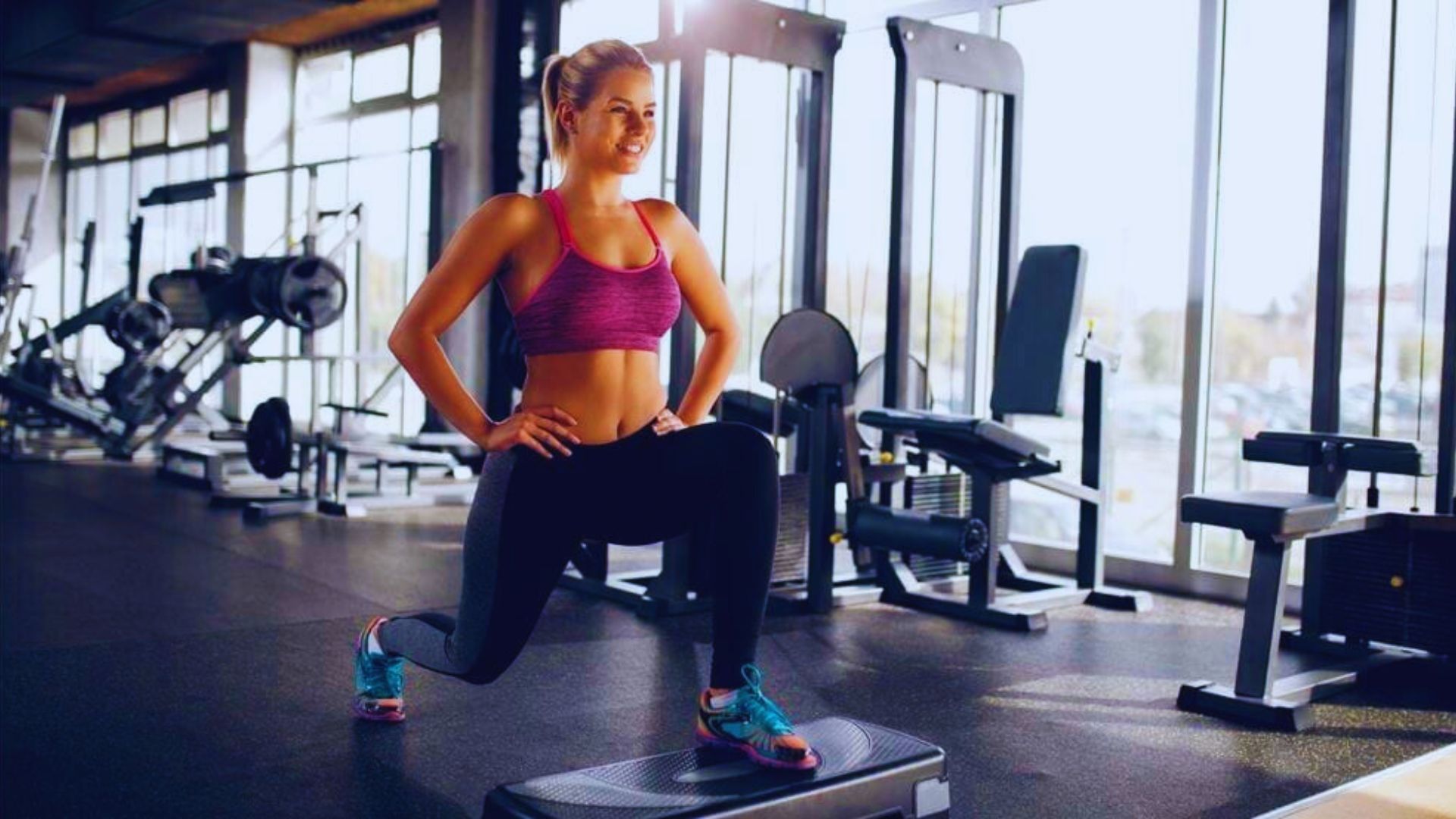
Gluteus Maximus Your glutes take center stage. They extend your hips and power you through each rep. This is where you should feel the most burn and fatigue.
Hamstrings These muscles run down the back of your thighs. They help your glutes push your hips up and control the lowering phase. You’ll feel them working throughout the entire movement.
Secondary Muscles Involved
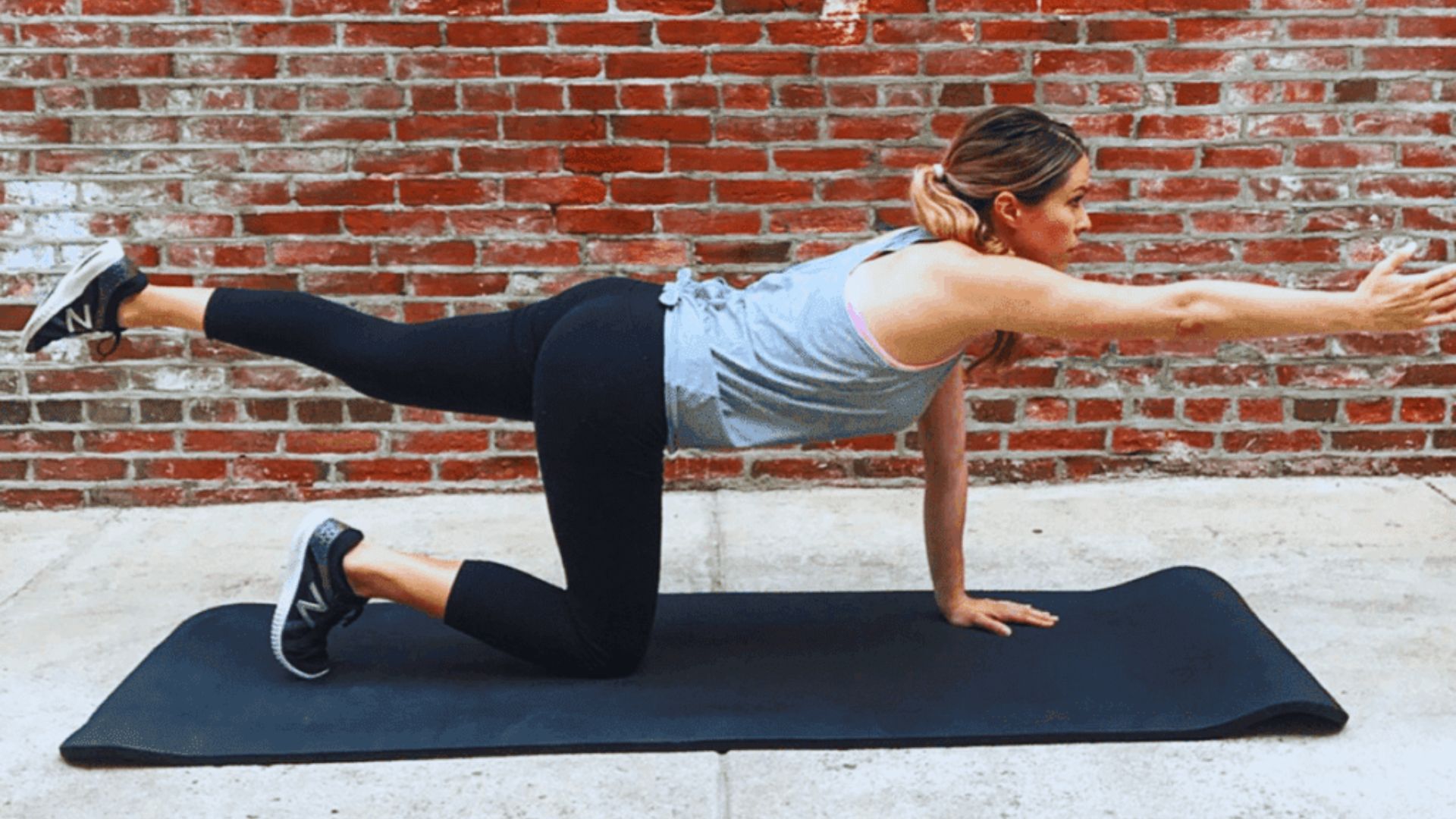
Core Stabilizers Your rectus abdominis (the six-pack muscle) and obliques brace your torso. They prevent your lower back from arching too much. This creates the stability you need for heavy loads.
Lower Back The erector spinae muscles support your spine throughout the movement. They work with your abs to maintain position. Together, they protect your back from injury.
Adductors These inner thigh muscles help keep your knees aligned and stable during the thrust. They prevent your knees from caving inward, especially under heavy weight.
Do Hip Thrusts Target Lower Abs?

Many people believe hip thrusts directly work the lower abs, but the reality differs from this common myth.
Your lower abs don’t contract dynamically during hip thrusts. They don’t shorten and lengthen like they do during leg raises or reverse crunches.
Instead, they create isometric tension. This means they contract and hold without moving. Your abs stay engaged to prevent your pelvis from tilting forward and your back from overarching.
It’s stabilization work, not targeted training. Your lower abs help you maintain form, but hip thrusts won’t give you the same results as exercises designed specifically for that area.
How the Abs Activate During Hip Thrusts (The Science)
The scientific basis of abdominal activation during hip thrusts reveals why your core engages and what function it serves.
Isometric Core Contraction Explained

What Bracing Really Means Bracing is when you tighten your entire core before movement. You create tension around your midsection like you’re preparing for a punch to the gut. During hip thrusts, this brace protects your spine.
Your abs contract and hold that contraction throughout the set. Anti-Extension Function of Abs Your abs resist extension.
When you thrust your hips up, gravity and the weight try to pull your lower back into an arch. Your abs fight against this pull. This anti-extension work builds stability strength, not size or definition.
Posterior Pelvic Tilt and Ab Engagement

Pelvic Positioning A posterior pelvic tilt happens when you tuck your tailbone under slightly. This position turns your abs on more strongly. At the top of a hip thrust, maintaining this tilt keeps your glutes engaged and your abs working.
Avoiding Lumbar Hyperextension Hyperextension means arching your lower back too much. This puts stress on your spine and reduces glute activation.
Your abs prevent this by keeping your ribcage down and your pelvis neutral. Good form equals better engagement.
EMG Research on Core Activation
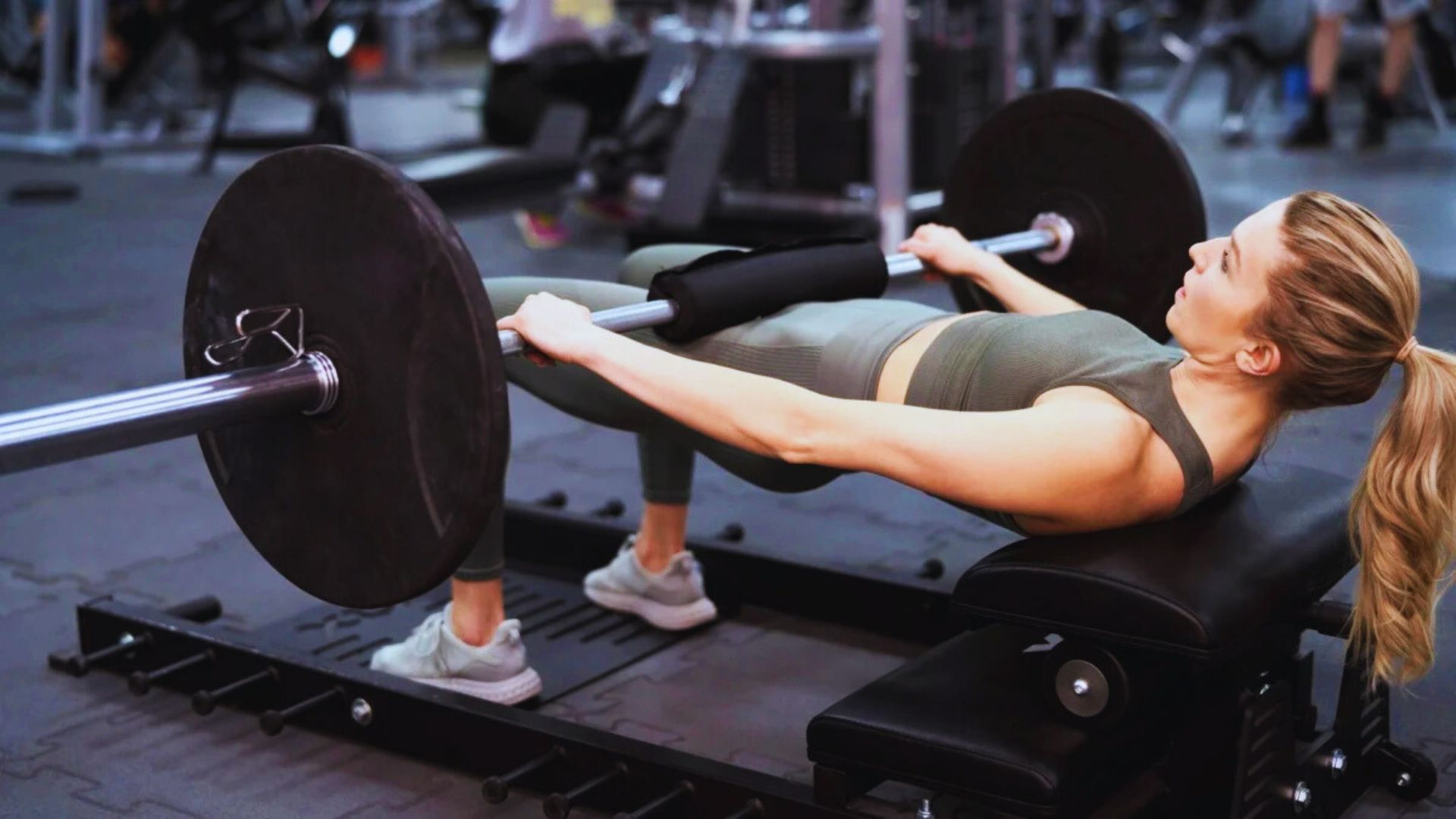
Studies using electromyography (EMG) measure muscle activity during exercises. Glutes Show Highest Activation Research confirms that hip thrusts create massive glute activation. The gluteus maximus fires at near-maximum levels.
Abs Work Primarily for Spinal Stability EMG data shows moderate core activation during hip thrusts. Your abs engage enough to stabilize but not enough to stimulate significant growth. The numbers don’t lie. Hip thrusts are a glute exercise with core benefits, not the other way around.
Barbell Hip Thrust vs Abdominal Hip Thrust (Heels to Heaven)

Two different exercises share similar names but target completely different muscle groups with distinct movement patterns.
| Feature | Barbell Hip Thrust | Abdominal Hip Thrust (Heels to Heaven) |
| Primary Target Muscle | Glutes (Gluteus Maximus) | Lower Rectus Abdominis |
| Main Purpose | Build glute strength and power | Strengthen and emphasize lower abs |
| Body Position | Upper back on bench, feet on floor | Lying flat on back |
| Equipment Needed | Barbell + bench | Bodyweight (no equipment required) |
| Movement Pattern | Horizontal hip extension | Vertical hip lift |
| Core Involvement | Core acts as stabilizer | Abs act as primary mover |
| Pelvic Action | Hip extension | Posterior pelvic tilt |
| Driving Muscle Group | Glutes generate force | Abs generate force |
| Training Goal | Glute development & strength | Lower ab activation & core control |
Can Hip Thrusts Help Build Visible Abs?
Hip thrusts contribute to core development in specific ways but have clear limitations for building visible abdominal muscles.
When They Support Core Development

Improving Bracing Strength Heavy hip thrusts teach you to brace hard. This transfers to other lifts and everyday activities. Stronger bracing means a stronger, more stable core.
Enhancing Overall Stability Regular hip thrust training improves your body’s ability to maintain spinal alignment under load. This functional strength benefits your entire core system.
When They Are Not Enough

Fat Loss Requirement Visible abs require low body fat. No exercise alone reveals abs. You need to reduce overall body fat through diet and consistent training. Hip thrusts burn calories and build muscle, but they won’t spot-reduce belly fat.
Need for Direct Abdominal Exercises Building thick, defined abs requires direct work. Crunches, leg raises, planks, and other ab-specific exercises create the stimulus needed for growth. Hip thrusts complement your ab training. They don’t replace it.
Maximizing Ab Engagement in Hip Thrusts

While hip thrusts primarily target your glutes, you can increase core activation with the right techniques. Small adjustments to your setup, breathing, and execution make a noticeable difference in how much your abs work during each set.
These modifications won’t turn hip thrusts into an ab exercise, but they will maximize the stabilization benefits and strengthen your bracing ability.
If you’re already doing hip thrusts for glute development, you might as well get the most core engagement possible. The following strategies require no extra equipment and take just seconds to implement.
Tips to Increase Ab Engagement During Hip Thrusts
These practical techniques maximize core activation during your hip thrust workouts and improve overall exercise effectiveness.
- Brace Before Every Rep Take a deep breath and tighten your core before lifting. Hold that tension throughout each rep.
- Keep Ribs Down Don’t let your ribcage flare up. Pull your ribs toward your pelvis for better ab engagement.
- Add Pelvic Tilt at Top Tuck your tailbone slightly at lockout. This makes your abs work harder with each thrust.
- Slow Down the Tempo Lower the weight slowly over 3 seconds. This keeps your core under tension longer.
- Try Single-Leg Variations Single-leg hip thrusts force your abs to work much harder for balance and stability.
- Pause at the Top Hold the top position for 2 seconds. This increases the time your abs must stay braced and engaged.
- Exhale at Lockout Breathe out forcefully when you reach the top. This naturally tightens your core and increases ab activation.
Conclusion
So, do hip thrusts work abs? Yes, they do, but mainly for stability. I use hip thrusts regularly for my glutes, and my core definitely engages during every set. But I’ve never built visible abs from hip thrusts alone.
The truth is simple hip thrusts strengthen your core’s ability to stabilize, not its size or definition.
For the best results, I combine heavy hip thrusts with direct ab work like planks and leg raises. That’s the formula that actually works. Try it yourself and see the difference in your training.
Frequently Asked Questions
Do hip thrusts make your stomach flat?
No, hip thrusts don’t directly flatten your stomach. They help burn calories, but you need a calorie deficit and consistent training to lose belly fat.
Should I feel my abs burning during hip thrusts?
You should feel tension, not a strong burn. If your abs burn intensely, you’re likely overarching your back.
Are hip thrusts better than planks for abs?
No, planks are better for direct ab training. Hip thrusts primarily work glutes, while planks target core stability.
How many hip thrusts should I do for core strength?
Do 3 to 4 sets of 8 to 12 reps for glute strength. Add separate ab exercises for core development.
Can I replace ab exercises with hip thrusts?
No, hip thrusts only provide stabilization benefits. You still need direct ab exercises like crunches and planks for complete development.