Building a strong upper body without gym equipment is absolutely possible. I’ve been training with calisthenics for years, and it completely changed how I look at fitness.
In this article, you’ll find the best calisthenics upper body workout routine, broken down step by step.
We’ll cover what makes a solid routine, the full workout plan, beginner to advanced variations, and how to keep making steady progress.
Whether you’re just starting out or already training regularly, this guide solves the guesswork. No fluff. No equipment needed.
Just a clear, proven plan that actually works for real people.
Let’s get started.
What Makes a Good Calisthenics Upper Body Workout Routine

A strong calisthenics routine is built on smart structure, not random exercises.
Your upper body has two main movement patterns: pushing and pulling.
Pushing works your chest, shoulders, and triceps. Pulling works your back and biceps.
Skipping either one leads to imbalances and poor posture. Add core work on top and your body stays stable through every rep.
Compound moves like pull-ups hit multiple muscle groups at once, making calisthenics incredibly efficient.
Progress by adding reps, slowing movements, reducing rest, or moving to harder variations. The body adapts to stress. Keep challenging it, and it keeps growing.
Quick Overview of the Workout Structure
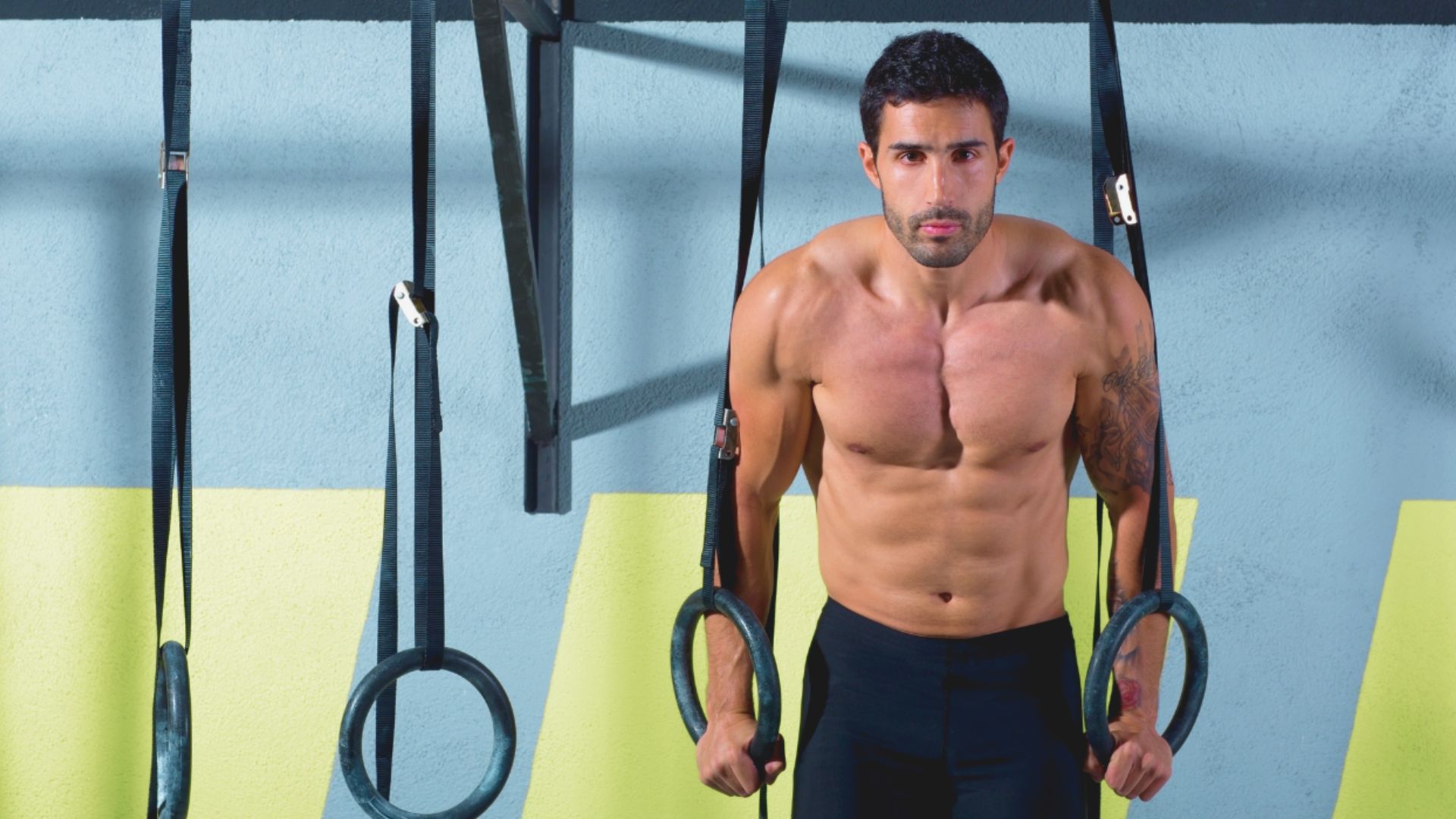
Before starting, here’s a clear look at how this routine is set up and what you’ll need to follow it.
Duration, Frequency, and Equipment Needed
Here is everything you need to know before starting this routine.
Workout duration: 45 to 60 minutes
Frequency: 2 to 3 times per week
Rest days between sessions: At least 1 day
Equipment needed:
- A pull-up bar (doorframe bars work fine)
- Parallel bars or a sturdy chair for dips
- A mat for floor work
- Optional: resistance bands for assistance
That’s it. No gym membership. No machines.
How to Scale Based on Your Level
This routine works for all fitness levels. The key is choosing the right variation for where you are right now.
Beginner: Use assisted versions. Do fewer sets.
Intermediate: Follow the standard plan as written.
Advanced: Add harder progressions, slow reps, or weight.
Don’t skip ahead. If you can’t do a full pull-up yet, start with band-assisted pull-ups or negatives. Form first. Strength follows.
Best Calisthenics Upper Body Workout Routine (Step-by-Step)
This is the full workout. Follow it in order for the best results.
Warm-Up (5 to 10 Minutes)
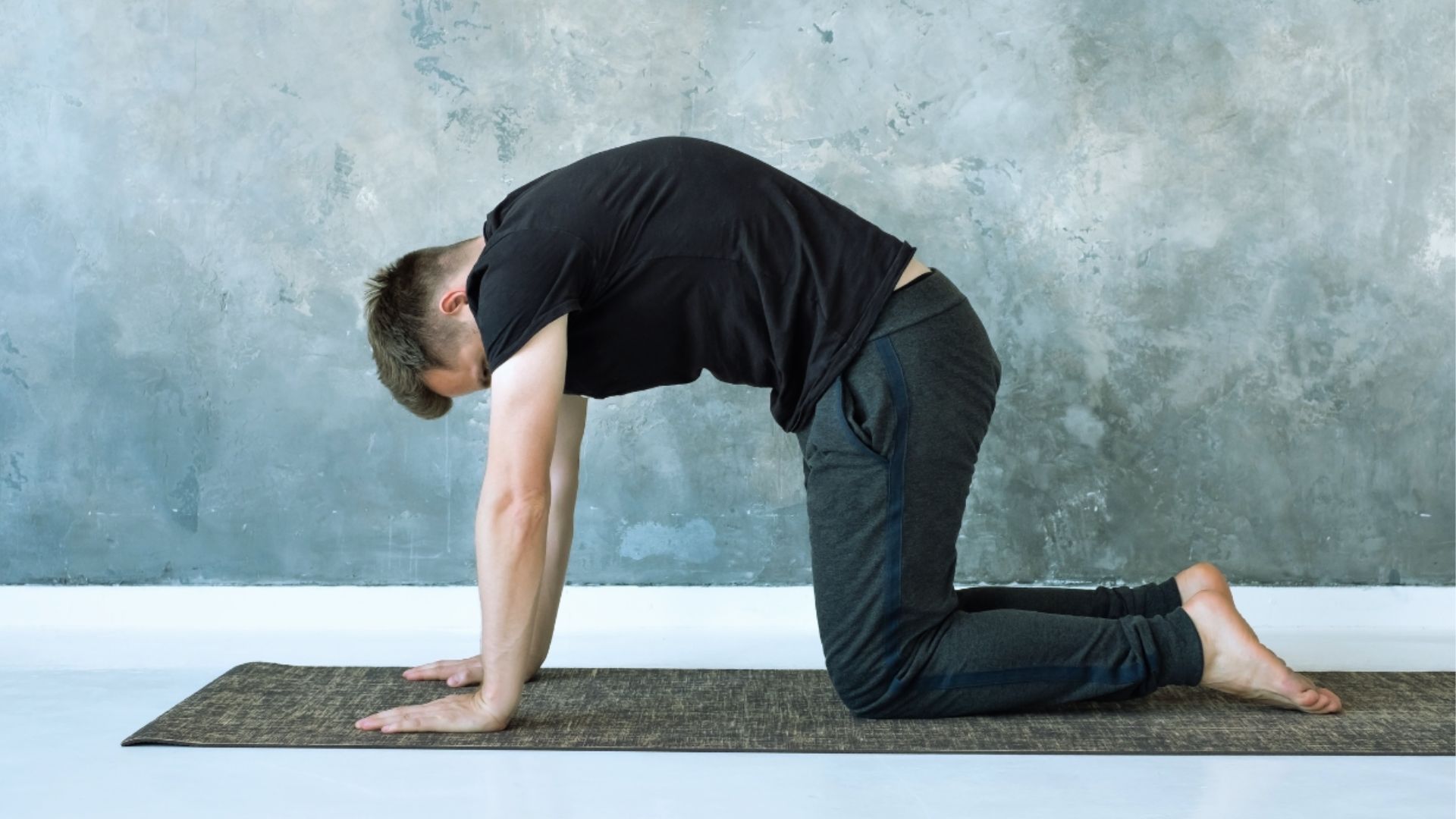
Never skip the warm-up. Cold muscles get injured.
Start with arm circles for 30 seconds each direction, then move into shoulder rolls for 20 reps, band pull-aparts or towel pull-aparts for 15 reps, cat-cow stretches for 10 reps, scapular push-ups for 10 reps, and finish with a dead hang from the bar for 20 to 30 seconds.
This gets blood flowing to your shoulders, elbows, and wrists, which take a beating in upper body calisthenics.
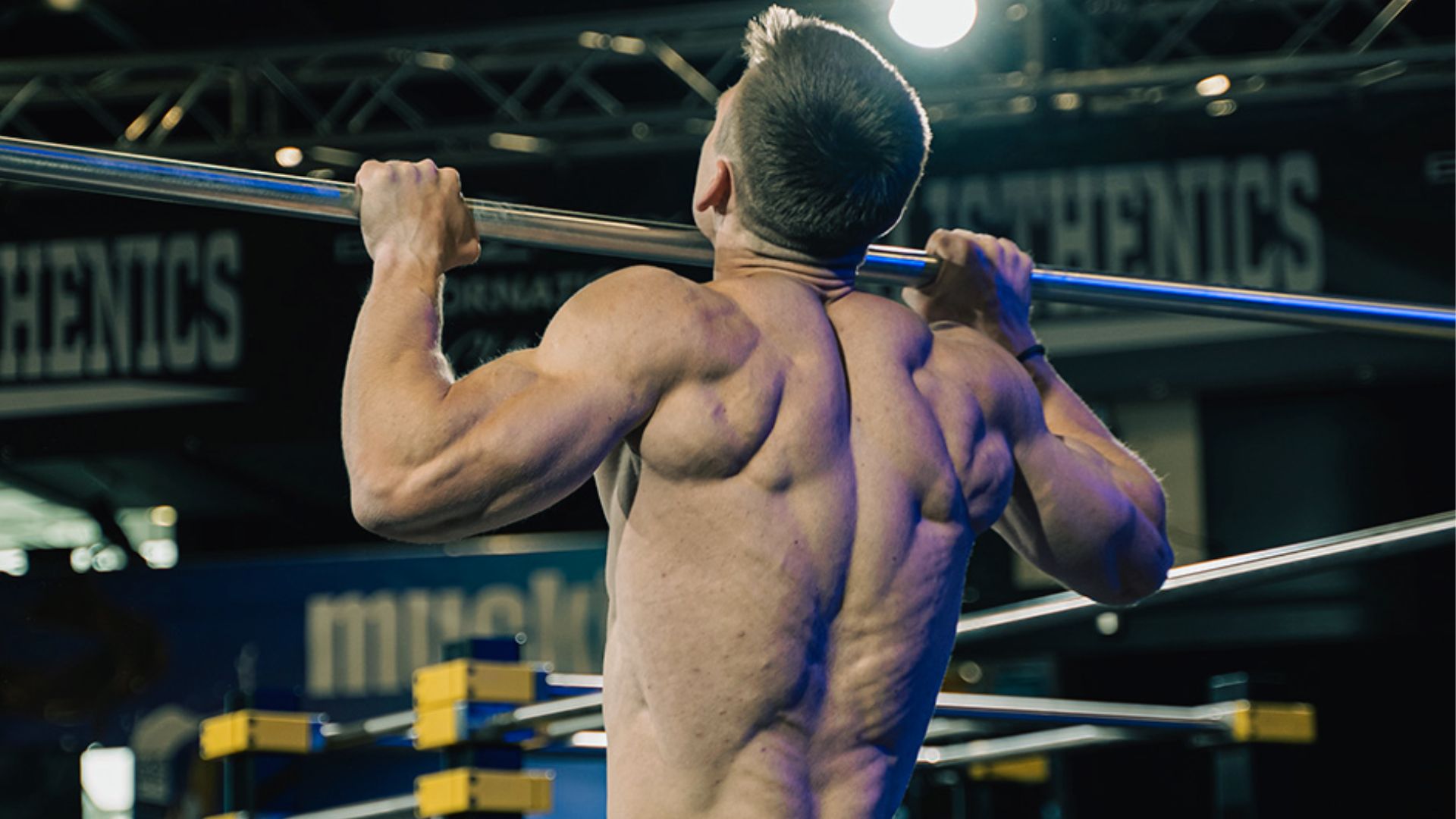
Pull-Ups / Assisted Pull-Ups (4 Sets)

Target muscles: Lats, biceps, rear delts, core
Pull-ups are the king of upper body pulling exercises. Do 4 sets of 5 to 10 reps with 90 seconds of rest.
Start from a dead hang, pull your elbows down toward your hips, get your chin above the bar, and lower slowly over 3 seconds.
If you can’t do a full pull-up yet, use a resistance band or do jumping pull-ups with a slow lower.
Beginners should use band-assisted pull-ups or negatives, intermediates can do standard pull-ups, and advanced trainees can move to archer or weighted pull-ups.
Dips / Bench Dips (3 to 4 Sets)
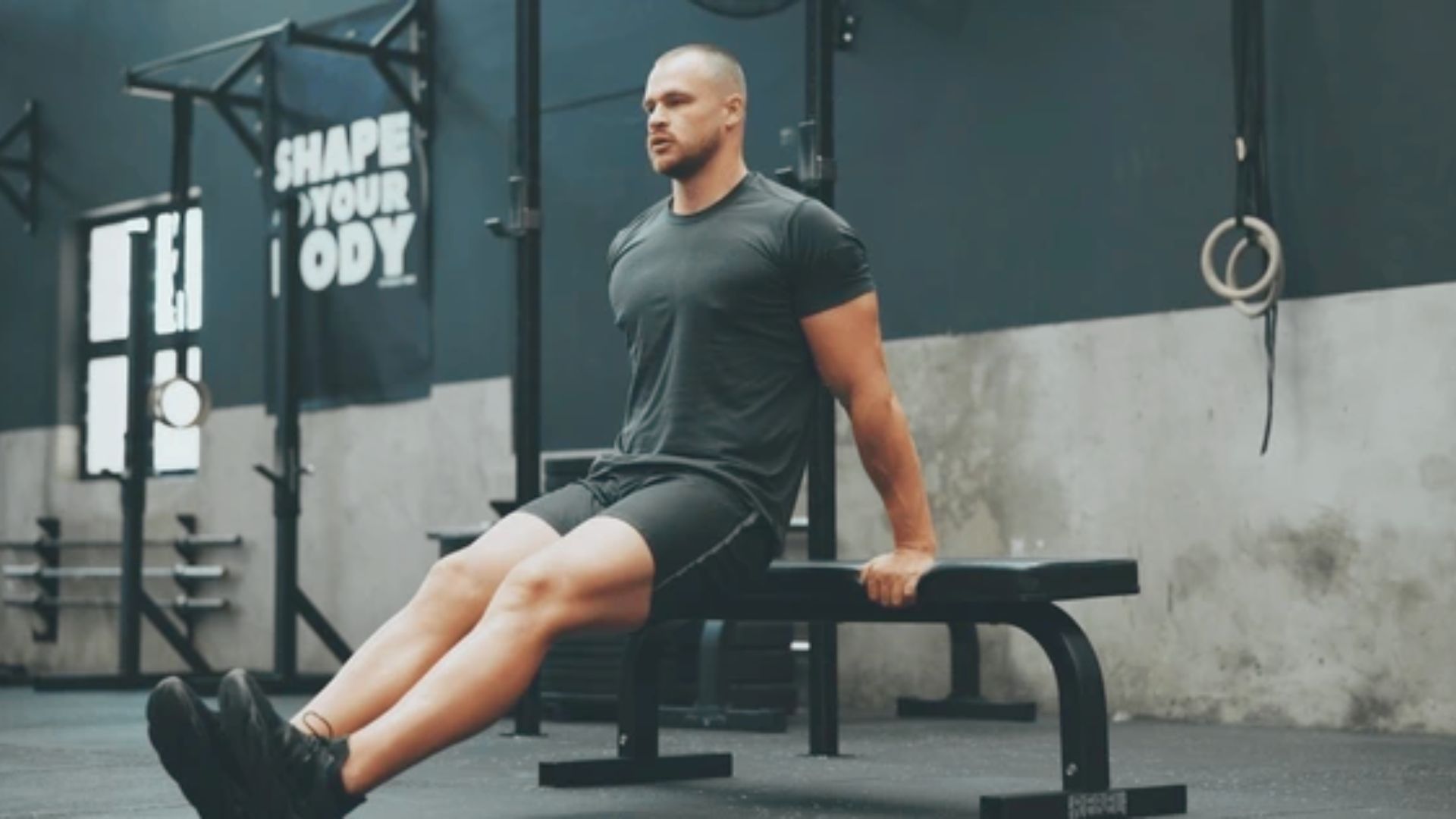
Target muscles: Triceps, chest, front delts
Dips are one of the best pressing movements in calisthenics. Do 3 to 4 sets of 8 to 15 reps with 90 seconds of rest.
Keep your elbows close to your body, lower until your upper arms are parallel to the ground, push back up fully, and never shrug your shoulders.
Beginners can start with bench dips with feet on the floor, intermediates move to parallel bar dips, and advanced trainees can try ring dips or weighted dips.
Push-Ups Variations (3 to 4 Sets)
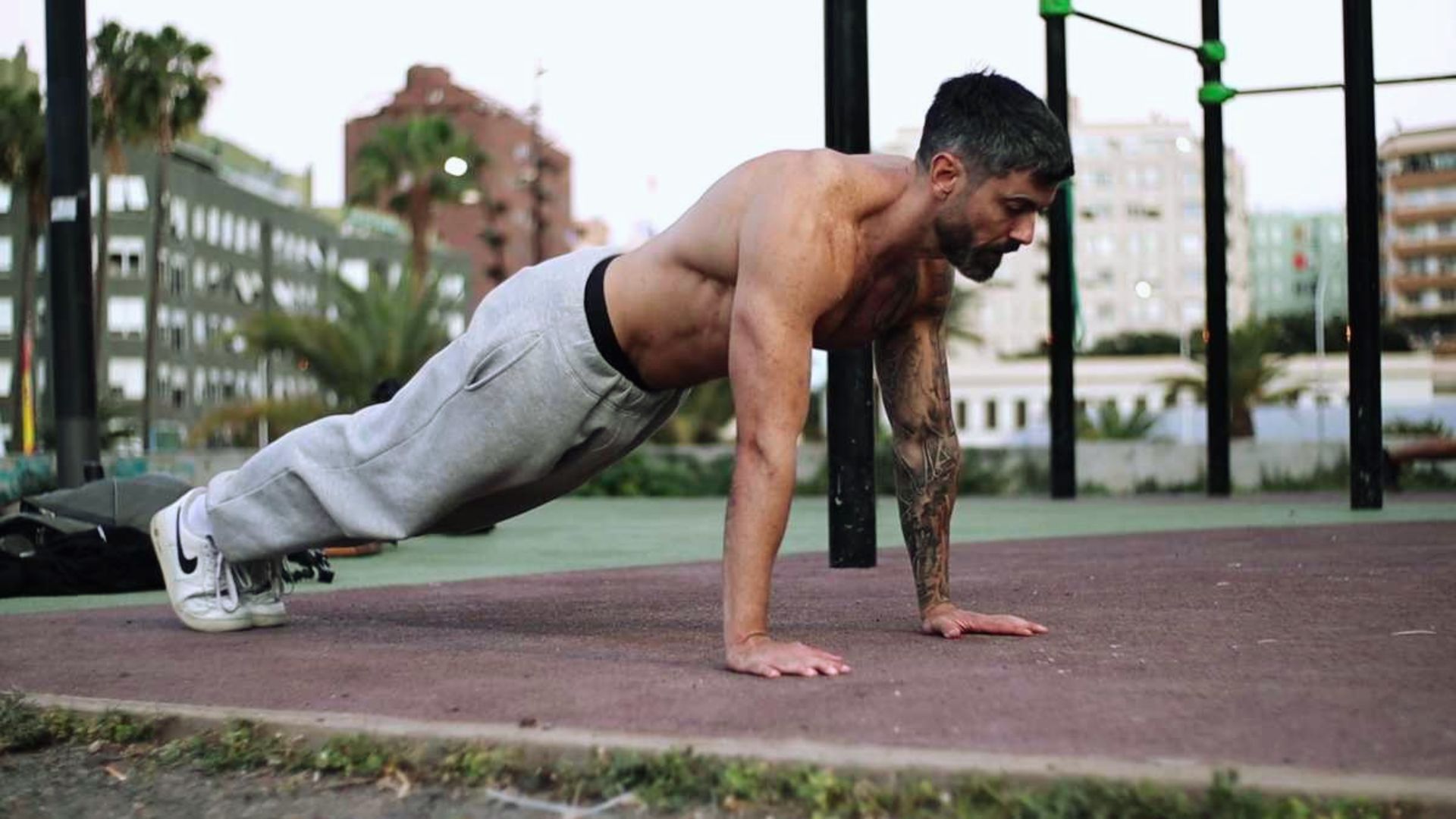
Target muscles: Chest, triceps, front delts, core
Push-ups are simple but powerful. Do 3 to 4 sets of 10 to 20 reps with 60 to 90 seconds of rest.
Keep your body in a straight line, don’t let your hips sag, lower your chest to the floor, and keep your core tight throughout every rep.
You can choose from wide-grip push-ups for more chest focus, diamond push-ups for triceps, archer push-ups for unilateral chest work, decline push-ups for upper chest and shoulders, or slow push-ups with a 3-second lower and 1-second pause at the bottom.
Inverted Rows (3 Sets)

Target muscles: Upper back, rear delts, biceps
Inverted rows are a great horizontal pull that balances out all the pushing in this routine. Do 3 sets of 10 to 15 reps with 60 seconds of rest.
You can do these under a table, a low bar, or gymnastic rings. Keep your body straight like a plank, pull your chest to the bar, squeeze your shoulder blades together at the top, and lower slowly.
Beginners can keep their feet on the floor at an angle, intermediates can lift their feet for a horizontal body position, and advanced trainees can use rings or a box.
Pike Push-Ups or Handstand Hold (3 Sets)

Target muscles: Shoulders, triceps, upper traps
This is your shoulder-focused movement. Do 3 sets of 8 to 12 reps or hold for 20 to 30 seconds with 90 seconds of rest.
For pike push-ups, form an inverted V shape with your body, keep your hips high, lower your head toward the floor, and push back up fully.
For handstand holds, use a wall for support, keep your core tight, press through your hands actively, and build up your hold time gradually.
Plank or Hollow Hold (Core Finisher)
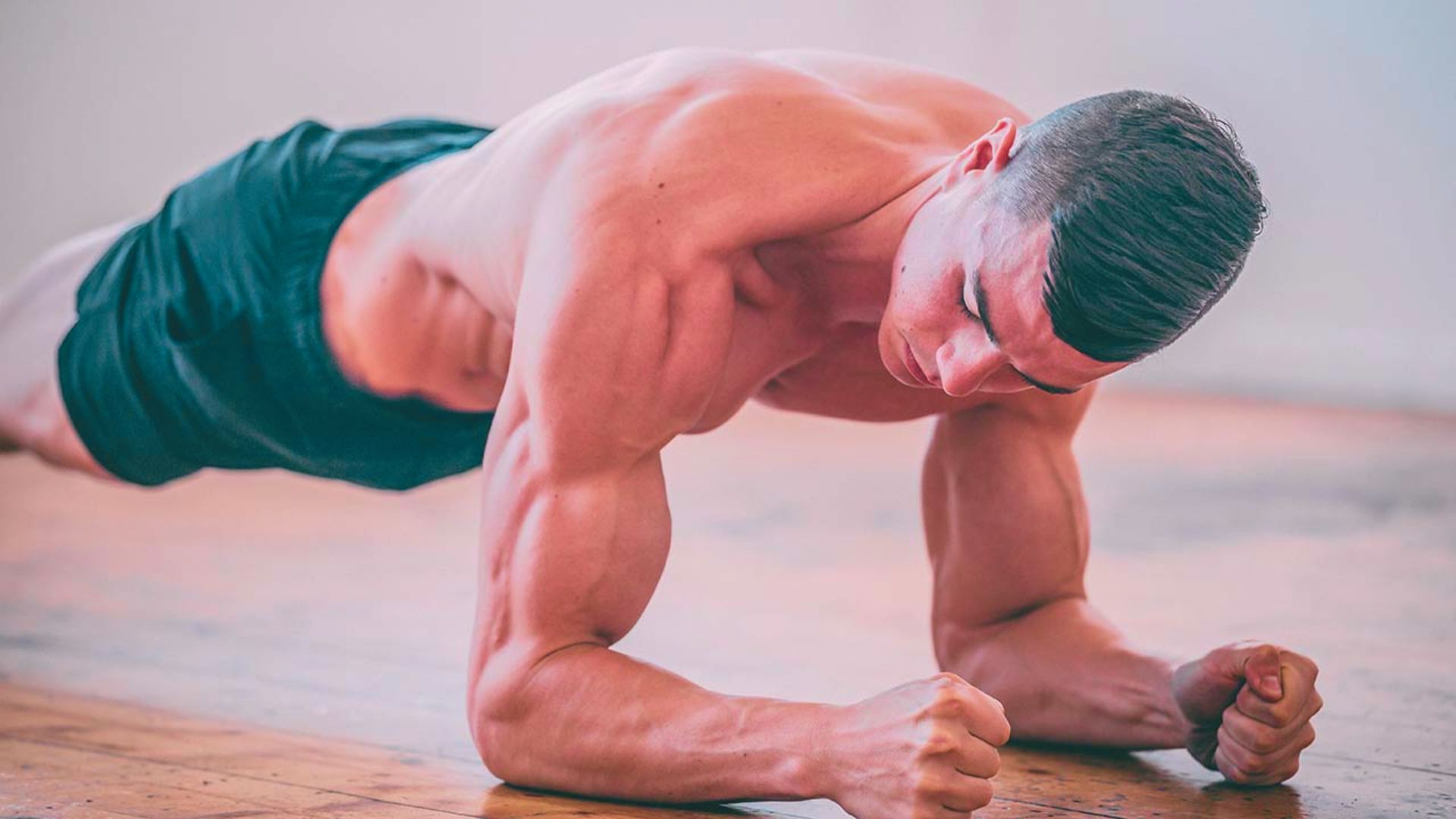
Target muscles: Core, shoulders, glutes
A strong core supports every movement in this routine. Finish with 2 to 3 sets held for 20 to 45 seconds with 45 seconds of rest.
For the plank, keep your hips level, breathe steadily, squeeze your glutes, and look at the floor.
For the hollow hold, press your lower back flat to the floor, extend your arms overhead and legs out, hold the position tight, and keep your breathing controlled throughout.
Sets, Reps, and Rest Guidelines
Knowing how many sets and reps to do, and when to rest, makes or breaks your results.
Recommended Rep Ranges for Strength vs Endurance
Your goal changes the rep range you use. For strength, aim for 3 to 6 reps across 4 to 5 sets at close to max effort.
For muscle size, work in the 8 to 12 rep range across 3 to 4 sets at a moderate load. For endurance, go for 15 to 25 reps across 2 to 3 sets at a lighter load.
Most beginners should start in the 8 to 12 range since it builds both strength and muscle well.
Rest Time Between Sets
Don’t rush to rest. For heavy compound exercises like pull-ups and dips, rest 90 to 120 seconds.
For moderate exercises like push-ups and inverted rows, rest 60 to 90 seconds. For core work and finishers, 30 to 45 seconds is enough.
Your muscles need that time to perform well in the next set.
How to Adjust Intensity
You can make any exercise harder or easier without changing the movement itself. To make it harder, slow down the lowering phase to 3 to 5 seconds, add a pause at the bottom, reduce rest between sets, or add more sets.
To make it easier, use a band or partner for assistance, reduce the range of motion slightly, or take longer rest breaks.
Adjust based on how you feel each session. Some days will feel harder than others and that’s completely normal.
Tips to Progress This Workout Routine
Progress is the point. Without it, your body stops adapting and growth stops.
- Add volume gradually by throwing in one extra set per exercise or 2 to 3 more reps per set each week. Never increase everything at once. Pick one variable and adjust it slowly.
- Reduce rest time between sets as your fitness improves. Less rest makes the same workout harder without changing a single exercise.
- Move to harder variations once you hit the top of your rep range with clean form. Go from knee push-ups to full push-ups, band pull-ups to full pull-ups, and bench dips to parallel bar dips.
- Train one extra day per week when your current schedule starts feeling manageable. Adding frequency is one of the most effective ways to build more strength over time.
- Add weight only after maxing out bodyweight progressions. If you can do 15+ pull-ups and 20+ dips with ease, a weighted vest or dip belt is your next step. Starting light as even 5kg makes a big difference.
Beginner, Intermediate, and Advanced Variations

This routine works for all levels. Here’s how to adapt it based on where you are right now.
Beginner Routine (Simplified Movements)
If you’re new to calisthenics, start here and focus on form before reps.
Do dead hangs for 3 sets of 20 to 30 seconds, band-assisted pull-ups for 3 sets of 5 to 8 reps, bench dips for 3 sets of 10 reps, knee push-ups for 3 sets of 10 to 15 reps, inverted rows at a low angle for 3 sets of 10 reps, pike push-ups for 3 sets of 8 reps, and a plank for 3 sets of 20 seconds.
Train 2 days per week and focus on learning the movements and building base strength.
Intermediate Routine (Standard Workout)
Follow the full step-by-step routine listed above. Train 2 to 3 days per week with a focus on building muscle and increasing rep counts.
You’re ready for this level when you can do 5 full pull-ups with good form, 15 clean push-ups, and hold a plank for 45 seconds.
Advanced Routine (Weighted and Skill-Based)
Once the standard routine feels easy, step up the challenge.
Do weighted pull-ups for 4 sets of 5 to 8 reps, ring dips for 4 sets of 8 to 10 reps, archer push-ups for 3 sets of 8 reps each side, feet-uplifted inverted rows for 3 sets of 12 reps, handstand push-ups or wall walks for 3 sets of 5 reps, and a hollow hold for 3 sets of 40 seconds.
Train 3 days per week with a focus on strength skills, heavy volume, and harder progressions.
Common Mistakes to Avoid
Small errors repeated over time can kill your progress faster than a bad workout plan.
- Flaring your elbows during push-ups puts unnecessary stress on your shoulders and wrists. Keep them at a 45-degree angle from your body.
- Shrugging during pull-ups removes the work from your lats and strains your neck. Pull your shoulders down before every rep.
- Letting your hips drop in planks turns a core exercise into a lower back problem. Keep your body in a straight line throughout.
- Doing too much too soon leads to burnout and overuse injuries. Start with 2 days a week, master the movements, then build from there.
- Skipping recovery is the most common reason people stop seeing results. Aim for 7 to 9 hours of sleep, eat enough protein, and take at least one full rest day between sessions.
Conclusion
This calisthenics upper body routine is one of the most practical plans you’ll find. No gym needed. No excuses needed either.
I started with zero pull-ups and bench dips on a chair. It felt hard at first. But sticking with it changed everything.
Start where you are. Use the beginner plan if needed. Progress at your own pace.
If this helped you, share it with someone who needs it. Drop a comment below and let me know which exercise you’re starting with. I’d love to hear from you.
Frequently Asked Questions
How many times a week should I do a calisthenics upper body workout?
Two to three times per week works well for most people. Make sure you leave at least one rest day between sessions to let your muscles recover properly.
Can beginners build muscle with calisthenics upper body exercises?
Yes, beginners can build real muscle with bodyweight exercises. The key is consistent training, good form, and slowly making the workouts harder over time.
Do I need a pull-up bar for this routine?
A pull-up bar is very helpful but not required. You can use a sturdy table edge for inverted rows and do more push-up variations while you work up to buying or mounting a bar.
How long before I see results from this calisthenics routine?
Most people notice strength improvements within two to three weeks. Visible muscle changes usually take six to eight weeks of consistent training and proper nutrition.
Is calisthenics upper body training better than lifting weights?
Neither is strictly better. Calisthenics builds functional strength, body control, and joint stability. Weights allow more precise load control. Many people get great results combining both approaches.