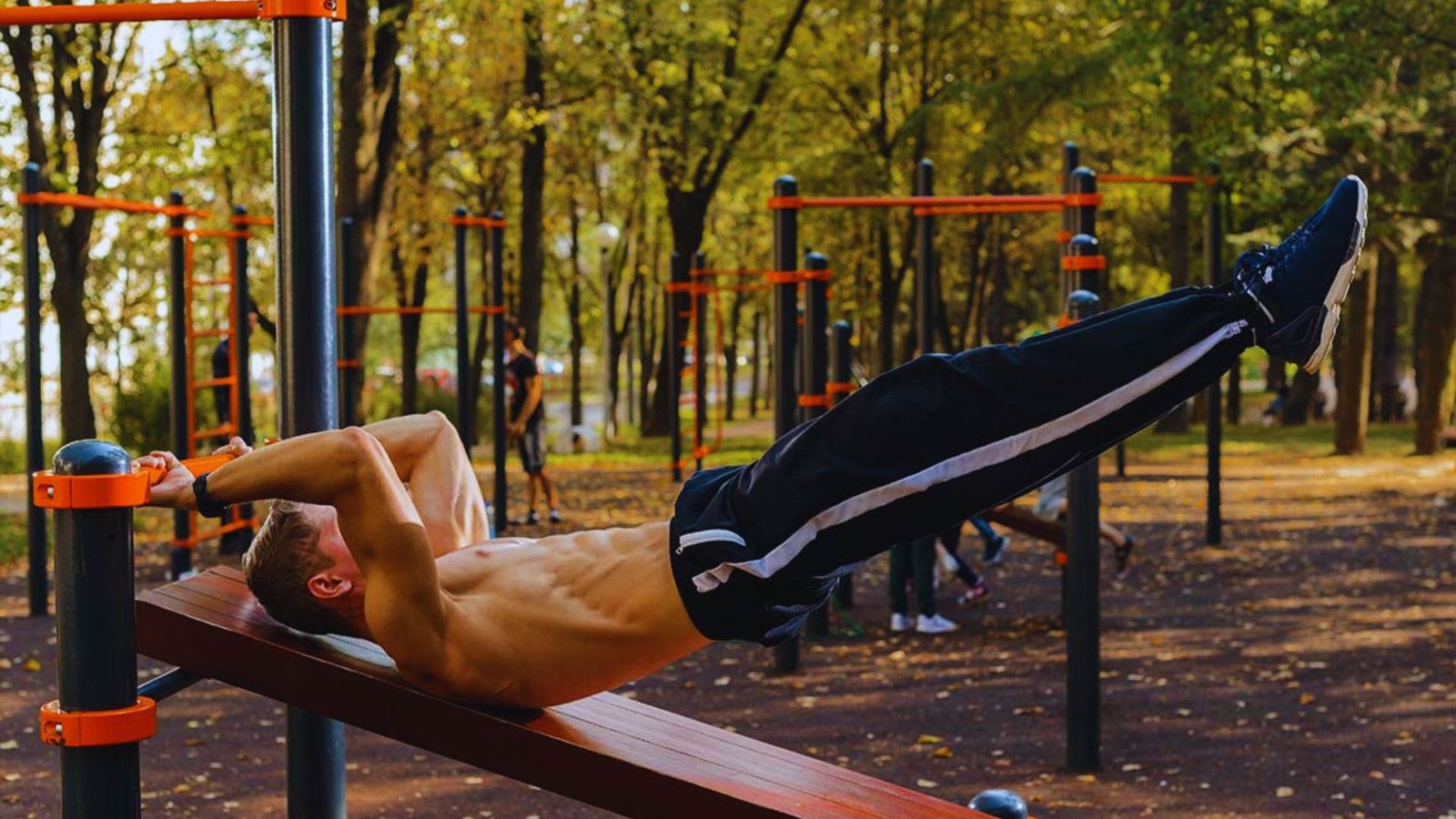
Calisthenics leg training uses your own body weight to build strength in your lower body. No gym membership or fancy equipment required.
This beginner workout is designed for people who are new to fitness or bodyweight training. It works well if you want to start exercising at home.
As a beginner, you can expect gradual strength gains over 4-6 weeks. Your legs will feel sore at first, but movement patterns will become easier with practice.
This guide covers everything you need to know to start training your legs safely and effectively using only bodyweight exercises.
Can Beginners Build Leg Strength With Calisthenics?

Yes, beginners can absolutely build strong legs using bodyweight exercises. Calisthenics provides enough resistance to stimulate muscle growth when done correctly.
Bodyweight training offers a gentler starting point compared to weights. Your body naturally limits how much force you can generate, reducing injury risk for new exercisers.
Training close to failure is what matters most for strength gains. Push each set until the last 1-2 reps feel very challenging, regardless of whether you use weights or bodyweight.
Calisthenics works for leg development because exercises like squats and lunges create significant muscular tension. Your legs must support and move your entire body weight through full ranges of motion.
Benefits of a Calisthenics Leg Workout for Beginners

Building leg strength through bodyweight movements offers several key advantages for new exercisers.
Builds Strength Without Weights
You can develop muscular legs using only your body weight as resistance. Squats, lunges, and glute bridges provide enough challenge to stimulate growth.
No gym means no membership fees or travel time. Train anywhere you have a few square feet of space.
Improves Balance and Coordination
Single-leg exercises teach your body to stabilize itself. This skill transfers to daily activities like climbing stairs or standing on one foot.
Your core muscles must engage to keep you upright during leg movements. This creates full-body coordination benefits.
Protects Joints and Prevents Injury
Bodyweight exercises allow your joints to move through natural patterns. The load remains manageable as you learn proper form.
Lower impact means less stress on knees and hips compared to jumping straight into heavy weights. Your body adapts gradually to new movement demands.
Enhances Athletic Movement
Calisthenics leg exercises mimic real-world movements. The squat pattern appears in sitting down, standing up, and picking things up off the floor.
Building strength in these patterns makes daily life easier. You’ll notice improvements in activities like walking, running, and playing sports.
How Often Should Beginners Train Legs?

Training legs 2-3 times per week gives beginners optimal results. This frequency allows enough stimulus for growth while providing adequate recovery time.
Space your leg workouts at least 48 hours apart. Your muscles need time to repair and grow stronger between sessions.
Rest and recovery are when actual strength gains occur. Sleep 7-9 hours per night and eat enough protein to support muscle repair.
Watch for signs of overtraining, like persistent soreness lasting more than 3 days. Other red flags include decreased performance, constant fatigue, and irritability.
If you notice these symptoms, take an extra rest day. Training hard matters, but recovery matters just as much.
Equipment Needed for a Beginner Calisthenics Leg Workout

One major advantage of calisthenics is the minimal equipment requirement. You can start with absolutely nothing.
Your body weight provides all the resistance you need initially. A small, clear space in your living room or bedroom works perfectly fine. A yoga mat adds comfort, but isn’t mandatory.
A sturdy chair or wall helps with balance during single-leg movements. Resistance bands add variety once bodyweight feels easier.
A box or step enables step-down exercises. Any stable platform 6-12 inches high works well for this movement.
Best Calisthenics Leg Exercises for Beginners
These movements form the foundation of any solid beginner leg routine. Master these before moving to advanced variations.
Bodyweight Squats

Stand with feet shoulder-width apart and toes slightly pointed out. Lower your hips back and down like sitting in a chair.
Keep your chest up and knees tracking over your toes. Descend until your thighs reach parallel with the floor.
Push through your heels to return to standing. This exercise targets your quads, glutes, and hamstrings.
Reverse Lunges

Start standing with feet together. Step one foot backward and lower your back knee toward the ground.
Keep your front shin vertical and torso upright. Your front thigh should be parallel to the floor at the bottom.
Push through your front foot to return to standing. This variation is easier on the knees than forward lunges.
Step-Downs or Supported Lunges

Stand on a low box or step with one foot. Slowly lower your opposite heel toward the ground.
Control the descent rather than dropping quickly. Tap the floor lightly, then push back up to the starting position.
Use a wall or chair for balance if needed. This exercise builds single-leg strength safely.
Glute Bridges

Lie on your back with knees bent and feet flat on the floor. Position your feet hip-width apart.
Drive through your heels to lift your hips until your body forms a straight line. Squeeze your glutes hard at the top.
Lower back down with control. This movement strengthens your glutes and hamstrings while being easy on your lower back.
Wall Sit Hold

Place your back against a wall and slide down until your thighs are parallel to the floor. Your knees should be directly above your ankles.
Hold this position for time rather than reps. Keep your core tight and breathe steadily.
This isometric exercise builds quad endurance and mental toughness.
Beginner Jump Squats (Optional)

Perform a regular bodyweight squat. As you stand up, add a small jump off the ground.
Land softly with bent knees and immediately lower into the next squat. Only include this if your joints feel good.
This adds a power component to your training. Skip it if you have any knee discomfort.
Calisthenics Leg Workout for Beginners (Step-by-Step Routine)

Here’s a complete workout you can start using today. Follow this plan 2-3 times per week.
Workout Structure and Guidelines
Perform exercises in the order listed. Complete all sets of one exercise before moving to the next.
Focus on quality movement over speed. Each rep should look clean and controlled.
Beginner Workout Sets and Reps
Complete each exercise with controlled movements, focusing on proper form and steady breathing for the best results
Bodyweight Squats: 3 sets of 10-15 reps
Reverse Lunges: 3 sets of 8-10 reps per leg
Glute Bridges: 3 sets of 12-15 reps
Wall Sit Hold: 3 sets of 20-30 seconds
Step-Downs: 2 sets of 6-8 reps per leg
Add jump squats for 2 sets of 6-8 reps if you feel comfortable. This is completely optional.
Rest Times and Tempo
Rest 60-90 seconds between sets. This allows partial recovery while keeping your heart rate slightly up.
Use a 2-1-2 tempo for most exercises. Take 2 seconds to lower, pause for 1 second, then take 2 seconds to lift.
Slower tempos increase time under tension. This creates more muscle stimulus from bodyweight exercises.
Calisthenics Leg Workout Safety Tips for Beginners

Staying safe ensures long-term progress. Follow these guidelines to train smart.
- Listen to your body. Muscle burn is normal, but sharp knee or hip pain means stop immediately.
- Never let your knees cave inward during squats or lunges. Proper form prevents knee stress and injury.
- Avoid training through acute pain. Some soreness is expected, but sharp or worsening pain requires rest.
- Prioritize recovery with adequate sleep, nutrition, and rest days. Your muscles grow stronger during recovery, not during workouts.
- Stretch after your workout when muscles are warm. Hold each stretch for 20-30 seconds to reduce soreness.
Conclusion
Your legs are the biggest muscle group in your body. Training them consistently will boost your overall fitness level faster than any other workout.
Start with this routine today. Do it for six weeks without missing sessions, and you’ll notice real strength changes.
Drop a comment below sharing which exercise you found most challenging. I’d love to hear about your experience with these movements.
Frequently Asked Questions
Can I do calisthenics leg workouts every day?
No, training legs daily doesn’t allow proper recovery time. Stick to 2-3 sessions per week with at least one rest day between workouts for optimal muscle repair and growth.
How long until I see results from bodyweight leg training?
Most beginners notice strength improvements within 3-4 weeks. Visible muscle changes typically appear after 8-12 weeks of consistent training with proper nutrition and recovery.
Do I need to add weights eventually?
Not necessarily. You can keep progressing with harder bodyweight variations like single-leg squats and pistol squats. Weights are optional, not mandatory, for building strong legs.
Why do my knees hurt during squats?
Knee pain often comes from letting knees cave inward or pushing them too far forward. Keep your knees aligned with your toes and sit back into your hips during the squat.
Should I feel sore after every leg workout?
Not always. Soreness decreases as your body adapts to training. Lack of soreness doesn’t mean lack of progress. Focus on getting stronger rather than chasing soreness.