

Thinking about trying a recumbent bike for weight loss? You’re in the right place. I’ve spent time on these machines myself, and I can tell you they work when you use them correctly.
This guide covers how recumbent bikes burn calories, support your joints, and fit into a weight loss plan.
You’ll learn what makes them different from upright bikes and how to avoid common mistakes. I’ll also share realistic expectations so you know what to expect.
By the end, you’ll know if a recumbent bike matches your fitness goals. Let’s get into it.
What Is a Recumbent Bike?
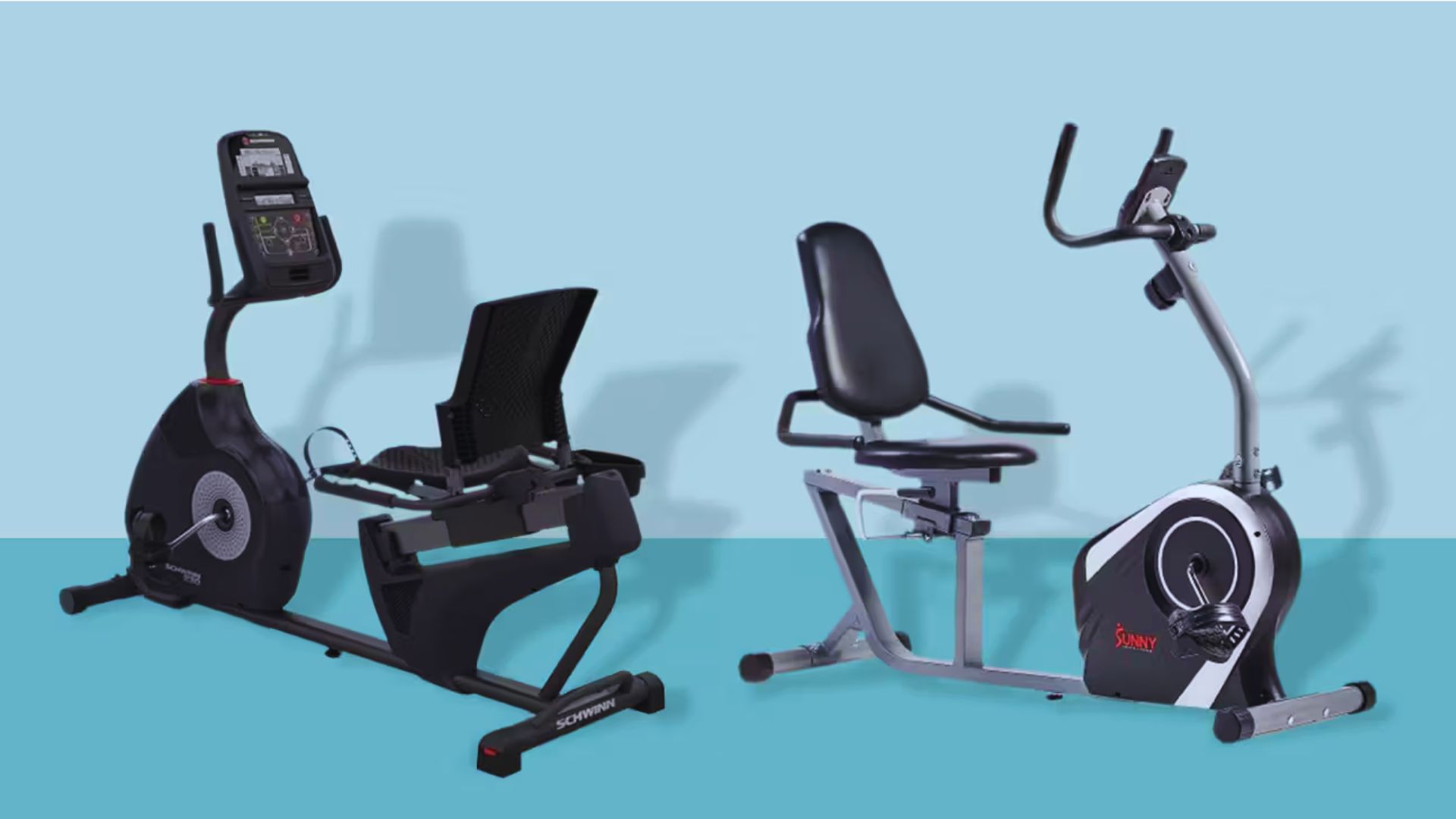
A recumbent bike is a stationary exercise bike with a reclined seat and backrest. You sit low to the ground with your legs extended forward instead of sitting upright.
The pedals are positioned in front of you rather than below your hips. This design shifts your body weight back and gives your lower back full support.
Most recumbent bikes have adjustable seats. You can move the seat closer or farther from the pedals to match your leg length.
Recumbent bikes use resistance to make pedaling harder. You can increase resistance to work your muscles more without pedaling faster.
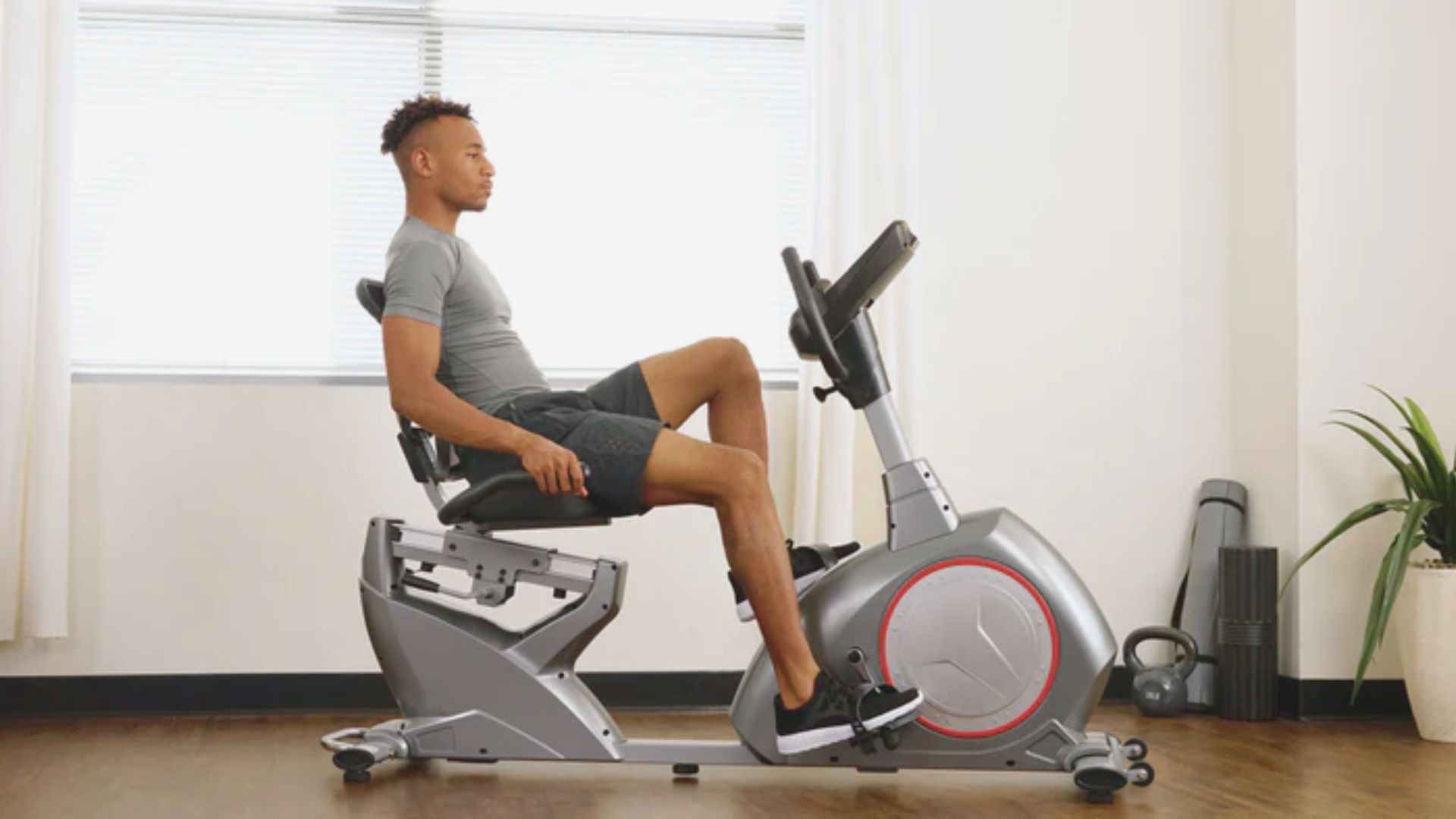
Your legs do all the work while your upper body stays relaxed. This setup reduces stress on your knees, hips, and ankles compared to running or jumping.
The reclined position keeps your spine neutral. Your cardiovascular system still gets a solid workout as your heart rate rises and burns calories. Low-impact doesn’t mean low-intensity.
Health Benefits of Recumbent Bike Exercise
Recumbent bikes offer more than just weight loss potential.
Improves Cardiovascular Endurance
Regular cycling strengthens your heart and lungs over time.
Regular recumbent cycling strengthens your heart and lungs. You’ll notice you can exercise longer without getting winded.
Better endurance means everyday activities feel easier. Your resting heart rate may drop as your heart gets stronger.
Supports Joint Health and Reduces Injury Risk
The seated position protects your joints from damaging impact.
Recumbent bikes eliminate the impact that damages joints. Your knees, hips, and ankles move smoothly without absorbing shock.
People recovering from injuries often start with recumbent cycling. Older adults benefit from the stability and support that prevents falls.
Improves Muscle Endurance in the Lower Body
Your leg muscles build stamina without adding bulk.
Your quadriceps, hamstrings, and calves work continuously during recumbent cycling. Muscle endurance means your legs can work longer before getting tired.
Your glutes and hip flexors also engage throughout the pedaling motion.
Helps Maintain Consistent Exercise Habits
Comfort makes you more likely to stick with your workouts.
Recumbent bikes feel easier on your body, which makes you more likely to use them regularly. You can read or watch TV while pedaling, which makes longer sessions feel shorter.
Using equipment you actually enjoy means you’ll stick with your program longer.
Benefits of Recumbent Bike for Weight Loss
Recumbent bikes burn enough calories to support steady fat loss.
Solid Calorie Burn
Calorie burn varies based on your weight and workout intensity.
A 155-pound person burns roughly 260 calories in 30 minutes of moderate recumbent cycling. That number jumps to 391 calories at a vigorous pace.
Your actual calorie burn depends on your weight, resistance level, and intensity. An hour of moderate cycling burns over 500 calories for most people.
Real Fat Loss Results
Yes, when combined with a calorie deficit.
Recumbent cycling burns calories, which creates the deficit needed for fat loss. Fat loss happens across your entire body, not just one area.
Consistent cardio sessions force your body to tap into fat stores. Combining recumbent cycling with strength training works best since muscle tissue burns calories even at rest.
Beginner Friendly
The gentle learning curve makes starting easy.
Beginners benefit from the low intimidation factor. You can start with 15-20 minutes three times per week and add five minutes to each session as your fitness improves.
Low resistance settings let you focus on form and consistency. You can always increase difficulty once the basic movement feels natural.
Comfortable and Convenient
Recumbent bikes balance calorie burn with comfort and convenience.
Elliptical machines burn slightly more calories but recumbent bikes win for comfort. Swimming matches calorie burn but requires pool access.
Walking burns fewer calories per hour but costs nothing. Rowing machines burn more but require proper technique and a steeper learning curve.
How to Use a Recumbent Bike for Maximum Weight Loss
Smart workout strategies make all the difference in your results.
Aim for 30 minutes five times per week. You can split sessions into shorter chunks if needed. Consistency beats intensity for long-term fat loss.
Moderate resistance lets you maintain a conversation while pedaling. Start easy, build to moderate, then cool down. You should feel your muscles working but not burning.
Try interval training twice per week. Do 30 seconds of high resistance followed by 90 seconds easy for 20 minutes total.
Avoid using too little resistance. Slower pedaling with higher resistance burns more calories than fast pedaling with low resistance. Vary your effort to keep your body adapting.
Tips to Maximize Weight Loss on a Recumbent Bike
Small adjustments to your setup and routine make bigger differences than most people expect.
- Position your seat so your knee has a slight bend at full extension. Proper positioning works your quads and hamstrings evenly and maximizes calorie burn.
- Increase resistance gradually instead of just pedaling faster. Add one resistance level every two weeks. Higher resistance builds muscle endurance and burns more calories.
- Mix hard efforts with easy recovery periods twice per week. Try one minute hard followed by two minutes easy for 20-30 minutes. Sprint intervals burn more fat in less time.
- Track your workouts and combine cycling with strength training. Log duration, resistance, and calories. Lift weights twice per week to build muscle and speed up fat loss.
- Avoid coasting with barely any resistance. Challenge yourself with proper resistance levels. Warm up and cool down for five minutes, and take 1-2 rest days per week.
Conclusion
Recumbent bikes really do help with weight loss, especially if you struggle with joint pain or need something comfortable enough to use regularly.
I’ve seen too many people quit exercise because it hurts, and that’s where these bikes shine. Start with 20-30 minutes a few times per week, focus on consistency over intensity, and combine your rides with smart eating.
The results won’t happen overnight, but they will happen if you stick with it. Drop a comment below and tell me what’s holding you back from starting, or share what’s working for you if you’re already riding.
Frequently Asked Questions About Recumbent Bike Benefits
Are Recumbent Bikes Good for Belly Fat?
Recumbent bikes burn calories, which helps reduce overall body fat including belly fat. Consistent cardio combined with a calorie deficit will gradually reduce fat across your entire body.
Can Seniors Lose Weight Using a Recumbent Bike?
Yes, seniors can lose weight through regular workouts and proper eating. The low-impact nature and back support make recumbent bikes particularly safe for older adults.
How Long Should You Ride a Recumbent Bike to Lose Weight?
Aim for 30-45 minutes per session, 4-5 times per week. Beginners can start with 15-20 minutes and gradually increase duration.
Is a Recumbent Bike Better Than Walking for Weight Loss?
Recumbent bikes burn more calories per hour at 250-400 compared to walking’s 200-250. Both work when done consistently with a calorie deficit.
How Many Days a Week Should I Use a Recumbent Bike?
Use your recumbent bike 4-5 days per week with 1-2 rest days. Beginners should start with 3 days per week.


