Ever thought of how beginners step into CrossFit without feeling lost or overwhelmed?
Beginner CrossFit workouts offer a way to build strength, endurance, and confidence safely, even if it’s your first time trying functional movements.
From my experience coaching newcomers, I’ve seen how starting with small, manageable routines and focusing on proper form makes progress feel achievable and motivating.
This guide will introduce you to movements, scaled workouts, and strategies that fit your pace while keeping sessions enjoyable.
Keep reading to find routines that spark improvement and curiosity, helping you take control of your fitness story.
What is a Beginner CrossFit Workout?

A beginner CrossFit workout is a simple way to start building strength, endurance, and overall fitness.
CrossFit uses functional movements, which are exercises that mimic everyday activities, such as squats, push-ups, and lifts.
Workouts are often structured as a WOD, or Workout of the Day, which can be done for time or as AMRAP, meaning as many rounds as possible within a set time.
Beginners can scale exercises by reducing reps, using lighter weights, or choosing easier variations to match their fitness level.
Starting with bodyweight exercises or light weights helps improve form, reduces the risk of injury, and builds a solid foundation for future workouts.
Top Beginner CrossFit Workouts (WODs)
Starting CrossFit can feel tough at first. Simple workouts help build strength and endurance safely.
1. The Starter (Bodyweight)

Perform three rounds of 10 squats, 10 push-ups, and 10 sit-ups. Squats should reach the hip crease below the knees, push-ups keep a straight body, and sit-ups fully engage the core.
Focus on controlled movement and steady breathing to complete each round efficiently.
2. Beginner Cindy (AMRAP 10-15 min)
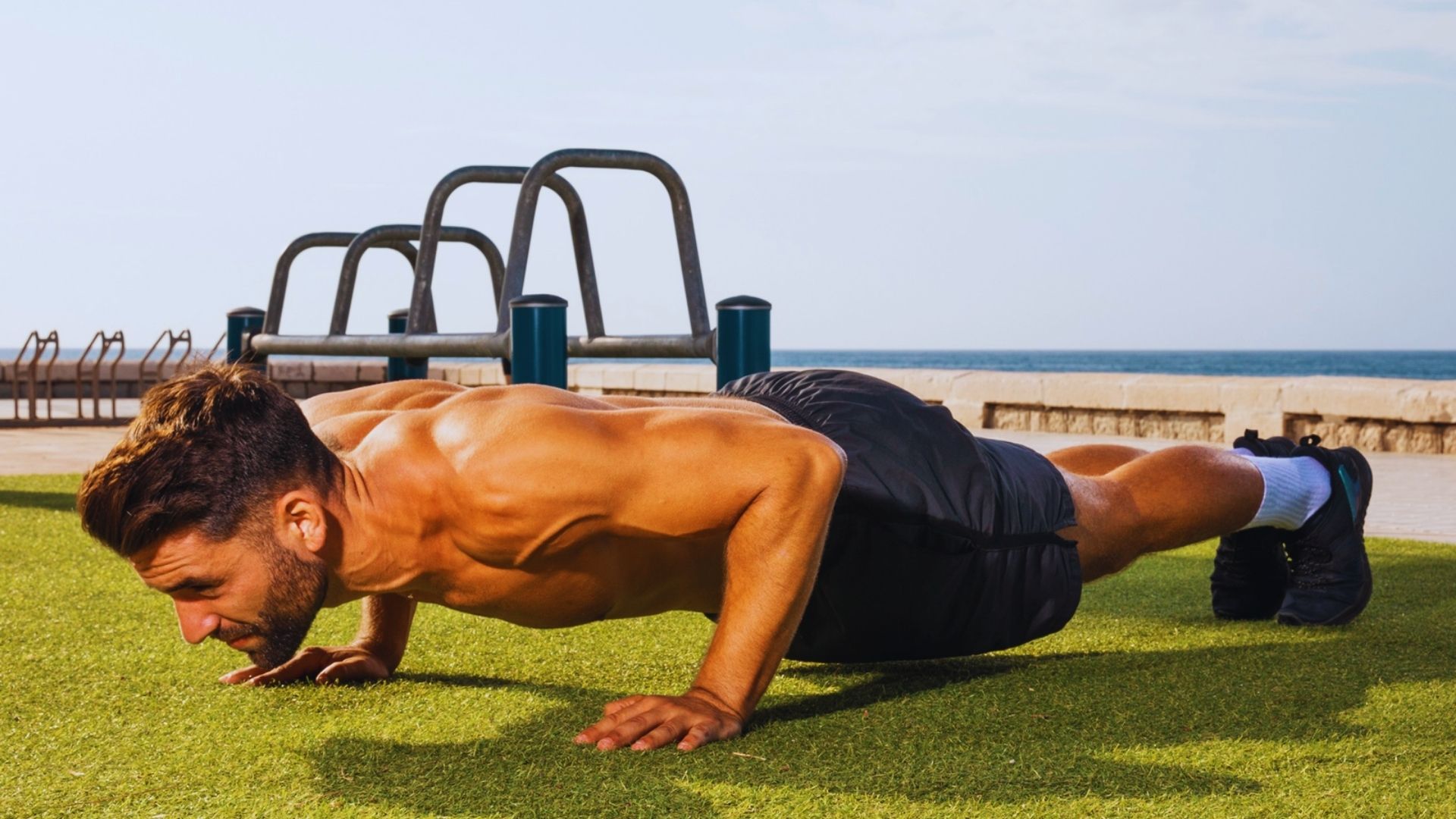
Repeat as many rounds as possible of 5 pull-ups or ring rows, 10 push-ups, and 15 air squats in 10-15 minutes.
Maintain proper form for each exercise, pace yourself, and focus on the full range of motion in squats and push-ups throughout the workout.
3. Baseline (For Time)

Complete 500 meters of rowing, followed by 40 air squats, 30 sit-ups, 20 push-ups, and 10 pull-ups, scaled as needed.
Row steadily, control squats and push-ups, fully engage your core on sit-ups, and use assistance for pull-ups to maintain proper form and safety.
4. Swing & Squat (AMRAP 10 min)
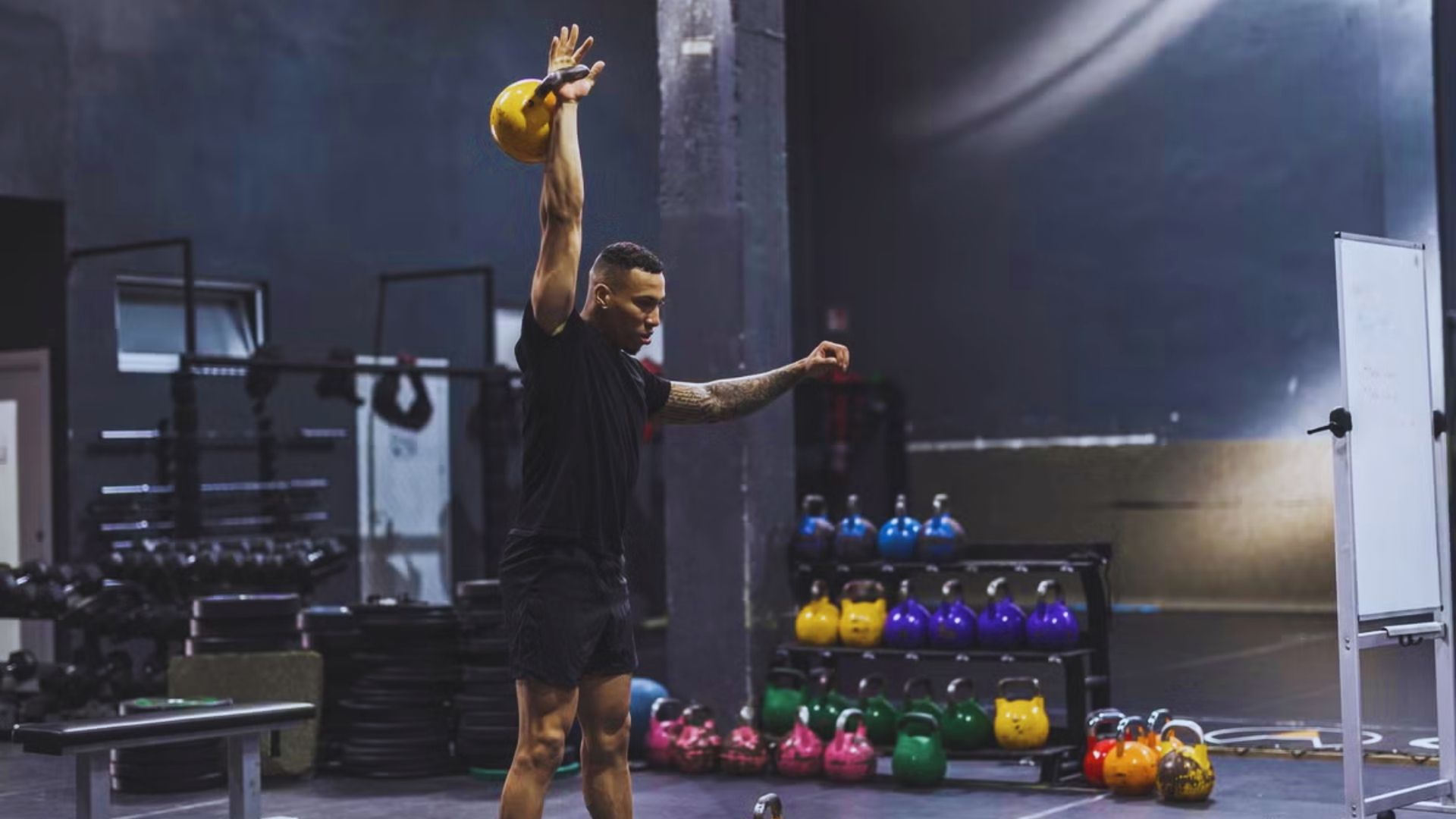
Perform 10 kettlebell swings followed by 10 air squats repeatedly for 10 minutes.
Focus on hinging at the hips during swings, controlling the kettlebell path, keeping your chest up, and maintaining proper alignment of knees and hips throughout each squat repetition.
5. The Running Sandwich (For Time)
Start with a 200-meter run, then 20 hanging knee raises, another 200 meters, 5 inchworms plus push-ups, 200 meters, 20 hanging knee raises, and finish with a final 200-meter run.
Maintain steady pacing, controlled movement, and proper core engagement for all exercises.
6. 10-to-1 Countdown WOD
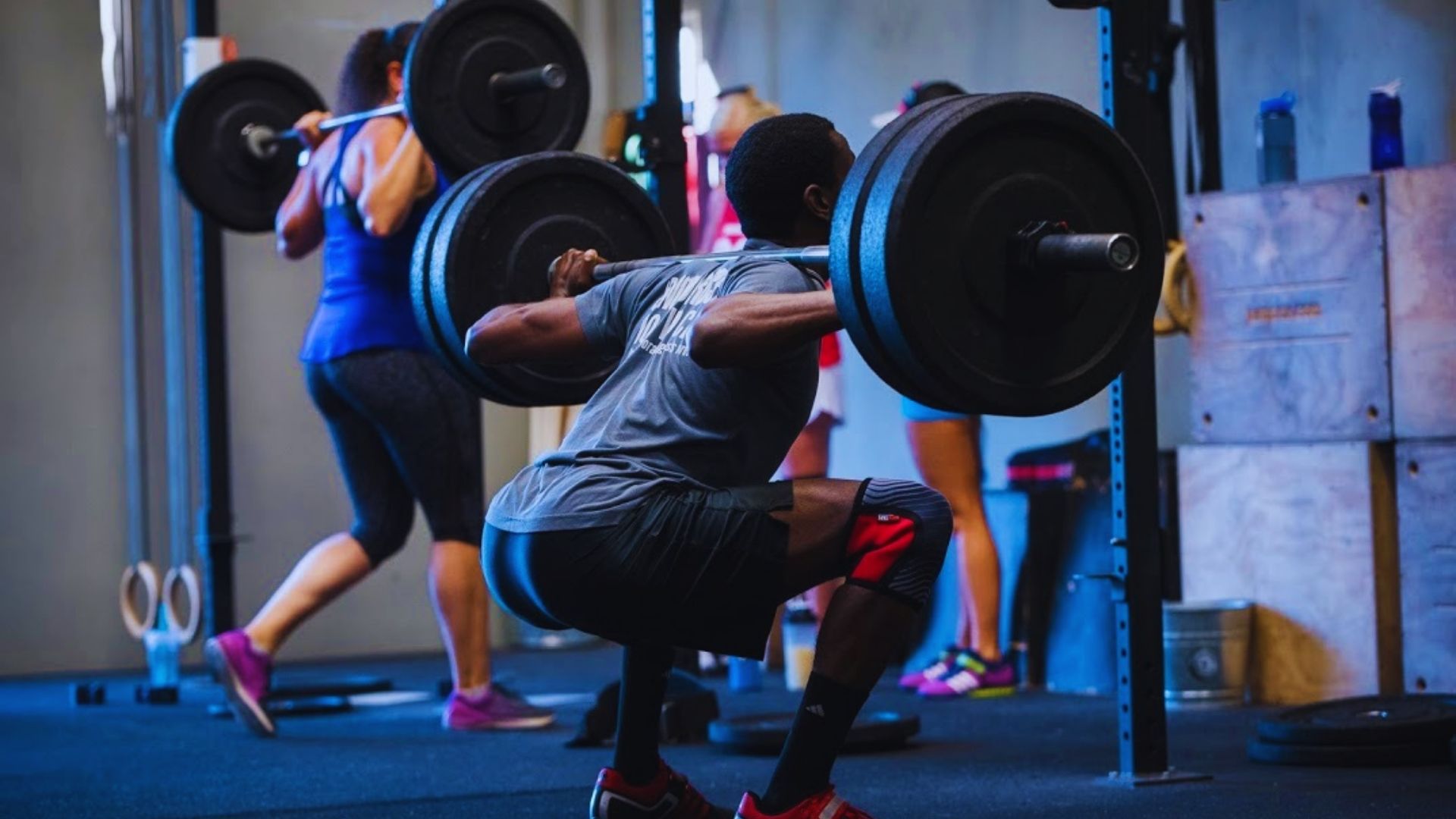
Perform descending reps of burpees, squats, and sit-ups starting from 10 down to 1.
Keep controlled form for each movement, focus on proper squat depth, full push-up and burpee technique, and steady pacing to avoid fatigue or loss of form while completing the rounds.
7. Bodyweight Ladder

Increase then decrease repetitions of push-ups, air squats, and sit-ups in a ladder format.
Focus on steady breathing, controlled movement, keeping proper alignment on push-ups and squats, and full core engagement on sit-ups to maintain balance and improve strength throughout the circuit.
8. Beginner EMOM (Every Minute on the Minute)
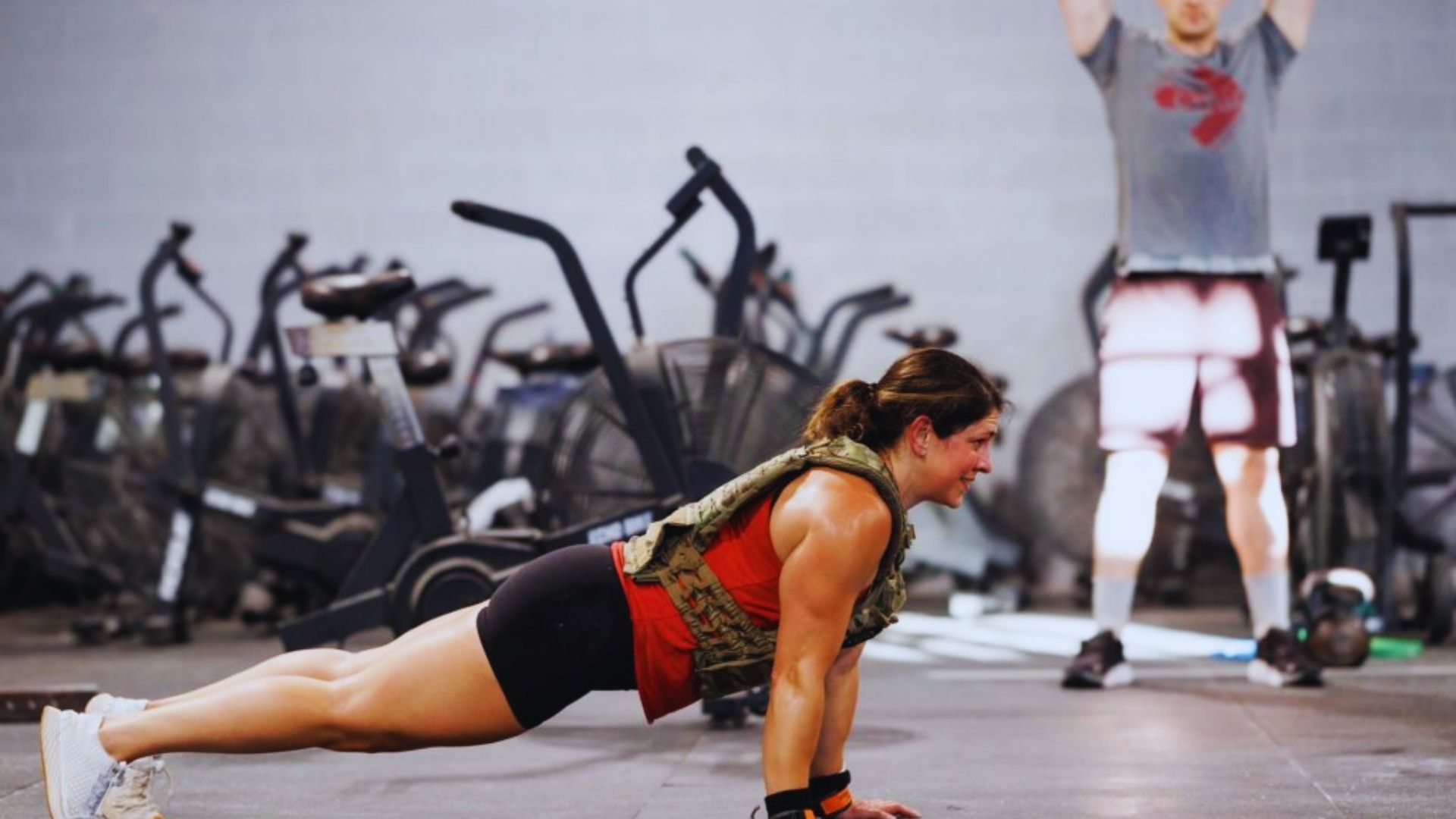
Complete 10 squats plus 5 push-ups every minute for 10 minutes.
Keep controlled form for all repetitions, steady pacing, correct alignment of knees and chest, and engage the core throughout the session to maintain safety and build foundational strength efficiently.
9. Up & Down Ladder

Increase then decrease repetitions of lunges and air squats within a set. Maintain balance, proper knee alignment, and steady breathing.
Focus on controlled motion during each lunge and squat, keeping your chest upright, hips back, and core engaged to prevent injury and fatigue.
10. Simple Burpee Workout
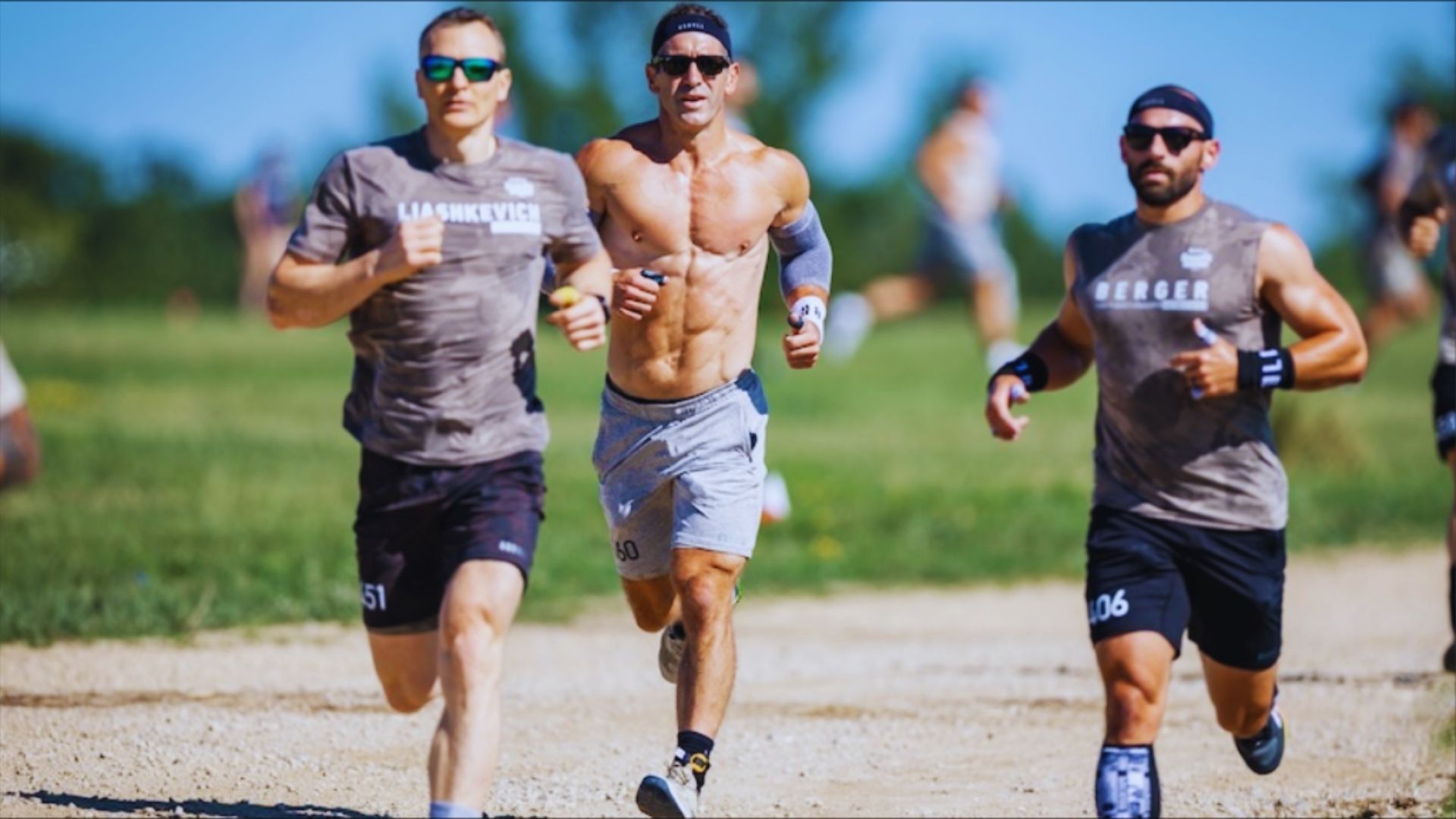
Perform three rounds of 10 burpees plus a 200-meter run. Focus on steady pacing, chest touching the floor during burpees, full jump at the top, and proper running form.
Maintain consistent movement and controlled breathing to combine strength and cardiovascular endurance safely.
11. Row & Go

Alternate 250 meters of rowing with 10 push-ups for five rounds. Row at a steady pace, perform push-ups with proper alignment, control breathing, and keep core engaged.
This combination develops upper body strength, endurance, and cardiovascular capacity while staying manageable for beginners.
12. Dumbbell Deadlift + Press
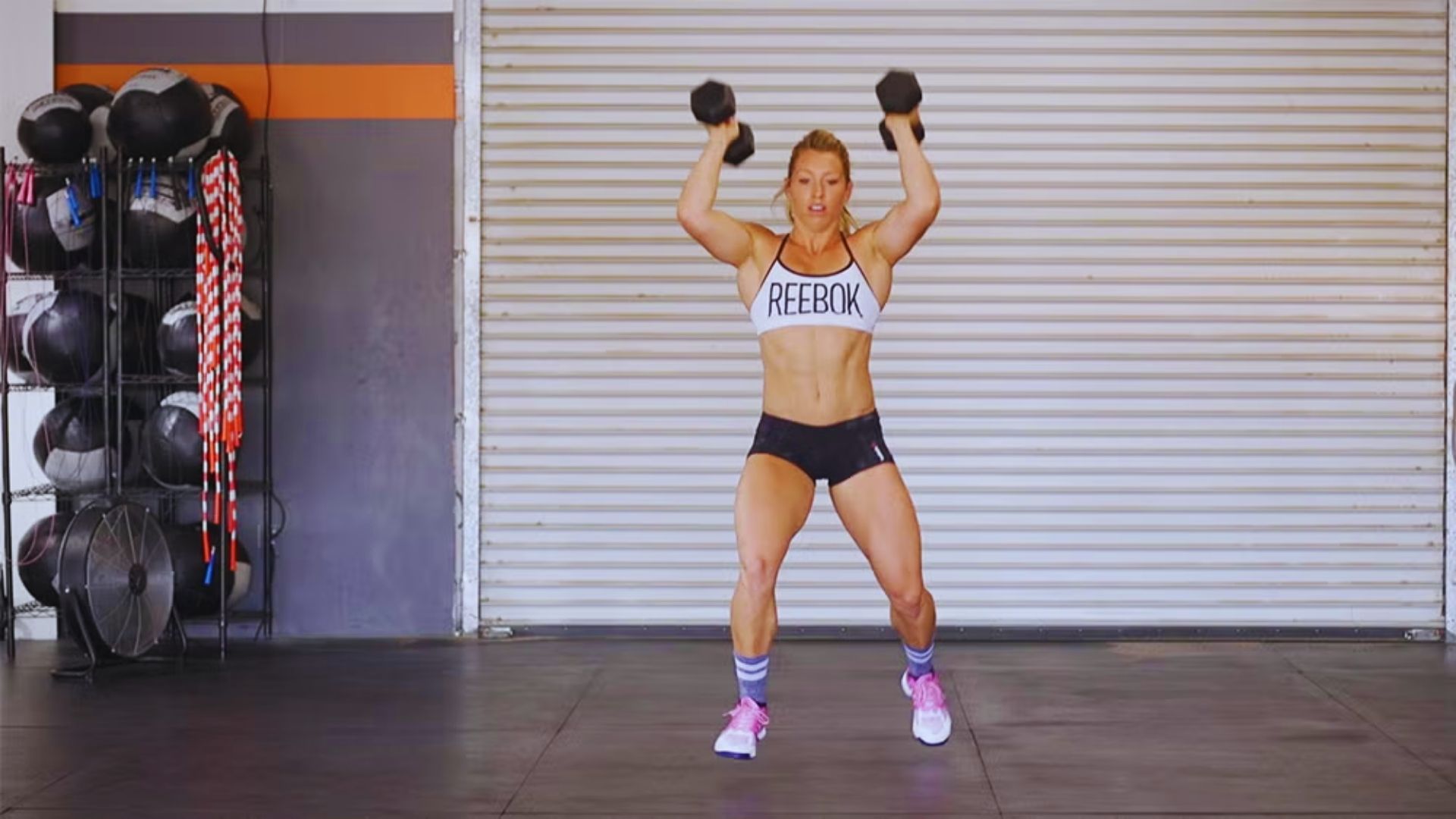
Perform 10 dumbbell deadlifts followed by 10 shoulder presses for four rounds.
Hinge at the hips with a straight back, lift the dumbbells safely, press overhead with control, and keep the core engaged.
Focus on maintaining proper technique throughout each repetition to avoid strain.
13. Jump Rope & Squat
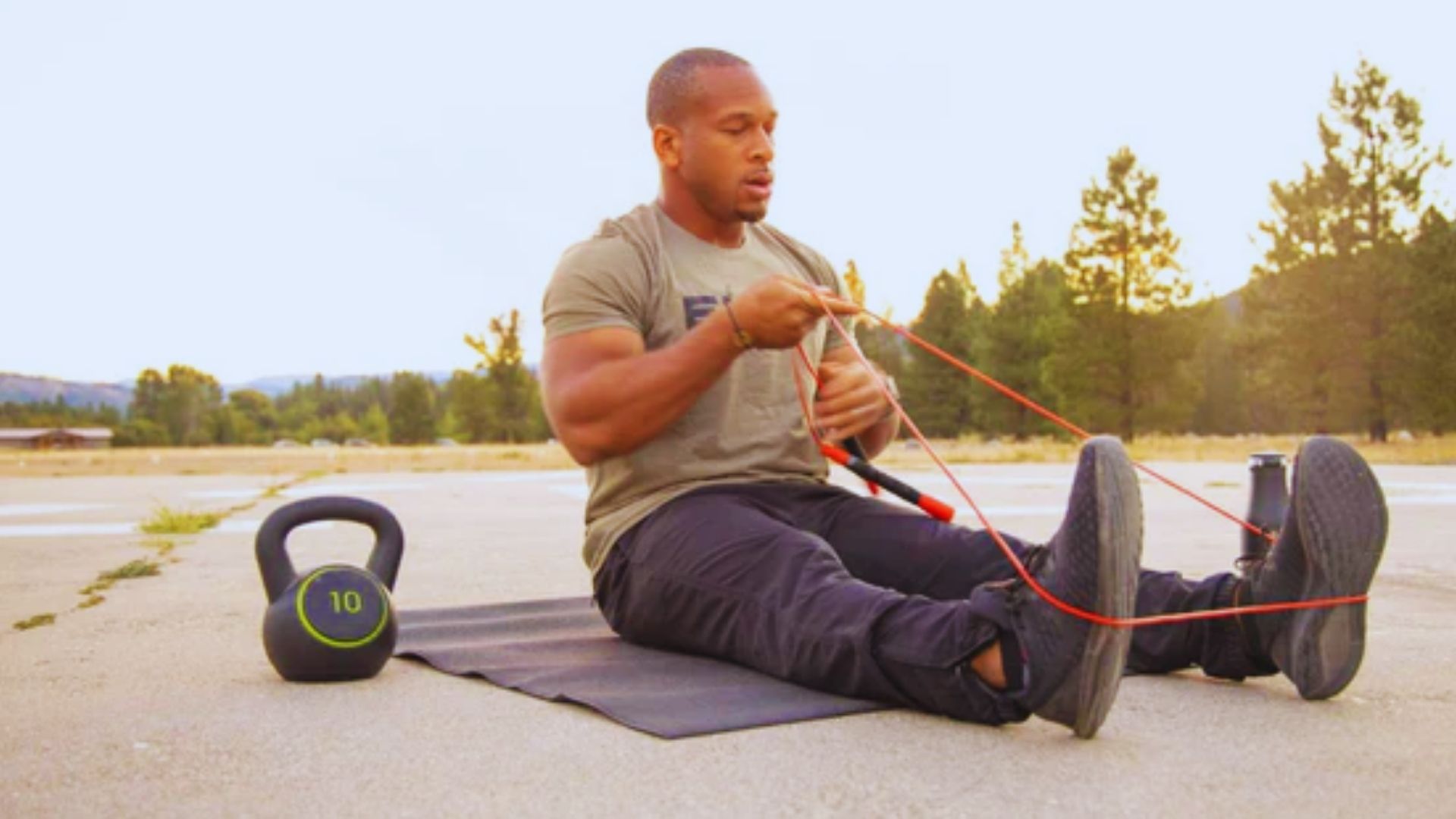
Alternate 50 jump rope skips with 15 air squats for three rounds. Maintain a smooth and controlled jump, land softly, and keep squats deep with chest upright.
Focus on steady pacing, proper breathing, and alignment of knees and hips during each movement for safety and endurance.
14. Push-Pull Circuit
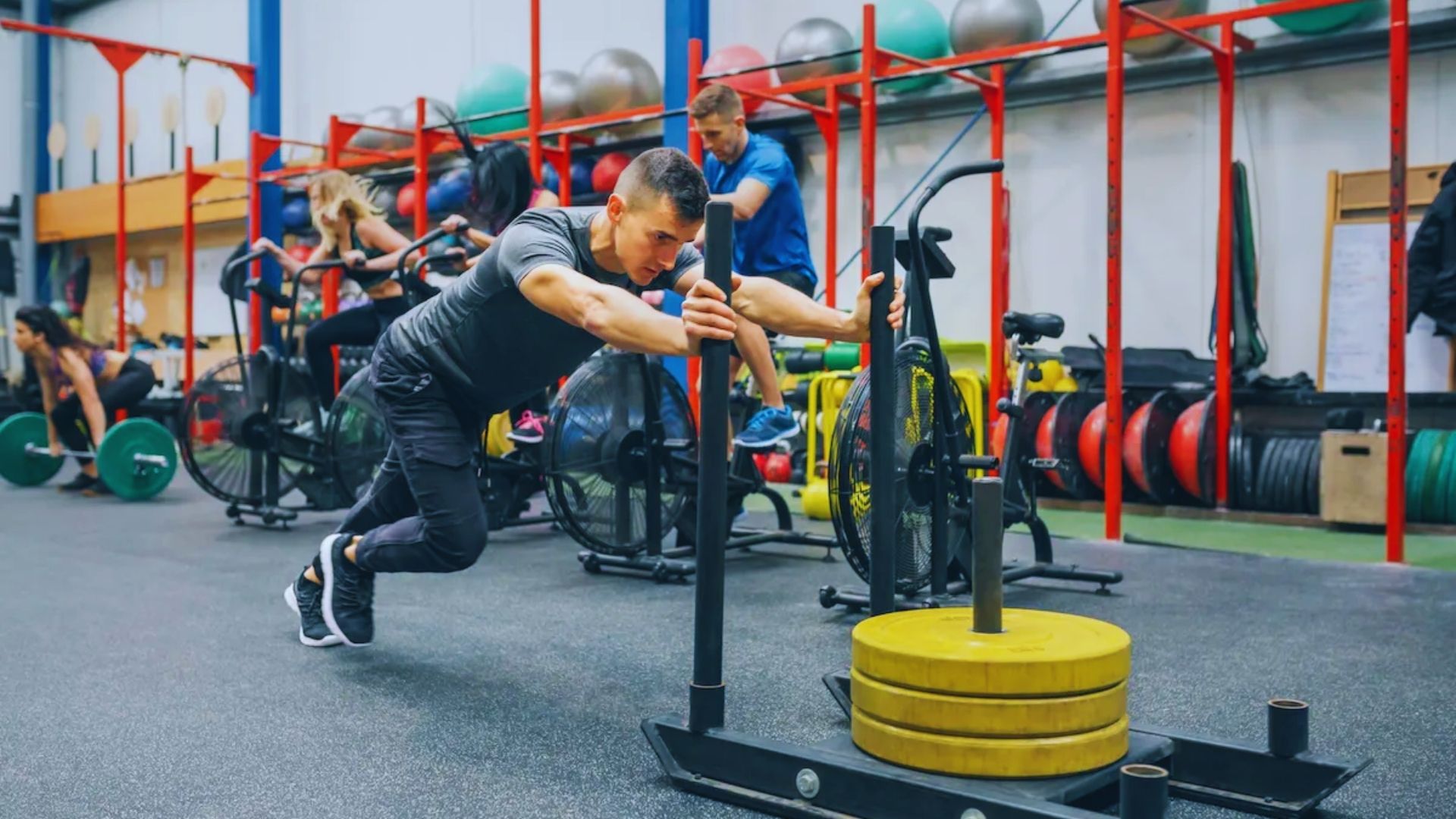
Complete 10 ring rows, 10 knee push-ups, and 15 sit-ups for four rounds.
Keep controlled pulling on ring rows, maintain alignment during push-ups, engage the core fully on sit-ups, and focus on steady breathing to sustain form and strength throughout the circuit.
15. Kettlebell Swing Ladder

Perform 10-15-20 kettlebell swings followed by the same number of air squats for three rounds.
Emphasize hip hinge mechanics, controlled kettlebell path, and proper squat form. Keep chest up, knees tracking over toes, and engage the core for stability in each repetition.
16. Step-Up Combo
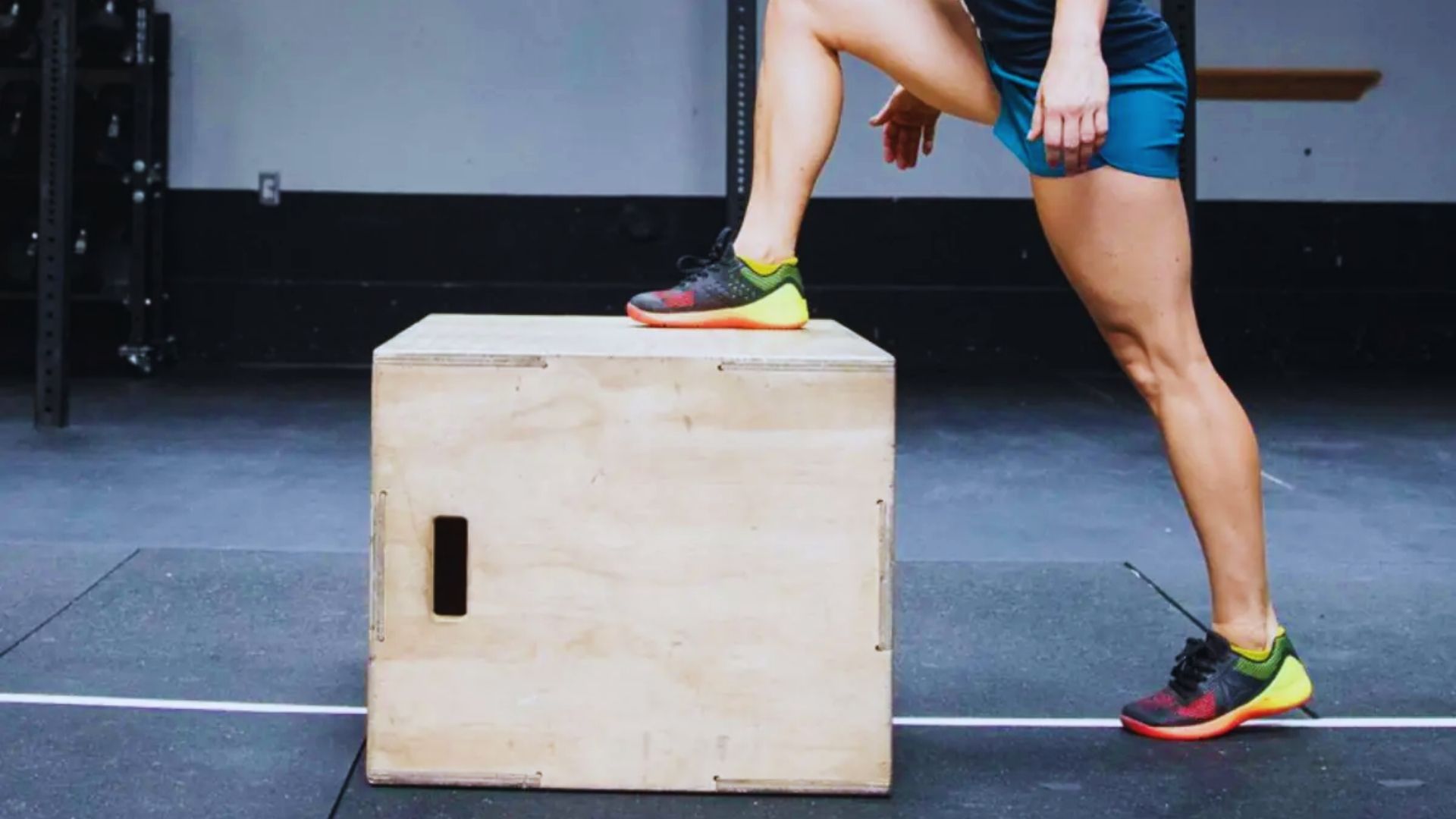
Complete 10 step-ups per leg followed by 10 push-ups for four rounds.
Maintain balance on step-ups, control each movement, keep proper alignment during push-ups, and engage the core.
Focus on smooth transitions and steady pacing to maintain safety and form throughout the set.
17. Bear Crawl WOD
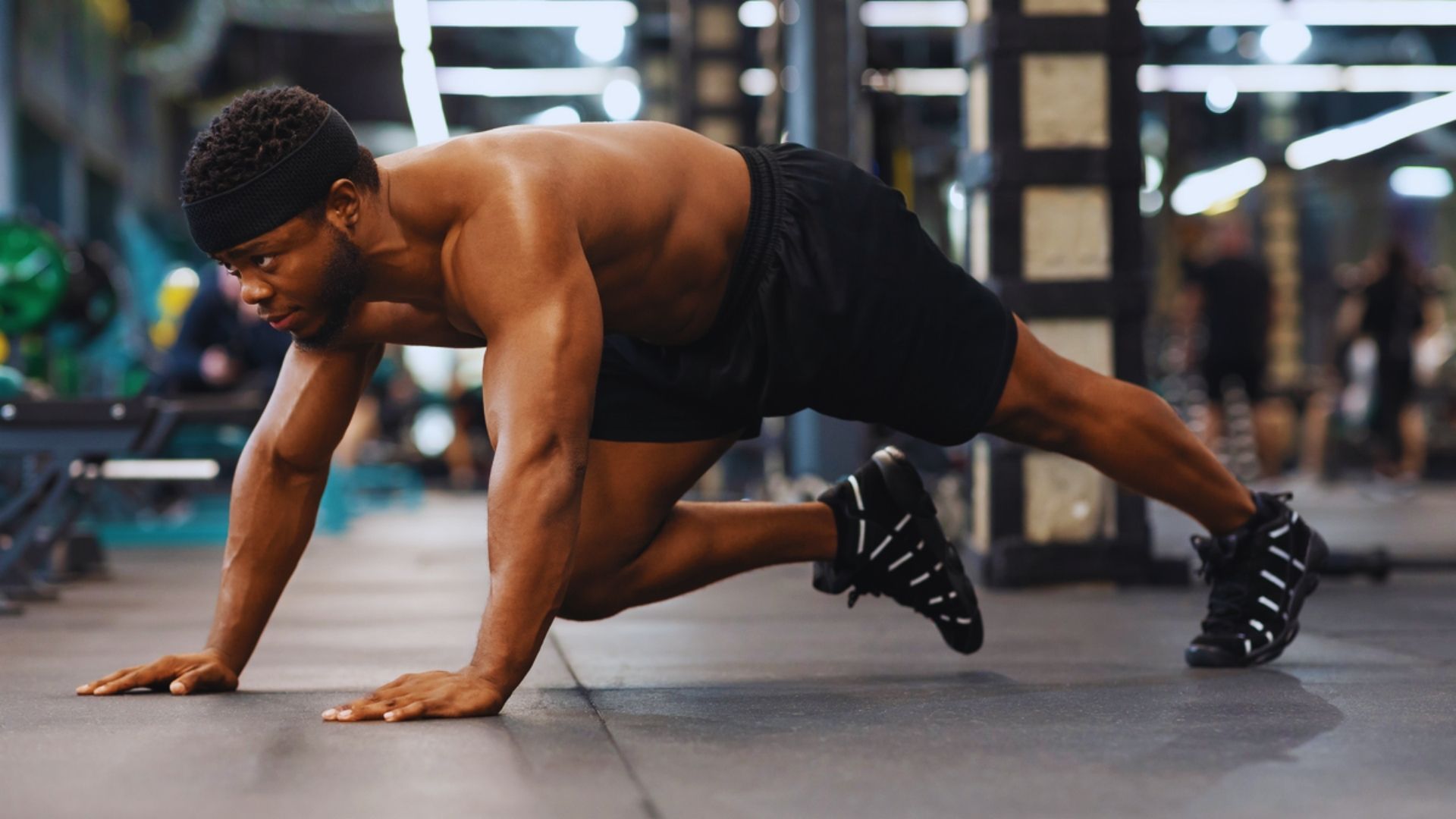
Move 20 meters in a bear crawl, followed by 10 burpees for four rounds. Keep your core tight, maintain steady pacing, and coordinate hands and feet properly.
Perform burpees with a full range of motion while keeping controlled breathing to build strength and endurance safely.
18. Wall Ball Basics
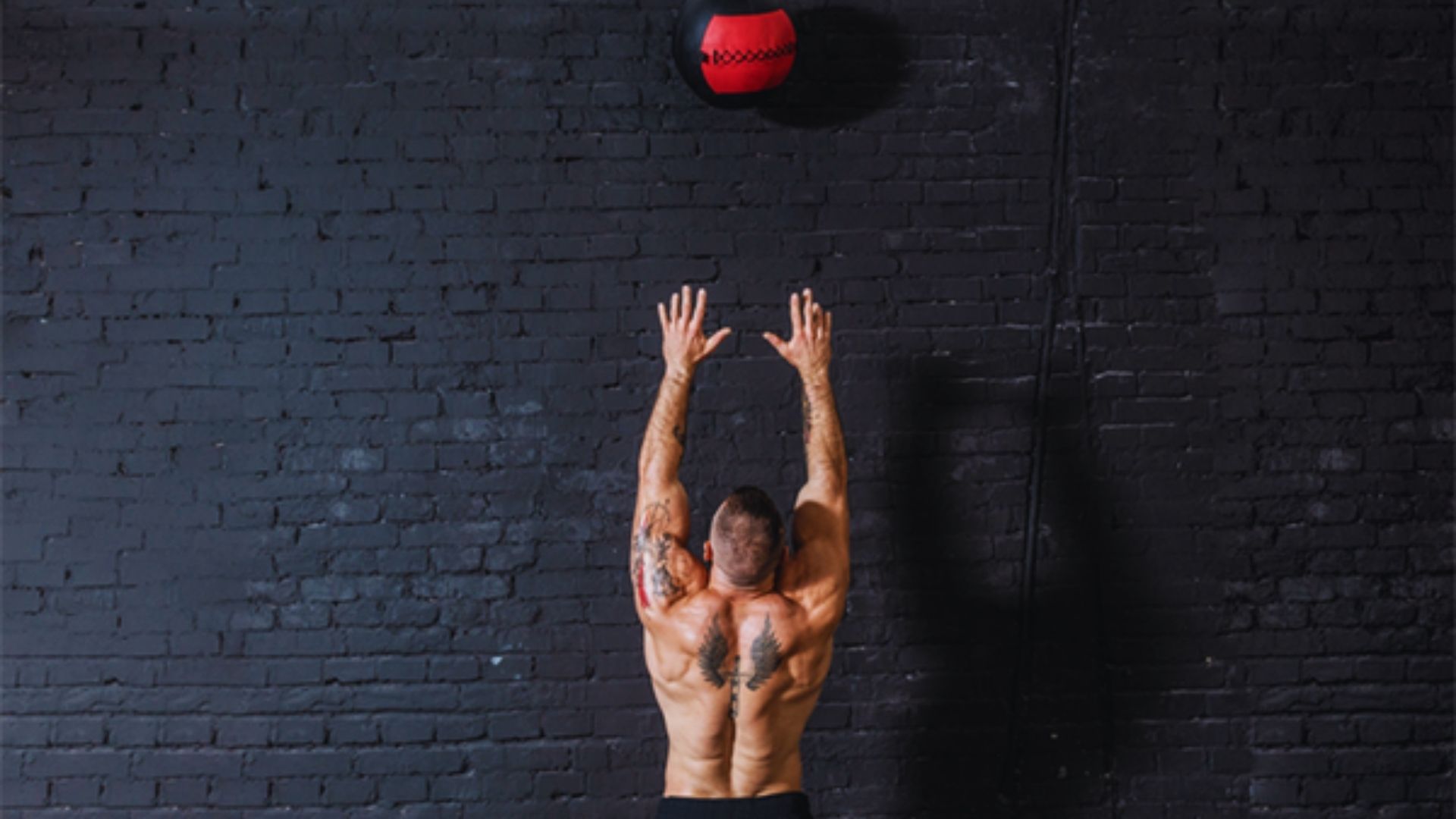
Perform 10 wall balls followed by 10 air squats for three rounds using a light ball. Focus on controlled throws, proper squat depth, and chest upright.
Catch and release the ball safely while engaging the core and maintaining steady breathing throughout each repetition.
19. Mini Tabata Circuit

Complete four exercises for 20 seconds work and 10 seconds rest each: squats, push-ups, lunges, and plank holds.
Maintain proper form and alignment, breathe consistently, and keep movements controlled to maximize benefit while maintaining safety during high-intensity intervals.
20. Glute & Core Builder

Perform 15 hip bridges, 20 sit-ups, and 10 kettlebell swings for three rounds.
Engage glutes fully on bridges, maintain core tension on sit-ups, and control kettlebell swings with proper hip hinge mechanics. Keep movements steady to prevent strain and build foundational strength safely.
21. Plank & Row
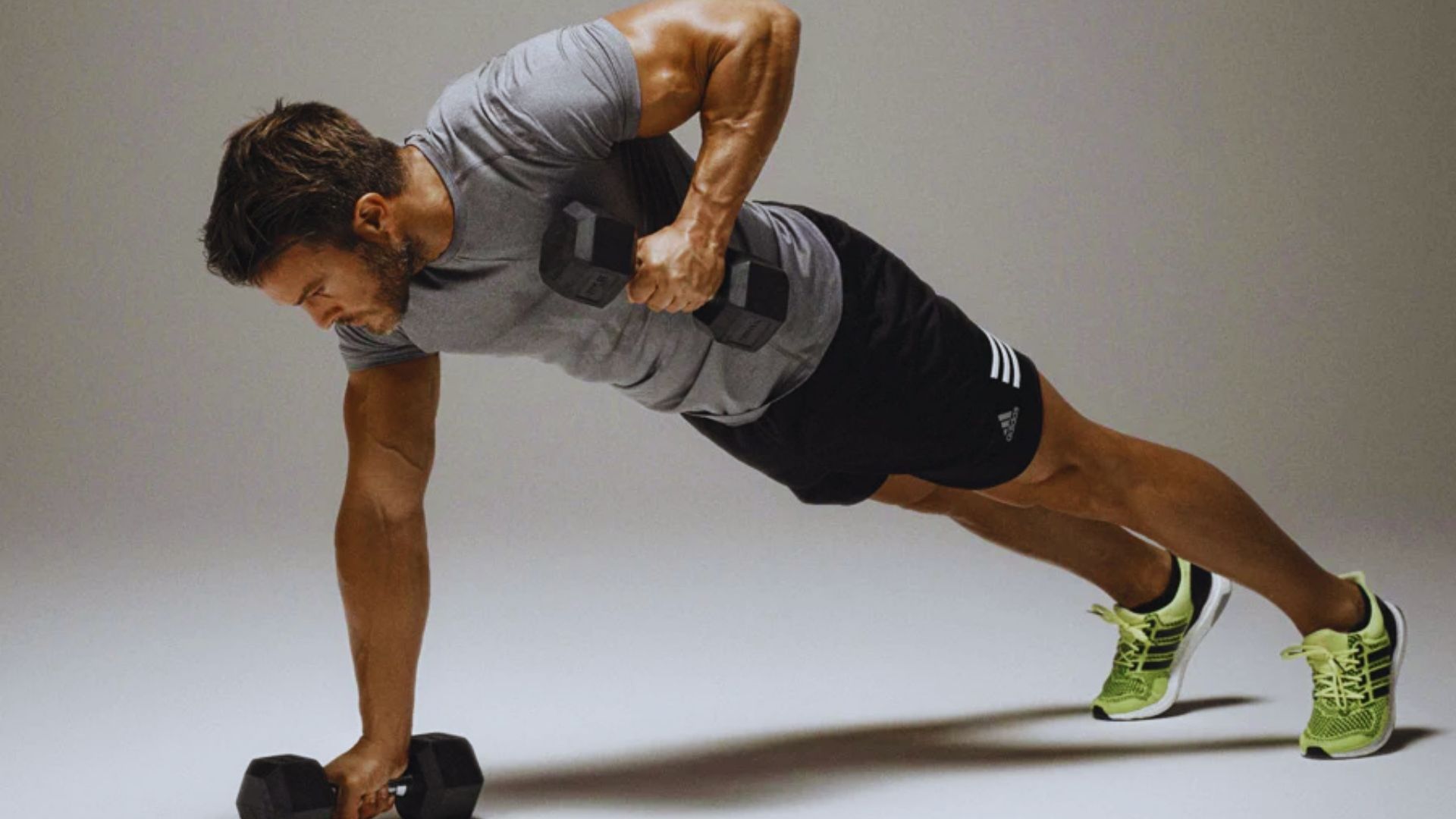
Hold a plank for 30 seconds, then perform 10 dumbbell rows per arm for four rounds.
Maintain a straight body line from shoulders to heels, stabilize the hips, and perform rows with controlled motion while keeping the core engaged throughout each repetition.
22. Walking Lunge Challenge
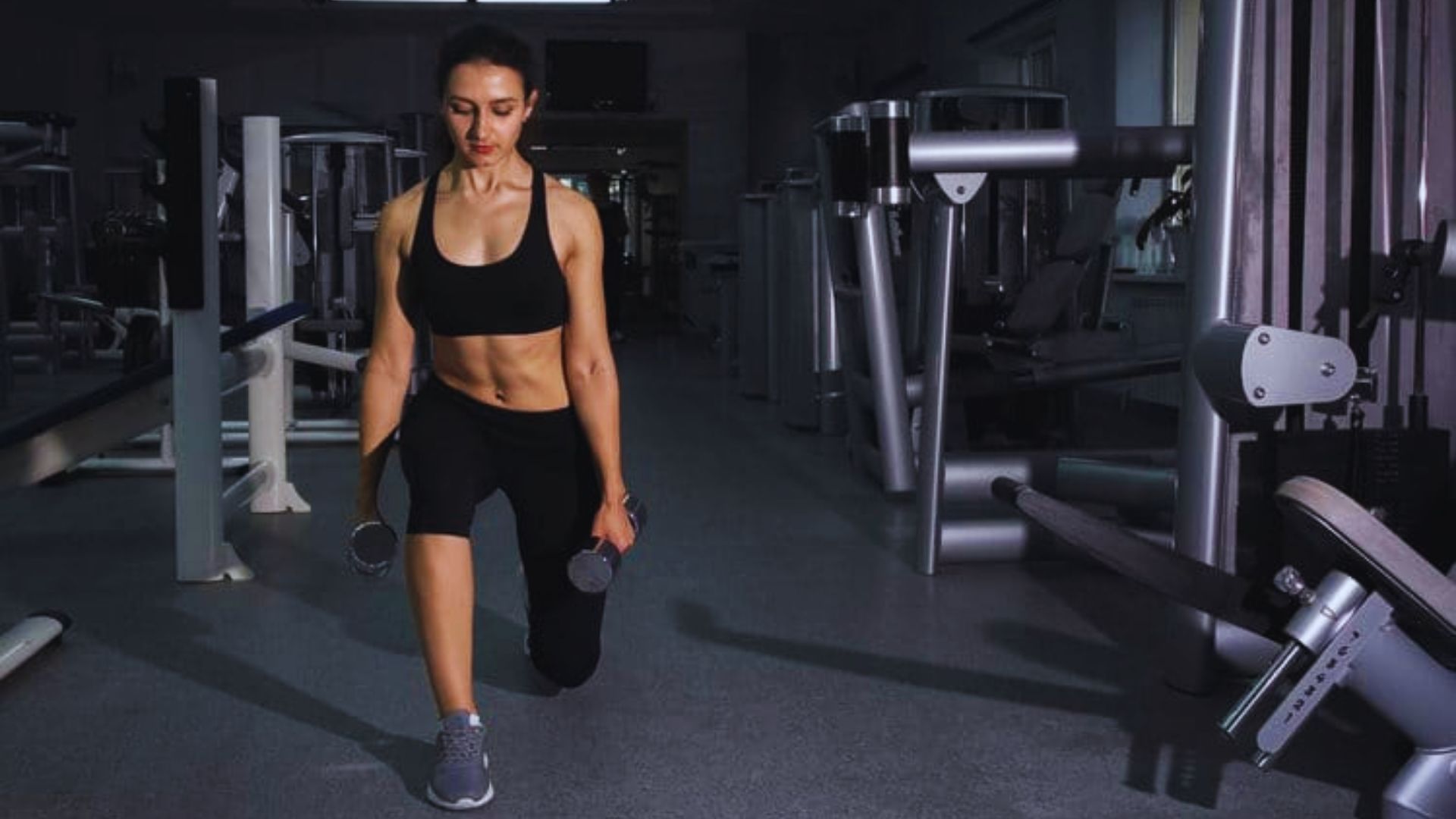
Complete 20 walking lunges plus 10 push-ups for three rounds. Focus on steady balance, proper knee alignment, and controlled movement.
Keep the chest upright, engage the core, and perform push-ups with correct form to strengthen the lower body and upper body safely.
23. AMRAP 12 min Full-Body

Perform 5 pull-ups or ring rows, 10 push-ups, and 15 air squats repeatedly for 12 minutes. Maintain consistent pacing, proper form on each exercise, and use assistance if needed.
Focus on steady breathing and controlled motion throughout the workout to build full-body strength.
Beginner-Friendly CrossFit Movements to Learn
These are some key beginner-friendly CrossFit movements to get started safely.
Air Squats: focus on proper form, keeping your chest up, hips back, and knees tracking over your toes, while avoiding common mistakes.
Push-Ups: Use scaled variations like knee push-ups to build strength safely and maintain proper alignment.
Pull-Ups / Ring Rows: Start with ring rows or assisted pull-ups to gradually develop upper body strength.
Kettlebell Swings: practice hinge mechanics and choose a light weight to maintain control and prevent injury.
Burpees: break the movement into steps, focusing on form and pacing for safety.
Lunges & Step-Ups: maintain balance and proper alignment, keeping knees over toes and engaging your core.
These movements build a strong foundation and prepare you for more challenging CrossFit workouts.
At-Home vs Gym Workouts for Beginners
At-home and gym workouts both offer effective ways for beginners to start CrossFit safely.
| At-Home Workouts | Gym Workouts |
|---|---|
|
Bodyweight exercises like squats, push-ups, and lunges. |
Access to barbells, rowing machines, pull-up rigs, and other equipment. |
|
Use resistance bands for added challenge and strength training. |
A variety of machines and free weights allow heavier lifting and progressive training. |
|
Light dumbbells or kettlebells for swings, presses, and squats. |
Supervised environment with professional coaching and structured classes. |
|
Flexible schedule, train anywhere without commuting. |
More exercise options and advanced equipment for full-body workouts. |
|
Can combine exercises for a complete home routine. |
Ideal for gradual progression and tracking improvements accurately. |
Both approaches can be combined for a balanced and flexible beginner CrossFit routine.
How to Scale Workouts for Your Level
Scaling workouts helps beginners train safely and build strength steadily.
Adjust Reps, Rounds, or Weights: modify the number of repetitions, rounds, or the weight used to match your current fitness level and avoid overexertion.
Use Alternative Exercises: substitute movements like knee push-ups or ring rows for standard push-ups and pull-ups to maintain proper form.
Focus on Form Before Intensity: prioritize correct technique and full range of motion over speed or heavy weights to prevent injury.
Emphasize Gradual Progression: increase intensity, reps, or weight slowly over time and allow rest to avoid burnout.
Scaling workouts ensures safe, effective progress for all beginners.
Tips for Safe & Effective Beginner CrossFit
Following safety tips helps beginners train effectively and avoid injury.
- Start every session with a warm-up, including dynamic stretches and mobility drills, to prepare your body for exercise.
- Finish workouts with a cool-down and stretching to help your muscles recover and reduce soreness.
- Track your progress using logs, apps, or WOD calendars to monitor improvement and stay motivated.
- Focus on consistency in your workouts rather than speed or intensity to build sustainable strength.
- Prioritize rest and recovery strategies, including proper sleep and active recovery, to prevent injury and fatigue.
Applying these tips ensures safe, effective, and consistent progress for beginners.
Conclusion
Starting CrossFit as a beginner may feel challenging at first, but focusing on basic movements, proper form, and consistent effort makes progress steady and achievable.
By using scaled workouts, practicing key exercises, and balancing home or gym sessions, you can safely build strength, endurance, and confidence.
Over time, these Beginner CrossFit workouts help you feel more capable and in control of your fitness.
Take the first step today and try a simple routine that fits your schedule and enjoy the small victories along the way!
Frequently Asked Questions
How Often Should Beginners Do CrossFit Each Week?
Beginners can start with 2-3 sessions per week, allowing rest days in between for recovery and adaptation.
Do I Need a Personal Trainer to Start CrossFit?
No, a trainer isn’t required, but guidance from a coach or online tutorials helps ensure proper form and prevent injury.
Can CrossFit Help With Weight Loss for Beginners?
Yes, CrossFit combines cardio and strength training, which can support fat loss when paired with a healthy diet.
Is CrossFit Suitable for Older Adults or People With Joint Issues?
Yes, exercises can be scaled with low-impact variations, lighter weights, and proper modifications to suit individual needs.
How Long Does It Take to See Results With Beginner CrossFit?
Most beginners notice improvements in strength, endurance, and overall fitness within 4-6 weeks of consistent training.