
Evening workouts often feel difficult after a demanding workday, even with a solid plan. You face multiple barriers: desk hours, unfinished tasks, irregular meals, and screen fatigue. These factors create friction before you lift the first weight. A short transition bridges this gap by reducing decisions, preparing your body gradually, and signaling a clear start to training.
Many people pause between work and exercise. Some check messages, choose music, open the chicken road 2 apk and take a quick mental break before putting the phone away. This pause is valuable. However, set a firm time limit. This keeps the break enjoyable without letting it replace your actual workout.
Why Does the Transition Matter?
Motivation changes daily. Your evening routine should not depend on how you feel. Instead, it should make the next useful action obvious. Feeling completely rejuvenated after 15 minutes is not the aim. Instead, as you manage food, hydration, activity, and attention, go from work mode to training mode.
Use the same sequence every time. Familiar steps help tremendously when your attention is already tired. This consistency transforms a confusing pause into a reliable bridge.
Minutes Zero to Three: Close the Workday
Establish a boundary between work and exercise first. It is important to put on new clothing, turn off work alerts, and jot down any tasks that are on your mind. Record everything on paper. This prevents you from replaying it during training.
Complete three quick actions immediately:
- Place your gym plan where you can see it
- Fill or check your water bottle
- Choose one main objective for the session
Your objective must be specific and controllable, such as completing every planned set with a stable technique. Avoid making a personal record your only measure of success.
Minutes Three to Six: Hydrate and Choose Practical Fuel
Drink some water rather than trying to correct low fluid intake all at once. Your needs vary with body size, climate, sweat rate, and workout duration. Use your experience instead of a rigid universal amount.
If hours have passed since your last meal, choose a familiar snack that you can digest easily. The American Heart Association recommends easily digested carbohydrates before exercise. Water remains essential for hydration. Consider these suitable options:
- A banana with a small yogurt cup
- Toast with a thin layer of nut butter
- Oats you prepared earlier in the day
- Fruit with a modest portion of cottage cheese
Keep portions comfortable. A large, high-fat meal before lifting may feel heavy in your stomach. Training hungry, meanwhile, makes concentration difficult. People with diabetes, digestive conditions, or prescribed diets should follow clinical advice.
Minutes Six to Ten: Restore Movement
After desk work, begin with low-intensity movement. Deep stretches shouldn’t be forced right away. Use a rowing machine for a minute or two, walk quickly, or ride softly. Next, engage the muscles and joints that will be used in your intended exercise.
For lower body sessions, try these movements:
- Bodyweight squats
- Hip hinges
- Ankle rocks
- Controlled lunges
Before upper body training, use these instead:
- Arm circles
- Wall slides
- Light band rows
- Scapular pushups
Perform each movement smoothly. Stop immediately if you feel pain. This stage should increase warmth and coordination without creating fatigue. Heavy training, sprinting, or technically demanding lifts may require a longer warmup than this transition provides.
Minutes Ten to Thirteen: Rehearse the First Exercise
Approach the first lift as practice before actual effort. Check your equipment setup carefully. Then complete one or more light sets using the technique you plan for your working sets. Increase load gradually while you monitor balance, range of motion, and unusual discomfort.
Keeping the bar close, managing the lowering phase, or applying even foot pressure are some helpful cues to focus on throughout these sets. One cue proves more effective than correcting several details at once.
Minutes Thirteen to Fifteen: Remove Distractions
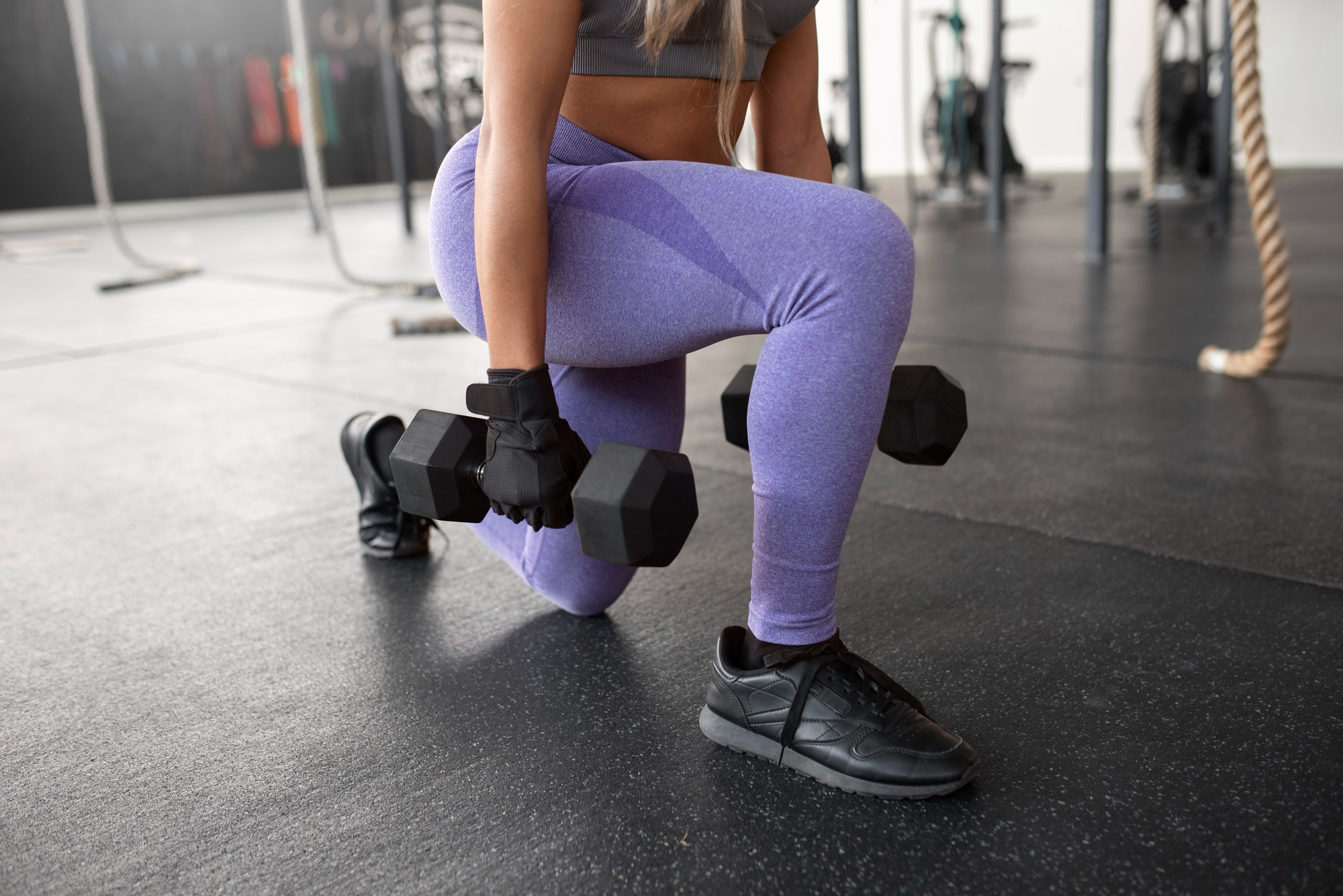
Finally, set your phone to support training. Keep your workout log, timer, and music available. However, close work email, social feeds, and entertainment apps immediately. Place the device where you can reach it without it becoming the center of every rest period.
Before you start, confirm three points:
- The first working weight is appropriate
- All necessary equipment is ready
- Your session objective remains realistic
Then begin. When this sequence becomes familiar, it creates a dependable bridge between professional demands and physical effort. That dependable handover transforms ordinary evenings into steady training progress.