

I’ve spent years training my shoulders and ignoring my front delts big mistake. Weak front delts hold back your press, your posture, and your overall shoulder shape.
This guide covers the 9 best front delts workout moves that actually work. You’ll learn what front delts do, how to train them right, and a simple routine to follow.
I’ve tested these exercises myself and pulled from proven training methods.
Whether you’re just starting out or stuck at a plateau, this guide gives you exactly what you need, no fluff, just results.
What Are Front Delts and Why They Matter
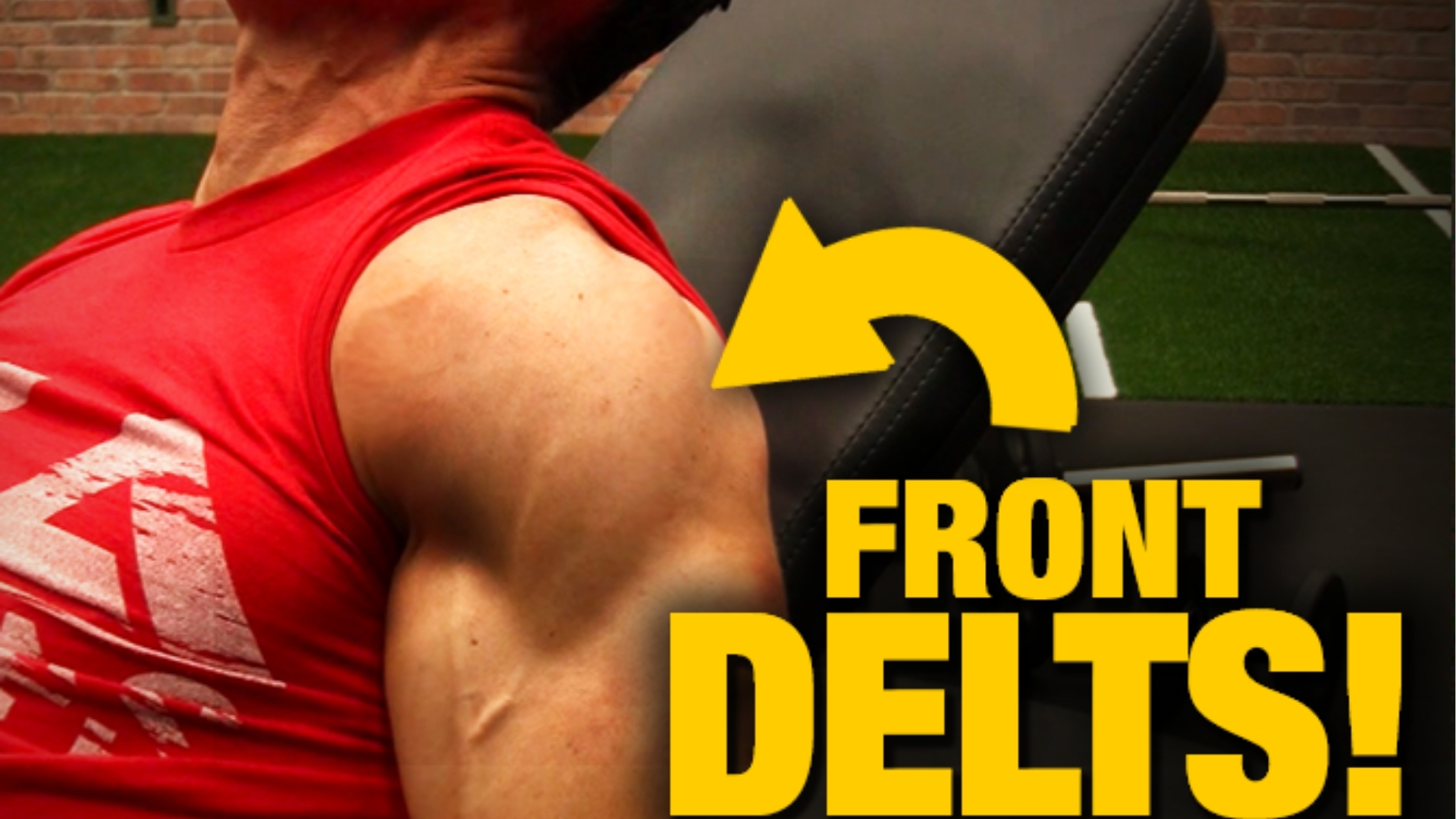
The front delt, or anterior deltoid, sits at the front of your shoulder. It helps you lift your arm forward and push things overhead.
Every time you press or raise your arm in front of you, this muscle is doing the work. Knowing your muscle helps you train it smarter and see faster results.
Strong front delts improve your bench press, overhead press, and overall shoulder shape. They also protect your shoulder joint during heavy lifts.
I noticed a real difference in my pressing strength once I started training them directly. Balanced shoulders not only look better they perform better too.
Key Principles for Front Delts Training

Follow these basics to train safely and make consistent progress.
Avoiding Muscle Imbalances
Your shoulder has three heads, front, side, and rear. Train all three. Focusing only on the front delt leads to rounded shoulders and poor posture.
Importance of Proper Form
Slow, controlled reps beat heavy, sloppy ones. Bad form shifts the work to your traps and neck. It also raises injury risk fast.
Using Progressive Overload
Add weight, reps, or sets over time. Your muscles grow when challenged. Track your numbers so you know when to push more.
9 Best Front Delts Workout for Strong Shoulders
These nine proven exercises will help you build stronger, fuller front delts and take your shoulder training to the next level.
1. Barbell Overhead Press

This is a compound movement. It builds raw shoulder strength and hits the front delt hard. Stand tall, grip just outside shoulder width, and press straight up. Keep your core tight. Don’t let your lower back arch too much.
2. Dumbbell Front Raise

This isolation move targets the front delt directly. Hold dumbbells at your sides. Raise both arms to shoulder height. Pause at the top. Lower slowly. A common mistake is using momentum to keep it controlled.
3. Arnold Press

Named after Arnold Schwarzenegger, this press adds rotation. Start with palms facing you, then rotate as you press up. This hits the front and side delts through a fuller range of motion.
4. Incline Dumbbell Press

Set the bench to 30-45 degrees. This angle shifts focus from the chest to the upper chest and front delts. Press the dumbbells up and in. Control the lowering phase.
5. Cable Front Raise

Cables keep tension on the muscle the whole time dumbbells don’t. Attach a handle to the low pulley. Raise your arm forward to shoulder height. Great for finishing sets or adding volume.
6. Plate Front Raise

Simple and effective. Hold a weight plate with both hands. Raise it straight in front of you to shoulder height. The round grip works your stability too. Go lighter than you think you need.
7. Landmine Press
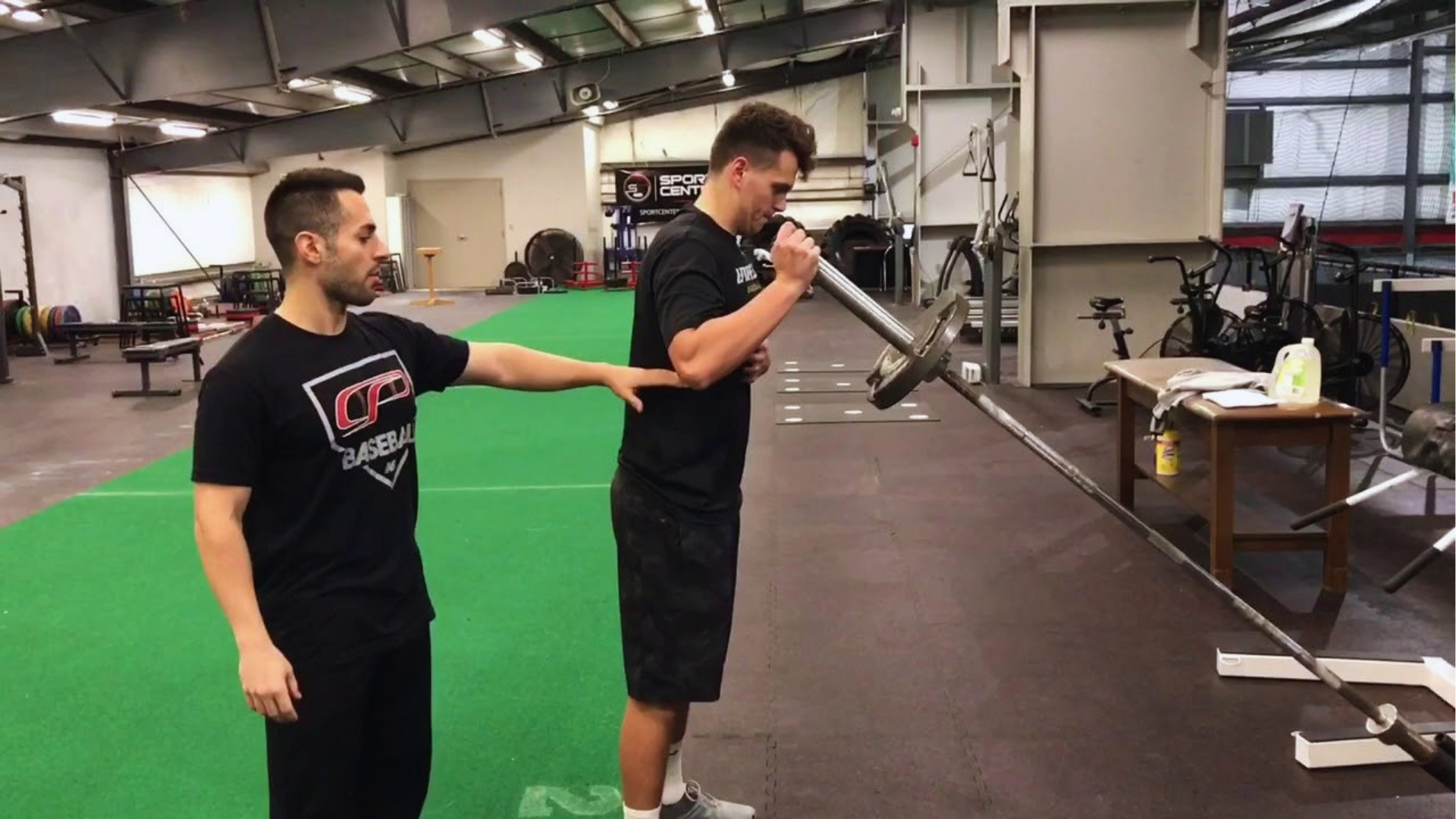
Great for people with shoulder issues. Anchor a barbell in a corner. Hold the end and press it up at an angle. The arc of the movement is shoulder-friendly. Works well for beginners and athletes alike.
8. Machine Shoulder Press

Machines guide your movement. This makes them safer and good for building size. Adjust the seat so handles are at shoulder height. Press up without locking out your elbows fully.
9. Resistance Band Front Raise

Perfect for home workouts or warm-ups. Step on the band. Hold the ends. Raise your arms forward. Bands increase resistance as you lift this keeps tension through the full movement.
How to Build an Effective Front Delts Workout Routine

Structure your training to grow faster and avoid burnoīut.
Sample Beginner Routine
- Barbell Overhead Press – 3 sets x 8 reps
- Dumbbell Front Raise – 3 sets x 12 reps
- Resistance Band Front Raise – 2 sets x 15 reps
Start light. Focus on form first.
Sample Intermediate Routine
- Arnold Press – 4 sets x 10 reps
- Cable Front Raise – 3 sets x 12 reps
- Incline Dumbbell Press – 3 sets x 10 reps
- Plate Front Raise – 2 sets x 15 reps
Add weight each week when you can complete all reps cleanly.
Training Frequency
Train front delts 1-2 times per week. They also get worked during chest days. More than twice a week often leads to overtraining.
These nine proven exercises will help you build stronger, fuller front delts and take your shoulder training to the next level.
Common Mistakes to Avoid

Avoid these errors to protect your shoulders and get better results.
Overtraining Front Delts
Front delts recover slower than you think. Too much volume leads to soreness, weakness, and poor performance. Rest is part of the process.
Using Too Much Weight
Heavy weight with bad form builds nothing. It just hurts you. Drop the weight. Feel the muscles working. That’s what matters.
Neglecting Other Shoulder Heads
Skipping side and rear delts creates imbalance. This leads to injury over time. Always train the full shoulder, not just the front.
Nutrition and Recovery for Shoulder Growth

Eating and resting right matters just as much as training.
Protein Intake for Muscle Growth
Aim for 0.7-1 gram of protein per pound of bodyweight daily. Chicken, eggs, fish, and legumes are solid options. Protein repairs muscle after training.
Importance of Rest and Sleep
Muscles grow during rest, not during workouts. Get 7–9 hours of sleep. Take rest days seriously; they are not wasted days.
Hydration and Performance
Even mild dehydration cuts your strength. Drink water throughout the day. Don’t wait until you feel thirsty.
Pro Tips to Maximize Front Delts Growth
Small adjustments in how you train can make a big difference in how fast your front delts grow.
- Focus on squeezing the front delt at the top of every rep makes a real difference in muscle activation.
- Lower the weight slowly. The eccentric phase builds just as much muscle as the lift itself.
- Mix pressing movements for strength with front raises for better muscle detail.
- Write down your weights and reps every session. You can’t improve what you don’t track.
- Keeping rest periods consistent around 60 to 90 seconds works well for shoulder exercises.
- Stay patient. Front delts grow slowly but respond well to steady, focused training.
Conclusion
I know how frustrating it feels when your shoulders aren’t growing despite all the work you put in. The front delts are often the missing piece. Start with two or three exercises from this list.
Stay consistent. Focus on form over weight. Small improvements each week add up fast. Try this front delts workout for four weeks and see how your shoulders respond.
Drop a comment below. I’d love to hear which exercise works best for you. Share this with a gym friend who needs it.
Frequently Asked Questions
How often should I train my front delts?
Train front delts 1-2 times per week. They are also worked during chest and pressing exercises, so more than twice can cause overtraining.
Can I train front delts at home?
Yes. Resistance band front raises and dumbbell exercises work well at home. You don’t need a full gym to build strong front delts.
Are front raises enough to grow front delts?
Front raises help, but combining them with pressing movements like overhead press gives better overall growth and strength.
Why do my front delts always feel sore?
Front delts get hit during chest workouts too. If they stay sore, reduce volume or add an extra rest day between sessions.
Should beginners train front delts directly?
Beginners get enough front delt work from basic pressing exercises. Direct isolation work can be added after 2-3 months of consistent training.