I’ve spent years testing different leg press techniques, and I know exactly what works for glute growth. Leg press for glutes can be your secret weapon if you do it right.
This article shows you seven proven tips to activate your glutes during leg press. You’ll learn proper foot placement, stance width, and tempo control.
I’ll also cover common mistakes that waste your effort.Most people use leg presses wrong and wonder why their glutes don’t grow. I’ve fixed this problem for hundreds of clients.
You’ll find out which leg press variations target glutes best. Plus, I’ll share the exact setup I use to feel my glutes burn every single rep.
These tips work for beginners and advanced lifters alike.
Let’s get started.
Leg Press for Glutes Basics (What You Must Know First)
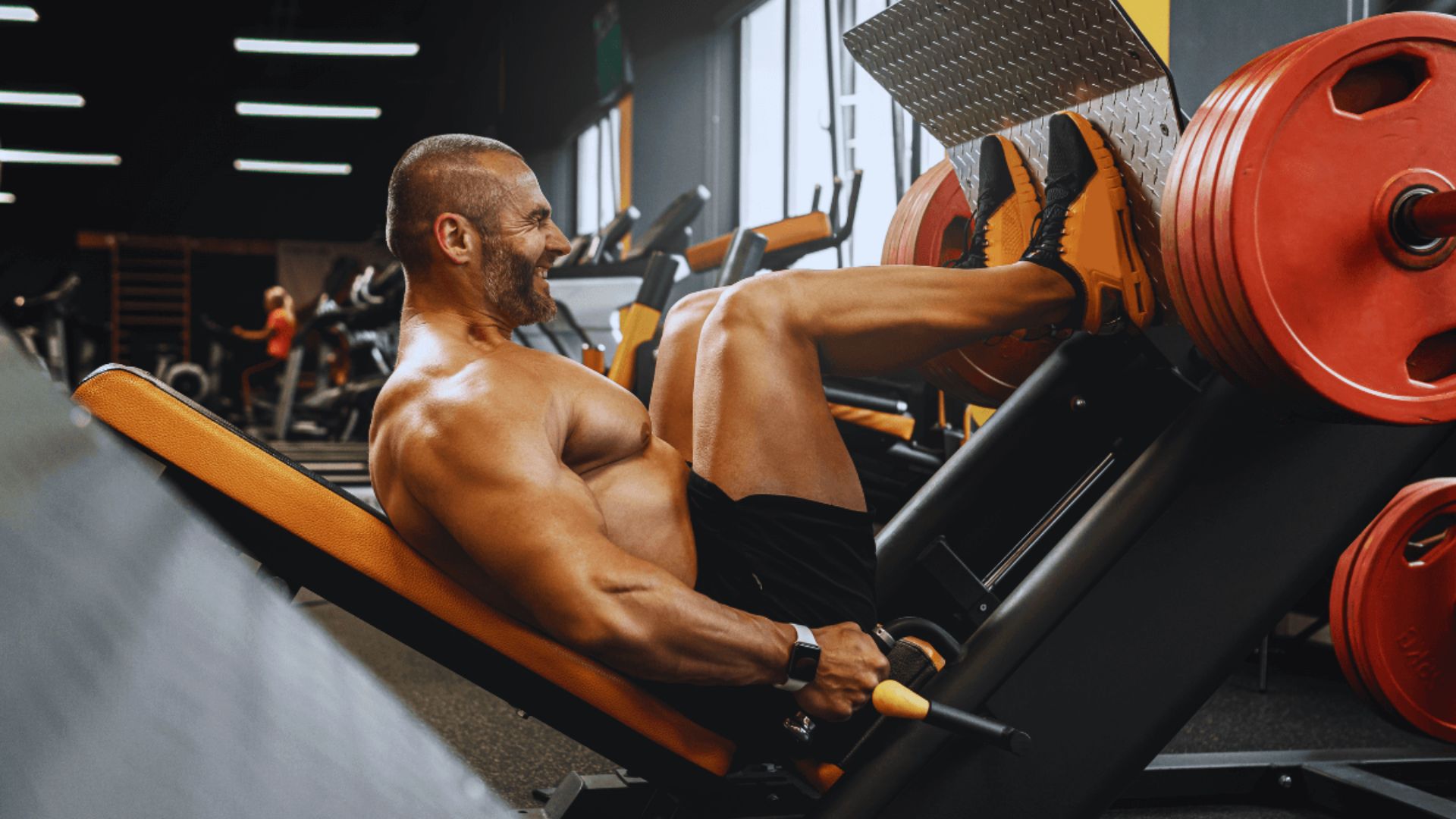
Leg press builds glutes through hip extension, the movement that pushes your thighs away from your torso. This motion directly activates glute fibers when done correctly.
Depth matters more than weight. Going deeper stretches your glutes under tension, which triggers more muscle growth. Control your tempo on the way down and up.
Proper form includes high foot placement, heel-focused pushing, and stopping before lockout. These adjustments shift work from quads to glutes instantly.
Leg Press for Glutes: 7 Tips for Maximum Activation
Here’s exactly how to make every leg press rep count for your glutes.
1. Use High Foot Placement
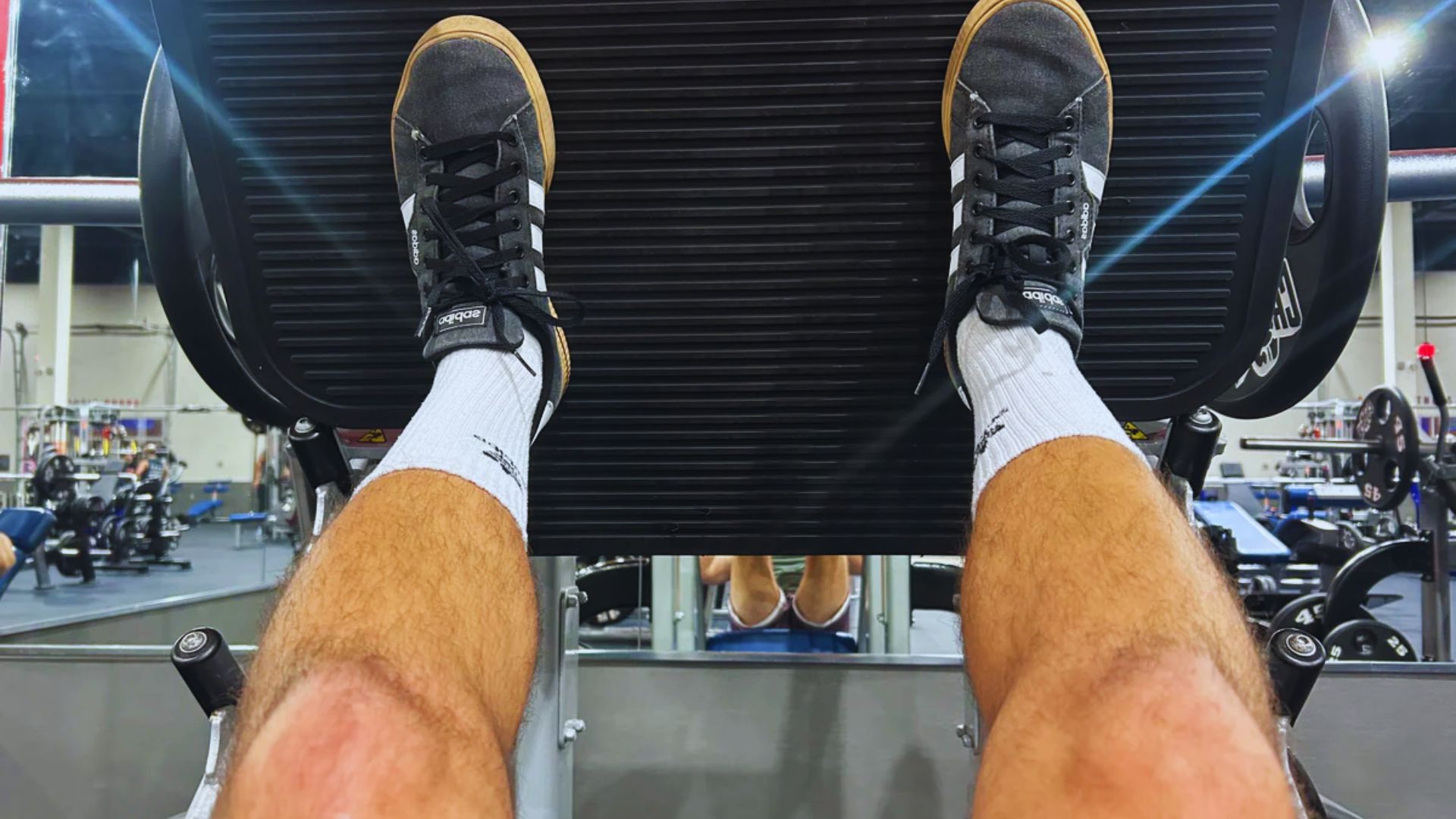
Place your feet higher on the platform to increase hip movement and shift tension from quads to glutes.
The higher position forces your hips to extend more, which directly targets glute fibers. Start with feet near the top third of the platform and adjust based on comfort.
This small change makes a massive difference in muscle activation.
2. Keep a Slightly Wider Stance
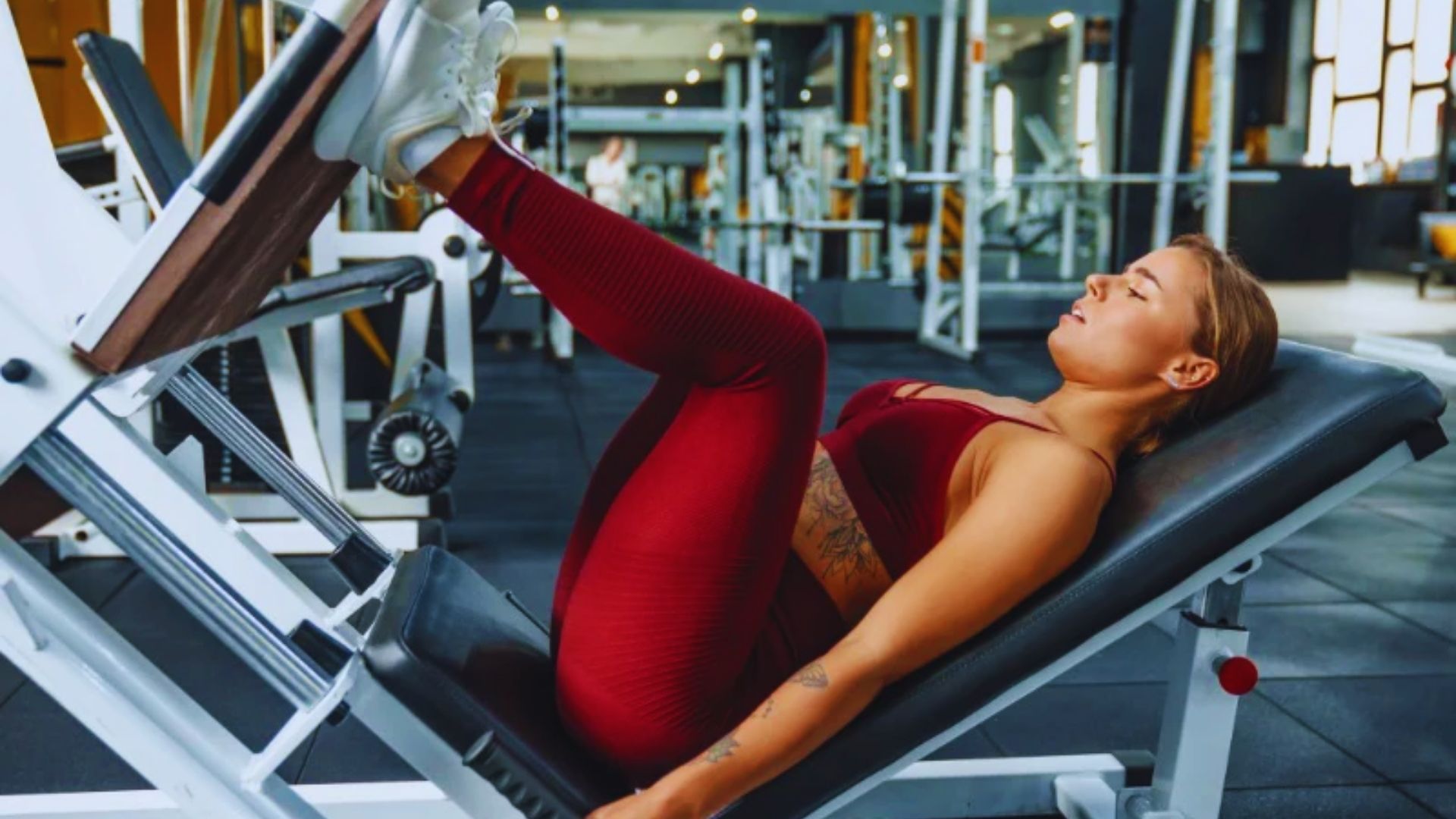
A wider stance improves hip engagement and increases glute recruitment during the press. Position your feet shoulder-width apart or slightly wider with toes pointing slightly outward.
This angle allows your glutes to activate fully throughout the movement while maintaining proper knee tracking and preventing strain.
Find the width that feels strongest for you.
3. Push Through Your Heels
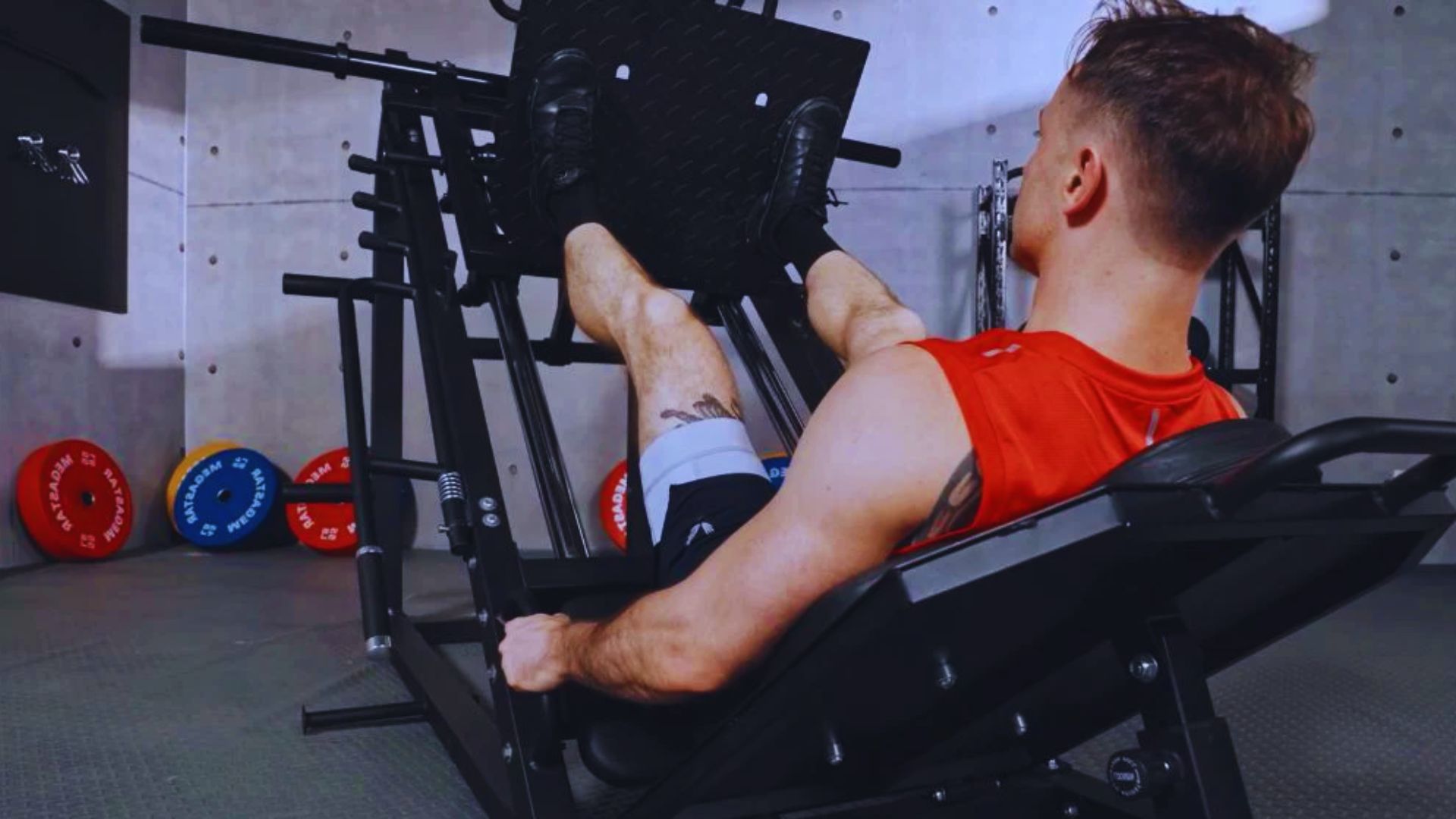
Driving through your heels activates the glutes far more than pushing through the toes.
Focus on pressing the platform away using your heel area while keeping your toes relaxed.
You can even lift your toes slightly to ensure proper heel engagement. This simple shift changes everything and you’ll feel the difference immediately in your glutes.
4. Lower the Weight Deep for Full Stretch
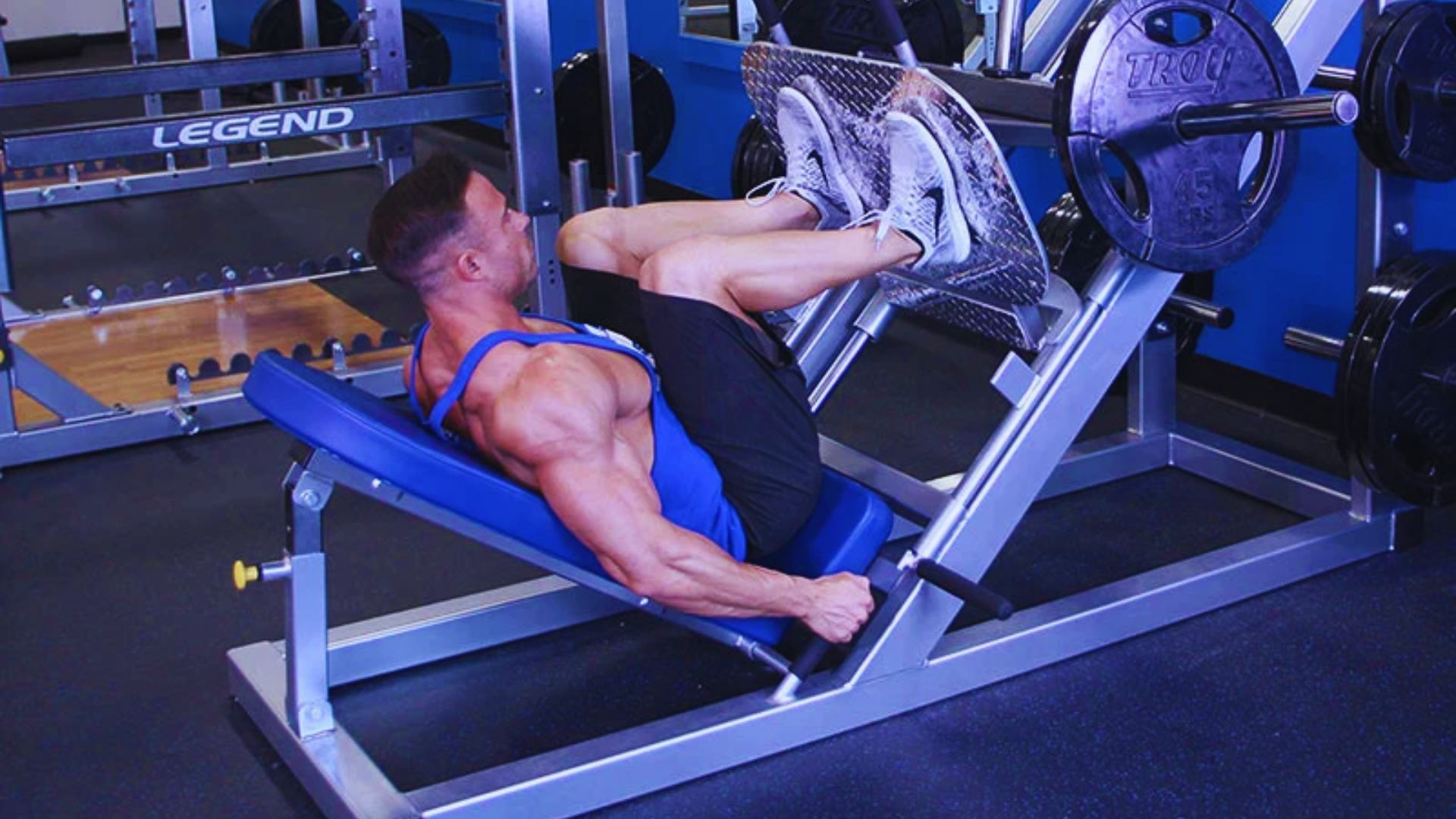
A deeper range of motion stretches the glutes under tension, which is key for maximum activation.
Lower until your knees reach roughly 90 degrees or slightly past without compromising form. Stop before your lower back rounds off the seat.
Depth builds strength and size better than heavy weight with shallow reps every single time.
5. Control the Eccentric (Lowering Phase)
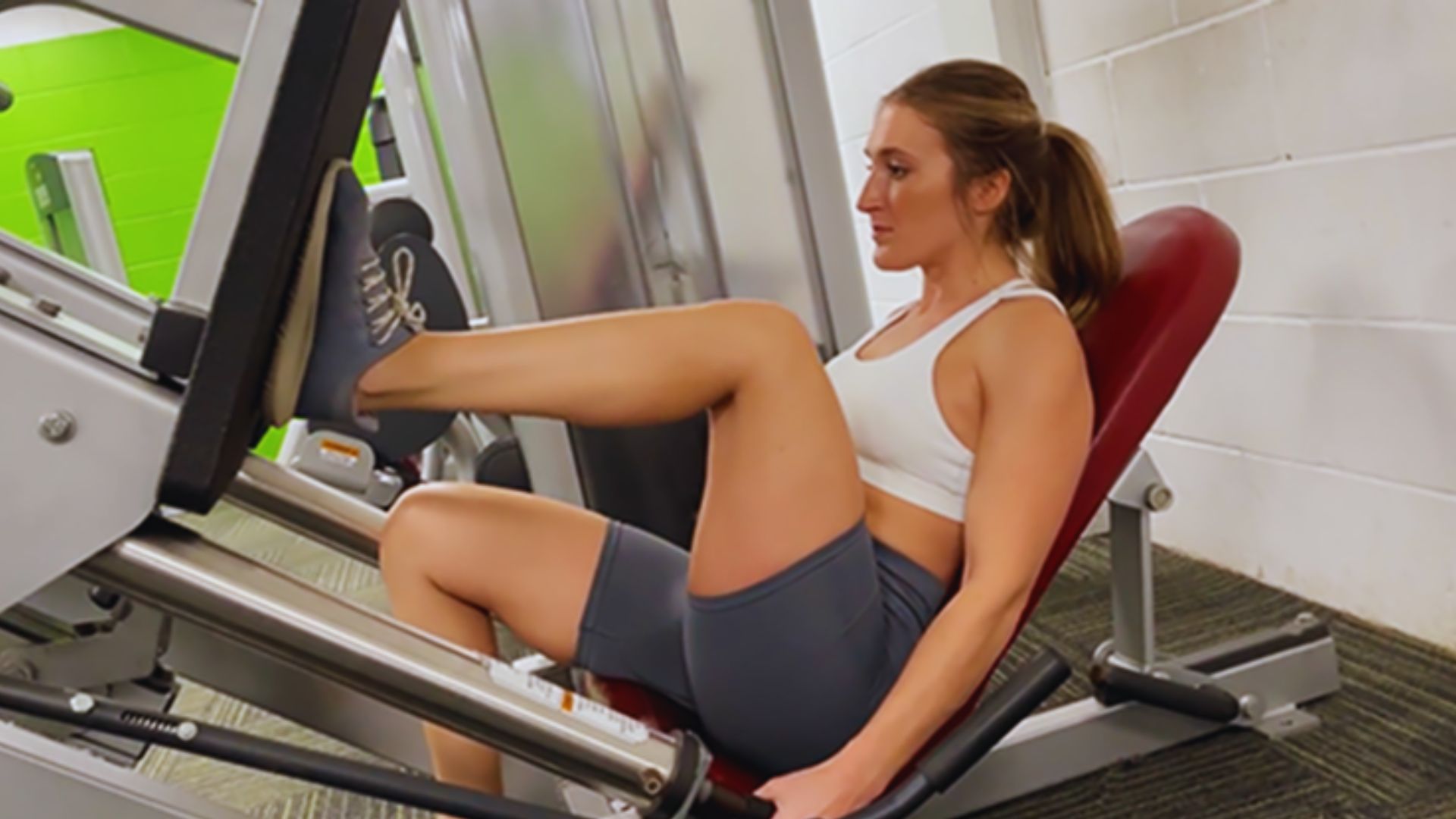
Slow, controlled lowering improves mind-muscle connection and increases glute involvement throughout the movement.
Take 2-3 seconds to lower the weight instead of dropping it fast. This creates more time under tension and forces your glutes to work harder throughout each rep.
Control beats speed for muscle growth and activation.
6. Use Single Leg Press for Better Glute Engagement
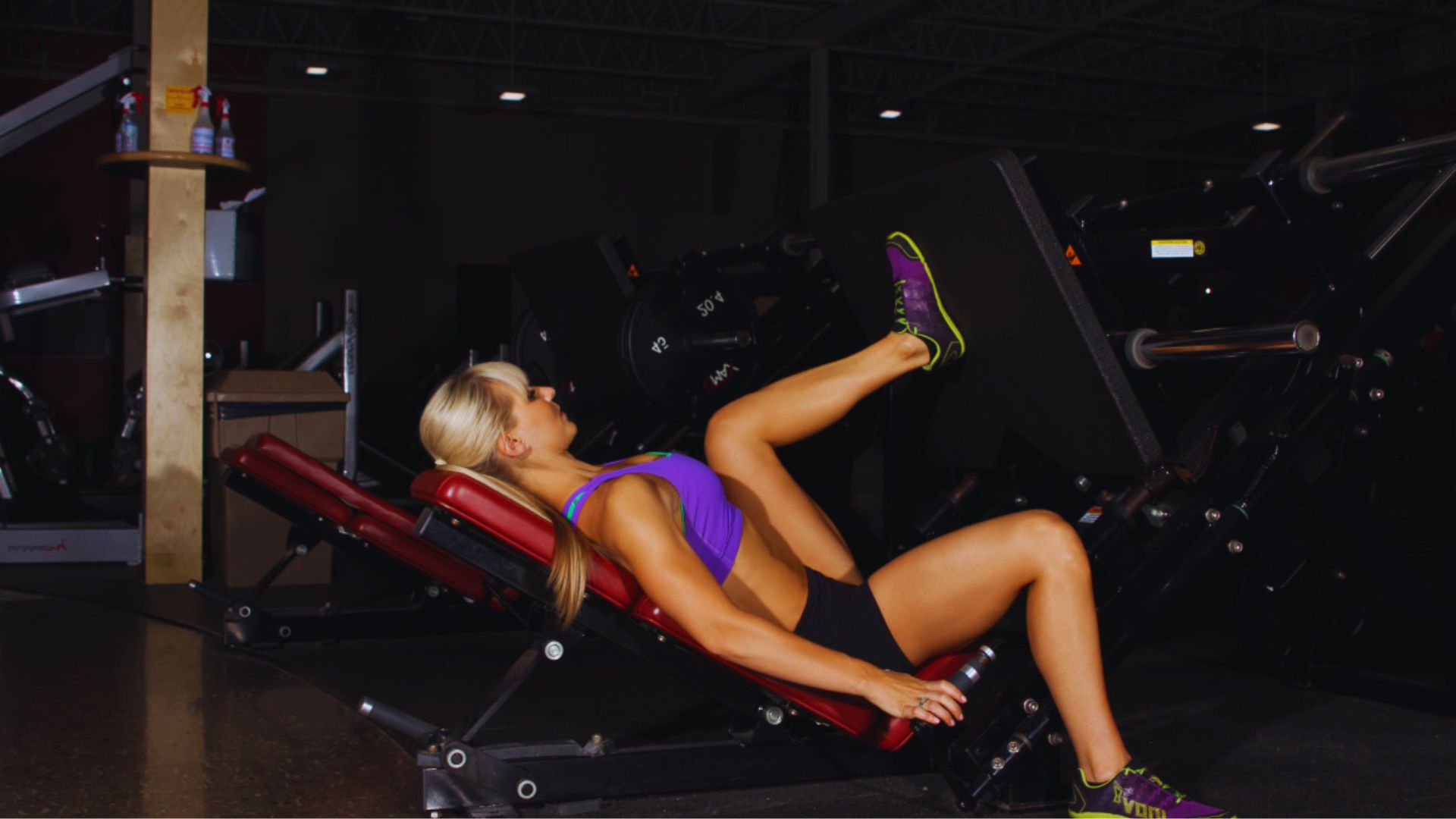
Single leg press improves balance, fixes imbalances, and increases glute activation on each side independently.
Work one leg at a time to prevent your stronger side from taking over the movement. Start with lighter weight and focus on perfect form before adding more resistance.
This variation targets stubborn glutes that don’t respond to bilateral movements.
7. Avoid Locking Knees at the Top
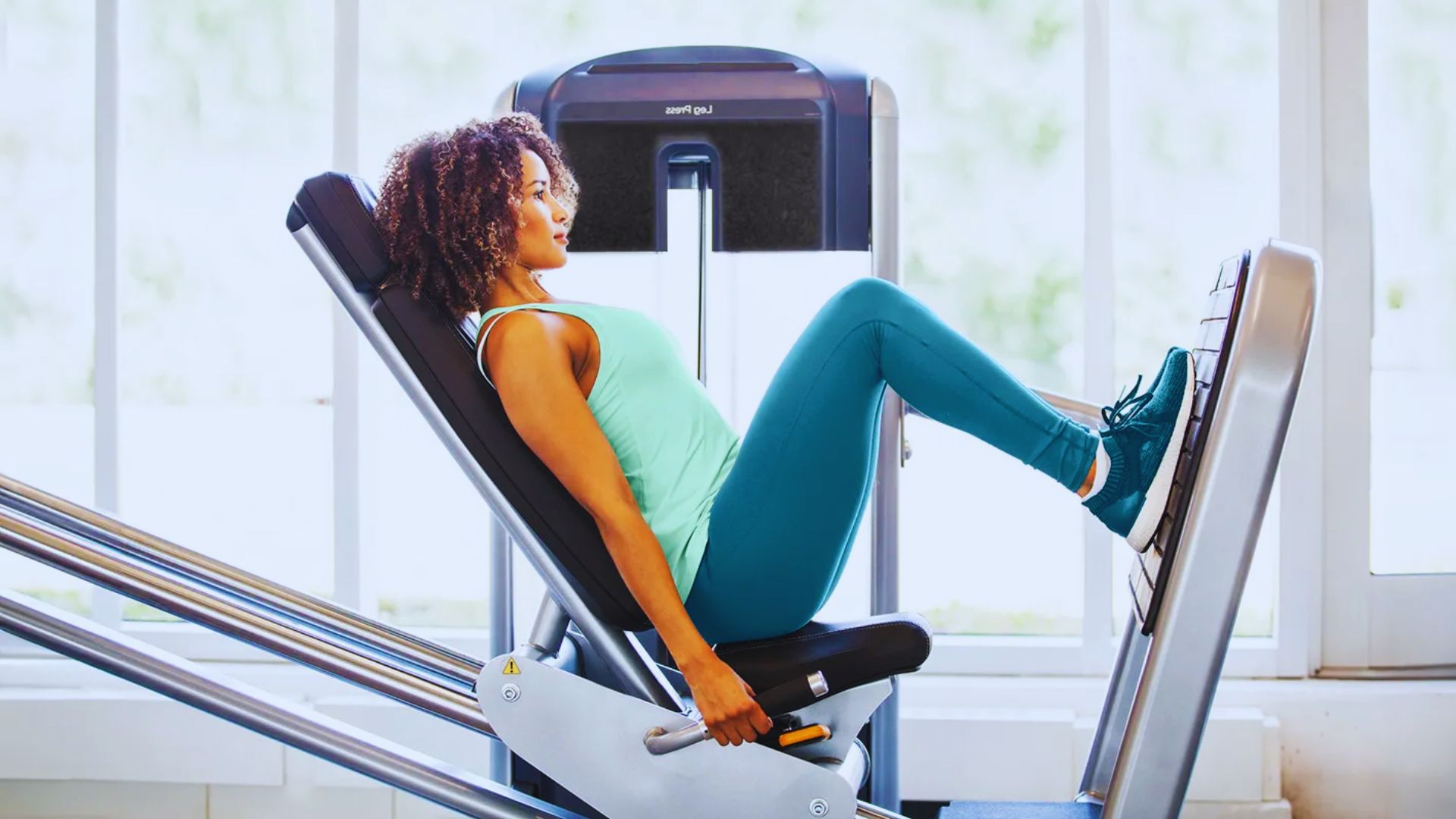
Pause when your legs are almost straight but not fully extended at the top. This keeps your glutes engaged throughout the entire set without rest breaks at the top position.
Constant tension produces better results than locking out.
Leg Press Variations for Glute Focus
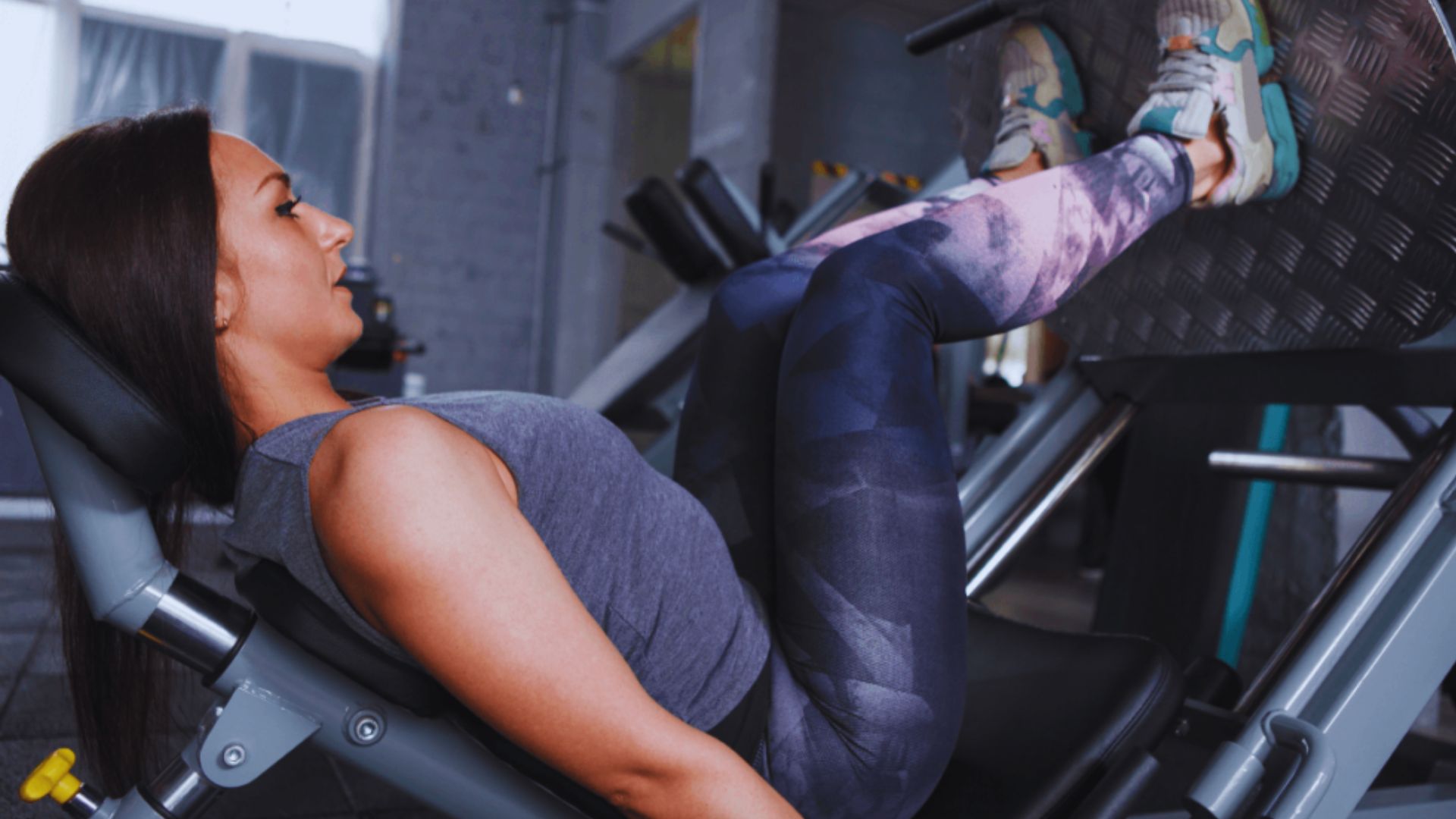
Seated leg press works well for beginners who need stable form and controlled movement.
The single leg press fixes left-right imbalances while forcing each glute to work harder independently.
An angled or 45-degree leg press increases hip flexion, which creates a deeper glute stretch at the bottom.
The horizontal or linear leg press reduces lower back strain while keeping full glute tension throughout the movement.
Each variation serves a specific purpose, so rotate them based on your goals and comfort level.
Common Mistakes That Reduce Glute Activation
Avoid these errors that kill your glute gains.
Feet too low: This turns leg press into a quad exercise. Your knees travel forward and hips barely move. Move your feet higher to target glutes properly.
Pushing through toes: Shifts tension away from glutes to quads. Toe-dominant pressing activates quadriceps instead of your posterior chain. Drive through your heels throughout the movement.
Shallow range: Limits glute stretch and reduces activation. Stopping halfway down prevents glutes from stretching under load. Go deep to fully engage glute fibers.
Locking knees: Removes tension and gives glutes a break. Straightening legs completely makes joints take over and muscles relax. Keep a slight bend throughout the set.
Going too fast: Prevents proper mind-muscle connection. Rushing through reps creates momentum instead of muscle work. Slow down to boost glute activation.
Conclusion
I want you to feel your glutes working during every leg press session. These seven tips changed my training, and they’ll work for you too.
Start with high foot placement and heel focus. Go deep, control the tempo, and stop before lockout. Try single leg variations once you build confidence.
Your glutes will respond fast if you apply these methods consistently. I’ve seen it happen hundreds of times.
Drop a comment below and tell me which tip you’ll try first. Share this with someone who needs better glute activation.
Frequently Asked Questions
Does leg press work glutes better than squats?
Leg press can target glutes effectively with proper form, especially using high foot placement. Squats remain excellent but require more technical skill and core stability.
How often should I do leg press for glute growth?
Train glutes with leg press 2-3 times per week with at least one rest day between sessions. This gives muscles time to recover and grow.
What’s the best foot position for glutes on leg press?
Place feet high and wide on the platform, roughly shoulder-width apart or slightly wider. This increases hip involvement and glute activation.
Can I build glutes using only leg press?
Leg press alone can build glutes, but combining it with hip thrusts and deadlifts produces faster results. Variety prevents plateaus and targets all glute fibers.
Should I feel leg press in my glutes or quads?
You should feel more tension in your glutes when using proper form and foot placement. Some quad involvement is normal but shouldn’t dominate the movement.