
Do you struggle to feel your back muscles working during workouts? The lat pulldown grip variations are a simple yet powerful way to upgrade your back when done correctly.
In this blog, I’ll walk you through every key grip variation, from primary to advanced, so you know exactly which part of your lats you’re targeting.
Speaking from years of coaching experience, I’ve seen how small tweaks in grip and form make a huge difference.
Whether a beginner or aiming for serious width and thickness, this guide will help you train smarter and feel confident in your workouts.
Let’s get started.
Understanding the Lat Pulldown Exercise

The lat pulldown is a key back exercise that helps build strength and width. It involves pulling a bar or handle down toward the chest while keeping the torso upright.
This movement mainly works the latissimus dorsi, giving the back a wide, V-shaped appearance.
Secondary muscles like the biceps, rhomboids, trapezius, and posterior delts also assist in the movement.
You usually need a cable machine, but resistance bands can be a good home alternative. Grip matters because it changes which part of the lats and surrounding muscles are targeted.
A wider grip focuses on upper lats and outer back, while a closer grip emphasizes lower lats and mid-back. Proper grip also helps prevent shoulder and wrist strain.
Primary Lat Pulldown Grip Variations
Primary lat pulldown grips build back width, thickness, and overall strength.
1. Wide-Grip Overhand Lat Pulldown

Placing your hands wider than shoulder-width with palms facing away emphasizes the upper lats and outer back.
This grip helps create a wider V-shaped back. Pull the bar down with controlled motion to your upper chest, keeping elbows out for maximum lat engagement.
2. Close-Grip / Narrow Grip Lat Pulldown

Hands placed closer than shoulder-width with palms facing each other target the lower lats and mid-back thickness.
This grip promotes a strong “V” taper while reducing stress on the shoulders. Keep elbows close to the torso and focus on pulling through the lats.
3. Standard Grip (Pronated / Overhand)

With hands slightly wider than shoulder-width and palms away, this grip activates the entire lat muscle.
It’s ideal for overall back development and balanced mid-back growth. Maintain an upright torso and pull with elbows to maximize muscle engagement while keeping the movement safe.
These grips lay the foundation for building a strong, wide, and balanced back.
Reverse and Neutral Grip Variations
Focused on biceps involvement, shoulder-friendly, and mid-back activation
4. Reverse Grip (Underhand) Lat Pulldown

Shoulder-width, palms facing you. This grip emphasizes the lower lats while also engaging the biceps.
It’s great for combining back and arm work, helping to build strength and thickness in the lower lat region. Keep the movement controlled and elbows close to your torso.
5. Neutral / Parallel Grip (MAG Grip)

Palms facing each other. This grip targets the mid-back while reducing biceps involvement. It’s easier on the shoulders and allows for a more natural pulling motion.
Focus on squeezing your lats at the bottom and controlling the bar throughout the pull.
6. Wide-Neutral Grip Pulldown
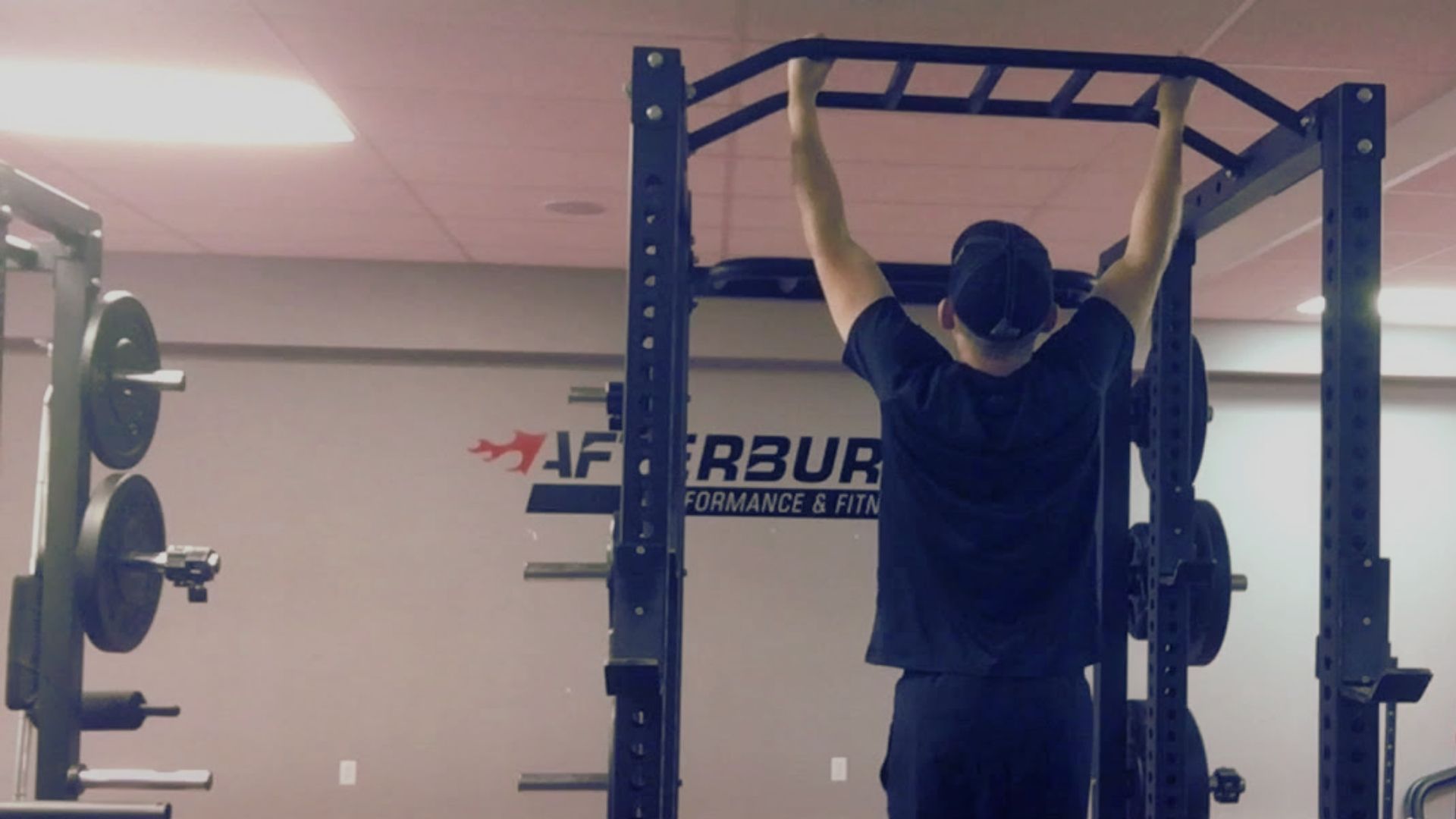
Wide hands, palms facing each other. This variation emphasizes the upper lats and outer back while being shoulder-friendly.
It provides a wider back appearance and is safer for those with shoulder mobility issues. Maintain proper form and pull through the elbows.
These grips boost biceps involvement while keeping your shoulders safe and mid-back engaged.
Specialized / Advanced Variations

These exercises isolate the lats, target the upper lats, and correct imbalances.
7. Behind-the-Neck Pulldown
This variation uses a wide grip with the bar behind your head. It targets the upper lats, traps, and rear delts.
Pull carefully, keeping control, and avoid jerking the bar. Good shoulder mobility is needed to perform this safely and get full upper-back engagement.
8. Straight-Arm Pulldown

Performed standing with mostly straight arms, this exercise isolates the lats while stabilizing the shoulders.
Focus on keeping your torso upright and moving the bar in a controlled motion. It improves mind-muscle connection and strengthens the lower lats without overloading the biceps.
9. Single-Arm Lat Pulldown

Using one arm at a time with the cable allows for complete isolation of each lat. It corrects muscular imbalances and increases mind-muscle connection.
Pull slowly with control, keeping your torso steady, and squeeze the working lat at the bottom to maximize contraction.
Advanced grips help isolate the lats, correct imbalances, and target upper-back muscles.
Specialized Grip Combinations
These grips engage the full lats and add variety to your pulldown routine. They help target different sections of the back while improving control and stability.
10. V-Bar / Close-Neutral Grip Pulldown

This variation targets the mid-to-lower lats with assistance from the triceps. Keep elbows close and pull in a controlled motion, focusing on squeezing the lats at the bottom.
It’s effective for building thickness and improving the mind-muscle connection in the lower back.
11. Mixed / Alternating Grip Pulldown

With one hand overhand and one underhand, this grip engages the full lats with an asymmetric load. Maintain a stable torso, avoid leaning, and pull evenly through both arms.
This challenges your muscles differently and helps improve overall back strength and coordination.
Grip combinations engage the full back and add variety for improved strength and control.
Sample Lat Pulldown Workout Using Grip Variations
This workout uses different grip variations to target all parts of your lats effectively.
Beginner Routine:
Wide-grip and Reverse-grip. Perform 3 sets each, focusing on controlled movements and proper form to build basic lat strength and improve mind-muscle connection.
Intermediate Routine:
Wide-grip, Close-grip, and Neutral-grip. Do 3-4 sets of each variation, emphasizing slow and controlled reps to enhance mid and lower lat development while maintaining good posture.
Advanced Routine:
All variations, including Single-arm, Rope, and Behind-the-Neck.
Complete 4-5 sets per variation, combining grips to fully engage the lats, correct imbalances, and maximize back thickness and width.
Finish the workout by stretching your lats and shoulders to aid recovery and maintain flexibility
Tips for Maximum Gains
These tips help you get the most from your lat pulldown workouts. Focus on form and consistency.
- Pull with elbows, not hands
- Maintain controlled tempo and proper breathing
- Rotate grips for balanced development
- Use 3-4 sets per variation, 10-12 reps
- Mix in specialized grips once per week for variety
Follow these tips and allow proper recovery to build strength and prevent injury.
Common Mistakes to Avoid
Avoiding these mistakes helps you train your lats safely and effectively.
Pulling behind the neck incorrectly: Can strain shoulders and reduce lat activation; always use proper form if performing behind-the-neck pulldowns.
Swinging or jerking: Uses momentum instead of muscles, reducing effectiveness and increasing injury risk.
Over-gripping (losing mind-muscle connection): Gripping too hard shifts focus from lats to forearms, lowering engagement.
Dropping chest or flaring elbows: Reduces lat activation and may stress shoulders; maintain an upright chest and controlled elbows.
Focus on form and control to get maximum gains while preventing injury.
Conclusion
Using the right lat pulldown grip variations is key to building a strong, wide back.
Each grip targets different parts of your lats and helps prevent strain while improving balance and control.
From my experience, focusing on proper form and rotating grips consistently gives better results than lifting heavy weights alone.
Small adjustments make a big difference in engagement and growth.
Try adding one new grip variation to your next back workout and feel the change in your lats immediately!
Frequently Asked Questions
Should I Rotate All Grips Every Session?
Rotating grips helps target all parts of the lats and prevents imbalances. Start with 1-2 grips per session and gradually add more.
Can Beginners Safely Do All Variations?
Beginners should focus on primary grips like Wide, Close, and Standard first. Advanced variations can be added once form and strength improve.
Can I Do Lat Pulldowns If I Have Shoulder Issues?
Use Neutral or Wide-Neutral grips. Avoid Behind-the-Neck or very wide grips if shoulder mobility is limited.
How Often Should I Switch Grip Variations For Progress?
Change grips every 2-3 weeks to maintain full-lat engagement and prevent plateaus.
Which Grip Variation Is Best For Width Vs Thickness?
For width, use Wide-Grip Overhand or Wide-Neutral. For thickness, use Close-Grip, V-Bar, or Neutral MAG Grip.