

Have you finished a tough workout and wondered: why am I not sore after a workout? You’re not alone. Many people think soreness equals results, but that’s not always true.
In this article, I’ll explain why soreness happens, what it really means for your progress, and how to measure if your workouts are actually working.
We’ll cover muscle adaptation, recovery, and better ways to track your fitness gains.
As someone who’s spent years writing about fitness and working alongside trainers, I’ve seen this confusion countless times.
You’ll walk away knowing exactly what your body is telling you and how to train smarter, not just harder.
Understanding Post-Workout Muscle Soreness

Muscle soreness after exercise is common, but it doesn’t tell the whole story about your workout quality.
DOMS (Delayed Onset Muscle Soreness) is the stiffness and pain you feel after working out. It happens when your muscle fibers experience tiny tears during exercise. These small tears are normal and part of how your body builds stronger muscles.
Soreness usually shows up 12 to 24 hours after exercising. The peak discomfort often hits between 24 to 72 hours post-workout. After three days, the soreness typically fades as your muscles heal.
What causes it? Microscopic damage to muscle fibers during physical activity. Your body responds by sending blood flow and nutrients to repair the damaged areas.
This repair process creates inflammation, which causes the tender feeling. Eccentric movements (where muscles lengthen under tension) create the most soreness.
Why Am I Not Sore After a Workout?

There are several reasons you might not feel sore, and most of them are actually good signs.
Your Body Has Adapted to the Training Stimulus
When you repeat the same exercises regularly, your muscles become efficient at handling that stress. This is called the repeated bout effect.
Adaptation is a sign of progress, not a problem. Your nervous system improves coordination, and your muscles strengthen their structures to handle the load better.
You Are Recovering Well (Sleep, Nutrition, Hydration)
Good recovery habits can significantly reduce muscle soreness. When you sleep enough, eat sufficient protein, and stay hydrated, your body repairs muscle tissue faster.
Quality nutrition provides the building blocks your muscles need to heal, and adequate water helps flush out waste products.
You Performed Familiar Movements
Sticking to exercises you’ve done many times means your body knows how to handle them. Your muscles, tendons, and nervous system are prepared for the work.
This doesn’t mean the workout is ineffective, it means you’re well-trained in those specific patterns.
Genetic Differences in Muscle Soreness
Some people simply don’t get as sore as others due to genetics. Individual differences in muscle fiber composition, inflammation response, and recovery speed all play a role.
Your genetics don’t determine your results, just how sore you feel along the way.
The Role of Exercise Type and Intensity
The kind of exercise you do affects soreness levels. Cardiovascular activities like running typically cause less soreness than heavy weightlifting.
Exercises emphasizing muscle shortening create less damage than those emphasizing lengthening. Lower-intensity sessions might not produce soreness even though they still build strength.
Can You Still Build Muscle Without Feeling Sore?
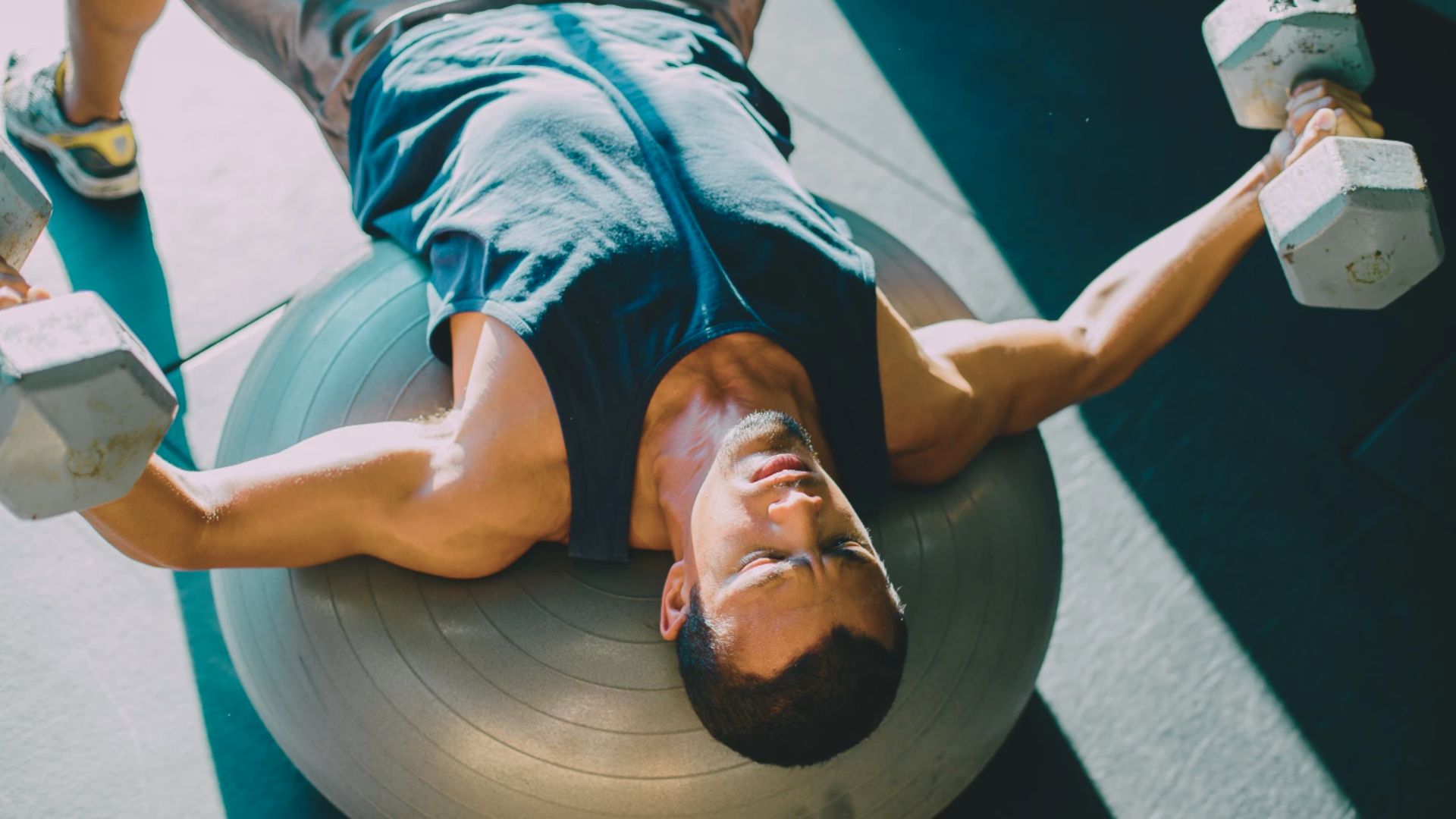
Absolutely. Muscle growth depends on specific training principles, not on how uncomfortable you feel afterward.
Muscles grow through muscle protein synthesis. When you train, you signal your body to build more protein in your muscle cells.
This requires three main things: mechanical tension (the weight), metabolic stress (the “burn” feeling), and some degree of muscle damage. Importantly, you only need minimal damage, not severe soreness, to trigger growth.
Progressive overload means gradually increasing demands on your muscles over time. You can do this by adding weight, doing more reps, or increasing training volume. This principle drives muscle growth far more reliably than chasing soreness.
Experienced lifters often experience less soreness because they train intelligently. They use proper form, warm up thoroughly, and progress gradually. Less soreness can mean you’re training at a sustainable intensity that allows for consistent workouts.
Smart training finds the sweet spot between challenging your muscles and allowing them to recover.
Is It Bad If You’re Always Sore After Workouts?

Constant soreness might indicate you’re not recovering properly. Here’s what to watch for.
Signs of Overtraining and Poor Recovery
If every workout leaves you severely sore for days, your body might not be recovering between sessions. Other signs of overtraining include persistent fatigue, trouble sleeping, decreased appetite, and mood changes.
Your performance might plateau or even decline. Being perpetually sore suggests you need to adjust your training volume, intensity, or recovery practices.
How Chronic Soreness Can Affect Performance
Always feeling sore can limit your ability to train effectively. Sore muscles don’t perform as well you might lift less weight or struggle with technique. This can slow your progress over time.
Chronic soreness also increases injury risk because you might compensate with poor movement patterns. Your body needs time to repair and adapt between challenging workouts.
The Importance of Rest and Recovery
Rest days are when your muscles actually grow stronger. During workouts, you create the stimulus for change. During rest, your body makes the adaptations.
Quality sleep, good nutrition, and adequate rest between sessions are non-negotiable for long-term progress. If you’re always sore, you likely need more recovery time or less training volume.
Better Ways to Measure Workout Effectiveness

Instead of relying on soreness, use these more reliable indicators of progress.
Strength and Performance Improvements
Can you lift heavier weights than last month? Are you completing more reps with the same weight?
Track your numbers in a training log. Consistent strength increases mean your muscles are getting stronger, either you feel sore or not.
Increased Endurance or Work Capacity
Notice if you can do more work before getting tired. Maybe you can run longer distances or complete more sets without extra rest.
Improved work capacity shows your cardiovascular system and muscular endurance are developing.
Improved Technique and Movement Quality
Better form and smoother movement patterns indicate neuromuscular improvements. Video yourself performing exercises and compare footage over weeks or months.
You’ll likely see cleaner reps and better control as you progress.
Consistency and Sustainability Over Time
The best measure of an effective program is whether you can stick with it. A sustainable program allows you to show up regularly, make gradual progress, and stay healthy. Long-term consistency beats occasional brutal workouts every time.
Tips to Adjust Your Training If You’re Not Sore
Lack of soreness doesn’t mean you need to change anything, but here’s how to evaluate your approach.
- If your strength has plateaued for several weeks, increase weight by 5-10% or add one more set. Make changes gradually.
- Introduce new exercises or swap rep ranges to keep muscles adapting. Try heavier weights for fewer reps or lighter weights for higher reps.
- Only adjust one variable at a time so you can track what works.
- Listen to your body beyond soreness. Are you sleeping well, feeling energized, and performing better? These factors matter more.
- Aim for workouts that feel challenging but allow you to train again soon. Balance progress with proper recovery.
Conclusion
So, why am I not sore after a workout? Usually, it’s because your body is adapting well, recovering properly, or simply built differently than others. This is actually a good sign in most cases.
I’ve had countless workouts that felt productive but left me pain-free the next day—and my strength still improved. Stop worrying about soreness and start tracking what truly matters: are you getting stronger, moving better, and staying consistent? That’s real progress.
If this helped clear things up, share it with a friend who needs to hear it. Check out our other training guides for more practical fitness advice.
Frequently Asked Questions
Is it normal to never feel sore after workouts?
Yes, it’s completely normal. Some people naturally experience less soreness due to genetics or good recovery. As long as you’re making progress, lack of soreness isn’t a concern.
Can I build muscle if I’m not getting sore?
Absolutely. Muscle growth depends on progressive overload and consistent training, not soreness. You can gain strength without experiencing DOMS regularly.
Should I work out if I’m still sore from last time?
Mild soreness is fine to train through, especially for different muscle groups. Severe soreness means you should rest or do light activity instead.
How can I tell if my workouts are actually working?
Track measurable improvements like increased strength, more reps, or better endurance. These indicators are far more reliable than soreness levels.
Why do I get more sore from some exercises than others?
Exercises with a strong lowering phase cause more soreness. New movements also create more damage. Regular exercises cause less soreness over time.


