

The squeeze press is a powerful chest exercise that keeps constant tension on your pecs throughout each rep. I’ve used this move for years to build a stronger, fuller chest.
In this guide, you’ll learn how to perform the dumbbell squeeze press with perfect form, avoid common mistakes, and add muscle where it matters most.
We’ll cover the muscles you’ll target, step-by-step instructions, helpful variations, and proven tips for growth. I’ve trained dozens of clients through this exercise, so I know what works.
This article will show you exactly how to make the squeeze press work for your goals. Let’s get started and build that chest.
Muscles Targeted by the Squeeze Press
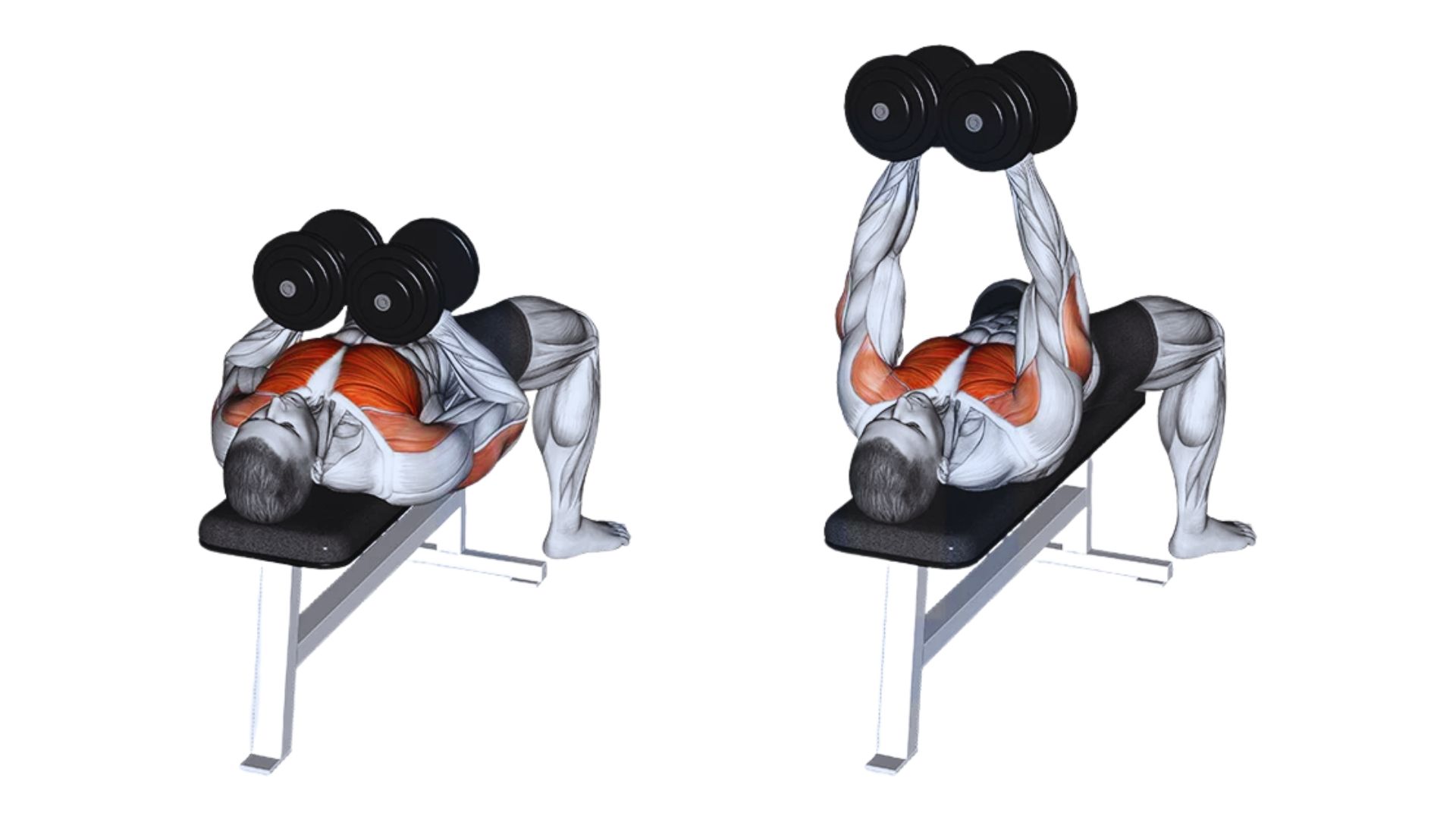
The squeeze press hits your chest from a fresh angle while engaging supporting muscles for balanced strength.
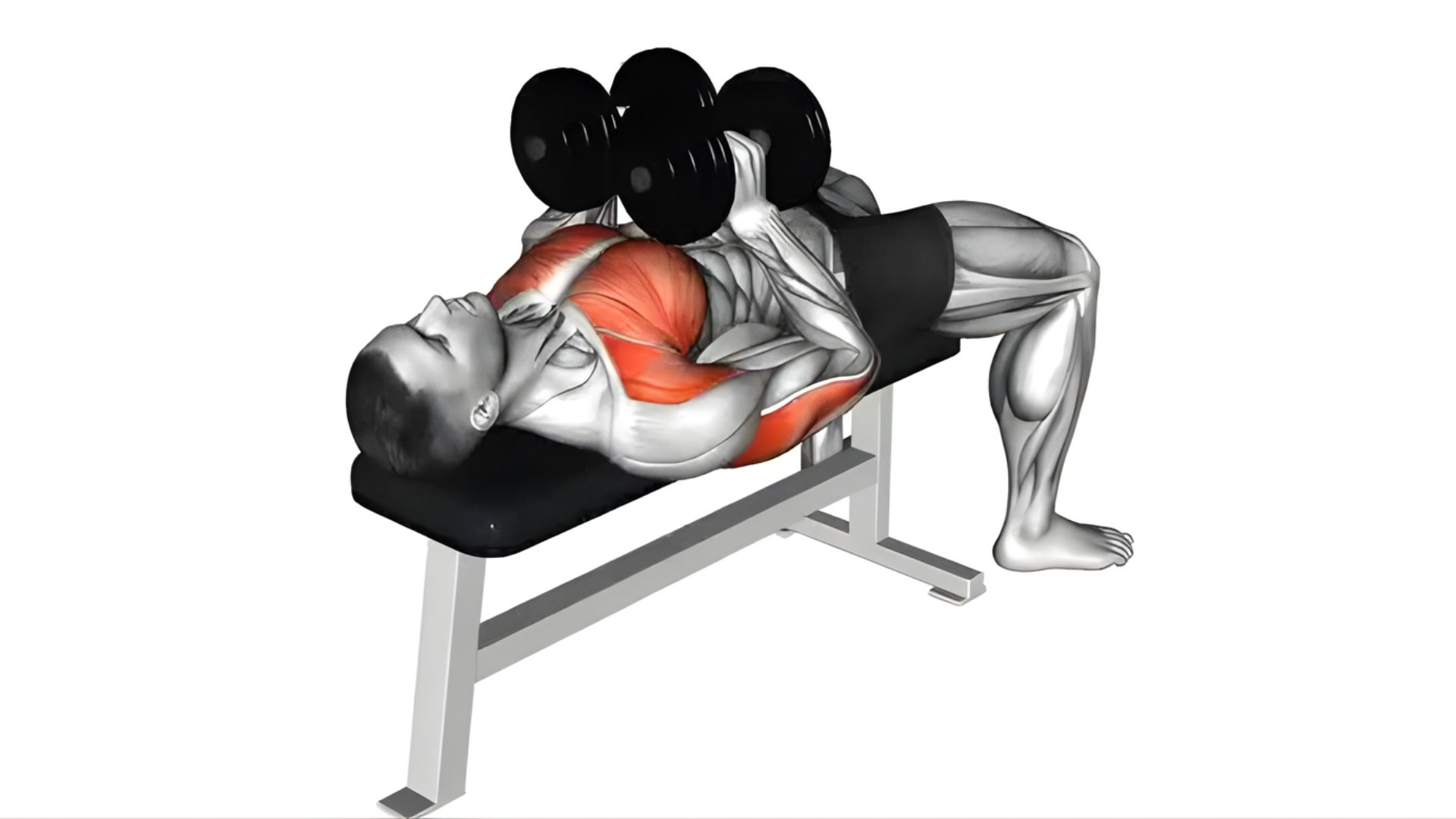
The pectoralis major takes center stage here. This exercise works both the inner and outer fibers of your chest.
The constant squeezing action creates tension that regular presses can’t match. You’ll feel your chest working hard from the first rep to the last.
Your triceps help extend your arms during each press. The anterior deltoid (front shoulder) assists with the pressing motion. Meanwhile, your core and upper back work as stabilizers.
They keep your body steady and aligned throughout the movement. This combination builds functional strength that carries over to other lifts.
How to Perform the Dumbbell Squeeze Press

Master the basic technique before adding weight or trying advanced variations.
Equipment Needed
You’ll need a pair of dumbbells and a flat bench. If you don’t have a bench, the floor works just fine. Start with lighter weights until you nail the form.
Step-by-Step Instructions
Follow these steps to perform the squeeze press with perfect form every time.
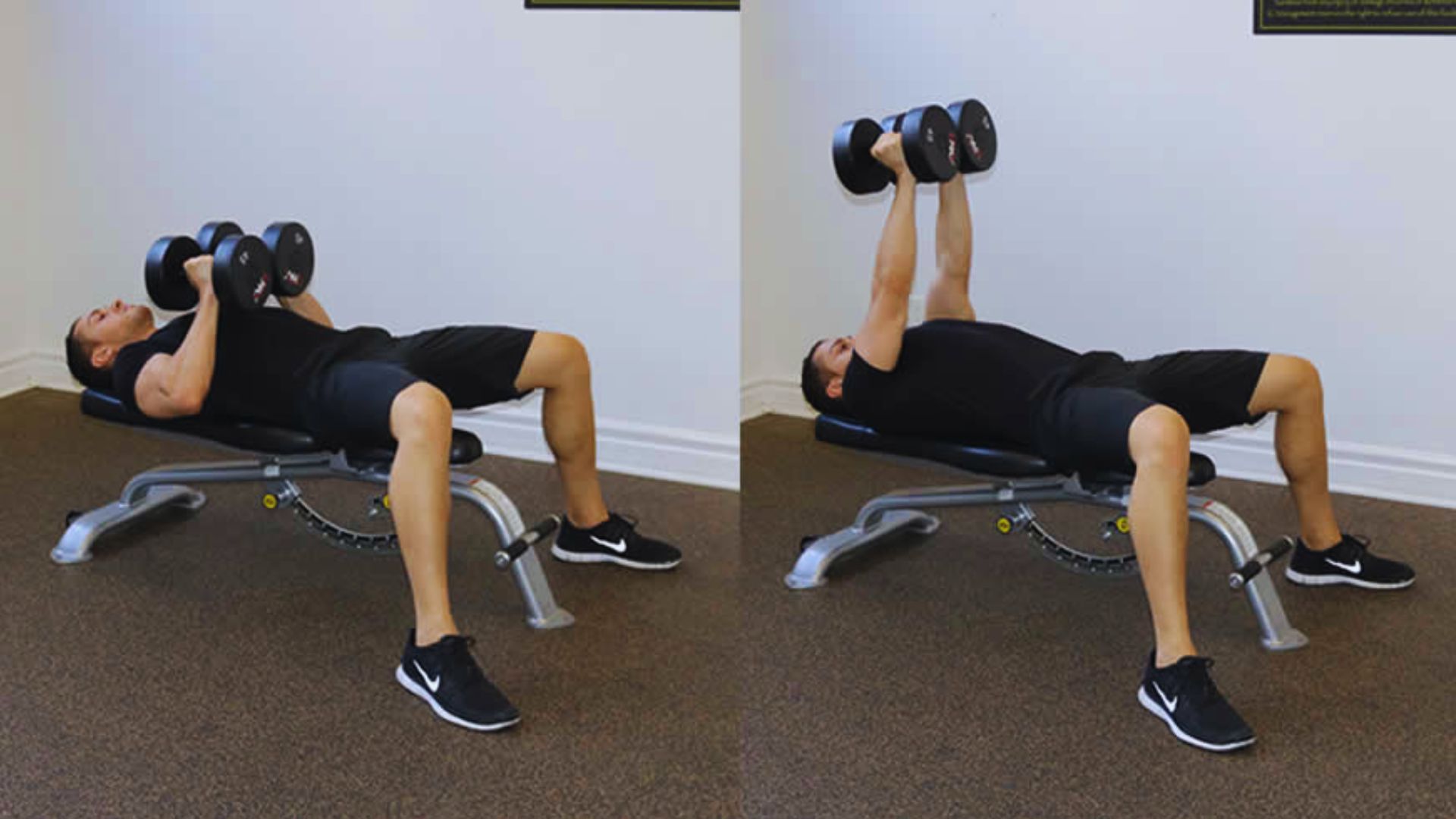
Grip and Setup: Lie flat on the bench with feet planted on the floor. Hold a dumbbell in each hand. Press the dumbbells together at chest level. Keep your palms facing each other with a neutral grip.
Pressing Technique: Squeeze the dumbbells hard against each other. Push them up toward the ceiling while maintaining that squeeze. Your arms should extend fully without locking out your elbows. Keep constant pressure between the weights.
Lowering Phase and Squeeze: Lower the dumbbells slowly back to your chest. Never stop squeezing them together. The tension should stay consistent through the entire range of motion. Pause briefly at the bottom, then press back up.
Common Form Mistakes to Avoid
Watch out for these form errors that can hurt your results and increase injury risk.
- Flaring elbows takes tension off your chest and puts stress on your shoulders. Keep your elbows at a 45-degree angle to your body.
- Rounding shoulders forward can cause injury over time. Pull your shoulder blades back and down. Keep your chest up throughout each rep.
- Rushing reps reduces muscle tension and limits growth. Control the weight on both the way up and the way down. Take at least two seconds for each phase of the movement.
Variations of the Squeeze Press
These variations target your chest from different angles and add challenge as you progress.
Incline Dumbbell Squeeze Press
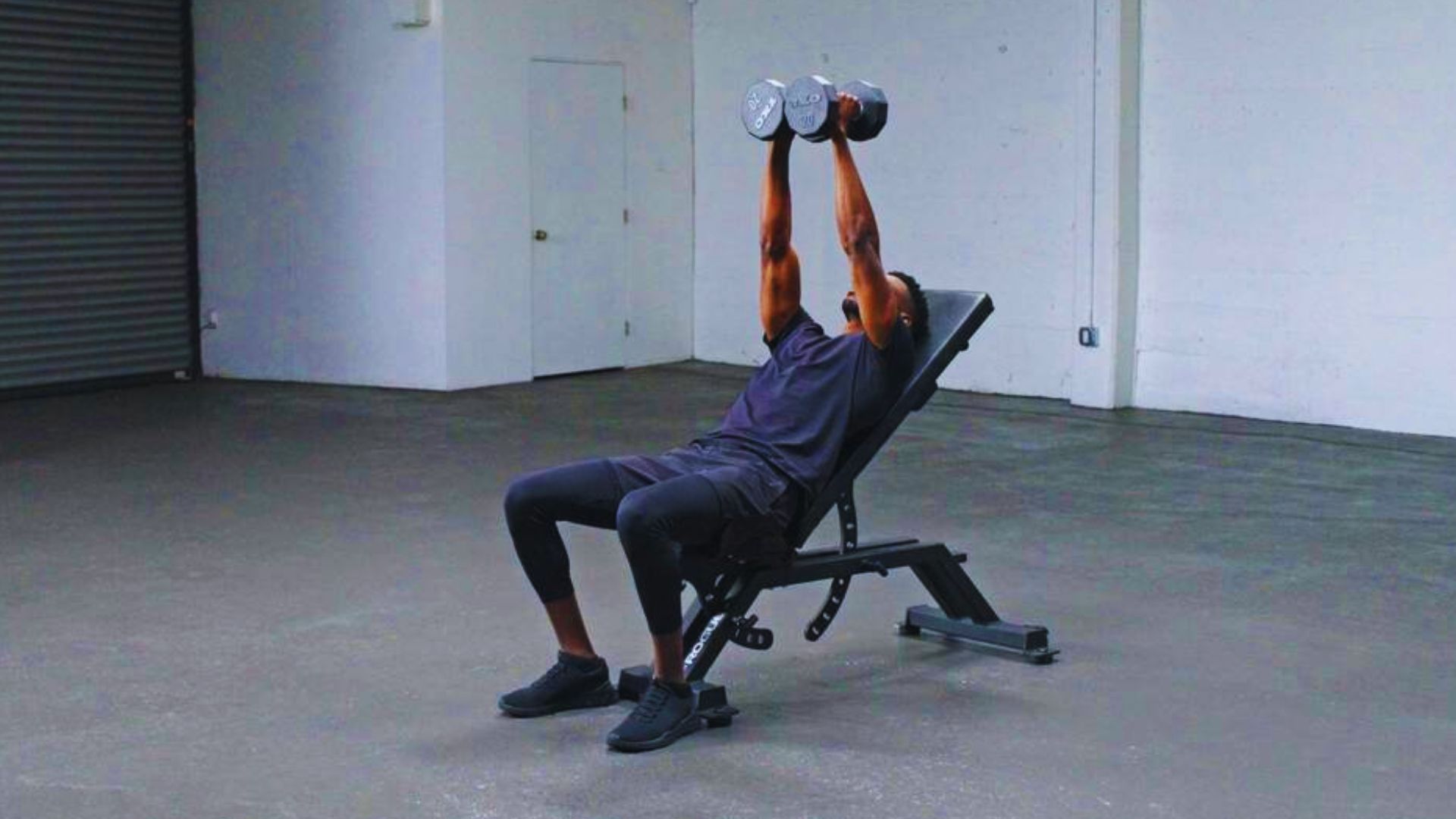
Set your bench to a 30-45 degree angle. This shifts more work to your upper chest. The squeezing motion remains the same. I use this variation when my upper pecs need extra attention.
Reverse Grip Dumbbell Squeeze Press
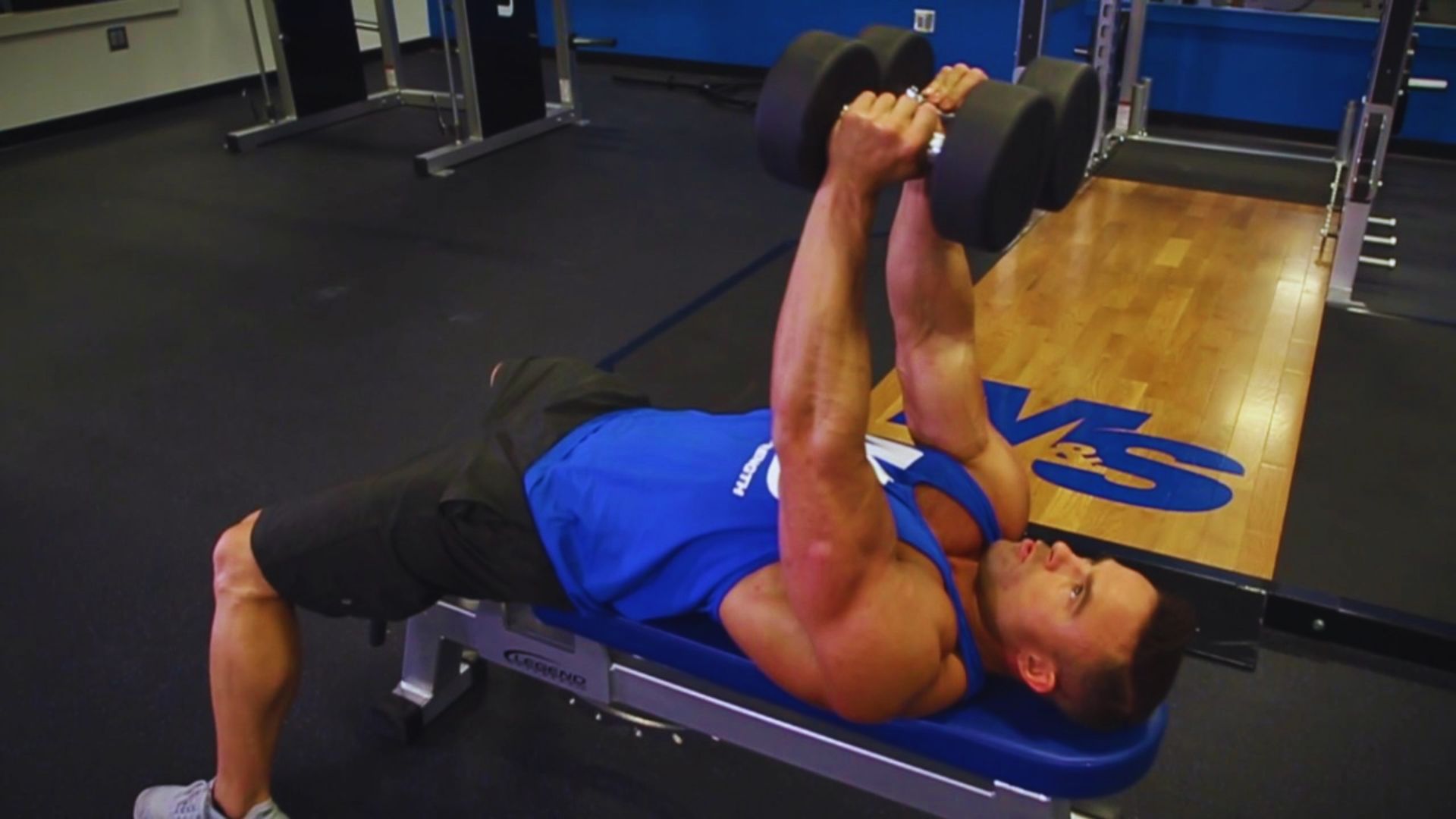
Turn your palms to face you (underhand grip). This changes the muscle activation pattern. Your triceps work harder in this position. It also reduces shoulder stress for some people.
Floor Squeeze Press
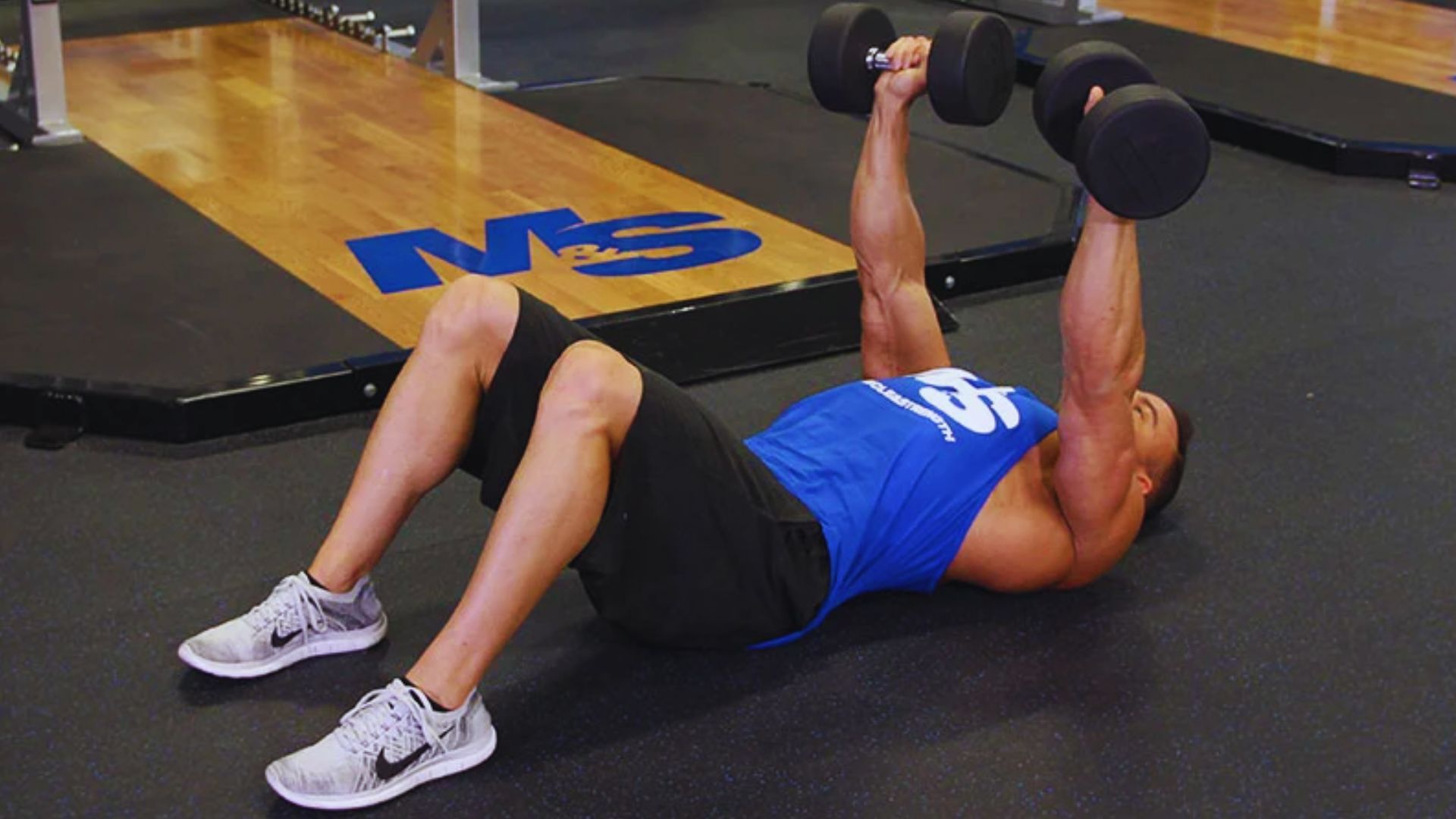
Lie on the floor instead of a bench. Your elbows will touch down at the bottom of each rep. This limits the range of motion but increases pressing power. Great for building raw strength.
Eccentric Squeeze & Spread Press (Advanced)
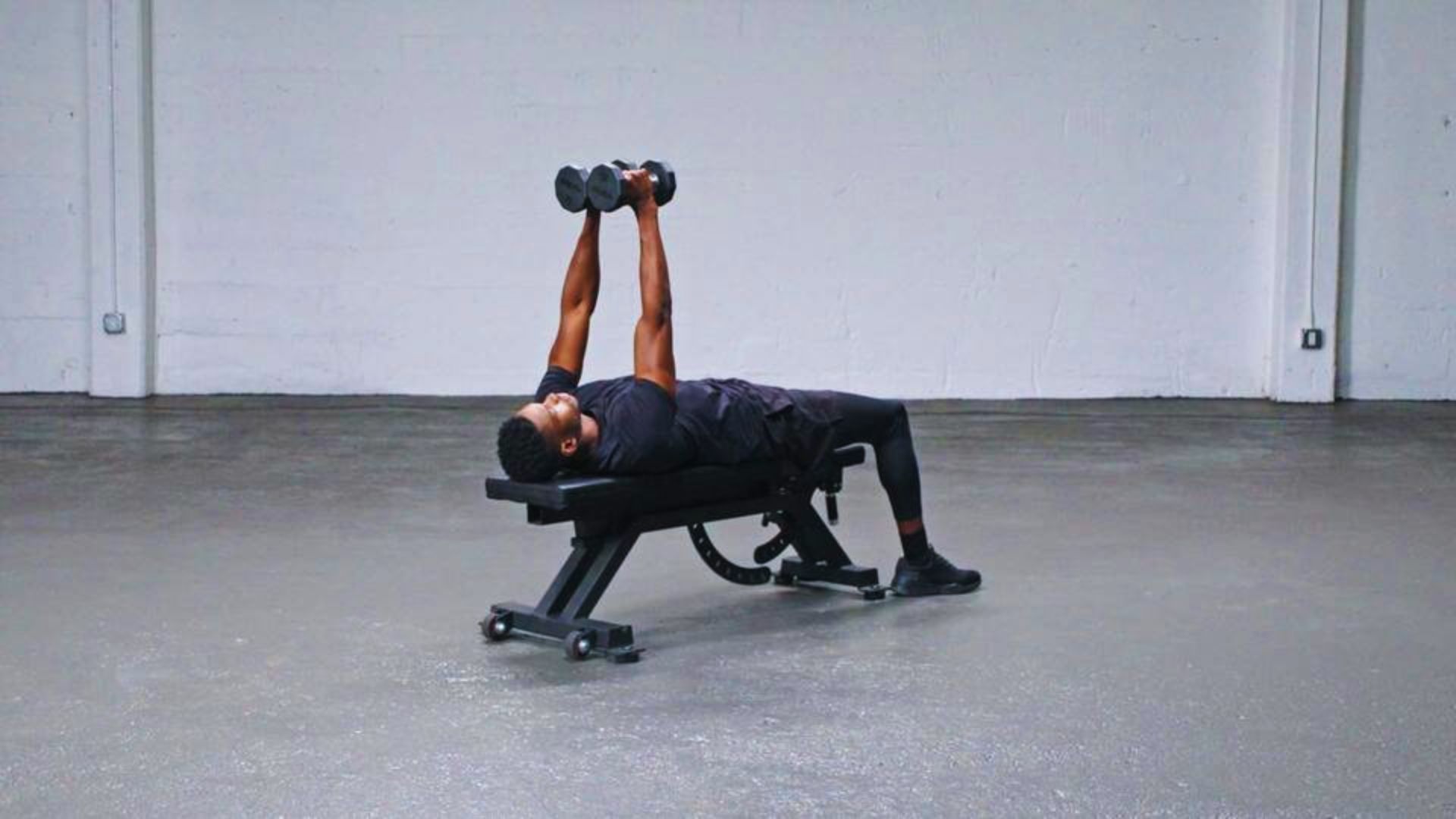
Press the dumbbells up while squeezing them together. At the top, slowly spread them apart like a fly.
Then bring them back together and lower. This combines two movements for serious muscle damage and growth.
Benefits of the Squeeze Press
Here are the key benefits you’ll experience from adding squeeze presses to your routine.
Strength Gains
The squeeze press builds pressing power in your chest and triceps. The constant tension challenges your muscles differently than regular presses.
Over time, this translates to bigger lifts on all your chest exercises.
Muscle Hypertrophy
This movement activates both inner and outer chest fibers effectively. The squeezing action keeps your muscles under tension longer.
More tension equals more growth. You’ll notice better chest development, especially in the middle region.
Functional Stability
Your core engages to keep your body stable while pressing. Your shoulders must work to maintain proper position.
This builds the kind of strength you actually use in daily life. It also improves your performance in sports and other activities.
Better Mind-Muscle Connection
The squeezing motion forces you to focus on your chest throughout each rep. You can’t just go through the motions with this exercise.
This increased awareness helps you work your muscles more effectively during all your training.
Recommended Sets, Reps, and Progression
Follow these guidelines to match your current fitness level and goals.
Beginner Guidelines
Start with 3 sets of 10-12 reps. Use light weights that let you maintain perfect form. Focus on feeling the squeeze throughout each rep.
Rest 60-90 seconds between sets. Train chest twice per week with at least two days of recovery between sessions.
Intermediate & Advanced Tips
Increase to 4 sets of 8-12 reps with moderate to heavy weight. You can also try 5 sets of 6-8 reps for strength-focused training.
Advanced lifters might use tempo training (4 seconds down, 1 second pause, 2 seconds up). Drop sets and supersets work well with this exercise.
How to Progress Safely
Add weight only when you can complete all sets with clean form. Increase by 5 pounds per dumbbell at a time.
If that feels too heavy, stick with your current weight for another week. You can also increase sets or reps before adding weight. Listen to your body and never sacrifice form for heavier loads.
Alternative Chest Exercises
Mix these exercises into your routine for complete chest development.
Dumbbell Bench Press
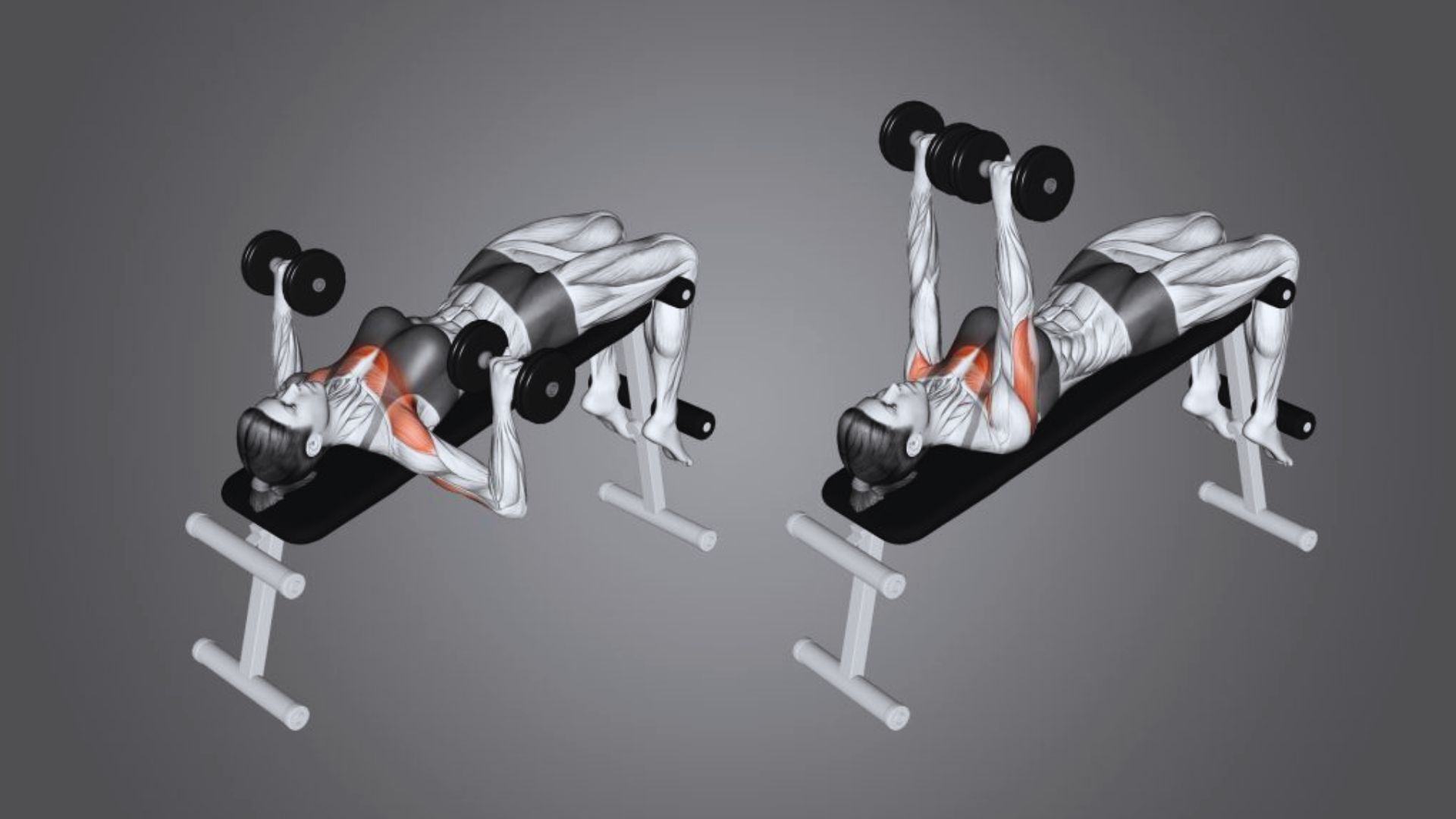
The standard bench press lets you lift heavier weights. It builds overall chest mass and strength. Use a wider grip to emphasize your outer pecs.
This exercise pairs well with the squeeze press in the same workout.
Dumbbell Fly
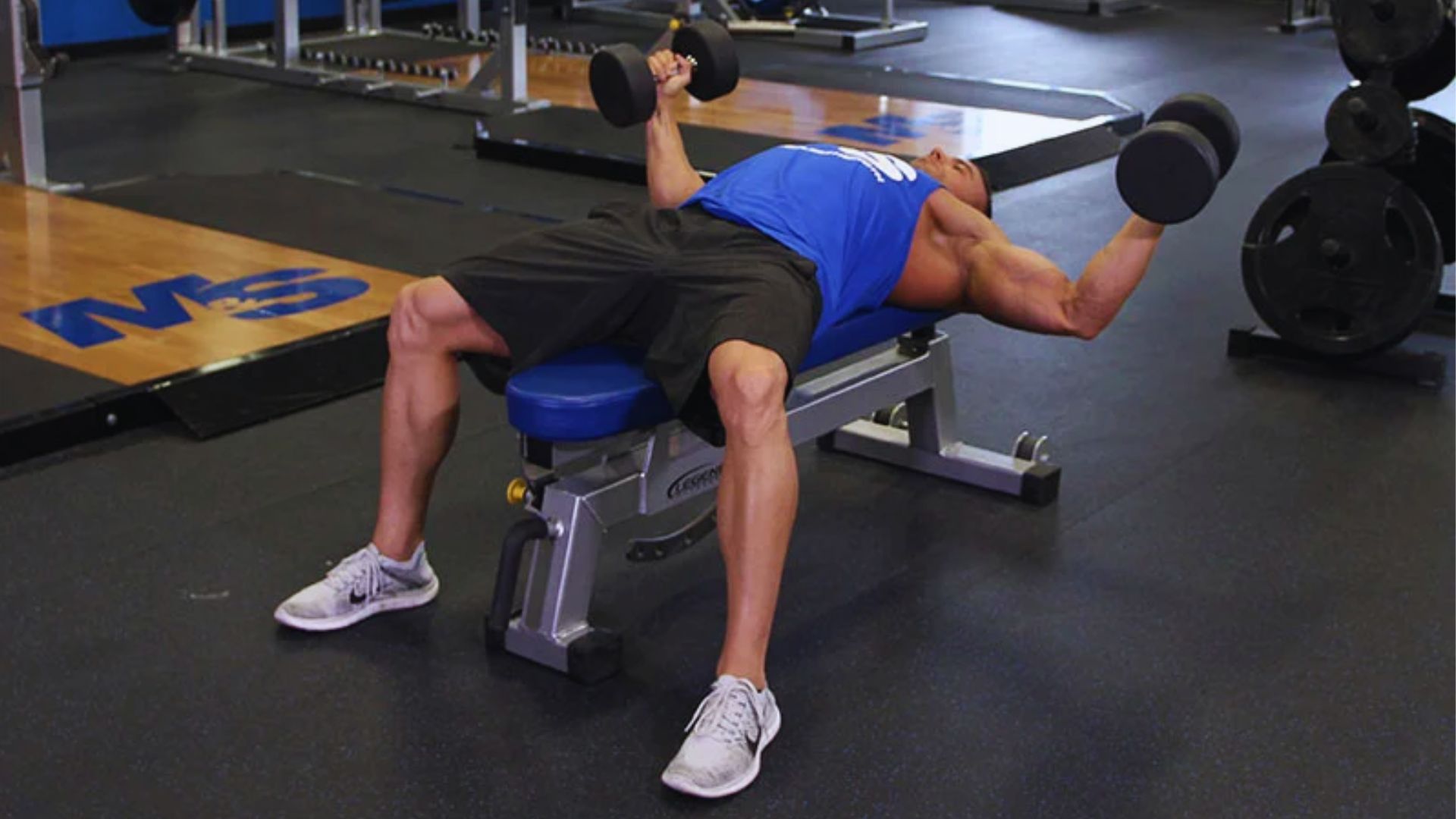
Flies stretch your chest at the bottom and squeeze it at the top. They work your pecs through a different range of motion.
Flies are great for building the chest-shoulder tie-in. Keep your elbows slightly bent throughout the movement.
Push-Ups and Cable Variations
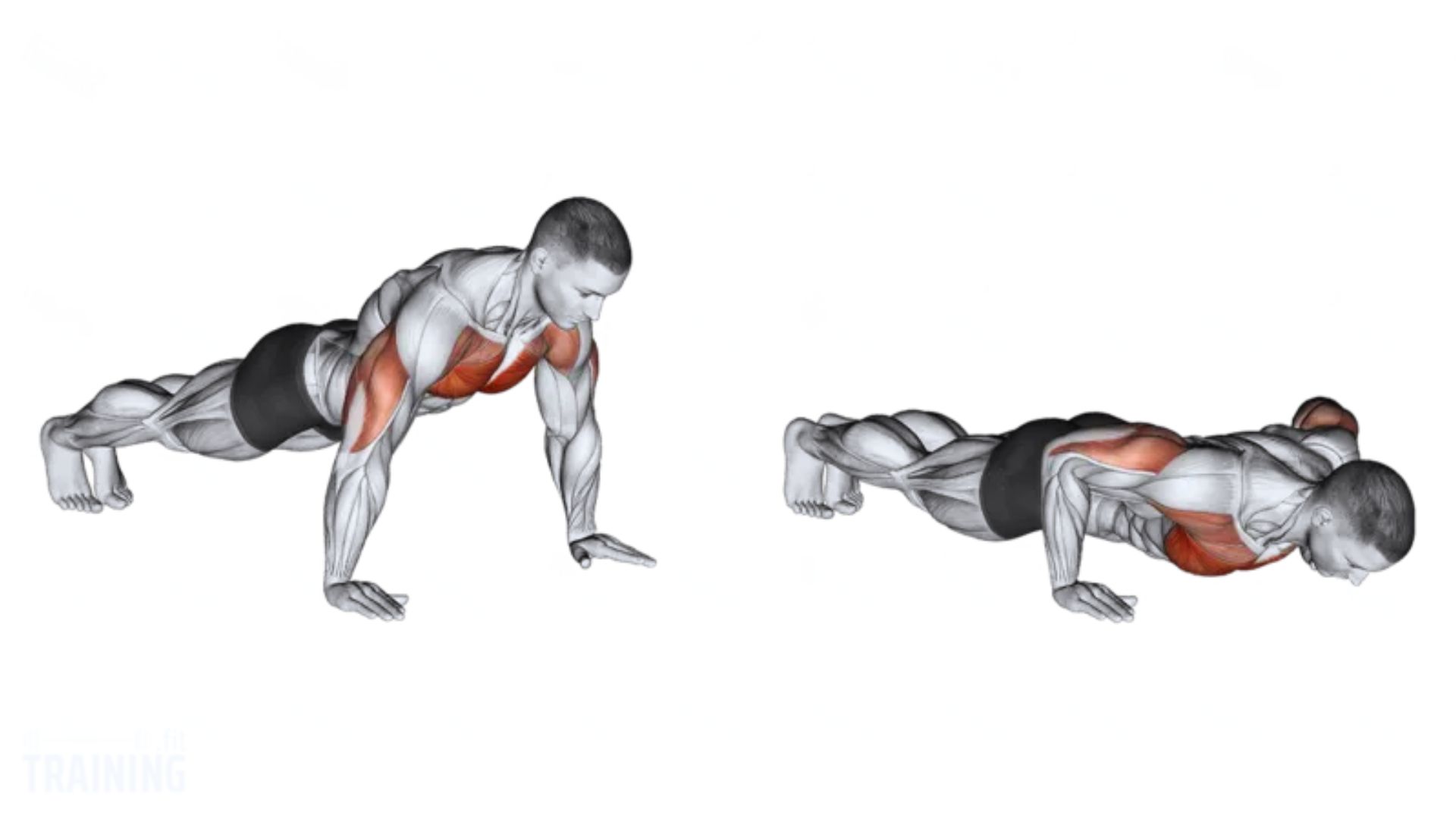
Push-ups require no equipment and build functional pressing strength. You can do them anywhere, anytime. Cable crossovers provide constant tension similar to the squeeze press.
They let you adjust the angle to hit different parts of your chest. Both exercises work well for finishing your chest workout with high reps.
Conclusion
I’ve watched the squeeze press transform countless chests over the years. It’s become one of my go-to moves on chest day.
Add this exercise to your routine and stay consistent with proper form. Start light, focus on that constant squeeze, and gradually increase the weight.
Your chest will respond with new growth and strength. Try the squeeze press in your next workout and let me know how it feels in the comments below.
Share this guide with your training partners who need better chest development.
Frequently Asked Questions
How is the squeeze press different from regular bench press?
The squeeze press keeps the dumbbells pressed together throughout the movement, creating constant tension on your chest. Regular bench press allows the weights to move independently with less continuous tension.
Can beginners do the squeeze press safely?
Yes, beginners can perform this exercise with light weights. Start with dumbbells you can control easily and focus on learning the squeezing technique before adding heavier loads.
How often should I include squeeze presses in my routine?
Include squeeze presses 1-2 times per week on your chest training days. Allow at least 48 hours between chest workouts for proper recovery.
What weight should I use for squeeze presses?
Use 60-70% of your regular dumbbell press weight to start. The squeezing motion makes the exercise harder than it looks, so begin lighter than you think.
Can the squeeze press replace regular bench press?
No, the squeeze press is a great addition but shouldn’t fully replace bench press. Use both exercises in your program for complete chest development and maximum results.