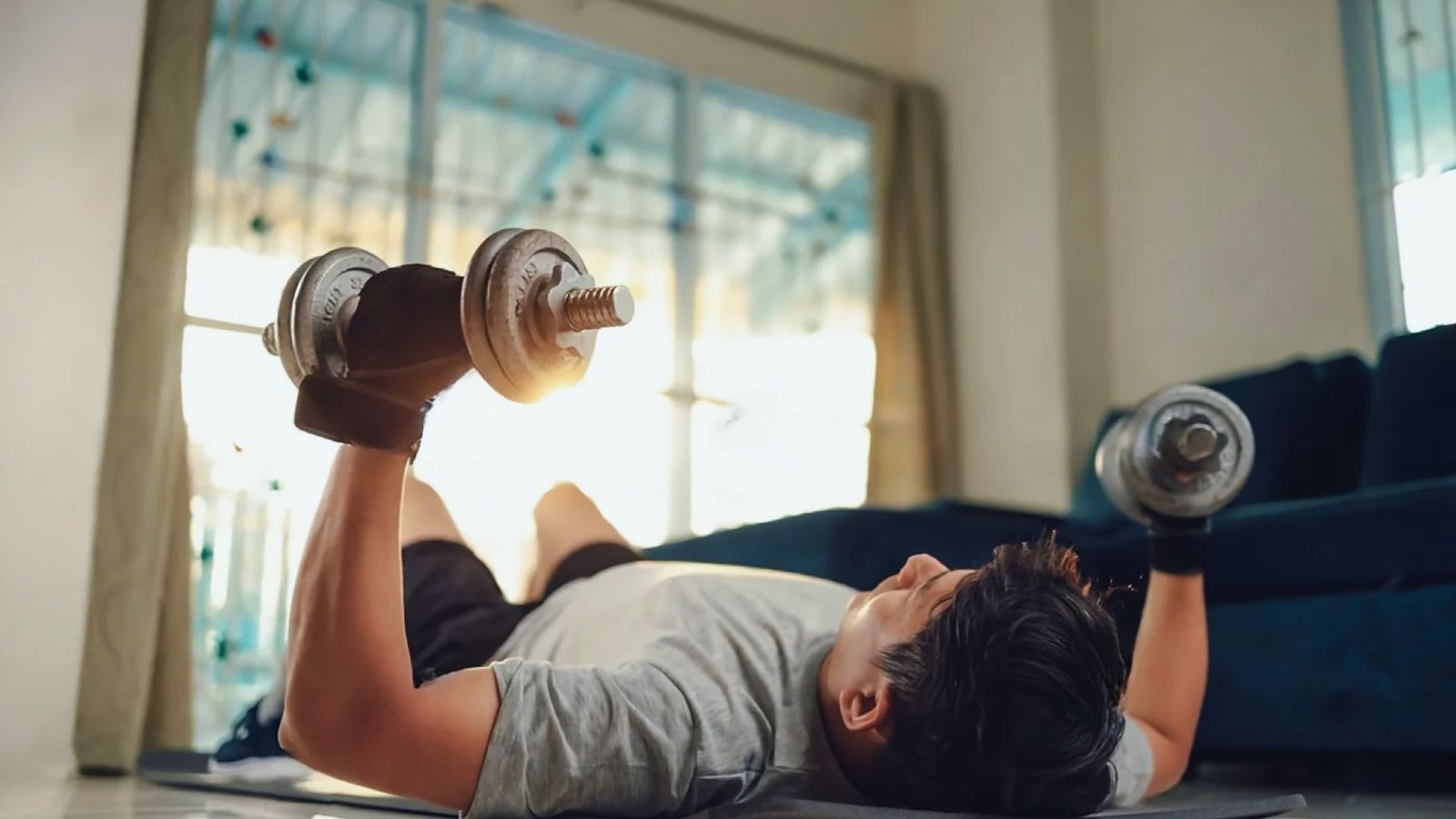
Build a strong chest at home with this dumbbell workout, no bench needed. Proven exercises for real results.
You don’t need a bench to build a strong chest. I’ve trained clients in small apartments and home gyms who got serious results with just dumbbells.
In this guide, I’ll show you the best dumbbell chest workout without a bench that actually builds muscle. You’ll get five effective exercises, a complete workout plan with sets and reps, plus tips to avoid the mistakes I see beginners make.
I’ve used these exact moves during travel and at home, and they work when you stay consistent. This is for anyone training at home or just starting their fitness path.
Can You Build Chest Muscle Without a Bench?
Yes, you can build serious chest muscle without a bench. Your chest only responds to tension and progressive resistance, not what you’re lying on.
Dumbbells force each side of your chest to work independently. This creates better muscle balance. When you press or fly with dumbbells, your pecs contract to move the weight and stabilize your shoulders. The stretch at the bottom triggers muscle growth.
Floor presses limit how far your elbows drop, which protects your shoulders. Standing exercises engage your core and legs for stability.
You can hit upper, middle, and lower chest fibers with the right exercises. The main difference is exercise variety, not results.
Floor work reduces shoulder strain, and standing movements burn more calories. You can train anywhere with just dumbbells. These exercises build functional strength that transfers to daily activities.
Best Dumbbell Chest Workout Without a Bench
Here are five exercises that build chest size and strength.
Standing Chest Press

Hold dumbbells at shoulder height. Press both weights up and slightly together until your arms are straight.
Lower slowly. Keep your core tight and don’t arch your lower back. This works your entire chest, shoulders, and triceps.
Standing Dumbbell Chest Fly

Hold dumbbells at your sides with a slight bend in your elbows. Raise both weights in an arc motion.
Squeeze your pecs hard at the top when the dumbbells nearly touch. Lower slowly. Use lighter weight and focus on the squeeze.
Dumbbell Push-Ups
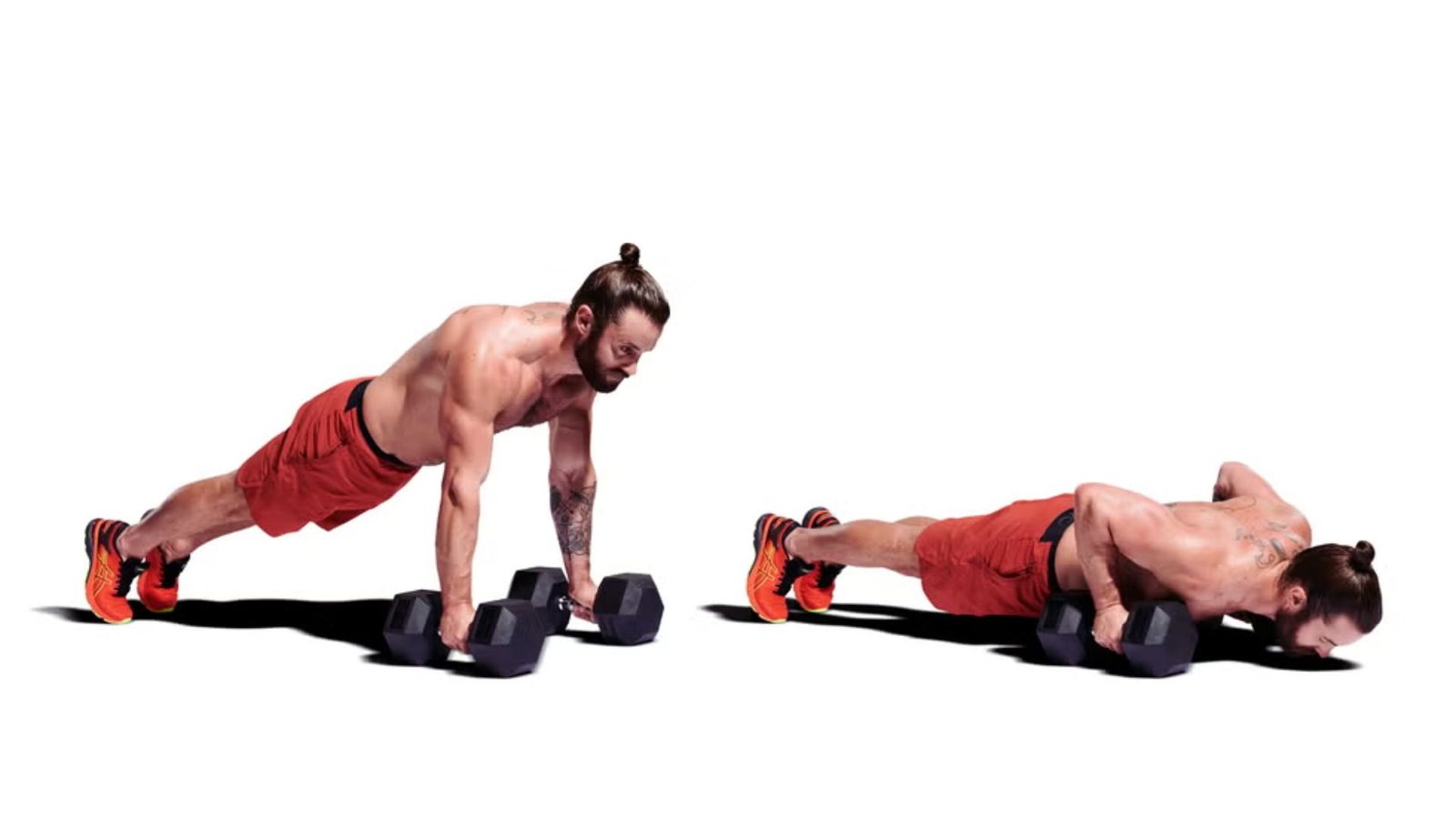
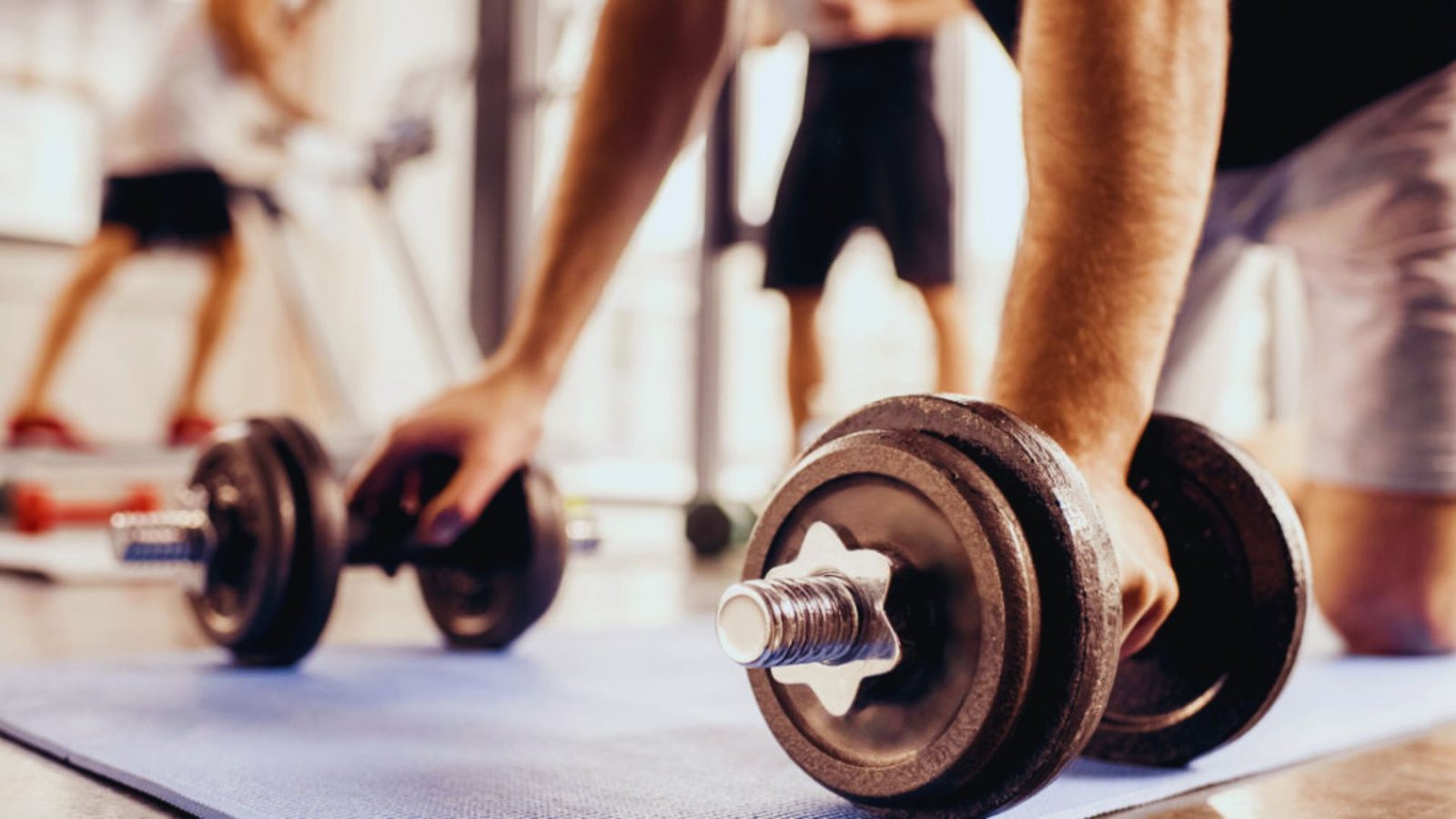
Place two dumbbells on the floor slightly wider than shoulder width. Grip the handles and lower your chest between them until you feel a stretch.
Press back up. The extra depth creates more chest engagement. Beginners can do these from their knees.
Dumbbell T Push-Ups
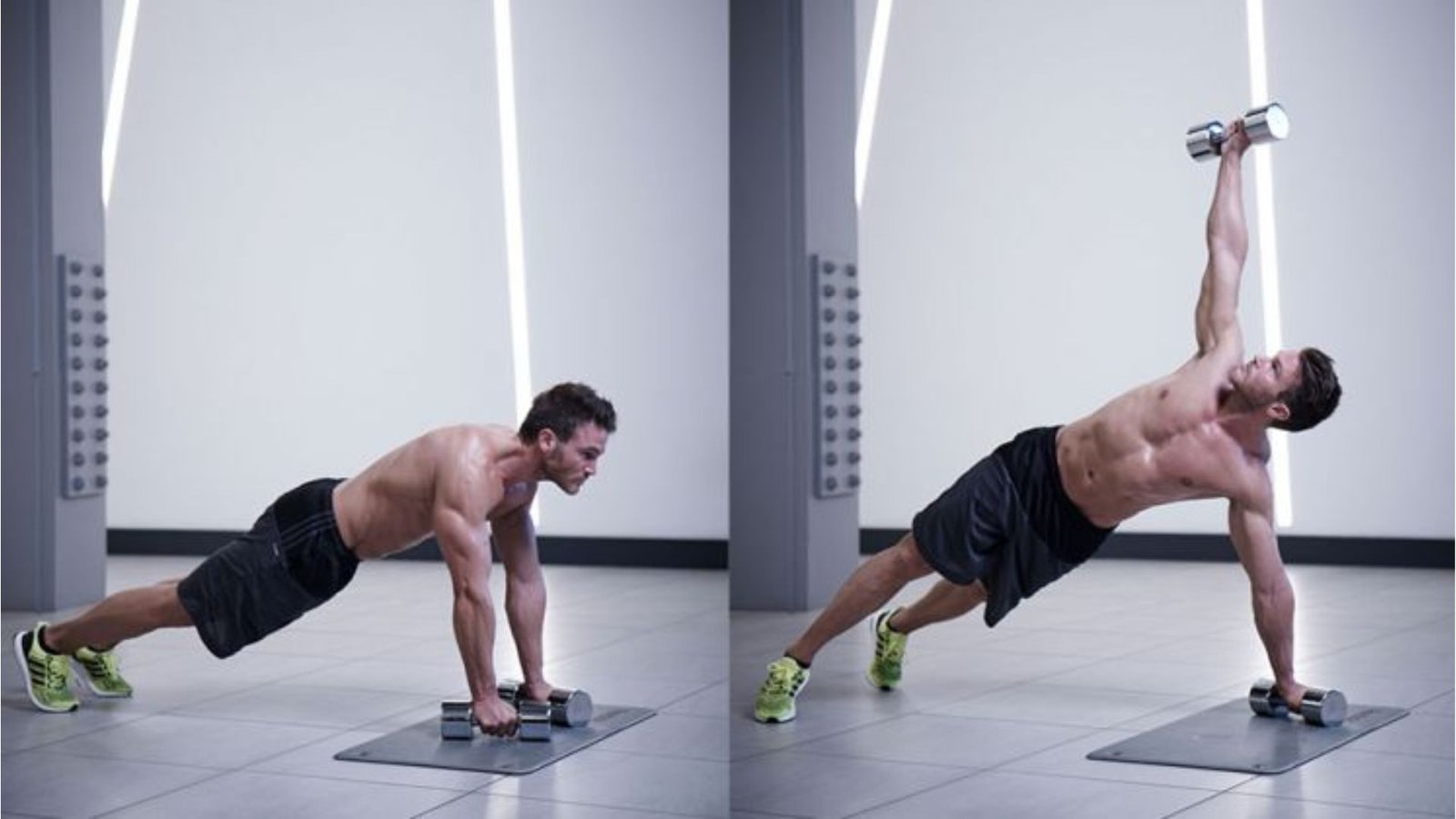
Do one push-up holding dumbbells. At the top, rotate your body and lift one dumbbell toward the ceiling.
Lower and repeat on the other side. This builds chest strength and core stability together.
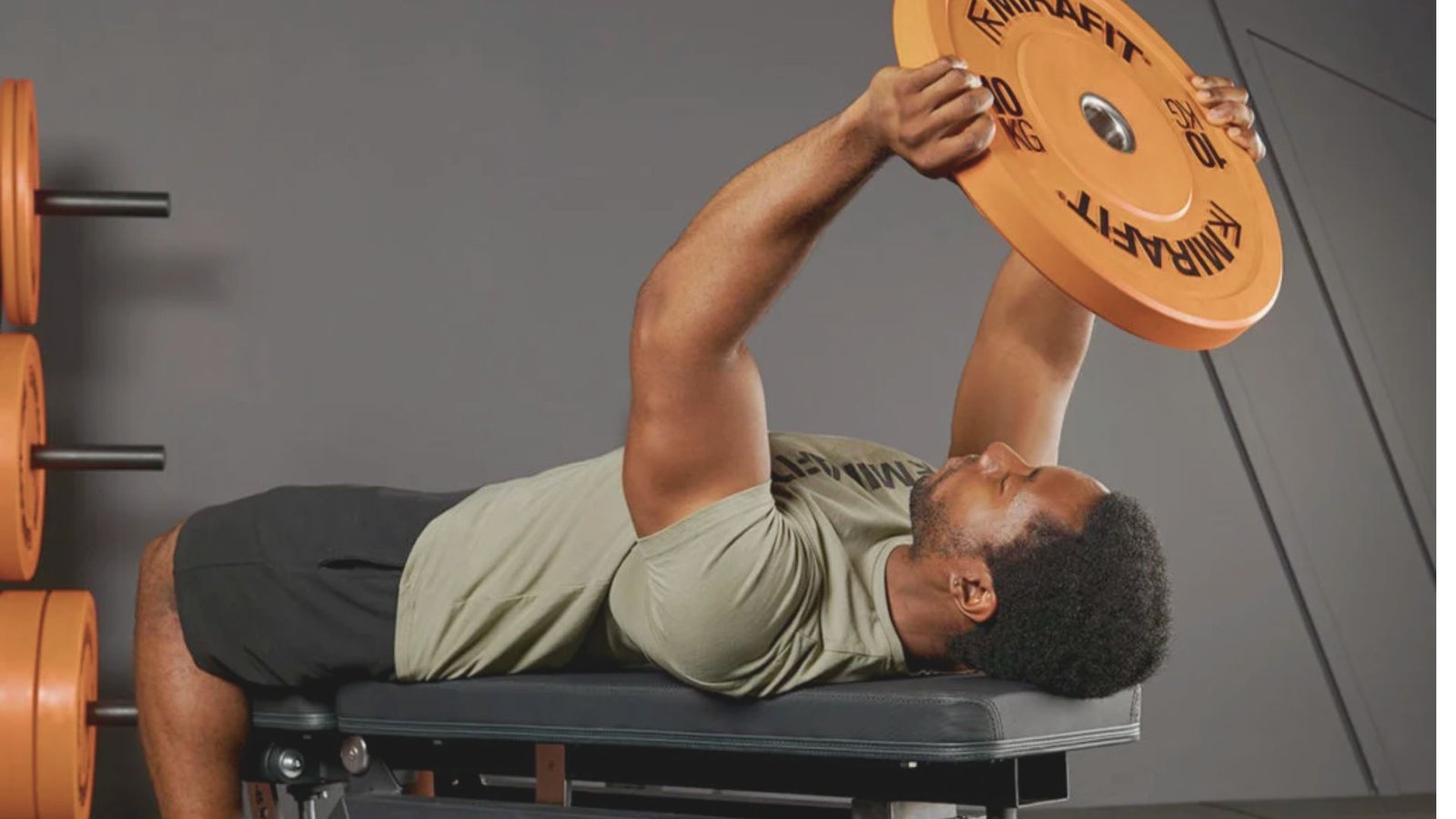
Dumbbell Floor Press
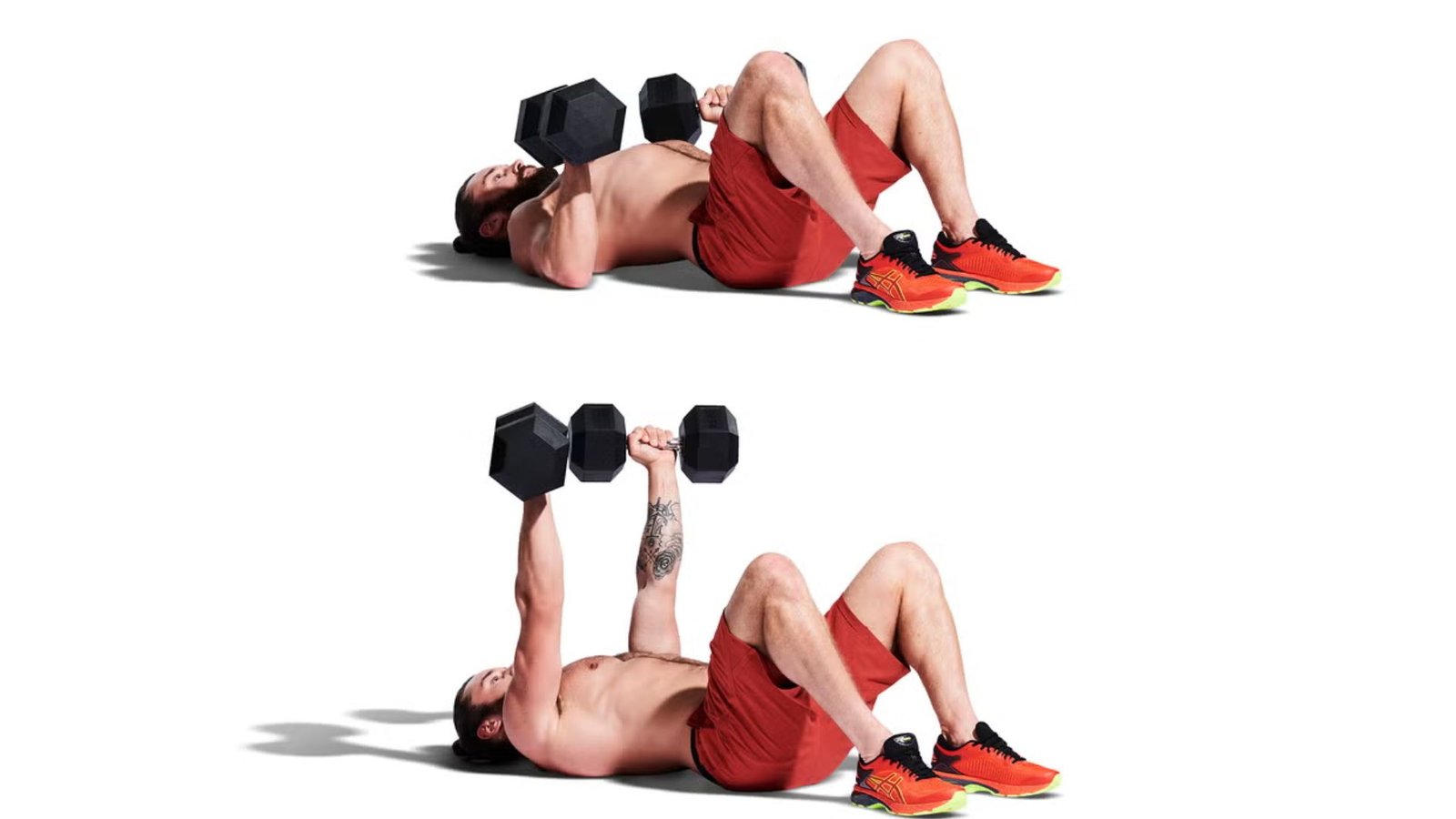
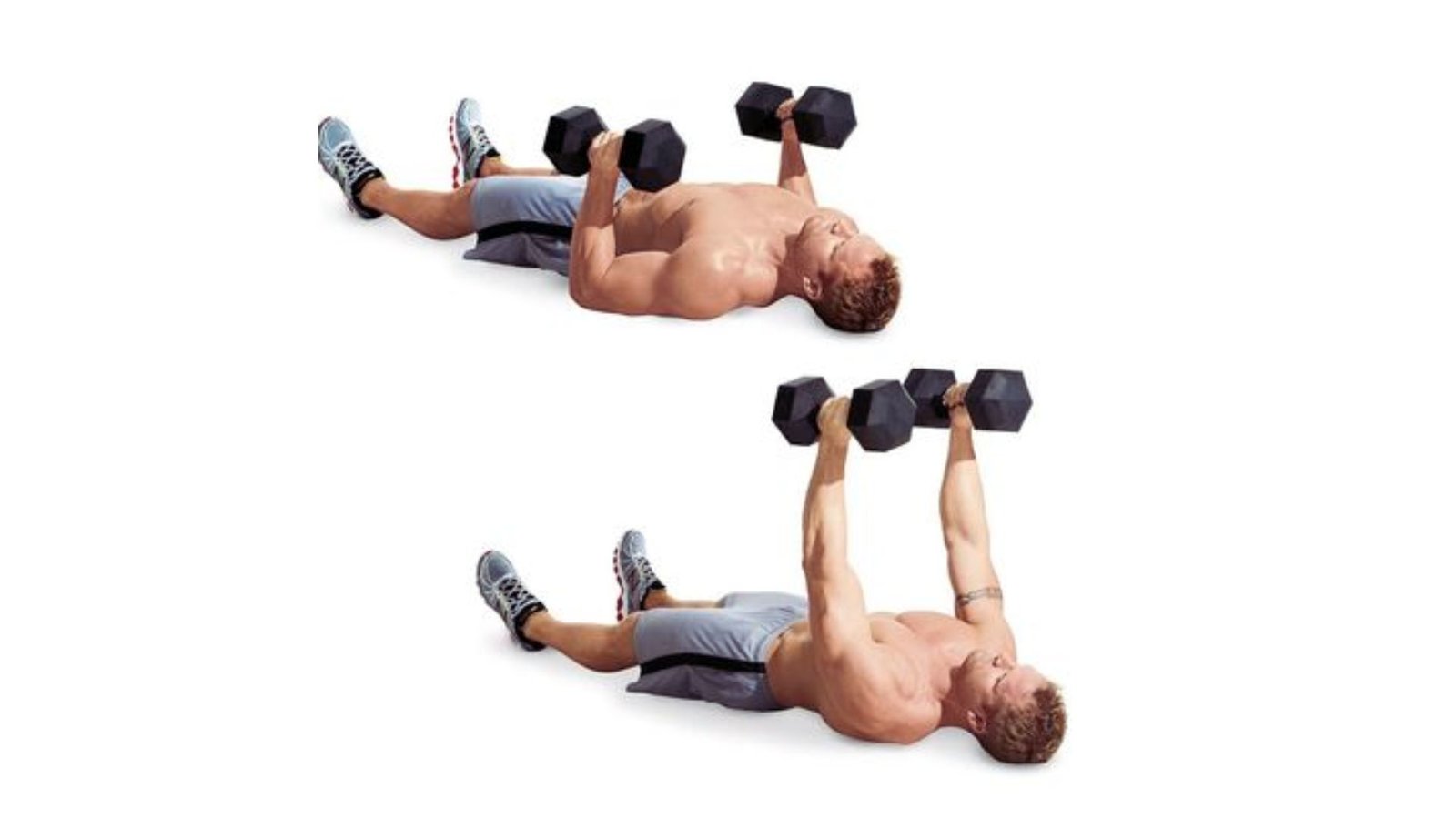
Lie on your back with knees bent. Hold dumbbells above your chest. Lower the weights until your elbows touch the floor.
Press back up. The floor protects your shoulders while building serious pressing strength.
Sample Dumbbell Chest Workout Plan (No Bench)
Build your chest with this simple workout structure. Sets, Reps, and Rest Recommendations:
- Standing Chest Press: 3 sets of 8 to 12 reps, 90 seconds rest
- Dumbbell Floor Press: 3 sets of 10 to 15 reps, 60 seconds rest
- Standing Dumbbell Chest Fly: 3 sets of 12 to 15 reps, 60 seconds rest
- Dumbbell Push-Ups: 2 sets to failure, 90 seconds rest
- Dumbbell T Push-Ups: 2 sets of 6 to 8 reps per side, 60 seconds rest
Do this workout twice per week with at least two days between sessions. Your chest needs recovery time to grow.
Beginner vs Intermediate Workout Adjustments
Adjust your workout based on your experience level for better results and safety.
|
Beginner |
Intermediate |
|
Start with the first three exercises only |
Do the full workout as written |
|
Do 2 sets instead of 3 |
Complete all 3 sets |
|
Use lighter weights and focus on form |
Add weight when you complete all sets with good form |
|
Master the basic movements before adding complexity |
Try tempo variations like 3-second negatives |
|
Take longer rest periods if needed |
Add a fourth set to the main exercises for extra volume |
Benefits of Dumbbell Chest Workouts Without a Bench
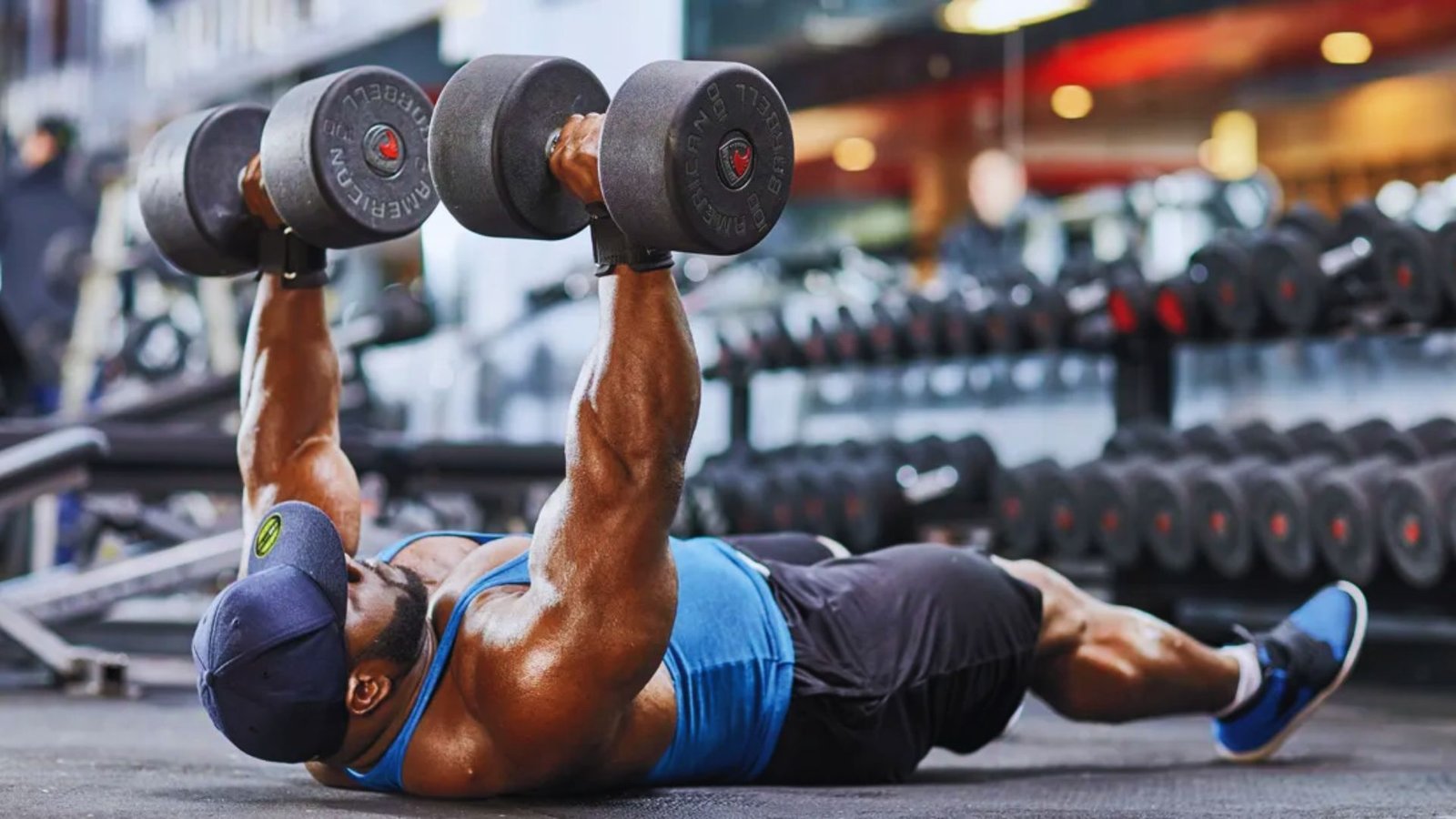
Training without a bench builds strength while protecting your joints and saving space.
- Each arm works independently, fixing strength imbalances over time. Standing and floor exercises engage stabilizer muscles more than bench work. This builds functional strength for sports and daily life.
- Floor presses limit elbow travel, protecting your shoulder joints from excessive stretch. Many people feel shoulder pain from bench pressing, but not from floor work. You get full chest development without joint stress.
- You only need dumbbells and floor space. No bench means more room in your home gym. This setup costs less and stores more easily than a full bench setup.
Common Mistakes to Avoid
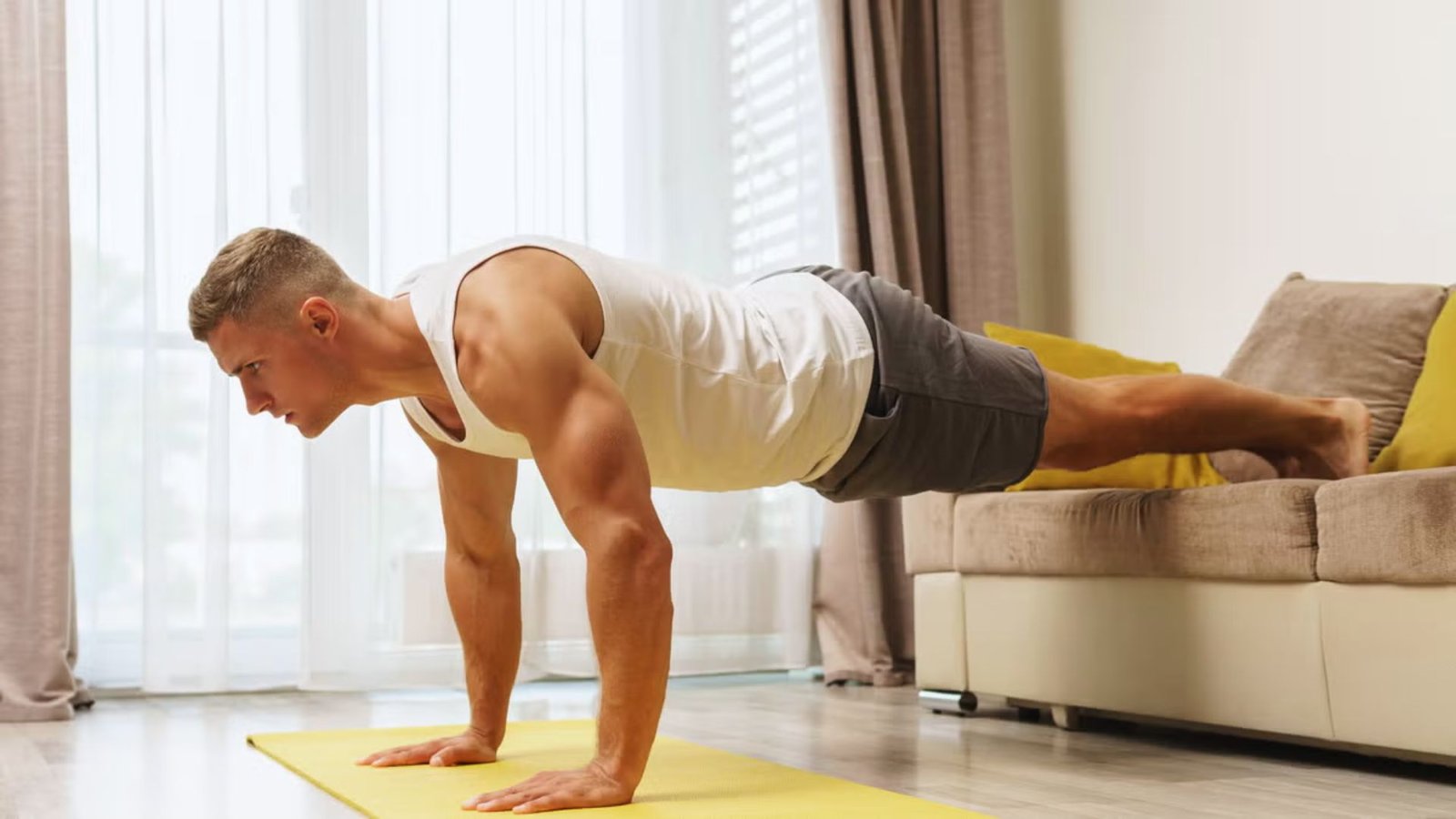
Don’t sabotage your progress with these errors.
- Heavy weights kill your form. Use weights you can control through the full range of motion. You should feel your chest working, not your shoulders. If you’re swinging the weights, go lighter.
- Fast, bouncy reps don’t build muscle effectively. Control the weight on the way down and up. Take at least 2 seconds for each part. Keep your core tight and don’t arch your back excessively.
- Cold muscles are injury-prone. Do 5 to 10 minutes of light cardio before lifting. Then do 1 or 2 warm-up sets with light weights. This preps your joints and reduces injury risk.
Tips to Maximize Chest Growth at Home
Get the most from your bench-free training with these strategies.
- Add weight gradually over time. Increase by 2.5 to 5 pounds when you can complete all sets easily. You can also add reps or sets. Slow down your tempo for harder sets. All of these methods create progressive overload.
- Breathe out as you press the weight up. Breathe in as you lower it down. Never hold your breath throughout the entire set of reps. Try a 2-second lift and 3-second lower for better muscle tension. Fast reps limit growth.
- Train chest 2 times per week for best results. Space workouts at least 2 days apart. Get 7 to 9 hours of sleep per night. Eat enough protein, around 0.8 to 1 gram per pound of body weight. Proper recovery makes all your hard work count.
Conclusion
You can build a strong, defined chest at home with just dumbbells and determination. The exercises in this guide target every part of your pecs without requiring a bench. I’ve used these moves during travel and busy periods when I couldn’t access a full gym.
They work when you stay consistent and push yourself. Start with lighter weights, master your form, and add load over time. Your chest will respond.
Try this workout twice this week and let me know how it goes in the comments below.
Frequently Asked Questions
Can you build a big chest with only dumbbells?
Yes, dumbbells provide enough resistance to build significant chest muscle. You need progressive overload and consistent training. Many bodybuilders started with just dumbbells before accessing full gyms.
How often should I train my chest without a bench?
Train your chest 2 times per week with at least 48 hours between sessions. This allows proper recovery while providing enough stimulus for growth. More frequent training can lead to overtraining.
Are floor presses as effective as bench presses?
Floor presses build similar strength and size despite the shorter range of motion. The reduced range actually protects your shoulders. You might lift slightly less weight, but muscle growth remains comparable.
What weight dumbbells should beginners start with?
Men typically start with 15 to 25-pound dumbbells. Women usually begin with 8 to 15-pound dumbbells. Pick a weight that allows 10 to 12 controlled reps with good form.
Can standing chest exercises replace all bench work?
Standing exercises work your chest effectively but engage more stabilizer muscles. They can fully replace bench work for home training. You’ll build functional strength alongside chest size.