Want to know exactly which recumbent bike muscles worked during your workout? I’ve spent years testing different bikes and tracking muscle engagement patterns.
This guide covers how a recumbent bike targets your legs, glutes, and core. You’ll learn which muscles get the most work, how they compare to upright bikes, and ways to maximize your results.
We’ll discuss the primary and secondary muscles activated during each pedal stroke, plus resistance adjustments and seat positioning techniques.
After coaching dozens of people through their fitness goals, I know what works. Let me show you exactly what happens inside your body when you ride.
How a Recumbent Bike Engages Your Muscles?
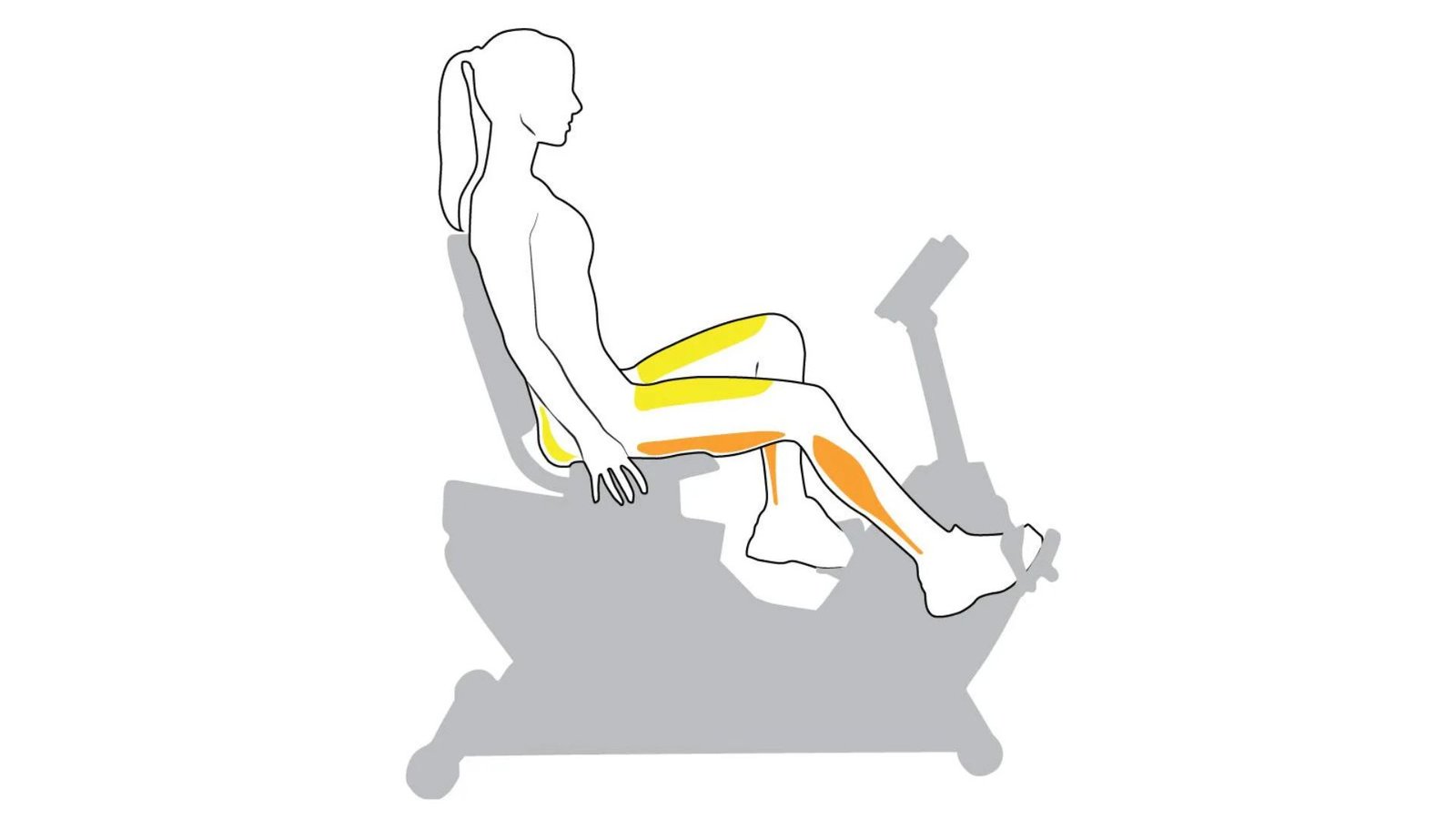
The reclined position changes everything about muscle activation. Your body works differently when you lean back compared to sitting upright.
Reclined Position and Pedal Placement
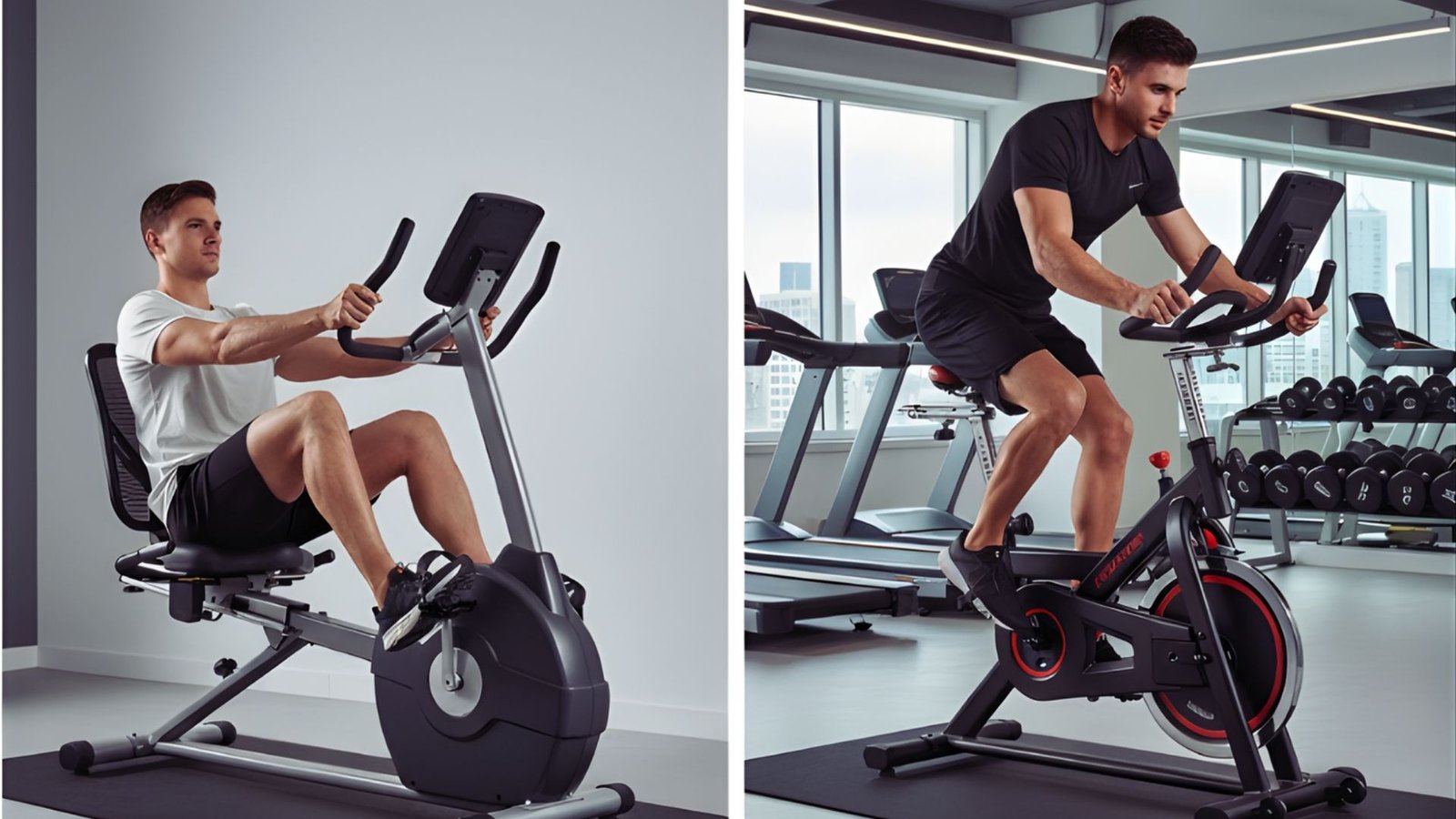
The seat angle puts you in a semi-horizontal position. Your legs push forward rather than down. This setup shifts the workload to different muscle groups.
The pedals sit in front of your body instead of below it. Your hips stay more open throughout the movement. This angle increases hamstring involvement during each stroke.
The backrest supports your spine and reduces pressure on your lower back. Your core doesn’t need to work as hard to keep you stable.
Resistance and Speed Effects on Muscle Activation
Higher resistance forces your muscles to generate more power. Your legs push harder against each pedal stroke. This builds strength over time.
Lower resistance with faster speeds creates an endurance challenge. Your muscles contract repeatedly without a heavy load. This improves stamina and cardiovascular fitness.
Varying your resistance level during rides keeps your muscles guessing. Some days I go heavy and slow. Other days, I keep it light and quick. Both approaches deliver results.
Speed affects how long each muscle stays under tension. Slower cadence means longer contraction time. Faster pedaling reduces individual stroke intensity but increases total repetitions.
Primary Muscles Worked on a Recumbent Bike

Your legs do most of the work during recumbent cycling. Five major muscle groups power every pedal stroke.
- Quadriceps (Front Thigh Muscles): The quads extend your knee during the downward push. These four muscles on your thigh front handle the bulk of pedaling power. They straighten your leg from a bent position.
- Hamstrings (Back Thigh Muscles): The hamstrings pull your leg back during the upstroke. They work harder on a recumbent bike than on most other cardio equipment. The reclined angle increases their involvement significantly.
- Gluteus Maximus (Glutes): Your glutes assist with hip extension throughout each stroke. They activate when you push the pedal away from your body. Strong glutes mean better pedaling efficiency.
- Calf Muscles (Gastrocnemius and Soleus): Your calves point your toes downward during the pedal push. The gastrocnemius sits on top while the soleus lies underneath. Both work together to control ankle movement.
- Tibialis Anterior (Shin Muscles): The shin muscles pull your toes up during the recovery phase. This muscle runs down the front of your lower leg and prevents your foot from dropping too far forward.
Secondary Muscles Activated During Recumbent Cycling
Supporting muscles work behind the scenes. They keep your body stable and aligned throughout your ride.
Hip Flexors
The hip flexors lift your knee toward your chest during the upstroke. The iliopsoas group connects your spine to your upper thigh.
These muscles get a moderate workout during cycling. They stay engaged throughout the pedaling motion.
Core Stabilizing Muscles
Your abs and obliques maintain body position while you pedal. They prevent excessive twisting or tilting.
The recumbent bike requires less core work than an upright bike. The backrest provides external support. Your core still engages to keep you centered.
Lower Back Support Muscles
The erector spinae muscles run along your spine. They help maintain proper posture during your workout.
The backrest reduces lower back strain considerably. These muscles work gently rather than intensely. This makes recumbent bikes ideal for people with back concerns.
Recumbent Bike Muscles Worked vs Upright Bike
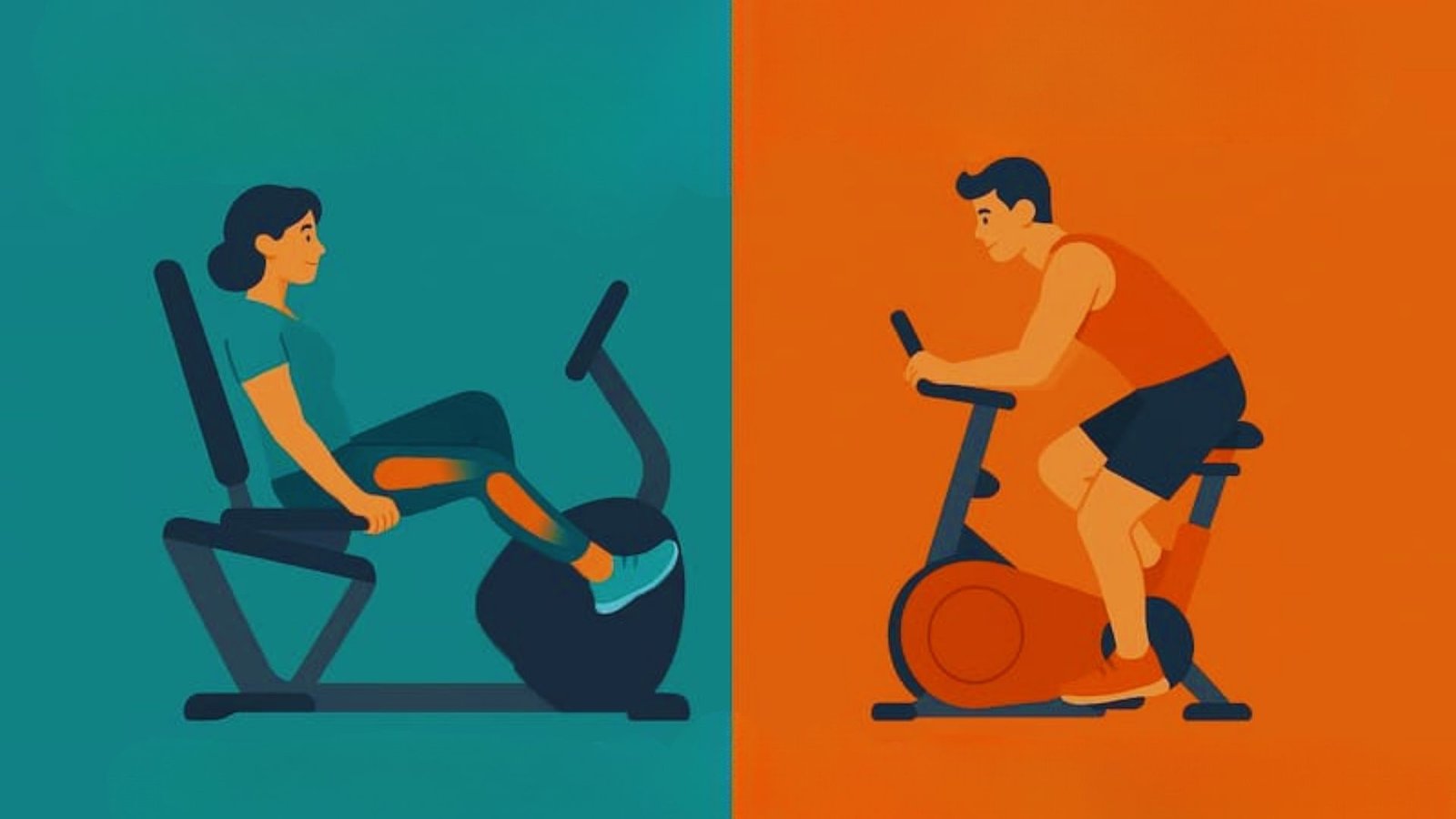
The bike style dramatically changes which muscles work hardest. Each design has distinct advantages.
|
Aspect |
Recumbent Bike |
Upright Bike |
|
Body Position |
Reclined with backrest |
Vertical, self-supported |
|
Core Work |
Minimal |
High |
|
Primary Focus |
Even muscle distribution |
Quad-dominant (70%) |
|
Hamstrings |
30% more activation |
Less involvement |
|
Glutes |
Greater engagement |
Moderate work |
|
Best For |
Balanced leg development |
Quad strength |
I’ve used both styles for years. My quads feel more pumped after upright rides. My hamstrings burn more on recumbent sessions.
How to Target Specific Muscles on a Recumbent Bike?
Small adjustments create big changes in muscle focus. You can customize your workout based on your goals.
Turn up the resistance to make your muscles work harder. Start with moderate resistance levels. Add one or two levels each week as you adapt. Heavy resistance at slow speeds mimics strength training and promotes muscle development.
Seat distance from pedals affects which muscles dominate. Moving closer emphasizes quads. Sitting farther back increases glute and hamstring work. Focus on pushing through your heels to activate your glutes more. Point your toes to increase calf involvement.
Alternate between high and low resistance periods. Thirty seconds hard followed by ninety seconds easy works well. I do intervals twice a week. The variety prevents workout boredom and activates different muscle fiber types.
Is a Recumbent Bike Good for Muscle Strength?
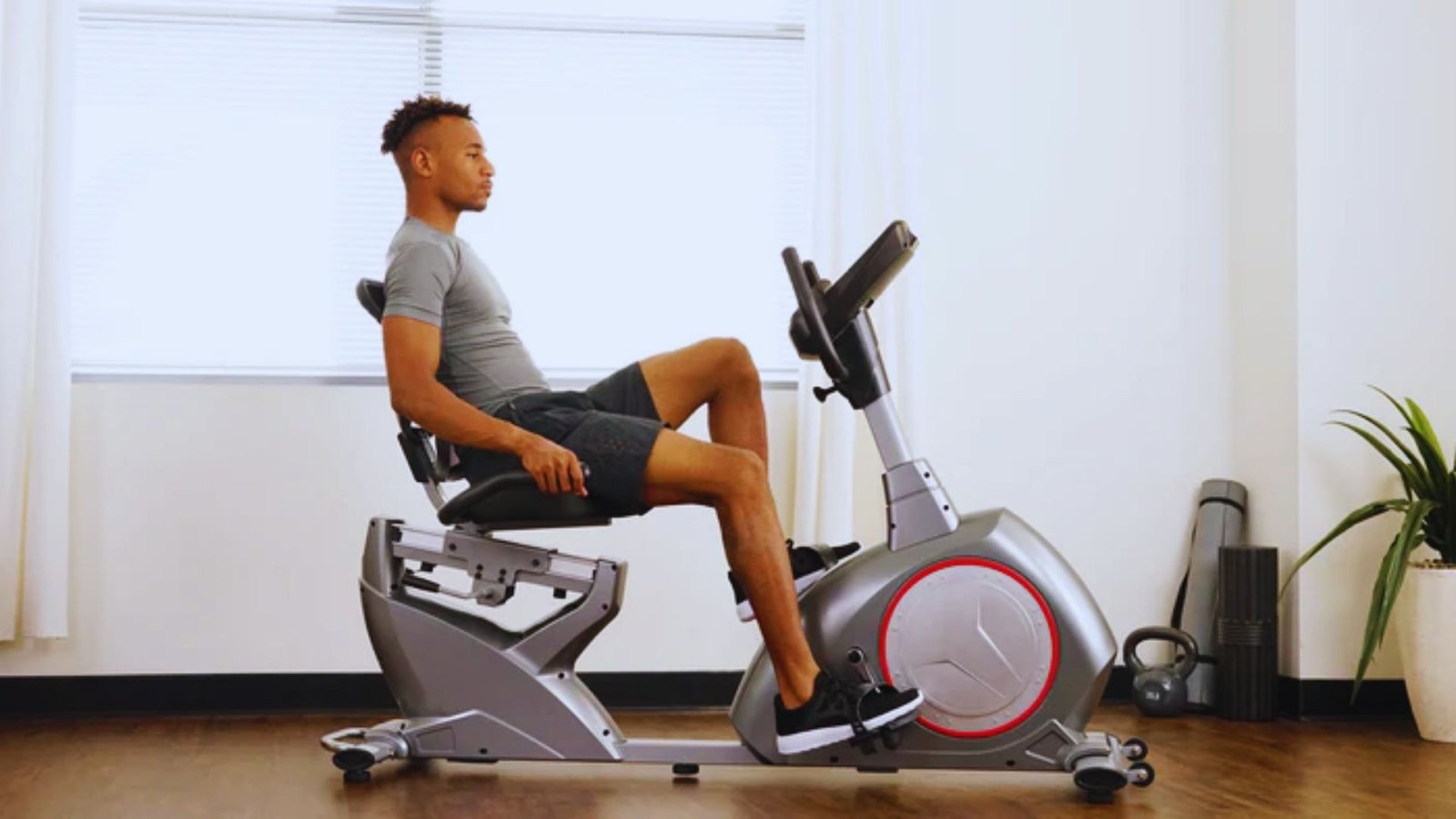
Recumbent bikes build endurance better than raw strength. Understanding the difference helps set realistic expectations.
Cycling primarily develops muscle endurance. Your legs perform hundreds of repetitions per session, which trains muscles to resist fatigue. Most recumbent bikes don’t provide enough resistance for true strength training. You’ll tone your legs and improve stamina. Don’t expect massive muscle gains.
Studies show moderate strength improvements in untrained individuals. Beginners see noticeable leg development during the first few months.
One study found participants gained about 15 percent strength after 12 weeks. That’s decent, but not comparable to weight training results. Your heart and lungs improve more dramatically than your muscles grow.
Who Benefits Most From Recumbent Bike Muscle Training?
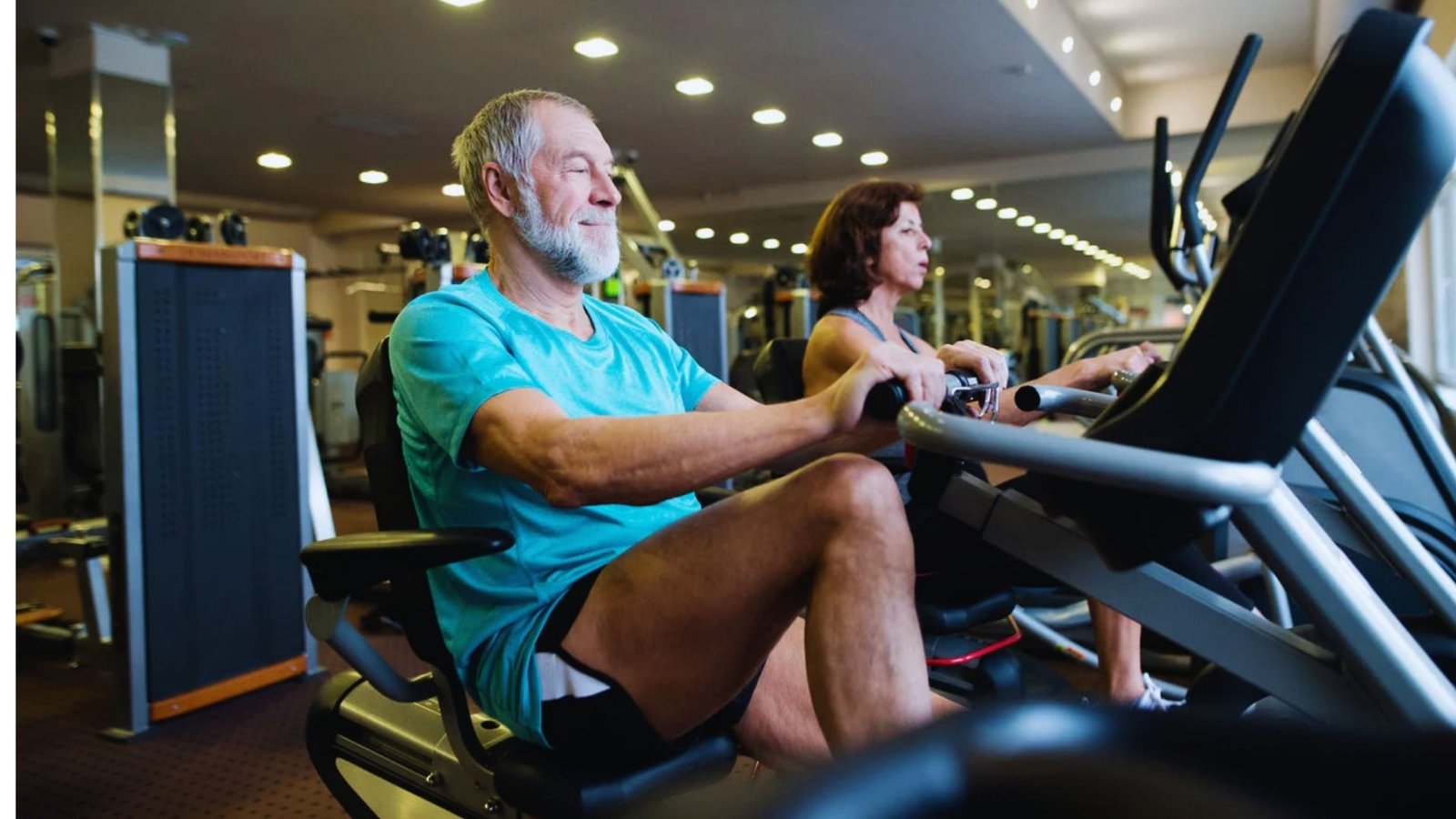
Certain groups find recumbent bikes particularly valuable. The design solves specific challenges many people face.
Beginners and Low-Impact Fitness Seekers
New exercisers appreciate the comfortable seated position. The backrest reduces intimidation compared to standing equipment.
The smooth pedaling motion feels natural. There’s no learning curve as you find with rowing or ellipticals.
Joint stress stays minimal throughout your workout. Your knees and hips move through a controlled range without impact.
Older Adults and Joint-Sensitive Users
The recumbent design eliminates balance concerns. You can’t fall off the bike. This safety factor matters for older users.
Arthritis sufferers report less pain during recumbent cycling. The seated position removes weight-bearing stress.
The backrest supports your spine properly. Older adults with posture issues find this feature helpful.
Rehabilitation and Recovery Programs
Physical therapists often recommend recumbent bikes for injury recovery. The controlled movement rebuilds strength gradually.
Post-surgery patients can start exercising sooner on recumbent bikes. The low-impact nature protects healing tissues.
I’ve seen people return from knee surgery using these bikes. They rebuild leg strength without risking further injury. The progression feels manageable and safe.
Conclusion
Now you know exactly which recumbent bike muscles worked during your rides. Your legs, glutes, and core all contribute to every pedal stroke.
I still remember my first recumbent bike session. My hamstrings burned in ways I’d never felt before. That told me something different was happening compared to my usual workouts.
Start with moderate resistance and build gradually. Pay attention to seat position. Experiment with intervals to keep things interesting.
Have questions about your own muscle activation patterns? Drop a comment below. I’d love to hear about your experience with recumbent bikes and which muscles you feel working most.
Frequently Asked Questions
Does a recumbent bike work your abs?
Your core muscles engage lightly to maintain stability during pedaling. The backrest reduces ab work significantly compared to upright bikes. Don’t expect major core development.
Can you build leg muscle on a recumbent bike?
You’ll improve muscle tone and endurance rather than size. Beginners may see modest growth initially. Heavy resistance settings provide the most muscle-building stimulus available.
How long should I ride for muscle benefits?
Aim for 20 to 30 minutes per session, three to five times weekly. Consistency matters more than duration. Your muscles adapt best to regular training.
Do recumbent bikes work the glutes effectively?
Yes, your glutes activate during hip extension throughout each pedal stroke. The reclined position actually increases glute involvement compared to upright bikes. Focus on pushing through your heels.
Is a recumbent bike better than walking for the legs?
Both activities offer different benefits. Recumbent bikes provide adjustable resistance for progressive training. Walking adds a bone-strengthening impact. Combining both creates a well-rounded program.