
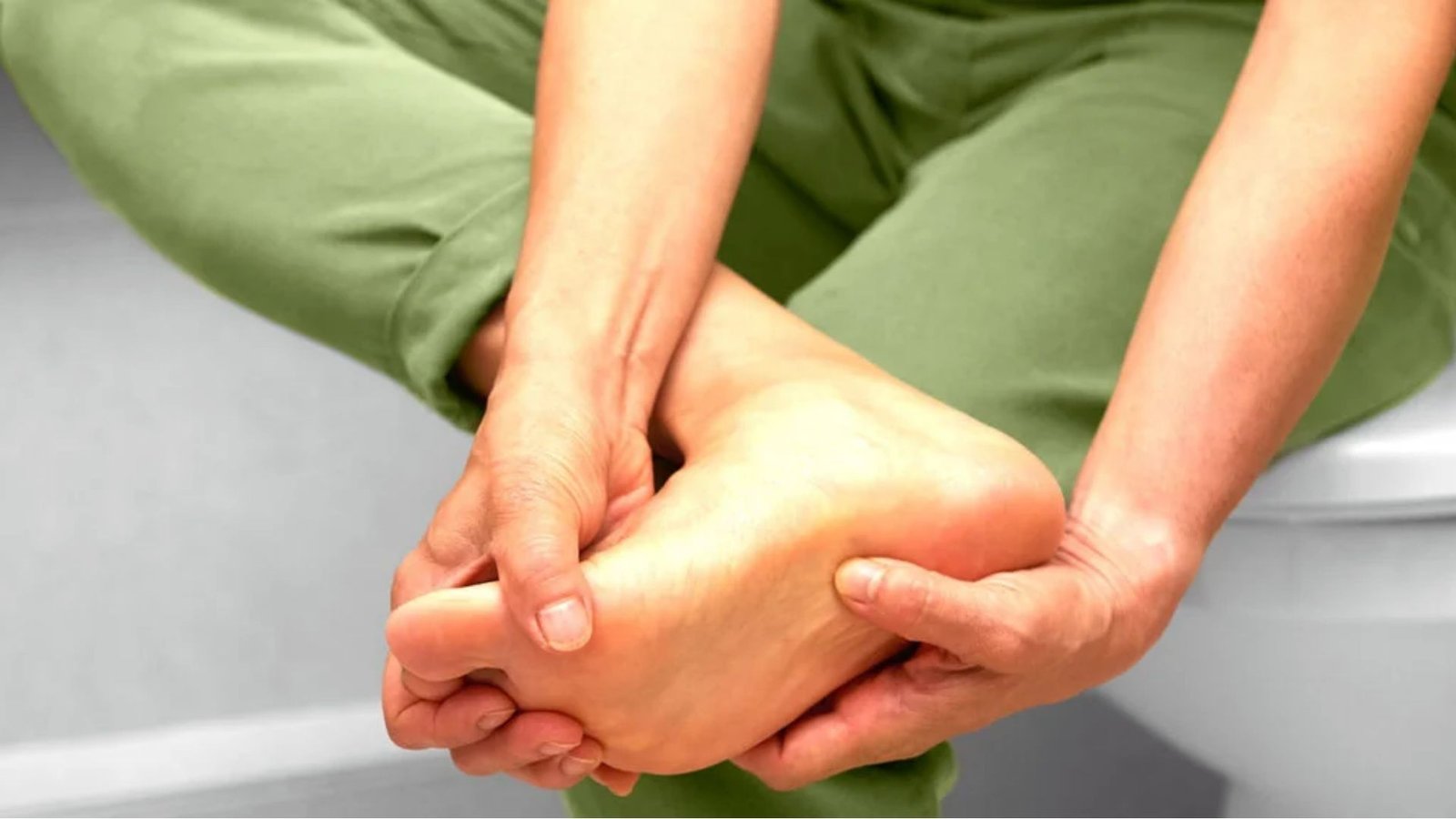
If you’re dealing with sharp heel pain that won’t quit, you’re probably wondering. Does massage help plantar fasciitis? I’ve been there, and I know how frustrating it feels when every step hurts.
The short answer is yes, massage can help. In this article, I’ll show you exactly how massage reduces pain, which techniques work best, and when you need more than massage alone.
We’ll cover the science behind relief, methods to try at home, and what to expect from professional therapy. I’ve tested these solutions myself.
You’ll walk away knowing how to use massage for real relief.
Understanding Plantar Fasciitis
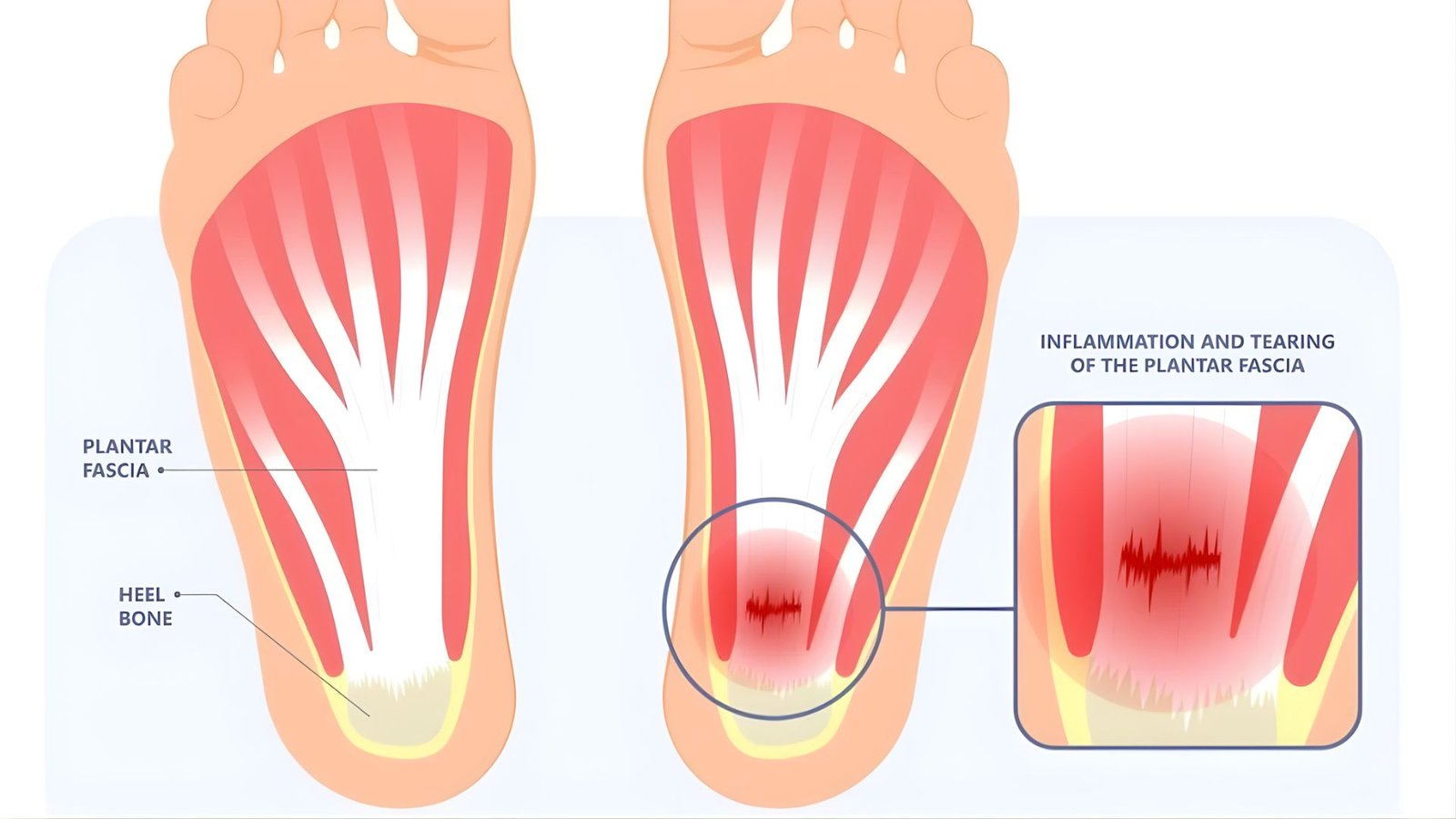
Plantar fasciitis happens when the thick band of tissue running along your foot’s bottom becomes inflamed and painful.
What Is Plantar Fasciitis?
Your plantar fascia is a strong ligament that connects your heel to your toes. It supports your arch and absorbs shock when you walk.
When this tissue gets overused or strained, tiny tears develop. Inflammation follows, causing the classic heel pain that makes plantar fasciitis so miserable.
Common Symptoms of Plantar Fasciitis
Morning heel pain is the biggest telltale sign. That first step out of bed can feel like stepping on glass.
The pain usually lessens as you move around, but it comes back after long periods of standing or sitting. Your arch feels stiff and tight, with a deep ache running along the bottom of your foot.
How Massage Helps Plantar Fasciitis
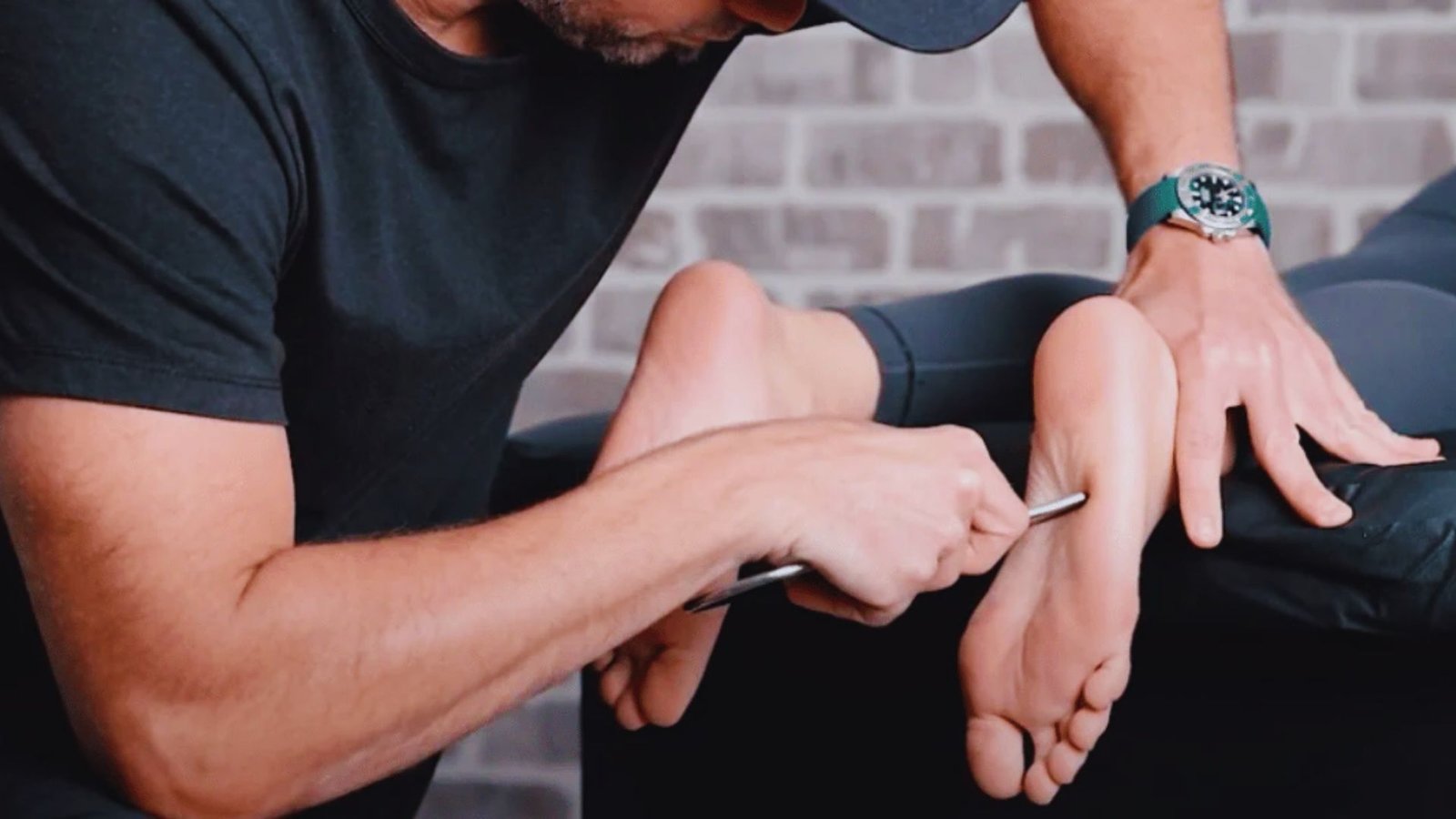
Massage targets the root causes of plantar fasciitis pain by addressing inflammation, tightness, and restricted blood flow in your foot.
Reduces Pain and Inflammation
When you massage the affected area, you boost circulation. Fresh blood carries oxygen and nutrients to damaged tissue, speeding up healing.
Massage also helps flush out inflammatory chemicals that build up around the plantar fascia. The pressure relaxes tight fascia, stopping it from pulling so hard on your heel bone.
Improves Flexibility and Foot Mobility
Massage loosens up the plantar fascia and surrounding muscles, giving your foot a better range of motion. Your arches become more flexible, which helps distribute weight evenly when you walk.
Better flexibility means less strain on the plantar fascia during daily activities.
Supports Natural Healing
Increased blood flow from massage creates the ideal environment for tissue repair. More blood means more healing cells reach the damaged fascia.
Regular massage keeps the tissue supple and prevents scar tissue from forming.
Best Massage Techniques for Plantar Fasciitis
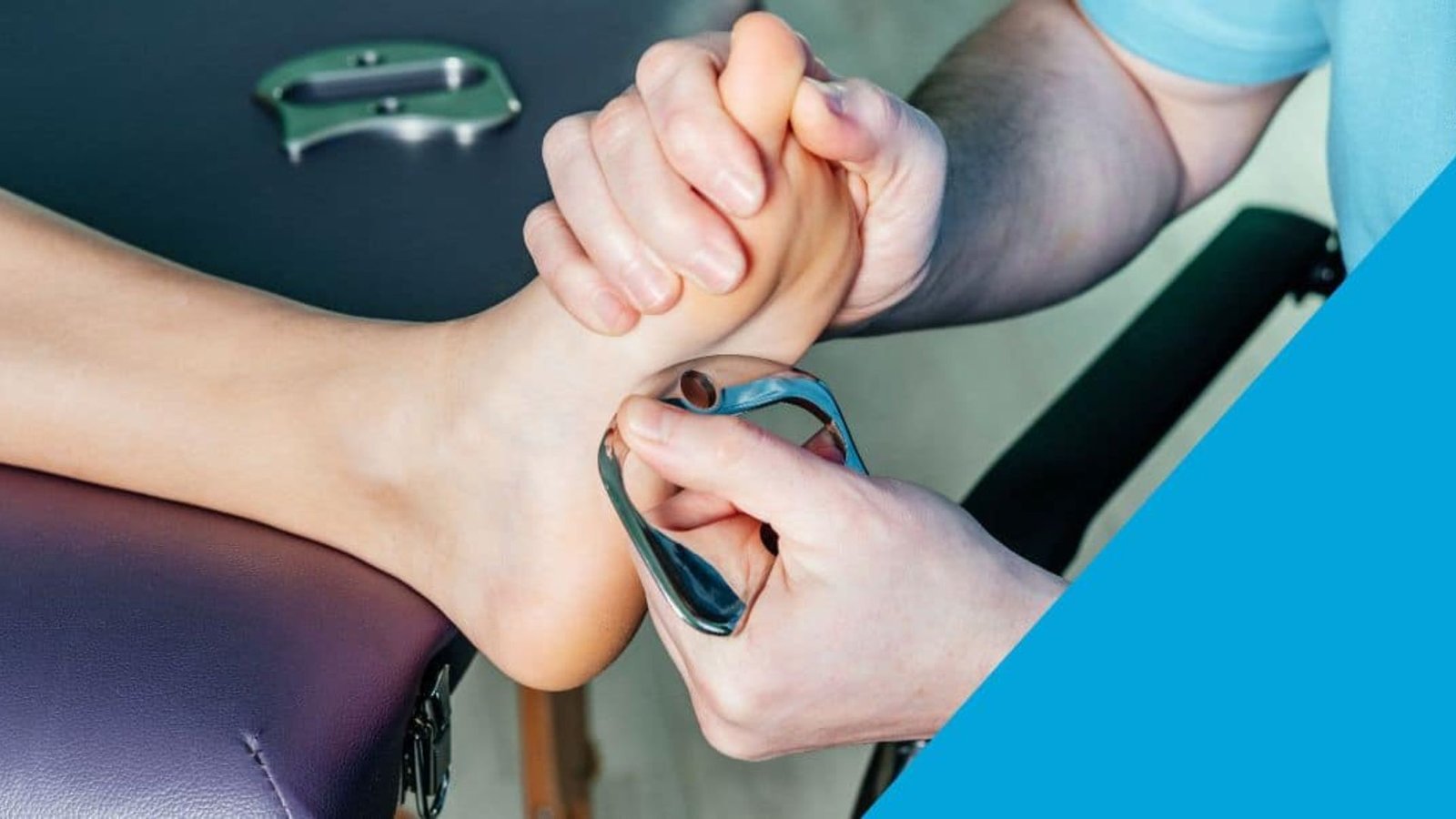
Different massage methods target plantar fasciitis pain in specific ways, giving you options based on your comfort level and pain severity.
Deep Tissue Massage
This technique applies firm, sustained pressure to reach the deeper layers of your plantar fascia. It’s especially helpful when the tissue has thickened from chronic inflammation.
A therapist uses their knuckles, elbows, or forearms to break up adhesions and knots.
Trigger Point Therapy
Trigger points are tight knots in your muscles that refer pain to other areas. The therapist applies direct pressure to these spots for 30 to 90 seconds.
Releasing foot and calf tension through trigger points can dramatically reduce heel pain.
Myofascial Release
This gentle technique involves stretching the fascia slowly and steadily. The therapist uses light pressure and holds it until the tissue relaxes and lengthens.
It’s a slower process than deep tissue work, but many people find it more comfortable and just as effective.
Self-Massage Techniques at Home
Ball rolling is simple and effective. Use a tennis ball, lacrosse ball, or frozen water bottle. Place the ball under your arch and roll it slowly from heel to toes.
Manual thumb pressure works well, too. Use your thumbs to press along the fascia, starting at the heel and working toward your toes.
Do these for five to ten minutes daily.
Professional Massage vs At-Home Massage
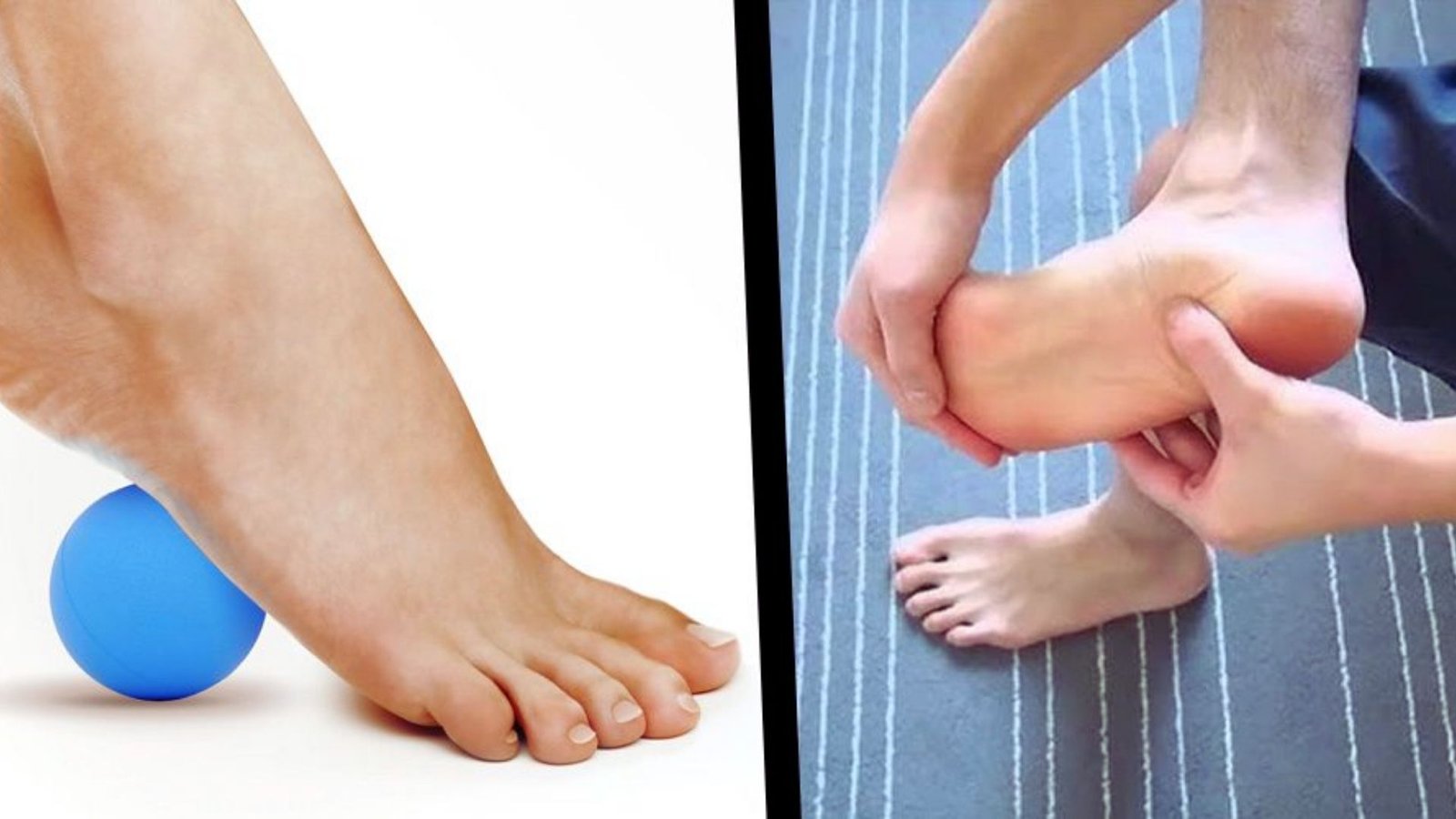
Both professional and at-home massage have their place in treating plantar fasciitis, depending on your needs and pain level.
|
Professional Massage Therapy |
At-Home Massage |
|
Trained therapists know exactly where to apply pressure |
Works well for early-stage pain |
|
Can identify problem areas you might miss |
Perfect for daily symptom management |
|
Provides personalized care based on your symptoms |
More convenient and costs less |
|
Uses techniques hard to do yourself, like deep tissue work |
Simple tools like balls get good results |
Treatments That Enhance Massage Results
Massage works better when combined with other proven treatments that address the underlying causes of plantar fasciitis.
Stretching and Strengthening Exercises
Calf stretches are crucial. Tight calf muscles pull on your Achilles tendon, which increases tension on the plantar fascia. Stretch them three times daily.
Pull your toes back toward your shin before getting out of bed each morning. Strengthening exercises like towel curls build support for your arch.
Proper Footwear and Orthotics
Your shoes matter more than you think. Arch support is critical for reducing strain on the plantar fascia. Avoid flat shoes and flip-flops.
Orthotics provide extra cushioning and support exactly where you need it. Replace worn-out shoes regularly.
Lifestyle and Activity Adjustments
Reducing foot strain gives your fascia time to heal. Take breaks if you stand all day at work.
Avoid running or high-impact activities until the pain improves. Swimming and cycling are better choices since they don’t stress your feet.
How Often Should You Massage for Plantar Fasciitis?
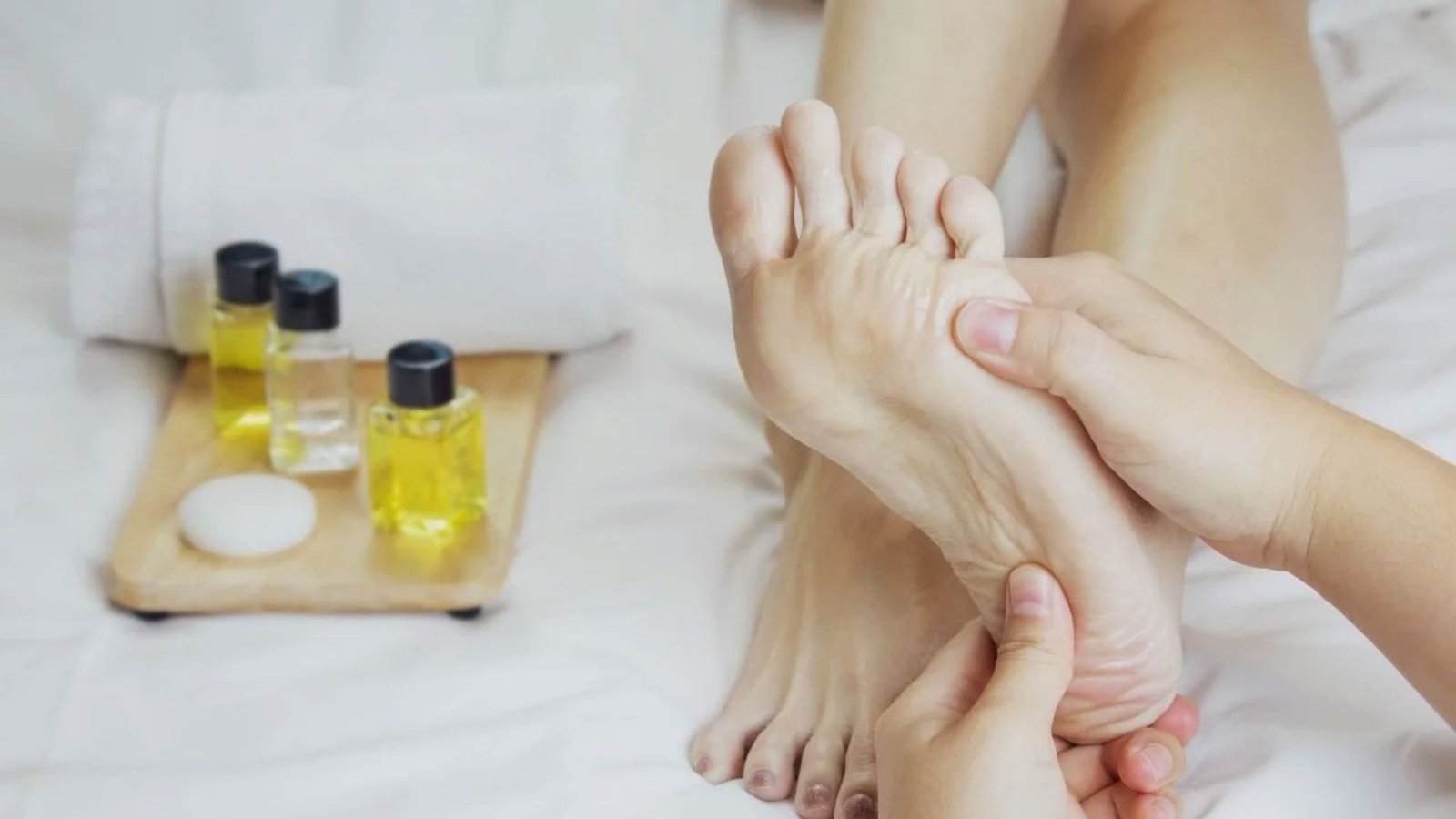
Frequency matters when using massage to treat plantar fasciitis, but more isn’t always better.
- A little massage every day works better than doing too much at once.
- Roll or massage your foot for 5–10 minutes, once in the morning and once at night.
- If you’re seeing a therapist, weekly sessions at first usually help most.
- Pain or soreness that lasts more than a day means you’re pushing too hard.
- If your foot feels worse or you notice bruising, stop and talk to a healthcare provider.
When Massage Alone Isn’t Enough?
Massage helps most people with plantar fasciitis, but sometimes you need additional medical care to fully recover.
Persistent pain that lasts more than three months despite consistent home treatment needs professional evaluation. Difficulty walking or noticeable swelling that doesn’t go down requires immediate attention. Pain that gets progressively worse, numbness in your foot, or pain that spreads up your leg are all red flags.
Sometimes you need physical therapy, cortisone injections, or even surgery. Massage can still help alongside these treatments.
Conclusion
Massage truly helps plantar fasciitis by reducing inflammation, improving flexibility, and supporting your body’s natural healing process.
I know how discouraging heel pain can be because I’ve dealt with it myself. That stabbing morning pain used to stop me in my tracks. But combining massage with proper shoes and daily stretches changed everything for me. You don’t need to suffer through every step.
Start with simple ball rolling today and be consistent. Your feet deserve this care. Have questions or want to share what’s worked for you?
Drop a comment below. I’d love to hear your story.
Frequently Asked Questions
Can massage make plantar fasciitis worse?
Yes, if done incorrectly. Applying too much pressure or massaging inflamed tissue too aggressively can increase pain. Start gently and gradually increase pressure as your foot tolerates it.
How long does it take for a massage to help plantar fasciitis?
Most people notice improvement within two to four weeks of consistent daily massage. Complete recovery typically takes several months when massage is combined with stretching and proper footwear.
Should I massage my foot if it hurts a lot?
Gentle massage is usually safe, but avoid deep pressure on severely inflamed tissue. If touching your heel causes sharp pain, ice it first and use very light pressure.
What’s the best time of day to massage plantar fasciitis?
Morning massage before your first steps helps reduce that sharp heel pain. An evening massage after a long day relieves accumulated tension. Doing both gives the best results.
Can I use a massage gun on plantar fasciitis?
Yes, but use caution. Set the massage gun to the lowest speed and avoid direct pressure on the heel bone. Focus on the arch and calf muscles instead.


