Starting powerlifting can feel overwhelming. You see countless programs online, but which one actually works? I’ve been there, and I know how frustrating it is to waste months on the wrong approach.
This article covers what makes a beginner powerlifting program effective. You’ll learn how to pick a program that builds real strength safely. We’ll cover program structure, progression methods, safety practices, and competition prep.
The right program changes everything. You’ll avoid common mistakes that stall progress and risk injury. Let’s build your foundation the right way.
What Is a Beginner Powerlifting Program?

A beginner powerlifting program teaches you the three main lifts while building strength. These programs focus on proper form and steady progress over time.
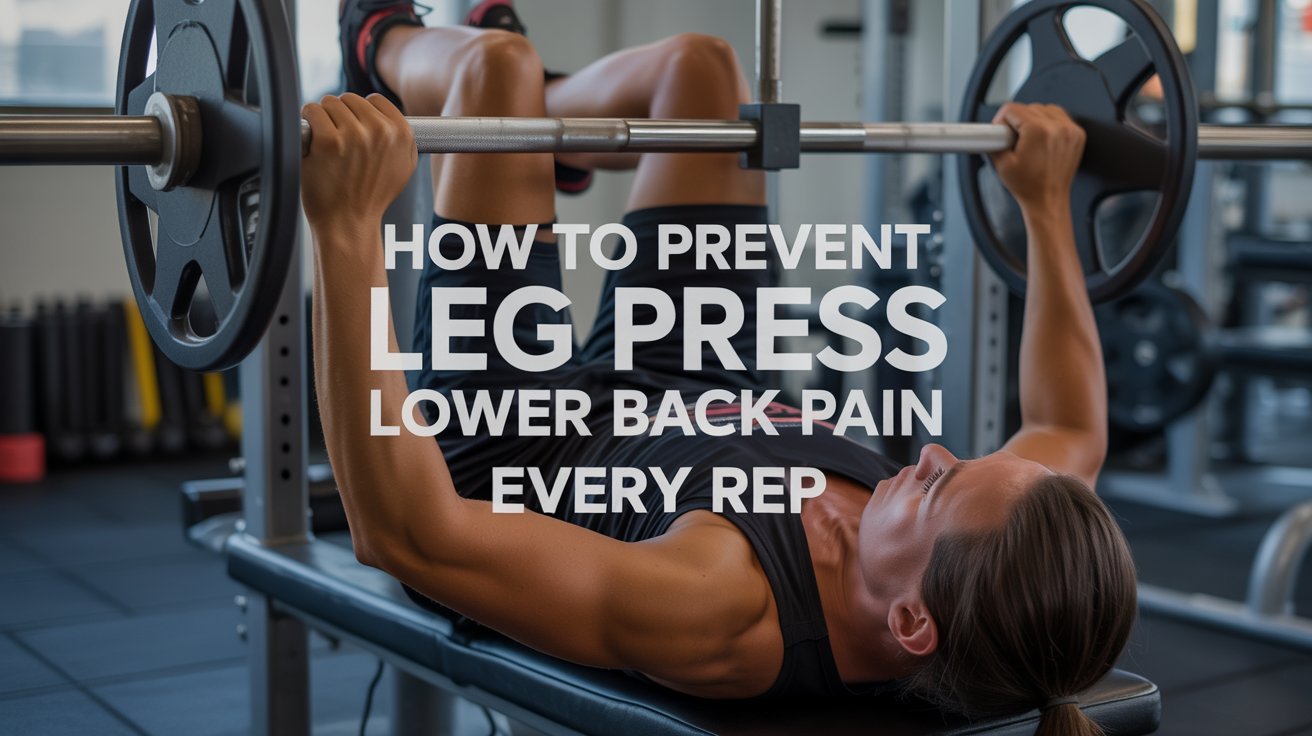
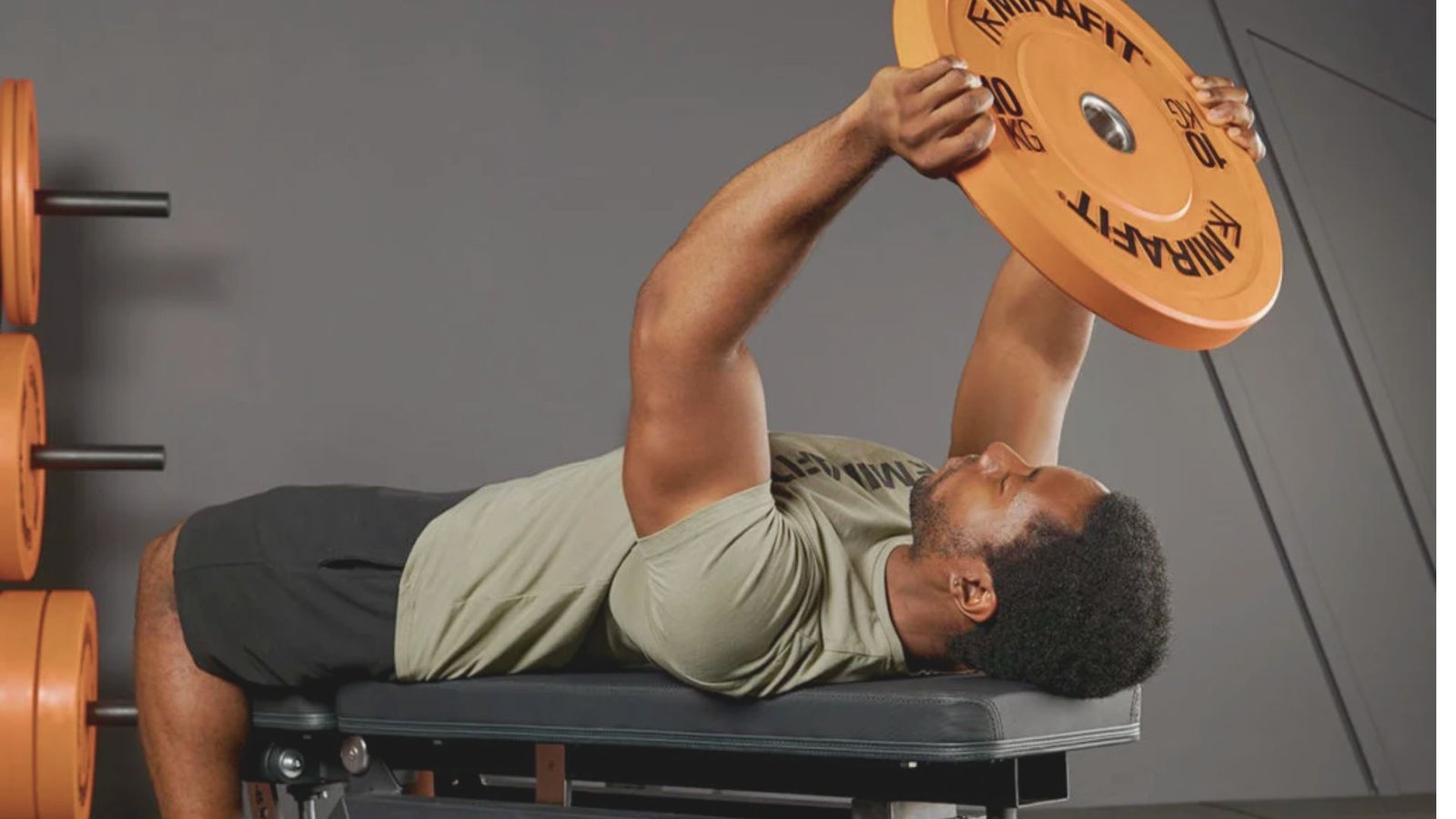
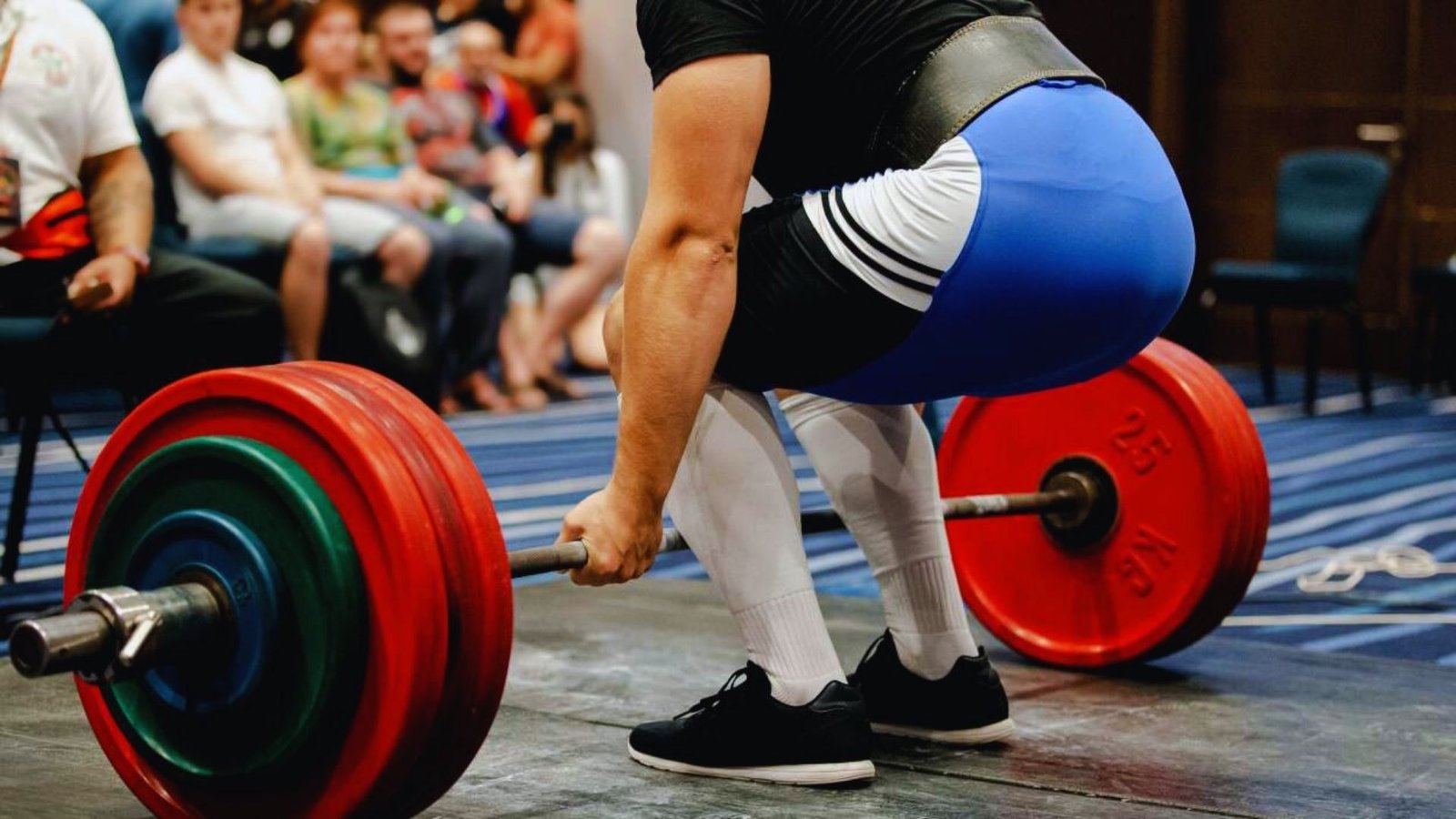
The squat, bench press, and deadlift form the core of powerlifting. The squat targets your legs and core. The bench press works your chest, shoulders, and triceps. The deadlift builds total body strength. These three lifts work together and build strength through your entire body.
Powerlifting is a technical sport. Learning proper technique comes first. Competition standards require specific movement patterns.
Your squat must reach proper depth. Your bench press needs a controlled pause on the chest. Your deadlift demands no hitching or dropping the bar. Good programs teach you both skills while gradually adding weight.
Why Program Selection Matters for Beginners?
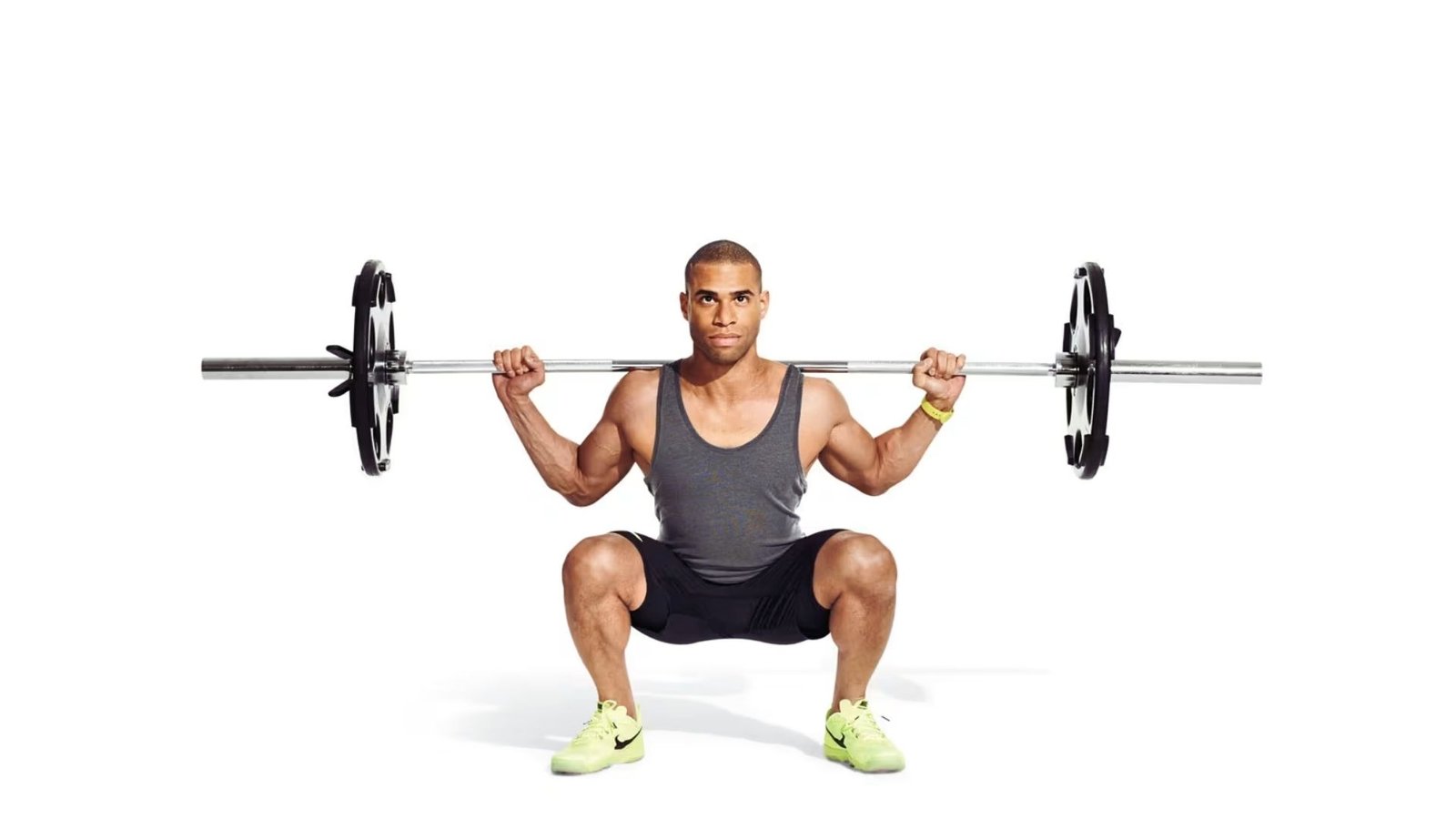
Your first program shapes your entire lifting career. The right choice accelerates progress. The wrong one wastes precious time.
Beginners have massive growth potential. Your body responds quickly to training stimulus in the first year. Poor programming wastes this window.
Random workouts might build some strength, but you’ll miss out on systematic progress. A structured program multiplies your results while keeping you safe. Your tendons and ligaments need time to adapt.
Generic programs lack proper progression planning. Unverified programs carry real injury risk. Someone’s personal routine won’t match your needs.
Their recovery ability and body mechanics differ from yours. Programs without structured progression lead to plateaus or overuse injuries.
Key Factors to Look for in a Beginner Powerlifting Program
Several factors separate effective programs from time-wasters. Learn what matters before you commit.
Who Created the Program?
Program creators matter tremendously. Look for coaches with real powerlifting experience. They understand how beginners actually progress.
Credible organizations produce better programs. Companies with successful coaching track records know what works. They’ve trained hundreds of lifters through the beginner phase.
Avoid programs from random internet sources. Just because someone is strong doesn’t mean they can coach. Teaching requires different skills than lifting.
Program Structure and Clarity
Clear structure keeps you consistent. You should know exactly what to do each training day. No guesswork about sets, reps, or exercise selection.
Training frequency affects your results. Most beginners train three to four days weekly. This balances work and recovery effectively.
Good programs outline your progression path. You can see how weights increase over weeks and months. This clarity builds confidence and motivation.
Balanced Training Variables
Volume measures your total work. Intensity refers to the weight on the bar. Frequency tracks how often you train. Rest determines your recovery.
Beginners need controlled exposure to each variable. Too much volume causes excessive soreness. Too much intensity risks injury. Too little of either limits growth.
Quality programs balance these factors. They provide enough stimulus to grow without overwhelming your system. The balance shifts as you adapt.
Beginner Powerlifting Program Structure
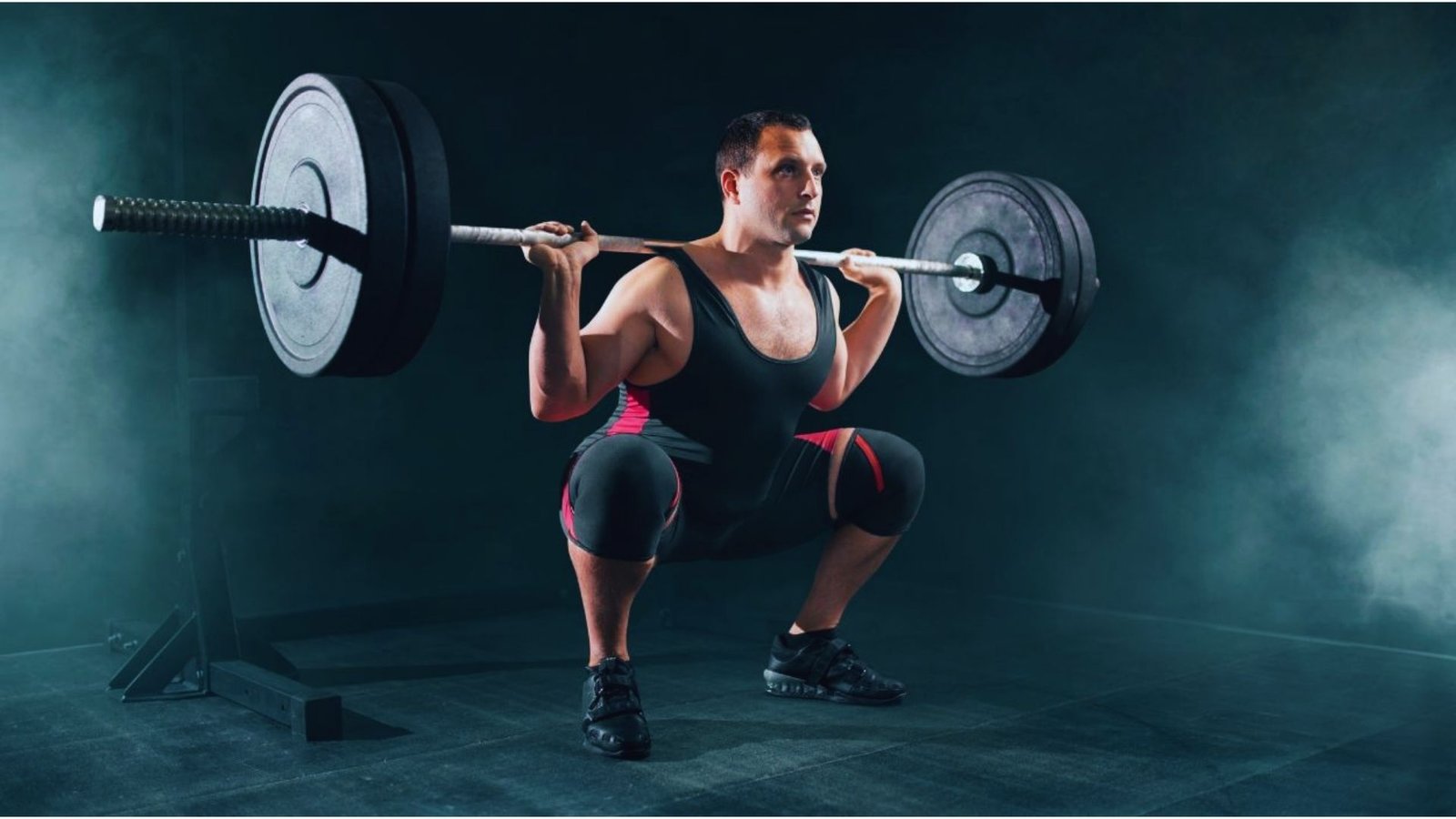
Most beginner programs follow similar structural principles. Understanding the basics helps you evaluate any program.
Three to four training days work best for beginners. Some programs split training into lower and upper body days. Others use full-body sessions.
Lower body days focus on squats and deadlifts. Upper body days center on the bench press. You’ll typically bench two to three times per week. Hard days alternate with lighter ones for better recovery.
Main lifts are your competition movements. These take priority in every session. You perform them when you’re fresh and focused. Accessory exercises support your main lifts. Rows build your back for better deadlifts.
Leg press adds volume without taxing recovery. Good programs balance the main work and accessories.
Powerlifting Program Progression for Beginners
Progression keeps you moving forward. Understanding realistic timelines prevents frustration.
Most beginners add weight monthly. Your squat might jump 20 pounds while your bench increases 10 pounds. Adding 5 to 10 pounds monthly on main lifts shows excellent progress. Small gains compound into big numbers over time. Track more than just weight on the bar. Note how hard sets feel and monitor your form quality.
You’ll outgrow beginner programming after six months to a year. Recovery becomes harder, and linear progression stalls.
Your technique solidifies, and movement patterns feel automatic. Intermediate programs use more complex progression schemes. Moving up at the right time maintains your growth trajectory.
Equipment and Gym Requirements for Beginners
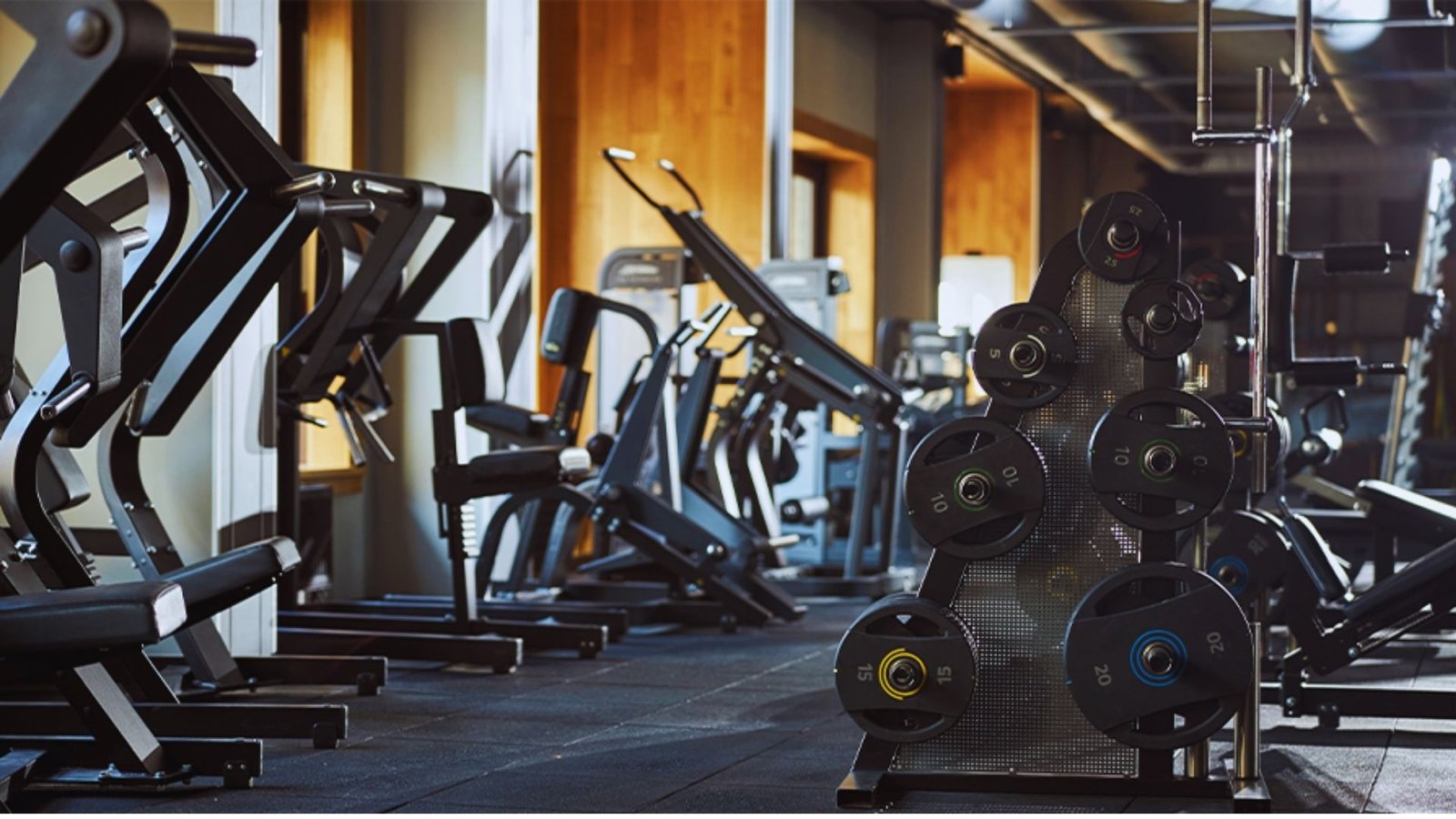
You don’t need much gear to start. Basic equipment supports safe training.
Powerlifting Gear Basics
A lifting belt supports your core during heavy squats and deadlifts. Don’t rush to buy one immediately. Learn to brace properly first.
Knee sleeves provide warmth and minor support. They’re helpful but not required early on. Wrist wraps stabilize your wrists during heavy bench pressing.
Lifting shoes improve squat mechanics. The raised heel helps you hit depth more easily. Flat shoes work fine for deadlifts. Many beginners train in basic athletic shoes at first.
Training in a Powerlifting Gym vs a Home Gym
Both options work well for beginners. Choose based on your priorities and lifestyle.
|
Powerlifting Gym |
Home Gym |
|
Competition equipment with proper bars, plates, and racks |
Convenience with no commute time |
|
Motivating environment through community |
Train on your own schedule |
|
Safeties and spotters available |
Basic equipment costs money upfront, but pays off long-term |
|
Access to experienced lifters |
Need proper rack setup and practice bailing safely |
Tips for Safety and Injury Prevention
Staying healthy keeps you training consistently. Smart practices prevent most injuries.
- Learn proper technique from day one. Competition-standard movement patterns build strength safely. Video yourself regularly and compare your lifts to experienced lifters.
- Let your joints adapt gradually. Your tendons and ligaments need time to catch up with your muscles. Proper technique ensures force is distributed appropriately.
- Train with intention, not ego. Some days you push hard. On other days, you practice technique with lighter weights. Your progress path differs from everyone else’s.
- Listen to your body’s warning signals. Unusual pain demands attention. Pushing through warning signs creates injuries that sideline you for weeks.
- Make small form adjustmentsearly. Minor technique issues now prevent major problems later. Regular video checks catch issues before they become ingrained patterns.
Preparing for Your First Powerlifting Meet
Competition gives your training purpose. Knowing when and how to compete helps you prepare.
Most beginners compete after six to twelve months of training. You don’t need to be strong to compete. You just need consistent training and basic technique.
You should feel comfortable with competition commands and have reasonably consistent form. Competing teaches you things training never does.
Avoid weight cuts for your first meet. Compete at your natural body weight. Local meets offer the best first experience. You’ll lift near home with supportive crowds. Research meet directors and read reviews. A well-run local meet makes your debut enjoyable and educational.
Conclusion
I started powerlifting with a random internet program. I spun my wheels for months before finding proper coaching. That wasted time taught me that program quality matters.
You now understand what makes a beginner powerlifting program work. Choose something created by experienced coaches. Follow the structure consistently. Focus on technique while building strength steadily.
Your foundation determines everything that comes later. Start right, and you’ll progress for years. Take action today. Pick a proven program and begin your training.
What questions do you still have about starting powerlifting? Share them in the comments below.
Frequently Asked Questions
How long should I follow a beginner powerlifting program?
Most beginners stay on beginner programs for six to twelve months. You’ll know it’s time to move on when linear progression stops working and your body needs more complex programming.
Can I start powerlifting without a coach?
Yes, many lifters start with quality online programs. Video yourself regularly and consider getting form checks from experienced lifters online or hiring a coach for occasional sessions.
How many days per week should beginners train?
Three to four days a week works best for most beginners. This frequency builds strength while allowing adequate recovery without overwhelming your system.
Do I need a powerlifting gym to start?
No, any gym with barbells, plates, and racks works fine. Powerlifting gyms offer better equipment and community, but many successful lifters start in regular commercial gyms.
When can I compete in my first powerlifting meet?
You can compete after three to six months of consistent training. Basic technique knowledge and familiarity with competition commands are enough to get started.