
I’ve worked with wrestlers who face intense pressure to drop weight fast. If you’re searching for a wrestling diet to lose 10 pounds in a week, I understand the urgency you feel before weigh-ins.
This article covers the truth about rapid weight loss, the risks you need to know, and safer alternatives that actually work.
I’ll break down what happens to your body during extreme cutting, why most methods are dangerous, and how to lose weight without destroying your performance or health.
You’ll learn about water weight versus fat loss, what medical experts recommend, and practical nutrition strategies.
I’m here to help you make smart choices that keep you strong on the mat while hitting your weight class safely.
Can Wrestlers Safely Lose 10 Pounds in a Week?

Rapid weight loss is mostly water, not fat. Your body cannot burn 10 pounds of actual fat in seven days. To lose one pound of fat, you need to burn 3,500 calories more than you eat.
Losing 10 pounds would mean a 35,000-calorie deficit in one week. That’s impossible for most athletes. What you lose is mostly water and glycogen.
Glycogen holds about three grams of water per gram. When you cut carbs, your body uses this stored glycogen. The water goes with it. This explains why weight drops quickly, but it comes back fast once you eat normally.
Sports medicine doctors warn against extreme cutting. Dehydration affects your brain, heart, and kidneys. Health consequences include kidney damage, heart rhythm problems, and heat stroke. Several young wrestlers have died from extreme cutting practices.
Common Wrestling Weight-Cutting Practices
Most cutting methods focus on water loss, not smart nutrition. These practices are widespread but harmful.
Calorie Restriction and Its Effects
Many wrestlers eat 800 to 1,200 calories per day during cutting week. Extreme calorie cuts drain your energy fast. You feel tired, weak, and foggy. Your body enters starvation mode. You’re losing muscle along with water.
Fluid Restriction and Dehydration Methods
Fluid restriction is the most dangerous method. Wrestlers stop drinking water days before weigh-ins. Some wear plastic suits or sit in saunas. Your blood becomes thicker. Your heart works harder. Brain function decreases within hours. Wrestlers have collapsed and died from severe dehydration.
Mental Health Implications of Extreme Cutting
Wrestling culture often treats extreme weight cutting as normal. Many wrestlers think suffering is part of the sport. This creates mental health problems. Some develop eating disorders that last for years after wrestling ends.
Health Risks of Losing 10 Pounds in One Week
The dangers are real and documented. Here’s what happens to your body:
- Weakness and fatigue: Your legs feel heavy, your arms shake during drills, and simple movements become exhausting
- Headaches and dizziness: Without enough food, blood sugar drops, causing splitting headaches and nausea
- Muscle loss and injuries: Your body breaks down muscle tissue for energy, while dehydrated joints and tendons tear more easily
- Obsessive food behaviors: Calorie tracking takes over your life, leading to binge eating followed by restriction cycles
- Mental health decline: Depression and anxiety rates are significantly higher among wrestlers who cut weight severely
Safer Alternatives to Rapid Weight Loss

You can lose weight without destroying your body. Smart planning beats last-minute panic every time.
Gradual Weight Loss Strategies (1–2 lbs/week)
Medical experts recommend losing one to two pounds per week maximum. Start cutting weight six to eight weeks before competition, not six days.
This rate allows you to keep muscle mass and energy levels high while your body adjusts safely.
Balanced Meal Plans for Wrestlers
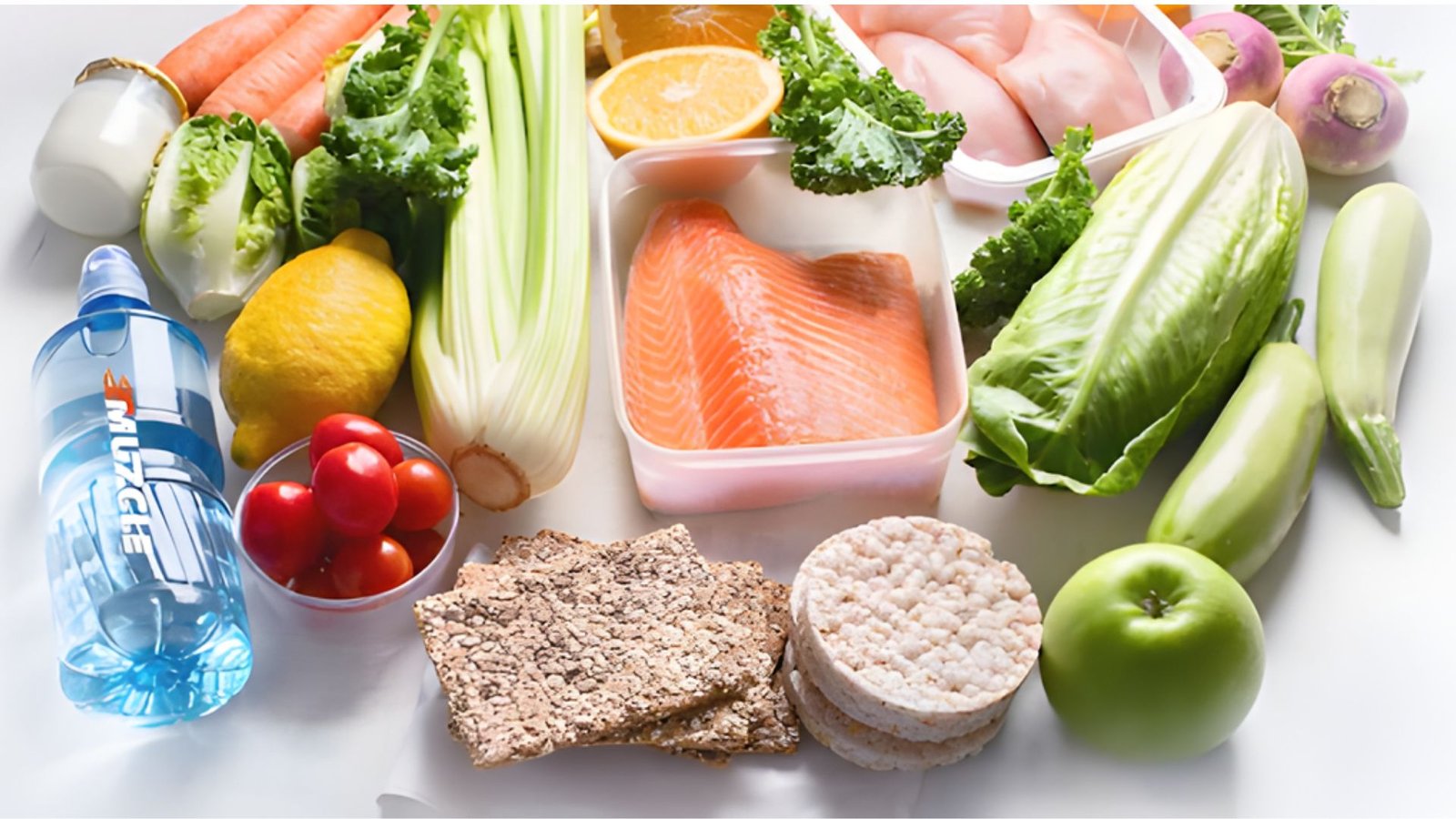
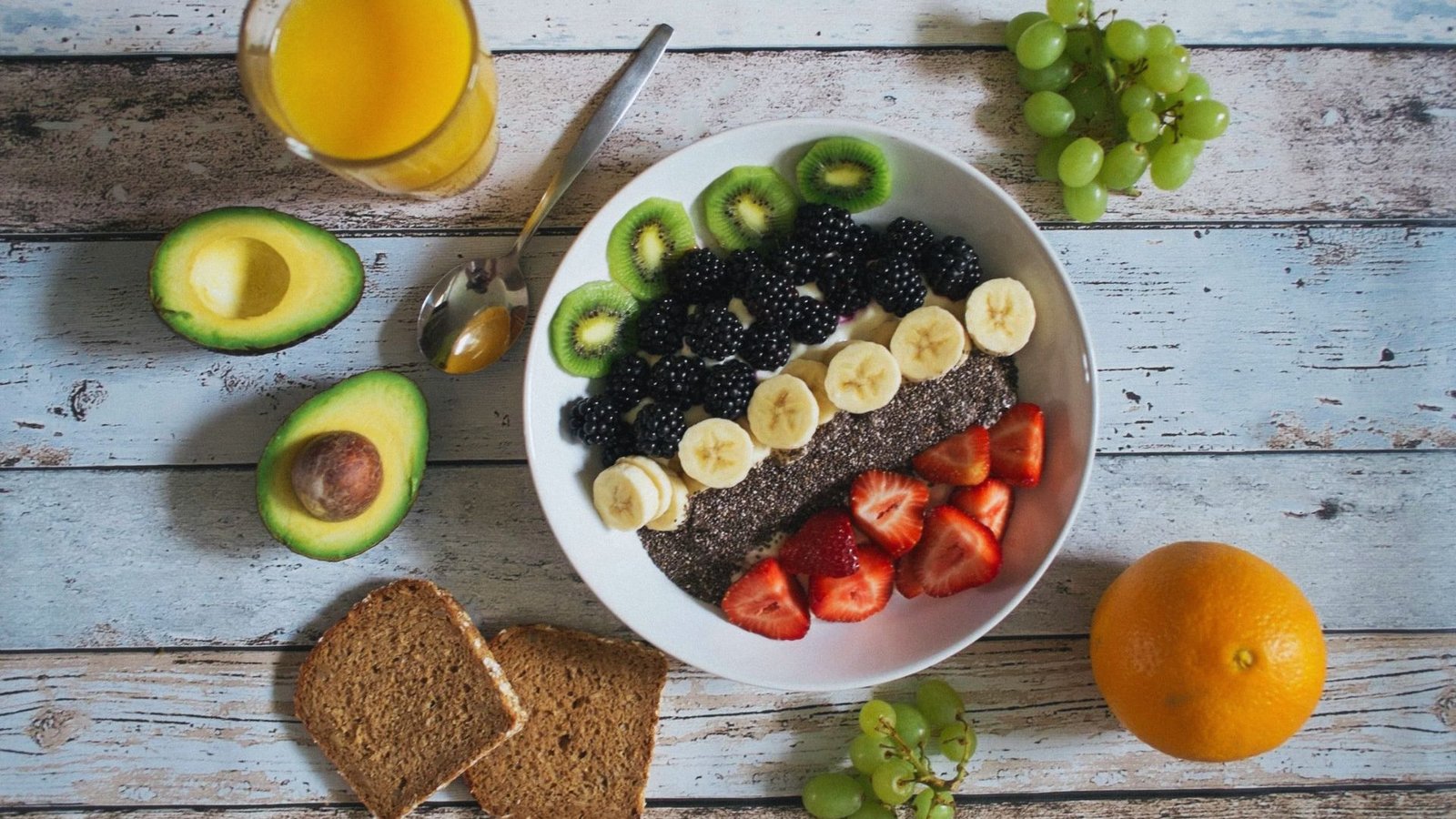
Eat balanced meals with protein, complex carbs, and healthy fats. Protein builds and maintains muscle. Carbs fuel your workouts. Fats support hormone production. Focus on nutrient-dense foods like lean meats, vegetables, fruits, and whole grains. Don’t skip meals.
Hydration Guidelines Before Competition
Hydration is non-negotiable. Drink water throughout the day, every day. Proper hydration improves performance, recovery, and mental clarity. Never restrict fluids to make weight. Your body needs water to function properly during training and competition.
Choosing the Right Weight Class
Choose a weight class close to your natural body weight. Competing at your walking-around weight is often smarter. You’ll be stronger and faster than opponents who cut severely. Work with your coach early in the season to select the right class.
What Doctors and Schools Recommend for Wrestlers?
Many states have rules to protect student-athletes. Most high school wrestling programs require hydration testing before the season. You can’t weigh in if you’re dehydrated. Minimum body fat standards prevent extreme cutting. Boys typically can’t go below 7% body fat. Girls can’t go below 12%.
Body composition assessments determine your minimum competition weight. Warning signs include chest pain, irregular heartbeat, extreme fatigue, or passing out.
Parents need to watch for behavior changes. If your child becomes secretive about eating or obsesses over weight, get help. Coaches must enforce weight management rules and should never encourage dangerous practices.
Real Experiences: What Happens When Non-Athletes Try Wrestling Diets?
These extreme methods appeal to people looking for quick results. Non-athletes who try wrestling cuts do lose weight fast. The scale drops five to ten pounds in days. But the weight comes back immediately.
As soon as you eat and drink normally, your body restores its water. You regain most weight within 48 hours. Repeated crash dieting damages your metabolism.
Disordered eating patterns develop easily. Mental recovery takes longer than physical recovery. Some people struggle with food anxiety for years.
Tips to Recover After Extreme Weight Cutting
Recovery requires time and patience. If you’ve already done an extreme cut, here’s how to bounce back safely:
- Rehydrate slowly: Drink water gradually over several hours after weigh-ins, not all at once, to avoid stomach problems
- Start small: Eat easy-to-digest foods like bananas, rice, lean protein, and cooked vegetables in small portions
- Avoid binge eating: Your stomach has shrunk and needs time to adjust to normal portions again
- Watch your mental health: Notice if obsessive thoughts about food or weight continue after the season ends
- Seek help early: Talk to a counselor if needed; many schools offer free mental health services for student-athletes.
Is a Wrestling Diet to Lose 10 Pounds in a Week Worth It?
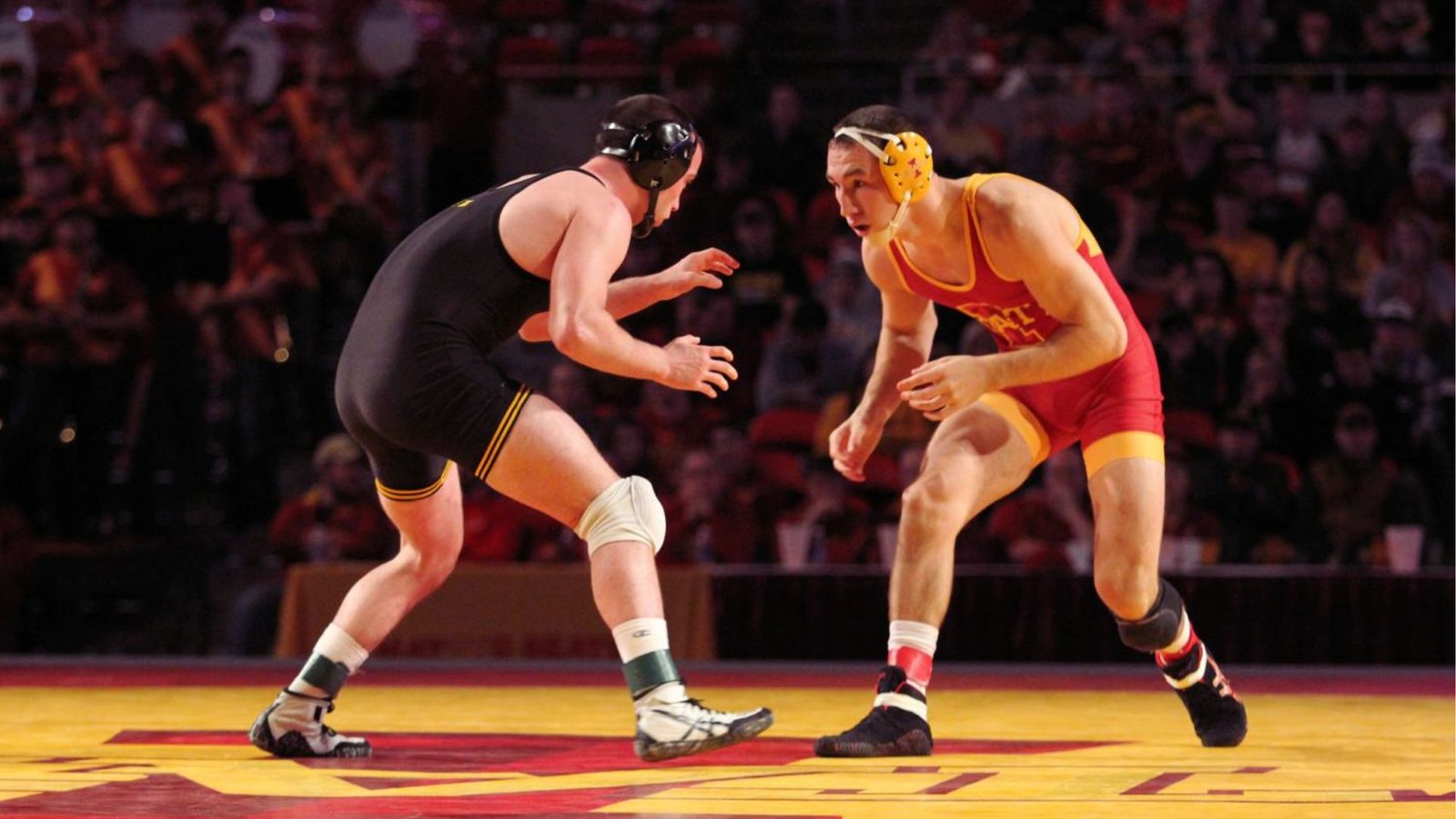
The cost outweighs the benefit. Research shows that wrestlers who cut weight severely perform worse because of dehydration and energy depletion. Your strength drops. Your speed decreases. Your mental sharpness fades.
Red flags include thinking about weight constantly and hiding eating habits. Physical signs include rapid heartbeat, dizziness, dark urine, and constant fatigue. If you experience these, stop cutting immediately.
When cutting weight affects your mental health, it has gone too far. The opponent who maintains proper nutrition has the advantage.
Conclusion
Your performance and health matter more than a number on the scale. I’ve seen too many talented wrestlers damage their bodies chasing extreme weight cuts. The temporary advantage isn’t worth the permanent consequences.
Wrestling culture is slowly changing. More coaches now emphasize sustainable nutrition over crash diets. Talk to a sports nutritionist who works with wrestlers. They can create a safe plan for your specific situation.
I want you to stay strong, healthy, and competitive. Make smart choices now that your future self will thank you for. If this article helped you, share it with teammates who might be struggling. Drop a comment below about your experiences with weight management in wrestling.
Frequently asked questions
Can you really lose 10 pounds in a week for wrestling?
You can lose 10 pounds of water weight, but not fat. Most weight returns immediately after you rehydrate. This method is dangerous and not recommended by medical professionals.
What happens to your body during extreme weight cutting?
Your body becomes dehydrated, loses muscle mass, and enters starvation mode. Performance suffers, injury risk increases, and vital organs struggle to function properly. Recovery takes days or weeks.
How much weight can wrestlers safely lose per week?
Medical experts recommend one to two pounds per week maximum. This rate preserves muscle mass, energy levels, and athletic performance while significantly reducing health risks.
Do wrestlers keep weight off after extreme cutting?
No, the weight returns quickly once normal eating and drinking resume. The body restores lost water and glycogen within 24 to 48 hours after weigh-ins.
What are the signs that weight cutting has become dangerous?
Warning signs include chest pain, irregular heartbeat, extreme weakness, confusion, dark urine, and obsessive thoughts about food. These symptoms require immediate medical attention.


