Want stronger hamstrings but not sure which exercise actually works? You’re in the right place.
Look, the glute ham raise and Nordic curl both crush your hamstrings, but they’re not the same thing.
One might be perfect for building explosive power, while the other could be totally wrong for what you’re trying to do. I’ve spent years testing both with everyone from weekend warriors to serious athletes, and I know which situations call for which movement.
Here’s the deal. I’m going to show you the real differences between these two exercises, which one actually develops more power, and how to pick the right one without wasting months on the wrong choice. No confusing fitness talk or overhyped promises. Just honest answers so you can stop second-guessing yourself and start seeing actual results. Let’s get into it.
What Is a Glute Ham Raise?
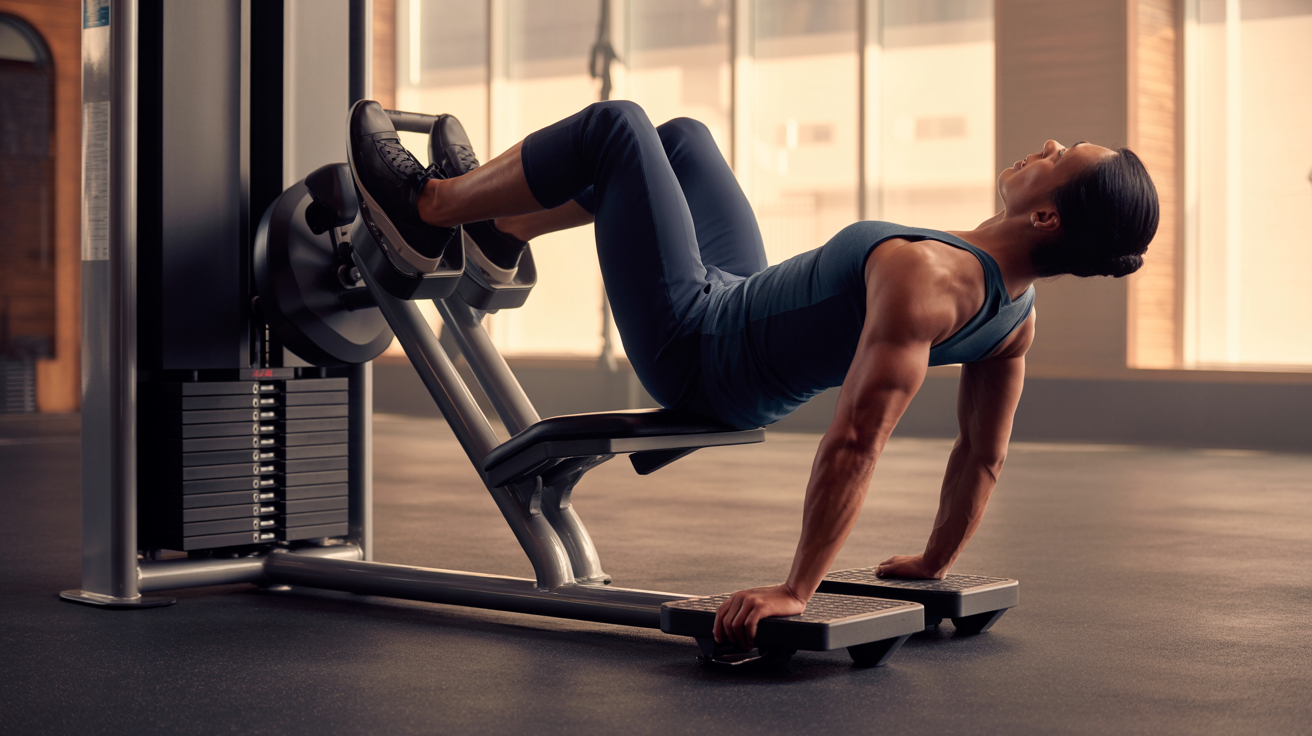
The glute ham raise is a powerful exercise that builds your posterior chain. You perform it on a machine called a Glute Ham Developer, or GHD for short. It’s one of the best moves for strengthening the back of your body.
How It Works
You kneel on the GHD machine with your feet secured behind ankle pads. Your body starts upright, then you slowly lower yourself forward until your torso is nearly parallel to the floor. The movement requires serious control.
- You pull yourself back up using your hamstrings and glutes
- You resist gravity as you slowly lower down
- Works multiple muscle groups at once
- Requires a full range of motion for maximum benefit
The GHD machine lets you work through a complete movement pattern. You can’t cheat the exercise. Your hamstrings, glutes, and lower back all have to work together to control the motion.
Muscles Worked
Your hamstrings do the heavy lifting here. That includes three specific muscles: the biceps femoris, semitendinosus, and semimembranosus. They contract hard throughout the entire movement.
But it doesn’t stop there. Your glutes fire to extend your hips. Your erector spinae (lower back muscles) keep your spine stable. Even your calves get involved as stabilizers. This exercise creates balanced posterior development that carries over to almost every athletic movement you can think of.
Benefits of the Glute Ham Raise
This exercise builds raw hamstring strength like few others can. Your hamstrings get stronger in both the stretched and contracted positions. That means better stability in your knees and hips.
- Reduces injury risk by strengthening vulnerable areas
- Improves explosiveness for sprinting, jumping, and lifting
- Creates a better balance between front and back leg muscles
- Adjustable difficulty adds weight as you get stronger
- Develops knee flexion strength (bending your knee under load)
The movement pattern mimics real-world actions. Sprinters use it to run faster. Lifters use it to deadlift more weight. And every day, athletes use it to stay healthy and powerful. You can start with assisted versions and progress to weighted variations over time.
What Is a Nordic Curl?
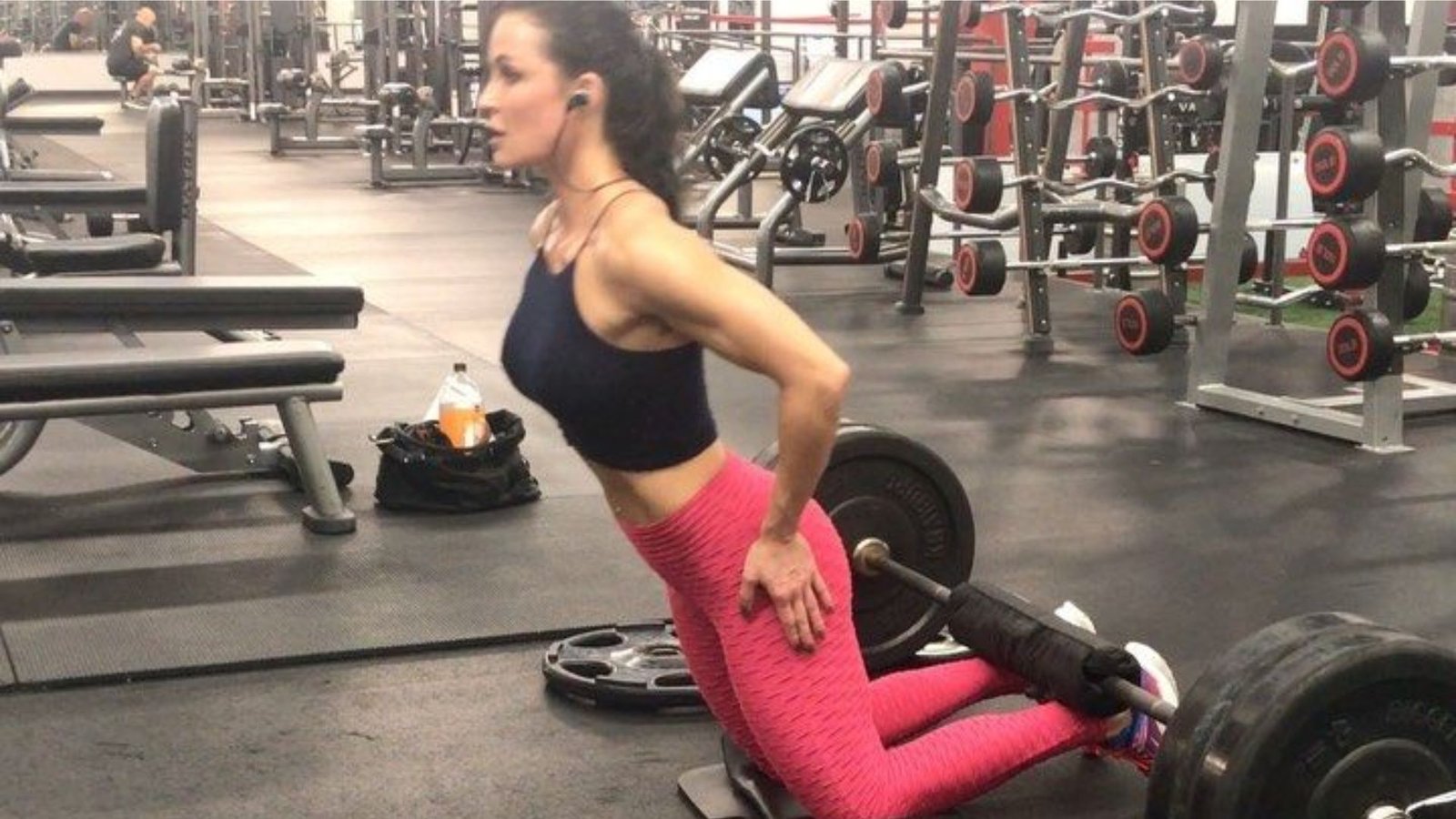
The Nordic curl is a bodyweight exercise that challenges your hamstrings like nothing else. You anchor your feet and lower your body forward with control. It’s brutally effective and requires almost no equipment.
How It Works
You start on your knees with someone holding your ankles or your feet wedged under a secure anchor. Then you slowly lower your torso toward the ground while keeping your body straight from knees to head. Fighting gravity on the way down is where the magic happens.
- Your hamstrings lengthen under tension as you lower
- Requires maximum control to avoid face-planting
- You can use your hands to catch yourself at the bottom
- Push back up with your arms, then pull with your hamstrings to return to the start
- No machines or weights needed
This exercise is pure hamstring torture in the best way. The lengthening phase creates intense muscle damage that leads to serious strength gains. Most people can’t do even one rep with perfect form when they start.
Muscles Worked
Your hamstrings bear almost the entire load during Nordic curls. They work overtime to control your descent and prevent you from collapsing forward. The eccentric contraction is what makes this exercise so demanding.
Your glutes help stabilize your hips throughout the movement. Your calves assist as you try to maintain tension through your lower legs. But make no mistake, this is a hamstring-dominant exercise. The heavy eccentric load builds muscle resilience that translates directly to injury prevention and athletic performance.
Benefits of the Nordic Curl
Nordic curls are proven injury fighters. Research shows they can reduce hamstring strain rates by 50–70% in athletes. That’s a game-changer if you sprint, jump, or do any explosive movements.
- Builds eccentric strength better than most exercises
- Develops raw hamstring power and size
- Portable, do it anywhere with a partner or anchor point
- Minimal setup compared to machine exercises
- Strengthens hamstrings in their lengthened position
The exercise is hard to beat for building resilient hamstrings. You don’t need a fancy gym or expensive equipment. Just something to anchor your feet and the willingness to embrace the burn. Your hamstrings will get stronger, bigger, and more resistant to injury with consistent practice.
Glute Ham Raise vs Nordic Curl: Key Differences
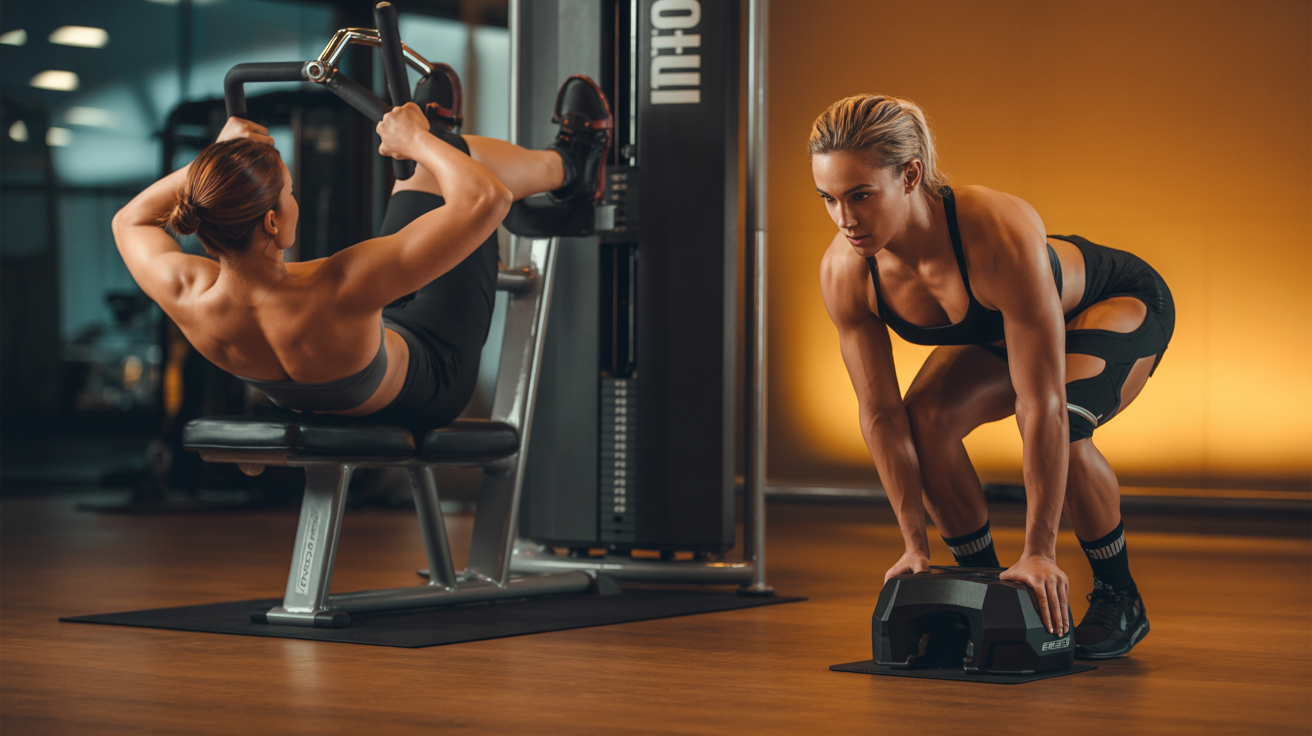
I’ve tested both exercises extensively. Here’s what you need to know.
|
Factor |
Glute Ham Raise |
Nordic Curl |
|
Equipment Needed |
Requires a GHD machine |
Just your body and an anchor point |
|
Where You Can Do It |
Gym or an equipped home setup |
Almost anywhere (partner, barbell, band, or door) |
|
Cost to Start |
$500+ for the machine |
Free to $30 for ankle support |
|
Accessibility |
Less accessible |
More accessible |
|
Lifting Phase (Concentric) |
Yes – strong emphasis |
Minimal involvement |
|
Lowering Phase (Eccentric) |
Yes – controlled descent |
Intense eccentric focus |
|
Range of Motion |
Full hip and knee cycle |
Primarily knee flexion |
|
Movement Balance |
Even push and pull |
Dominated by the lowering phase |
|
Hamstrings (Eccentric Load) |
Strong activation |
Extremely strong (highest EMG readings) |
|
Hamstrings (Concentric Load) |
Strong activation |
Weak activation |
|
Glute Activation |
High involvement |
Moderate involvement |
|
Lower Back/Spinal Erectors |
Significant activation |
Minimal activation |
|
Overall Muscle Balance |
More complete posterior chain |
Hamstring-dominant |
|
Beginner Difficulty |
Doable with assistance |
Extremely challenging |
|
Progression Options |
Many variations and adjustments |
Limited modifications |
|
Learning Curve |
Moderate |
Steep |
|
Injury Risk (Poor Form) |
Medium |
Higher if rushed into |
|
Hamstring Injury Prevention |
Effective |
Scientifically proven (up to 51% reduction) |
|
Sprint Performance |
Improves acceleration |
Improves top-end speed |
|
Explosive Power Development |
Excellent for hip drive |
Moderate benefit |
|
Eccentric Strength Gains |
Strong improvements |
Maximum gains possible |
|
Hip Extension Strength |
Direct improvement |
Indirect benefit |
|
Best For |
Complete posterior chain strength |
Pure hamstring eccentric overload |
Which Exercise Builds More Power?
Power isn’t just about strength. It’s about how fast you can use that strength. I’ve found that these two exercises build power in completely different ways.
Power Output and Explosiveness
The glute ham raise wins for raw power development.
- Glute ham raises train your hips to extend forcefully
- You’re actively driving upward with speed
- This translates directly to jumping, sprinting, and lifting
- Your glutes and hamstrings work together explosively
Nordic curls work differently:
- They control deceleration instead of acceleration
- You’re resisting gravity, not fighting it
- This builds the brakes, not the engine
- Critical for cutting, changing direction, and landing safely
Think of it this way. GHRs teach you to explode. Nordics teach you to stop yourself from breaking.
Training Goals and Context
Your goal determines which exercise you need.
Choose the Glute Ham Raise if you want:
- Overall posterior chain strength that shows up everywhere
- Explosive athletic performance for sports
- Better strength balance between front and back
- Power you can feel in your lifts
- Hip drive that transfers to deadlifts and squats
Choose the Nordic Curl if you want:
- Hamstring isolation without other muscles taking over
- Proven injury reduction (the research is solid here)
- Eccentric strength that protects you during sprints
- Training anywhere without buying equipment
- Maximum hamstring development with minimal setup
Neither exercise is better. They’re just different tools. I use GHRs when I’m focused on building explosive strength. I program Nordics when I need to bulletproof my hamstrings for the running season.
How to Incorporate Both Into Your Routine
You don’t have to choose just one. I’ve found that combining both exercises gives you the best results. But you need a smart plan to avoid overtraining your hamstrings.
- Begin with assisted Nordic curls using a resistance band or pushing off the ground with your hands.
- Try band-assisted GHRs if the full movement feels too difficult at first
- Master the basics before adding weight or going full bodyweight
- Your hamstrings need time to adapt to this kind of stress
- Rush the progression and you’ll be sore for days (trust me on this)
Conclusion
So, Glute Ham Raise vs Nordic Curl, which one wins? Honestly, it depends on what you’re after. The glute ham raise builds more explosive power and hits your entire posterior chain. The Nordic curl is incredible for eccentric strength and hamstring durability. Both have their place.
If you want speed and power, go with the glute ham raise. If you’re focused on bulletproofing your hamstrings against injury, the Nordic curl is your best bet. You can even rotate both into your program for complete hamstring development.
No more confusion about which exercise to choose. Pick the one that matches your goals and start putting in the work. And hey, if this helped you out, drop a comment below or share it with a training partner who’s been asking the same question. Let’s build stronger hamstrings together.
Frequently asked questions
What’s the main difference between the Glute Ham Raise and vs Nordic Curl?
The glute ham raise involves pulling your body up using your hamstrings and glutes through a full range of motion. The Nordic curl focuses on the eccentric lowering phase, where you control your body down. The glute ham raise hits your entire posterior chain, while the Nordic curl isolates hamstring lengthening strength.
Which is better for building explosive power?
The glute ham raise builds more explosive power. It trains the concentric lifting phase that directly translates to sprinting, jumping, and athletic movements. The Nordic curl develops eccentric strength, which is great for injury prevention but doesn’t build the same explosive qualities needed for power development.
Can beginners do the Glute Ham Raise vs the Nordic Curl exercises?
Nordic curls are extremely difficult for beginners and require assistance or bands. The glute ham raise is more accessible with adjustable difficulty levels. Start with assisted Nordic curls or easier hamstring exercises first. Build baseline strength for 4-6 weeks before attempting either movement at full intensity.
Which exercise prevents hamstring injuries better?
The Nordic curl is superior for injury prevention. Research shows it significantly reduces hamstring strain rates by strengthening the eccentric phase, where most injuries occur. The glute ham raise also helps prevent injuries, but focuses more on overall strength rather than the specific lengthening control that protects hamstrings.
Should I do both exercises in my training?
Yes, combining both gives you complete hamstring development. Use the glute ham raise for power and strength, and the Nordic curl for injury resilience. Alternate them weekly or include both in different training phases. This approach covers all bases for athletic performance and hamstring health.