No hack squat machine? Don’t worry about it. Most gyms don’t have one anyway. And if you’re training at home, that machine costs more than most people’s entire setup. But here’s the thing: you can still build massive quads without it.
This article gives you the best alternatives that actually work. I’m referring to exercises that target the same muscles, feel similar, and yield similar results. No fancy equipment needed. I’ve been coaching people through these moves for years, and they work just as well as the machine.
You’ll learn exactly what to do and how to do it right. You’ve got dumbbells, a barbell, or just your body weight. I’ve got you covered. Your legs are about to grow.
What Is a Hack Squat and Why Does It Work?

The hack squat is one of the best exercises for building massive quads. It targets your thighs more directly than most other movements. And you don’t need to balance as much as you do with regular squats.
Muscles Worked in a Hack Squat
Here’s what fires up during a hack squat:
Primary muscles:
- Quadriceps (front of your thighs)
- Rectus femoris (the middle quad muscle)
- Vastus medialis (the teardrop near your knee)
Secondary muscles:
- Glutes
- Hamstrings
- Calves
- Core stabilizers
Studies show the hack squat activates your quads similarly to back squats. But the quad load is actually higher. Your quads do more of the work because your back and core do less.
Best Hack Squat No-Machine Alternatives
You don’t need a fancy machine to build strong quads. These nine exercises will give you similar results using basic equipment. Most of them work at home with just a barbell or dumbbells.
Barbell Back Squat

The back squat is the king of leg exercises. It builds your entire lower body at once. Your quads, glutes, hamstrings, and core all work together.
- Engages quads, glutes, hamstrings, and core
- Programming: 3-4 sets of 4-6 reps (RPE 7-8)
- Great substitute for machine hack squats
- Works for both strength and hypertrophy goals
- Requires balance and full-body coordination
Tip: Maintain an upright torso and control your descent. Prioritize form over heavy weight every single time.
Front Squat
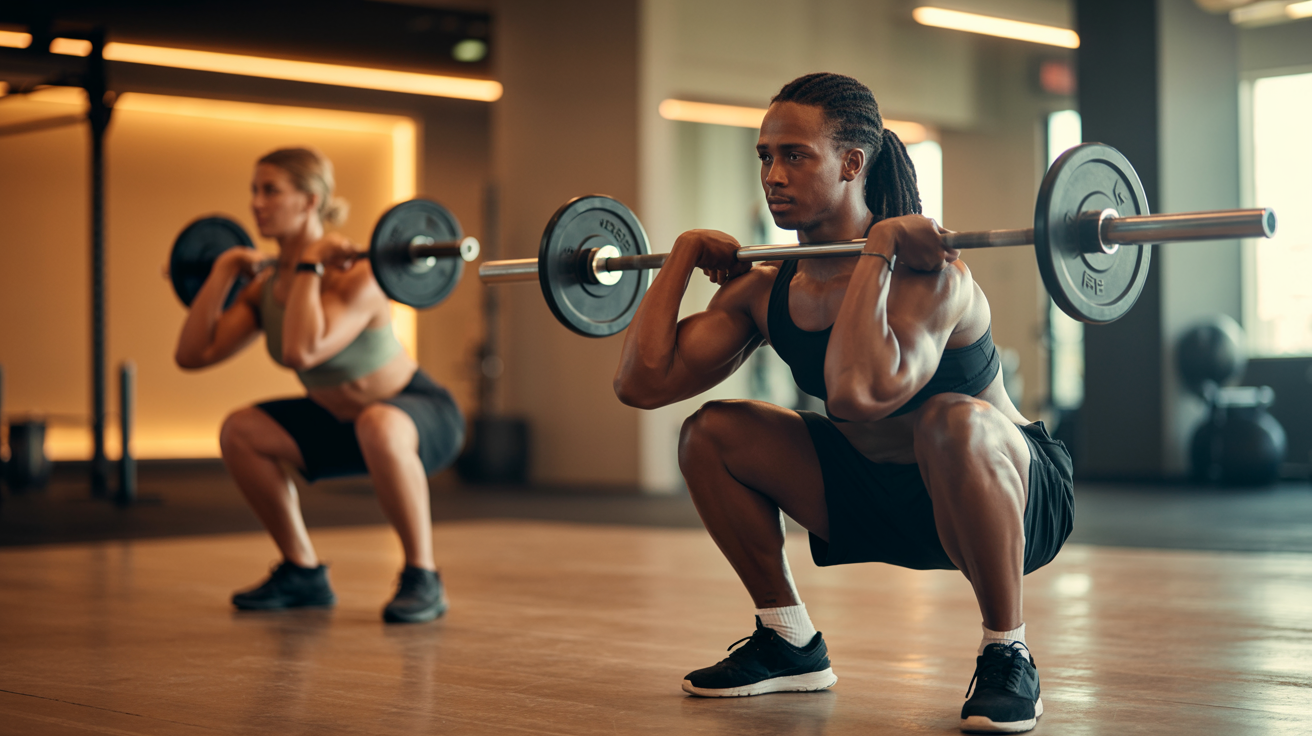
The front squat puts the barbell on your front shoulders instead of your back. This forces you to stay more upright. Your knees travel forward more, which hammers your quads.
- Barbell held on the front shoulders for an upright posture
- Greater knee flexion than back squats
- Closest free-weight mimic to hack squat’s quad emphasis
- Less spinal load than back squats
- Stronger core engagement is required
Tip: Start lighter than your back squat weight. The front rack position takes practice but delivers serious quad gains.
Goblet Squat (Dumbbell or Kettlebell)

The goblet squat is perfect for home workouts. You only need one dumbbell or kettlebell. Hold it at chest height and squat down.
- Requires minimal equipment (one dumbbell or kettlebell)
- Builds leg and core strength with lighter loads
- Targets quads, glutes, and adductors
- Ideal for beginners and home training
- Programming: 2-4 sets of 10-15 reps
Tip: Keep the dumbbell close to your chest. Drop your elbows between your knees at the bottom position.
Dumbbell Bulgarian Split Squat

This single-leg exercise challenges your balance and builds serious strength. Your back foot rests on a bench. Your front leg does all the work.
- Excellent single-leg exercise for balance and strength
- Closely replicates the hack squat’s knee angle
- High quad activation is similar to the machine version
- Works glutes, quads, and hamstrings
- Improves stability and coordination
Tip: Start with lighter dumbbells to master balance first. The coordination challenge is harder than you think.
Landmine Squat
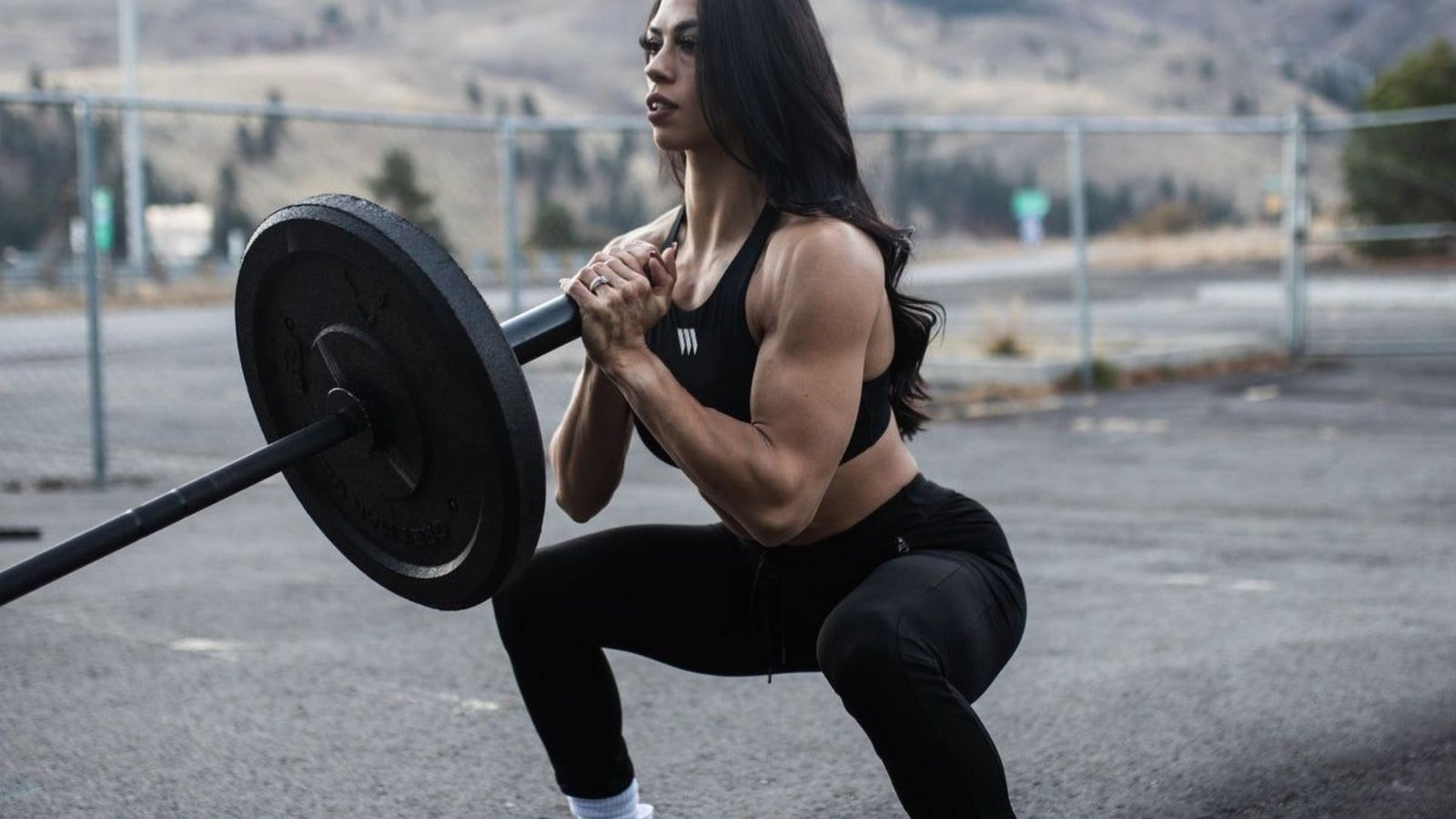
The landmine squat uses a barbell anchored in a landmine attachment. You hold the opposite end at chest height and squat. It’s a hybrid between a front squat and a goblet squat.
- A hybrid between the front and goblet squat
- Allows natural movement arc and upright posture
- Similar to machine hack squat guidance
- Reduces lower back strain significantly
- Heavily targets quads and glutes
Tip: The barbell’s arc creates a smooth path. Let the movement feel natural instead of forcing it straight up.
Sissy Squat
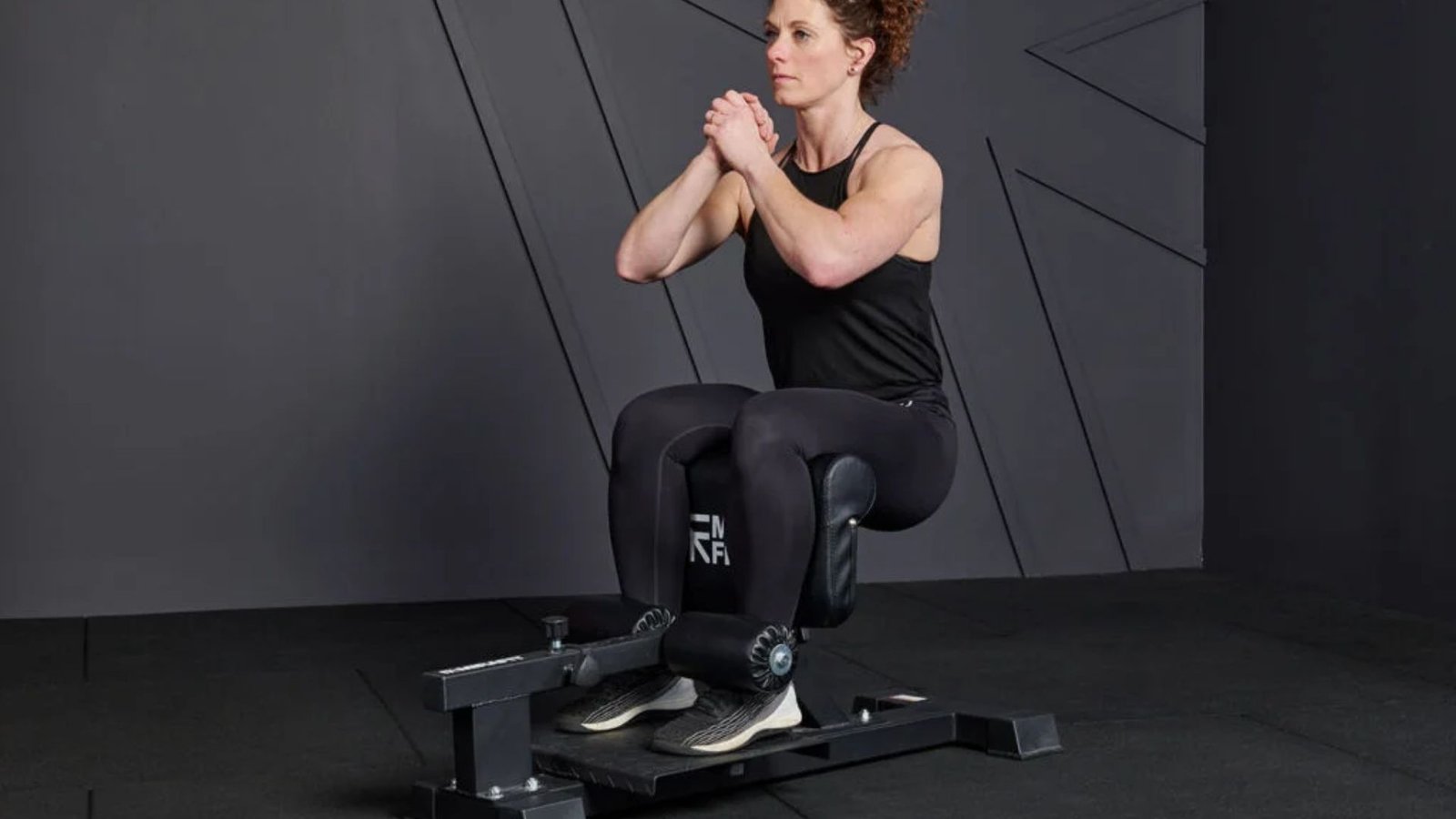
The sissy squat isolates your quadriceps like almost nothing else. You lean back as you lower down. Your knees travel way forward.
- Bodyweight or assisted movement
- Isolates the quadriceps intensely
- Replicates the hack squat knee extension pattern perfectly
- Great for developing quad definition
- No equipment needed (grab support for balance)
Tip: Use support for balance and limit the range to comfort. Don’t push depth if your knees feel strained.
Split Squat (Stationary Lunge)
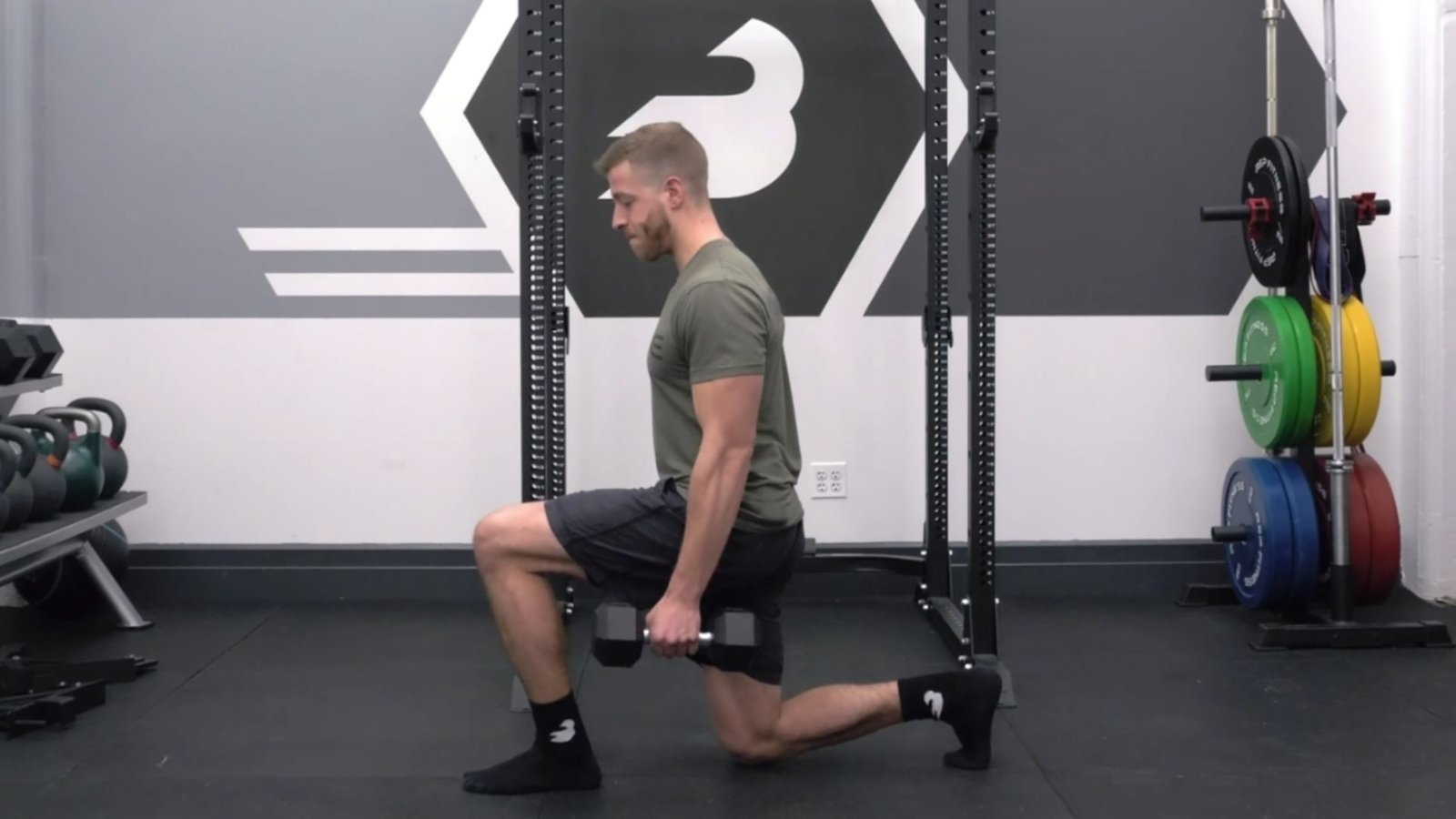
The split squat is a simple, equipment-free option. Both feet stay on the ground. You drop your back knee toward the floor and push back up.
- Simple, equipment-free option
- Focuses on unilateral strength
- Targets quads, glutes, and adductors
- Helps correct muscle imbalances
- Improves coordination and stability
Tip: Keep your front shin vertical at the bottom. Don’t let your knee shoot too far forward past your toes.
Dumbbell Step-Ups
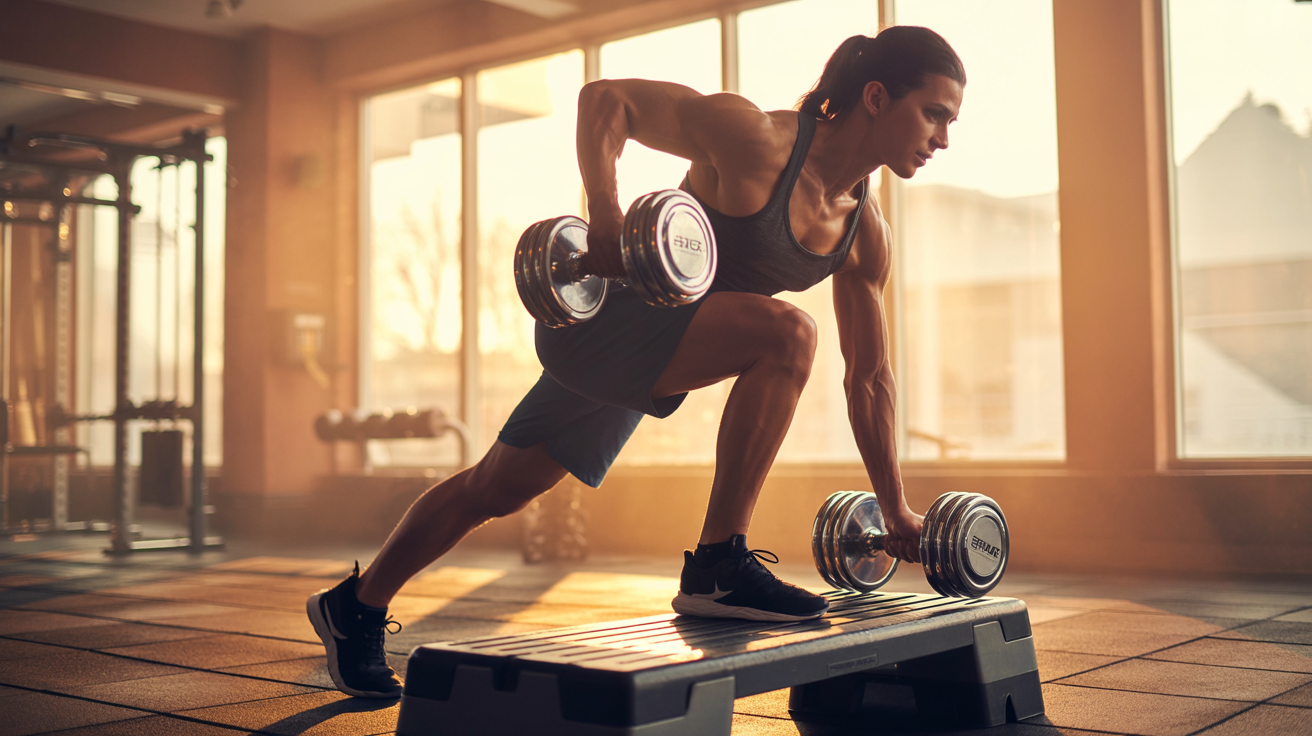
Step-ups are a functional exercise that builds real-world strength. You step onto a bench or box while holding dumbbells. Then you drive through that front leg to stand up.
- Functional exercise for real-world strength
- Improves strength, stability, and coordination
- Engages quads and glutes with a balance challenge
- Perform on a sturdy bench or box
- Hold dumbbells at your sides
Tip: Pick a box height that brings your thigh parallel to the ground. Fully extend your hip at the top of each rep.
Belt Squat (DIY Version)
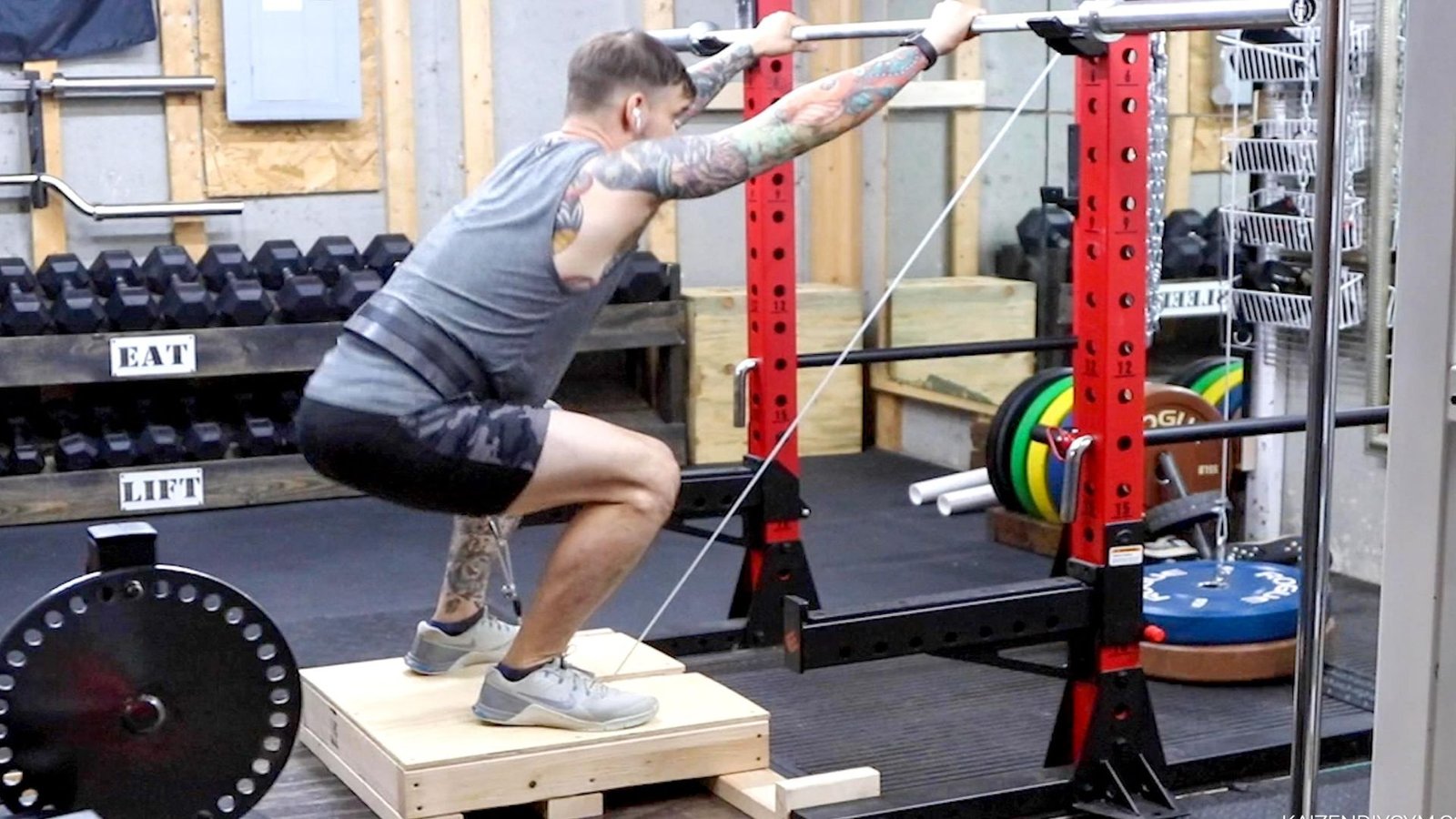
The belt squat mimics the hack squat machine better than most free-weight options. Instead of loading your shoulders or back, the weight hangs from your hips.
- Loads weight at the hips, not shoulders
- Excellent for reducing spinal strain
- The quad emphasis is similar to the hack squat machine
- DIY option: attach plates to the dip belt
- Stand on blocks with a weight hanging between
Tip: Make sure your setup is stable before adding a heavy weight. The DIY version requires solid blocks or benches.
Programming and Rep Ranges
I want you to lift smart, not just hard.
For strength: 3-5 sets of 4-6 reps at RPE 7-8. Heavyweight. Full focus.
For muscle growth: 3-4 sets of 8-12 reps. This is your sweet spot for size.
For endurance: 2-4 sets of 12-15+ reps. Higher volume. Lower load.
Safety Tips and Common Mistakes
I see people make the same mistakes over and over. Let me help you avoid them:
- Keep your spine neutral and core tight: No rounding or excessive lean—this protects your lower back from injury.
- Watch for knees caving inward: If your knees collapse, stop and fix your form before adding more weight.
- Add weight or reps gradually: Small jumps of 5-10 pounds build strength safely without sacrificing form.
- Always warm up with dynamic stretches: Leg swings and walking lunges prepare your muscles and prevent injuries.
- Stop immediately if you feel sharp pain: Use knee sleeves if needed, and never sacrifice form just to lift heavier.
Conclusion
Hack squat, no machine? Now you know it doesn’t matter. You’ve got goblet squats, Bulgarian split squats, front squats, and more. Pick what matches your equipment. Some will feel better than others, and that’s totally fine.
Your legs don’t care about fancy machines. They only respond to effort and consistency. I’ve watched people build serious quads with just dumbbells and determination. Use what you have, focus on form first, and the gains will follow.
Try these alternatives and find your favorite. Drop a comment if one of these becomes your new go-to. And if this solved your problem, share it with someone else who needs it. Now stop reading and go train those legs.
Frequently Asked Questions
Can I build big quads without a hack squat machine?
Absolutely. Exercises like goblet squats, Bulgarian split squats, and front squats target your quads just as effectively. The machine is convenient, but it’s not necessary. Your muscles respond to tension and effort, not specific equipment. Stay consistent with these alternatives, and you’ll see the same growth.
What’s the closest alternative to a hack squat machine?
Belt squats or landmine hack squats come closest to mimicking the machine’s movement pattern. Both keep your torso upright and load your quads heavily while reducing lower back stress. If those aren’t available, front squats with an elevated heel work extremely well, too.
Do I need weights for hack squat alternatives?
Not necessarily. Bodyweight sissy squats and elevated split squats can be brutal for your quads. However, adding dumbbells, kettlebells, or a barbell lets you progressively overload, which is key for building muscle. Start with what you have and progress from there.
Are hack squat alternatives safe for my knees?
Yes, when done with proper form. Actually, alternatives like Bulgarian split squats can be safer because they improve balance and address muscle imbalances. Start light, focus on controlled movement, and gradually increase weight. If something hurts, adjust your form or try a different variation.
How often should I do hack squat alternatives?
Train legs 2-3 times per week with at least one rest day between sessions. Your quads need time to recover and grow. Pick 1-2 alternatives per workout, do 3-4 sets of 8-12 reps, and focus on progressive overload over time.