Building muscle doesn’t mean you need to live in the gym. Training smarter beats training longer every time. A 3-day workout split gives your muscles the work they need while allowing proper recovery.
This approach targets different muscle groups on separate days. Your body gets focused stimulation followed by rest.
That combination drives growth better than random workouts. Recovery matters just as much as training itself. When you rest, muscles repair and grow stronger. A 3-day split builds this recovery right into your plan.
What Is a 3 Day Workout Split?

A 3-day split divides training across three weekly sessions, each targeting specific muscle groups for better results.
You train three times per week, hitting different muscles each day. One day focuses on pushing movements. Another covers pulling exercises. The third targets the lower body and core.
Full-body workouts train all major muscles in one session. Split routines divide muscles across different days instead. Splits allow more volume per muscle group without making sessions too long.
This method balances training stress with adequate recovery time. Each session targets specific muscles with multiple exercises.
Rest days sit between training sessions, giving each muscle group 48 to 72 hours to recover. During recovery, your body repairs muscle tissue and builds it back stronger.
Best Muscle Groups to Train Together
Pairing muscles by movement pattern creates efficient sessions that support natural body mechanics.
Importance of movement-based training: Your muscles work together during real-world actions. Chest, shoulders, and triceps all contribute when you push. Back and biceps contract together when you pull. Training these groups together prevents muscle imbalances and builds functional strength.
Push Day: Chest, Shoulders, and Triceps
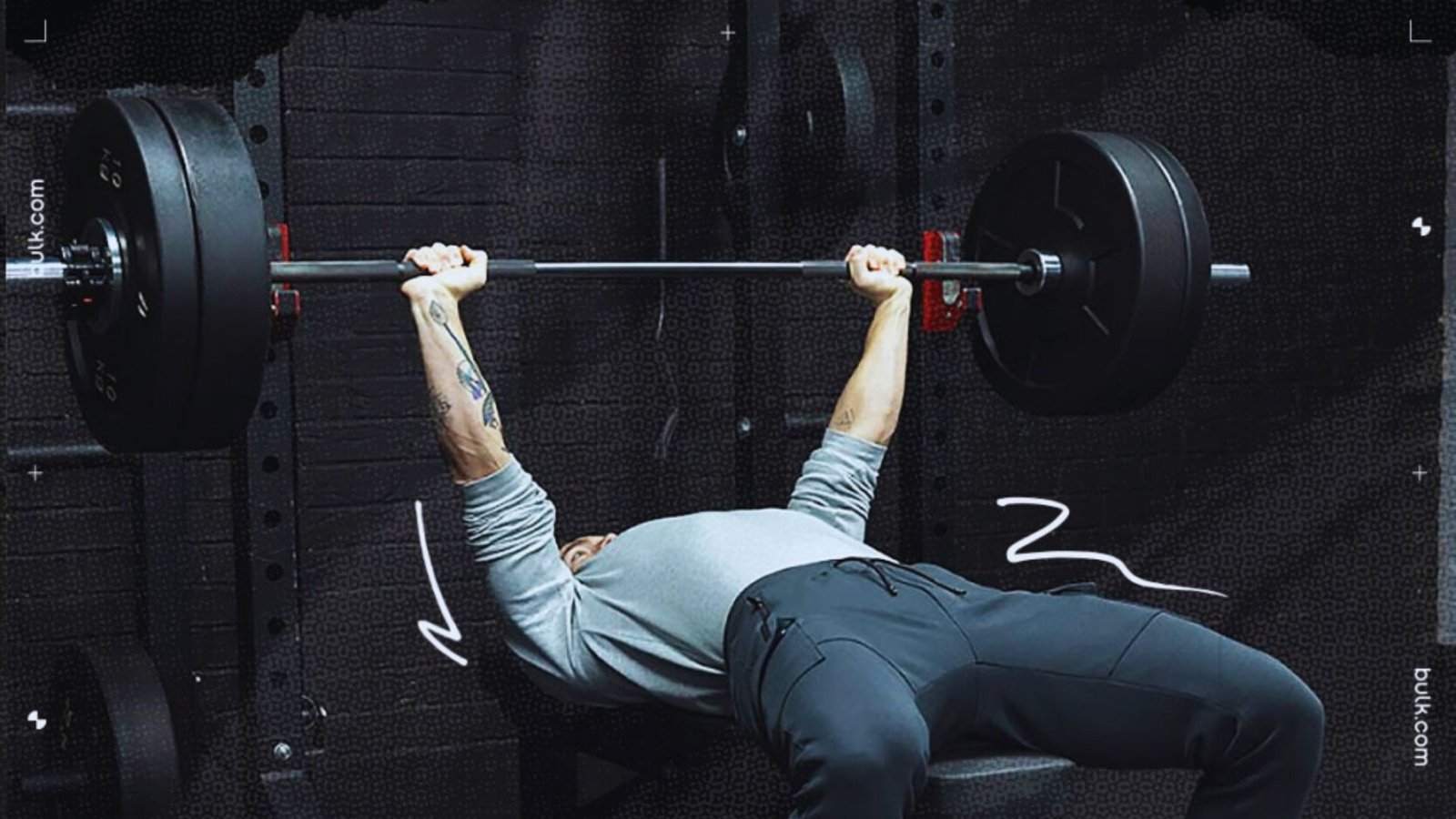
Push day includes all pressing and extending movements.
Your chest handles pressing work, while your shoulders assist, and triceps finish by extending elbows.
Bench press variations target the chest from different angles. Overhead press builds shoulder strength and size. Tricep extensions and pushdowns isolate arm muscles.
Push exercises build upper-body pressing power and allow heavier weights with greater stimulus.
Pull Day: Back and Biceps

Pull day focuses on rowing and pulling movements that develop back muscles and biceps simultaneously.
Vertical pulls like pullups and lat pulldowns create width in your back. Horizontal rows, like barbell rows and cable rows, build thickness.
Bicep curls finish the session. Back training balances all your push work and prevents rounded shoulders.
Pull exercises also improve grip strength naturally.
Leg Day: Quads, Hamstrings, Glutes, and Core

Leg day builds your entire lower body in one session.
Squats work quads, glutes, hamstrings, and core together for maximum muscle growth. Deadlifts target your posterior chain, including hamstrings, glutes, and lower back. Lunges and split squats fix muscle imbalances between legs.
A strong core supports all major lifts by stabilizing your spine. Planks and ab wheel rollouts build this foundation while improving posture and reducing injury risk.
Sample 3 Day Workout Split for Muscle Gain
This template provides a proven framework you can follow and adjust based on your needs.
Day 1: Push Workout
This session builds chest, shoulders, and triceps through pressing movements. Primary exercises and rep ranges
- Flat barbell bench press: 4 sets of 8-10 reps
- Incline dumbbell press: 3 sets of 10-12 reps
- Overhead press: 3 sets of 8-10 reps
- Lateral raises: 3 sets of 12-15 reps
- Tricep pushdowns: 3 sets of 12-15 reps
- Overhead tricep extensions: 3 sets of 10-12 reps
Day 2: Pull Workout
Pull day develops back width and thickness, along with bicep size. Back and arm-focused movements
- Pullups or lat pulldowns: 4 sets of 8-12 reps
- Barbell rows: 4 sets of 8-10 reps
- Cable rows: 3 sets of 10-12 reps
- Face pulls: 3 sets of 15-20 reps
- Barbell curls: 3 sets of 10-12 reps
- Hammer curls: 3 sets of 12-15 reps
Day 3: Legs and Core Workout
Lower body and core training build your foundation. Lower-body strength and hypertrophy focus
- Back squats: 4 sets of 8-10 reps
- Romanian deadlifts: 3 sets of 10-12 reps
- Leg press: 3 sets of 12-15 reps
- Walking lunges: 3 sets of 12 steps per leg
- Leg curls: 3 sets of 12-15 reps
- Calf raises: 4 sets of 15-20 reps
- Planks: 3 sets of 45-60 seconds
- Cable crunches: 3 sets of 12-15 reps
Sets, Reps, and Training Volume for Muscle Growth
Understanding proper volume helps you train hard enough without overdoing it.
Ideal Rep Ranges for Hypertrophy
Muscle growth happens across a range of rep schemes. The 8-12 rep range remains most effective.
Why do 8-12 reps work best?
This range balances weight and volume perfectly. You can lift heavy enough to challenge muscles while completing enough reps for significant volume.
Time under tension matters for growth. Sets lasting 30-60 seconds create the right metabolic stress. Eight to twelve reps with controlled form hit this window.
How Many Sets Per Muscle Group?
Total weekly volume drives growth. Aim for 10-20 working sets per muscle group each week.
Weekly volume considerations
Larger muscle groups like the chest, back, and legs need more volume. Fifteen to twenty sets per week works well. Smaller muscles like biceps and triceps respond to 10-15 sets weekly.
Beginners should start at the lower end. Add volume gradually over weeks and months.
Recovery and Rest Days in a 3 Day Split
Muscle growth happens when you’re not training. Rest days aren’t optional. They’re when your body does the real work.
Why Rest Is Essential for Muscle Growth
Your workouts damage muscle tissue at the microscopic level. This damage isn’t bad. It’s the trigger your body needs to adapt and build back stronger.
After training, your body ramps up protein synthesis to repair damaged fibers. This process runs for up to 48 hours following a workout. Without adequate rest, you interrupt this rebuilding cycle before it finishes.
Your deepest sleep stages release growth hormone, which drives muscle recovery and growth. Consistently getting 7-9 hours helps maximize these natural repair processes.
Active Recovery Strategies
Complete rest has its place, but strategic movement between workouts can improve your results.
Walking at an easy pace for 20-30 minutes pushes fresh blood through your muscles. This increased circulation brings oxygen and nutrients while flushing out metabolic waste from previous workouts.
Spend 30-60 seconds foam rolling tender spots to release tightness and restore normal muscle length. Move slowly and breathe through any discomfort.
Simple stretching or yoga sessions improve range of motion and reduce stiffness. Just 15 minutes of gentle movement keeps your body loose between heavy training days.
Safety Tips for a 3 Day Workout Split
Follow these tips to train safely and get the most from every workout:
- Start with 5 minutes of light cardio followed by dynamic stretching like arm circles, leg swings, and torso rotations to prepare your body.
- Build up to your working weight gradually using 2-3 warm-up sets with increasing weight.
- Keep your back flat and core braced during squats and deadlifts to prevent injuries.
- Control the weight throughout the entire range of motion instead of using momentum to swing weights.
- Focus on perfect form with lighter weights rather than using weights too heavy for proper technique.
Who Should Follow a 3 Day Workout Split?

This training approach works well for several groups, each of which benefits from the structure it provides.
Starting with a 3-day split provides new lifters with a structured approach without overwhelming them. Three sessions weekly provide enough practice to learn proper form. Beginners make strength gains rapidly with this split while allowing proper recovery.
Limited time shouldn’t prevent you from building muscle. Each session lasts 60-75 minutes, manageable even with demanding schedules. Three gym days weekly fit easily around work and family responsibilities.
Experienced lifters often find that less frequent training produces better long-term results. Three hard sessions work better than five moderate ones. The 3-day split prevents burnout while allowing intense training with adequate rest.
Conclusion
A 3-day workout split gives you everything needed to build muscle without taking over your life. I’ve used this approach myself during busy periods and kept making gains.
The key is showing up consistently and pushing yourself during those three sessions.
Start with the basics and trust the process. Try this split for 8-12 weeks and see what happens. Drop a comment below sharing your biggest muscle-building challenge!
Frequently Asked Questions
Can I build muscle with only 3 workouts per week?
Yes, three weekly sessions provide enough stimulus for muscle growth when you train with proper intensity and volume. Each muscle group receives focused attention and adequate recovery time.
How long should each workout session last?
Plan for 60-75 minutes per session, including warm-up and cool-down. This allows enough volume for growth without excessive fatigue.
Should I do cardio on rest days?
Light cardio on rest days can aid recovery without interfering with muscle growth. Keep intensity low, around 20-30 minutes of easy walking or cycling.
What if I miss a workout day?
Complete the missed workout on your next available day and continue your rotation. Don’t double up sessions or skip rest days to get back on schedule.
When should I increase the weights I’m lifting?
Increase weight when you can complete all prescribed reps with good form for two consecutive workouts. Add small increments of 2.5-5 pounds for the upper body and 5-10 pounds for the lower body.