
Ever drop into a squat and feel that sharp twinge in your knees? You’re not alone. Knee pain during squats is one of the most common complaints I hear from people trying to stay active. It’s frustrating, it holds you back, and worst of all, it makes you wonder.
Here’s the good news. Most knee pain during squats comes from fixable issues, not permanent damage. In this blog, I’ll walk you through the real reasons your knees hurt when you squat, from form mistakes to muscle imbalance. We’ll cover what’s actually happening inside your knee joint.
I’ve spent years working with people who deal with this exact problem. You’ll get straightforward explanations backed by science, not internet myths or quick-fix gimmicks. By the end, you’ll understand your knee pain and have a clear path forward. Let’s figure this out together.
Common Causes of Knee Pain When Squatting
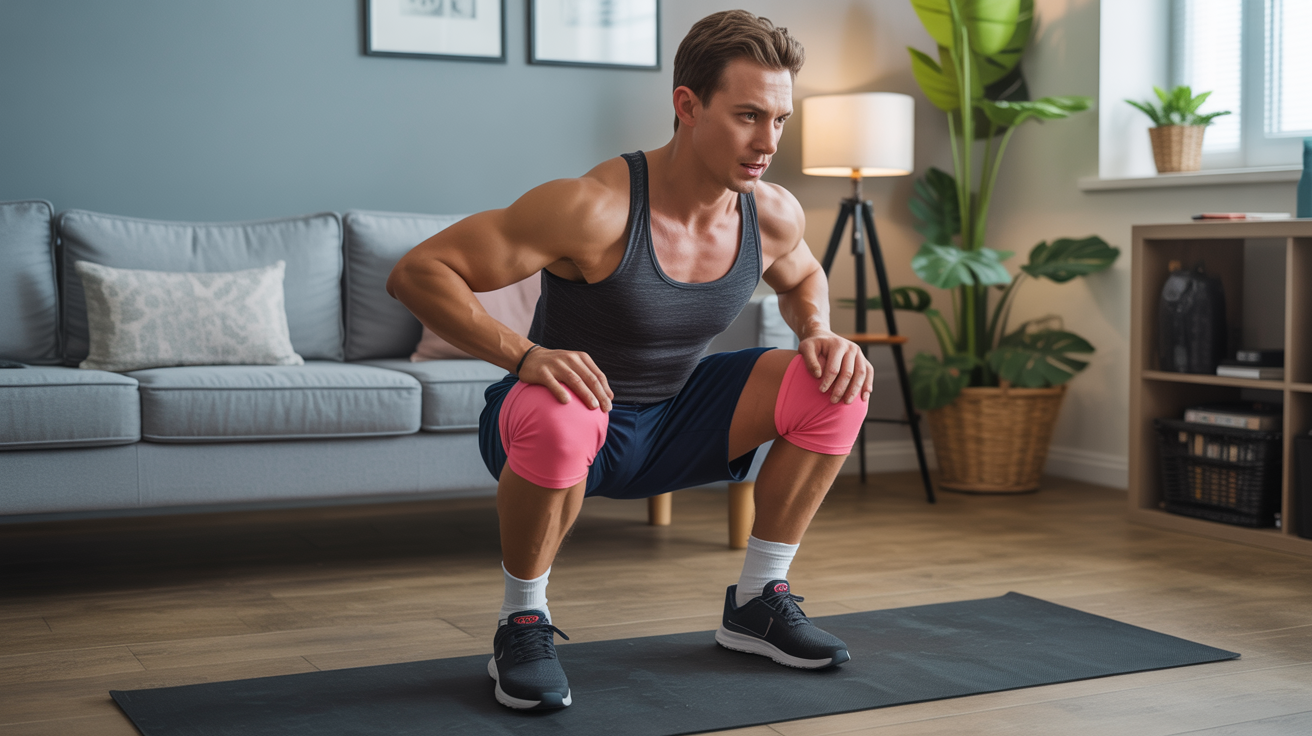
Your knees hurt during squats for a reason. Let me break down what’s actually going on. The good news? Most of these issues are fixable.
- Poor alignment: Your knees cave inward or don’t track with your toes, creating unnecessary stress on joint structures. Your feet might be too narrow or too wide, you’re leaning too far forward onto your toes instead of sitting your hips back, and your weight distribution is off. Knees moving past toes isn’t inherently wrong, but may increase pressure if you’re not ready for it.
- Weak muscles: When your glutes can’t do their job, your knees cave inward during squats, that’s knee valgus. Weak quadriceps and hamstrings reduce knee support even further, making your joint absorb stress it wasn’t designed to handle. Research clearly shows that stronger hips and thighs directly reduce knee pain during squatting movements.
- Poor dorsiflexion: When you can’t bring your shin forward over your toes properly, it throws off your entire knee alignment. Your body compensates by forcing your knees to shift awkwardly or cave inward, creating pressure on structures that weren’t meant to handle it. Physical therapists recommend easy at-home ankle mobility drills to fix this.
- Tendinitis issues: Patellar tendinitis hits below the kneecap, while quadriceps tendinitis strikes above it, both from repetitive stress. Runner’s knee (patellofemoral pain syndrome) creates pain behind your kneecap during squats, stairs, and running, worsening with activity and easing with rest.
- Cartilage wear: Natural aging causes cartilage thinning, leading to stiffness, catching, or mild swelling, not always serious but noticeable. Meniscus tears create clicking, locking, or that feeling like something’s caught inside your knee, making it difficult to straighten your leg fully.
- Osteoarthritis: This causes pain, swelling, and morning stiffness that loosens up with gentle movement. Squatting becomes harder as cartilage wears away and joint friction increases, making your knee lose its smooth motion. Prevalence increases significantly with age and years of weight-bearing activity.
- Too much: Jumping from low activity or a sedentary lifestyle straight into heavy squatting irritates your joints because they haven’t built up tolerance. Stiff knees, reduced range of motion, and weak supporting muscles mean your body isn’t prepared for sudden load. Progressive overload protects your knees by giving them time to strengthen gradually.
How to Fix Knee Pain During Squats?
Fixing knee pain isn’t complicated. You just need the right approach. Let me show you exactly what works.
Step 1: Adjust Your Squat Form
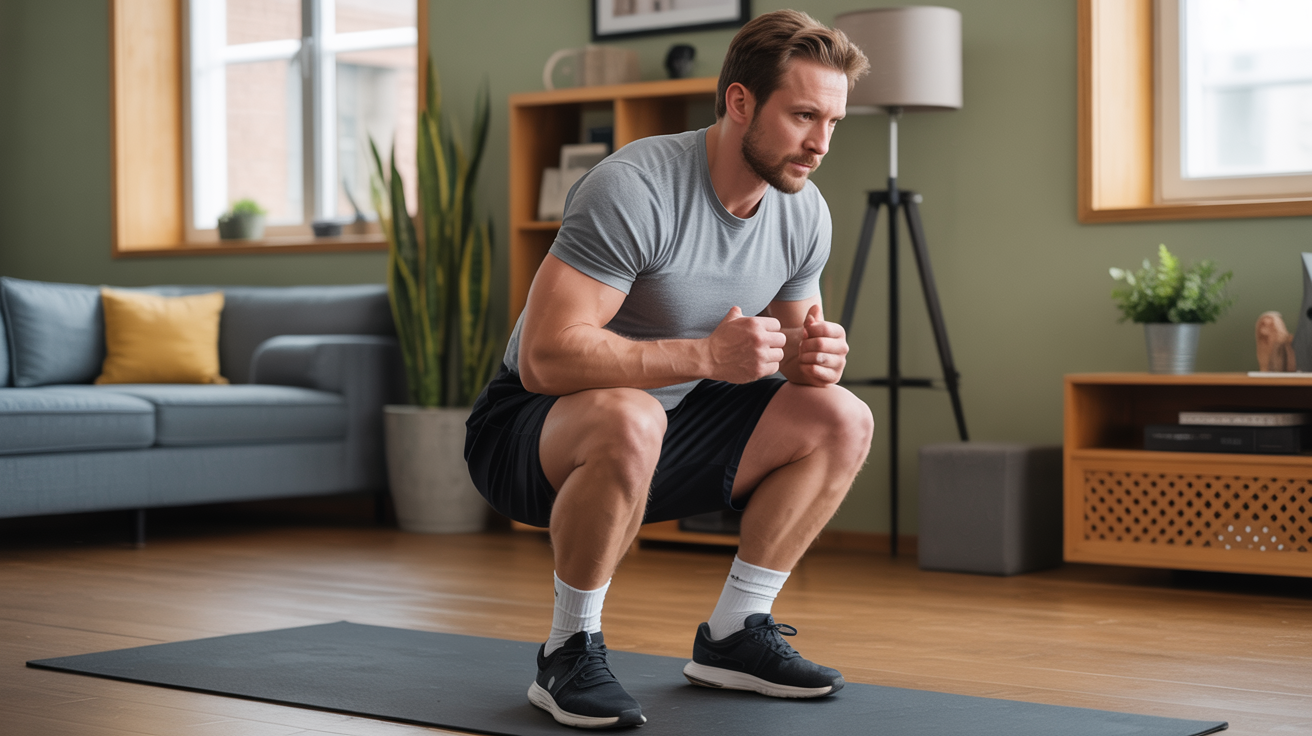
Start with your feet. Position them hip- or shoulder-width apart, whichever feels more stable for your body. Keep three points of contact with the ground: the inside ball of your foot, the outside ball, and your heel. This creates a solid base that prevents wobbling and unnecessary knee stress.
Focus on alignment and movement. Your knees should track in line with your feet throughout the entire movement, no collapsing inward or bowing outward. Sit your hips back like you’re lowering onto a chair, not just bending your knees forward. Keep your chest up and core engaged, and only squat as low as comfortable. Physical therapists and orthopedic experts recommend this step-by-step approach because small adjustments make a massive difference.
Step 2: Start With Modified Squat Variations
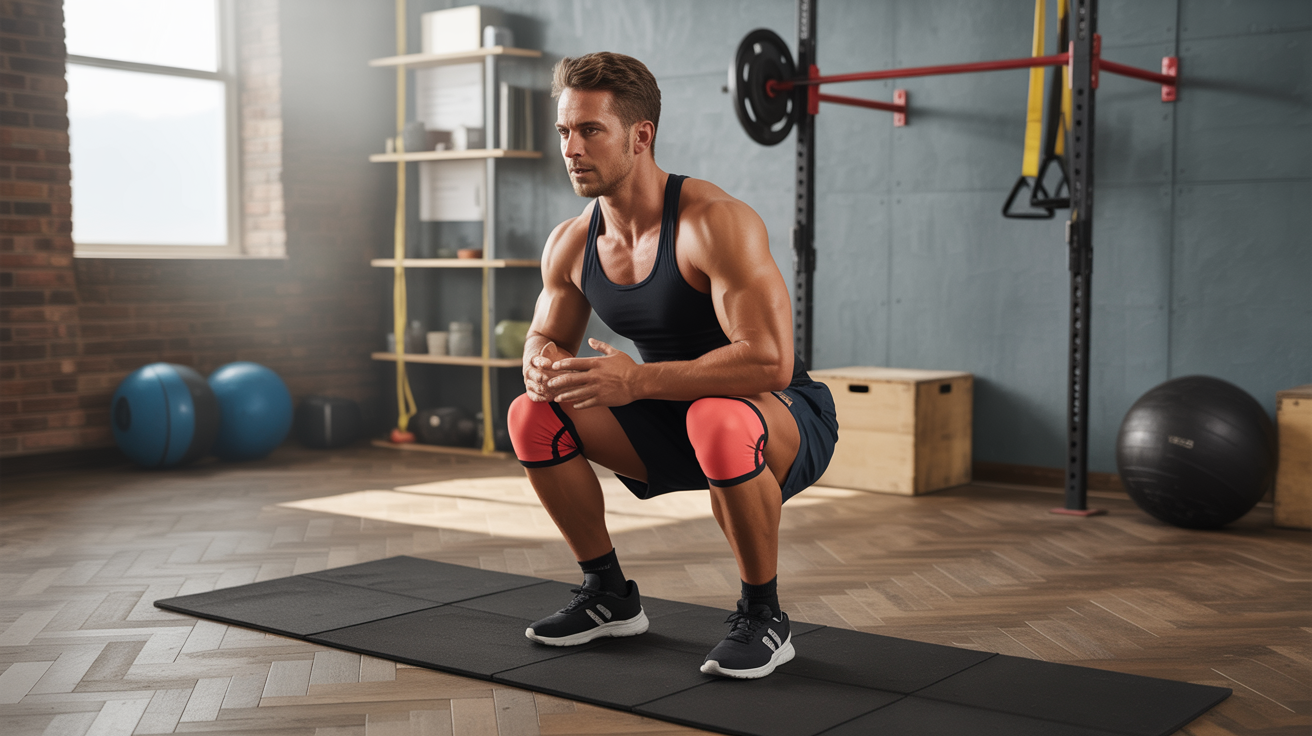
Wall squats are your best starting point. The Arthritis Foundation recommends them because they keep your knees safe and perfectly aligned. Lean your back against a wall and lower down to a comfortable depth, holding for 10-30 seconds. Mini squats work too, just go down a few inches to reduce the load while still building strength.
Try the high-heel squat trick. Elevate your heels about 2 inches using weight plates or a wedge. This reduces knee strain and improves squat depth for those with poor ankle mobility by shifting the angle just enough to make squatting comfortable. Practice sit-to-stand movements from a chair to build strength gradually without overwhelming your joints. Master one level before moving to the next.
Step 3: Strengthen Key Muscles
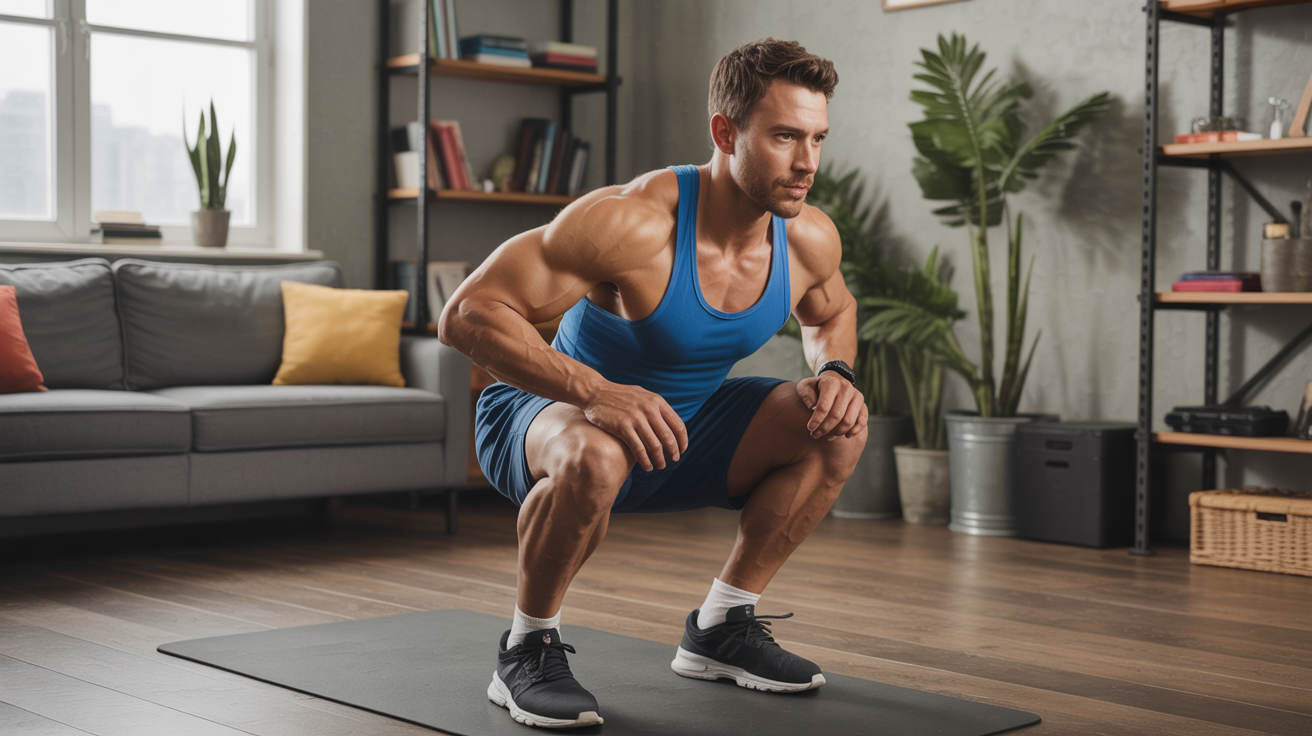
Your muscles provide protection. When your glutes, quads, hamstrings, and hip abductors are strong, they handle the load instead of dumping all the stress onto your knee joint. These muscles work together to stabilize and support your knees during every squat, preventing misalignment and reducing pain.
There’s a bonus benefit, too. Strength training actually increases synovial fluid production in your joints, which is the natural lubricant that keeps your knees moving smoothly. You don’t need fancy equipment to build this strength.
Bodyweight exercises, resistance bands, and simple movements are enough. Consistency matters more than intensity at first, so focus on regular training that progressively challenges these key muscle groups.
Best Exercises to Reduce Knee Pain When Squatting
The right exercises can eliminate your knee pain. Here’s what actually works.
Mobility Exercises
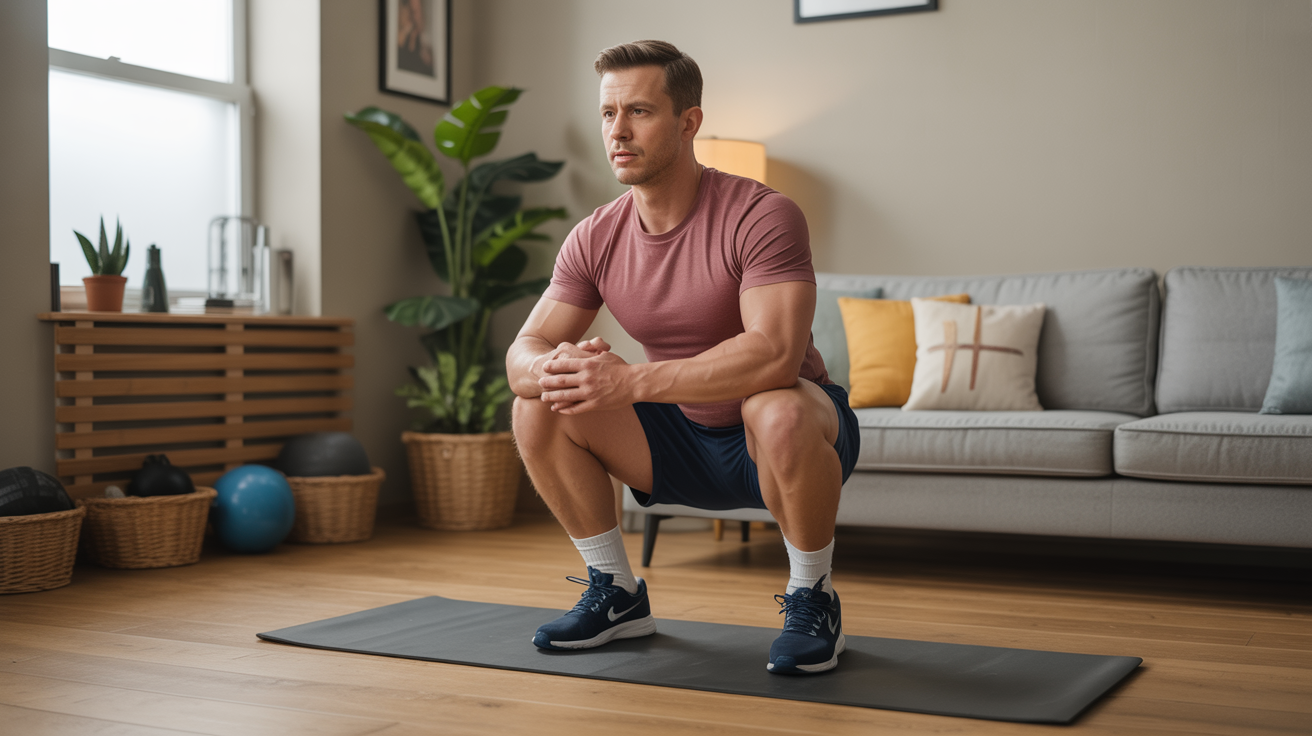
Start with stretches that target key areas. The hamstring stretch, lie on your back and raise one leg straight up, reduces pulling and stiffness behind your knee. For your quads, stand and pull your foot toward your glutes to reduce tension below the kneecap. Both stretches should feel good, not painful.
Work on your hips and ankles, too. The knee-to-chest stretch and child’s pose improve knee comfort and range of motion by opening up your hips.
Ankle pumps are simple: just point and flex your foot repeatedly to increase ankle mobility. These movements prepare your entire lower body for pain-free squatting. Do these daily, consistency beats intensity.
Strengthening Exercises
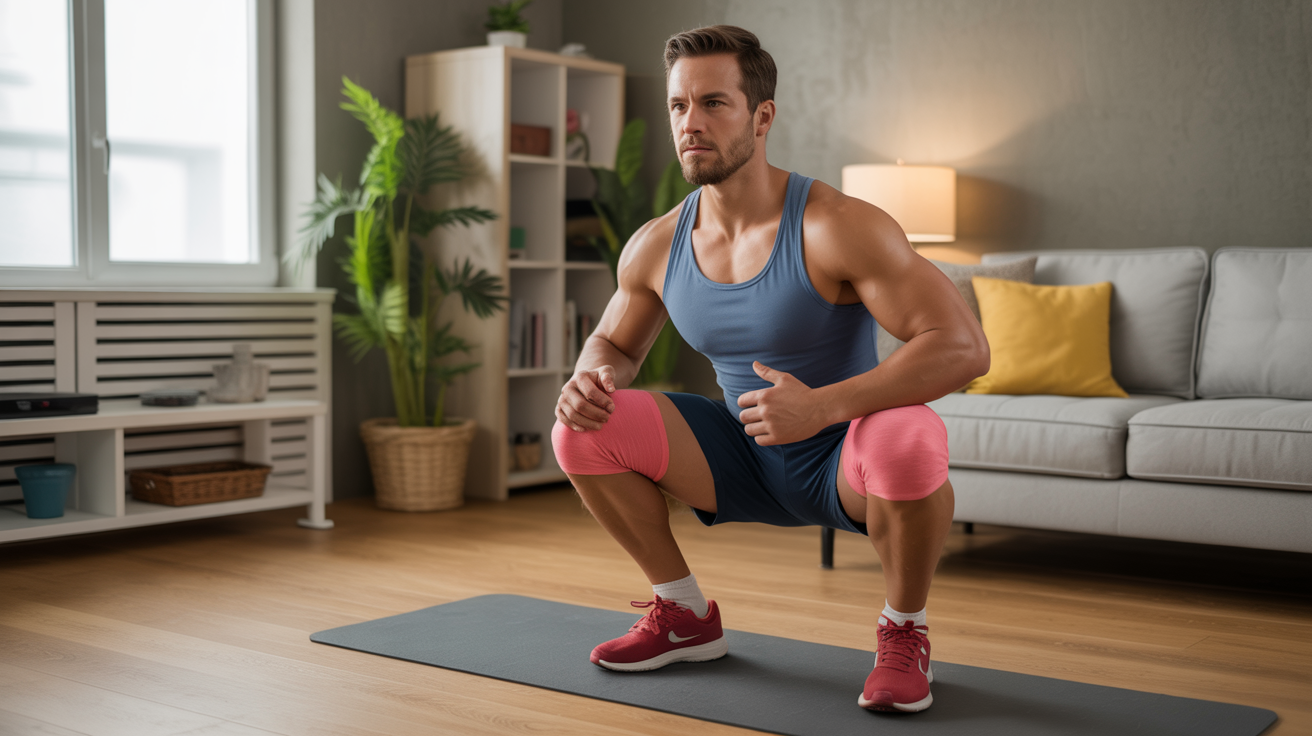
Build strength with low-stress movements. Knee extensions with a resistance band provide safe loading without excessive stress on your joint. Sit in a chair, loop the band around your ankle, and straighten your leg slowly.
Standing side leg raises strengthen your glutes, which prevent your knees from caving inward during squats.
Progress to functional movements. The sit-to-stand squat is your ideal progression to real squats. It builds the exact strength you need in a controlled way.
Research shows that targeted glute and hip strengthening directly reduces post-squat pain. Start with 2-3 sets of 10 reps and gradually increase as you get stronger. Your knees will adapt if you build slowly.
Stability & Technique Drills
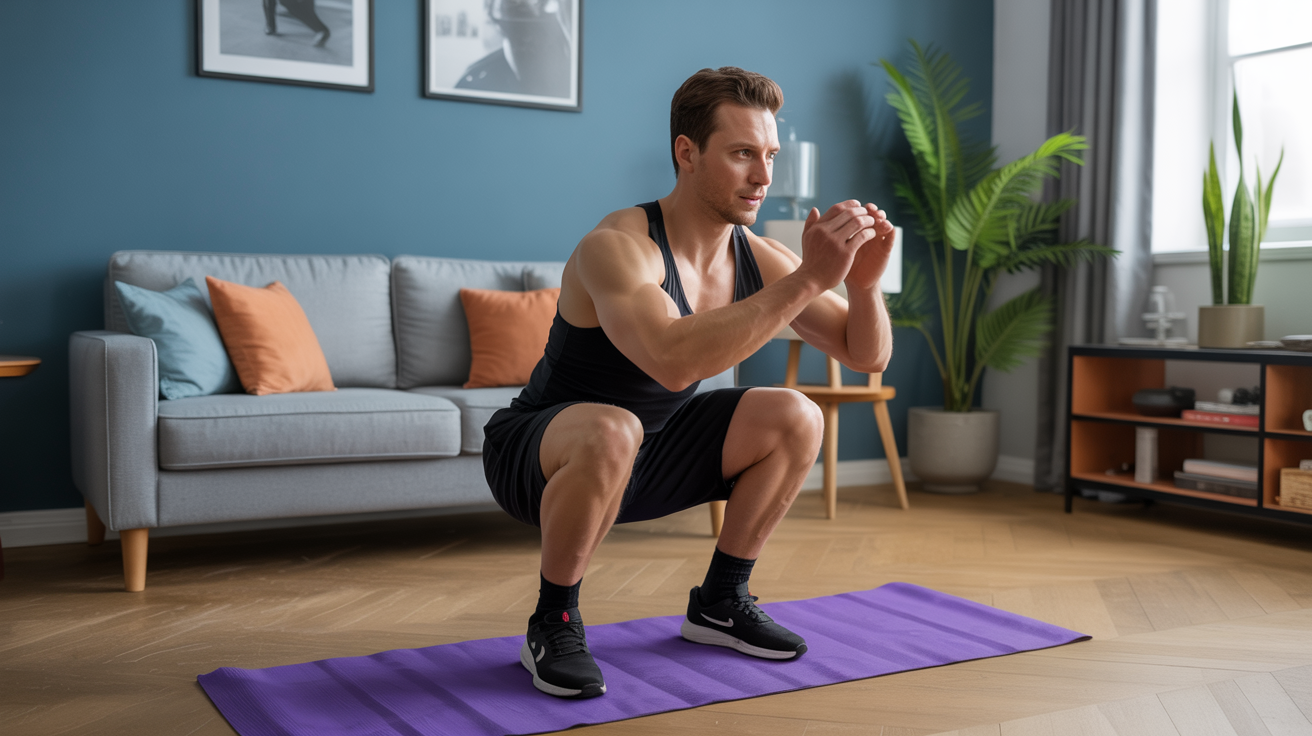
Slow down and focus on alignment. Practice slow squats with proper form, take 3-4 seconds to lower down and 3-4 seconds to come back up.
This teaches your body the correct movement pattern and builds control. Use a counter or chair for balance if needed. There’s no shame in using support while you’re learning.
Master weight distribution. Learn to keep your weight distributed evenly through your feet, all three contact points we talked about earlier.
Feel the pressure on the inside ball, outside ball, and heel throughout the entire movement. This single skill prevents most knee alignment issues and builds the stability you need for pain-free squatting.
How to Prevent Knee Pain During Squats?
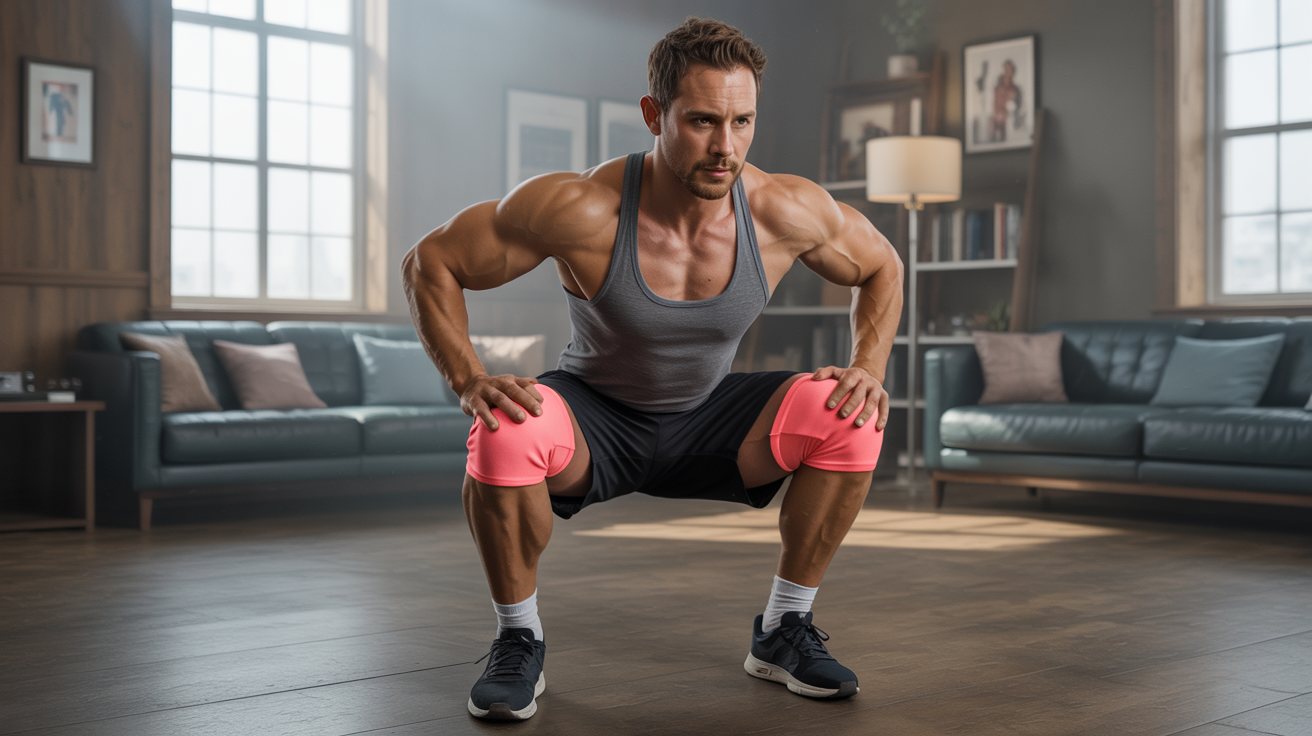
Prevention is always easier than fixing pain after it starts. Let me show you how to protect your knees long-term.
Improve mobility: Your hips drive squat movement while your ankles allow forward knee travel safely. Better mobility in both areas equals smoother, less painful squat form that doesn’t force your knees into compromising positions.
Move throughout the day: “Movement snacks”, walking or stretching every 30–60 minutes, to reduce stiffness caused by sitting too long. Physical therapists encourage this simple habit because it keeps your joints lubricated and ready to move when you need them.
Adjust depth and volume: You don’t need deep squats immediately, so gradually increase depth over time as your strength and mobility improve. Scale back intensity during flare-ups instead of pushing through pain and making things worse.
Conclusion
So why do my knees hurt when I squat? Now you know the answer. It’s usually about form, weak muscles, tight hips, or doing too much too soon. The pain isn’t random, and it’s rarely something you can’t fix.
Start with the basics. Check your form, strengthen your glutes and quads, and work on your ankle mobility. Small adjustments make a big difference. If the pain sticks around or gets worse, don’t ignore it. See a professional who can give you personalized guidance.
You’ve got the knowledge now. Take what works for you and put it into action. And if this helped, share it with someone else dealing with knee pain. Got questions or your own tips? Drop a comment below. Let’s keep the conversation going.
Frequently asked questions
Why do my knees hurt when I squat but not during other exercises?
Squats put more pressure on your knee joint than most movements. If your form is off, your muscles are weak, or you lack ankle mobility, squats will expose these issues first. Other exercises might not demand as much from your knees, which is why the pain shows up specifically during squats.
Is it normal for knees to crack when squatting?
Yes, if there’s no pain. Cracking or popping sounds usually come from gas bubbles in your joint fluid or tendons moving over bone. It’s harmless. However, if cracking comes with pain, swelling, or catching sensations, that could signal a problem worth checking out.
Should my knees go over my toes when squatting?
Yes, it’s perfectly safe for most people. Your knees naturally move forward during a proper squat. The old “knees behind toes” rule is outdated. What matters more is keeping your weight balanced, your knees tracking over your toes, and avoiding inward knee collapse.
Can weak glutes cause knee pain when squatting?
Absolutely. Weak glutes force your quads and knees to do extra work. They also can’t stabilize your hips properly, causing your knees to cave inward. This misalignment puts stress on your knee joint. Strengthening your glutes often reduces or eliminates squat-related knee pain.
When should I see a doctor for knee pain from squatting?
See a doctor if your pain is sharp, doesn’t improve with rest, causes swelling, or limits daily activities. Also seek help if you hear a pop followed by immediate pain, can’t bear weight, or notice your knee giving out or locking up.