
You’re trying to pick between rowing and walking for your workouts. Maybe you want faster results. Maybe you’re short on time. Or maybe you just want to know which one actually works better.
Here’s what I’ll show you: the real differences between rowing and walking, what each does for your body, and which situations call for each exercise.
You’ll get straight facts on calories burned, muscles worked, and how quickly you can expect results.
I’ve spent years testing different cardio methods and figuring out what actually works. This isn’t a theory. It’s practical information based on real experience with both exercises.
Whether you want to lose weight, build endurance, or just stay healthy without wasting time, you’ll know exactly which option makes sense for you. Let’s break it down.
Rowing vs Walking: Building Strength
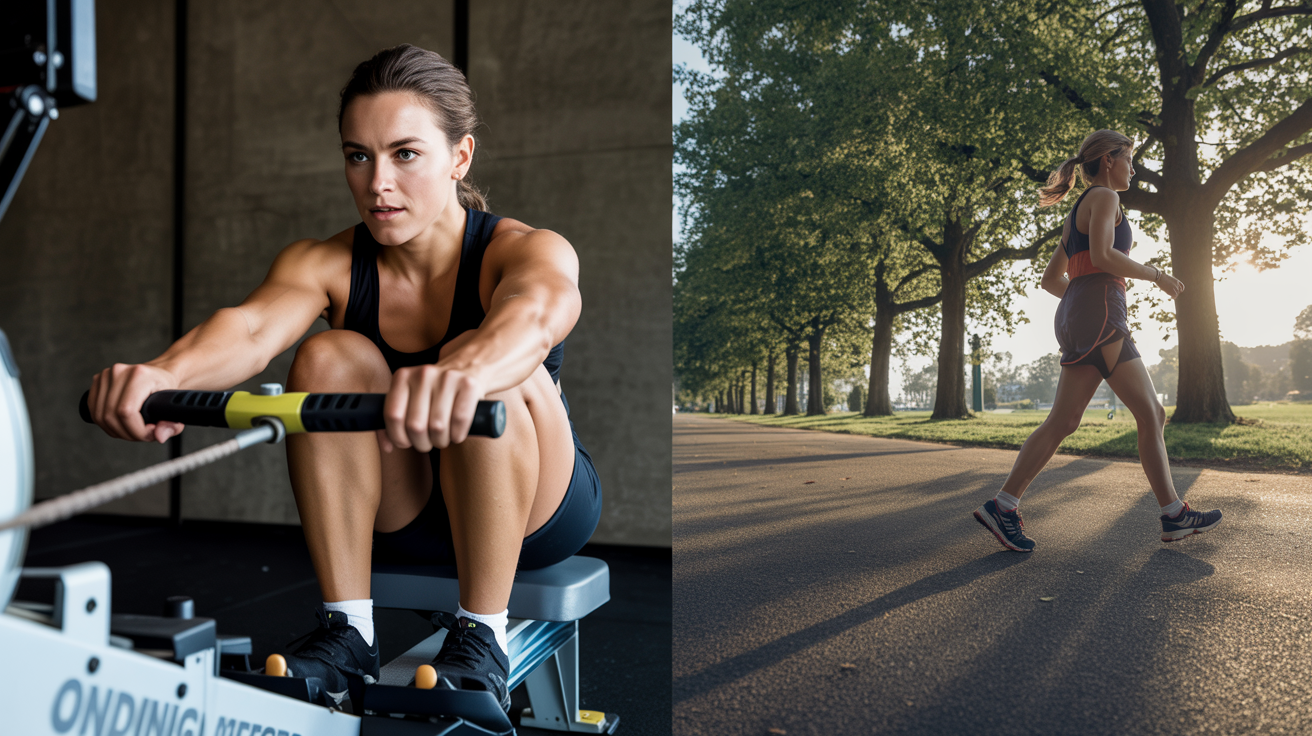
When I row, calories disappear fast. High-intensity movement plus full-body coordination equals serious burn. Your heart rate spikes. Multiple muscle groups work simultaneously. That’s why rowing is called a calorie-burning powerhouse.
You burn more in less time. 20 minutes of rowing can match 40 minutes of walking. Low-impact but taxing enough to make you sweat.
Rowing gives you efficiency. Less time needed. More calories burned. You’re not just moving your legs, you’re moving everything.
Arms, core, back, legs all firing together. That takes fuel. Lots of it. If you’re short on time or focused on weight loss, this matters.
Walking burns calories at a gentler pace. It’s effective for moderate, steady burn over longer periods.
You need more time and distance to match rowing’s results. Walking works best when you maintain consistent effort for 30, 40, or even 60 minutes.
It’s perfect for beginners or a daily low-effort activity. But here’s the truth. Walking requires more of your time to burn the same amount. Great for what it does. Just not as efficient as rowing when the clock is ticking.
Rowing vs Walking: Calorie Expenditure (Primary Section)
When you want to burn calories fast, the exercise you choose matters. Rowing and walking both work. But they work very differently. One burns hot. The other burns steadily.
Rowing for Calorie Burn

Rowing is a calorie-burning powerhouse. When you row, your entire body moves in coordination. That takes energy, a lot of it.
High-intensity plus full-body engagement equals serious calorie burn.
- Elevates your heart rate quickly while staying low-impact
- Burns the same calories as walking in much less time
- Engages multiple muscle groups simultaneously, so more fuel gets burned
You get results faster with rowing. Less time on the machine. More calories torched. That’s the efficiency you’re paying for.
Walking for Calorie Burn

Walking burns calories at a moderate pace. It’s effective, just not intense. You need more time and distance to match what rowing does in 20 minutes.
- Requires consistent effort over extended periods to burn significant calories
- Works best at moderate intensity, not high bursts
- Better suited for beginners or people wanting a low-effort daily activity
Walking is great for steady, sustainable calorie burn. But if you’re short on time? It’s not the most efficient choice you can make.
Key Takeaway
Both exercises burn calories. That’s not debatable. But rowing burns more in less time. If you’re focused on weight loss or working with a tight schedule, rowing wins the efficiency game.
- Rowing: higher calorie burn per minute
- Walking: longer duration needed for similar results
- Your time availability should guide your choice
Choose based on your priorities, not what sounds better. Time-limited? Go with rowing. Prefer gentler, longer sessions? Walking works fine.
Rowing vs Walking: Impact on Joints
Your joints matter. Especially if you’re dealing with knee pain, hip issues, or back sensitivity. Both rowing and walking are low-impact exercises. But they protect your joints in different ways.
Benefits of Low-Impact Rowing

Rowing uses a gentle, gliding motion. No pounding. No jarring. Your feet stay planted while your body moves smoothly through each stroke. This reduces stress on your joints significantly.
- People with knee concerns who can’t handle repetitive impact
- Anyone dealing with hip issues that flare up during weight-bearing exercise
- Those with lower-back sensitivity who need supported movement
Research backs this up. Rowing minimises joint impact while still challenging your body. Plus, it supports bone density, which lowers your osteoporosis risk over time. You’re protecting your joints and strengthening your bones.
Impact of Walking on Joints

Walking is also low-impact. Your feet hit the ground, but not hard. It’s gentler than running or jumping. Most people at any fitness level can walk safely.
- Generally safe for most people, even beginners
- Supports bone density through weight-bearing movement
- Typically doesn’t aggravate existing joint problems
But here’s the difference. Walking doesn’t support bone density as much as rowing does. It’s still good for your joints. Just not quite as protective or bone-strengthening as rowing’s full-body, resistance-based movement.
Rowing vs Walking: Cardiovascular Benefits
Your heart needs exercise. Both rowing and walking strengthen it. But they challenge your cardiovascular system in very different ways. One pushes hard and fast. The other builds steady endurance.
Cardio Advantages of Rowing
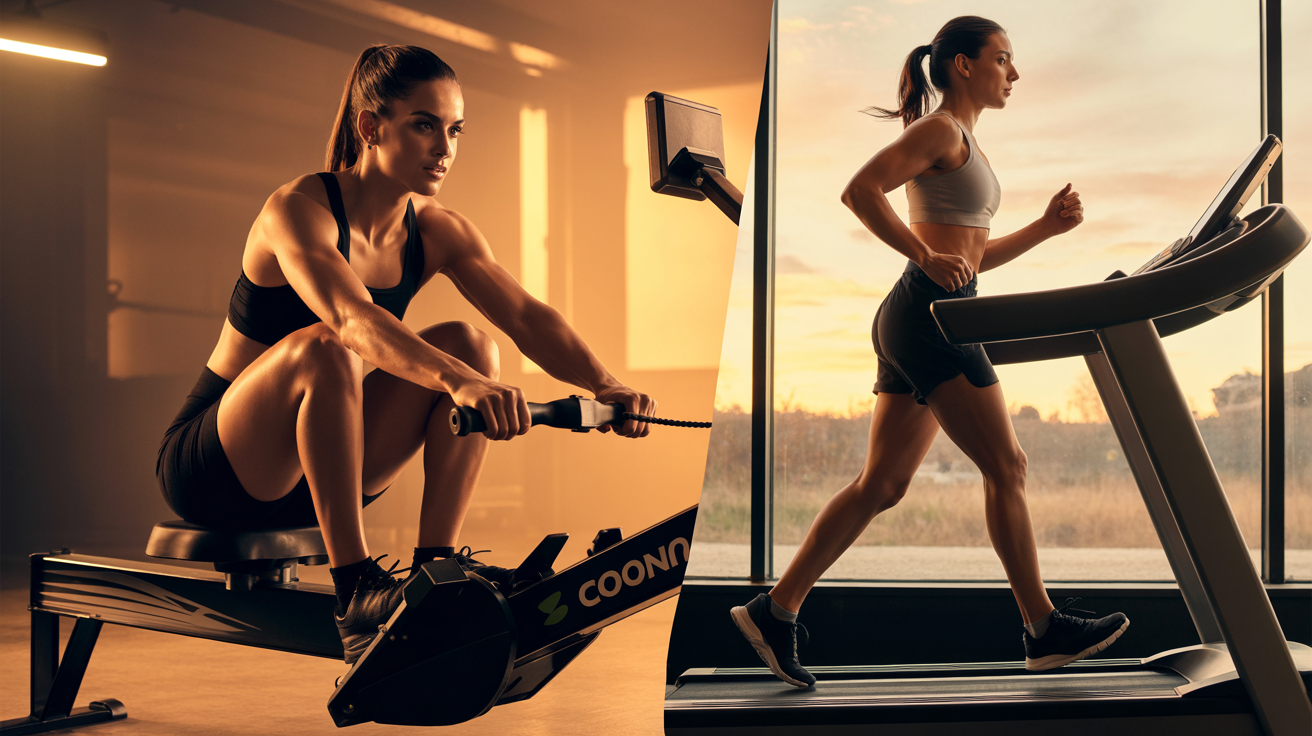
Rowing delivers full-body, high-intensity cardio. When I row, my heart rate climbs quickly. Every muscle working means your heart has to pump harder. That’s what strengthens it.
- Increases cardiovascular capacity through intense effort
- Strengthens your heart muscle with high-intensity intervals
- Achieves measurable results in shorter workout times
You don’t need an hour on the rower to see improvements. 20 to 30 minutes of solid work challenges your cardiovascular system enough to create real change. Time-efficient heart training.
Cardio Advantages of Walking

Walking provides moderate aerobic conditioning. It’s great for heart health. Your heart rate elevates, but not dramatically. You’re building endurance at a comfortable pace.
- Steady aerobic activity that’s easy to maintain
- Great for long-term heart health and endurance building
- Safe, sustainable cardio for most fitness levels
But walking needs longer sessions to match rowing’s cardiovascular improvements. You’ll need 45 to 60 minutes to get what rowing delivers in 20. Walking works. It just takes more of your time to strengthen your heart at the same level.
Rowing vs Walking: Fat Burning Potential
Fat loss comes down to burning more than you consume. Both rowing and walking burn fat. But the intensity and time required are completely different.
One torches fat fast. The other burns it slow and steady.
Fat Loss With Rowing
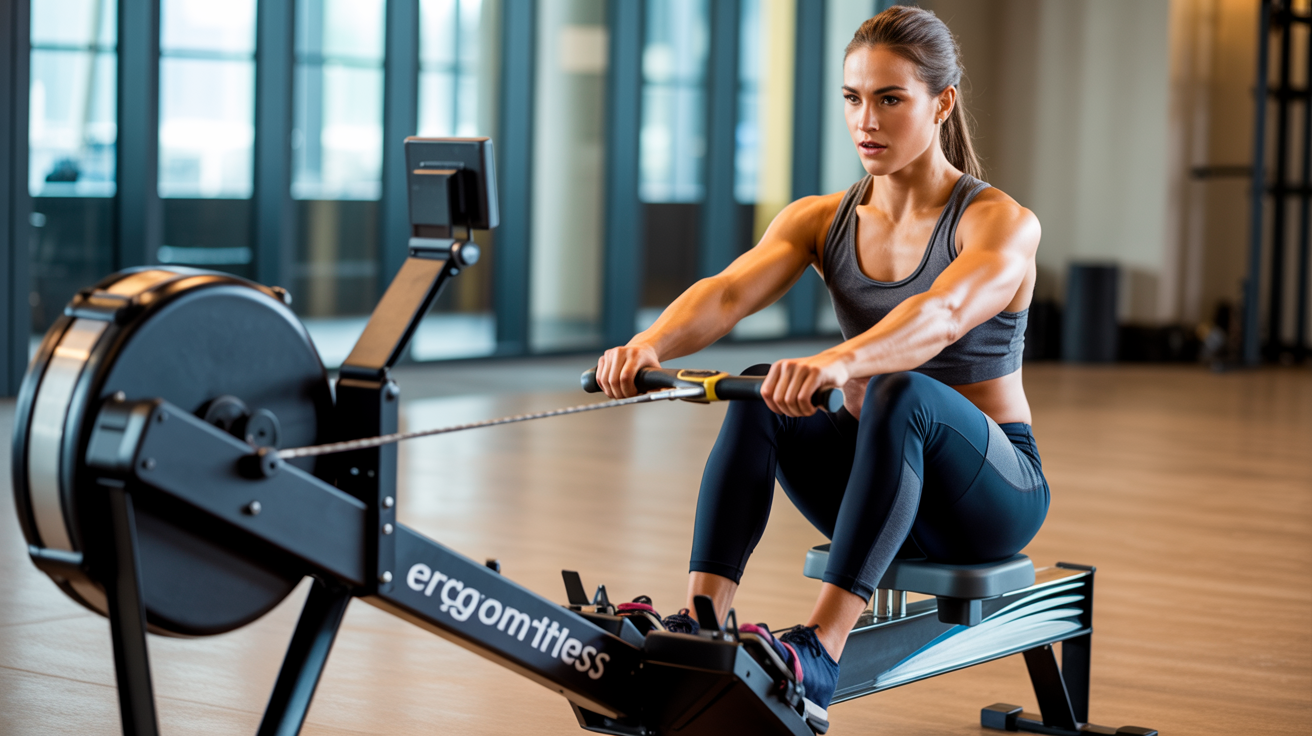
Rowing uses high-intensity effort to tap into your fat stores. When you push hard, your body needs fuel quickly. It pulls from fat reserves.
That’s how rowing supports weight loss and body recomposition efficiently.
- High-intensity workouts force your body to use stored fat as fuel
- Supports weight loss and muscle building at the same time
- Maximises calorie and fat burn in minimal time
This is one of the best options when you’re short on time but serious about results. 20 to 30 minutes of intense rowing can shift your body composition. Fast fat burn with strength gains included.
Fat Loss With Walking

Walking burns fat through steady-state exercise. It’s gradual. Consistent. Your body uses fat as fuel, but at a comfortable pace. No rush. No intensity spikes.
- Burns fat slowly over extended periods
- Effective but slower than rowing for visible results
- Perfect for beginners, seniors, or anyone preferring low-intensity routines
Walking works well if you’re not ready for high intensity. You’ll lose fat over time with consistent effort. Just know it takes longer sessions and more patience than rowing demands.
Rowing vs Walking: Efficiency Comparison
Here’s a side-by-side breakdown of how rowing and walking compare across key efficiency factors:
| Factor | Rowing | Walking |
| Workout Type | Combines strength training, cardio, and calorie burn in one | Primarily cardio and lower-body endurance |
| Time Required | 20–30 minutes for a complete workout | 45–60 minutes for similar results |
| Muscle Engagement | 86% of muscles worked per session | Mainly lower body (legs, glutes, calves) |
| Calorie Burn | High, burns more calories per minute | Moderate, requires longer duration |
| Intensity Level | High-intensity, full-body effort | Low to moderate intensity |
| Accessibility | Requires rowing machine or gym access | Can be done anywhere, anytime, no equipment needed |
| Convenience | Need specific equipment and space | Walk out your door and start |
| Best For | Time-efficient, maximum results in minimal time | Easy to fit into daily routine without planning |
Practical Recommendations Based on Your Fitness Goals

Your fitness goals determine which exercise works best. There’s no one-size-fits-all answer here. Match your choice to what you’re actually trying to achieve. Here’s how to decide.
- Choose rowing when: You want maximum calorie burn in minimal time. Full-body training appeals to you more than just leg work.
- Rowing for joints: You have knee, hip, or back issues and need low-impact exercise that still challenges your whole body.
- Fast fat loss: You’re focused on time-efficient workouts and want results quickly. Rowing delivers both strength and cardio in 20–30 minutes.
- Choose walking when: You prefer steady, lower-intensity routines that don’t spike your heart rate dramatically.
- Walking for beginners: You’re new to exercise, recovering from injury, or just getting back into fitness after time off.
- Outdoor movement matters: You enjoy being outside and need a stress-free activity you can do anywhere without equipment.
- Best combined approach: Use rowing for high-calorie burn and strength building. Use walking for active recovery and steady daily movement. This balanced routine supports overall fitness and keeps you consistent without burning out.
Conclusion
So, rowing vs walking, which one wins? Honestly, it depends on what you’re after. Rowing burns more calories and builds more muscle in less time. Walking is easier on your joints, more accessible, and you can do it anywhere without equipment.
Both exercises work, and both have their place. Pick based on your goals, your body, and what you’ll actually stick with. That’s what matters most. Consistency beats intensity if you can’t keep showing up.
Try whichever one sounds better to you and see how your body responds. Maybe you’ll even mix both into your week. If you’ve tried rowing or walking for fitness, or you’re still deciding, let me know in the comments what’s working for you. And if this helped you choose, share it with someone else trying to figure out the same thing.
Frequently asked questions
Is rowing better than walking for weight loss?
Rowing typically burns more calories per minute than walking, making it more efficient for weight loss. A 30-minute rowing session can burn 200-300 calories, while walking burns 100-200 in the same time. However, walking is easier to sustain long-term for many people, which matters for consistent results.
Does rowing build more muscle than walking?
Yes, rowing works significantly more muscles than walking. Rowing engages your back, arms, shoulders, core, and legs in one movement. Walking primarily works your lower body. If you want full-body muscle engagement and strength building, rowing has a clear advantage over walking.
Is walking or rowing easier on your joints?
Walking is generally easier on your joints, especially if you have knee or back issues. It’s low-impact and natural. Rowing is also low-impact but requires proper form to avoid strain. If you have existing joint problems, walking is usually the safer starting point before progressing to rowing.
Can I do rowing and walking together?
Absolutely. Combining both gives you variety and balanced benefits. You could row for intense cardio sessions and walk for active recovery or daily movement. Many people alternate days or use walking as a warm-up before rowing. Using both prevents boredom and works your body differently.
Which is better for beginners: rowing or walking?
Walking is better for complete beginners. It requires no equipment, no learning curve, and you can start immediately. Rowing requires proper technique to be effective and safe. Once you build basic fitness through walking, adding rowing can take your results to the next level with full-body conditioning.