You’ve seen those little pedal exercisers under desks and wondered if they actually do anything. Maybe you’re sitting too much at work. Maybe your legs feel stiff by the end of the day. You’re looking for something that fits into real life.
Here’s what you need to know: pedal exercisers offer real benefits you probably haven’t heard about. In this article, I’ll show you how these simple machines improve circulation, increase energy, and help with mobility, all while you’re sitting. You’ll learn which benefits matter most and how to use one effectively.
I’ve tested different pedal exercisers and talked to people who use them daily. This isn’t marketing hype. It’s honest information about what works. If you’re dealing with a desk job, recovering from injury, or just want to move more, you’ll find practical answers here.
What is a Pedal Exerciser?
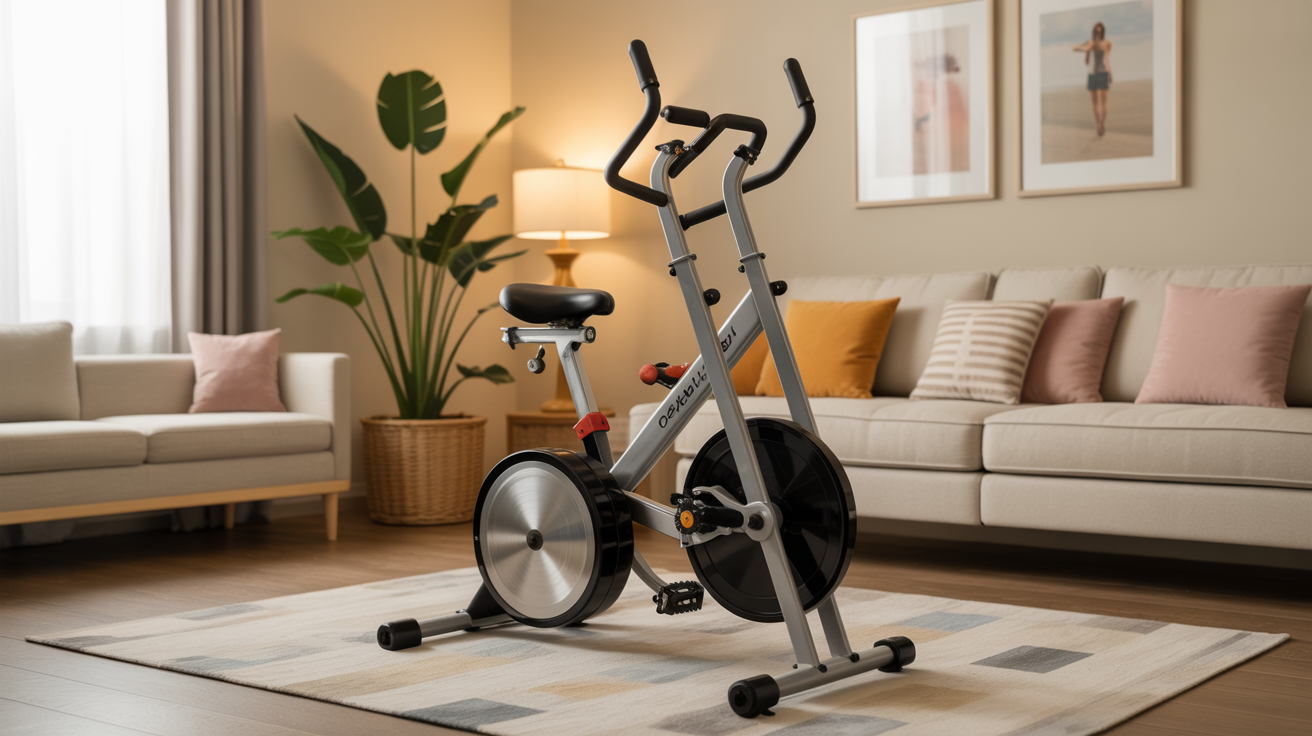
A pedal exerciser is a mini stationary bike. It sits on the floor and lets you pedal while seated in a chair. These devices are tiny and portable. Most weigh under 10 pounds and fit easily under your desk or in front of your couch. You can use them at home, at the office, in rehabilitation clinics, or in senior living facilities. They go wherever you need them. No full-sized bike or gym membership required.
The mechanism mimics actual cycling motion. Your feet go on the pedals, and you rotate them forward (backwards on some models) to engage your leg muscles. Most pedal exercisers include adjustable resistance levels, non-slip pedal straps, and LCD monitors that track time, distance, and calories burned. Simple design, effective results, no complicated setup required.
This device serves multiple user groups. Seniors use pedal exercisers to maintain mobility without joint stress. Office workers pedal during meetings to combat sitting all day. Post-surgery patients rely on them during rehabilitation when full bikes feel too intense. Anyone who needs low-impact daily movement can benefit from the simplicity and accessibility of a pedal exerciser.
What is a Stationary Bike?
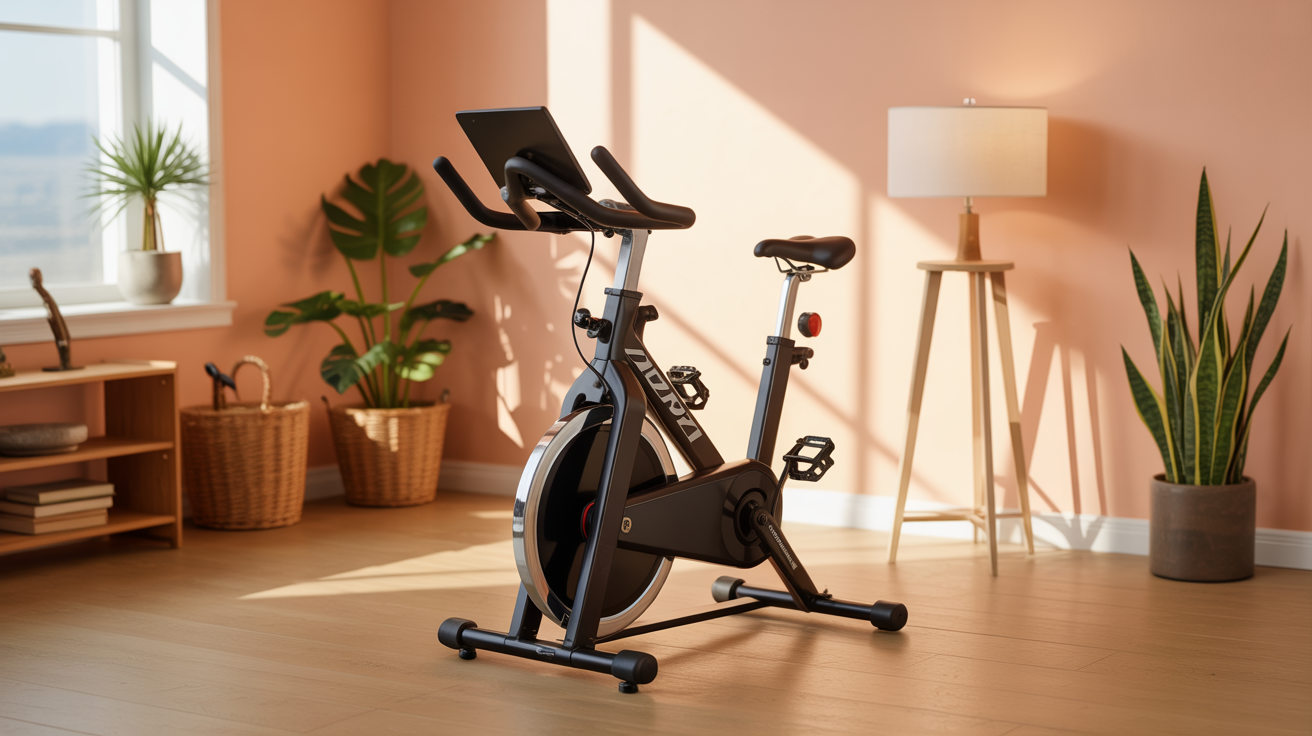
A stationary bike is a full-sized exercise machine. It stays in one place while you pedal, giving you a complete cycling workout indoors. Unlike mini pedal exercisers, these bikes are built for serious cardio training.
These machines are designed for higher-intensity workouts. Stationary bikes come built for cardio, weight loss, and endurance training with adjustable seats, handlebars, and resistance settings you can customise. You’ll find three main types: upright bikes that mimic road cycling, recumbent bikes with back support for comfort, and foldable versions that save space. Each type serves different fitness needs and comfort preferences.
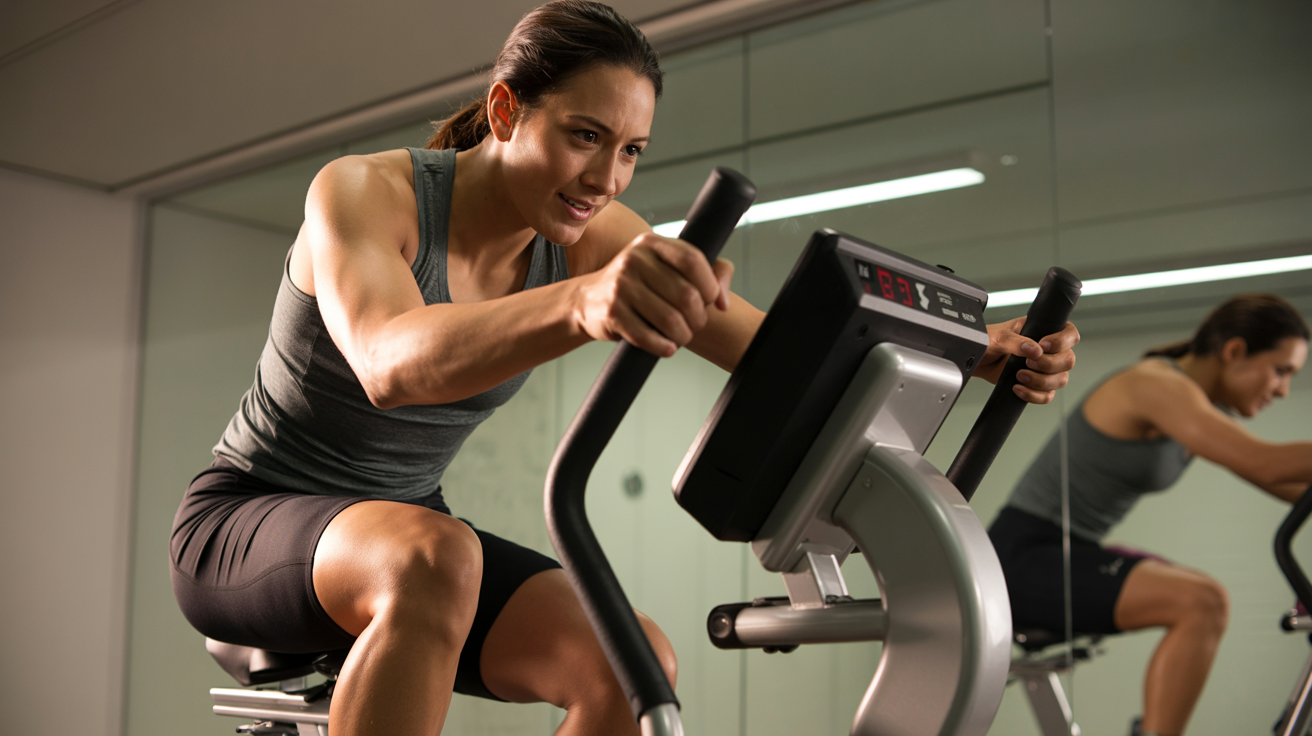
Stationary bikes engage more muscle groups than mini exercisers. They work your quads, hamstrings, glutes, and calves intensely while also activating your core and back muscles. The full cycling posture, standing pedalling options, handlebar grips, and proper seat positioning, greater muscle engagement throughout your entire lower body. This isn’t just leg movement. It’s a complete workout that builds strength, burns calories, and tones multiple muscle groups simultaneously.
Pedal Exerciser Benefits
Pedal exercisers pack serious benefits into a small package. They might look simple, but these mini machines deliver real health improvements. Let me walk you through seven major advantages that make pedal exercisers worth your time.
1. Improves Blood Circulation

Your blood needs to keep moving. Sitting for hours slows circulation in your legs, which creates problems over time. Pedal exercisers combat this directly.
- Especially beneficial for people sitting long hours at desks or in front of TVs
- Helps reduce leg swelling, varicose veins, and the risk of blood clots
- Even 15–20 minutes of light pedalling shows noticeable improvements in circulation
Your legs will thank you. Better circulation means less pain and more energy throughout your day.
2. Gentle on Joints & Ideal for Arthritis
High-impact exercise destroys arthritic joints. Running and jumping create pain that stops people from exercising altogether. Pedal exercisers solve this problem with smooth, low-impact motion.
- Low-impact circular motion protects knees, hips, and ankles from jarring forces
- Recommended for arthritis patients as it strengthens muscles around the knee joints
- Great for anyone who cannot tolerate high-impact workouts but needs daily movement
Doctors specifically prescribe pedal exercisers for joint issues. The gentle movement reduces arthritis pain over time instead of making it worse.
3. Easy to Use & Set Up
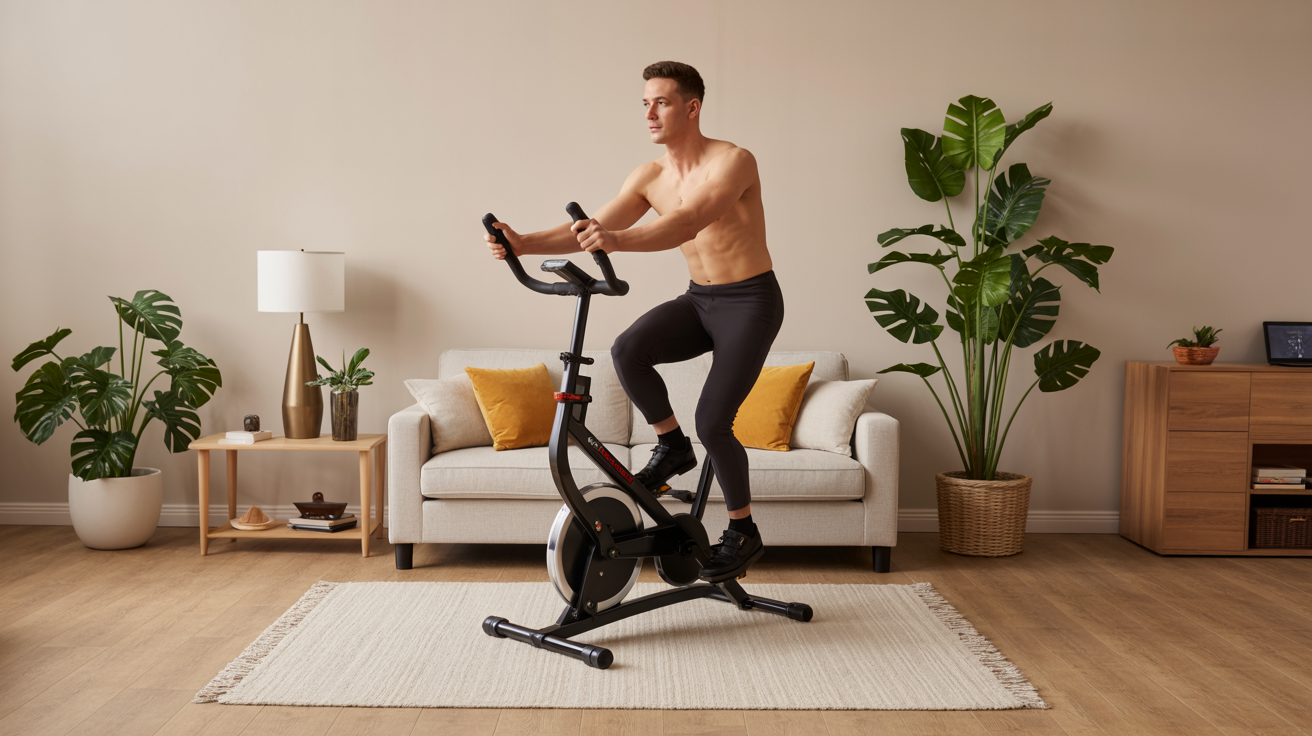
No complex assembly required. Most pedal exercisers work straight out of the box. You don’t need tools, instructions, or technical knowledge to get started.
- No complex assembly, ready to use immediately after unboxing
- Adjustable resistance fits users with limited mobility or varying strength levels
- Can be placed under tables for leg workouts or on counters for arm exercises
Anyone can use these devices regardless of fitness level or physical limitations. Setup takes seconds, not hours.
4. Supports Daily Cardiovascular Health
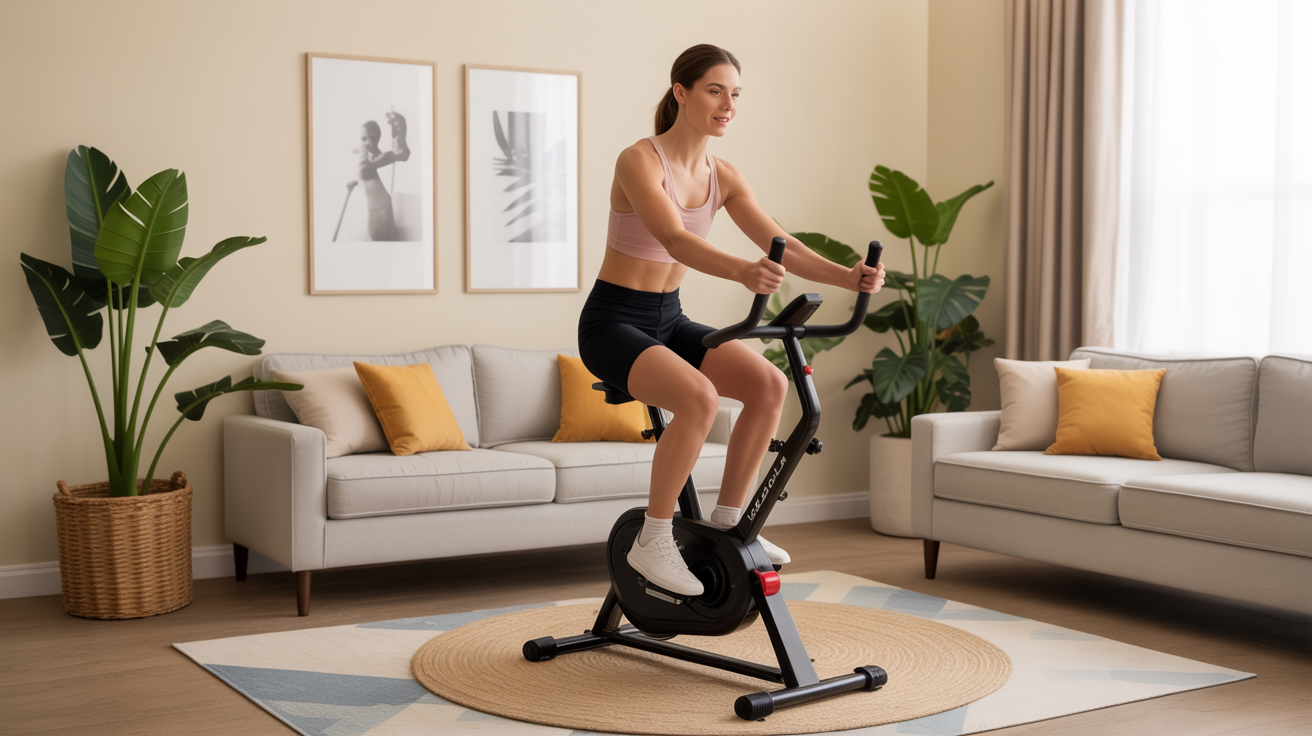
Your heart needs consistent movement. Pedal exercisers raise your heart rate gently without overwhelming your cardiovascular system. This matters especially for seniors or sedentary users.
- Raises heart rate gently, ideal for seniors or people who’ve been inactive
- 30 minutes of moderate pedalling promotes heart health and circulation
- Strengthens the heart muscle and lowers blood pressure gradually over time
You don’t need intense workouts to help your heart. Gentle, consistent movement works better for many people than occasional hard exercise.
5. Excellent for Rehabilitation
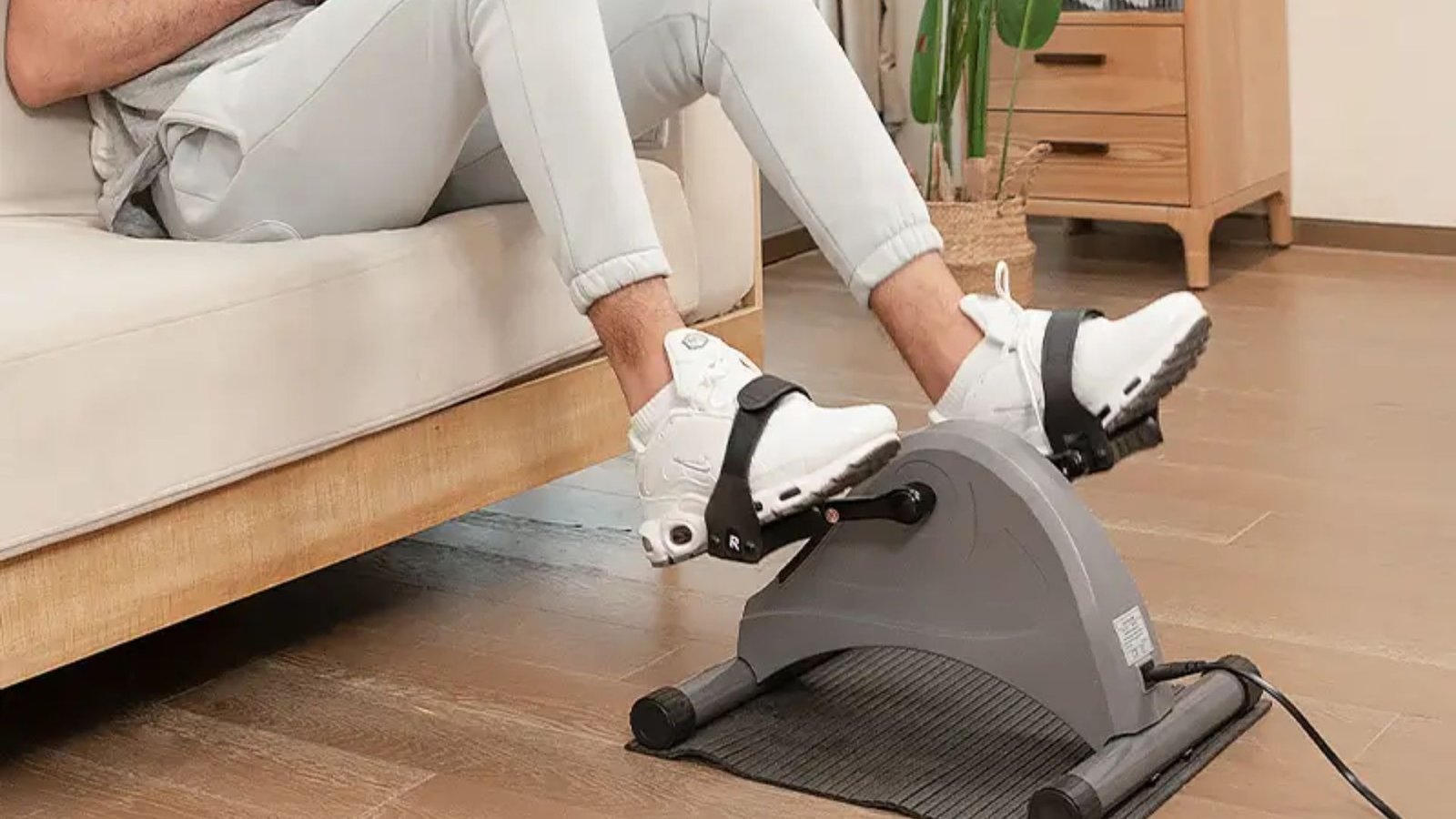
Recovery requires controlled movement. After surgery or injury, your body needs gentle exercise that won’t cause reinjury. Pedal exercisers provide exactly that.
- Controlled, low-risk movement aids recovery after surgery or injury safely
- Used for knee and hip rehabilitation in physical therapy settings
- Improves range of motion without the risk of falling or overexertion
Physical therapists rely on these devices because they can start rehabilitation earlier. You progress at your own pace while rebuilding strength safely.
6. Highly Portable & Space-Saving

This is one of the strongest advantages over stationary bikes. You’re not locked into one room or a corner of your house. Pedal exercisers move wherever you go.
- Lightweight design makes it easy to move from room to room
- Doesn’t require dedicated floor space, fits under furniture when not in use
- Works perfectly in apartments, small offices, or any tight space
Freedom to exercise anywhere changes everything. You’ll actually use equipment that doesn’t dominate your living space or require one permanent location.
7. Budget-Friendly & Accessible
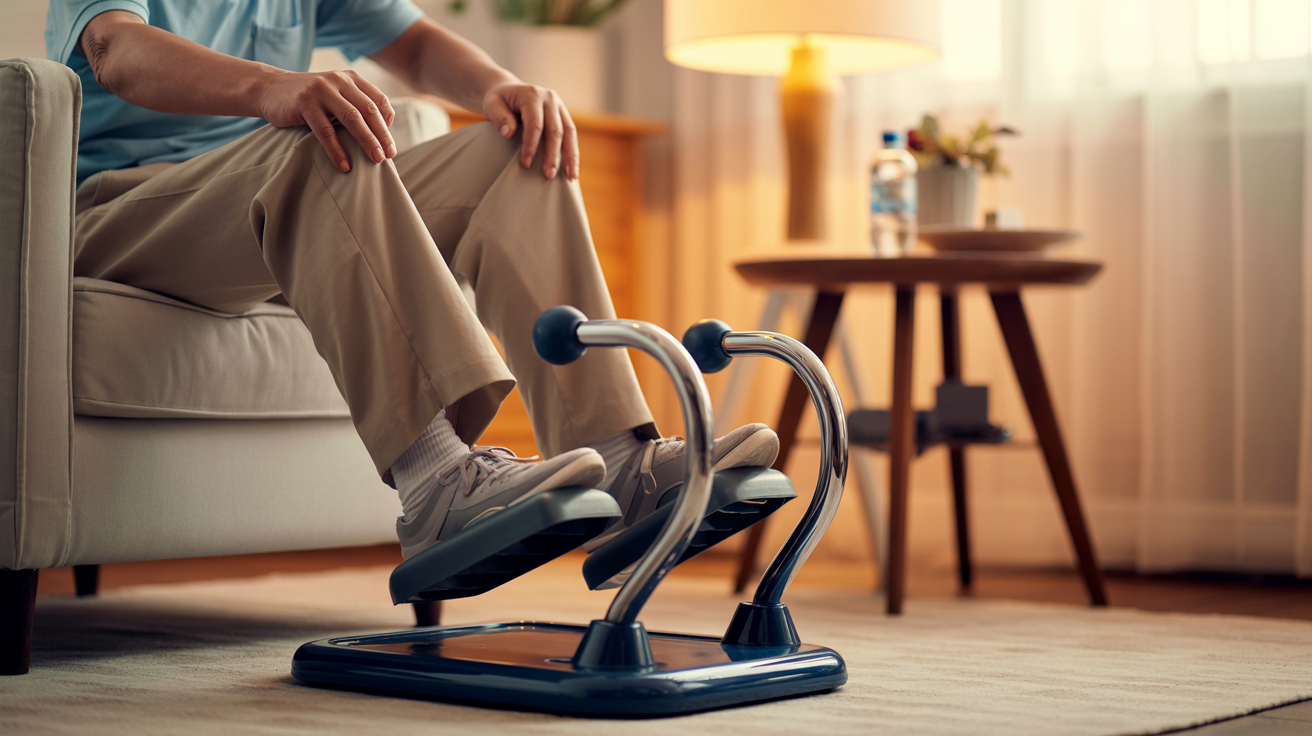
Cost shouldn’t block fitness. Full-size stationary bikes run hundreds of dollars. Pedal exercisers cost a fraction of that price while still delivering real health benefits.
- Lower cost than full-size stationary bikes by a significant margin
- Suitable entry-level option for fitness beginners or seniors on fixed incomes
- Removes financial barriers while still providing consistent daily movement
The affordable price point makes fitness accessible to everyone. You get regular exercise without the financial stress of expensive equipment or gym memberships.
Stationary Bike Benefits
Stationary bikes deliver more than pedal exercisers can. They’re built for serious workouts that challenge your entire body. Let me show you three major benefits that make stationary bikes worth the investment.
1. Superior Cardiovascular Intensity
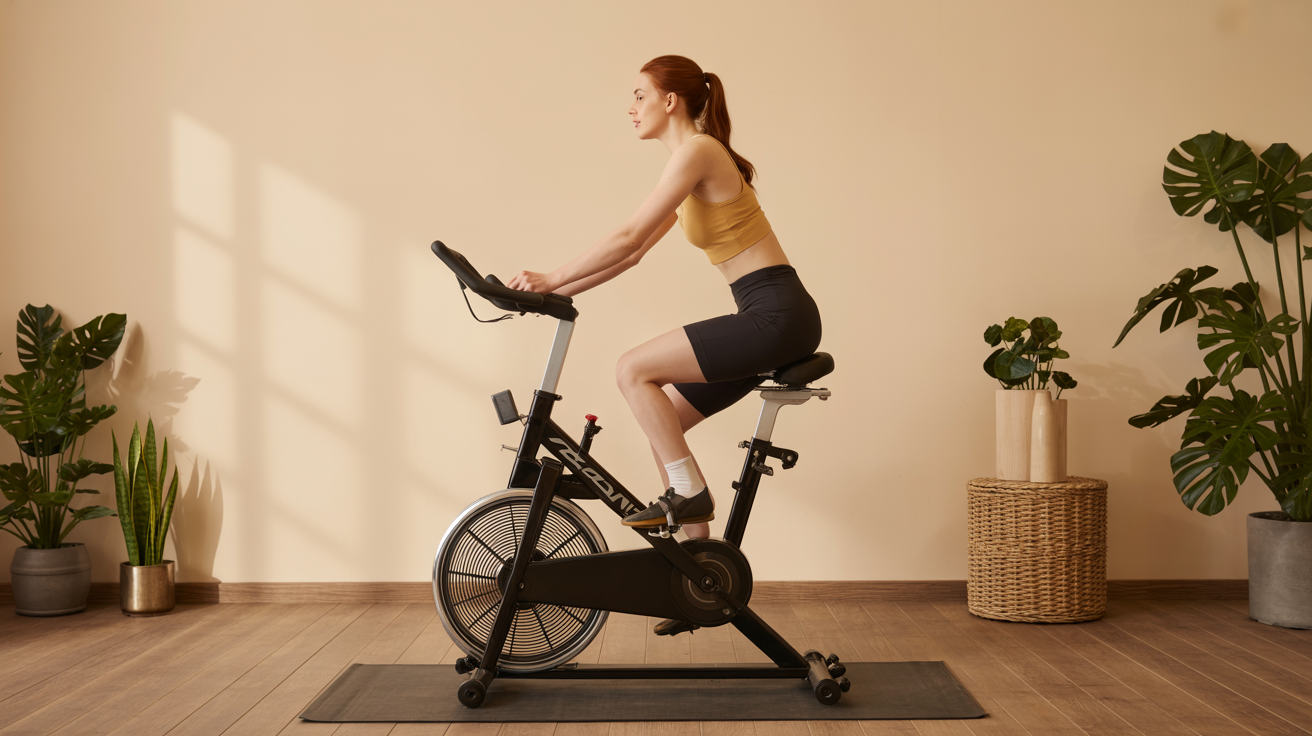
Stationary bikes push your limits. Unlike mini pedal exercisers, these machines let you perform high-intensity interval training that really makes you sweat. Your heart rate climbs fast.
- It burns significantly more calories per session than light pedalling
- Better for weight loss when combined with proper nutrition
- Builds endurance and stamina faster than low-intensity exercise
If you want serious cardio results, stationary bikes win. The ability to go harder means faster improvements in fitness and body composition.
2. Full-Body Engagement
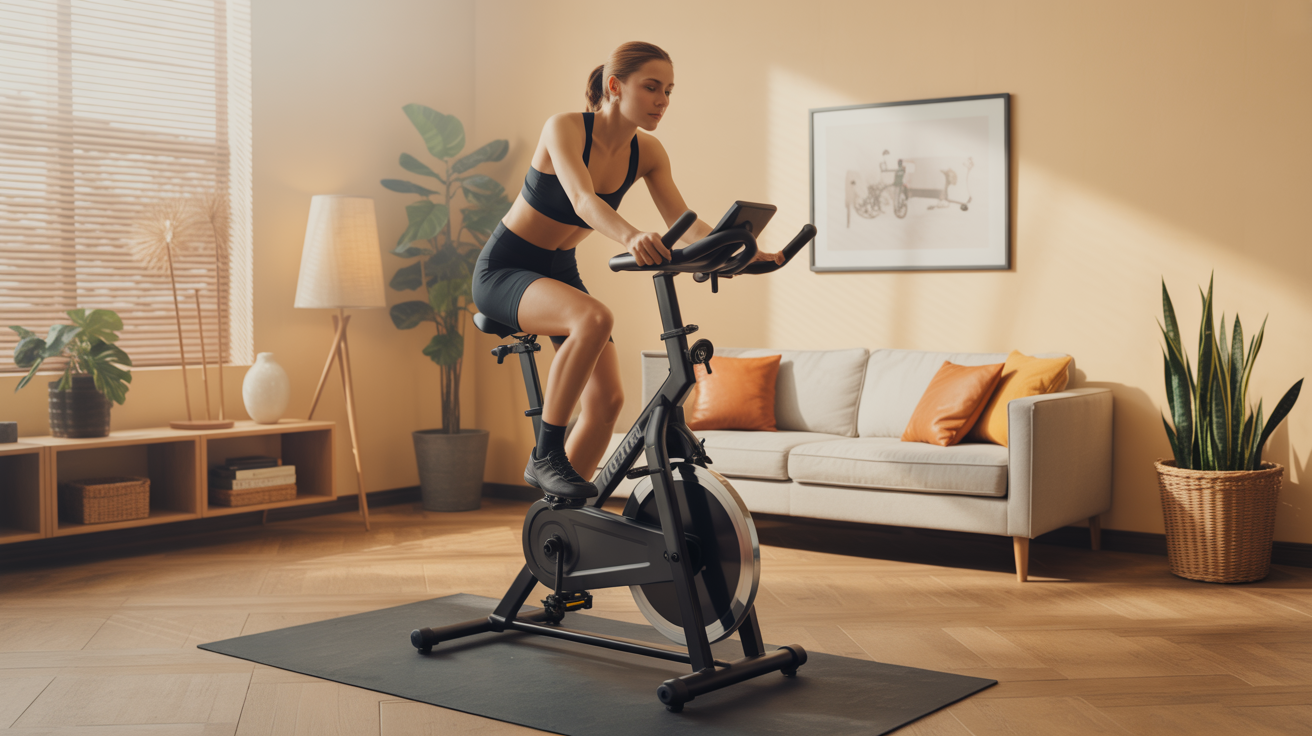
These bikes work more than just your legs. The full cycling posture, leaning forward, gripping handlebars, and stabilising your body, activates muscles throughout your entire body. Pedal exercisers can’t do this.
- Core muscles that stabilise your torso during every pedal stroke
- Back muscles that support your posture throughout the ride
- Arms and shoulders from gripping handlebars, especially during standing climbs
This upgrades your overall strength and fitness levels beyond simple leg toning. More muscles working means better total-body results.
3. Advanced Workout Tracking
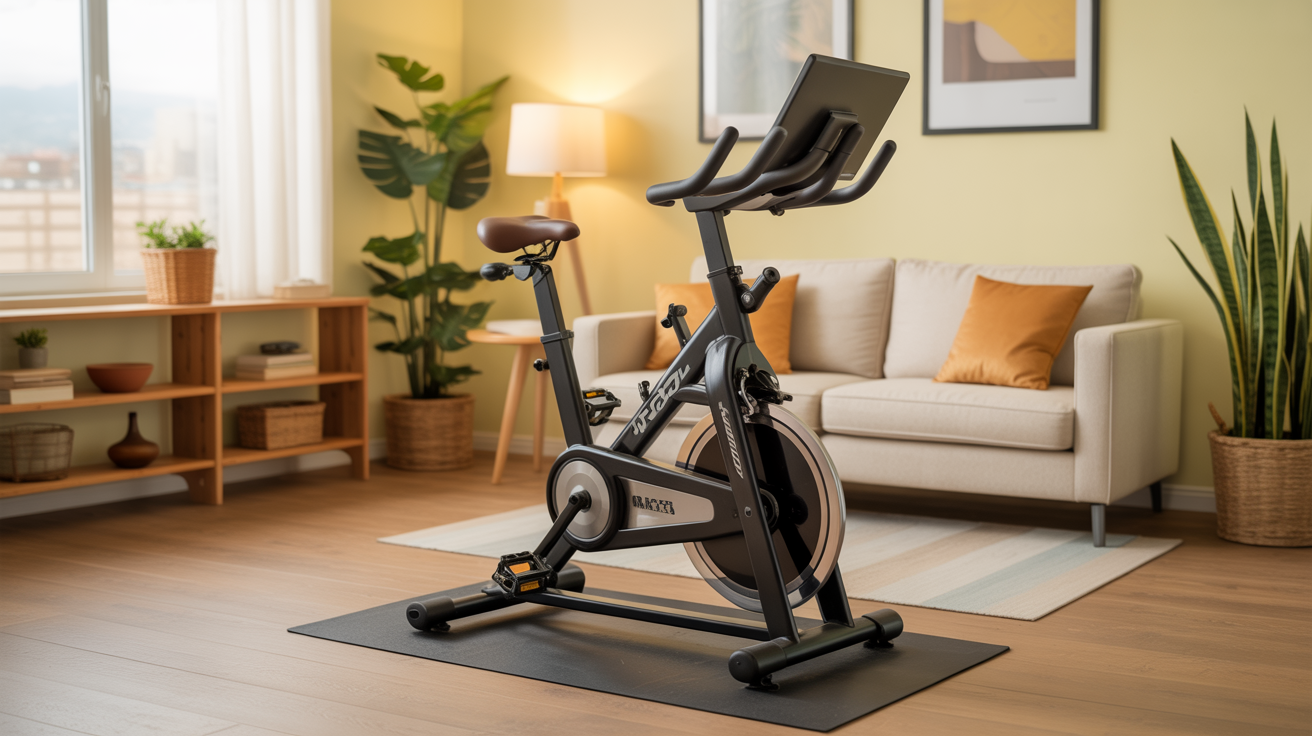
Data drives better results. Stationary bikes come with digital consoles that show exactly what you’re accomplishing. You can track progress over weeks and months instead of guessing.
- Heart rate monitors that keep you in optimal training zones
- Performance metrics tracking distance, speed, calories, and resistance levels
- Structured workout programs that guide you through intervals and challenges
More tracking means smarter training. You’ll know when to push harder and when to recover, which accelerates your fitness gains.
Pedal Exerciser vs. Stationary Bike: Side-by-Side Comparison
Let’s settle this debate. You need to know which machine fits your goals better. Here’s a direct comparison across five critical factors that matter most for your fitness decisions.
|
Factor |
Pedal Exerciser |
Stationary Bike |
Winner |
|
Cardiovascular Benefits |
Light cardio that increases circulation is safe for longer sessions without exhaustion |
Higher-intensity cardio is suitable for fat burn, stamina building, and serious training |
Stationary Bike for high-intensity fitness, Pedal Exerciser for gentle daily movement |
|
Muscle Engagement |
Primarily, legs can work the upper body if combined with resistance bands |
Legs + glutes + core + back muscles engaged throughout entire workout |
Stationary Bike |
|
Joint Impact & Comfort |
Low-impact circular motion recommended for arthritis and joint pain |
Low-impact motion that protects knees, hips, and ankles from stress |
Tie, both provide joint-friendly exercise |
|
Convenience & Portability |
Ultra portable, lightweight, compact, fits under desks and in closets perfectly |
Bulky and requires dedicated floor space. Foldable options exist, but are still much heavier |
Pedal Exerciser |
|
Calorie Burn Potential |
Light calorie burn suitable for extended sessions throughout the day |
Much higher burn due to intense resistance levels and speed options |
Stationary Bike |
The verdict depends on your priorities. If you need serious cardio intensity and maximum calorie burn, the stationary bike wins. If you want convenient, gentle movement that fits into tight spaces and busy schedules, the pedal exerciser is your answer. Both have their place. Choose based on your fitness level, space constraints, and workout goals.
Which Should You Choose? (Based on Fitness Goals)
Your goals determine the right machine. Don’t waste money on equipment that doesn’t match what you’re actually trying to achieve. Let me help you pick the device that fits your specific needs and lifestyle.
- Pedal exerciser: Choose this if you need daily gentle movement without strain, improved circulation while seated, or a rehabilitation tool after injury or surgery. These devices are perfect for staying active while working at your desk or watching TV, and they’re ultra-portable and affordable, ideal for small spaces, seniors, arthritis patients, or anyone who wants consistent low-impact activity.
- Stationary bike: Choose this if you want intense calorie-burning workouts, structured cardio training with performance tracking, or greater full-body muscle engagement. These machines deliver higher-intensity sessions that torch fat faster, build real endurance, and activate your legs, glutes, core, and back simultaneously for comprehensive fitness gains beyond simple leg movement.
- Reality check: Consider your space and budget as the tiebreaker. Pedal exercisers cost less, weigh under 10 pounds, and fit under furniture, making them accessible for tight budgets and small apartments. Stationary bikes require dedicated floor space and cost significantly more, but provide serious gym-quality workouts at home. Match the machine to your reality, not just your aspirations.
Conclusion
So those are the pedal exerciser benefits that actually matter. Better circulation, more energy during the day, improved mobility, and a simple way to stay active without leaving your chair. These little machines do more than you’d think.
You’ve got what you came for now. No more wondering if they’re worth it or just another gimmick. You know the real advantages and how they fit into everyday life. If you’re at a desk all day or just need gentle movement, you’ve got a solution that works.
If you’ve already tried a pedal exercise or you’re thinking about getting one, drop a comment below. What’s working for you? What questions do you still have? And if this cleared things up, share it with someone else who’s been sitting too much lately. Sometimes the simplest tools make the biggest difference.
Frequently Asked Questions
What are the main pedal exerciser benefits?
Pedal exercises improve blood circulation in your legs, increase energy levels throughout the day, and help maintain mobility without intense workouts. They’re great for burning extra calories while sitting, strengthening leg muscles gently, and reducing stiffness from prolonged sitting. You can use them at work, watching TV, or anytime you’re seated.
Can pedal exercisers help you lose weight?
Yes, but don’t expect dramatic results. Pedal exercisers burn calories steadily throughout the day, which adds up over time. They work best when combined with healthy eating and other activities. Think of them as a way to stay active during sitting time, not a replacement for regular exercise or walking.
Are pedal exercisers good for seniors?
Absolutely. Pedal exercisers offer low-impact movement that’s easy on joints and perfect for maintaining leg strength and flexibility. They help seniors stay active safely from a chair, improve circulation, and reduce fall risk by keeping leg muscles engaged. Many seniors use them while reading or watching TV for gentle daily exercise.
How long should you use a pedal exerciser daily?
Start with 10-15 minutes and work up to 30-60 minutes spread throughout your day. You don’t need to do it all at once. Short sessions while working, reading, or watching TV add up. Listen to your body and increase time gradually. Consistency matters more than duration when you’re starting.
Do pedal exercisers actually work for fitness?
They work for light fitness and maintaining activity, not intense training. Pedal exercisers keep you moving when you’d otherwise be sitting still, which improves circulation and burns some calories. They’re effective for daily movement, rehabilitation, or complementing other exercises. Just don’t expect them to replace walking, cycling, or gym workouts completely.