
You’re wondering if cycling will actually tone your legs, and how fast you’ll see results. Maybe you just got a bike or joined a spin class. Maybe you’re tired of workouts that promise everything but deliver nothing. Fair questions deserve straight answers.
Here’s what you need to know. Cycling does tone your legs, but “fast” depends on a few important factors.
In this blog, I’ll show you exactly how cycling shapes your leg muscles, what timeline is realistic, and what you need to do to speed up results.
I’ve been cycling for years, and I’ve seen what actually works versus what’s just gym talk. This isn’t copy-paste fitness advice or wild promises. It’s honest information based on real experience and what science says about muscle development. If you’re biking outdoors or hitting the stationary bike, you’ll know what to expect.
Understanding If Cycling Tones Your Legs Fast?

Let me clear something up first. Muscle tone isn’t about making your muscles bigger. It’s about definition, that lean, sculpted look when muscles become visible under your skin.
You need resistance training, cardio sessions, and reduced body fat to reveal those muscles. Toning is different from hypertrophy. Hypertrophy builds muscle size through heavy lifting. Toning creates definition without adding bulk.
Yes, cycling tones your legs. It hits all major lower body muscles, quads, hamstrings, glutes, calves, over and over.
But speed depends on how often you ride, the resistance level you use, your fat loss, and whether you cross-train. Results don’t happen overnight.
If you cycle consistently, around 30 minutes, 5–6 days per week, you’ll see faster results. Consistency beats intensity when starting. The key is showing up regularly and putting in the work.
Which Leg Muscles Does Cycling Tone the Most?
Your legs have several muscle groups that work together when you pedal. But not all muscles get worked equally. Some get hit harder than others based on how cycling biomechanics actually function.
Quadriceps (Front Thighs)
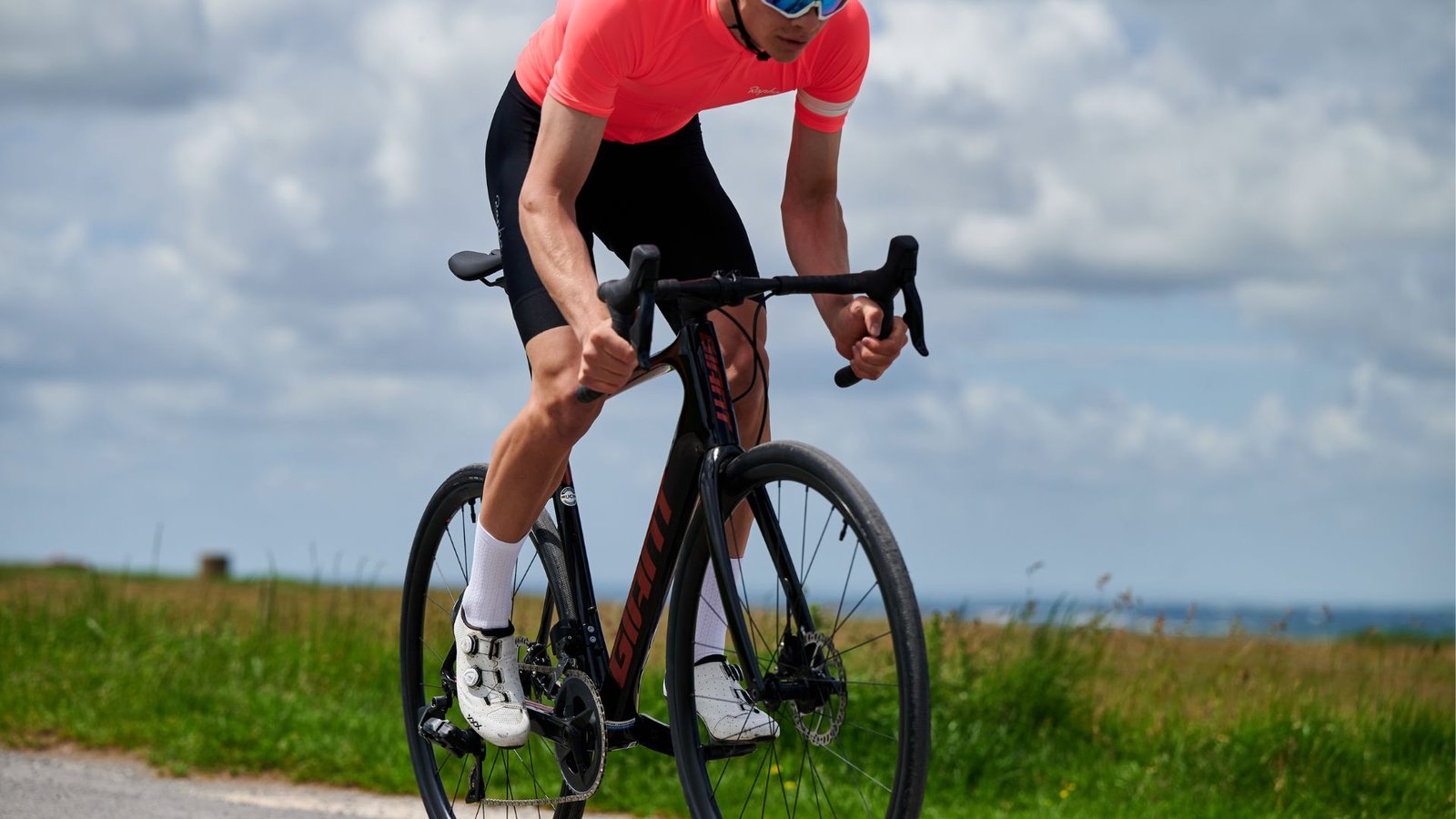
Your quads do the heavy lifting. They fire up during the downstroke, that powerful push down on the pedal. This is where most of your pedaling power comes from.
- Strongly activated with every pedal stroke.
- E is Essential for producing real power
- Get a solid workout from both outdoor and stationary biking
Cycling is honestly one of the best quad workouts you can get. If you want defined front thighs, this is your exercise.
Hamstrings (Back of Thighs)
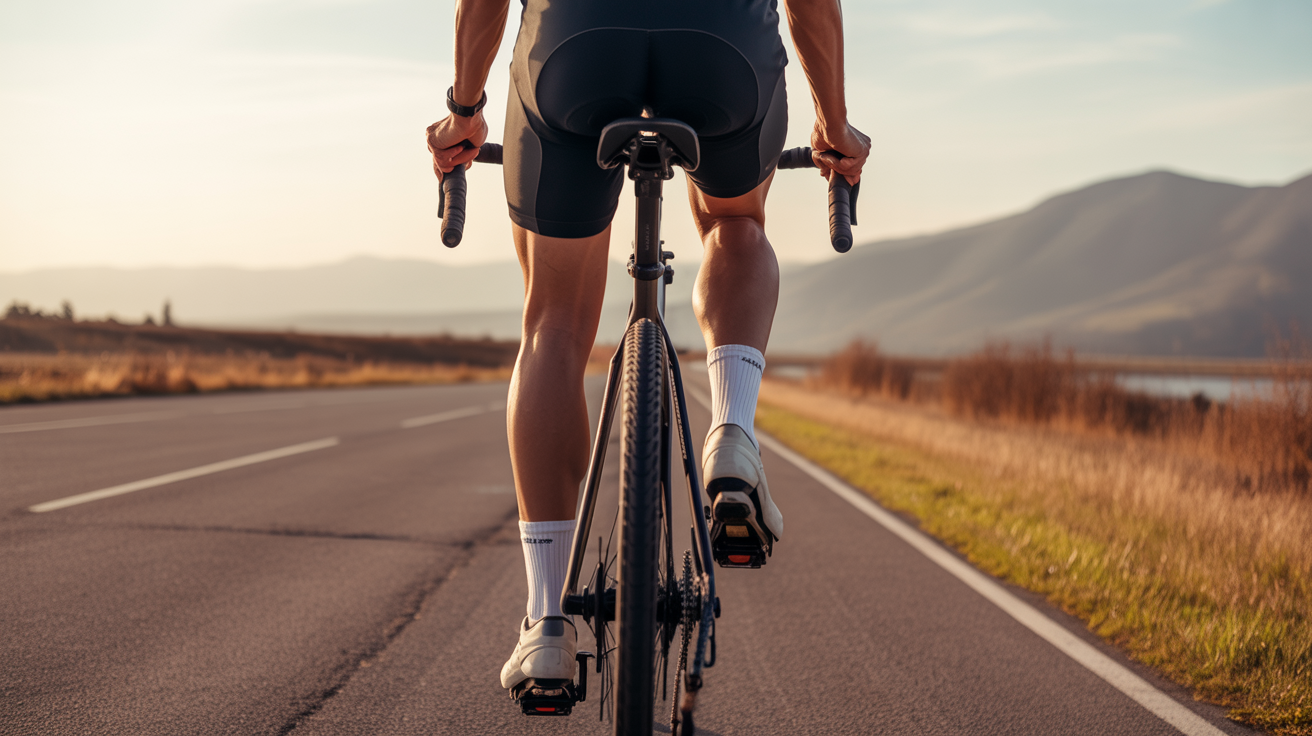
Here’s what most people miss. Your hamstrings work during the upstroke when you pull the pedal back up. They balance out all that quad work.
- Activated during the upward phase of pedaling
- Promote balanced leg development
- Benefit more from off-bike exercises like lunges and deadlifts
You’ll get some hamstring activation from cycling. Just don’t expect the same level of engagement as your quads get.
Calves (Soleus & Gastrocnemius)

Your calves work throughout the entire pedal stroke. Both the upstroke and downstroke activate these muscles. That’s constant engagement.
- Activated during both phases of pedaling
- Strong calves = more endurance on the bike
- Better pedaling power overall
Want shapely calves? Cycling delivers. The constant engagement builds both strength and definition over time.
Glutes (Gluteus Maximus, Medius, Minimus)

Most cyclists underestimate their glutes. But these muscles get heavily involved, especially when you adjust your setup correctly. Standing cycling and high resistance really fire them up.
- Use proper saddle height (higher is better)
- Stand up while pedaling occasionally
- Increase resistance levels regularly
- Focus on hip extension during each stroke
A higher seat means greater hip extension. And greater hip extension means your glutes have to work harder with every pedal push.
Hip Flexors (Iliopsoas)

These muscles get overlooked entirely. Your hip flexors lift your leg during the recovery phase of each pedal stroke. They work constantly to bring your knee back up.
- Pull your leg upward after each downstroke
- Help maintain a smooth pedaling rhythm
- Prevent your quads from doing all the work alone
Strong hip flexors mean less fatigue during long rides. They keep your pedaling efficient even when you’re tired.
Supporting Muscles That Indirectly Improve Leg Tone
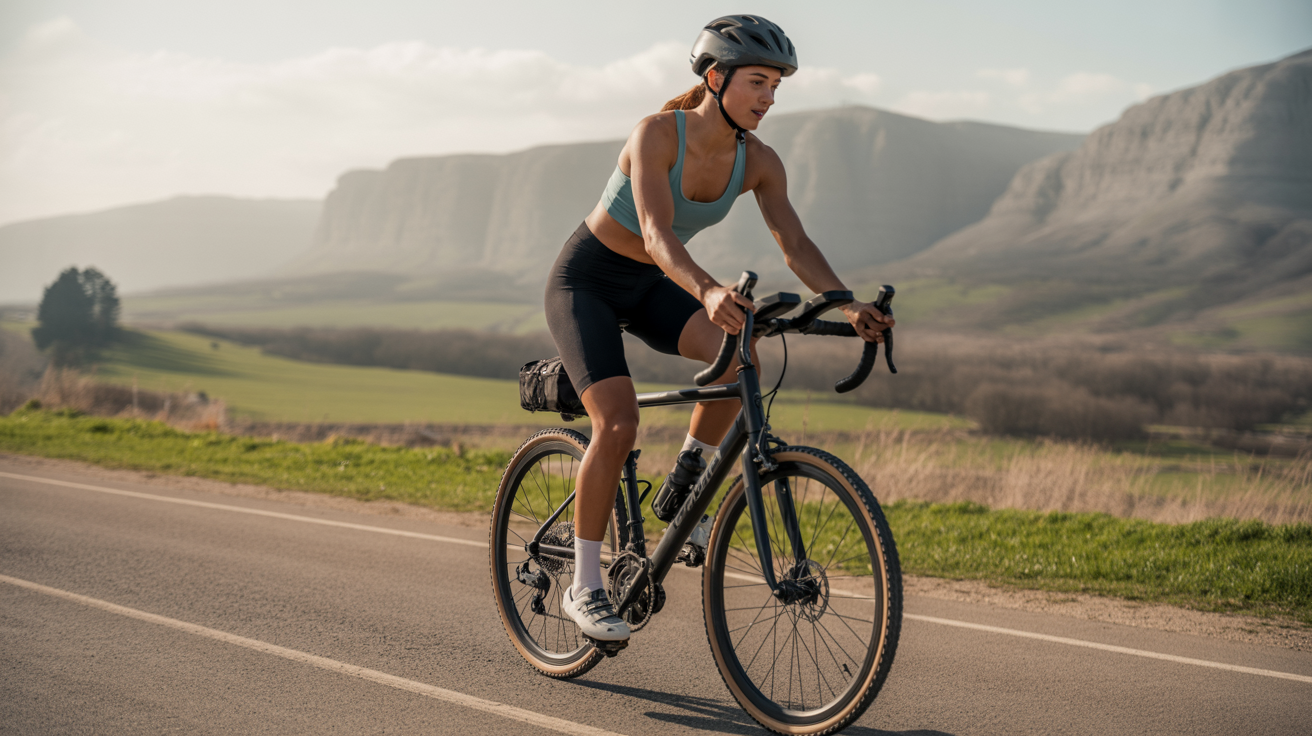
Cycling isn’t just about your legs. Other muscles work behind the scenes to support your ride. Your core and upper body play crucial roles in stabilizing your body and maintaining proper form.
These supporting muscles don’t get toned directly from cycling, but they help you ride more efficiently, which means better leg toning results.
- Core engagement: Your abs and lower back muscles constantly stabilize your body during every pedal stroke. This engagement helps you maintain proper form throughout your ride, which indirectly aids lower-body toning by keeping your movement efficient and controlled.
- Posture maintenance: Your arms and shoulders aren’t primary toning areas, but they support your balance and keep you stable on the bike. You’ll notice more upper-body activation during outdoor cycling and uphill climbs when you need extra stability.
- Form efficiency: When your core and upper body work together properly, your legs can focus purely on pedaling power. Better form means less wasted energy and more effective muscle engagement in your quads, hamstrings, and glutes.
Does Cycling Tone Your Legs Faster Than Other Cardio?
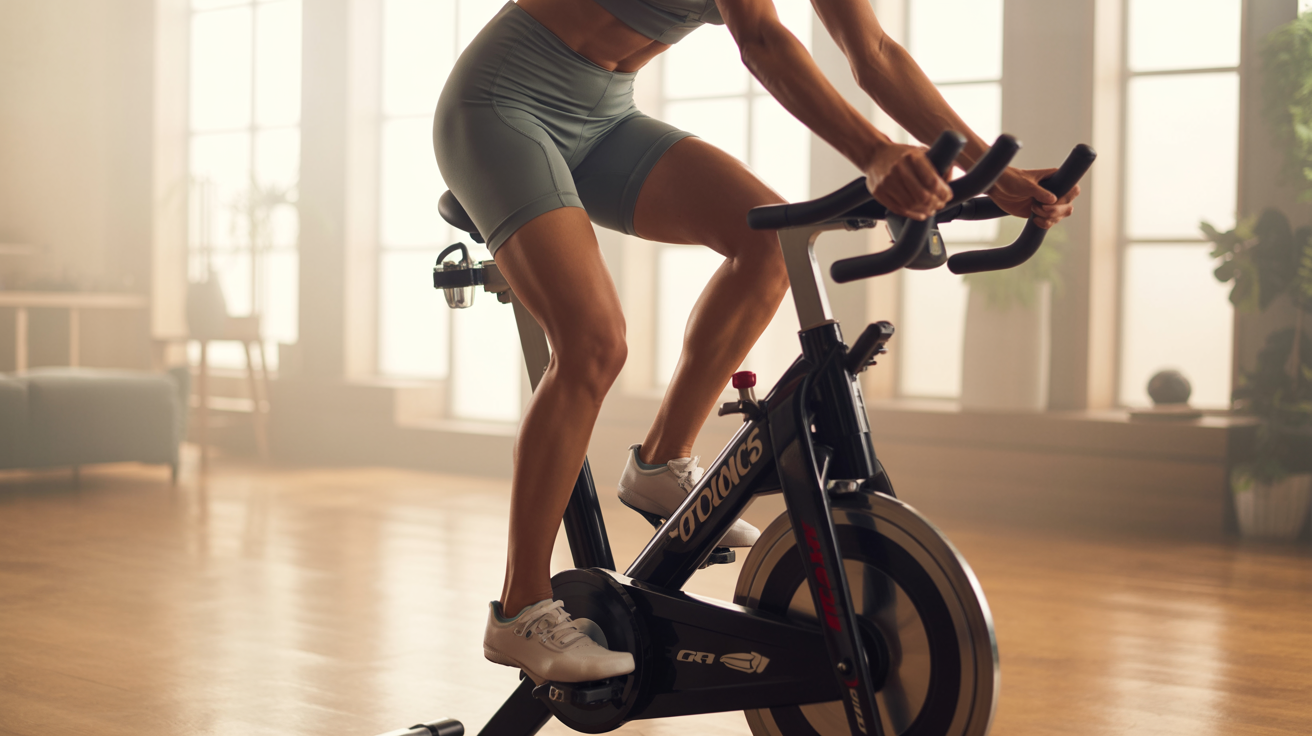
Here’s the real question. You want to know if cycling beats other cardio options for leg toning. Let me break down how cycling stacks up against the treadmill, one of the most popular alternatives.
| Factor | Cycling | Treadmill |
| Joint impact: | Low-impact and joint-friendly | Harder on knees, ankles, and hips |
| Muscle toning: | Better for quads, glutes, and calves | Good for overall leg engagement |
| Resistance options: | Customizable (hill mode, sprints, resistance levels) | Incline increases glute and hamstring work |
| Calorie burn: | 278 calories in 30 mins at vigorous pace (155 lb person) | 360 calories in 30 mins at 6 mph |
| Targeted activation: | Direct muscle engagement throughout the ride | More generalized leg movement |
Cycling tones muscles more directly. It targets specific leg muscles with every pedal stroke. The constant resistance creates efficient muscle activation, but here’s the twist. The treadmill burns more calories, which means faster fat loss. Revealing toned muscles requires reducing the fat layer covering them. Cycling builds definition through targeted resistance. Treadmill reveals definition through higher calorie burn. The fastest results? Combine both
How to Tone Your Legs Faster With Cycling?
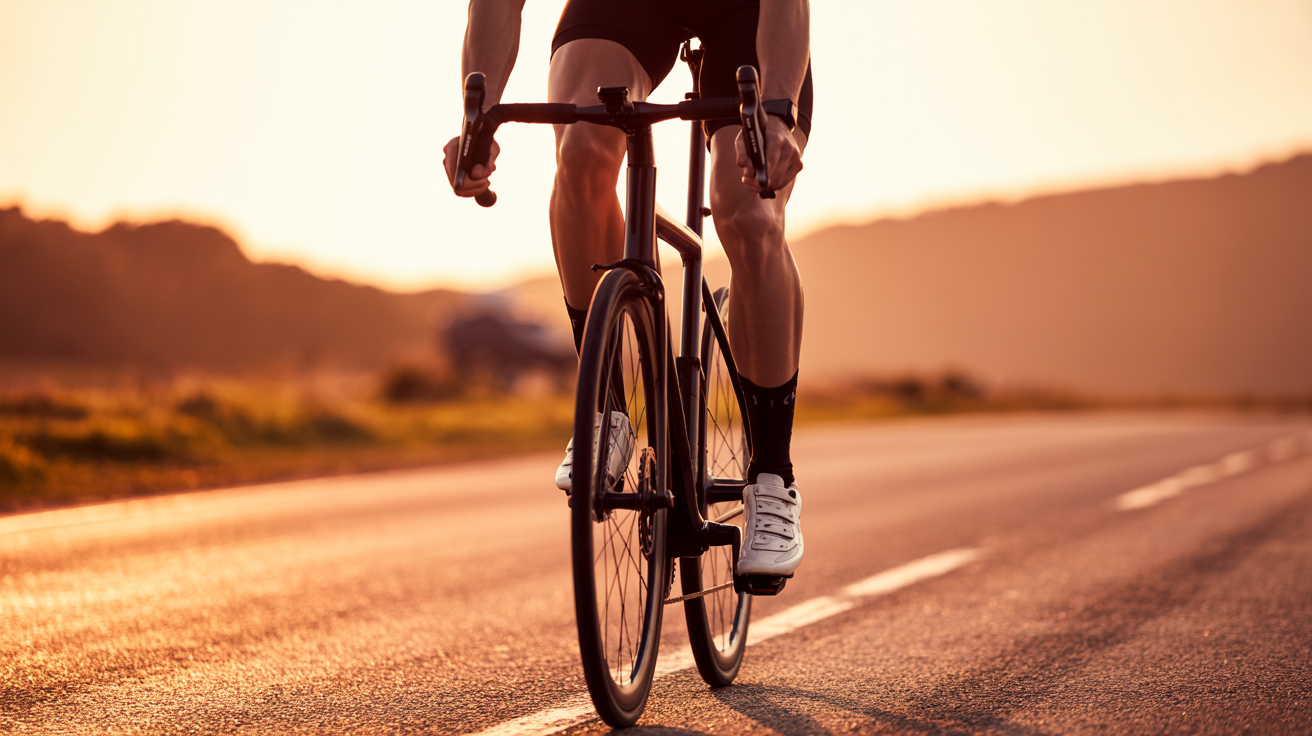
You can speed up your results. Basic cycling works, but strategic adjustments make a huge difference.
These five methods accelerate leg toning when you apply them consistently. Small changes create big results over time.
- Increase resistance: Crank up the difficulty level on your bike to force your muscles to work harder with every pedal stroke. Stationary bikes with adjustable resistance (8+ levels) help simulate hill climbs, which build strength and definition faster than flat riding alone.
- Perfect your technique: Focus on a full circular pedal motion instead of just pushing down. Pull up through the upstroke and push down through the downstroke to engage your quads, hamstrings, and calves more evenly throughout the entire rotation.
- Mix training styles: Stop doing the same steady pace every ride. Rotate between HIIT intervals (30 seconds hard, 60 seconds easy), hill climbs at higher resistance, and sprint bursts for 10-20 seconds to challenge your muscles differently and build definition faster.
- Add strength training: Complement your cycling with targeted exercises 2-3 times per week. Squats, lunges, deadlifts, and kettlebell swings tone your thighs and glutes, while calf raises and stair climber sessions define your lower legs.
- Increase ride frequency: Consistency matters more than intensity when starting. Aim for 5-6 cycling sessions per week, even if they’re just 30 minutes each, to keep your muscles engaged and accelerate your toning progress.
Outdoor vs Indoor Cycling for Leg Toning
The setting matters. Where you ride affects how your muscles get worked. Both outdoor and indoor cycling tone your legs, but they do it differently. Let me break down which option might work better for your goals.
| Factor | Outdoor Cycling | Indoor Cycling |
| Muscle challenge: | Multiple angles due to terrain variations | Single, controlled angle of resistance |
| Muscle activation: | Better overall activation from natural changes | Focused, targeted leg muscle work |
| Resistance control: | Depends on terrain, wind, and hills | Precise control with adjustable settings |
| Training flexibility: | Harder to combine with strength sessions | Easier to add weight training before/after |
| Variation: | Natural hills, flats, turns keep muscles guessing | No terrain challenges, consistent patterns |
| Convenience: | Weather-dependent, requires safe routes | Available anytime, no external factors |
Both can tone at similar rates. The key is proper nutrition and training consistency, not the location. Outdoor cycling gives you more natural variation that challenges multiple muscle groups. Indoor cycling provides more controlled resistance for targeted work.
Safety Tips to Maximize Leg Toning
Toning means nothing if you get injured. Safe cycling practices keep you riding consistently, and consistency is what builds definition. These safety tips protect your body while maximizing muscle engagement for better leg toning results.
- Warm up properly: Start every ride with 5-10 minutes of easy pedaling and dynamic stretches. Your muscles need time to prepare for work. Cold muscles tear easily and won’t engage properly, which means less effective toning and a higher injury risk.
- Maintain correct form: Keep your knees aligned over your feet throughout each pedal stroke. Poor form causes knee strain that sidelines your training. Watch your posture, too. Hunching forward shifts weight incorrectly and reduces leg muscle activation.
- Adjust your equipment: Set your saddle height so your leg has a slight bend at the bottom of each stroke. This position affects glute and hamstring activation directly. A comfortable seat prevents hip shifting that disengages your muscles and wastes your effort.
Conclusion
So, does cycling tone your legs fast? Yes, it does tone them, but “fast” usually means a few weeks to a few months, depending on how often you ride and how hard you push. You’ll see definition building in your quads, hamstrings, and calves with consistent effort.
You’ve got your answer now. Cycling works, but it’s not magic overnight. Stick with it, add some resistance, and stay consistent. Mix in different intensities, and you’ll see your legs get stronger.
Start pedaling if you haven’t already. Pay attention to how your legs feel after a few weeks. If you’ve got questions about your own cycling routine or you’ve seen good results already, drop a comment below and let me know. I’m curious what’s working for you. And if this cleared things up, share it with someone else wondering the same thing.
Frequently Asked Questions
Does cycling tone your legs fast?
Cycling does tone your legs, but results take time. Most people notice muscle definition in 3-6 weeks with consistent riding. How fast it depends on your intensity, frequency, and current fitness level. Riding 3-4 times weekly with varied resistance speeds up toning. It’s effective, just not overnight.
Which leg muscles does cycling tone the most?
Cycling primarily tones your quadriceps, hamstrings, and calves. Your quads do most of the work when pushing down on pedals. Hamstrings engage when pulling up. Calves activate throughout the pedal stroke. Glutes also get worked, especially on hills or high resistance. It’s a complete lower-body workout.
Is cycling better than running for toning legs?
Both tone legs differently. Cycling builds muscle definition with less impact on joints, making it easier to do more frequently. Running burns more calories and works muscles through different ranges of motion. For pure leg toning with lower injury risk, cycling often wins. Combining both gives the best results.
How often should I cycle to tone my legs?
Aim for 3-5 cycling sessions per week for noticeable leg toning. Each ride should be 30-60 minutes. Mix steady rides with high-intensity intervals and hill climbs. Your muscles need recovery time between sessions, so don’t ride hard every single day. Consistency matters more than daily grinding.
Does cycling make your legs bigger or leaner?
Cycling typically makes legs leaner and more defined rather than bulky. You’ll build lean muscle and reduce fat, creating a toned look. Sprint cyclists who do extreme resistance work may build more mass, but casual and moderate cycling creates slim, defined legs. It depends on your intensity and riding style.