Dealing with back pain shouldn’t mean giving up on leg day. If squats leave you hurting, you’re not alone. Many people struggle with the same issue. This article shows you proven alternatives that build strong legs without stressing your spine.
You’ll find exercises that actually work, backed by what physical therapists recommend. No complicated moves or fancy equipment needed. Just practical solutions you can start using today. I’ve spent years working with people who have back problems.
Trust me when I say you don’t have to choose between a strong lower body and a pain-free back. The right exercises let you have both. Whether your back acts up from old injuries or just everyday wear and tear, these alternatives will help you keep training safely. Let’s find the moves that work for your body.
Why Squats Hurt Your Back?
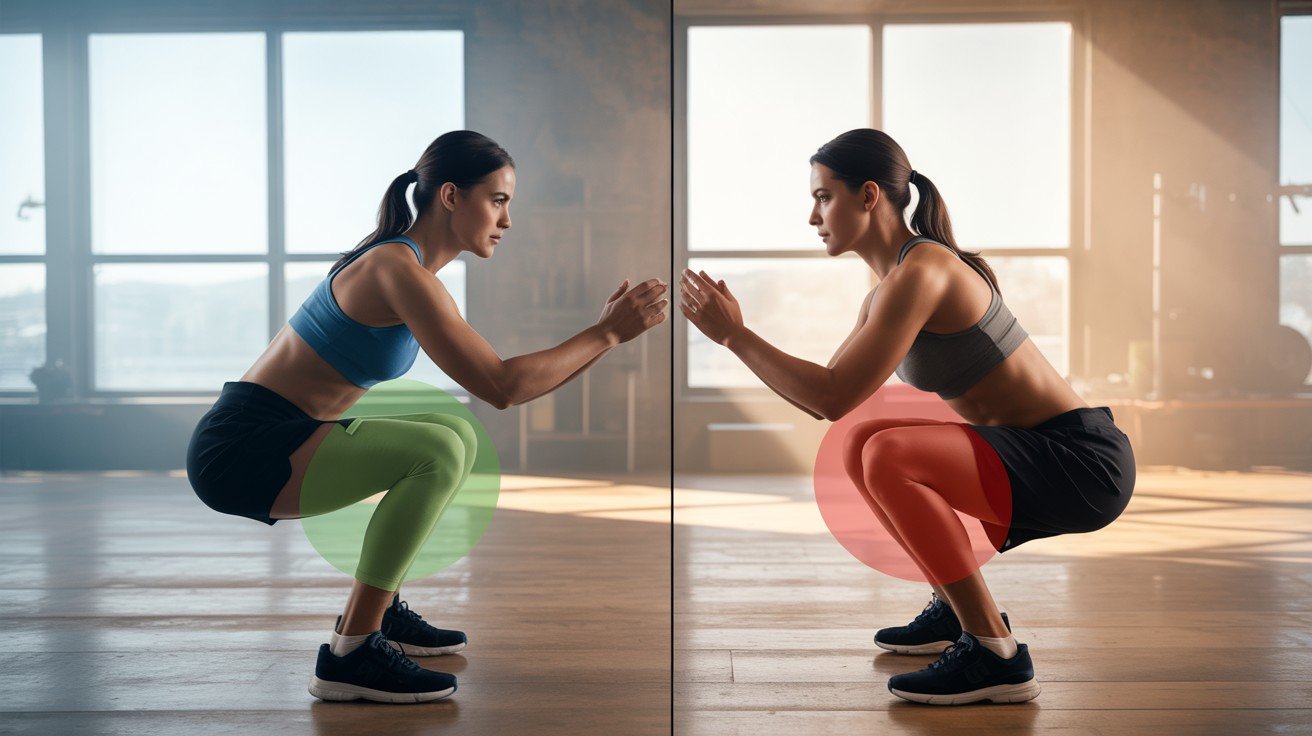
Your back wasn’t built to handle massive loads in every position. When you squat with a barbell, your spine compresses hard. We’re talking up to 10 times your body weight pressing down on those vertebrae. That’s not a small number.
Spinal Compression and Loading
The barbell sits on your back, and gravity does its thing. This creates what experts call axial loading, fancy words for “weight pushing straight down on your spine.” Where you place the bar matters more than you think.
High bar position? More pressure on your upper back and thoracic spine. Low bar? The load shifts to your lower back and hips. Neither is wrong, but your spine feels the difference. If your form breaks down under heavy weight, that compression becomes dangerous.
Common Causes of Squat-Induced Back Pain
Here’s what’s actually hurting you:
- Poor form: Leaning too far forward puts your lower back in a terrible position
- Butt wink: That tucking motion at the bottom crushes your lumbar discs
- Weak core: Your abs and back muscles can’t brace properly
- Tight hips: Limited mobility forces your spine to compensate
- Bad ankles: Poor dorsiflexion makes you pitch forward
You might also have something going on already. A herniated disc doesn’t announce itself until you load it wrong. Sciatica gets angry when you compress those nerve roots. Facet joint irritation turns a simple squat into sharp, stabbing pain.
When to Avoid Back Squats
Stop squatting if you’ve got acute lower back pain right now. Also, stop if that pain has stuck around for more than three months that’s chronic, and you need a different approach.
Some backs aren’t built for heavy barbell squats. Herniated discs and SI joint dysfunction don’t play nice with spinal compression. During rehab or mobility work, swap back squats for alternatives. This isn’t giving up. It’s being smart about your training.
Best Squat Alternatives for a Bad Back
You don’t need to sacrifice leg gains because your back hurts. These alternatives hit the same muscles, quads, glutes, and hamstrings, without crushing your spine. Each one removes or reduces spinal stress while keeping your lower body strong.
Front Squat
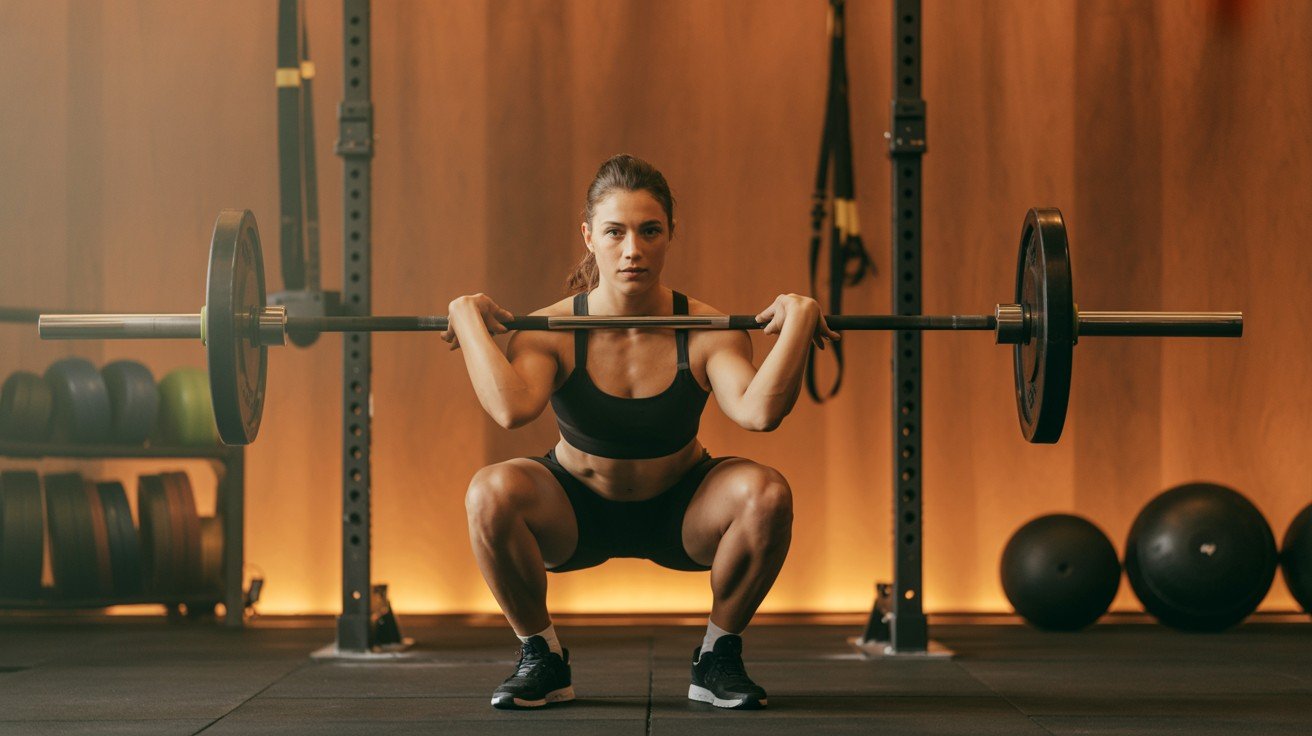
The bar sits across your front shoulders instead of your back. This forces you to stay upright, which means less forward lean and way less pressure on your lumbar spine.
Your quads do most of the work here. Your glutes and core fire hard to keep you stable. Your upper back gets involved, too. Research shows front squats create lower spinal compression than back squats while still activating the same muscle groups.
Here’s how to do it right:
- Keep your elbows high the entire time
- Brace your core before you descend
- Start with light weight until the position feels natural
Belt Squat (or Hip Belt Squat)
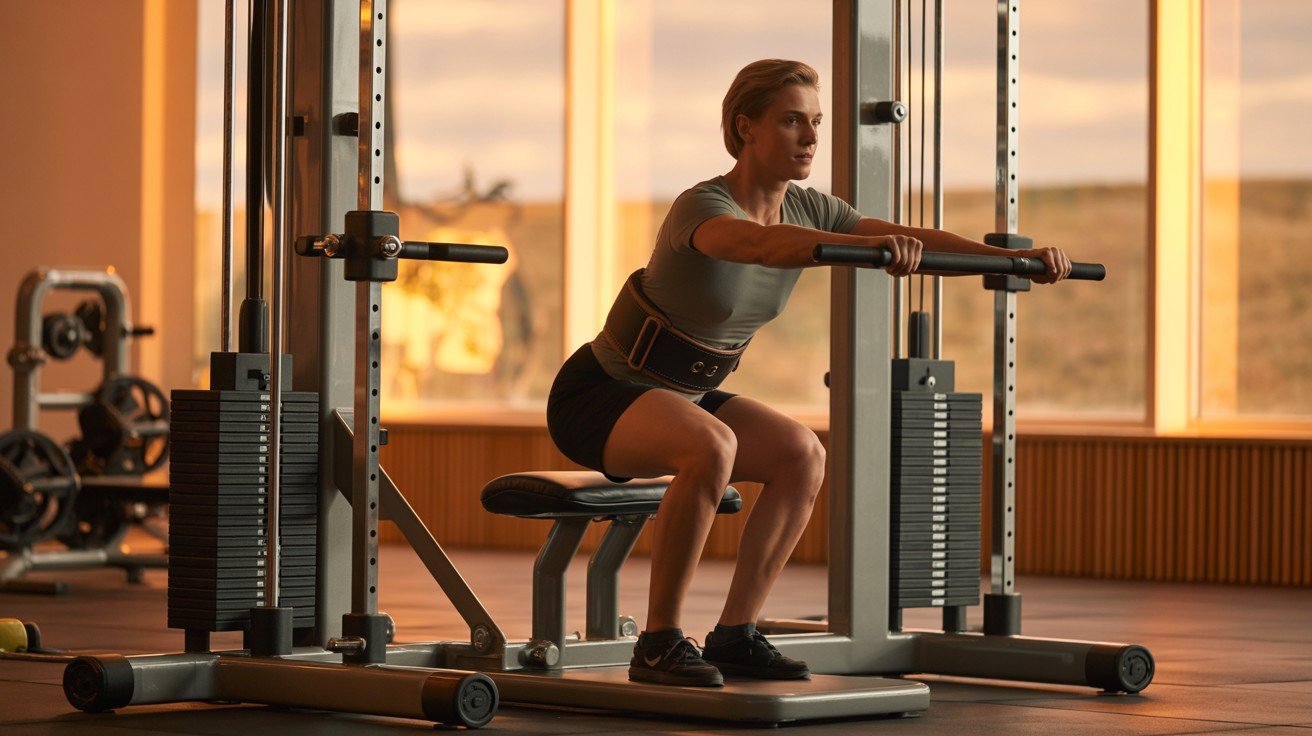
Zero spinal load. The weight hangs from your hips, not your shoulders or back. Your spine becomes a passenger instead of the main support structure.
You’ll feel this in your quads, glutes, and hamstrings. Nothing else interferes. If you’re recovering from a back or shoulder injury, this is your new best friend.
Set up tips:
- Stand on raised platforms so the weight can drop below you
- Keep your torso tall throughout the movement
- Use a belt squat machine if your gym has one, or rig up a dip belt with plates
Bulgarian Split Squat (Rear-Foot Elevated Split Squat)
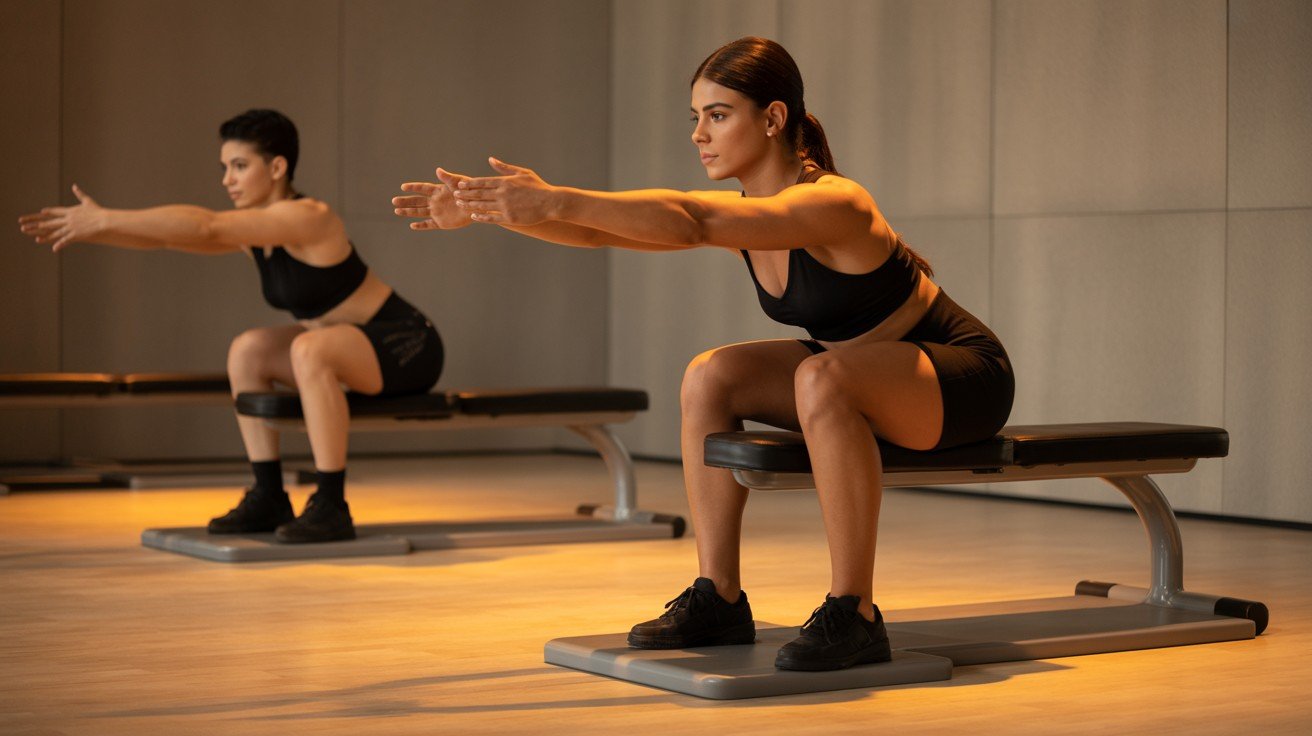
One leg does the work while the other rests behind you. This cuts your total load in half but keeps the intensity high. Less weight on your spine, same burn in your legs.
Your front leg hits quads, glutes, and hamstrings. Your calves stabilize. Your core works overtime to keep you balanced. This exercise also fixes strength imbalances between your left and right sides.
Make it work:
- Line up your front knee over your ankle
- Hold dumbbells for progressive overload
- Squeeze your core to stay steady
Goblet Squat
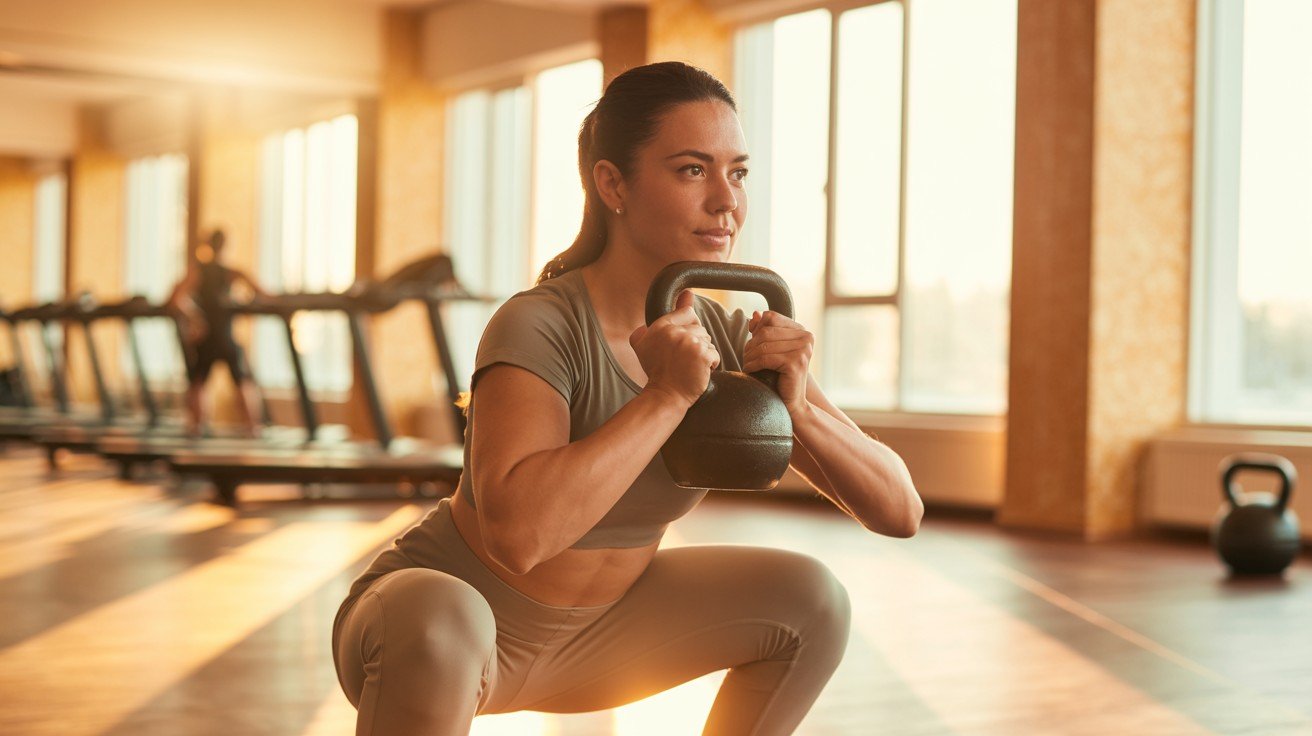
Hold a dumbbell or kettlebell at your chest. The front-loaded weight keeps you upright and stops your lower back from rounding. Simple, effective, spine-friendly.
This targets your quads and glutes hard. Your core fires to support the weight in front. Beginners love this one because the form comes naturally.
Key points:
- Hug the weight close to your chest
- Keep your spine neutral, no rounding
- Perfect for warming up or high-rep conditioning
Hack Squat (Machine or Free-Weight)
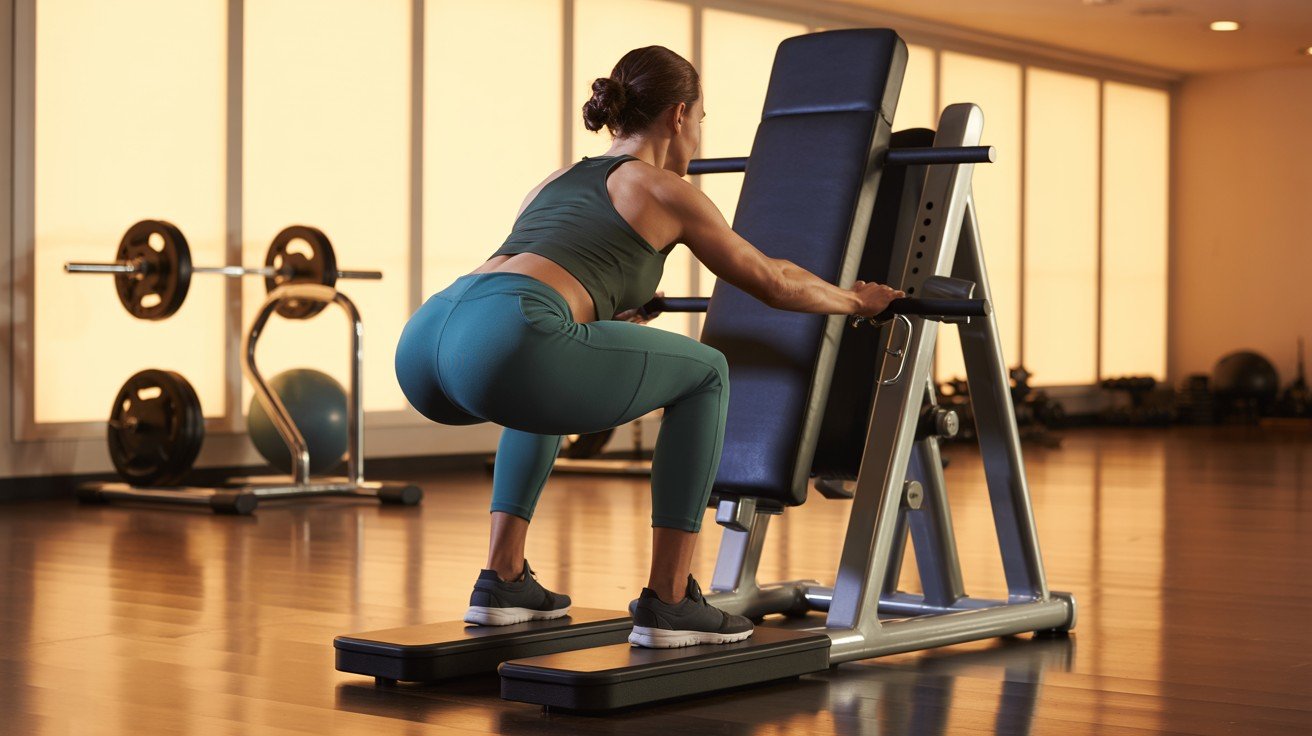
The machine supports your back completely. Your spine barely participates while your legs do all the lifting. Studies show hack squats produce the lowest erector spinae activation of any squat variation.
Your quads take the lead here. Glutes and hamstrings join in. If your back is sensitive, this machine becomes essential equipment.
Do it right:
- Keep your spine neutral against the pad
- Control the descent slowly to protect your knees
- Don’t rush the movement
Zercher Squat
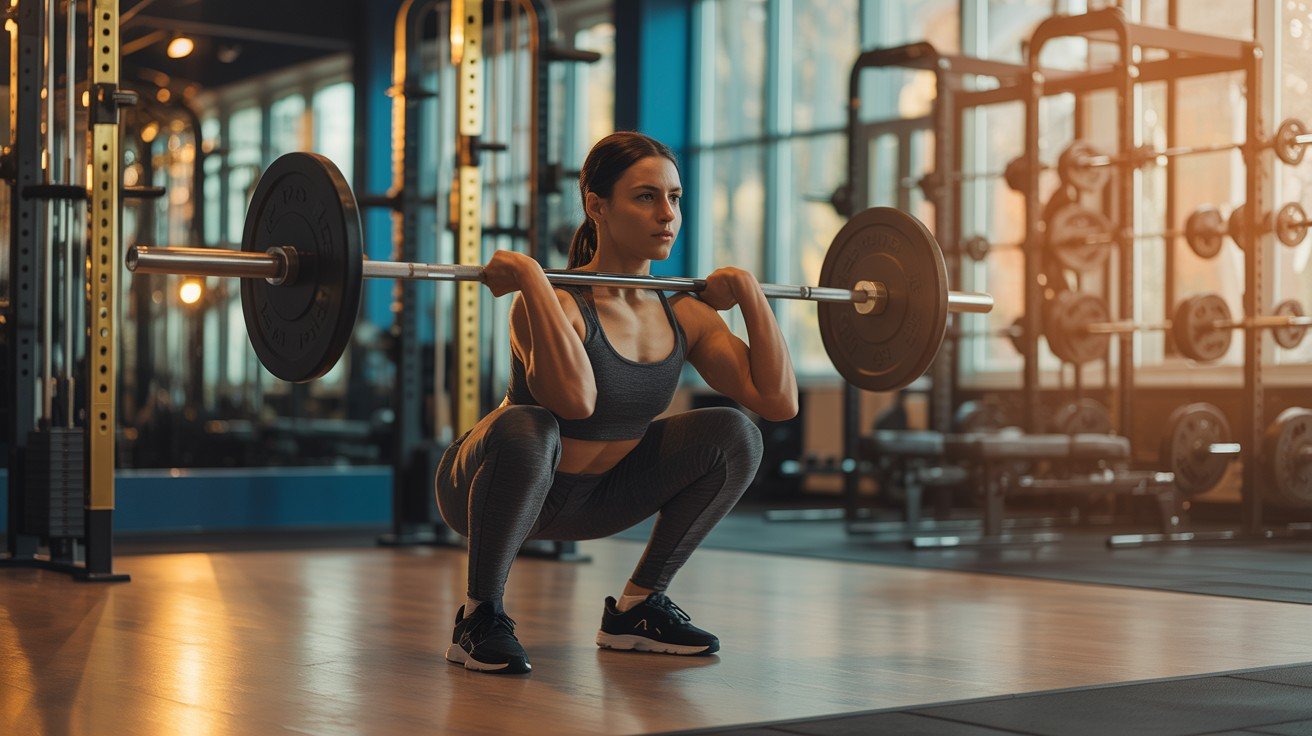
The bar rests in the crook of your elbows. Weird position, but it works. You stay upright because the bar sits in front, and that reduces spinal compression significantly.
Your quads and glutes do the heavy lifting. Your core and upper back brace hard. If you can’t put a barbell on your back or shoulders due to injury, this solves the problem.
How to set up:
- Keep your knuckles pointing up
- Keep your elbows high
- Hold the bar tight to your torso to avoid shear forces
Trap Bar Deadlift (Squat-Stance Style)
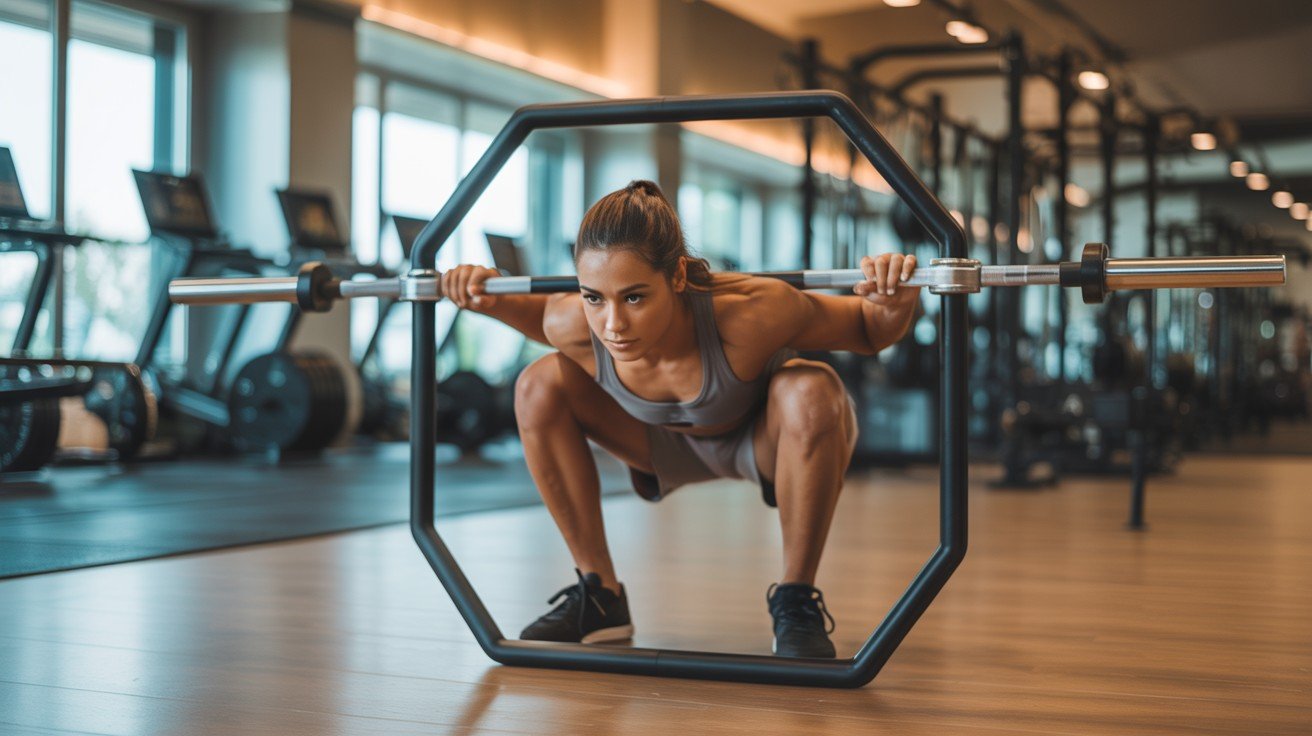
The neutral grip and bar design let you stay upright. A more upright torso equals less lower back strain. This works as both a squat and a deadlift substitute.
You’ll hit quads, hamstrings, and glutes evenly. Use a moderate load and focus on clean form. Your knees track over your toes, just like a squat.
Set up basics:
- Start with feet hip-width apart
- Keep your knees moving forward as you descend
- Maintain tension through the entire range
Programming Tips for Safe Training
Your training program needs structure, not just random exercises. Smart programming protects your back while building strength. These tips keep you progressing without setbacks.
- Strengthen your core with planks and bird-dogs, and improve hip and ankle mobility for better squat depth and control.
- Start with lighter loads and focus on perfect form, then increase resistance incrementally once you achieve pain-free movement.
- Use proper equipment like weightlifting belts, elevated heels, or safety squat bars to assist with posture and stability.
- Listen to your body and discontinue any exercise that causes discomfort or aggravates existing pain.
- Alternate between low-impact and machine-based. squats on recovery days to allow proper healing.
Conclusion
You don’t need traditional squats to build strong legs. These squat alternatives for bad back relief give you plenty of options that work just as well. Pick the ones that feel right for your body and start there.
Your back pain doesn’t have to stop your progress. With these exercises, you can keep training safely while protecting your spine. Listen to your body and adjust as needed. Some days, certain moves will feel better than others, and that’s completely normal.
Start with one or two alternatives this week and see how they feel. Which exercise are you most excited to try? Drop a comment below and let me know how these moves work for you. Your experience might help someone else dealing with the same struggle.
Frequently Asked Questions
What is the best squat alternative for a bad back?
Goblet squats and box squats are often the safest starting points. They let you control your range of motion and maintain better posture. Bulgarian split squats also work well since they reduce spinal loading. Try each one to see which feels most comfortable for your back.
Can I still build leg muscle without doing regular squats?
Absolutely. Leg presses, lunges, step-ups, and Romanian deadlifts all build strong legs effectively. Your muscles respond to resistance and progressive overload, not specific exercises. Many people build impressive leg strength without ever doing traditional barbell squats.
How do I know if an exercise is making my back worse?
Stop immediately if you feel sharp pain, numbness, or tingling in your legs. Mild discomfort during exercise is normal, but pain that lasts for hours afterward is a warning sign. Start with lighter weights and perfect your form before adding load.
Should I avoid squats completely if I have back pain?
Not necessarily. Some squat variations, like goblet squats or front squats, might work fine. The key is finding movements that don’t trigger your pain. Work with a physical therapist to identify which patterns your back can handle safely.
How often should I train legs with a bad back?
Start with two sessions per week, allowing at least two days between workouts. This gives you time to recover. As you get stronger and more comfortable, you can gradually increase frequency. Always prioritize recovery over pushing through pain.